Crazy careers
Food testers had it worse than you think, and more odd jobs from the past
Published on April 12, 2026
 Image: Clem Onojeghuo
From medieval Europe to early industrial America, people have taken on some truly bizarre professions. Many of these jobs existed out of necessity, cultural tradition, or lack of technology. Others were born of superstition or unusual demands of society’s elite. From leech collectors to sin-eaters, here are 10 real jobs from history that may sound absurd today but were once legitimate ways to earn a living.
Leech collector
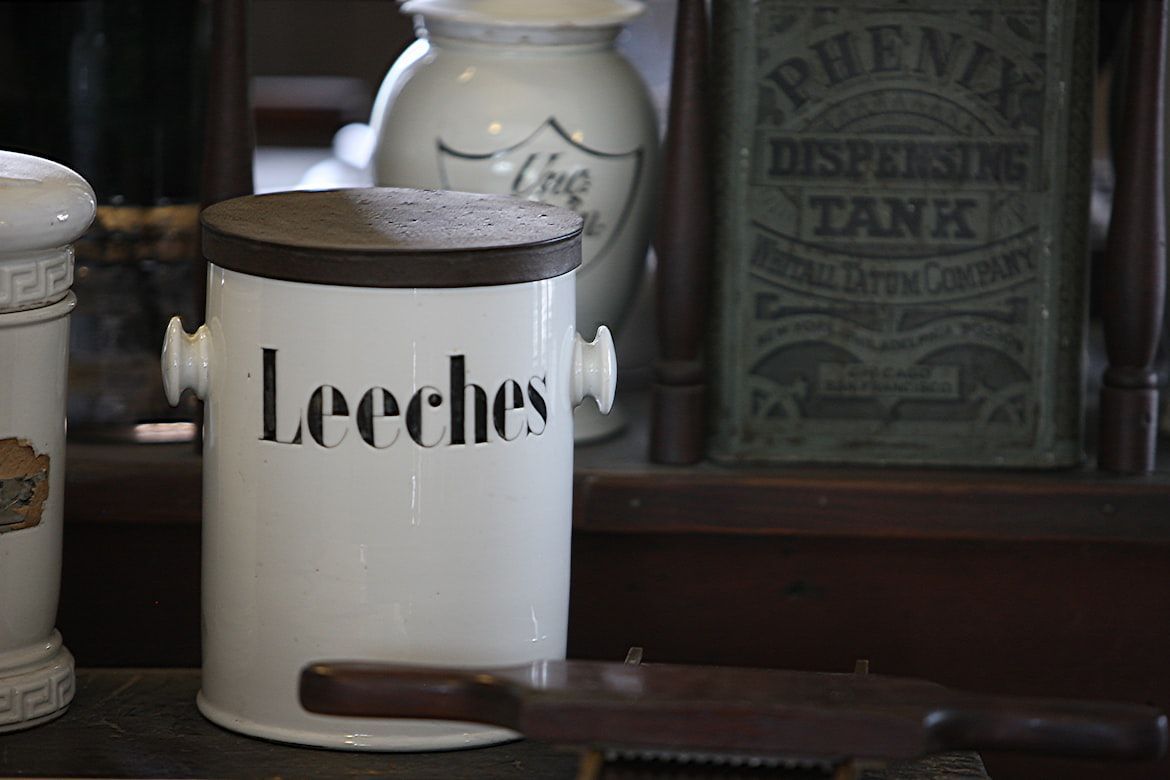 Image: David Trinks
Doctors in medieval Europe and well into the 19th century used leeches for bloodletting. To obtain the large numbers required, collectors waded into marshes and let the creatures attach themselves to their legs.
The demand was so high that wetlands across Europe were nearly stripped of leeches. Despite the grisly nature of the work, it was a stable source of income for poor laborers.
Ale taster
 Image: Josh Olalde
In medieval England, ale tasters checked the quality and fairness of beer sold in taverns. They ensured proper strength, taste, and pricing for consumers.
While the role sounds more fun than work, it involved serious regulation. Some tasters also inspected bread, showing how essential beer was to medieval diets.
Rat catcher
 Image: Daniil Komov
While this job doesn’t sound so strange—we have modern equivalents of this after all—the comparison doesn’t fully capture how essential their work was to 19th-century cities plagued by poor sanitation and overcrowded streets.
In Paris and London, rat catchers became semi-celebrities of street life. Their work helped reduce disease risks, though they themselves faced high exposure to bites and plague.
Gong farmer
 Image: Boudewijn Huysmans
In Tudor England, "gong farmers" cleaned cesspits and privies. The word "gong" had nothing to do with the Asian percussion instrument; rather, it derived from an Old English term referring to a privy and its contents.
They worked at night to avoid public disgust, carrying waste in buckets outside city walls. The job was dangerous due to toxic fumes, but surprisingly lucrative. Workers often earned more than many skilled tradespeople, though at the cost of extreme social shunning.
Whipping boy
 Image: Jessica Kantak Bailey
In Tudor and Stuart England, princes weren’t punished directly. Instead, their "whipping boy" was flogged whenever they misbehaved—a form of indirect punishment meant to instill guilt in the young prince.
The practice only worked with boys close to the prince, ensuring emotional impact. One of the most cruel practices of the era, whipping boys often gained favor and lifelong connections at court.
Resurrectionist
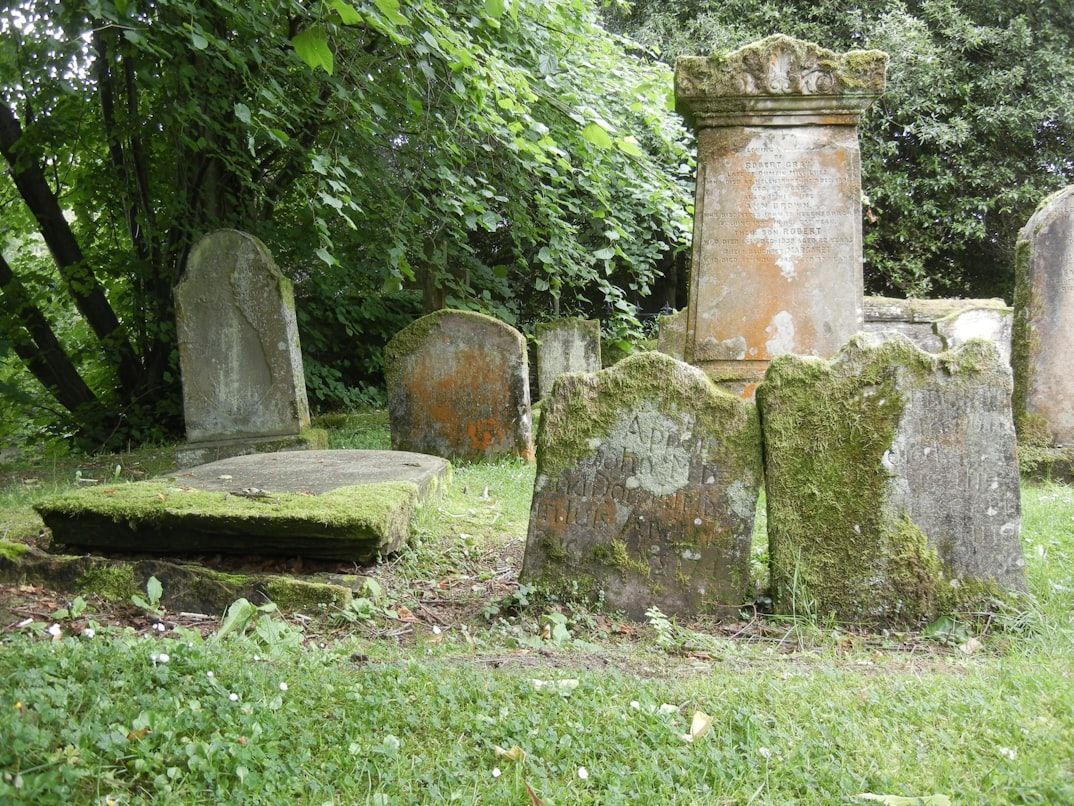 Image: Griffin Quinn
A colorful euphemism for "grave robber," this profession flourished in the 18th and 19th centuries, as demand for cadavers by medical schools reached an all-time high while legal supply remained scarce.
Despite being illegal and widely despised, it was a lucrative career. The trade also created related jobs, as concerned families hired cemetery watchmen and private grave guards. In some infamous cases, "resurrectionists" even escalated to murder to meet demand.
Powder tester
 Image: Stephen Radford
In gunpowder factories, specialized workers tested batches by igniting small amounts to check burn quality. How each batch responded to ignition determined the safety and effectiveness of the product.
The work was inherently perilous—accidents were frequent, and uncontrolled explosions could have devastating consequences for both workers and factories. Yet, gunpowder was so essential to empires that testing remained a permanent job.
Treadmill walker
 Image: Gold's Gym Nepal
Did you know treadmills were originally designed for prisoners? Keep that in mind on your next visit to the gym. In 19th-century Britain, prisoners powered massive treadmills that ground grain or pumped water.
The devices also served as punishment through hard, monotonous labor. The so-called "everlasting staircase" could last for hours, leaving inmates utterly exhausted. Perhaps this also explains how prisoners could later easily outrun guards—talk about a double-edged sword.
Food taster
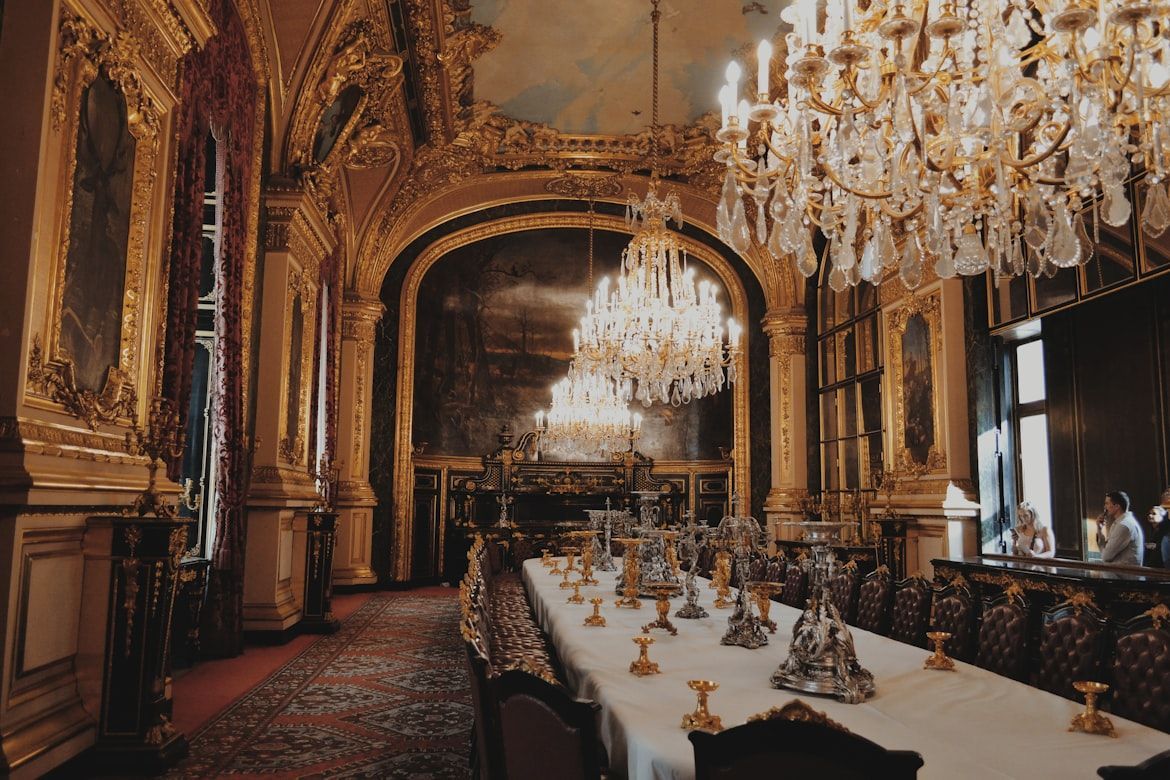 Image: Amy-Leigh Barnard
Food tasters were employed at royal and imperial courts to sample dishes before rulers ate, ensuring safety from any poisoning attempts. The role existed in ancient Rome, medieval Europe, and even into modern times.
While certainly not the worst job a commoner could hold among royalty (whipping boys and grooms-of-the-stool arguably had it worse), and though some tasters lived comfortably at court, their job was literally a matter of life and death.
Sin-eater
 Image: engin akyurt
In 17th- and 18th-century Britain, some families hired "sin-eaters" to consume bread and beer placed on a corpse. The ritual symbolized absorbing the deceased’s sins.
Despite their spiritual services, sin-eaters were social outcasts. Typically paid in food or a few coins, they carried a heavy stigma, as they were believed to take on the spiritual burden of the dead they served.