People remember stories

Your knuckles know more than you think: Here’s what they can tell you


Published on April 22, 2026

Image: dianne clifford

You might forget where you left your keys or your glasses, but some things are forever imprinted in your memory one way or another. And for those things you simply can’t seem to remember, some useful mnemonic devices can help you. For example, how can you remember the presidents on our bills? And what about all the spelling rules our language has? Is it "gray" or "grey"? Don’t worry, we’ve got you covered. Keep reading and learn a few tricks.

1

The faces on US bills

Image: Lewis Meyers

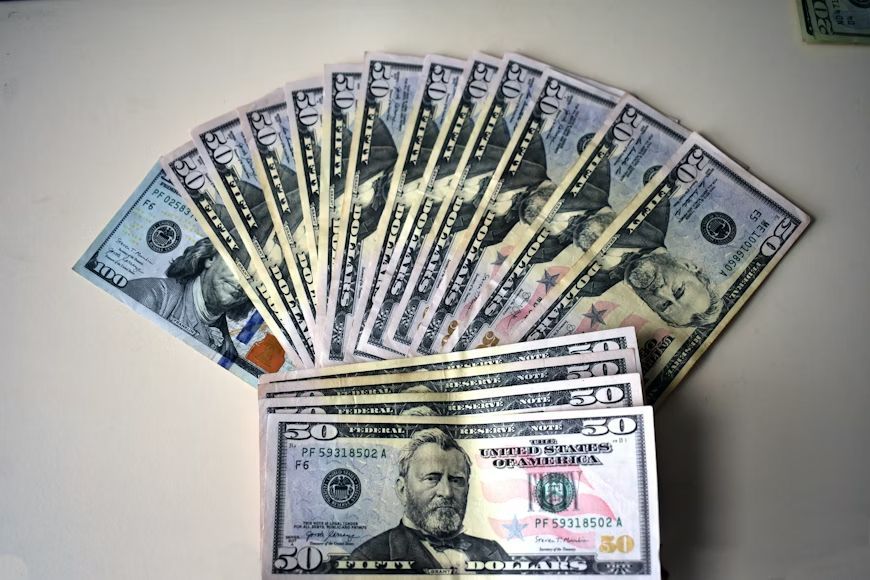
You may handle bills every single day, but can you answer whose face is on each one? You don’t need to remember; this mnemonic device will do it for you: The phrase "When Jeff Left Home, Jack Got Fat" gives you the answer. As you can notice, the first letter of each word stands for the last name of the president or founding father: Washington, Jefferson, Lincoln, Hamilton, Jackson, Grant, and Franklin.

2

Knuckle months

Image: Dan Burton

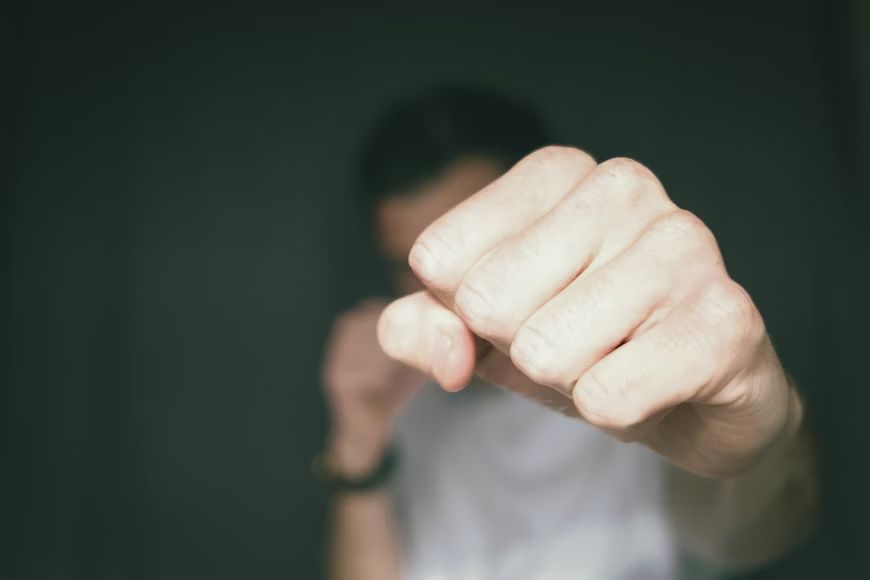
Yes, we keep lots of calendars, but sometimes we have to double-check if a month has 30 or 31 days. Has this happened to you? If it has, next time you’ll want to use your knuckles. The rule is simple: Make two fists and count across your knuckles and the dips between them. Months that land on knuckles have 31 days. The dips are the shorter months, February being the shortest, naturally.

3

"Righty tighty, lefty losey"

Image: Hikmet

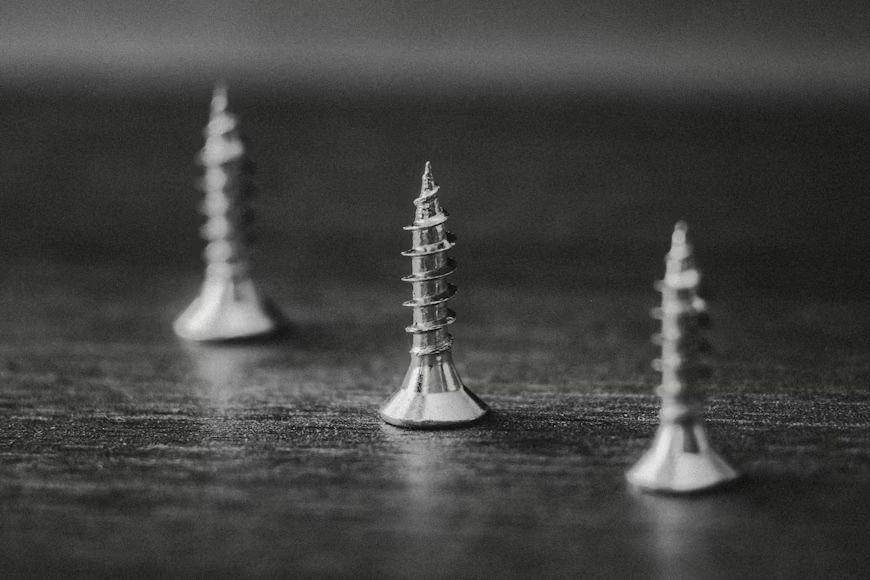
Have you ever had to try a few times before knowing whether you were loosening or tightening that screw? Well, with this rhythmic phrase, you won’t need to do that anymore. If you turn right, you’ll be making it tight. On the other hand, if you turn left, you’ll loosen it.

4

Gray or Grey?

Image: Tyler Lastovich

English spelling keeps everyone on their toes, and certain words have regional rules that make everything worse. Nobody can remember them all, so this device comes in handy. When you don’t know whether it is "gray" or "grey," think of it this way: Gray, with an A as in America. Grey, with an E, as in England.

5

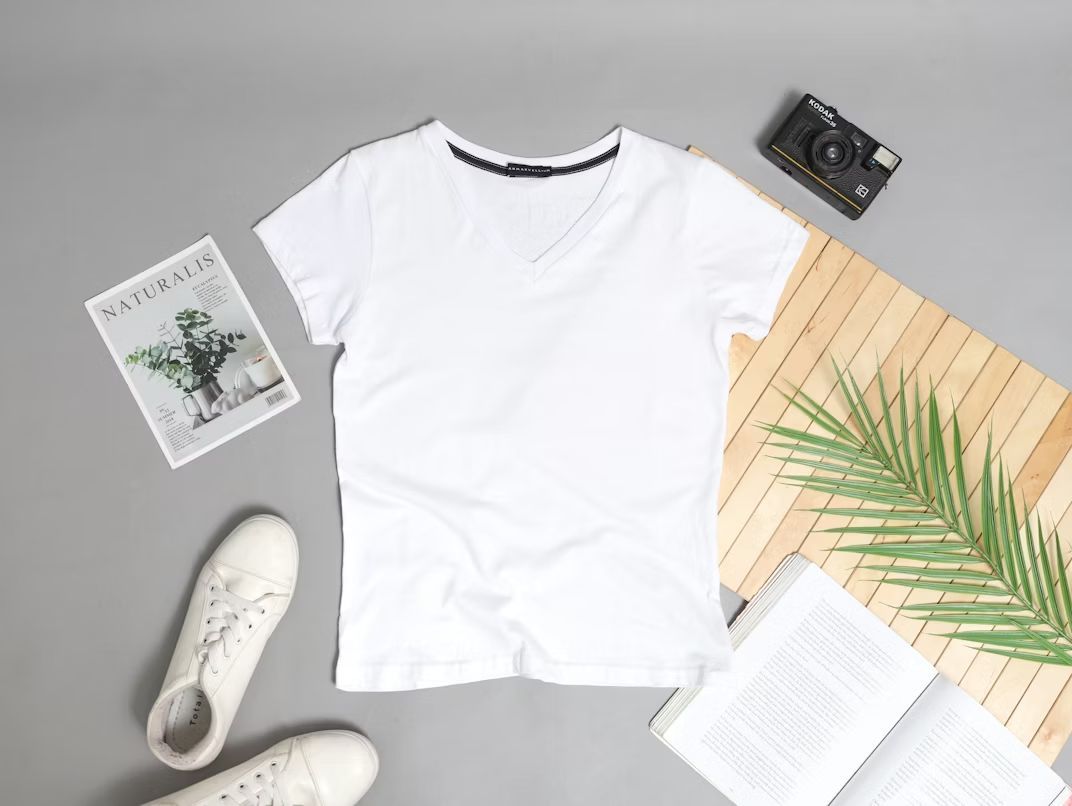
How to spell "necessary"

Image: Mediamodifier

"Necessary": This is another word with a spelling that can create a few problems. And the mnemonic device for this one is picturing a T-shirt. You know how a T-shirt has one "Collar" (that’s one C) and two Sleeves (that’s two S)? That’s it, spelling solved.

6

"HOMES" of the lakes

Image: Condor Wei

Back in school, memorizing the Great Lakes could feel like a geography pop quiz. Simply the word "HOMES" is a trick that many teachers share with their students. Why HOMES? Because each letter represents a lake: Huron, Ontario, Michigan, Erie, and of course, Superior.

7

"My Very Educated Mother Just Served Us Nachos"
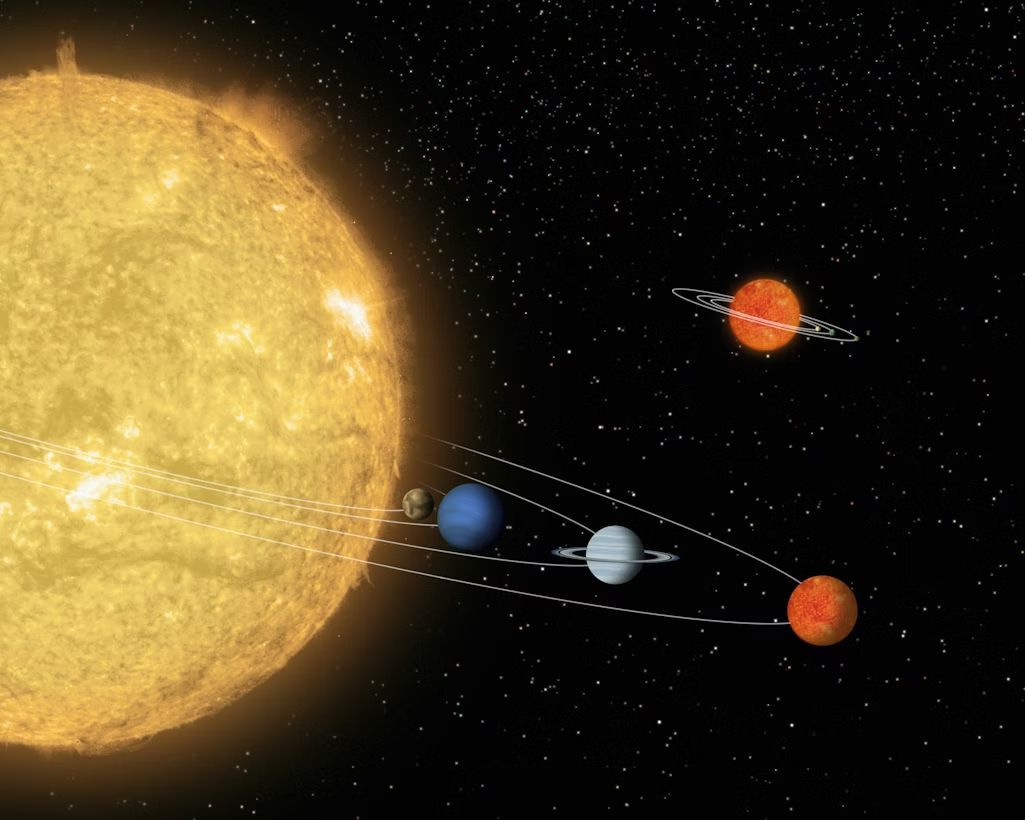
Image: NASA Hubble Space Telescope

Just as with any other long list, remembering the order of the planets in our solar system is no piece of cake. But this fun phrase has the answer to your prayers, it’s not bout nachos, but about the names of the planets in order: Mercury, Venus, Earth, Mars, Jupiter, Saturn, Uranus, and Neptune.

8

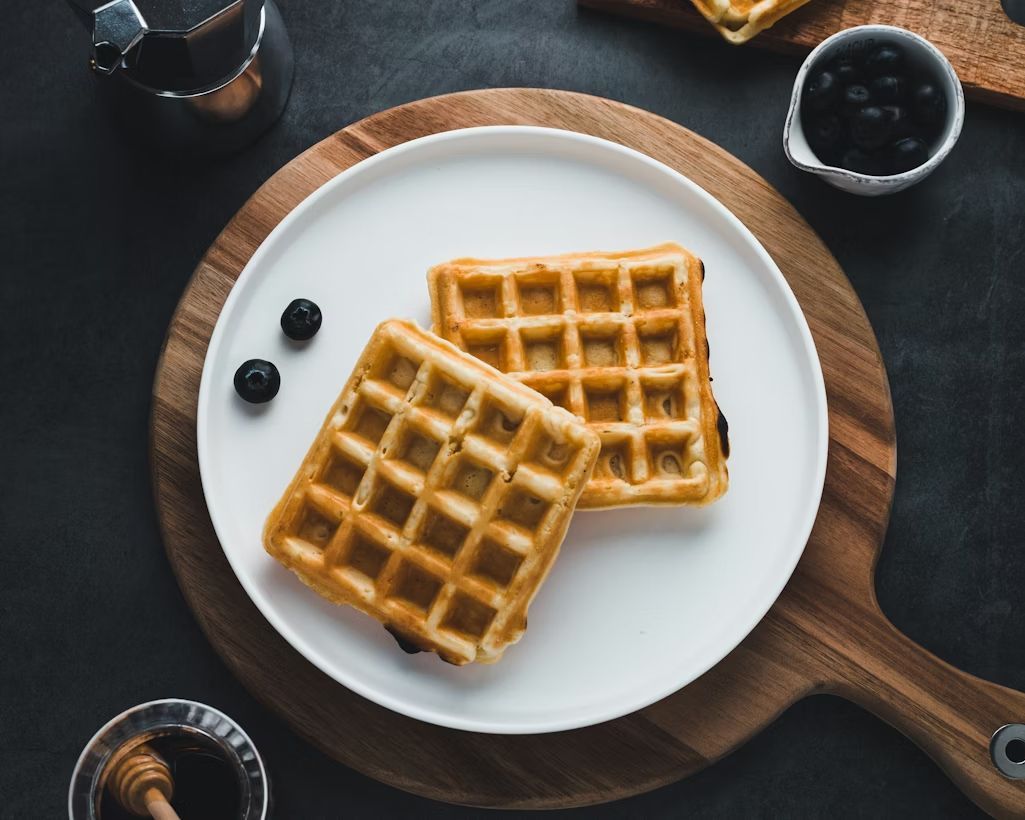
"Never eat soggy waffles"

Image: Mae Mu

This one sounds like breakfast advice, but it’s actually a compass lesson. The first letters match the four cardinal directions in clockwise order: North, East, South, West. Many kids learned this one in school, and plenty of adults still repeat it quietly when trying to picture a map in their heads.

9

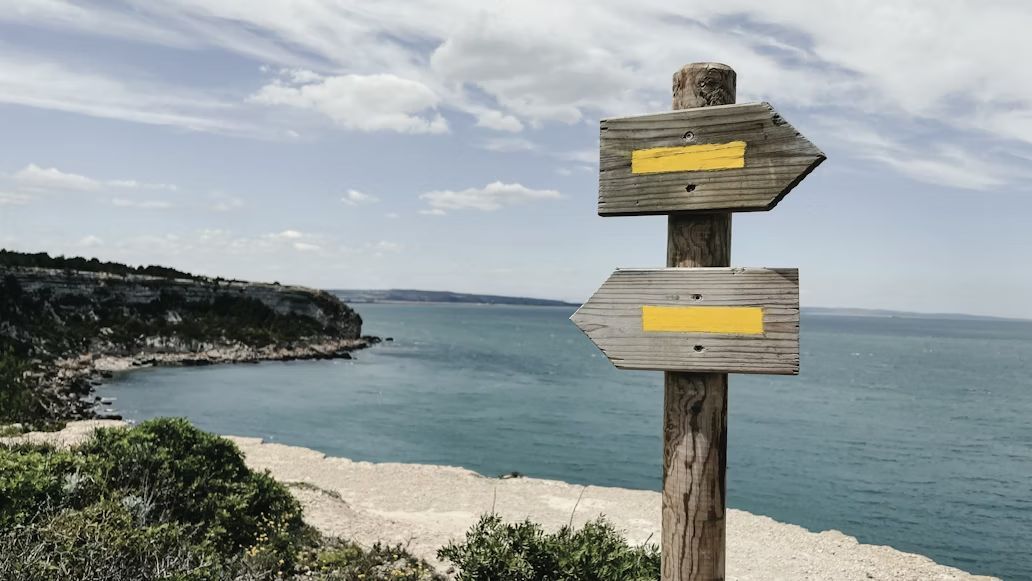
Left or right?

Image: Jametlene Reskp

This may sound silly, but many people struggle to point left; most need more than just a second to figure out which one is actually left. But many have discovered something quite useful: hold up both your hands and use your thumb and index finger to do an "L." Can you see which one forms a clear letter? That’s left, of course.

10

"Large Elephants Jump Slowly And Sink Rapidly"
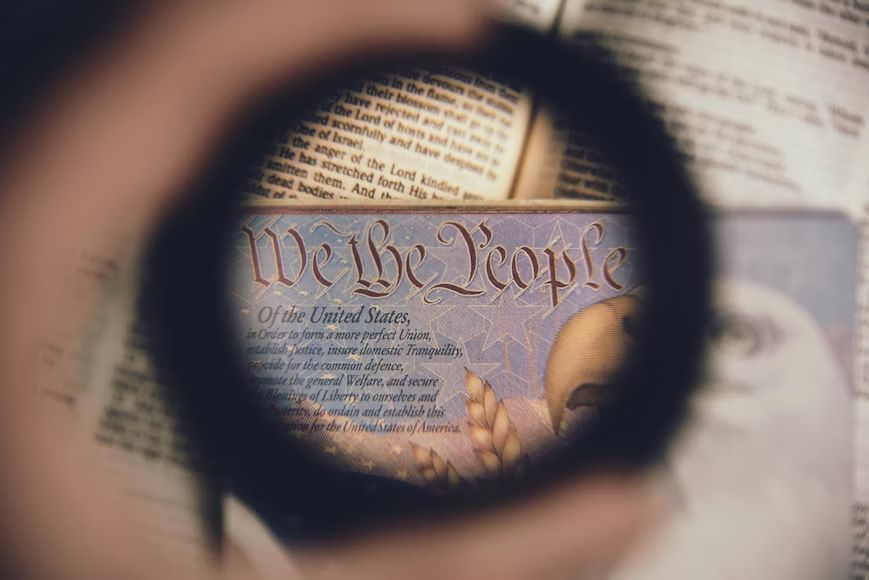
Image: Anthony Garand

Is this connected to the Constitution? Yes, it is. Civics teachers sometimes lean on this unusual sentence to remember the seven articles of the US Constitution. Each word stands for one: Legislative, Executive, Judicial, States, Amendment, Supremacy, and Ratification. Now you just have to remember this funny phrase.

Stop! You’ve been using these 11 objects the wrong way


Published on April 22, 2026


Image: Diana Polekhina

We use countless objects daily without questioning their design, yet many have hidden features or were meant for entirely different purposes. From kitchen tools to bananas, here are 11 everyday items you might be using all wrong—or that at least have surprising secrets built in.

1

Toothpaste

Image: Anastasia Nikitina

Yes, toothpaste was always intended to clean and polish teeth, but its mild abrasives make it effective for cleaning jewelry, removing stains from clothing, and even defogging mirrors.

Interestingly, the first toothpaste-like substance dates back to ancient Egypt, where a blend of pumice and vinegar was used for oral care. Modern toothpaste, which includes ingredients like baking soda—another household staple—explains why it’s so effective on surfaces beyond just teeth.

2

Pasta spoons

Image: Markus Winkler

That hole in your pasta spoon isn’t just for draining water; it can also help measure a perfect portion of dry spaghetti!

A single serving of spaghetti is about the amount that fits through the hole. This design prevents cooking too much or too little, though not all pasta spoons have holes large enough for accurate measuring.

3

Gas pumps

Image: engin akyurt

The latch inside gas pump nozzles was originally designed to shut off fuel flow automatically when the tank is full, not to hold the pump open.

Modern pumps use this mechanism as a safety feature, preventing spills and overflows. In some places, using the latch to hold the nozzle open is even illegal due to fire risks.

4

Grocery carts

Image: Karsten Winegeart

Those metal loops on the back of grocery cart seats aren’t just for show—they’re designed to hold plastic bags with fragile items.

Hanging lighter bags here prevents them from being crushed by heavier groceries in the cart, yet few shoppers take advantage of this simple design. So, next time you go shopping, give it a try—it could be a real lifesaver.

5

Soda can tabs

Image: Bam Mccarthy

The hole in a soda can tab isn’t just part of the opening mechanism—it can double as a straw holder. Once you pop the can open, turning the tab around aligns the hole perfectly for a straw. This prevents the straw from floating or shifting while drinking.

While this wasn’t the original intent behind the design, it’s a clever and surprisingly convenient way to make use of an otherwise inconsequential design quirk.

6

Two-tone erasers

Image: Annie Spratt

If you're like me, this has likely been a brain teaser since childhood: What is the blue side of a two-tone eraser for? Popular wisdom says it's for ink removal, but have you ever tried erasing ink with that side? It just completely obliterates the paper.

Well, it turns out the blue side of a two-tone eraser was actually designed for use on heavier paper, not for removing ink.

7

Keyboard bumps

Image: Matúš Kameniar

The small bumps on the ‘F’ and ‘J’ keys exist to help typists find their hand placement without looking.

These tactile guides help your fingers find their way back to the home row, enabling faster and more efficient typing. Even if you're not a professional typist, you can rely on this feature to improve both speed and accuracy while writing.

8

Peeling bananas

Image: Monika Guzikowska

Ever watched a monkey peel a banana? You might be in for a surprise, because it turns out the easiest way to peel a banana is from the bottom, not the stem.

Monkeys naturally pinch the bottom of the banana and pull, avoiding the struggle of breaking the tough stem. This method also reduces the risk of squishing the fruit inside.

9

Measuring tape

Image: Brett Jordan

The small hole at the end of a measuring tape is designed to hook onto nails or screws for one-person measurements. This feature provides a more stable grip when measuring long distances without needing an extra set of hands.

Also, the serrated edge on some tapes doubles as a tool for marking surfaces. So, next time you don't have a buddy around to help, don’t worry—your measuring tape has you covered!

10

Oven drawer

Image: Andrea Davis

Many people use the drawer under their oven for storage, but it was originally designed as a warming drawer.

This compartment keeps cooked food warm while the rest of the meal finishes, though in some modern models, it may simply be intended for extra storage. Checking your oven’s manual might reveal its true purpose.

11

Wine bottle indent

Image: Mockup Free

Ever heard someone say you can judge a good wine by the depth of the indentation at the bottom of the bottle? Well, that’s a myth, though it may suggest a better-designed bottle.

The indent at the bottom of a wine bottle, called a punt, helps distribute pressure and maintain structural integrity. Originally designed to support the bottle against carbonation in sparkling wines, it’s now mostly tradition but still improves durability.

Looking for an extra scoop of literary fun?

Learn more with our Word of the day

revere

/rəˈvɪr/