Oops!

How did the Seventh Commandment cost these printers $30,000?


Published on January 4, 2025


Image: Florian Klauer

Blunders are part of life. As human beings, we can all make mistakes, especially when writing or typing. A simple slip of the fingers on the keyboard might be nothing more than a joke among friends, but throughout history, there have been some typos that meant much more than that, from millions of dollars lost to huge controversies and scandals. If you want to know which mistakes could have led to such consequences, here are 10 of the most notorious typos in history!

1

Euture

Image: Yifu Wu

The title of this entry is not a new or unknown word but a typo in the inscriptions of one of the most important monuments of our country.

We're talking about none other than the Lincoln Memorial, the landmark honoring our 16th president in Washington, D.C. Built between 1914 and 1922, the memorial has part of President Abraham Lincoln's Second Inaugural Address -delivered on March 4, 1865- inscribed on its north interior wall. But a mistake occurred during the engraving: the word "future" was carved as "euture."

The extra line that turned that F into an E was filled in and fixed. However, if you get close enough, you can still see traces of that original E on the monument wall.

2

The ghost word

Image: Shutter Speed

Have you ever read the word "dord"? Do you know what it means? Probably not, and it's not because your vocabulary is lacking but because no one knows!

"Dord" is a fake or ghost word that appeared in the 1934 international edition of the Merriam-Webster Dictionary. One of the editors mistakenly interpreted a note that said "D or d." The note indicated that "D" or "d" should be used as abbreviations in certain parts of the dictionary, but the editor read that note as a whole word: Dord.

The term appeared in the dictionary for several years until another editor noticed the error and removed it.

3

A lucky misspelling

Image: Brett Jordan

Probably the most famous website in the world, Google got its iconic name due to a typo.

When Larry Page and Sergey Brin were creating the company, they chose the word "googol" as the name for their search engine. But what does it mean? "Googol" is the mathematical term for the number 10 raised to the power of 100.

However, when they first typed it in to register the domain, they accidentally entered "Google." Luckily, they loved the typo and decided to keep it; the rest is history!

4

The "wicked" Bible

Image: Aaron Burden

What if we told you that there's a Bible that reads, "You shall commit adultery." Believe it or not, in 1631, a Bible was published in London that incorrectly listed that phrase as the Seventh Commandment. Of course, that wasn't an actual religious principle but an accidental omission of the word "not."

That Bible caused a scandal in Europe, receiving nicknames such as "the wicked Bible," "the adulterers' Bible," and "the sinners' Bible." Because it was so controversial, the British government ordered all copies to be destroyed, which is why only a few exist today. In addition, the printers were fined 300 pounds, about 30,000 dollars in today's money.

5

Even NASA can make mistakes

Image: David Torres

If it hadn't been for an error in a spacecraft's guidance system, perhaps we would know more about Venus, the hottest planet in our Solar System.

The mistake we're talking about was a missed hyphen in the spacecraft's software code. Although this may not seem like a big deal, the consequence of that typo was huge: The 1962 Mariner 1 mission, which was launched with the intention of orbiting Venus, lost contact with Earth shortly after launch!

Surprisingly, a simple missed hyphen caused an entire mission to fail.

6

Sorry, what type of travel?

Image: Quino Al

NASA may have lost thousands of dollars due to their mistake, but there had been others who got exactly the opposite.

In the 1980s, a woman earned 10,000 dollars due to a typo! It was the owner of a travel agency who chose to promote her business in the Yellow Pages, but something went wrong. The ad came out with a misspelled word: instead of promoting the agency's "exotic trips," it advertised "erotic trips."

The woman decided to sue the Yellow Pages publisher for the damages her company received, and she won!

7

That's why we aren't so strong

Image: Rens D

Remember Popeye the Sailor? He had a secret to super strength: spinach! Today, we know that spinach is much like other green leafy vegetables, but for years, it was believed to have extraordinary qualities. And it was all because of a typo!

In the 19th century, a German chemist was nutritionally analyzing spinach. But when it came time to write down the results, he made a mistake. He meant to write that spinach contains 3.5 milligrams of iron per 100 grams. Instead, he accidentally wrote that it contains 35 milligrams! Later, the myth gained even more strength thanks to Popeye's amusing adventures.

8

Bqstqn

Image: Maurice DT

As we've seen in this article, prestigious institutions can also make mistakes sometimes. That was the case with the National Hockey League in 1972.

The Stanley Cup is one of the oldest trophies in the NHL, characterized by something special: it's engraved with the names of the players, coaches, and owners of all the winning teams. However, the trophy is also known for having several typos.

When the Boston Bruins won the Cup in 1972, they didn't expect what would happen next. Their team name was misspelled on the silver cup, which curiously read "BQSTQN BRUINS"!

9

Pensylvania

Image: Esther Ní Dhonnacha

We all have a deep appreciation for our Constitution, the document that defined the ideas and principles that formed our nation. But even in a paper as important as this one, you can find some peculiar details.

In the original US Constitution, you can read the word "Pensylvania." As you can see, the state's name is missing an N. According to the National Archives official website, the author of this detail was none other than Founding Father Alexander Hamilton. From the 18th century on, the most commonly accepted spelling was and still is "Pennsylvania," making the word in the document a grammatical error according to today's standards.

However, when the Constitution was drafted, it wasn't a typo, as "Pensylvania" was actually an accepted spelling back then.

10

Pensylvania (yes, again)

Image: Dan Mall

The US Constitution is not the only site where Pennsylvania's name is spelled differently: the iconic Liberty Bell bears a similar "typo."

The great bell of more than 2,000 pounds is inscribed with a Bible verse and the words, "By Order of the Assembly of the Province of Pensylvania for the State House in Philada." The word "Pensylvania" is typed just like in the Constitution. As you know, the name of the state wasn't standardized at that time, so there were also other accepted ways, including the less frequent "Pennsilvania."

If you visit the Liberty Bell at the Independence National Historical Park in Philadelphia, you can still read the word as it was written then.
Some names stick around

From Table Tap Joe to Ziggy Stardust: Who are the best song characters?


Published on January 4, 2025


Image: Christina Radevich

Sometimes, a character is the perfect alter-ego to write a song about oneself without self-referencing so much. Other times, a character is just a character. Over the years, musicians have come up with lonely dreamers, fearless heroes, mysterious strangers, and even supernatural villains who have become just as famous as the songs themselves. Some were inspired by real people, others sprang entirely from imagination, but all of them left a lasting mark on music history. Which of these 12 do you remember?

1

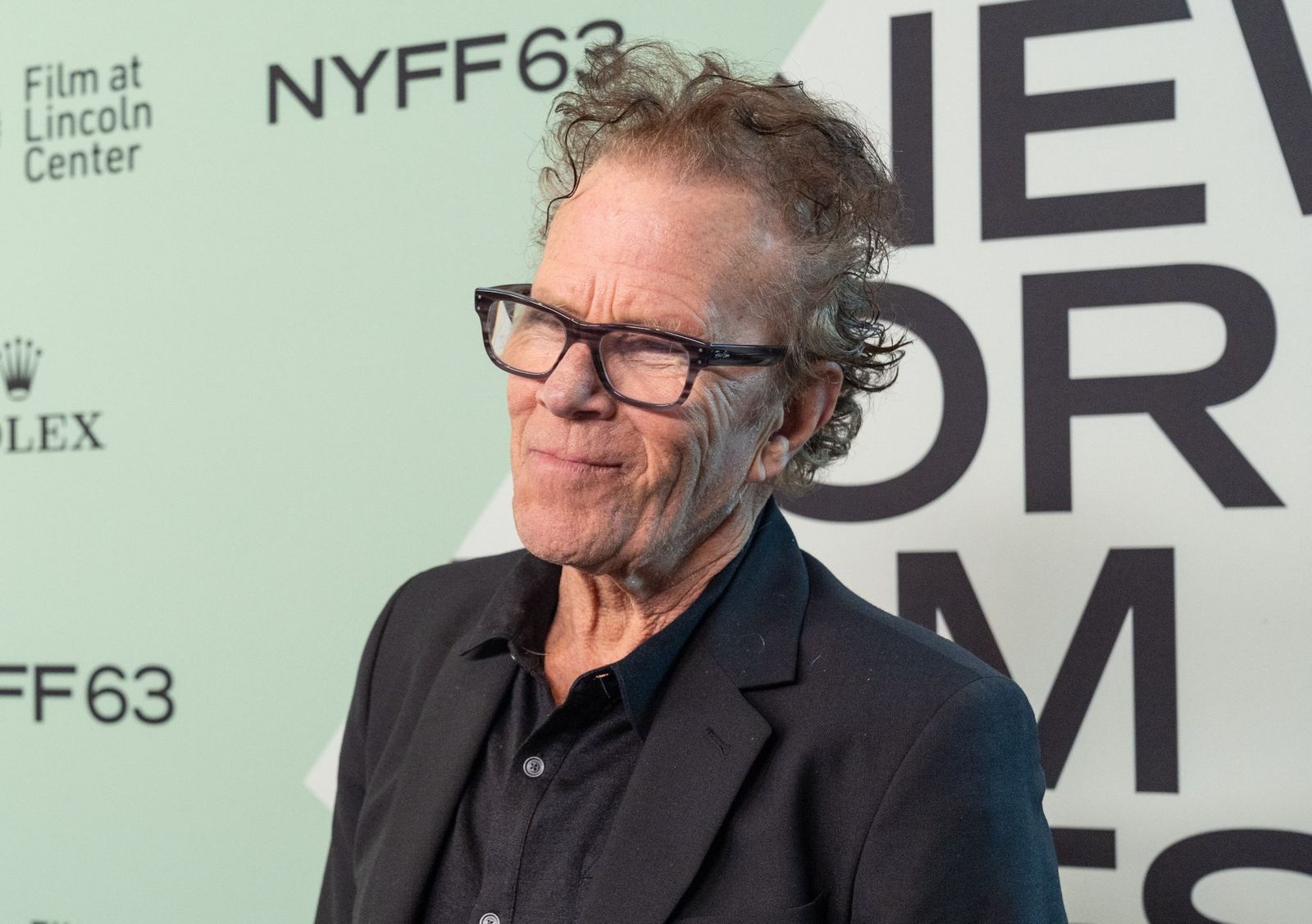
Table Top Joe — Tom Waits — "Table Top Joe"

Image: lev radin

Tom Waits has always had a soft spot for society's oddballs, and few are even stranger than Table Top Joe. Introduced on the 2002 album Alice, Joe is born with only a head and hands, yet grows into a brilliant piano player whose extraordinary talent earns him fame despite the odds stacked against him.

The song unfolds like a forgotten American folk tale, complete with references to Coney Island's legendary Dreamland amusement park and composer Igor Stravinsky. Although many listeners assume the story is based on an old carnival legend, Table Top Joe is entirely Tom Waits' own creation.

2

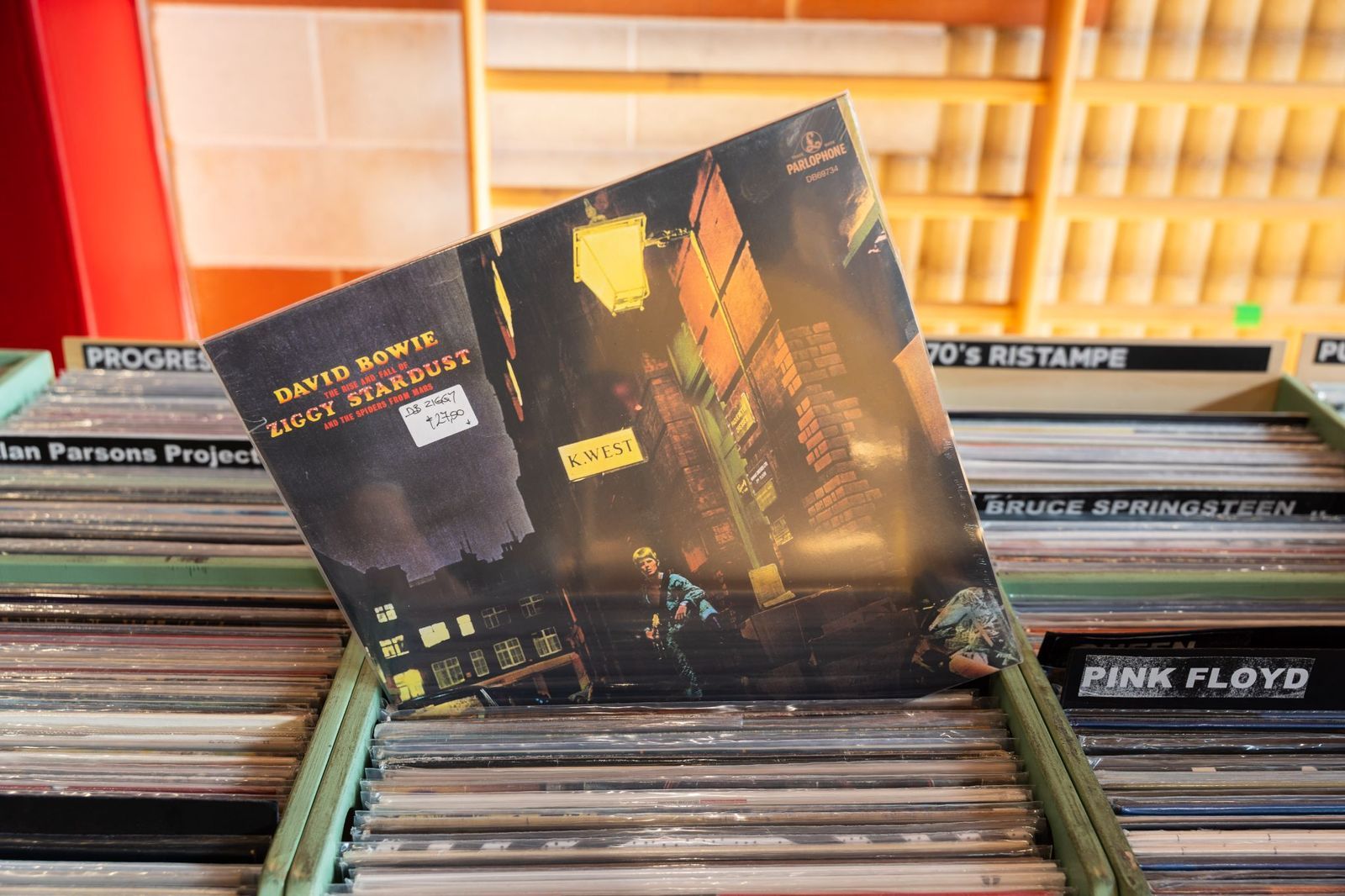
Ziggy Stardust — David Bowie — "Ziggy Stardust"

Image: PHLD Luca

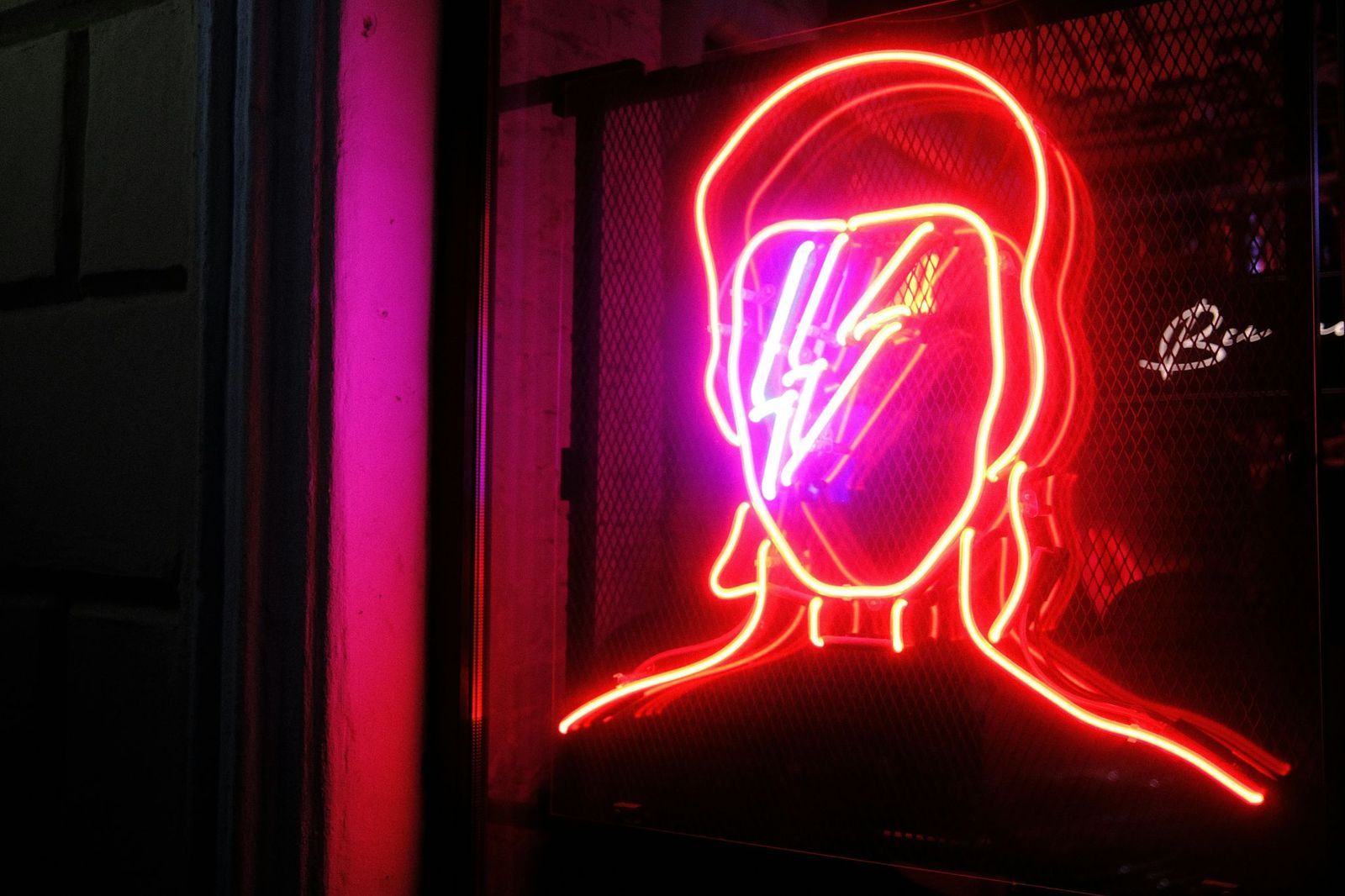
Few fictional musicians have ever become as famous as Ziggy Stardust. Introduced in 1972, Ziggy is an alien rock star sent to Earth shortly before humanity's end, only to be consumed by the very fame that makes him a savior to millions.

David Bowie blurred the line between fiction and reality by performing as Ziggy onstage for more than a year. When he unexpectedly announced Ziggy's retirement during a concert at London's Hammersmith Odeon in 1973, many fans believed the character, and perhaps Bowie himself, had truly reached the end of the story.

3

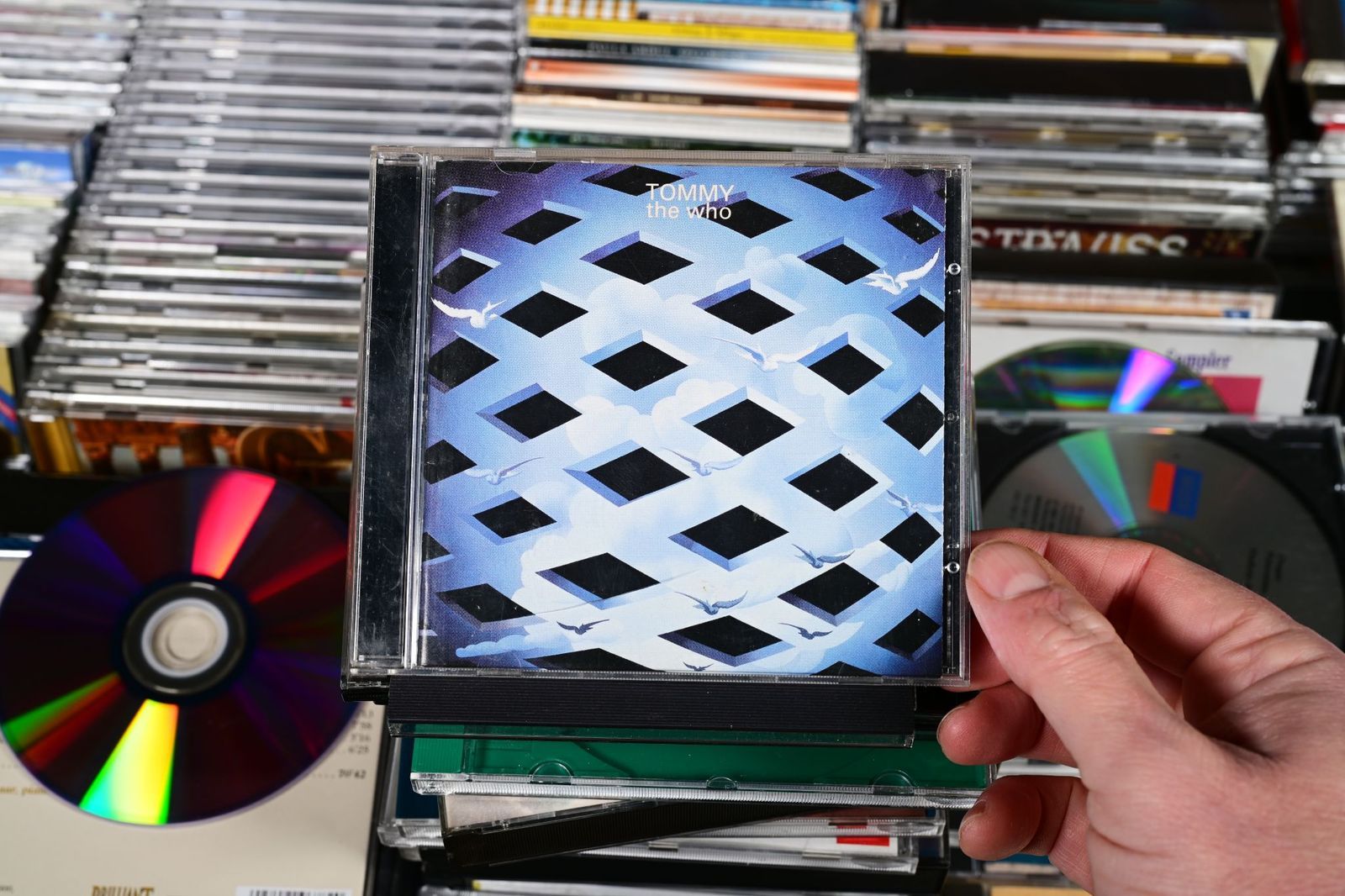
Tommy — The Who — "Tommy"

Image: defotoberg

Tommy Walker isn't just the hero of a song, he's the central figure of one of rock music's first great operas. After witnessing a traumatic event as a child, Tommy becomes deaf, mute, and blind, yet somehow develops astonishing pinball skills that transform him into an unlikely celebrity.

Pete Townshend built an entire musical world around Tommy, exploring themes of trauma, faith, and redemption. First released in 1969, Tommy later became a hit film, a Broadway production, and one of the most influential concept albums ever recorded.

4

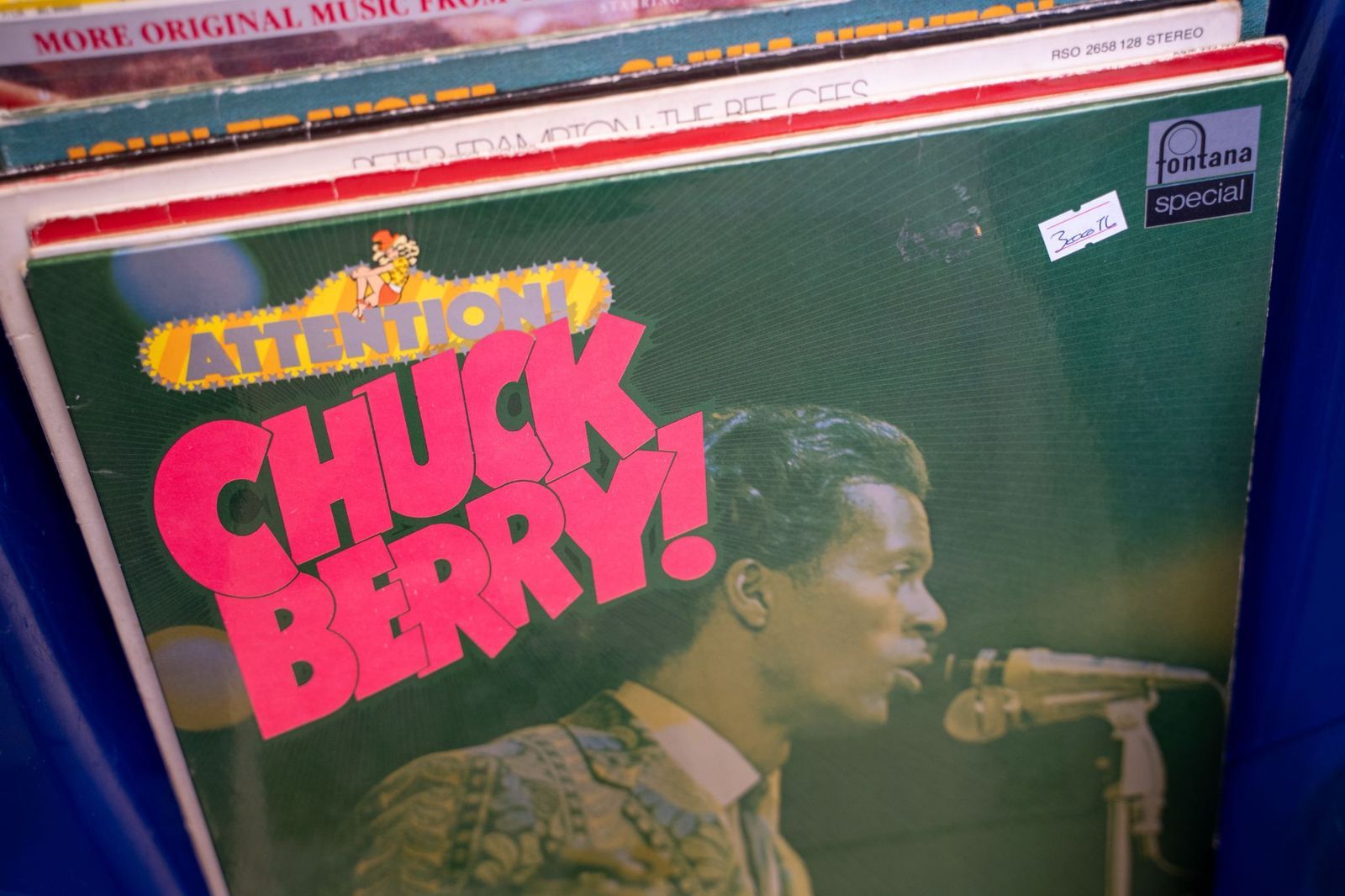
Johnny B. Goode — Chuck Berry — "Johnny B. Goode"

Image: Erman Gunes

Johnny B. Goode is every aspiring musician's dream. Growing up in rural Louisiana with little more than a guitar and natural talent, he plays so brilliantly that listeners predict "his name will be in lights."

Chuck Berry based the character partly on himself and partly on pianist Johnnie Johnson. Originally described as a "colored boy," Johnny became a "country boy" in the final lyrics, making the song more likely to receive airplay during the segregation era. Nearly two decades later, Johnny's anthem would even travel into space aboard NASA's Voyager Golden Record.

5

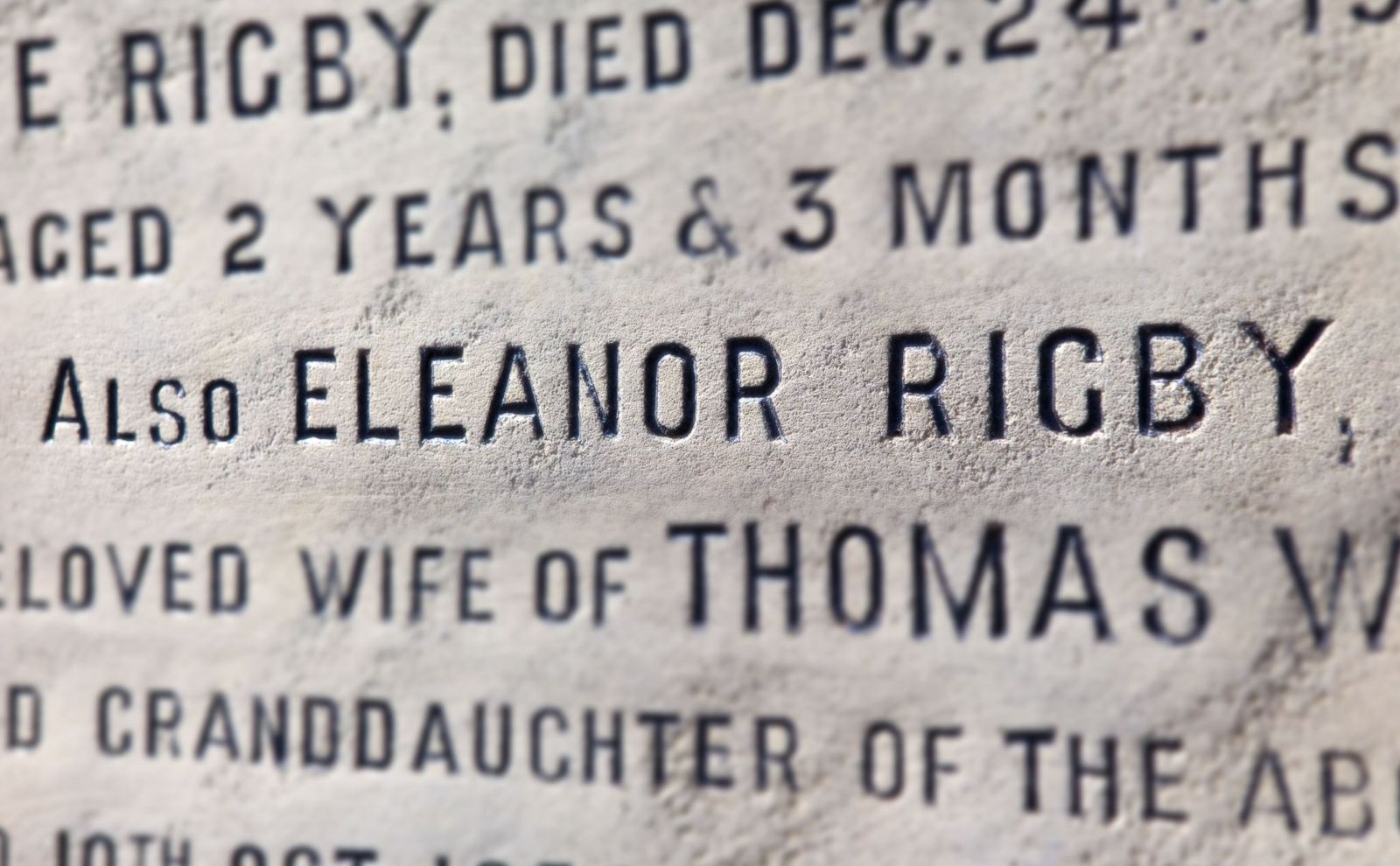
Eleanor Rigby — The Beatles — "Eleanor Rigby"

Image: chrisdorney

Few fictional characters have captured loneliness as powerfully as Eleanor Rigby. She quietly moves through life unnoticed, while Father McKenzie delivers sermons that no one hears, creating one of popular music's saddest portraits of isolation.

Paul McCartney later explained that Eleanor's name came from actress Eleanor Bron and the Liverpool shop Rigby & Evens. The discovery of an actual Eleanor Rigby gravestone in Liverpool only deepened the song's mystique, though McCartney maintained the coincidence was unintentional.

6

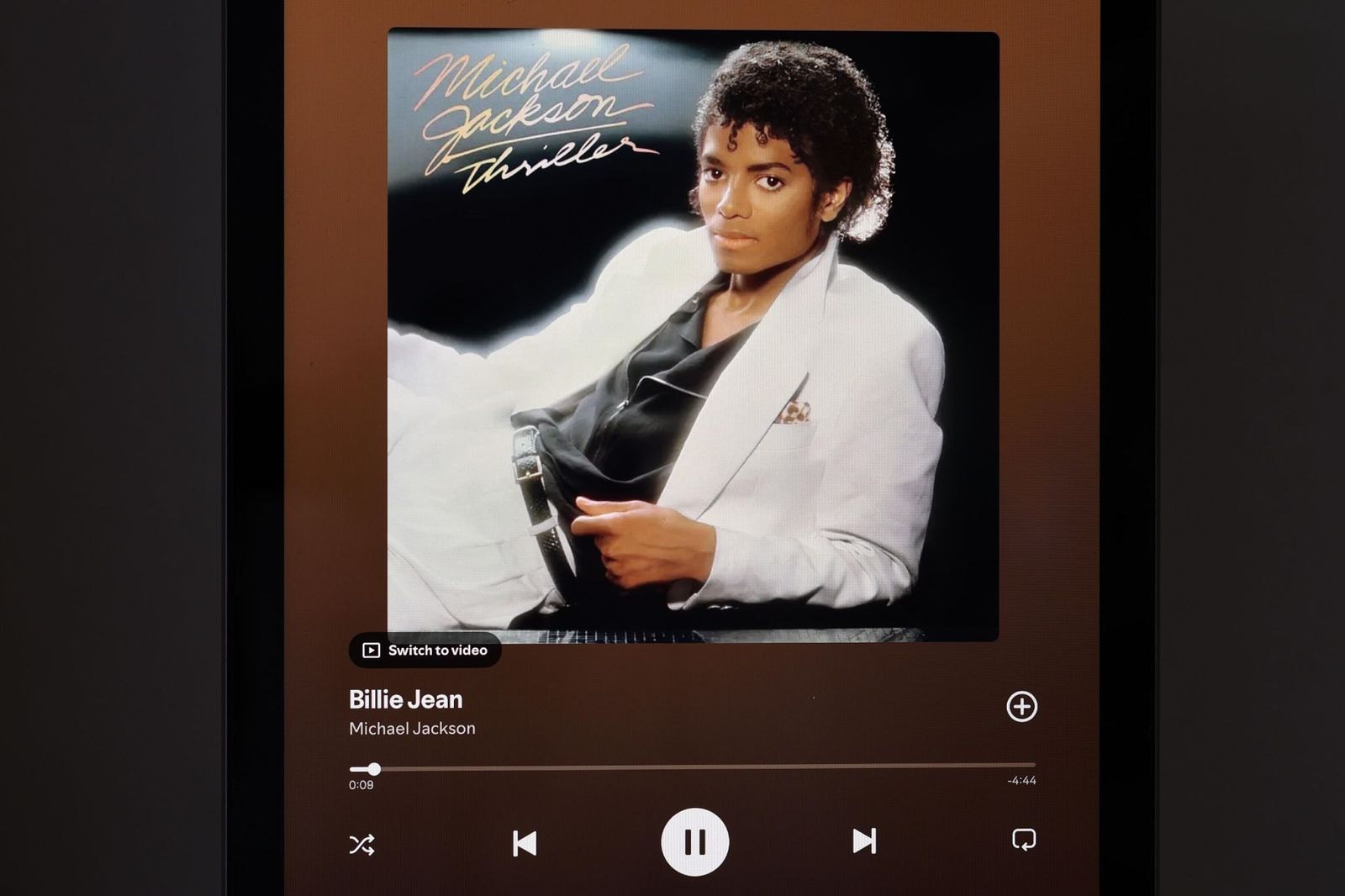
Billie Jean — Michael Jackson — "Billie Jean"

Image: McSleepy

Billie Jean may be one of pop music's most famous women, yet Michael Jackson insisted she wasn't a real person. Instead, she represented several women who falsely claimed that he had fathered their children during the height of the Jackson 5's fame.

Released in 1983 as part of Thriller, the song became a global phenomenon. It also provided the stage for Jackson's legendary moonwalk during Motown 25.

7

Stagger Lee — Lloyd Price — "Stagger Lee"

Image: L Paul Mann

Unlike many legendary song characters, Stagger Lee actually existed. His real name was Lee Shelton, a St. Louis criminal who murdered Billy Lyons during an argument over a hat on Christmas Eve in 1895.

The shocking crime quickly entered American folklore through countless folk songs before Lloyd Price transformed it into a chart-topping hit in 1958. More than a century later, Stagger Lee remains one of the most enduring antiheroes in American music.

8

Tom Dooley — The Kingston Trio — "Tom Dooley"

Image: BOOCYS

Tom Dooley was inspired by Thomas Dula, a Confederate veteran executed in North Carolina in 1868 after being convicted of murdering Laura Foster. His surname was locally pronounced "Dooley," giving the ballad its familiar title.

The Kingston Trio revived the old Appalachian folk song in 1958, turning it into an international hit and helping launch America's folk music revival.

9

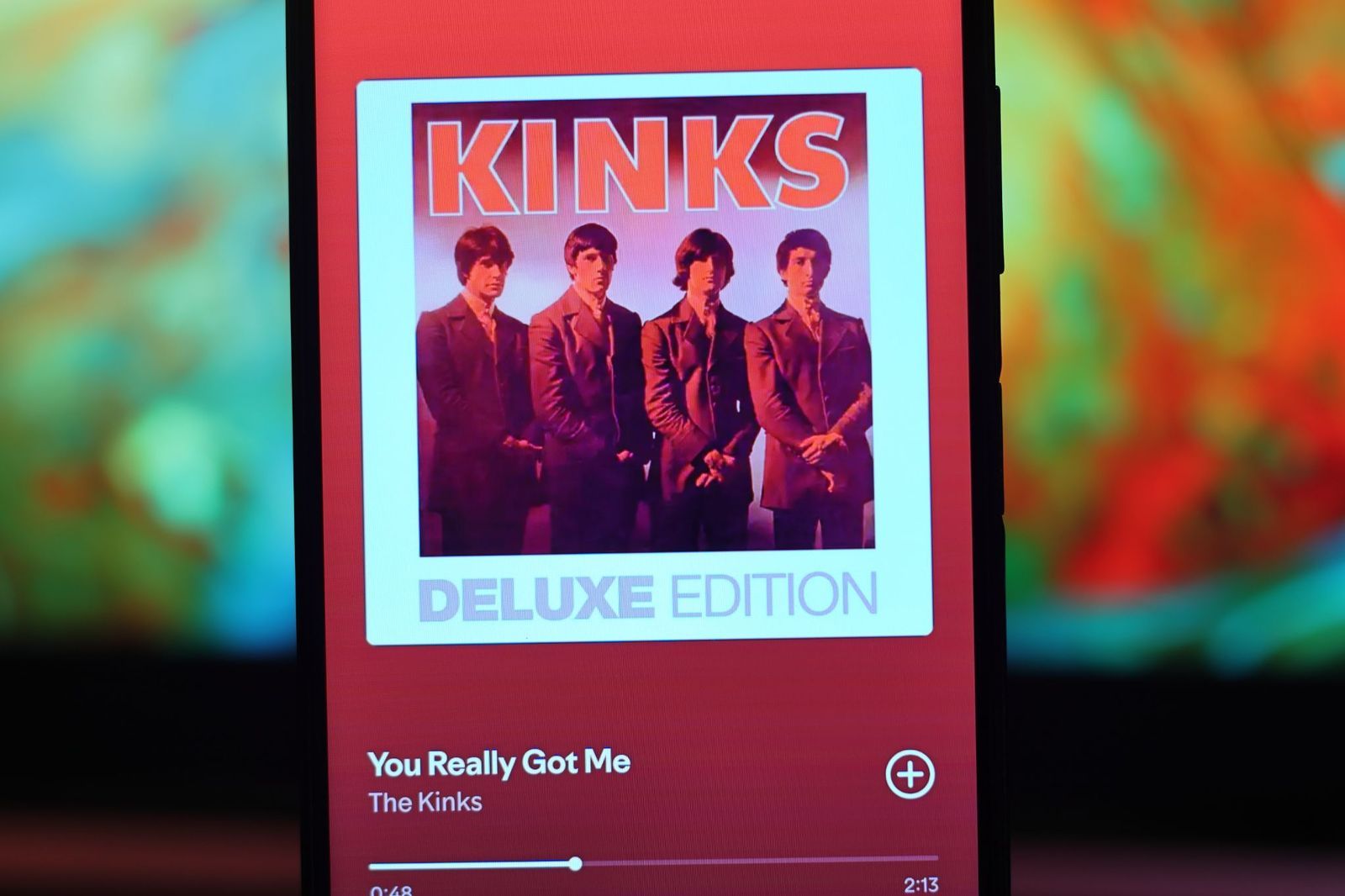
Lola — The Kinks — "Lola"

Image: McSleepy

When the narrator of "Lola" meets an intriguing stranger in a Soho nightclub, expectations quickly give way to surprise. Ray Davies crafted one of rock's earliest mainstream stories exploring gender ambiguity, decades before the topic entered popular conversation.

The recording rarely reached British radio. Because BBC rules prohibited commercial product names, Davies had to interrupt a U.S. tour and fly back to London simply to replace the lyric "Coca-Cola" with the now-famous "cherry cola."

10

Piano Man — Billy Joel — "Piano Man"

Image: Debby Wong

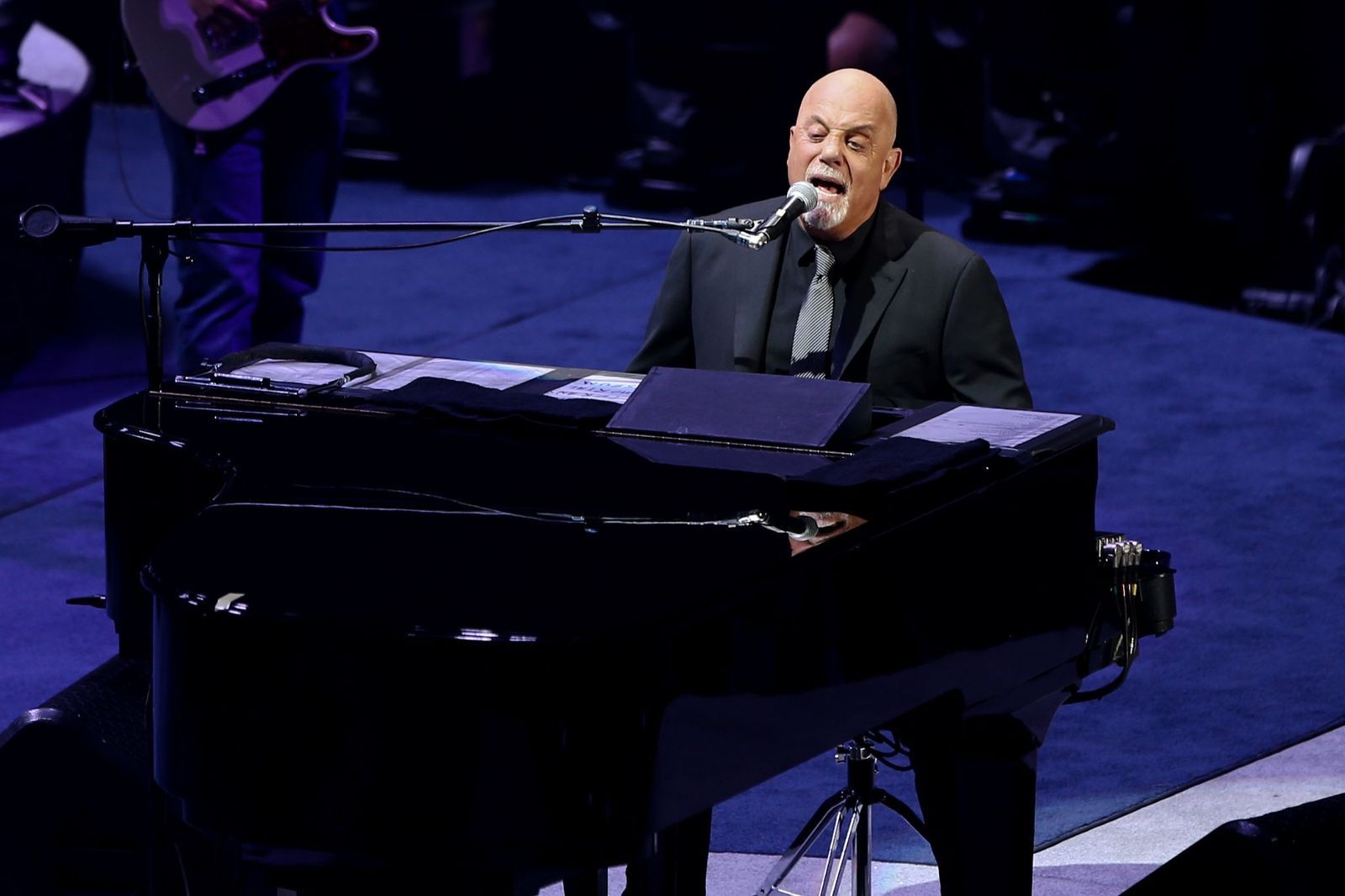
Unlike most famous song characters, the Piano Man is really Billy Joel himself. Before becoming a superstar, Joel spent six months in 1972 and 1973 performing under the pseudonym Bill Martin at the Executive Room, a piano bar in Los Angeles, after becoming trapped in a bad recording contract. The song transforms those experiences into a bittersweet portrait of ordinary people searching for escape at the end of another week.

Joel has said that virtually every character in the song was based on a real person, from bartender John to "Paul, the real estate novelist" and Davy, who really was in the Navy. Yet the Piano Man himself became the story's most enduring character: a quiet observer who offers music as a brief refuge for dreamers, lonely souls, and regulars alike. More than fifty years after its 1973 release, "Piano Man" remains Billy Joel's signature song, and its title has effectively become his lifelong nickname.

11

Amos Moses — Jerry Reed — "Amos Moses"

Image: AS project

Standing nearly seven feet tall and missing an arm, Amos Moses roams the Louisiana swamps hunting alligators. Jerry Reed filled the song with colorful Southern expressions and exaggerated storytelling that make Amos feel like an authentic folk legend.

Although fictional, Amos embodies the larger-than-life heroes found throughout American tall tales. His adventures turned the song into one of Reed's biggest crossover hits and secured Amos a permanent place among country music's greatest characters.

12

Big Bad John — Jimmy Dean — "Big Bad John"

Image: mirigifford

Big Bad John hardly says a word, but he doesn't have to. The towering coal miner earns everyone's respect through quiet strength before sacrificing his own life to save fellow workers when a mine collapses.

Jimmy Dean's 1961 ballad became a smash hit, winning a Grammy and inspiring several sequel songs. More than sixty years later, Big Bad John still stands as one of country music's defining working-class heroes.

Looking for an extra scoop of literary fun?

Learn more with our Word of the day

peppy

/ˈpɛpi/