The truth lies beneath

Many people still don’t get the meaning of these famous quotes. Do you?


Published on July 29, 2026


Image: Nikita Sursin

Some quotations become so famous that they take on lives of their own. We repeat them in classrooms, movies, headlines, and everyday conversations, but sometimes without knowing what the speaker actually meant. Sometimes the original context gets lost, and sometimes popular myths overshadow the truth. These iconic phrases have endured for decades, even centuries, but their true meanings often surprise us. Did you know about the following 11?

1

Read my lips: No new taxes. — George H. W. Bush (1988)
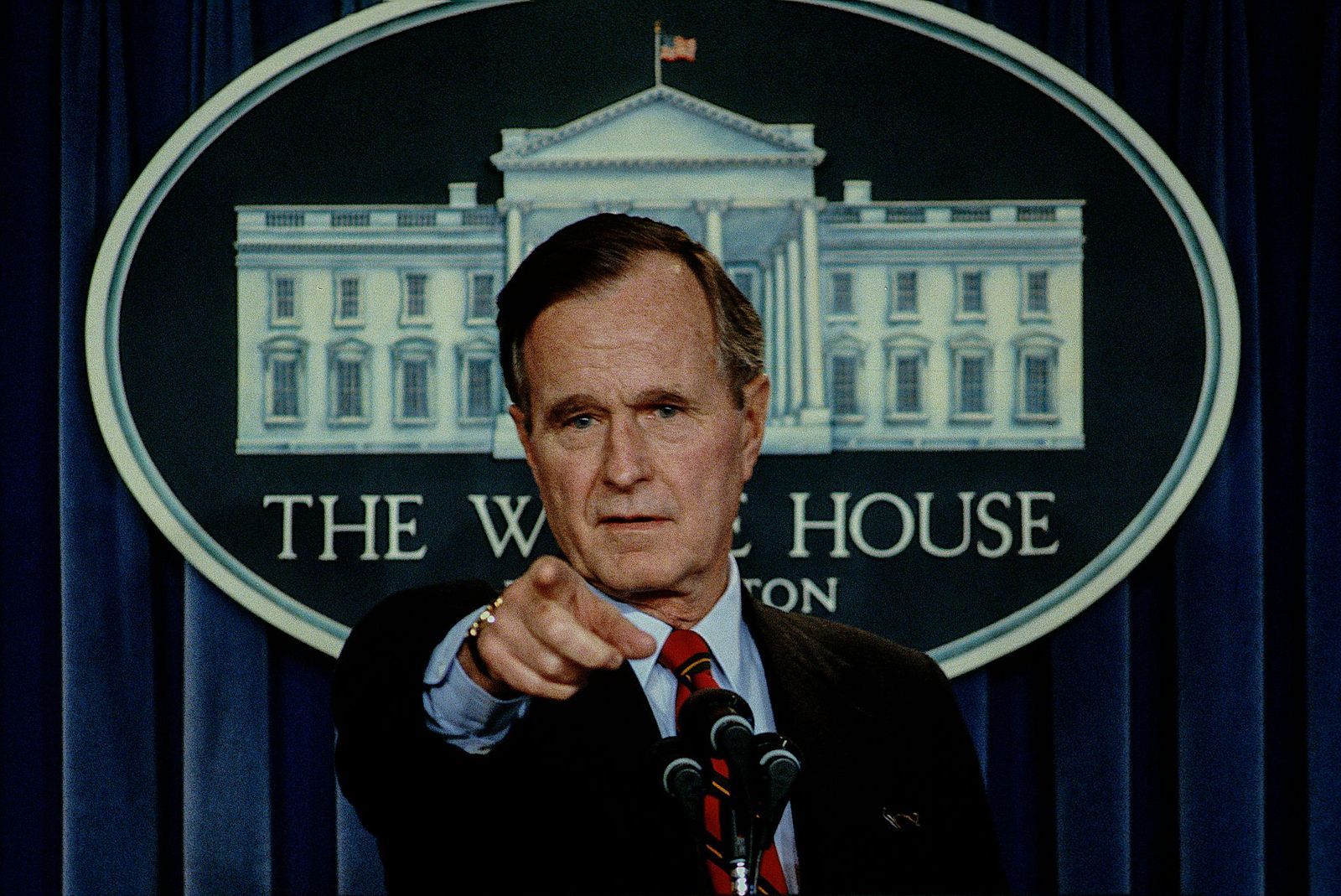
Image: mark reinstein

George H. W. Bush delivered this memorable line while accepting the Republican presidential nomination in 1988. Written by speechwriter Peggy Noonan, it wasn't simply a catchy slogan, it was a firm campaign promise meant to reassure conservative voters that his administration would not raise taxes under any circumstances.

The phrase became famous for what happened next. Facing a growing federal deficit, Bush agreed to a bipartisan budget deal in 1990 that included tax increases. Many supporters viewed the move as a broken promise, and "Read my lips" has since become shorthand for political pledges that later prove impossible to keep.

2

Mr. Gorbachev, tear down this wall! — Ronald Reagan (1987)
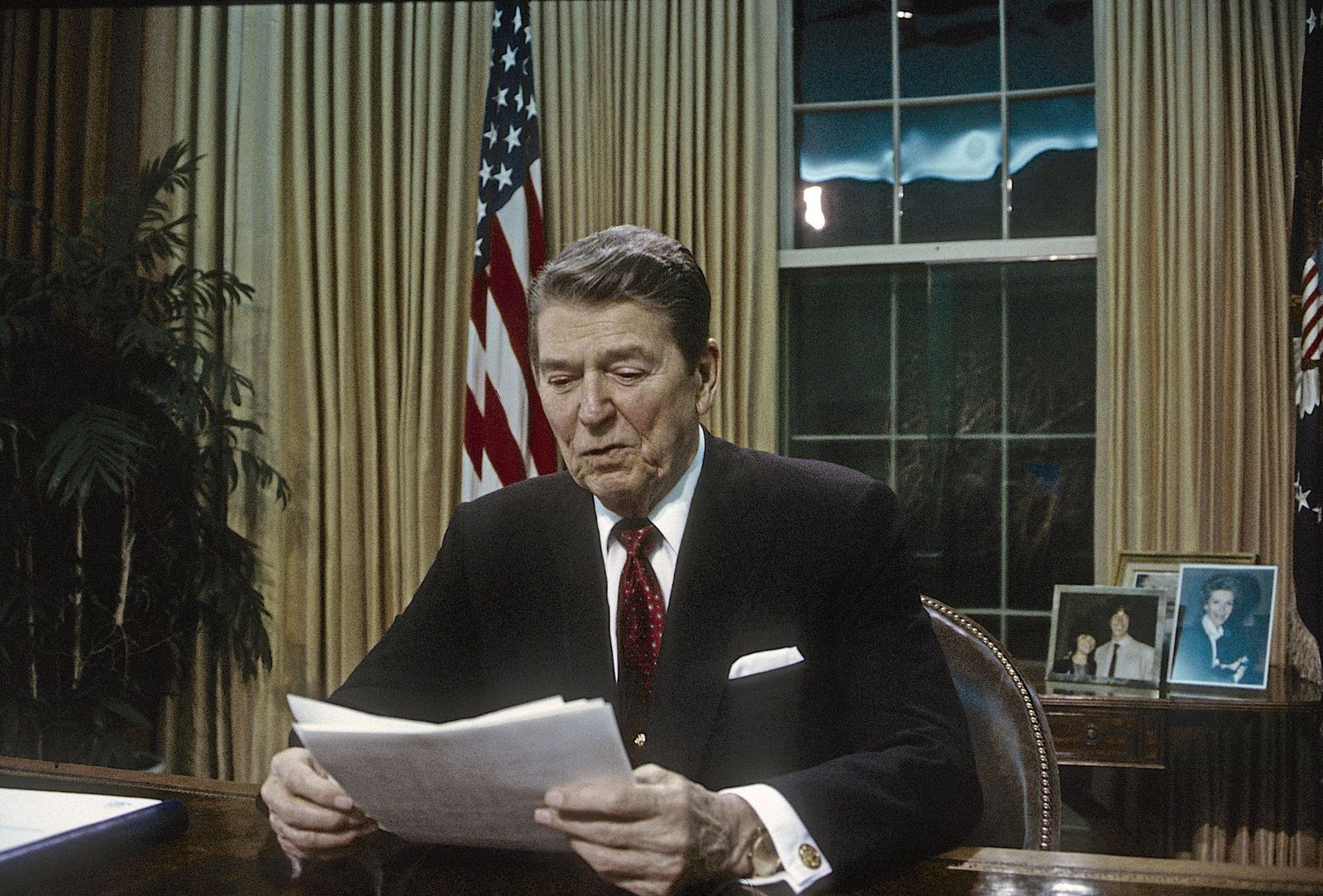
Image: mark reinstein

Standing before Berlin's Brandenburg Gate in 1987, President Ronald Reagan addressed Soviet leader Mikhail Gorbachev with what became one of the Cold War's defining lines. He wasn't literally ordering workers to demolish the Berlin Wall but challenging the Soviet Union to demonstrate that its promises of openness and reform were genuine.

Several advisers reportedly urged Reagan to remove the sentence from the speech because they feared it was too confrontational. He kept it anyway. Although the Berlin Wall fell two years later for many complex political reasons, the phrase remains a powerful symbol of freedom triumphing over division.

3

Ask not what your country can do for you… — John F. Kennedy (1961)
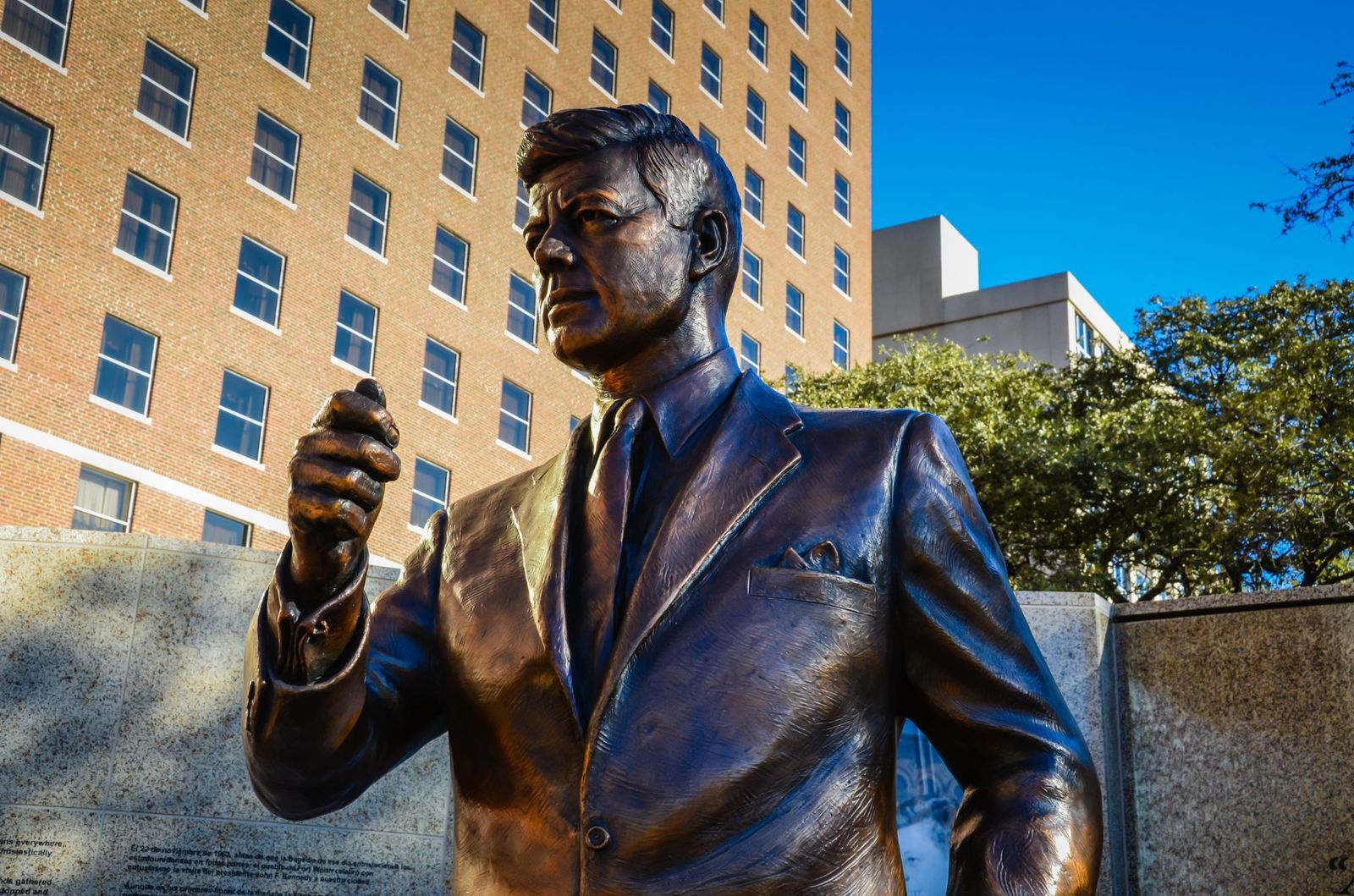
Image: Sandra Foyt

This famous sentence from John F. Kennedy's inaugural address is sometimes mistaken for a demand for unquestioning patriotism. In reality, Kennedy was encouraging Americans to become active participants in democracy rather than passive recipients of government benefits.

Delivered at the height of the Cold War, the speech called on citizens to serve their communities and country. The message inspired countless Americans to volunteer, including many who joined the newly created Peace Corps.

4

I have a dream. — Martin Luther King Jr. (1963)
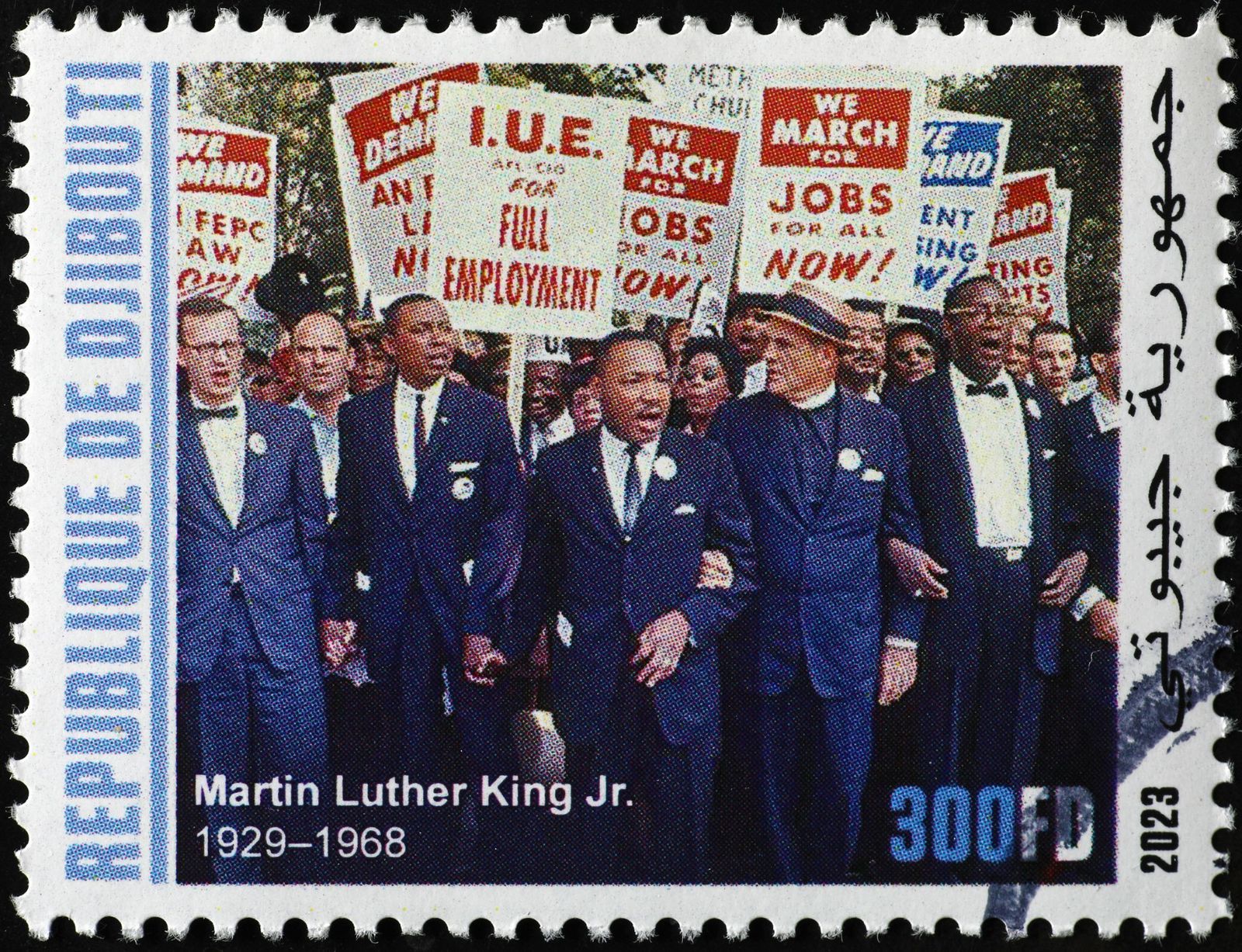
Image: spatuletail

Martin Luther King Jr.'s words have become synonymous with hope, but the "dream" he described was remarkably specific. Speaking at the March on Washington for Jobs and Freedom, King envisioned an America where the Constitution's promises of equality would finally apply to everyone, regardless of race.

The speech's most memorable section was not fully scripted. According to several accounts, gospel singer Mahalia Jackson encouraged King to "tell them about the dream," prompting him to set aside his prepared remarks and speak from the heart. Those improvised passages became some of history's most celebrated words.

5

The only thing we have to fear is fear itself. — Franklin D. Roosevelt (1933)
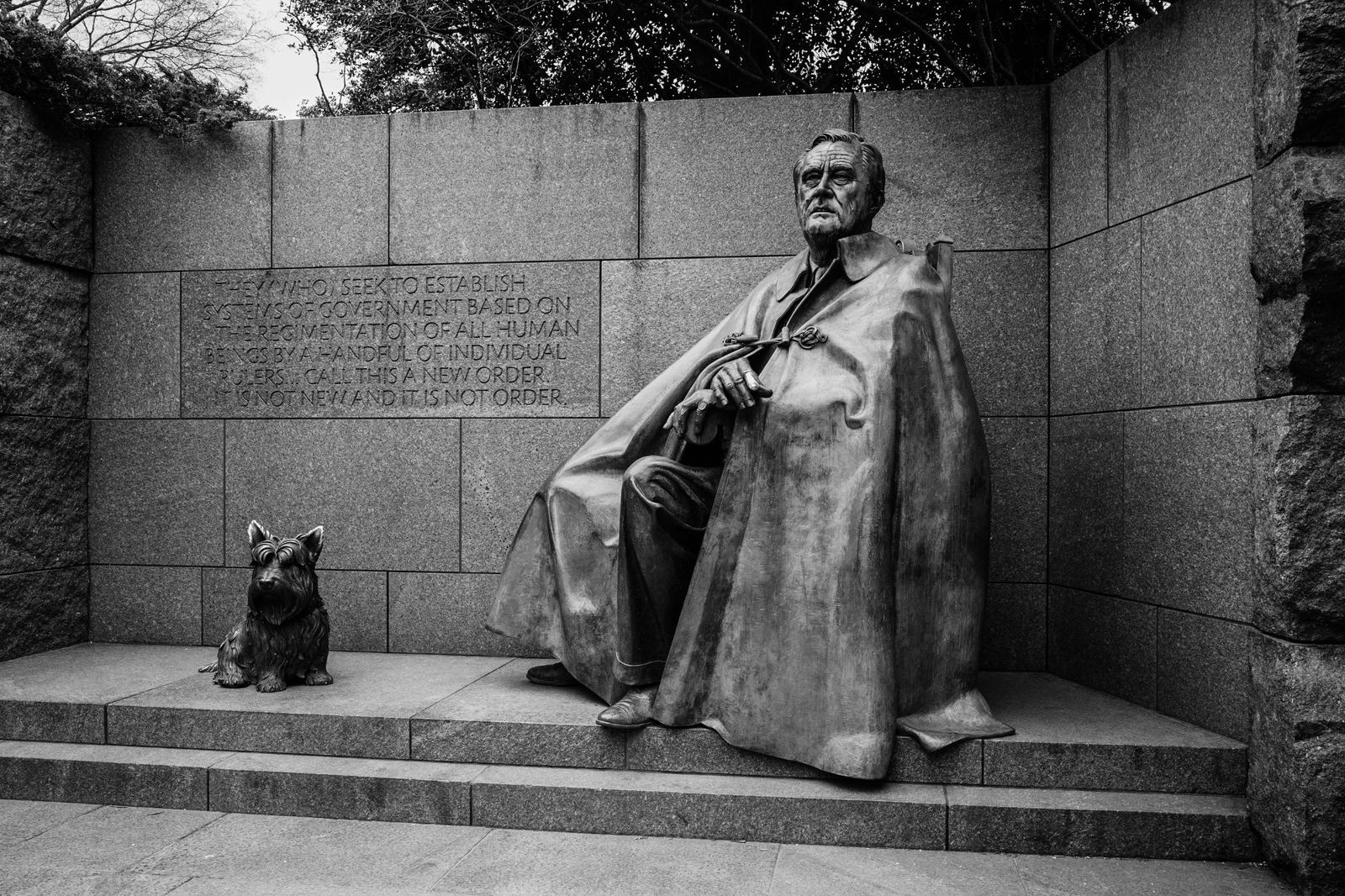
Image: Brian Logan Photography

Franklin D. Roosevelt spoke these famous words during his first inaugural address as the United States struggled through the Great Depression. Rather than offering generic encouragement, he argued that fear itself had become an economic force, causing bank runs, panic, and paralysis that only made the crisis worse.

Roosevelt believed restoring public confidence was essential to recovery. Within days, he declared a nationwide bank holiday and launched the first measures of what became the New Deal. His phrase has endured because it captures the powerful effect fear can have on people's decisions.

6

Ich bin ein Berliner. — John F. Kennedy (1963)
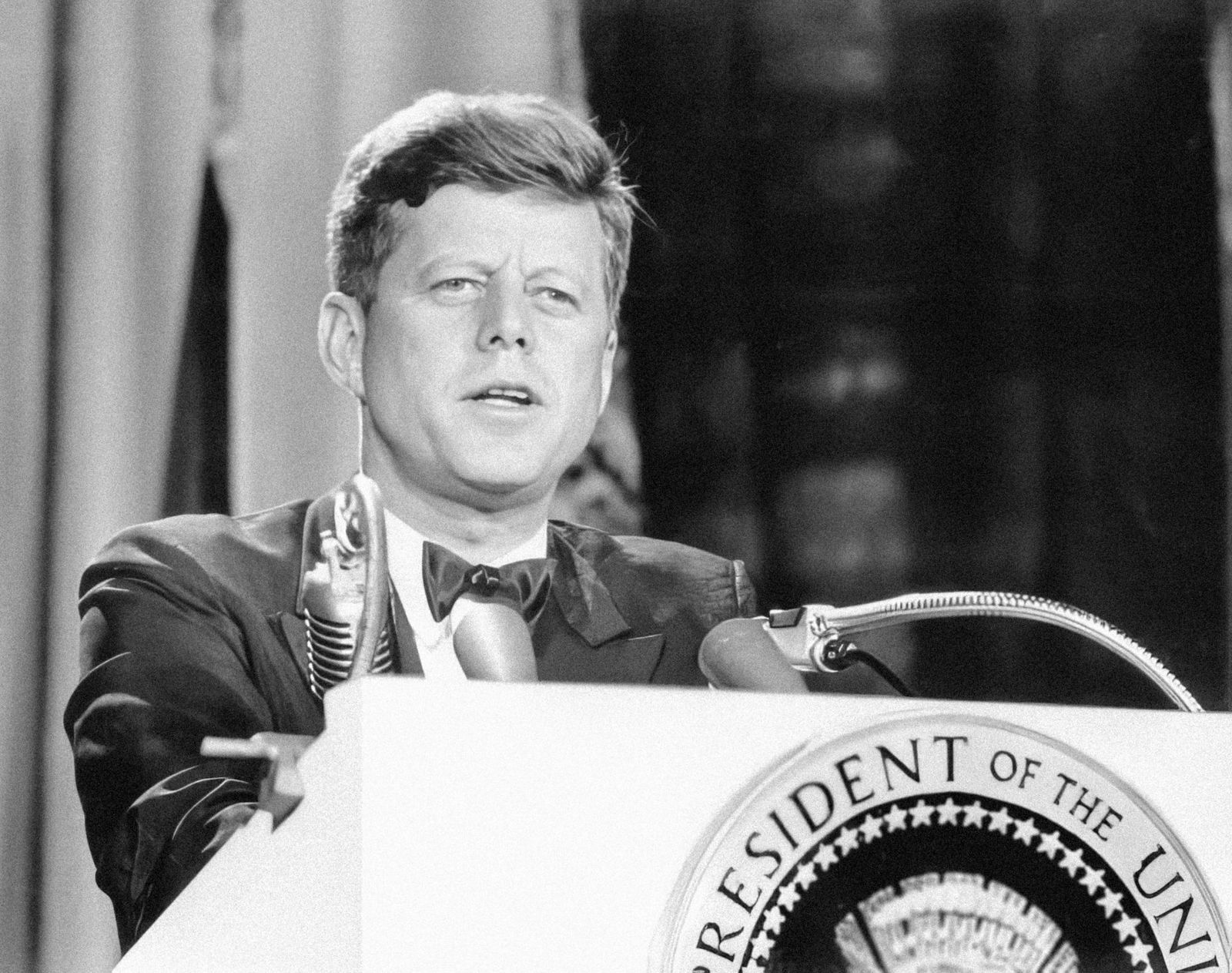
Image: Florida Memory

One of history's most persistent language myths claims that Kennedy accidentally said, "I am a jelly doughnut." In reality, German speakers clearly understood what he meant when he declared, "Ich bin ein Berliner" during a visit to West Berlin in 1963.

Kennedy was expressing solidarity with the isolated city's residents at one of the Cold War's tensest moments. Linguists have long dismissed the doughnut story as a misconception, while historians view the speech as a powerful demonstration of American support for West Berlin. Still, it was fun.

7

I am not a crook. — Richard Nixon (1973)
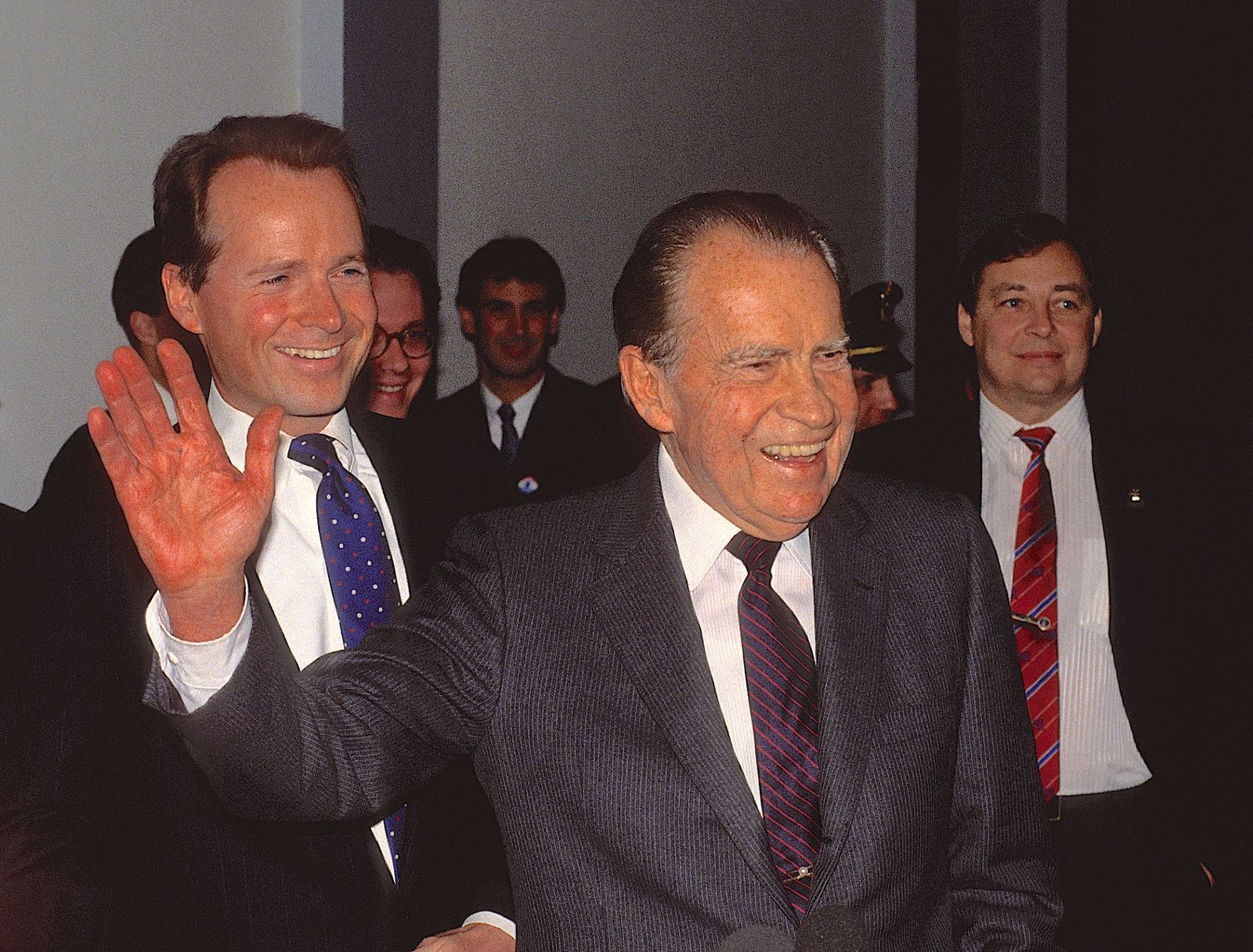
Image: mark reinstein

Richard Nixon uttered this famous denial during a televised press conference while the Watergate scandal dominated headlines. Although many people remember it as a blanket denial of wrongdoing, Nixon was specifically insisting that he had never personally profited illegally from holding public office.

The phrase quickly took on a life of its own. As investigations continued and evidence mounted, Nixon resigned less than a year later, making him the first U.S. president ever to do so. Today, the quote is remembered less for what Nixon intended than for the irony that history would attach to it.

8

Houston, we've had a problem. — Jack Swigert (1970)
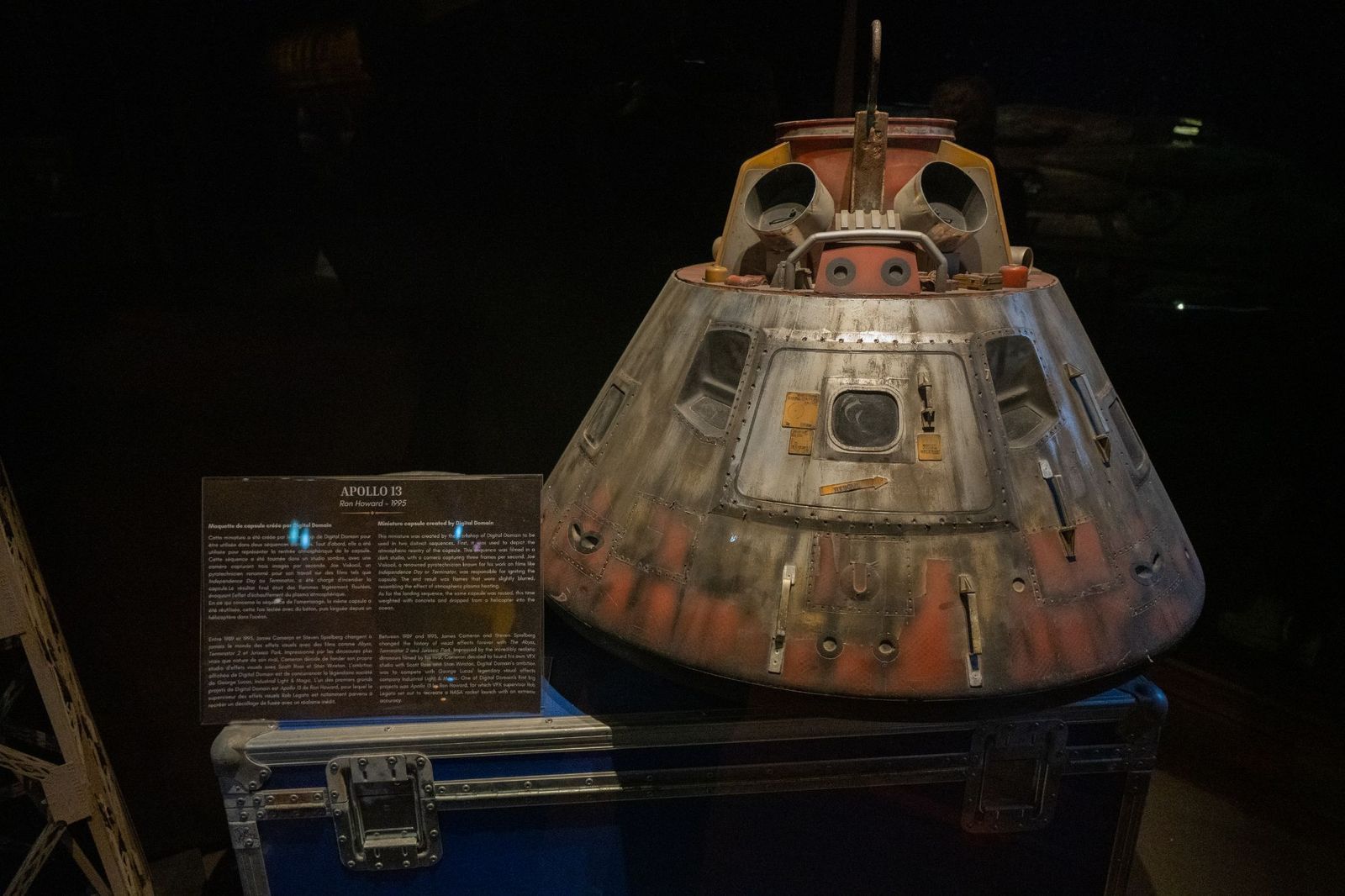
Image: Joseph Creamer

Popular culture remembers the Apollo 13 crisis as "Houston, we have a problem." The actual transmission was slightly different. After an oxygen tank exploded aboard the spacecraft, astronaut Jack Swigert calmly radioed, "Okay, Houston, we've had a problem here," with commander Jim Lovell repeating the report moments later.

The wording reflected that the emergency had already occurred rather than merely being discovered. The shorter version became famous after the 1995 film Apollo 13, but the original exchange remains one of the best-known examples of calm professionalism.

9

That's one small step for [a] man… — Neil Armstrong (1969)
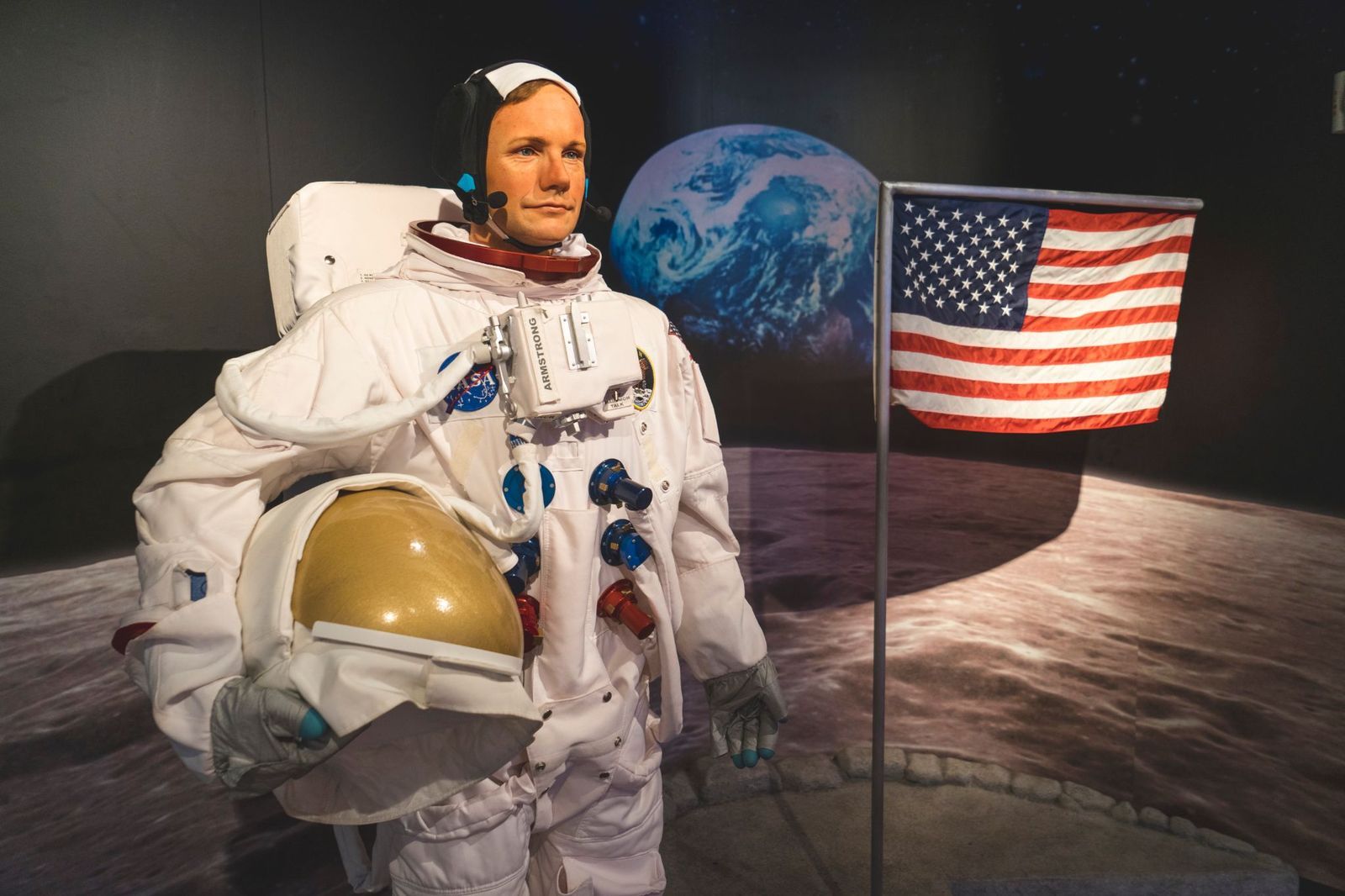
Image: Three Sixty Images

Neil Armstrong's first words on the Moon are among history's most quoted sentences, but one tiny word has sparked decades of debate. Armstrong always insisted he said, "That's one small step for a man, one giant leap for mankind," even though the article "a" is almost impossible to hear in the recording.

The distinction matters because without it, both halves of the sentence mean nearly the same thing. Audio experts have analyzed the recording for years without reaching complete agreement.

10

Give me liberty, or give me death! — Patrick Henry (1775)
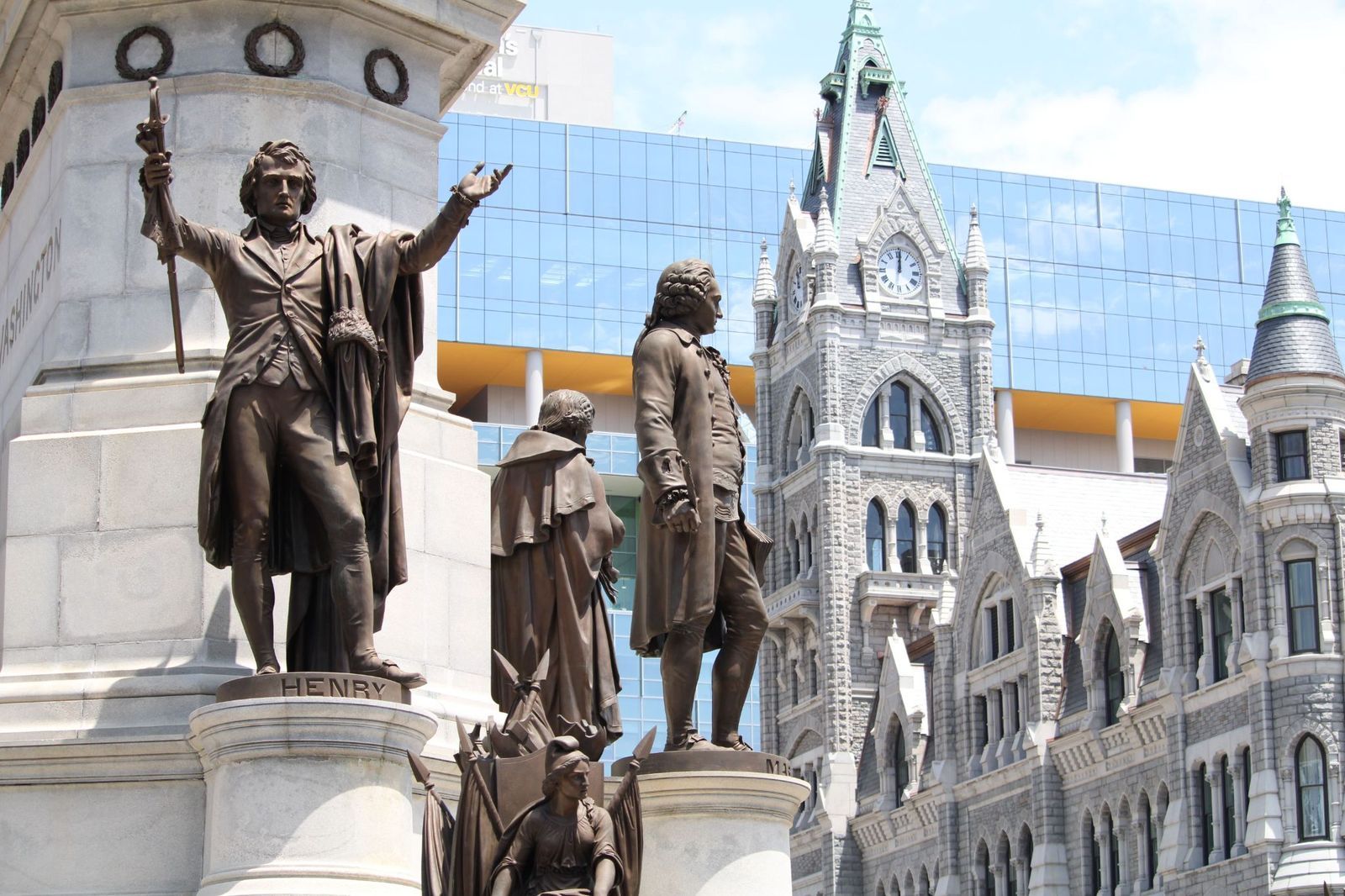
Image: Wirestock Creators

Patrick Henry's dramatic declaration is often imagined as a battlefield cry, but it was actually delivered during a political debate at Virginia's Second Convention in March 1775. Henry argued that peaceful negotiations with Britain had failed and that the colonies needed to prepare for armed resistance.

Interestingly, no verbatim transcript exists. The famous wording was reconstructed decades later by biographer William Wirt, using recollections from witnesses, although historians cannot confirm every word.

11

Speak softly and carry a big stick. — Theodore Roosevelt

Image: Everett Collection

At first glance, Theodore Roosevelt's famous advice sounds aggressive, but it actually promotes restraint. Roosevelt believed successful diplomacy begins with calm negotiation, while credible strength remains available in the background if peaceful efforts fail.

He said the phrase reflected an old West African proverb, although historians have never found evidence that such a proverb existed before Roosevelt popularized it. Regardless of its origin, the expression became permanently associated with his approach to foreign policy and remains a familiar shorthand for negotiating from a position of strength.
The 12 longest-living animals on Earth (and how they cheat time)


Published on July 29, 2026


Image: David Clode

Nature doesn’t just create beauty, it crafts survival miracles. While most animals have short lives, a rare few have mastered the art of staying alive for centuries, even millennia. These aren’t just long-lived creatures; they’re nature’s ultimate time travelers. From the frozen depths of the oceans to the darkest corners underground, they’ve developed bizarre, brilliant strategies to cheat death. Get ready to meet 12 animals whose lifespans will absolutely blow your mind.

1

Antarctic Sponge (Anoxycalyx joubini)

Image: NOAA

Record age: up to 15,000 years

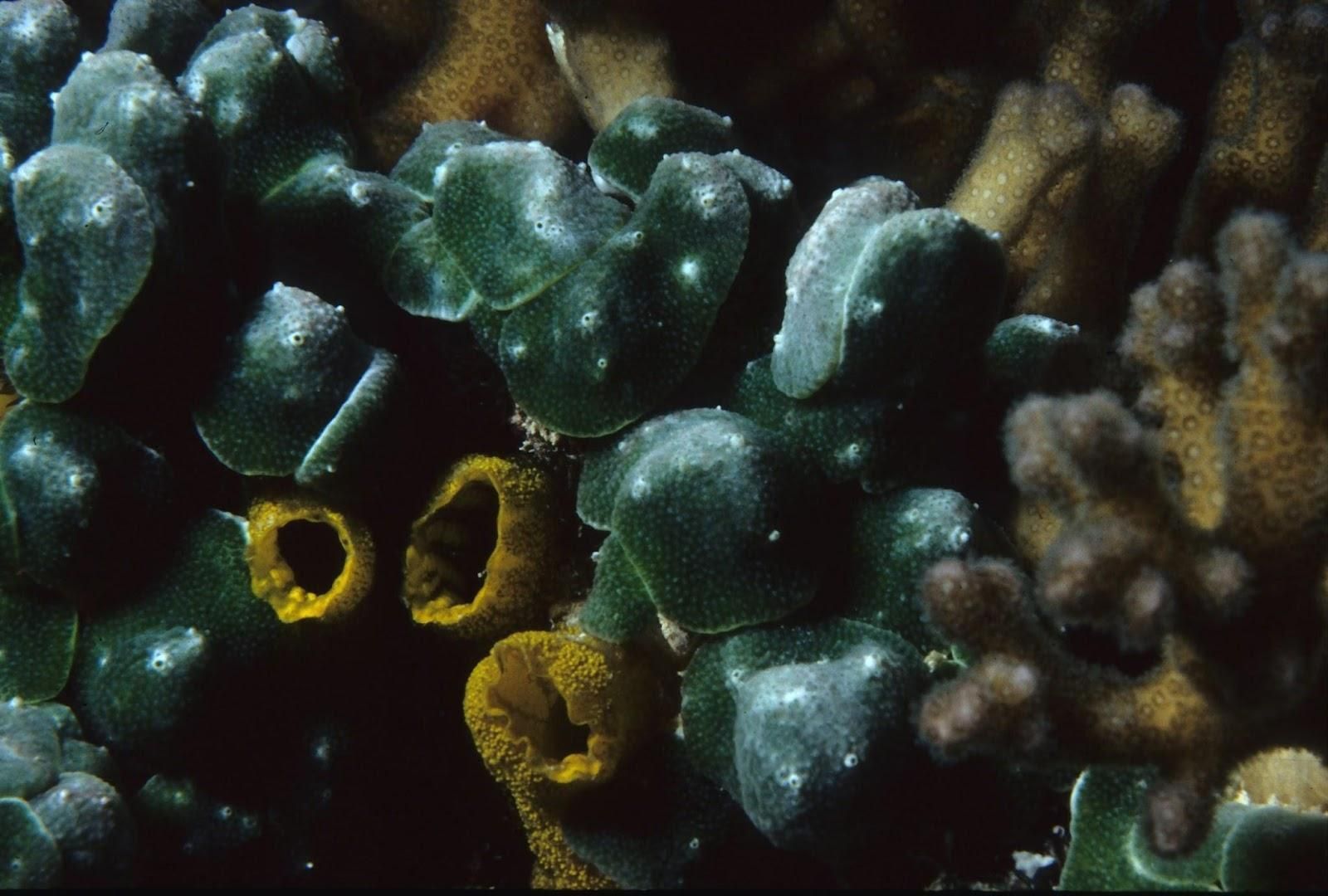
This unassuming sea sponge thrives in the freezing waters of Antarctica, where temperatures hover around 28.6 °F—so cold that biological processes hit the brakes. In such icy conditions, metabolism slows to a crawl, allowing these sponges to live for thousands of years.

Some have reached impressive sizes of over 3 feet tall and have been around since mammoths were still thundering across the tundra. They don’t move, they don’t stress, and they barely change, just quietly existing while centuries pass them by. Their secret to extreme longevity? Glacial patience, deep-sea stillness, and a lifestyle that redefines "low-maintenance".

2

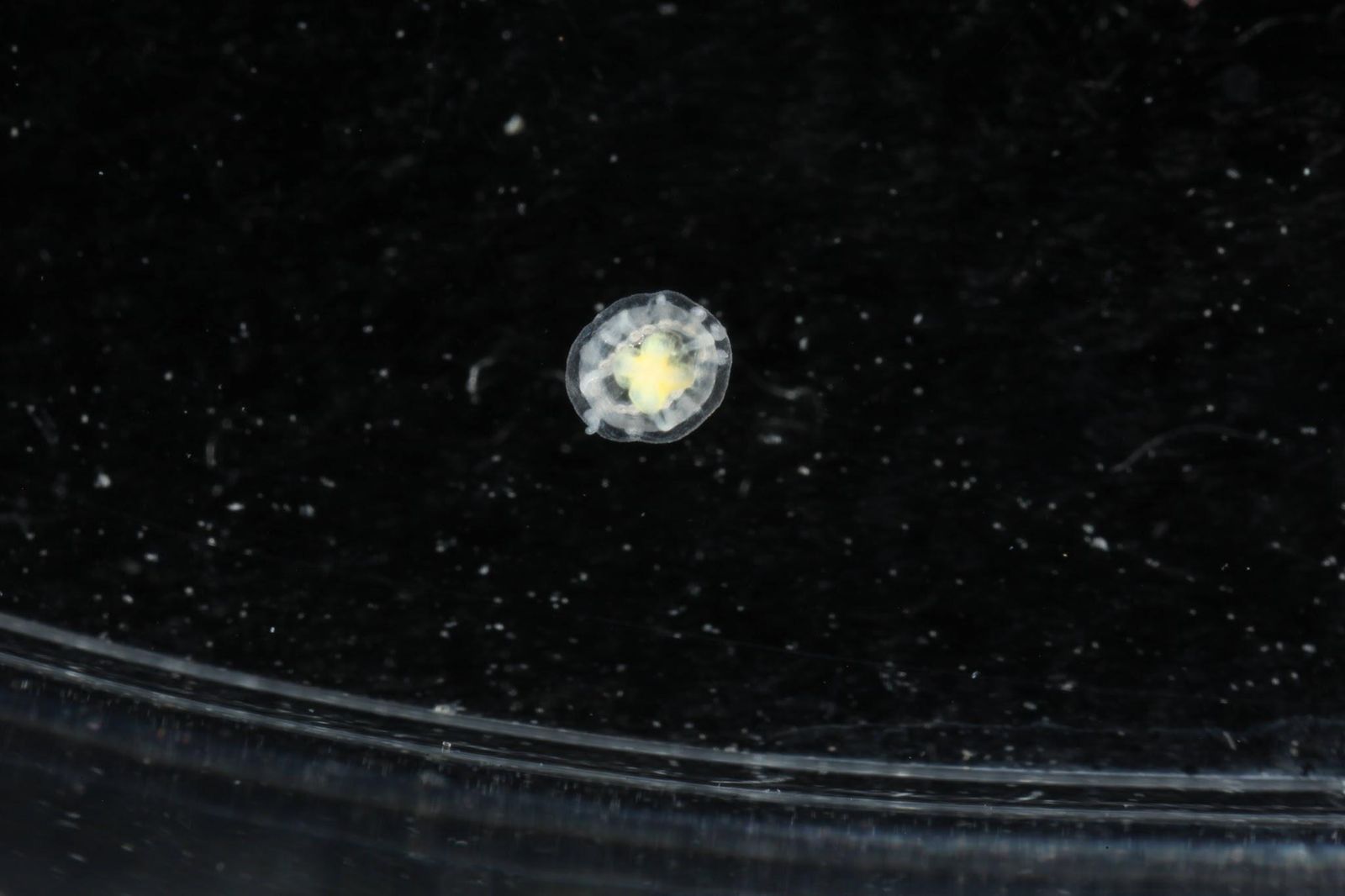
Immortal Jellyfish (Turritopsis dohrnii)

Image: Dr. Karen J. Osborn, CC0, via Wikimedia Commons

Age: technically… infinite

This tiny jellyfish, no bigger than a fingernail—less than 0.2 inches—is like the ocean’s very own Benjamin Button. What makes it truly extraordinary is its ability to rewind its life story, flipping back to a youthful, juvenile stage whenever it wants. While it’s not completely invincible (predators and other threats are still very real), if left undisturbed, it can keep hitting the reset button on aging indefinitely, making it one of the most fascinating "time-benders" in nature.

3

Ocean Quahog Clam (Arctica islandica)

Image: Norbert Braun

Record age: 507 years

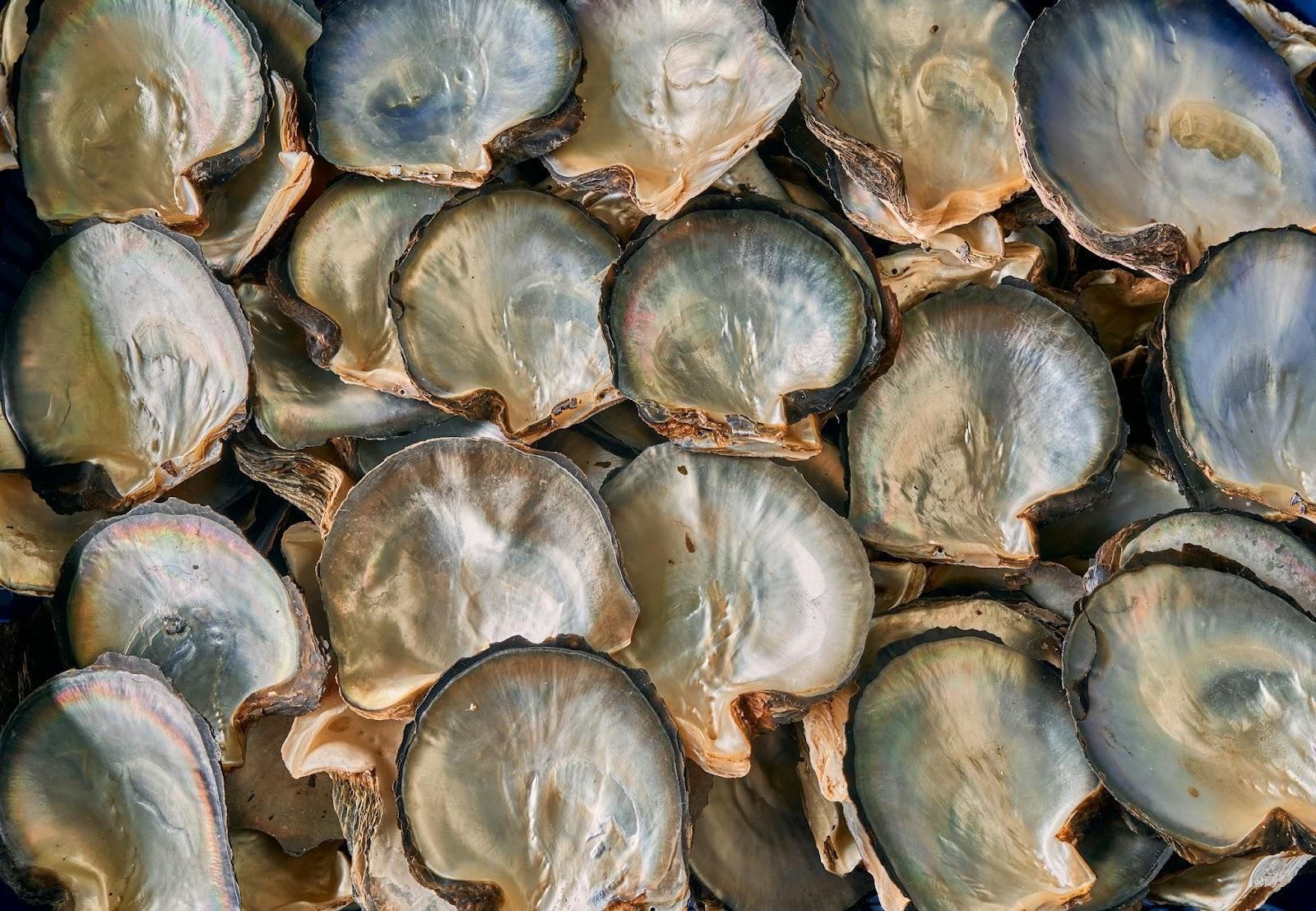
In 2006, a special clam was discovered buried deep in the seabeds of the North Atlantic. Scientists were able to determine that it had been there since at least 1499—that’s centuries before the United States was even a thought! This ancient marvel, nicknamed "Ming", was able to perfect a slow-and-steady approach to life. Growing at a snail’s pace and barely budging, Ming’s sedentary lifestyle turned out to be a brilliant strategy for beating the clock. Who knew doing almost nothing could be the ultimate secret to longevity?

4

Greenland Shark (Somniosus microcephalus)

Image: https://upload.wikimedia.org/wikipedia/commons/3/39/Greenland_shark_profile.jpg

Record age: estimated 392 years

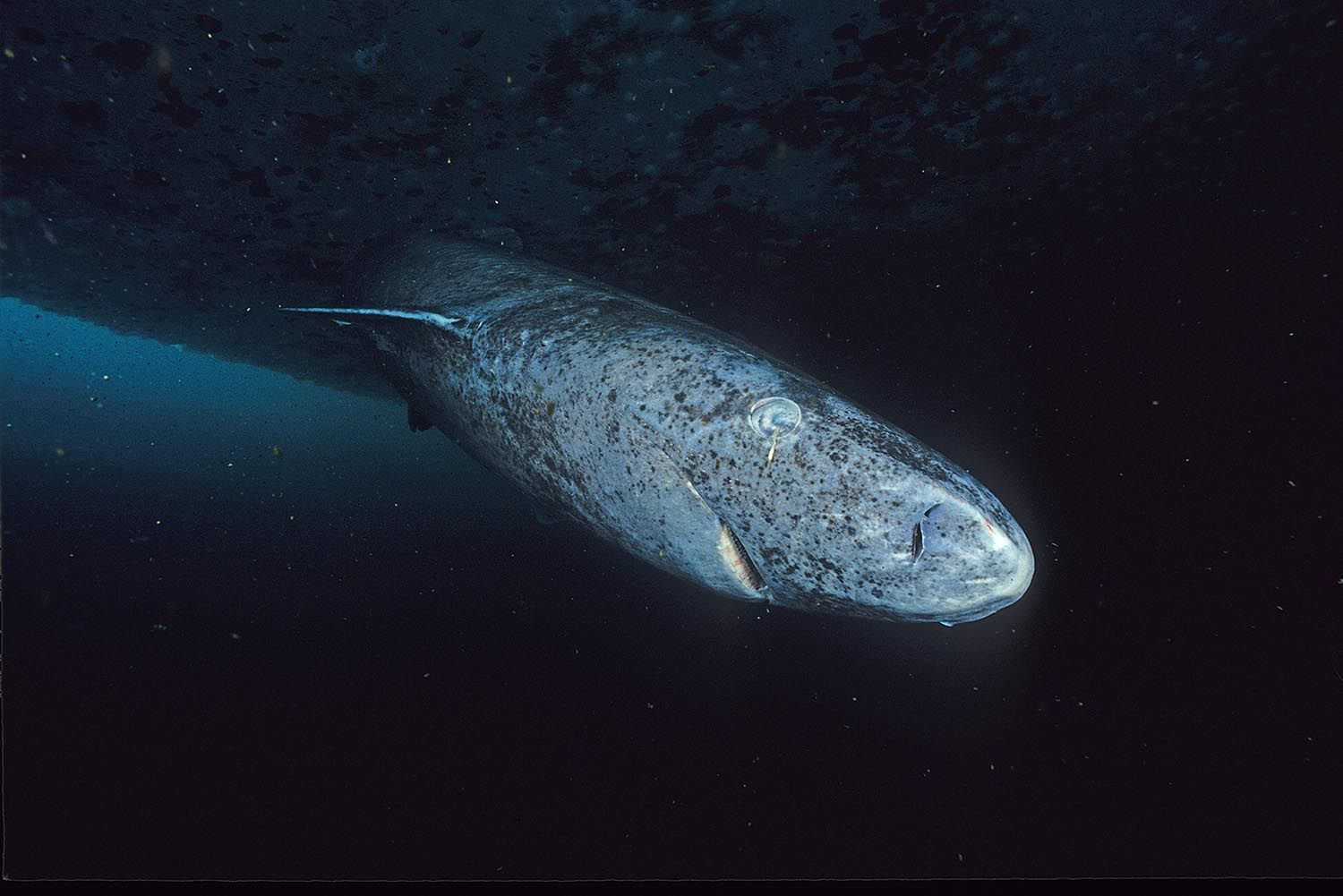
These sharks aren’t your average ocean cruisers—they can stretch over 20 feet long and weigh up to 2,200 pounds. But what’s really mindblowing is how slowly they move, like they’re in a permanent state of deep relaxation. Living in the icy Arctic waters, these giants don’t hit adulthood until they’re about 150 years old, and some can glide through the depths for nearly 400 years. Imagine that! These ancient swimmers were already around before America declared independence... and they are still out there, silently roaming the seas!

5

Bowhead Whale (Balaena mysticetus)

Image: Vicki Beaver, Alaska Fisheries Science Center, NOAA FIsheries, Marine Mammal Permit#14245, Public domain, via Wikimedia Commons

Record age: over 211 years

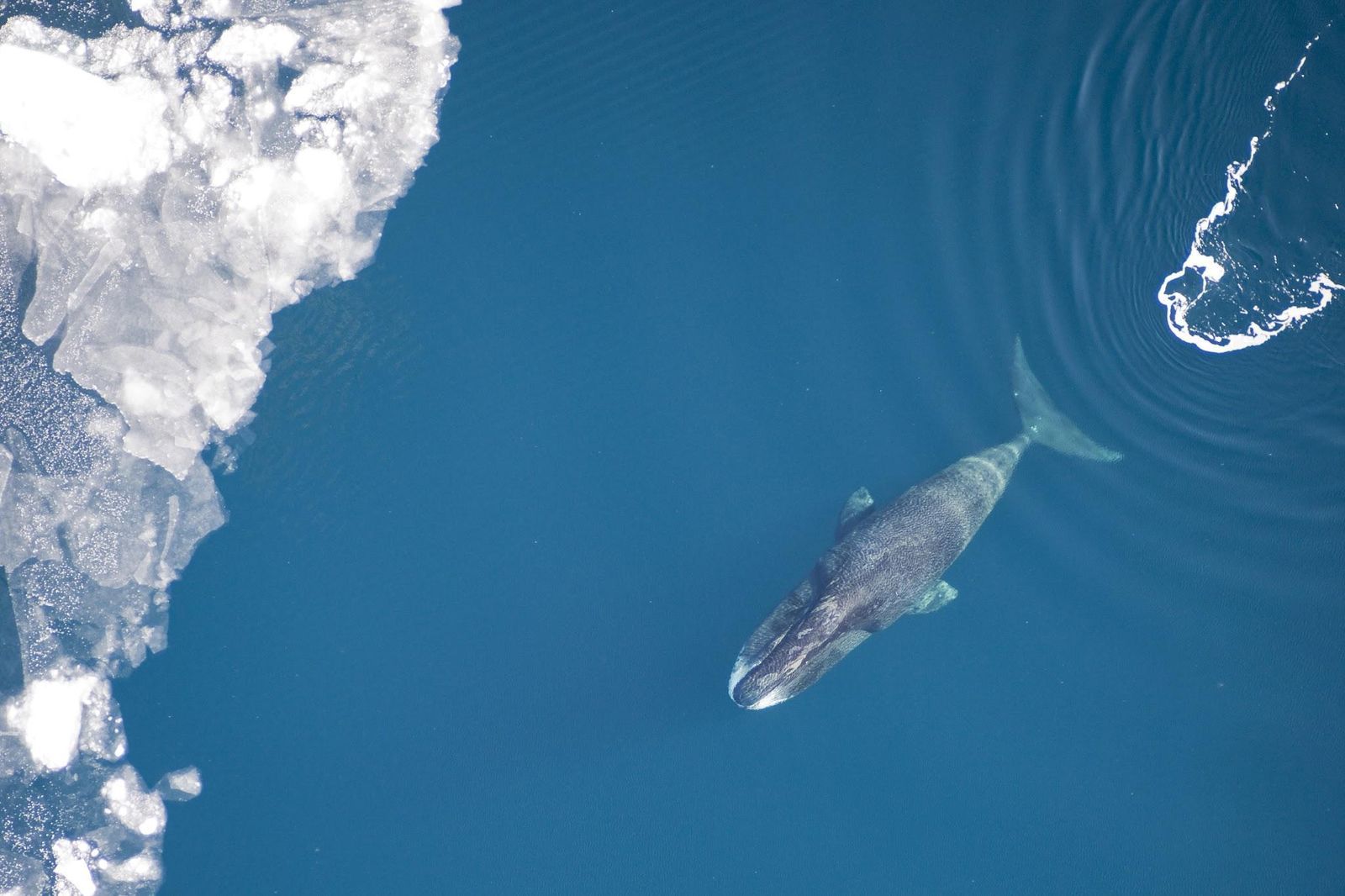
This whale is a true ocean giant, stretching up to 60 feet long and weighing a staggering 200,000 pounds. But what makes it stand out isn’t just its size but its age. Some of these majestic creatures carry harpoons from the 1800s still lodged in their skin, like walking history books. Just picture living so long that you’re literally carrying outdated technology embedded in your body—talk about being a time traveler of the seas!

6

Red Sea Urchin (Mesocentrotus franciscanus)

Image: National Marine Sanctuaries, Public domain, via Wikimedia Commons

Record age: 200 years

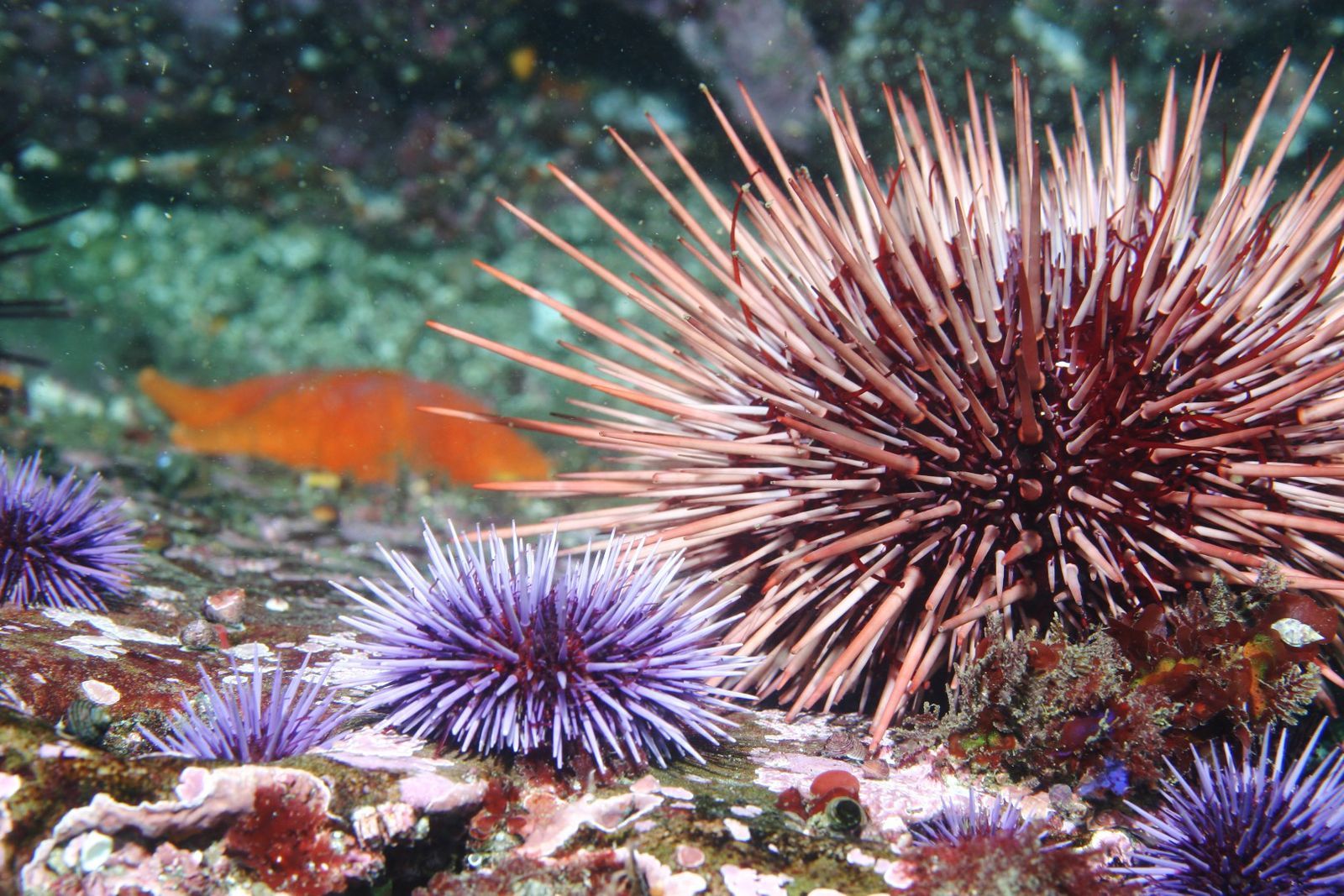
Spanning the chilly Pacific coastline from California all the way up to Alaska, this spiky little ball—about 7 inches across—is full of surprises. It munches on algae and calls the deep, dark ocean its home, thriving at depths of up to 300 feet. Don’t let its size fool you: this prickly creature is a true elder of the cold seas, quietly outliving many ocean neighbors while keeping a low profile. A tough, slow-living veteran wrapped in spikes!

7

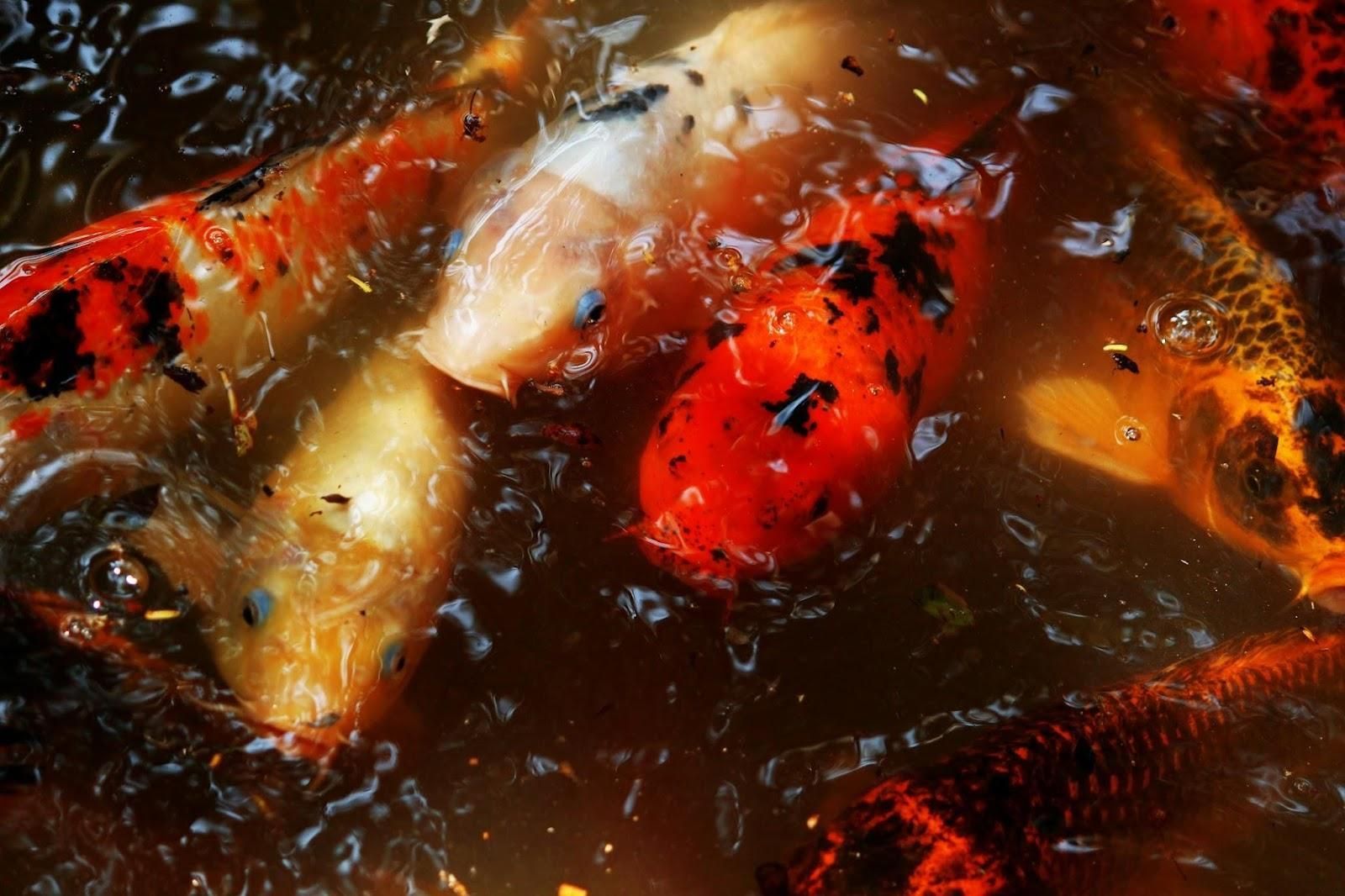
Koi Carp (Cyprinus rubrofuscus)

Image: Daniel Dan

Record age: 226 years

Meet Hanako, a legendary Japanese koi who swam through life for an astonishing 226 years. Scientists discovered how old she was by studying the rings on her scales, much like counting the growth rings of a tree. These colorful, ornamental fish aren’t just symbols of good fortune; they’re also secret long-lifers with the potential to celebrate over two centuries of birthdays, as long as they get the right care and a peaceful pond to call home.

8

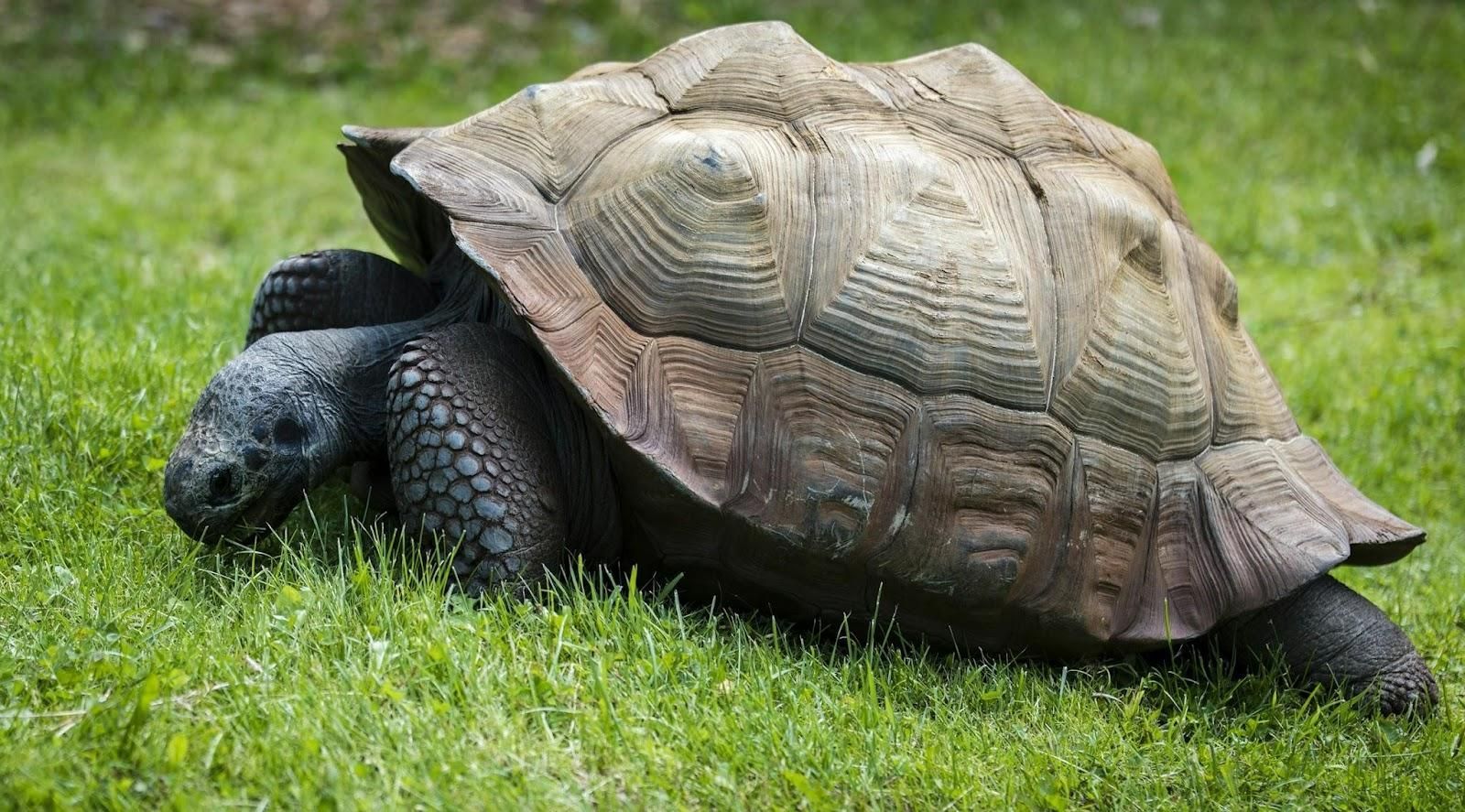
Seychelles Giant Tortoise (Aldabrachelys gigantea)

Image: Ryan Grewell

Record age: 190 years

Jonathan is a male tortoise living on the remote island of Saint Helena in the South Atlantic Ocean. He was born back in 1832, and he’s still happily chomping lettuce and soaking up the sun today. Weighing in at more than 400 pounds and measuring around 3 feet long, Jonathan holds the title of the oldest known living land animal on the planet. If he could share tales, they’d span nearly two centuries of history. Imagine that!

9

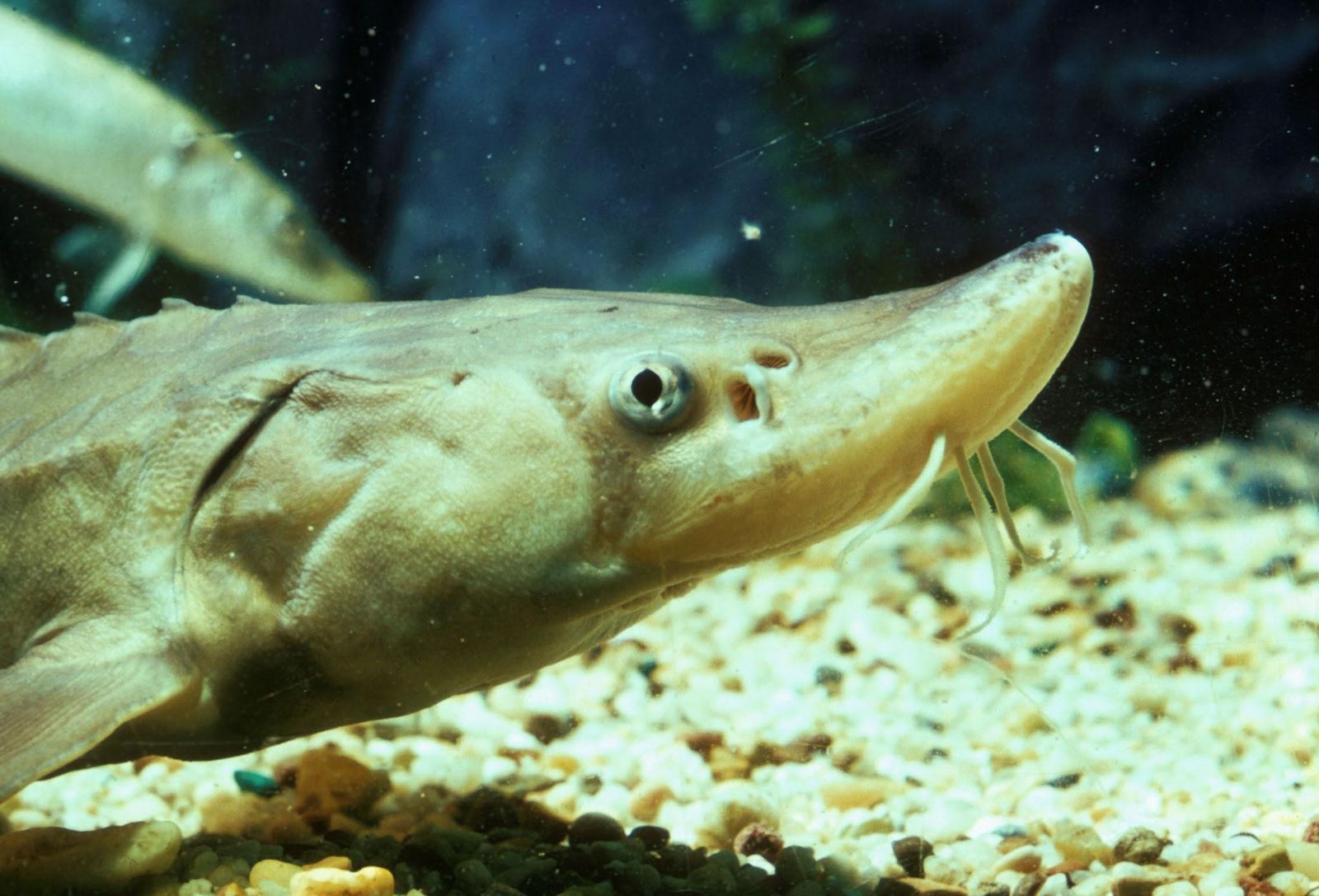
Lake Sturgeon (Acipenser fulvescens)

Image: See page for author, Public domain, via Wikimedia Commons

Record age: 152 years

This ancient-looking fish, with its whisker-like barbels, looking like a tiny underwater submarine, prowls the lakes of North America. It can reach an impressive length of up to 7 feet and weigh around 200 pounds. These slow-living creatures don’t rush into adulthood—they start breeding only around age 20—and then take their time cruising through life at a leisurely pace. Believe it or not, one legendary catch in Wisconsin was estimated to be over 150 years old!

10

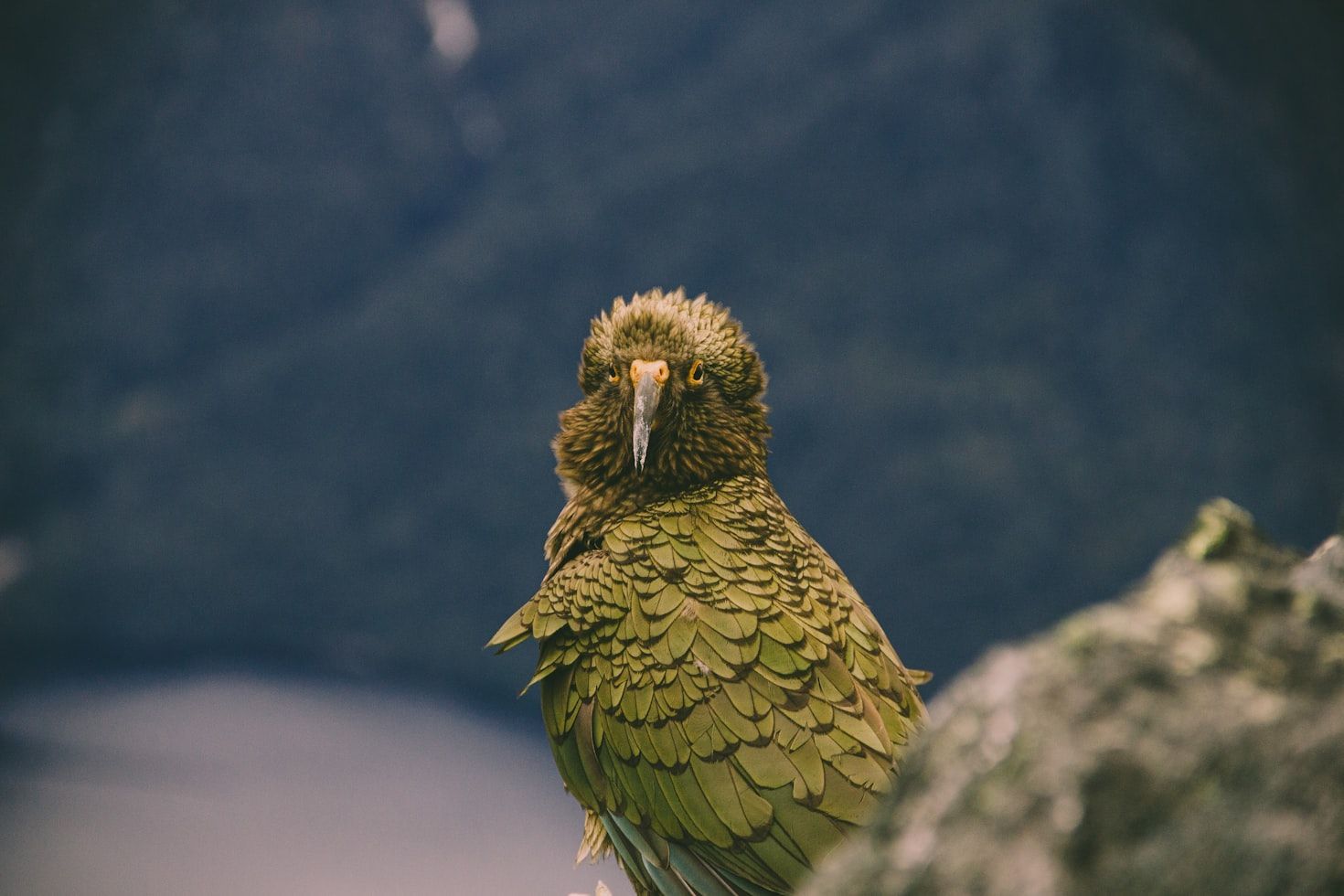
Kakapo Parrot (Strigops habroptilus)

Image: Andreas Sjövall

Record age: over 90 years

This chunky, night-loving parrot from New Zealand is a true oddball—it can’t fly, snores like a grumpy grandpa, and smells like fresh flowers. Despite its quirks, this bird boasts an impressively long lifespan. Sadly, it teeters on the edge of extinction. The oldest known kakapo, affectionately named Richard Henry, lived 90 years, earning him the title of the charmingly eccentric elder statesman of the avian world.

11

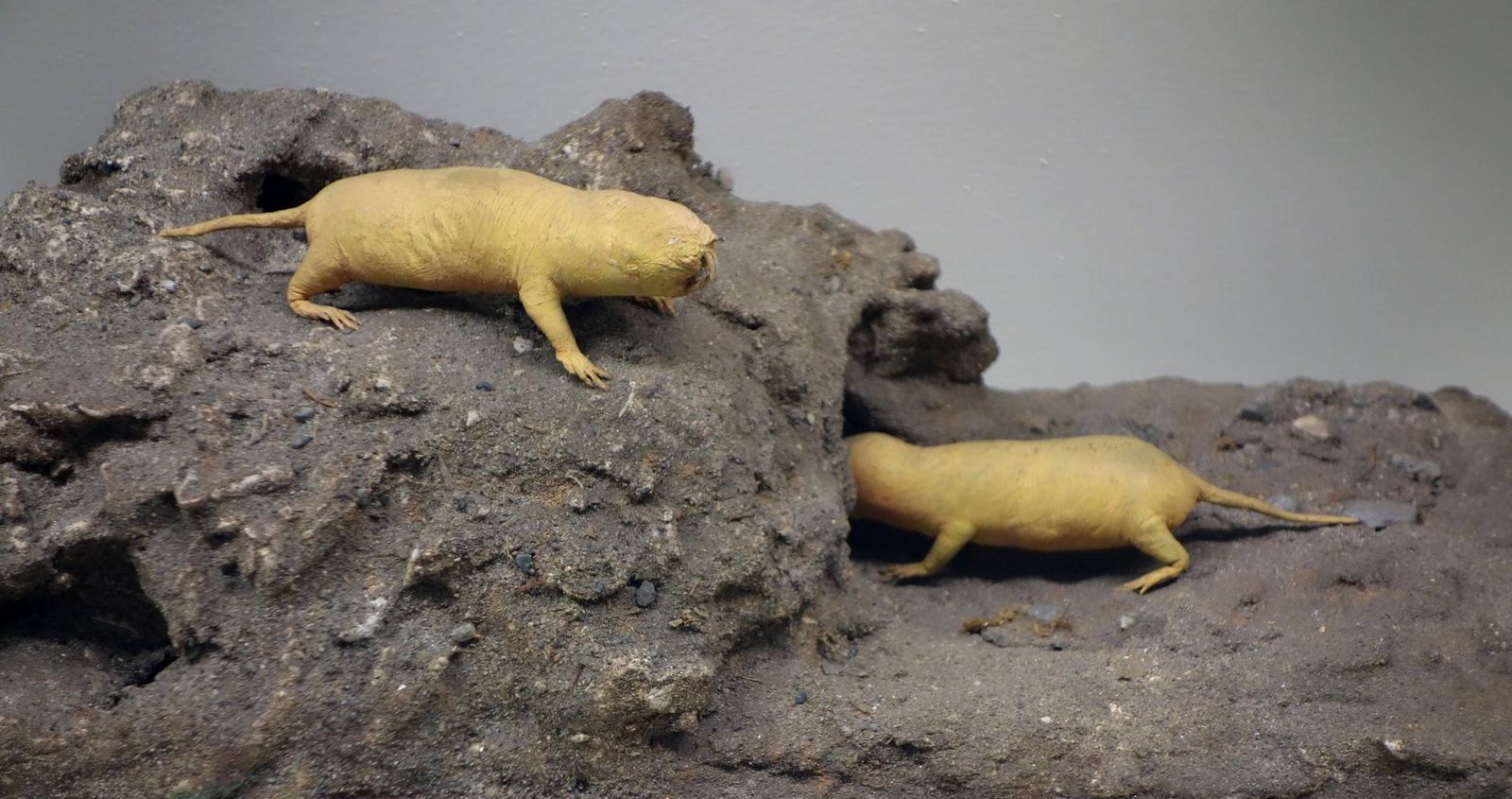
Naked Mole Rat (Heterocephalus glaber)

Image: Daderot, CC0, via Wikimedia Commons

Record age: 37 years

This tiny, kooky rodent—barely 3 inches long and just over an ounce in weight—could’ve been cast straight from a sci-fi apocalypse flick. Dwelling in vast underground colonies across Africa, it’s practically invincible to cancer, pain, and the usual effects of aging. Scientists are fascinated by this little marvel, even if it’s not winning beauty contests anytime soon. Its superpowers make it a star in longevity research!

12

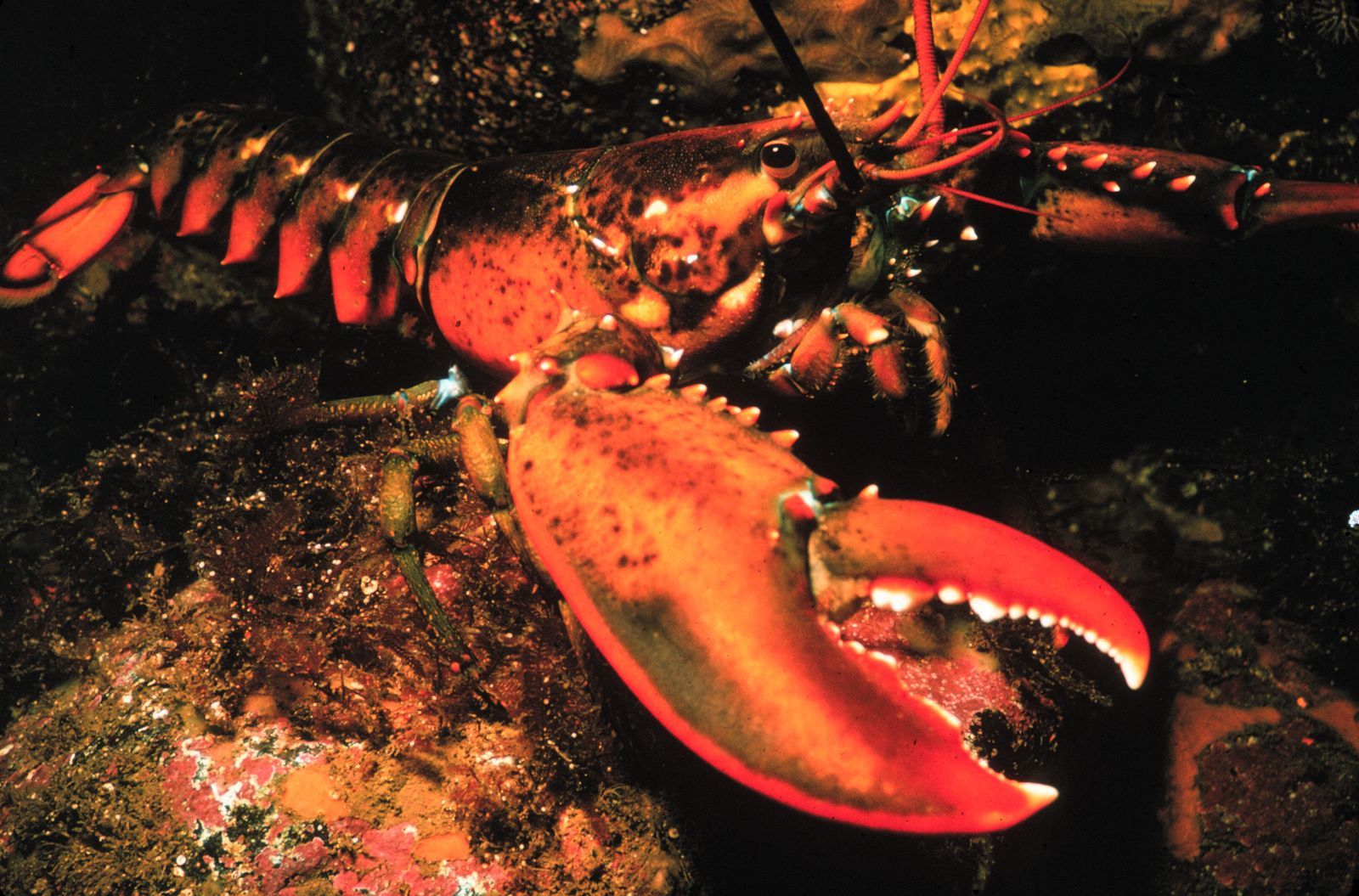
American Lobster (Homarus americanus)

Image: OAR/National Undersea Research Program (NURP)., Public domain, via Wikimedia Commons

Record age: estimated 100+ years

Lobsters have a totally different rulebook than us when it comes to aging. They don’t really grow old; they just keep getting bigger and bigger. Some giant lobsters weigh over 40 pounds and stretch beyond 3 feet long. Their biggest threats? Not old age, but predators or the risky process of shedding their shells. In theory, they could live forever if left alone—but let’s be honest, not many get to enjoy a peaceful, lobster-sized retirement!

Looking for an extra scoop of literary fun?

Learn more with our Word of the day

temporize

/ˈtɛmpəˌraɪz/