Delicious words!

Learn why nuts are crazy and the meaning of 11 other food terms


Published on March 31, 2026

Image: Rumman Amin

Our language loves to borrow from the dinner table. Many everyday words that sound delicious once referred only to food but have since taken on entirely new meanings. Think of "salty" moods or "cheesy" jokes, how did these expressions come to describe emotions or humor? Take a look at 12 of these idioms and see for yourself!

1

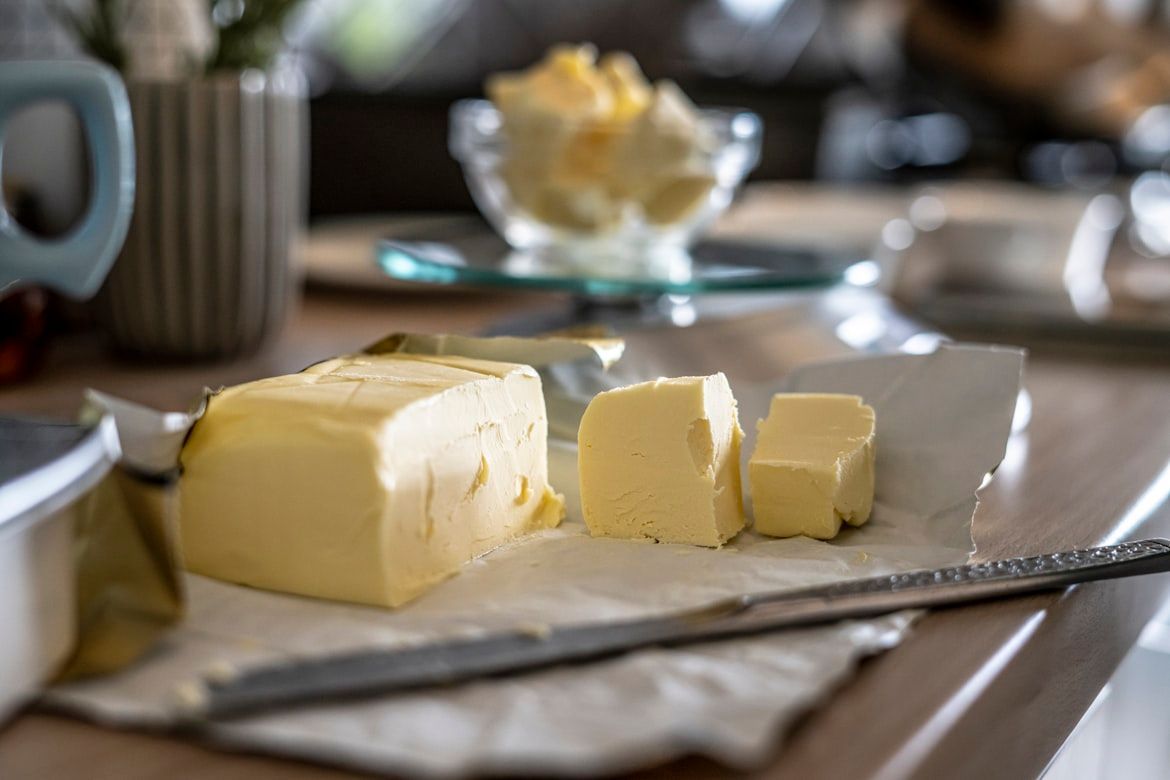
Butterfingers

Image: Sorin Gheorghita


A term once used for describing the act of dropping buttered food, "butterfingers" now labels anyone who fumbles objects easily. Baseball announcers helped popularize the term in the early 1900s.


These days, it’s used far beyond sports. If someone drops their phone or fumbles the remote, they might be called butterfingers.

2

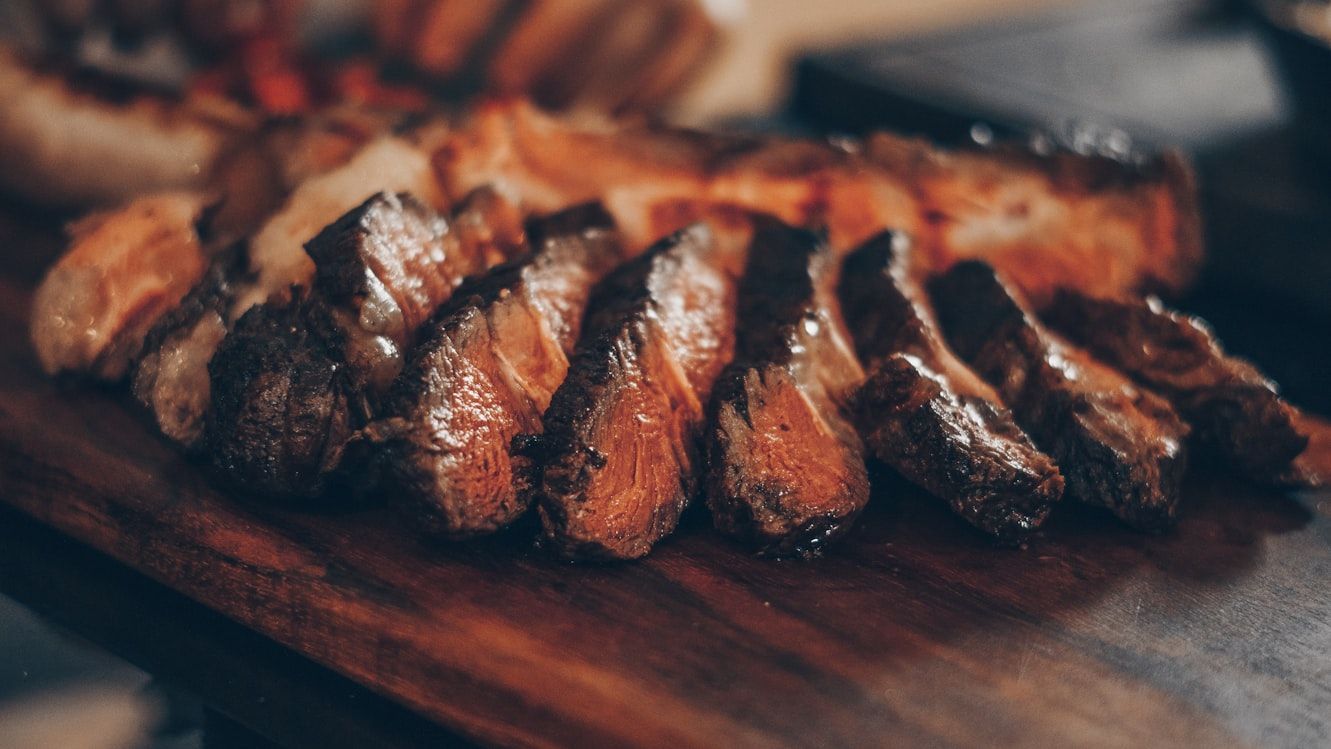
Meathead

Image: Emerson Vieira

3

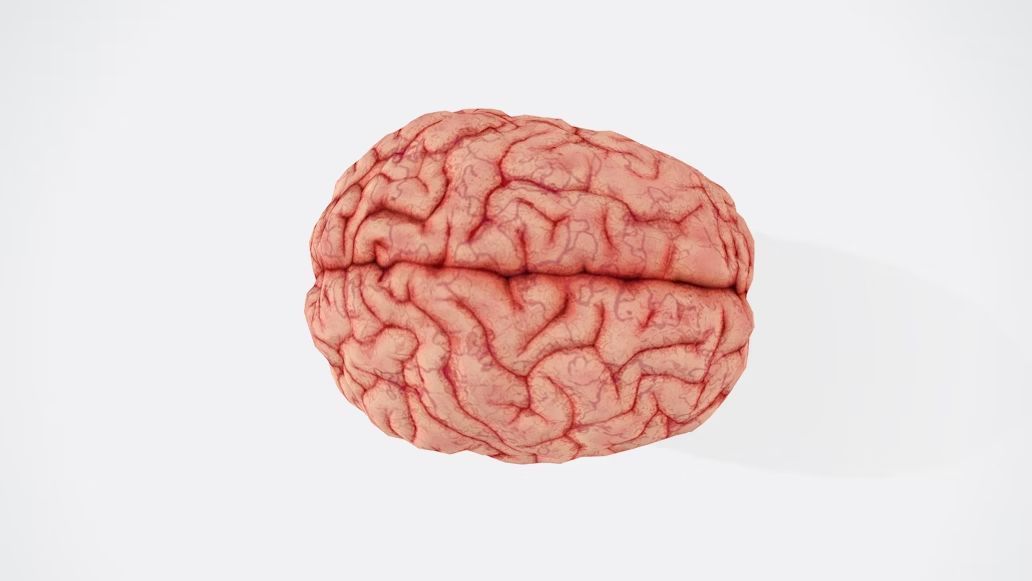
This insult began with the idea of someone whose brain was replaced by meat (indeed, not the most flattering image). It became slang for brawny but dim-witted men.


After the television show All in the Family popularized its use in the 1970s, "meathead" stuck as shorthand for someone strong in muscle but short on sense.

4

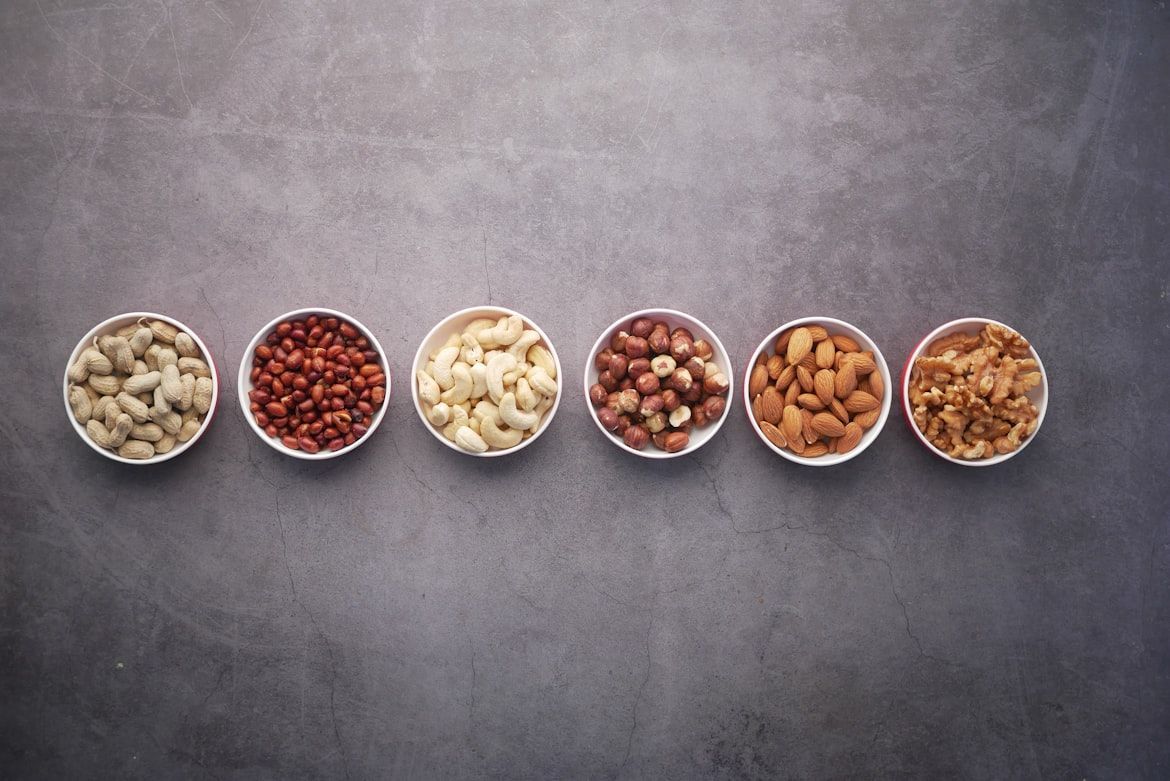
Nuts

Image: Towfiqu barbhuiya


Before it meant "crazy," it was just a snack. "Nuts" became slang for "insane" in early 20th-century slang, perhaps because nuts were small, round, and a bit "off the wall."

Now the word is often used affectionately as well, as in "I’m nuts about you," meaning deeply fond.

5

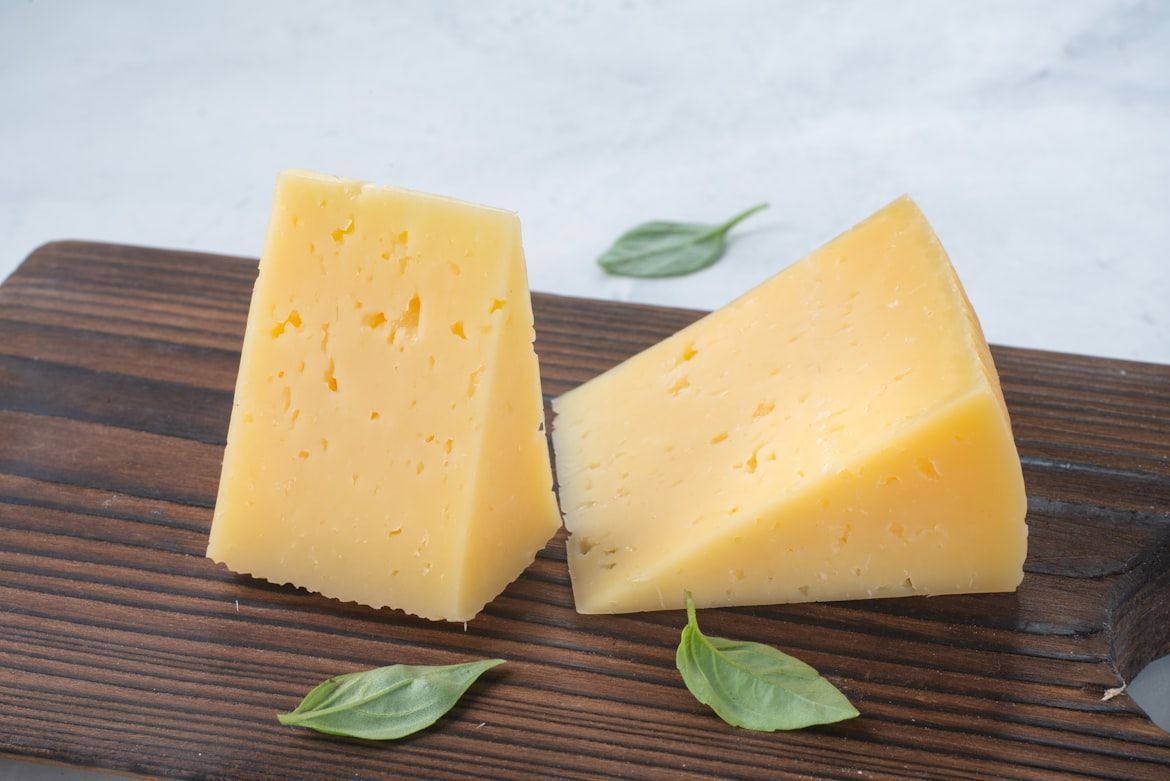
Cheesy

Image: David Foodphototasty

6

A term originally linked to cheap cheese or bad dairy smells, "cheesy" came to describe things lacking class or quality.

From clothing items to home décor, today, calling something "cheesy" means it’s corny, overdone, or trying too hard, with none of the charm of real cheese.

7

Salty

Image: Edi Libedinsky

8

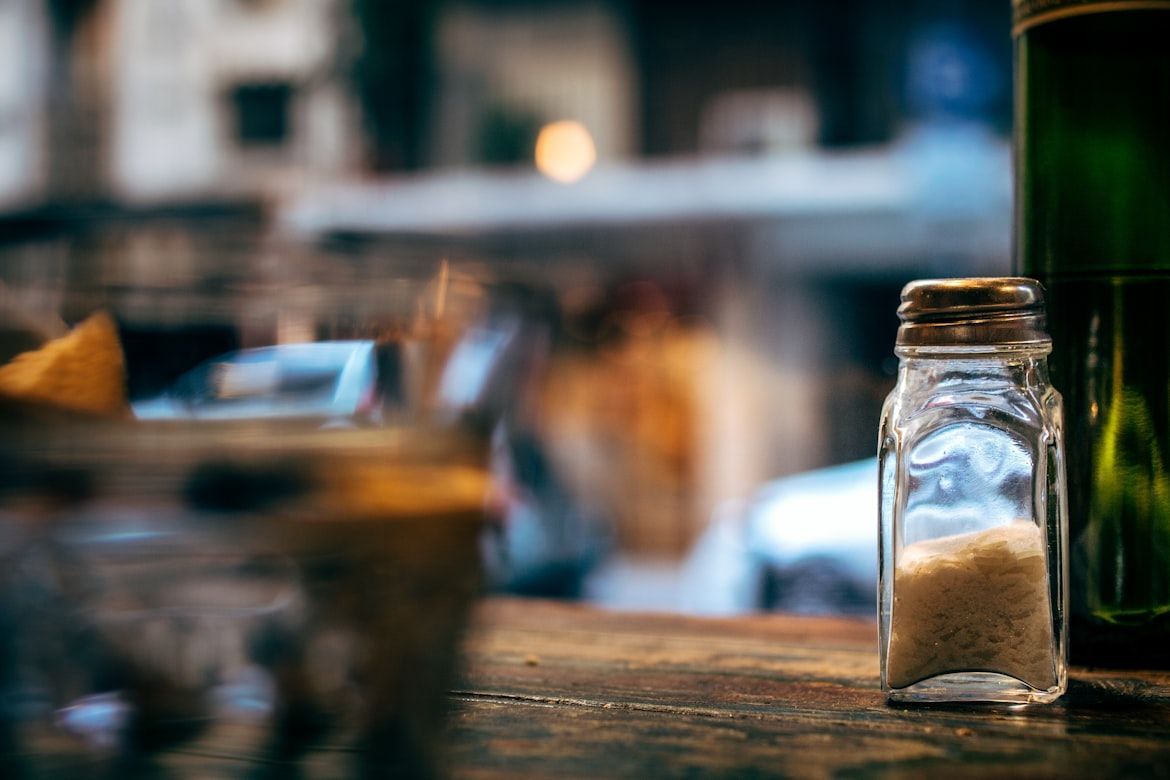
Long ago, sailors who were "worth their salt" were admired, but by the 20th century, "salty" had shifted in meaning. It came to describe coarse language and, later, sour moods.

Today, being "salty" just means you’re irritated or resentful, a figurative taste of bitterness, no longer tied to the shaker.

9

Pickle

Image: SuckerPunch Gourmet

10

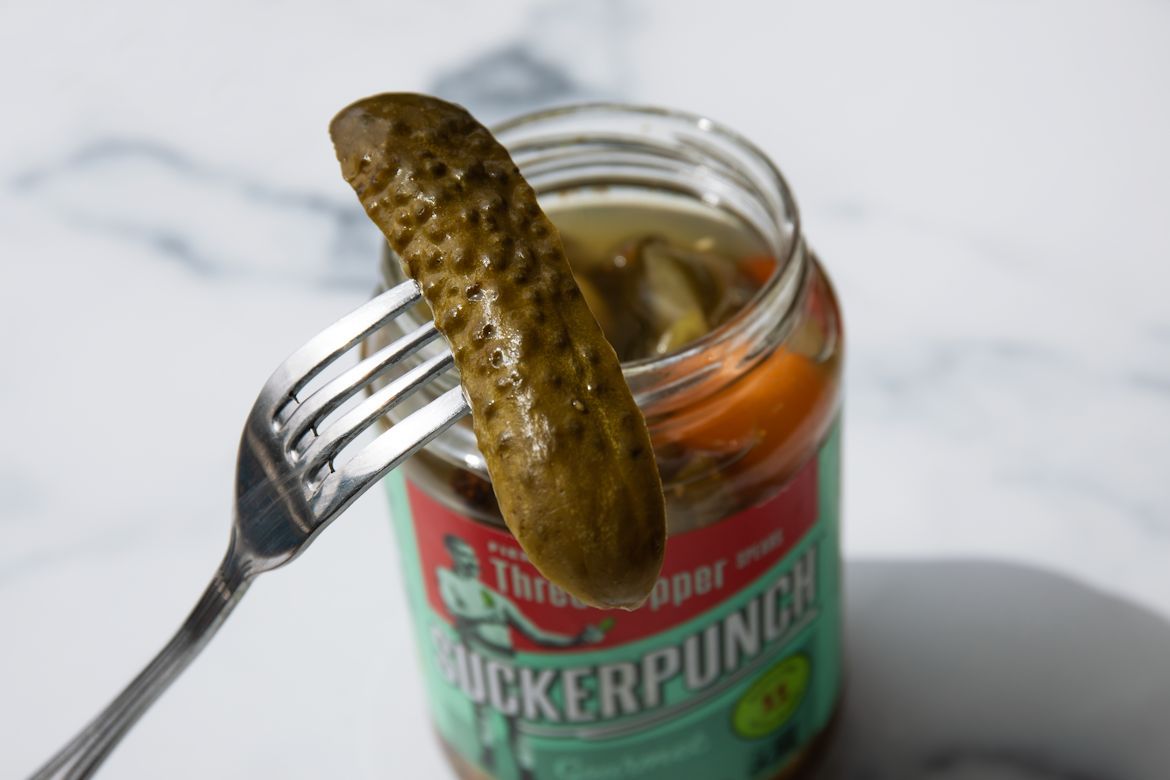
Before it meant trouble, a pickle was simply a brined cucumber. William Shakespeare gave the word new figurative life when he wrote "in such a pickle," using it to suggest "a tricky situation."

Nowadays, being "in a pickle" just means you’ve landed in a mess that’s hard to escape.

11

Cool Beans

Image: Shelley Pauls

12

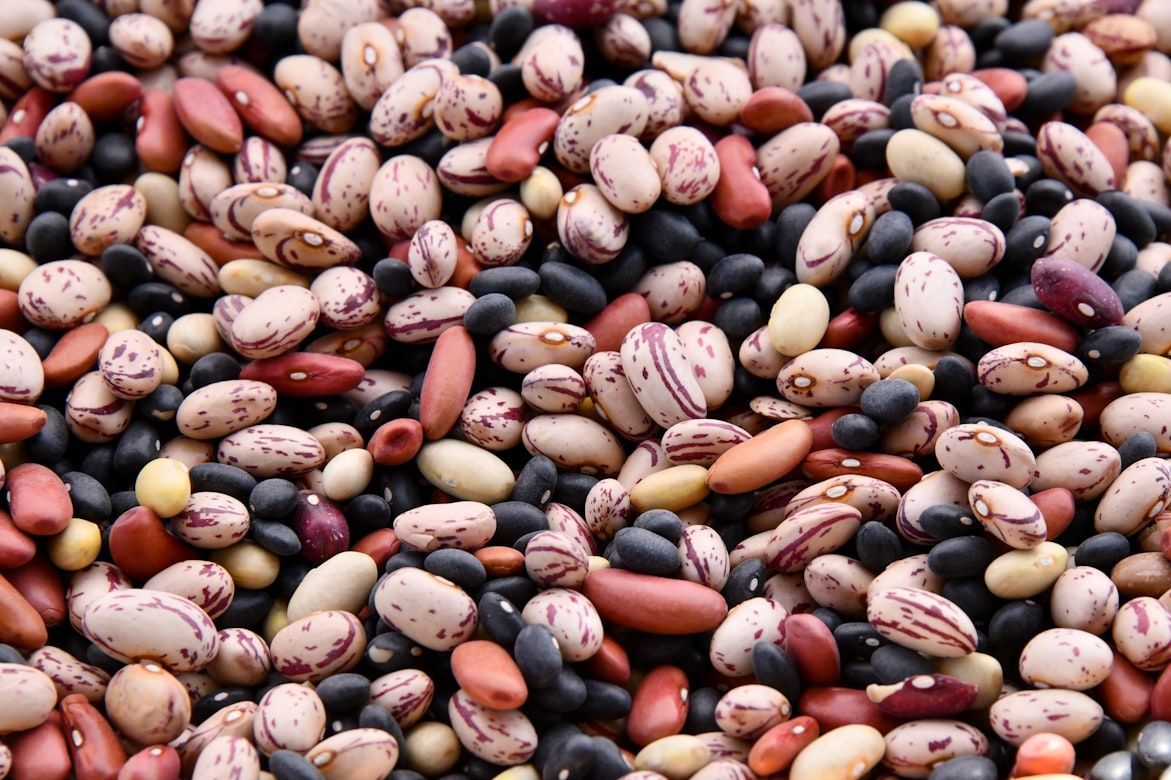
The use of this word as a phrase began as college slang in the 1960s, possibly inspired by "cool" jazz culture. Beans were everyday and friendly, making them perfect for playfulness.

Saying "Cool beans!" today still feels sunny and casual, a lighthearted way to express approval without sounding too serious.

13

Honey

Image: Arwin Neil Baichoo

14

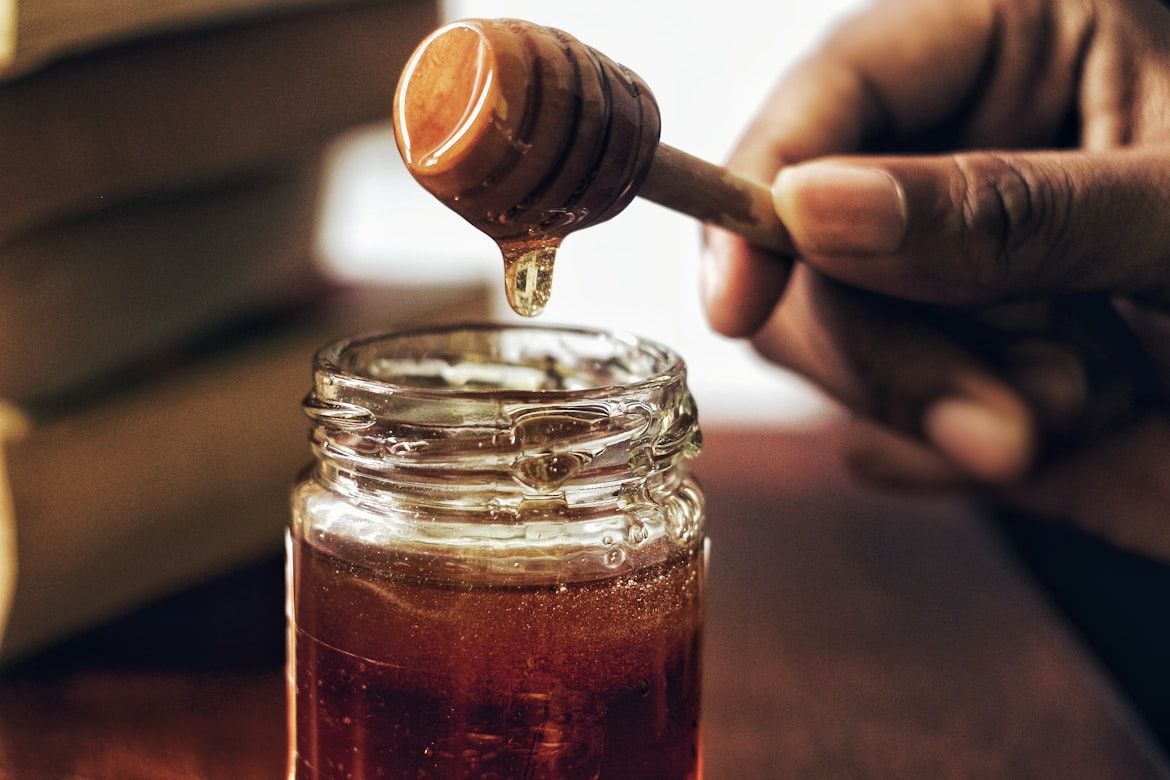
What was once purely a sticky treat, "honey" became a term of affection centuries ago, showing how sweetness appeals to both the tongue and the heart.

Today, it is one of English’s most common terms of endearment, heard in phrases ranging from "Honey, I’m home!" to "Hey, honey."

15

Cookie

Image: A S

16

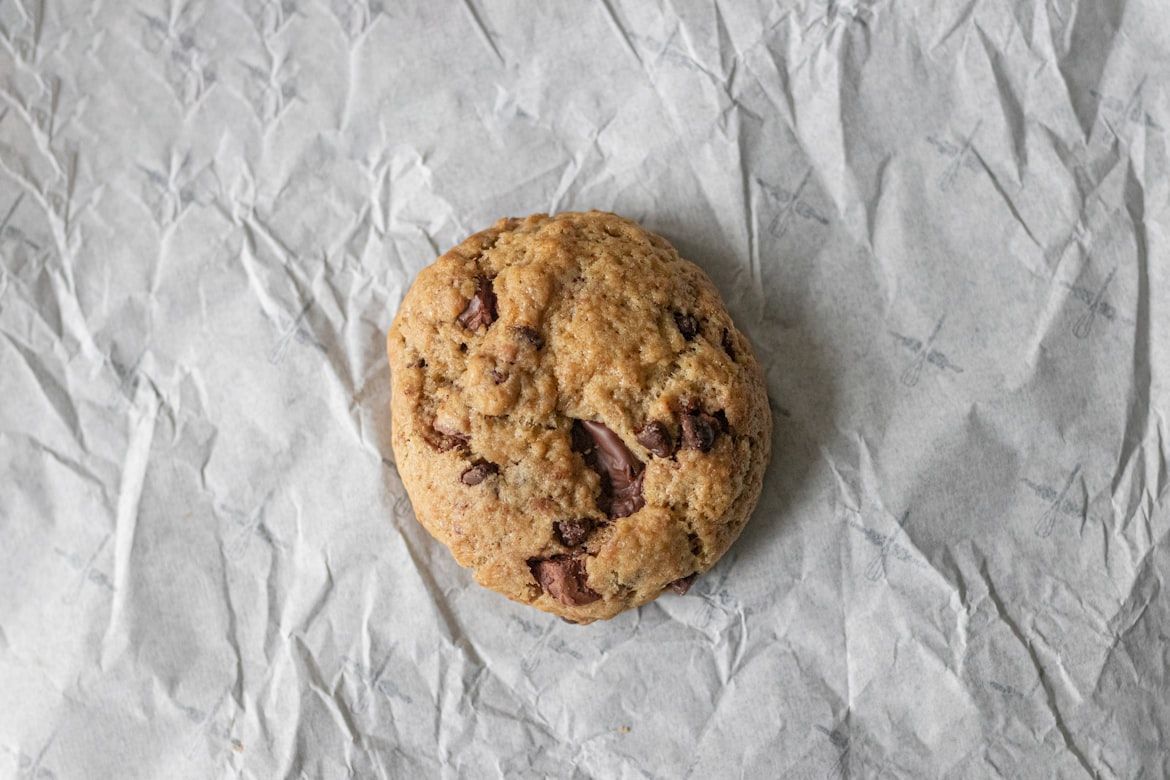
The term might be more commonly used to describe baked goods, but cookies also became metaphors for people with distinctive traits or character.

Expressions like "smart cookie" or "tough cookie" show how language uses food to describe personalities in a lighthearted and playful way.

17

Peachy

Image: NisonCo PR and SEO

18

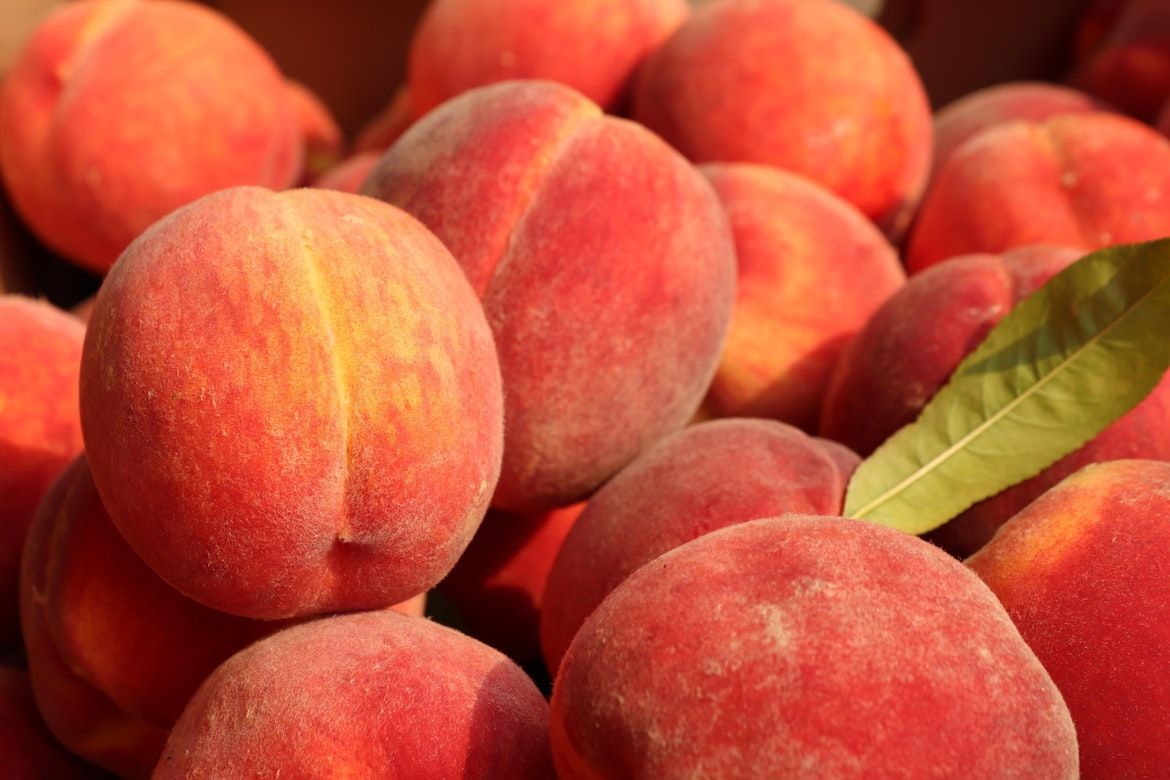
Peaches have long symbolized beauty, youth, and desirability. By the early 1900s, "peachy" had come to mean everything was fine or delightful.

Saying "Everything’s peachy!" expresses a sort of vintage sense of joy and optimism that is sometimes used ironically.

19

Jam

Image: Sharon Waldron

20

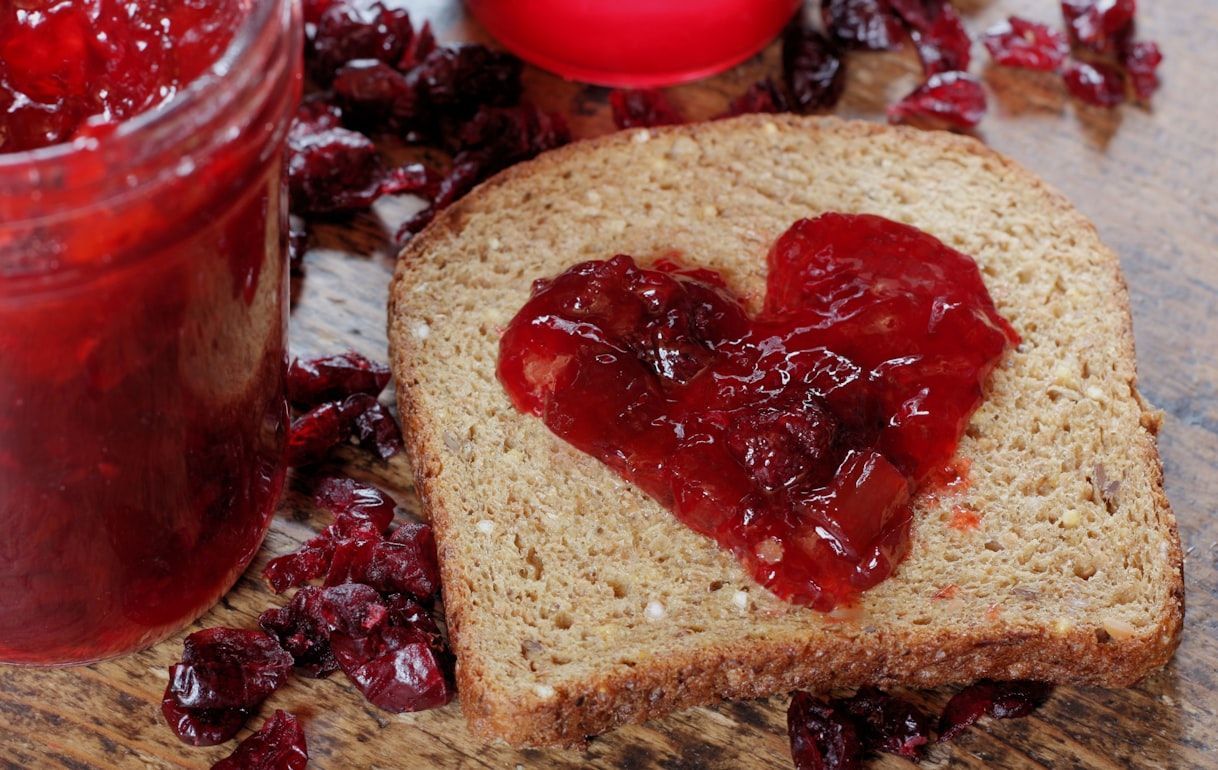
From fruit spread to music sessions, "jam" is a word that has branched out in surprisingly creative ways. Musicians "jam" together in improvised play, while people find themselves "in a jam" when facing trouble.

It’s a curious word that can sound both fun and frustrating, depending on whether you’re making music or missing a deadline.

21

Gravy

Image: victoria.


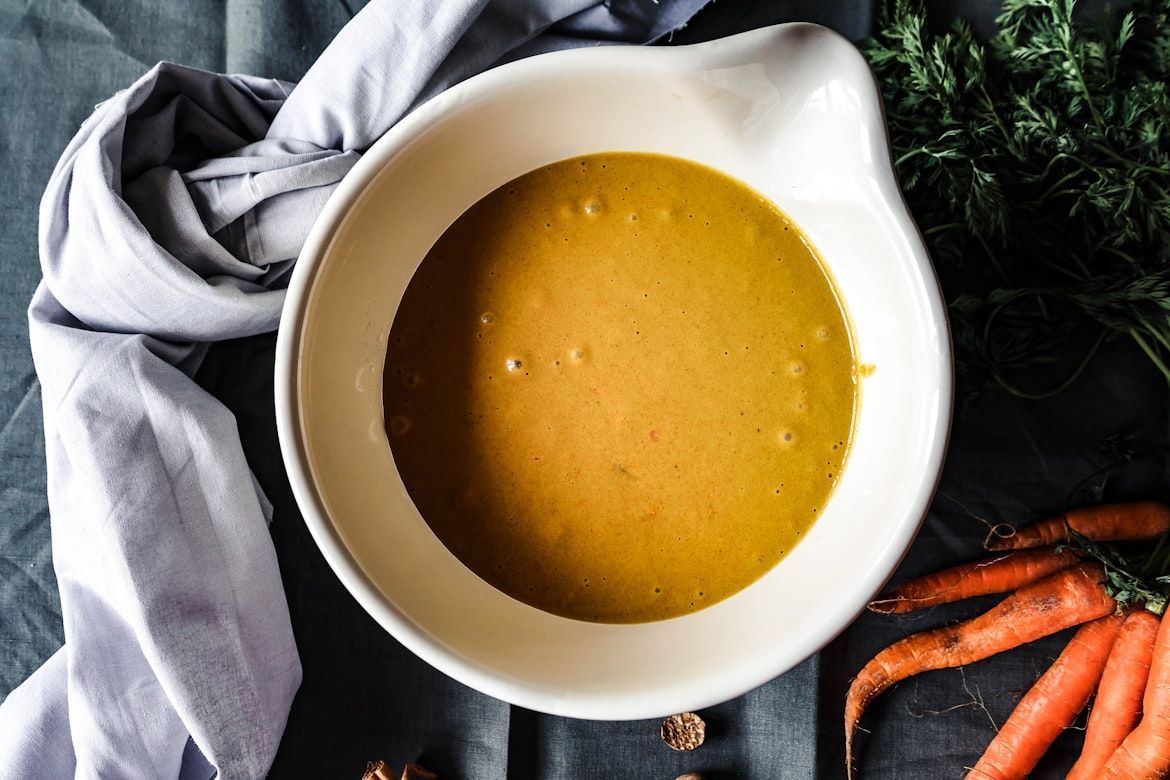
This word, referring to a comfort food, once meant simply sauce, but by the 20th century, "gravy" came to describe bonuses or easy wins.

Expressions like "gravy job," "gravy train," and "it’s all gravy" share the same idea: smooth, rich, and effortless, just like a delicious serving of gravy.


Stop! You’ve been using these 11 objects the wrong way


Published on March 31, 2026


Image: Diana Polekhina

We use countless objects daily without questioning their design, yet many have hidden features or were meant for entirely different purposes. From kitchen tools to bananas, here are 11 everyday items you might be using all wrong—or that at least have surprising secrets built in.

1

Toothpaste

Image: Anastasia Nikitina

Yes, toothpaste was always intended to clean and polish teeth, but its mild abrasives make it effective for cleaning jewelry, removing stains from clothing, and even defogging mirrors.

Interestingly, the first toothpaste-like substance dates back to ancient Egypt, where a blend of pumice and vinegar was used for oral care. Modern toothpaste, which includes ingredients like baking soda—another household staple—explains why it’s so effective on surfaces beyond just teeth.

2

Pasta spoons

Image: Markus Winkler

That hole in your pasta spoon isn’t just for draining water; it can also help measure a perfect portion of dry spaghetti!

A single serving of spaghetti is about the amount that fits through the hole. This design prevents cooking too much or too little, though not all pasta spoons have holes large enough for accurate measuring.

3

Gas pumps

Image: engin akyurt

The latch inside gas pump nozzles was originally designed to shut off fuel flow automatically when the tank is full, not to hold the pump open.

Modern pumps use this mechanism as a safety feature, preventing spills and overflows. In some places, using the latch to hold the nozzle open is even illegal due to fire risks.

4

Grocery carts

Image: Karsten Winegeart

Those metal loops on the back of grocery cart seats aren’t just for show—they’re designed to hold plastic bags with fragile items.

Hanging lighter bags here prevents them from being crushed by heavier groceries in the cart, yet few shoppers take advantage of this simple design. So, next time you go shopping, give it a try—it could be a real lifesaver.

5

Soda can tabs

Image: Bam Mccarthy

The hole in a soda can tab isn’t just part of the opening mechanism—it can double as a straw holder. Once you pop the can open, turning the tab around aligns the hole perfectly for a straw. This prevents the straw from floating or shifting while drinking.

While this wasn’t the original intent behind the design, it’s a clever and surprisingly convenient way to make use of an otherwise inconsequential design quirk.

6

Two-tone erasers

Image: Annie Spratt

If you're like me, this has likely been a brain teaser since childhood: What is the blue side of a two-tone eraser for? Popular wisdom says it's for ink removal, but have you ever tried erasing ink with that side? It just completely obliterates the paper.

Well, it turns out the blue side of a two-tone eraser was actually designed for use on heavier paper, not for removing ink.

7

Keyboard bumps

Image: Matúš Kameniar

The small bumps on the ‘F’ and ‘J’ keys exist to help typists find their hand placement without looking.

These tactile guides help your fingers find their way back to the home row, enabling faster and more efficient typing. Even if you're not a professional typist, you can rely on this feature to improve both speed and accuracy while writing.

8

Peeling bananas

Image: Monika Guzikowska

Ever watched a monkey peel a banana? You might be in for a surprise, because it turns out the easiest way to peel a banana is from the bottom, not the stem.

Monkeys naturally pinch the bottom of the banana and pull, avoiding the struggle of breaking the tough stem. This method also reduces the risk of squishing the fruit inside.

9

Measuring tape

Image: Brett Jordan

The small hole at the end of a measuring tape is designed to hook onto nails or screws for one-person measurements. This feature provides a more stable grip when measuring long distances without needing an extra set of hands.

Also, the serrated edge on some tapes doubles as a tool for marking surfaces. So, next time you don't have a buddy around to help, don’t worry—your measuring tape has you covered!

10

Oven drawer

Image: Andrea Davis

Many people use the drawer under their oven for storage, but it was originally designed as a warming drawer.

This compartment keeps cooked food warm while the rest of the meal finishes, though in some modern models, it may simply be intended for extra storage. Checking your oven’s manual might reveal its true purpose.

11

Wine bottle indent

Image: Mockup Free

Ever heard someone say you can judge a good wine by the depth of the indentation at the bottom of the bottle? Well, that’s a myth, though it may suggest a better-designed bottle.

The indent at the bottom of a wine bottle, called a punt, helps distribute pressure and maintain structural integrity. Originally designed to support the bottle against carbonation in sparkling wines, it’s now mostly tradition but still improves durability.

Looking for an extra scoop of literary fun?

Learn more with our Word of the day

mellifluous

/məˈlɪfləwəs/