Weird nature

10 animals that shouldn’t exist (but do anyway)


Published on January 7, 2026

Image: Rachael Mbaika

Nature doesn’t always play by the rules. Some animals seem like evolutionary jokes, while others look like science experiments gone rogue. Whether it's their appearance, behavior, or biology, these 10 creatures will have you questioning reality—but every single one is real. Let’s meet them together!

1

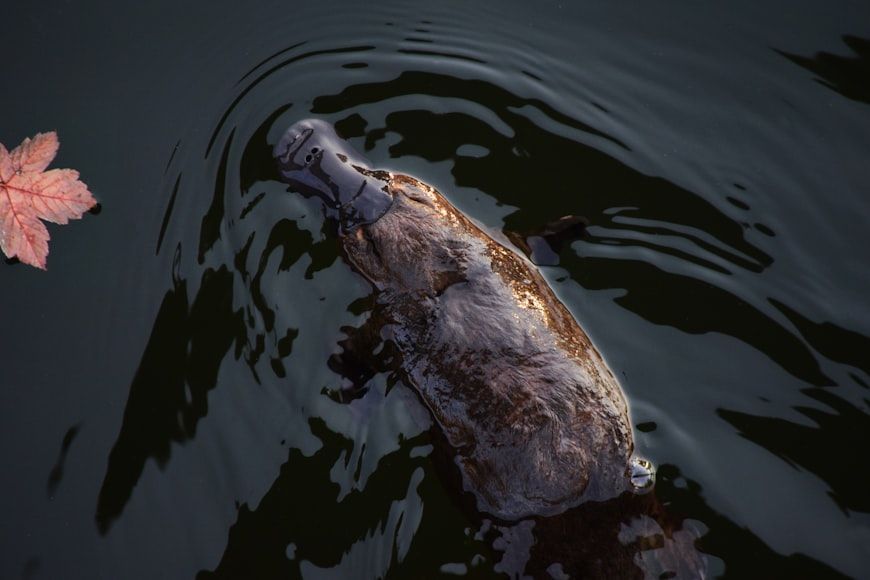
The Platypus

Image: Michael Jerrard

The platypus looks like someone smashed together a duck, beaver, and otter—and then added venom, for good measure. Native to Australia, it's one of only five monotremes, mammals that lay eggs.

Males have venomous spurs on their hind legs, capable of delivering excruciating pain. And when it hunts underwater, it closes its eyes, ears, and nostrils, relying entirely on electroreception to sense the tiny electric fields of its prey.

2

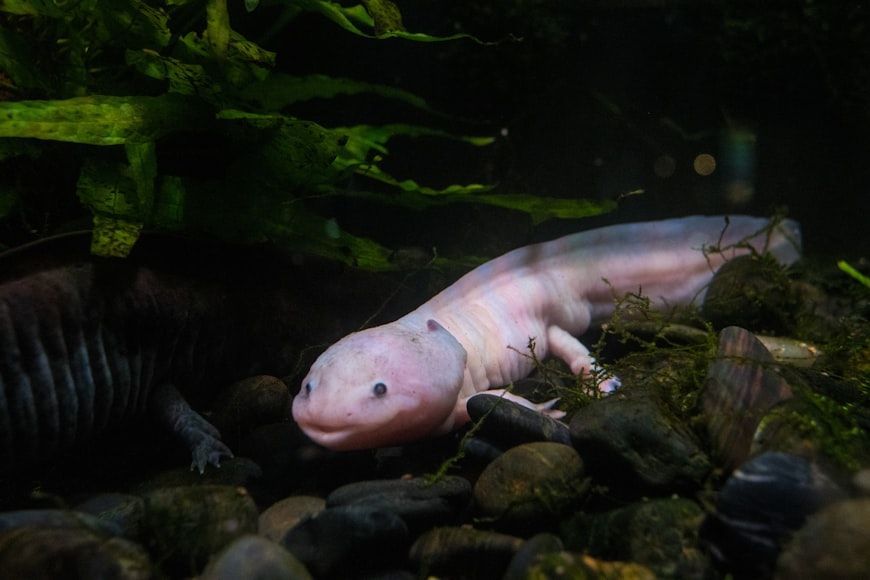
Axolotl

Image: Mattias Banguese

These weird-looking guys never grow up—literally. Unlike other types of salamanders, the axolotl retains its larval features throughout life, a trait known as neoteny.

They can regrow limbs, spinal cords, parts of their heart, and even sections of their brain. Found only in lakes near Mexico City, it's critically endangered in the wild but common in labs due to its regenerative abilities.

3

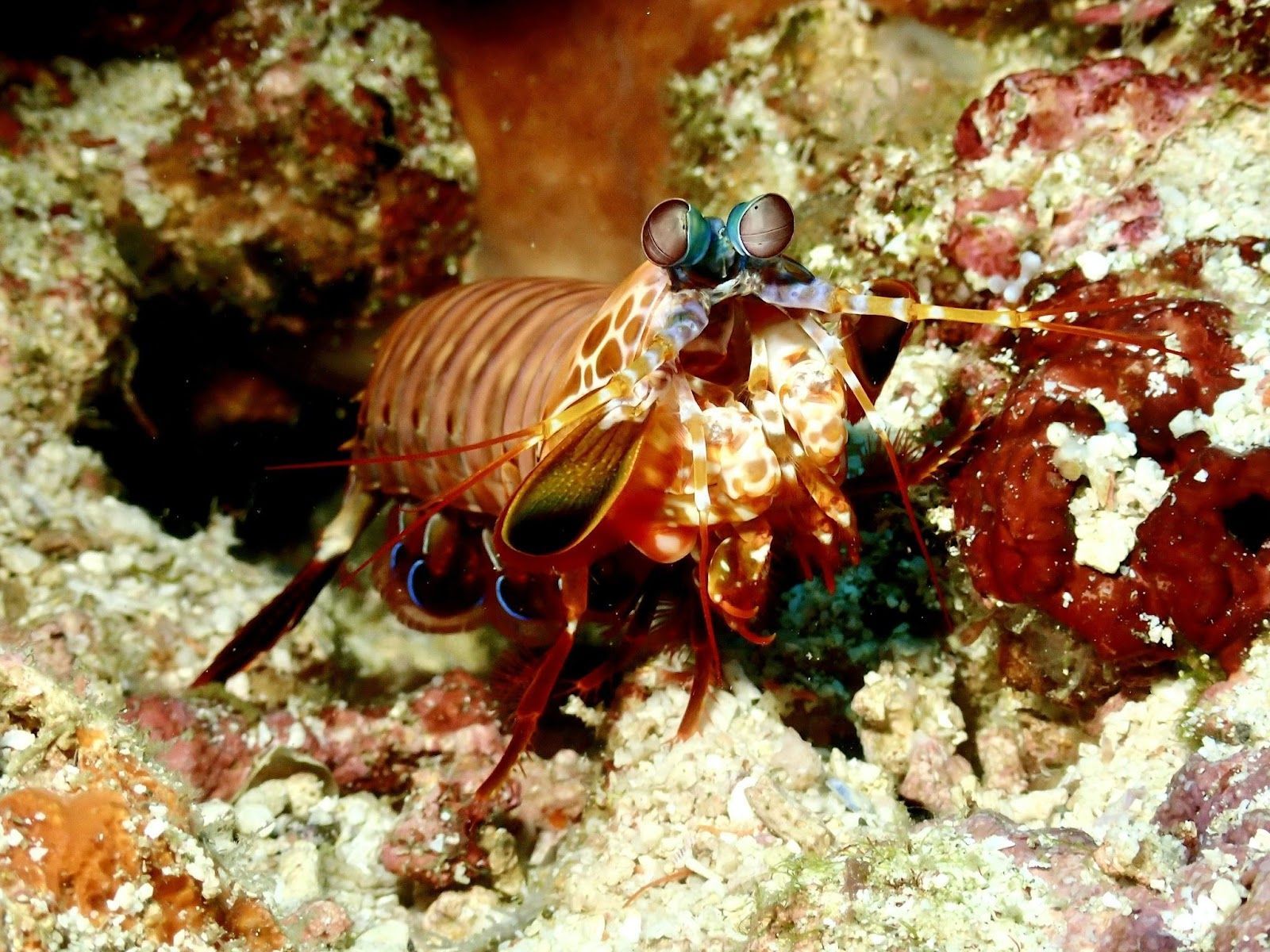
Mantis Shrimp

Image: Claus Giering

These tiny crustaceans pack a punch so fast it boils the water around them, creating shockwaves and cavitation bubbles. Their strikes can hit speeds of about 50 mph, with accelerations rivaling a speeding bullet.

They also have some of the most complex eyes in the animal kingdom, capable of seeing polarized light and 12 color channels (for comparison, humans only have 3).

4

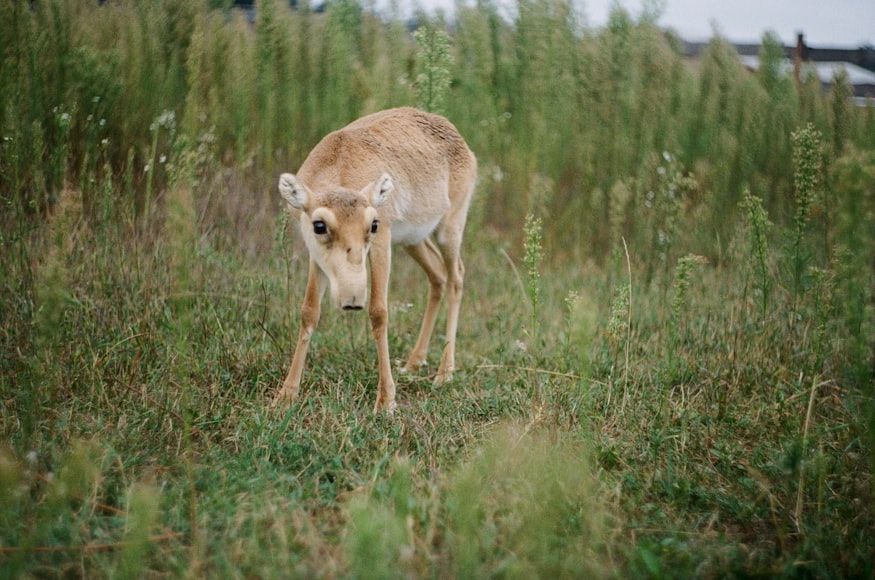
Saiga Antelope

Image: Dasha Urvachova

Native to the Eurasian steppes, the saiga’s oversized, drooping nose looks cartoonish but serves real functions: it filters dust and regulates temperature.

Once widespread, the species is now critically endangered due to poaching and disease outbreaks that can wipe out huge populations in weeks.

5

Naked Mole Rat

Image: Lara Lone

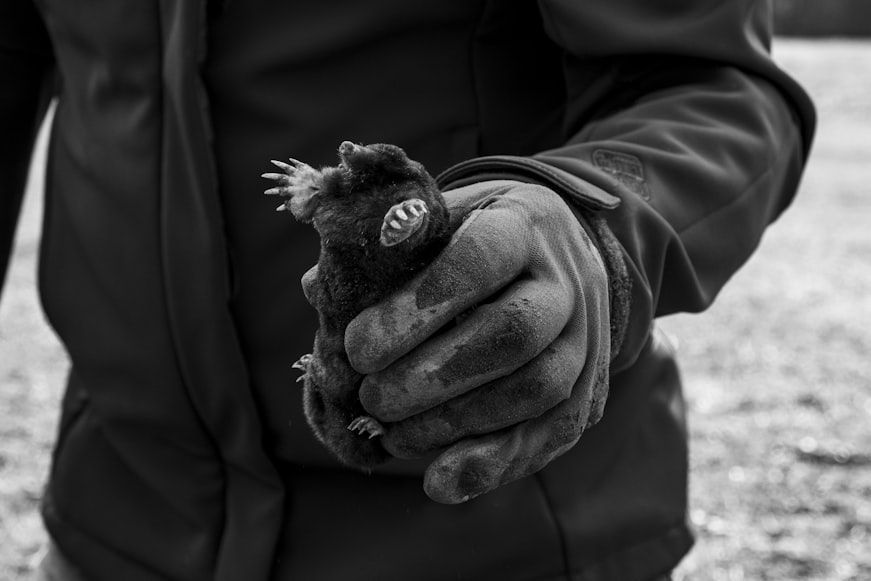
These hairless rodents—close cousins of more familiar, fur-covered mole species (pictured)—live in underground colonies with a social structure similar to bees. They're nearly immune to cancer, insensitive to pain, and can survive 18 minutes without oxygen.

Their cells have unique mechanisms for DNA repair and protein stability, making them a valuable subject in medical research, especially for aging and disease resistance.

6

Aye-Aye

Image: Clement Meers

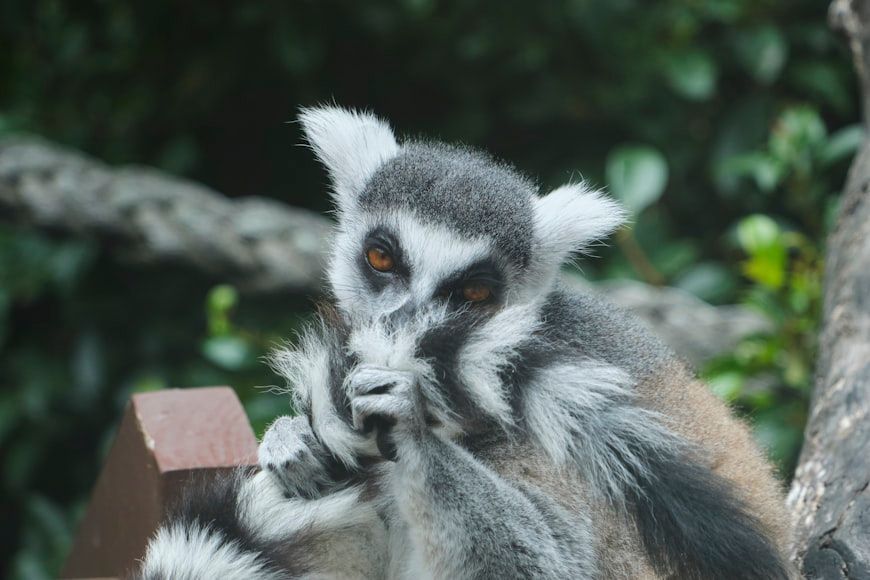
This lemur species from Madagascar uses its grotesquely long middle finger to tap on wood and fish out insects—like a skeletal woodpecker.

Locals have traditionally feared them as omens of death. Sadly, this superstition contributes to its declining population, alongside habitat loss.

7

Immortal Jellyfish

Image: Albert Canite

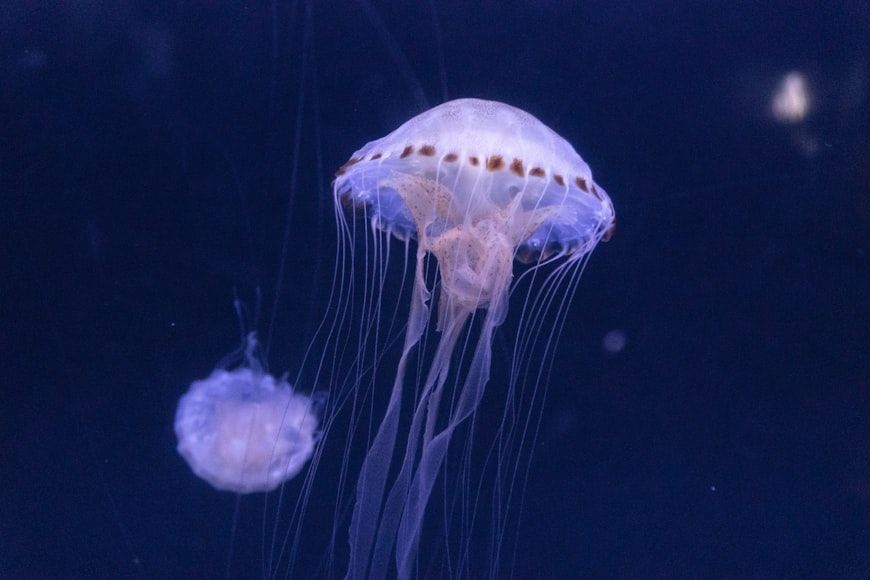
This jellyfish can revert its cells to an earlier stage of life, effectively resetting its aging process. It doesn’t die of old age—it just starts over.

It's not truly immortal—injuries and predation can still kill it—but its ability to cheat aging is unique in the animal kingdom.

8

Pink Fairy Armadillo

Image: Joe Lemm

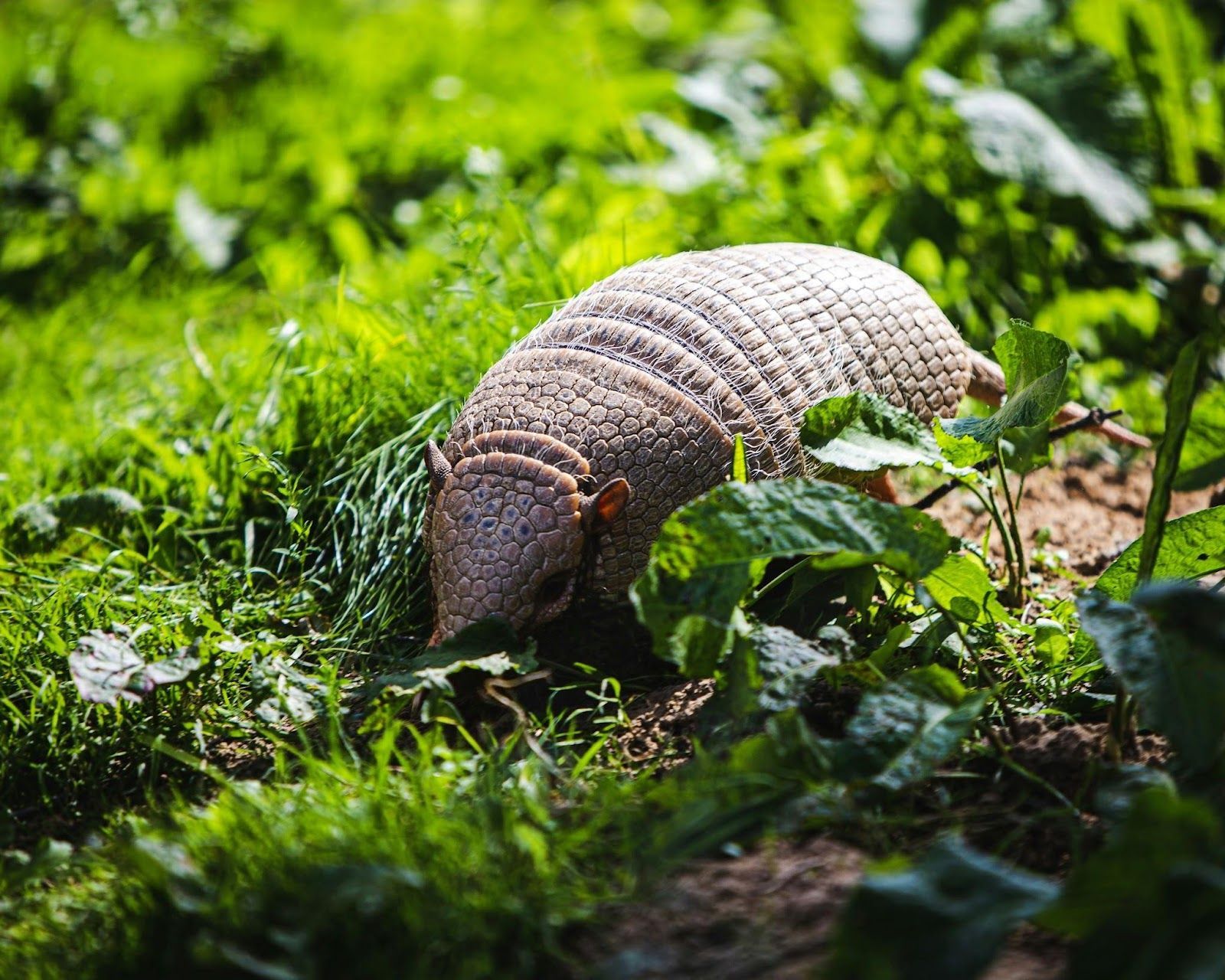
This six-inch-long, velvety creature looks like it was designed by a plush toy company. Found mainly in Argentina, it burrows underground and is rarely spotted in the wild.

Its pink armor acts as both protection and a way to regulate body temperature. Despite its cuteness, very little is known due to its elusive, nocturnal behavior.

9

Goblin Shark

Image: Wai Siew

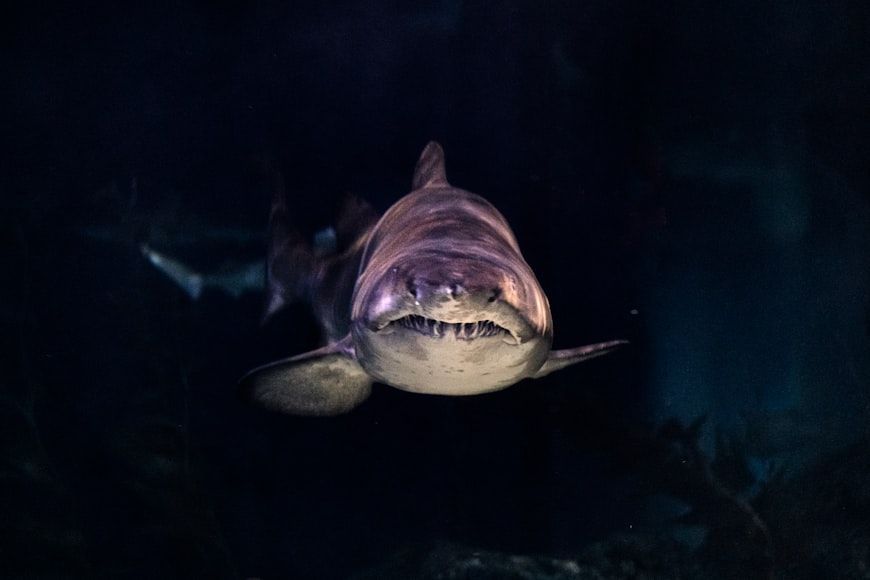
This deep-sea shark can shoot its jaw forward at about 10 feet per second, snatching prey with lightning speed. Its long, flat snout houses special sensors to detect electric fields.

With translucent skin and a prehistoric look, it’s sometimes called a "living fossil." It’s rarely seen alive due to its deep-sea habitat.

10

Proboscis Monkey

Image: Tim Morgan

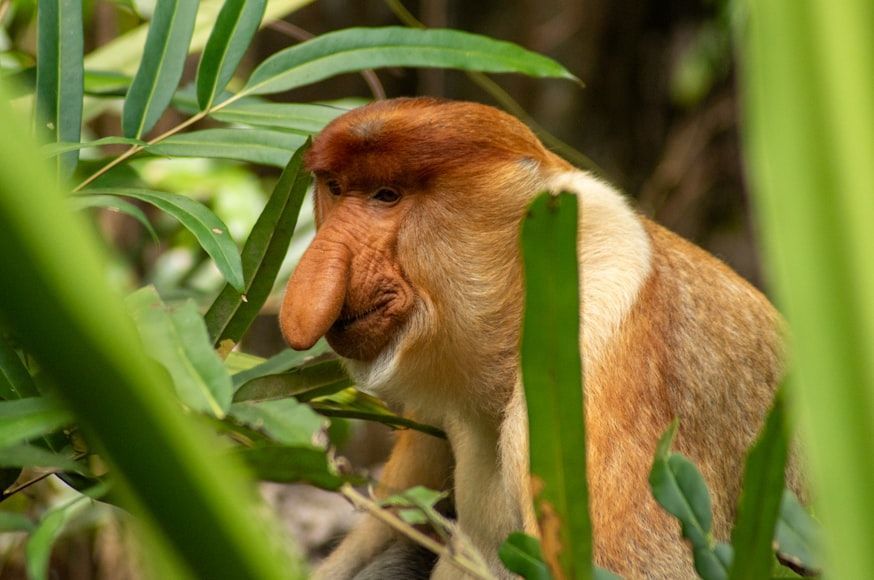
With its comically large nose, the male proboscis monkey looks absurd—but females apparently find it attractive. The nose also amplifies vocalizations to assert dominance.

Native to Borneo, it’s a strong swimmer with webbed feet but is threatened by habitat loss and hunting.

IN GOOD SPIRITS

Do You Know The Origin Of These 10 Alcoholic Beverages?


Published on January 7, 2026


Image: Adam Wilson

You probably know many alcoholic beverages that you enjoy drinking alone or combined in different cocktails, but do you know where their names come from? From whiskey and gin to rum and absinthe, the origins of spirits have fascinating stories to tell. Are you ready to explore them? You will surely learn some curious facts to share at your next party!

1

Whiskey

Image: emkanicepic

Whiskey is one of the most consumed alcoholic beverages in the world. It is produced by distilling malt fermented with cereals such as wheat, barley, corn, and rye, and the resulting spirit is subsequently aged in white oak barrels.

In the Middle Ages, alcoholic beverages were classified into two main groups: "aqua ardens" (burning water) and "aqua vitae" (water of life). Whiskey falls into the category of "aqua vitae." The Latin term was translated into Middle Irish as usque beatha, which in turn derived into usquebaugh, pronounced: "wiskyba," giving rise to "whisky" (Scotland) and "whiskey" (Ireland and the United States).

2

Brandy

Image: Timothé Durand

The word brandy is an abbreviation of brandywine, an English term dating from the early 17th century. It comes from the Dutch brandewijn, meaning "burnt wine" or "burning wine," referring to the distillation process.

Brandy is made from the distillate of wine or fermented fruit pulp, primarily grape skins. There are different types of brandy. Perhaps one of the best known is cognac, a high-quality wine distillate, named after the city in France where it is produced.

3

Gin

Image: John Fornander

Gin is a distilled drink made from juniper berries, among other ingredients. The term gin is an abbreviation of the Old English word genever, which in turn derives from the Dutch jenever and the French genièvre. Moreover, all these words trace back to the Latin word for juniper, juniperus.

This drink emerged among European monks during the Middle Ages as a medicinal liquor. Then, in the 17th century, gin gained popularity in England and transitioned into the modern drink we know and love. Nowadays, gin is used to prepare different cocktails, including Tom Collins, Negroni, and the popular Gin & Tonic.

4

Rum

Image: C D-X

The first references to this drink date back to the mid-17th century in Barbados, a small Caribbean island with sugar plantations that was under British rule for several centuries. When rum began to be produced on a large scale in the colonies, the English imported it to Europe and popularized it throughout the continent.

There are many theories about the origin of the word rum. The most accepted one suggests that it comes from the English slang word rumbullion which means "great tumult." This term might have originated in the Devonshire area on the southwest coast of England. From rumbullion, it became known as rum in English, rhum in French, and ron in Spanish.

5

Vodka

Image: Deeliver

Vodka is an emblematic drink of Eastern European countries and is used to prepare a multitude of cocktails, including the Martini Vesper, Moscow Mule, White Russian, Cosmopolitan, and Bloody Mary, among others. The word vodka comes from the Russian word voda, which means "water." The ending -ka makes it diminutive, translating to "little water."

Vodka is a distillate that comes from the fermentation of potatoes, wheat, barley, grapes, beets, or any plant rich in starch. Originally, the aim was to obtain a simple, alcoholic liquid composed of ethanol and water, with no pretensions in terms of aroma or flavor. It also needed to have a high alcohol content to cope with the harsh Russian winters. Traditionally it has a graduation around 40º, although there are vodkas that reach 80º and up to 96º. It is hard to believe that it’s simply called water!

6

Bourbon

Image: Ryan Parker

This distillate made mainly from corn, was first introduced in the United States in the 18th century. The first known producer was Reverend Elijah Craig, a Baptist minister. Legend has it that the clergyman established the first distillery in Fayette County, Kentucky, with the help of a Southern farmer who provided surplus corn from his harvest.

Although it was born in Fayette, this variety of whiskey was named after another nearby county, Bourbon County, where the spirit began to be produced on a large scale. The names of both Kentucky counties have their origin in the same historical figure: Gilbert du Motier, the Marquis de Lafayette, a French aristocrat related to the House of Bourbon.

7

Vermouth

Image: Giorgio Trovato

The word vermouth comes from the German word wermut, which means "wormwood," one of the main herbs used to make this beverage. This fortified wine, flavored with different botanicals (flowers, herbs, roots, and spices), has been used since ancient times for medicinal purposes. However, the modern version we know today was first introduced in Turin, Italy, in the 18th century.

In the 19th century, vermouth became a global trend thanks to the rise of bars and cocktails, as it was —and still is— an essential ingredient to prepare classic drinks such as Martinis, Negronis, and Manhattans.

8

Tequila

Image: Deeliver

Tequila is, without a doubt, a staple of Mexican culture and a famous drink around the world. In ancient times, it was considered a gift from the gods. Today it’s served as an aperitif or combined with other beverages and ingredients to prepare cocktails.

This spirit is produced from the distillation of fermented juice obtained from the heart of a plant known as "blue agave." Its name comes from the Nahuatl word Tekilan, which means "place of the workers."

9

Absinthe

Image: alandiaspirits

This popular anise-flavored spirit, made from wormwood oil and other herbs, has a high alcohol concentration. With a bitter taste, absinthe’s color is usually pale green. Its name derives from the Latin absinthium, which in turn comes from the Greek apsínthion, meaning "wormwood."

The use of wormwood to make alcoholic beverages dates back to the 1st century, but it was not until the end of the 18th century, in French-speaking Switzerland, that the drink we know today was created. At the end of the 19th century, absinthe, often called "Green Fairy," was the most popular spirit in Europe, enjoyed by all social classes, especially artists and bohemians. However, years later its consumption was limited because it could cause hallucinations, which gave birth to the term absinthism.

10

Pisco

Image: eKokki

Peru and Chile, neighboring South American countries, share many things: the Andes mountain range, common ancestors, customs, and, notably, the debate over the origin of pisco. The true birthplace of this spirit has long been questioned, with both countries claiming it as their own. What we do know is that the name pisco may derive from the Quechua word Pisku, meaning "bird."

Peruvian and Chilean pisco are different varieties but have in common that they are grape distillations, made similarly to brandy and cognac. Despite the ongoing controversy, no one should miss trying a good pisco sour!

Looking for an extra scoop of literary fun?

Learn more with our Word of the day

eddy

/ˈɛdi/