People remember stories

Your knuckles know more than you think: Here’s what they can tell you


Published on April 22, 2026

Image: dianne clifford

You might forget where you left your keys or your glasses, but some things are forever imprinted in your memory one way or another. And for those things you simply can’t seem to remember, some useful mnemonic devices can help you. For example, how can you remember the presidents on our bills? And what about all the spelling rules our language has? Is it "gray" or "grey"? Don’t worry, we’ve got you covered. Keep reading and learn a few tricks.

1

The faces on US bills

Image: Lewis Meyers

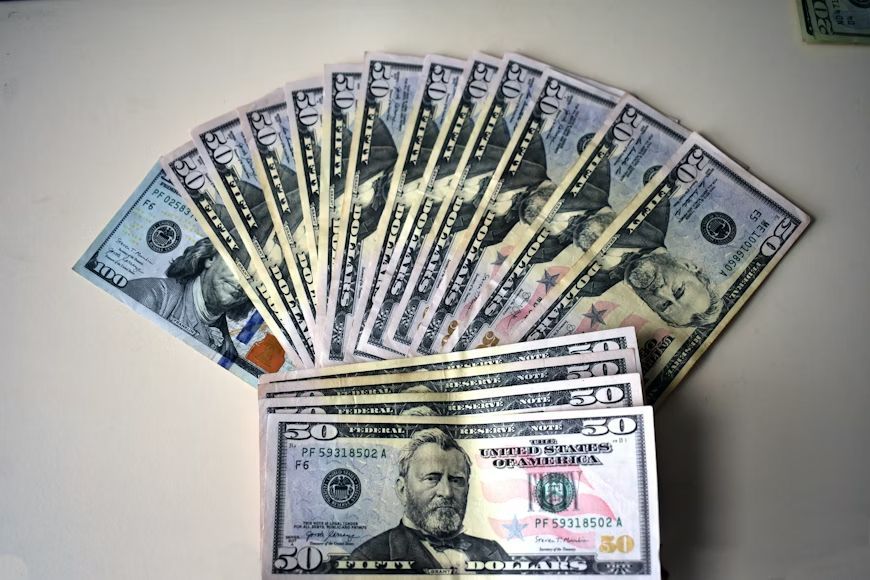
You may handle bills every single day, but can you answer whose face is on each one? You don’t need to remember; this mnemonic device will do it for you: The phrase "When Jeff Left Home, Jack Got Fat" gives you the answer. As you can notice, the first letter of each word stands for the last name of the president or founding father: Washington, Jefferson, Lincoln, Hamilton, Jackson, Grant, and Franklin.

2

Knuckle months

Image: Dan Burton

Yes, we keep lots of calendars, but sometimes we have to double-check if a month has 30 or 31 days. Has this happened to you? If it has, next time you’ll want to use your knuckles. The rule is simple: Make two fists and count across your knuckles and the dips between them. Months that land on knuckles have 31 days. The dips are the shorter months, February being the shortest, naturally.

3

"Righty tighty, lefty losey"

Image: Hikmet

Have you ever had to try a few times before knowing whether you were loosening or tightening that screw? Well, with this rhythmic phrase, you won’t need to do that anymore. If you turn right, you’ll be making it tight. On the other hand, if you turn left, you’ll loosen it.

4

Gray or Grey?

Image: Tyler Lastovich

English spelling keeps everyone on their toes, and certain words have regional rules that make everything worse. Nobody can remember them all, so this device comes in handy. When you don’t know whether it is "gray" or "grey," think of it this way: Gray, with an A as in America. Grey, with an E, as in England.

5

How to spell "necessary"

Image: Mediamodifier

"Necessary": This is another word with a spelling that can create a few problems. And the mnemonic device for this one is picturing a T-shirt. You know how a T-shirt has one "Collar" (that’s one C) and two Sleeves (that’s two S)? That’s it, spelling solved.

6

"HOMES" of the lakes

Image: Condor Wei

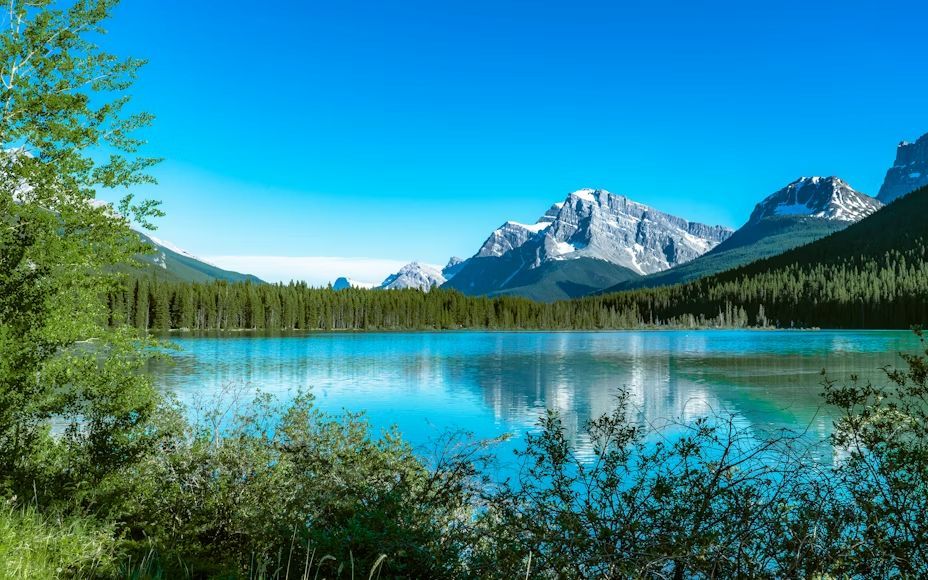
Back in school, memorizing the Great Lakes could feel like a geography pop quiz. Simply the word "HOMES" is a trick that many teachers share with their students. Why HOMES? Because each letter represents a lake: Huron, Ontario, Michigan, Erie, and of course, Superior.

7

"My Very Educated Mother Just Served Us Nachos"

Image: NASA Hubble Space Telescope

Just as with any other long list, remembering the order of the planets in our solar system is no piece of cake. But this fun phrase has the answer to your prayers, it’s not bout nachos, but about the names of the planets in order: Mercury, Venus, Earth, Mars, Jupiter, Saturn, Uranus, and Neptune.

8

"Never eat soggy waffles"

Image: Mae Mu

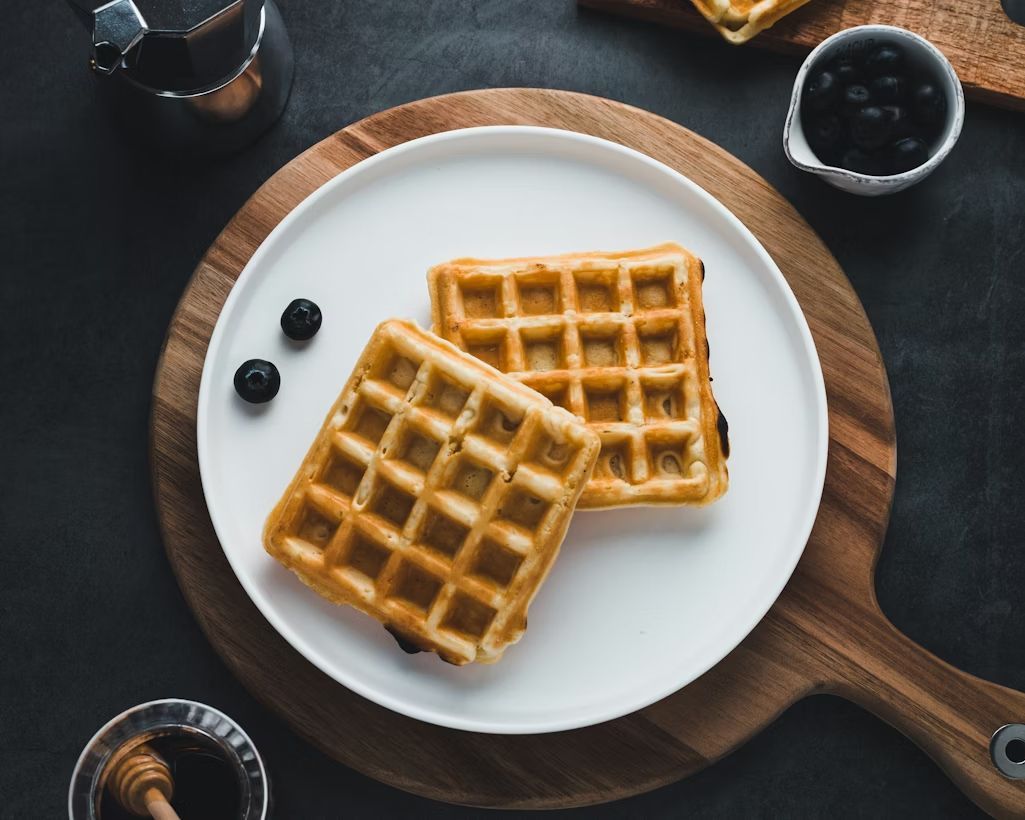
This one sounds like breakfast advice, but it’s actually a compass lesson. The first letters match the four cardinal directions in clockwise order: North, East, South, West. Many kids learned this one in school, and plenty of adults still repeat it quietly when trying to picture a map in their heads.

9

Left or right?

Image: Jametlene Reskp

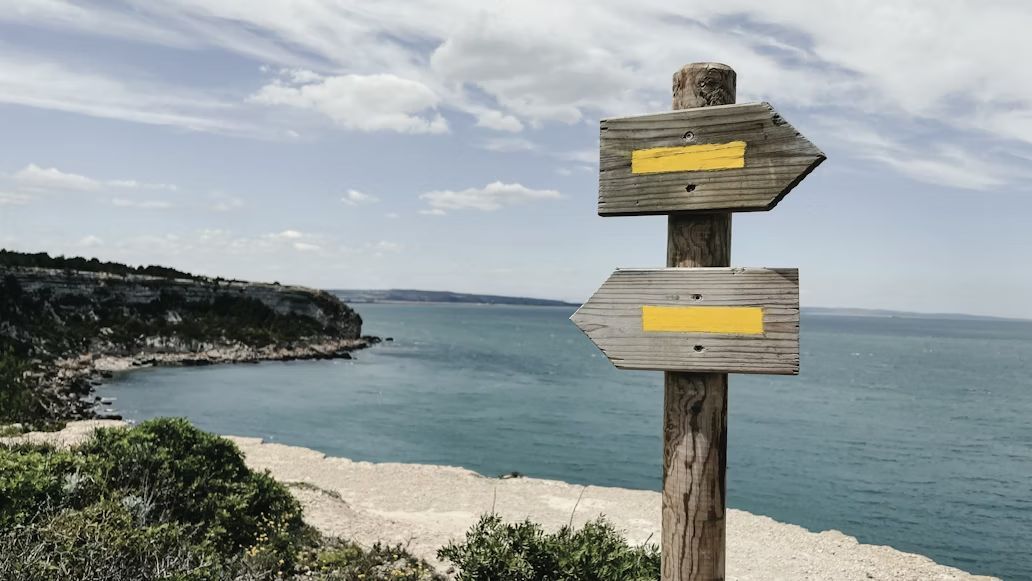
This may sound silly, but many people struggle to point left; most need more than just a second to figure out which one is actually left. But many have discovered something quite useful: hold up both your hands and use your thumb and index finger to do an "L." Can you see which one forms a clear letter? That’s left, of course.

10

"Large Elephants Jump Slowly And Sink Rapidly"
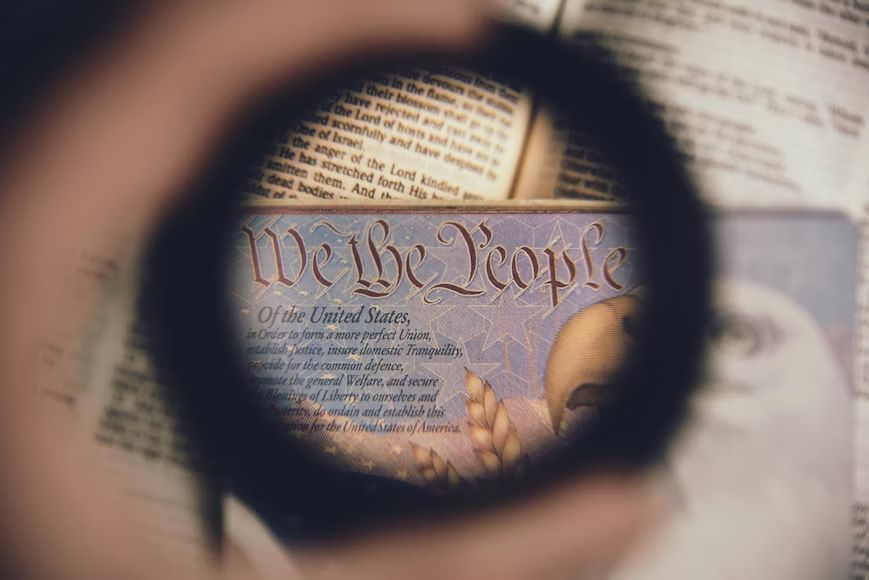
Image: Anthony Garand

Is this connected to the Constitution? Yes, it is. Civics teachers sometimes lean on this unusual sentence to remember the seven articles of the US Constitution. Each word stands for one: Legislative, Executive, Judicial, States, Amendment, Supremacy, and Ratification. Now you just have to remember this funny phrase.



Deep roots

11 everyday words with indigenous roots


Published on April 22, 2026


Image: Zoshua Colah

English is a very welcoming language in the sense that it incorporates terms from many other languages from all over the world. And, as it couldn’t be otherwise, Native American languages have lent many of their words and terms to English speakers. Some traveled through Spanish or French before settling into English, and others arrived directly through early contact and trade, helping shape the way we speak today. Did you know about these 11 terms?

1

Canoe

Image: Michael Niessl

The word "canoe" comes from the Taino term canoa, which was first used by Caribbean islanders long before Europeans arrived. Early explorers adopted it to describe the slim, sturdy boats they saw.

Over time, "canoe" became the standard English word for a small paddled craft. Today it still carries that sense of simplicity and closeness to nature.

2

Barbecue

Image: Philipp Kämmerer

The word "barbecue" comes from barbacoa, another Taino term for a wooden frame used for cooking meat over fire. Europeans adopted it and applied it to both the method and the gathering itself.

Today, "barbecue" means everything from a backyard cookout to a regional cooking style. Its origins highlight the deep culinary influence of Native Americans in the nation's current culture.

3

Skunk

Image: Elisa Stone

"Skunk" comes from the Algonquian word squnk, which means "urinating fox" (quite a fitting term, indeed). This was an obvious reference to the animal’s strong defensive spray. Early settlers adopted the term directly.

Since English had no better name for the creature, the Native word stuck. Today, the word skunks is also used as playful slang.

4

Moose

Image: Shivam Kumar

The word "moose" originates from Eastern Abenaki, a part of the Algonquian family, where it meant "he strips off bark." Yes, it described the animal’s habit of tearing bark from trees.

The name entered English quickly because settlers relied on Native knowledge of local fauna. The word remains unchanged because of its accuracy and usefulness.

5

Raccoon

Image: Gary Bendig

"Raccoon" comes from the Powhatan word arakun, meaning "he scratches with his hands." It described the animal’s clever, humanlike front paws.

Settlers adopted the term because it captured the creature’s behavior beautifully. Today, the raccoon is used as a household symbol of curiosity, not unlike the animal itself.

6

Chipmunk

Image: Annegret Kammer

The term "chipmunk" most probably comes from the Ojibwe word ajidamoo, which means "one who descends trees headfirst." Early English settlers adapted the sound into today’s form.

Though the spelling changed over time, the lively image of a chipmunk racing down a tree face-first stayed.

7

Caribou

Image: JD-Photos

The word "caribou" comes from the Mi’kmaq term qalipu, which means "snow shoveler," referring to the animal’s habit of digging through snow for food.

French settlers brought the word into English, keeping its descriptive nature. The name still connects the modern animal to the winter landscapes it belongs to.

8

Totem

Image: Stéfano Girardelli

"Totem" comes from the Ojibwe word ototeman, which means "kinship group." It described symbols representing clans and shared roots.

English adopted it to describe carved poles and symbolic elements. Though broader in modern usage, it still hints at the original sense of community, identity, and heritage.

9

Coyote

Image: Dylan Ferreira

"Coyote" comes from the Nahuatl word coyōtl, which was used by Indigenous tribes of central Mexico. Spanish speakers adopted it, and English borrowed later.

The word kept its meaning, and it remains one of the most direct links between the English language and Nahuatl.

10

Avocado

Image: Gil Ndjouwou

The tasty avocado’s name traces to the Nahuatl word ahacatl, which refers to the fruit and to a body part as well. Spanish speakers transformed it into aguacate.

Later on, English speakers adapted it to avocado. While the name sounds contemporary and culinary, it has ancient Native roots.

11

Chocolate

Image: amirali mirhashemian

The last Nahuatl word and also the last word on the list comes from the term xocolātl, which describes a bitter cacao drink that was consumed long before Europeans arrived in America. The name traveled from Spanish to English.

Though the product changed dramatically, the word survived. Today, chocolate is a universal symbol of sweetness, with rich and deeply indigenous roots.

Looking for an extra scoop of literary fun?

Learn more with our Word of the day

derision

/dəˈrɪʒ(ə)n/