What did you say?
Did you know that these innocent words used to have much darker meanings?
Published on March 18, 2026
 Image: Michelle Tresemer
Language is a living entity. We toss around words and phrases without thinking, but many of them once carried far darker meanings than the ones we give them today. Terms we use to describe work, relationships, or even advertising often began in contexts of violence, danger, or death. Take a look at 11 of these terms that had grim meanings but are now casual expressions or playful labels.
 Image: Glenn Carstens-Peters
Blacklist
It might not be a decidedly happy word these days, either, but, in the past, a blacklist wasn’t just about being excluded from a group or denied access. To be blacklisted could mean losing your livelihood, reputation, or even your safety.
Today, the term is far less dire. We use it for email filters, blocked phone numbers, or companies refusing service. It’s still negative, but nowhere near the life-altering stigma it once carried.
Bombshell
 Image: Oksana Zub
We are used to hearing this word in its current meaning, but originally, a bombshell was exactly that: a heavy metal shell filled with explosives, designed to wreak havoc on battlefields.
Nowadays, "bombshell" is more likely to describe surprising news or a stunningly attractive person. The word has gone from deadly force to a headline grabber or glamorous compliment.
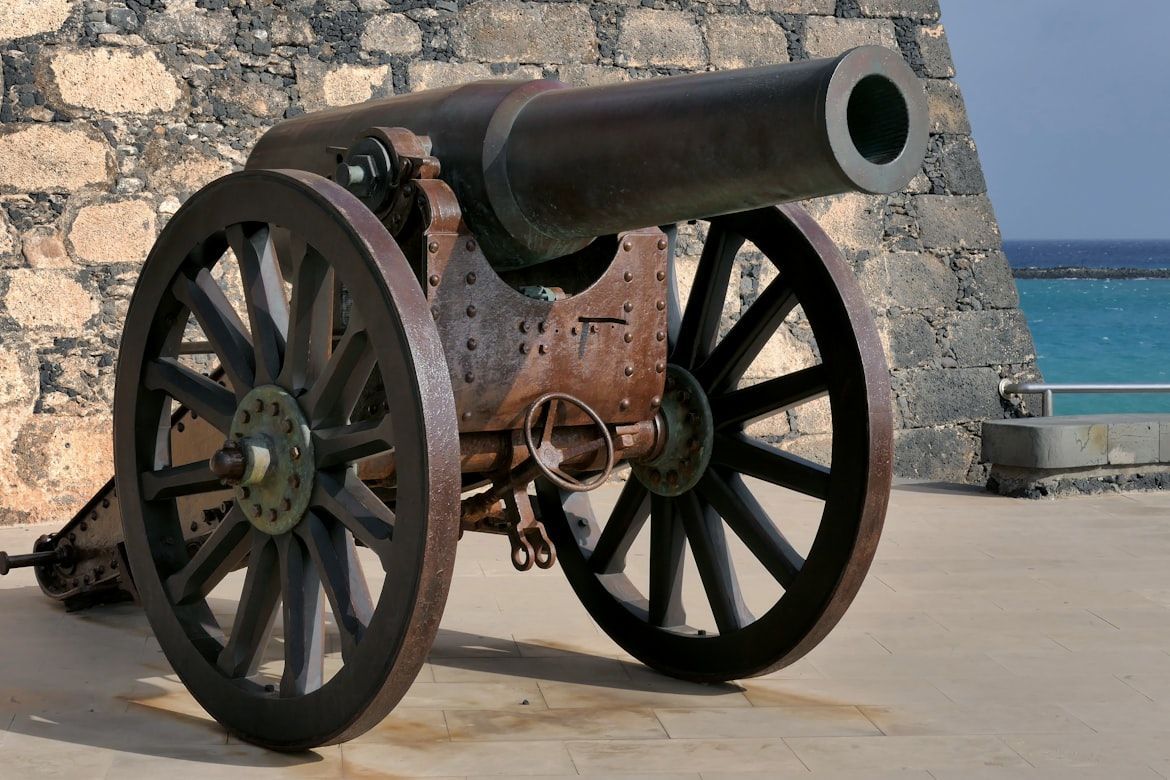 Image: zibik
Loose cannon
On old warships, heavy cannons could come loose during rough seas and smash through the deck or kill sailors in their path. A "loose cannon" was a serious threat to everyone on board.
Today, we use the phrase for someone unpredictable or uncontrollable. The danger is usually metaphorical: maybe an outspoken coworker or unpredictable friend, rather than a weapon rolling across the floor.
 Image: Campaign Creators
Guerilla marketing
The word "Guerrilla" is used to describe small, irregular bands of fighters using ambushes and sabotage to disrupt larger armies. These tactics were dangerous, often deadly, and intended to surprise and overwhelm.
In modern speech, guerrilla marketing borrows the surprise factor but not the violence. It means unconventional advertising meant to catch people’s attention in creative ways.
 Image: Nick Fewings
Most Wanted
For decades, "most wanted" meant dangerous fugitives hunted by the law, often with rewards posted and warnings to the public. Being on that list was almost synonymous with a death sentence.
Now, the phrase has been softened and reused in lighter contexts. Advertisers and magazines call products or celebrities "most wanted," turning a once deadly label into a playful badge of popularity.
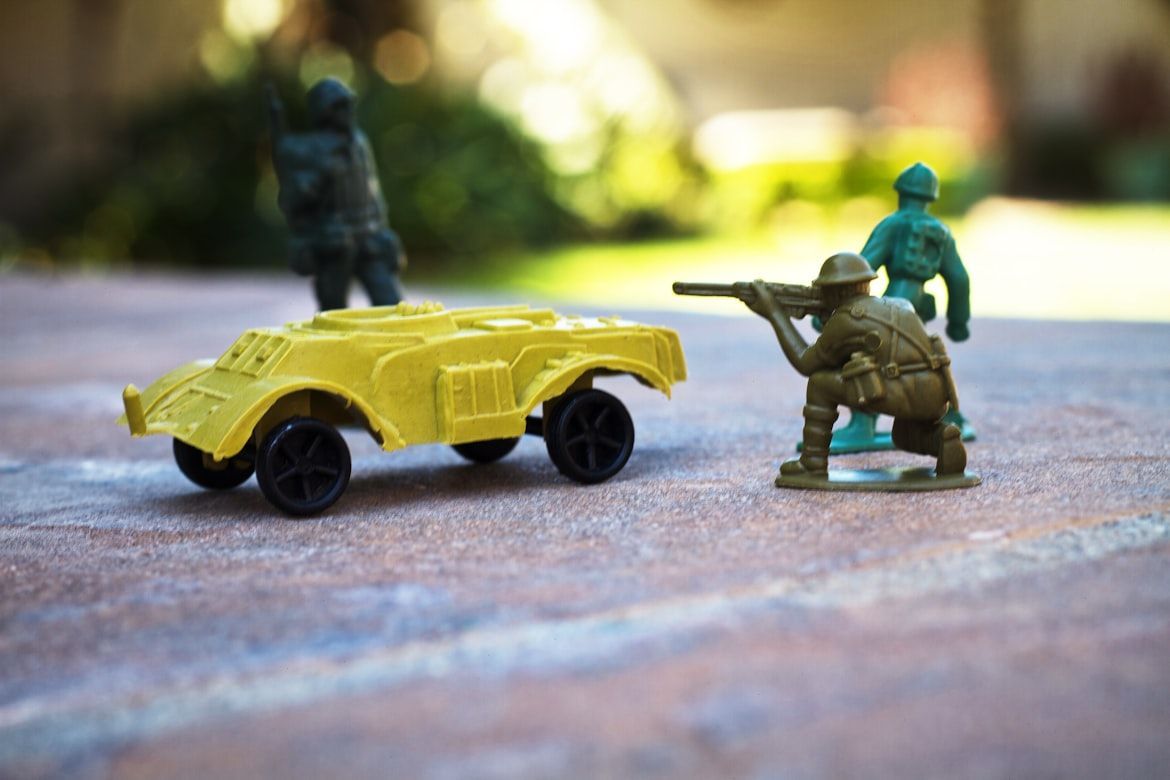 Image: Jonathan delange
Smoking gun
The image of a "smoking gun" once meant undeniable proof of a killing, the weapon still hot from being fired. It was direct, damning evidence of guilt in life-and-death situations.
Today, we use the phrase for any conclusive piece of evidence, whether in science, business, or gossip.
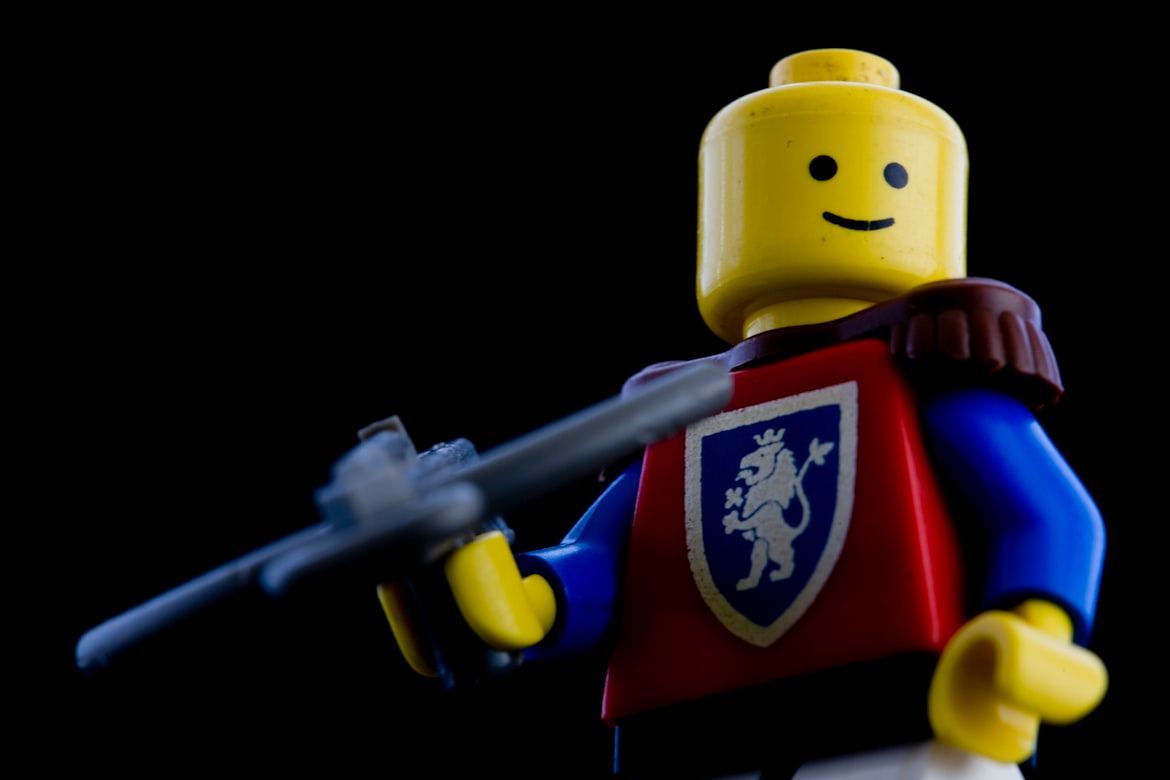 Image: Itay Mor
Hired gun
Originally, a hired gun was exactly what it sounds like: an armed mercenary or contract killer paid to do someone else’s dirty work. The role carried obvious danger and deadly intent.
Nowadays, the phrase often refers to a professional brought in for their expertise. A "hired gun" might be a consultant, a lawyer, or a musician filling in on tour.
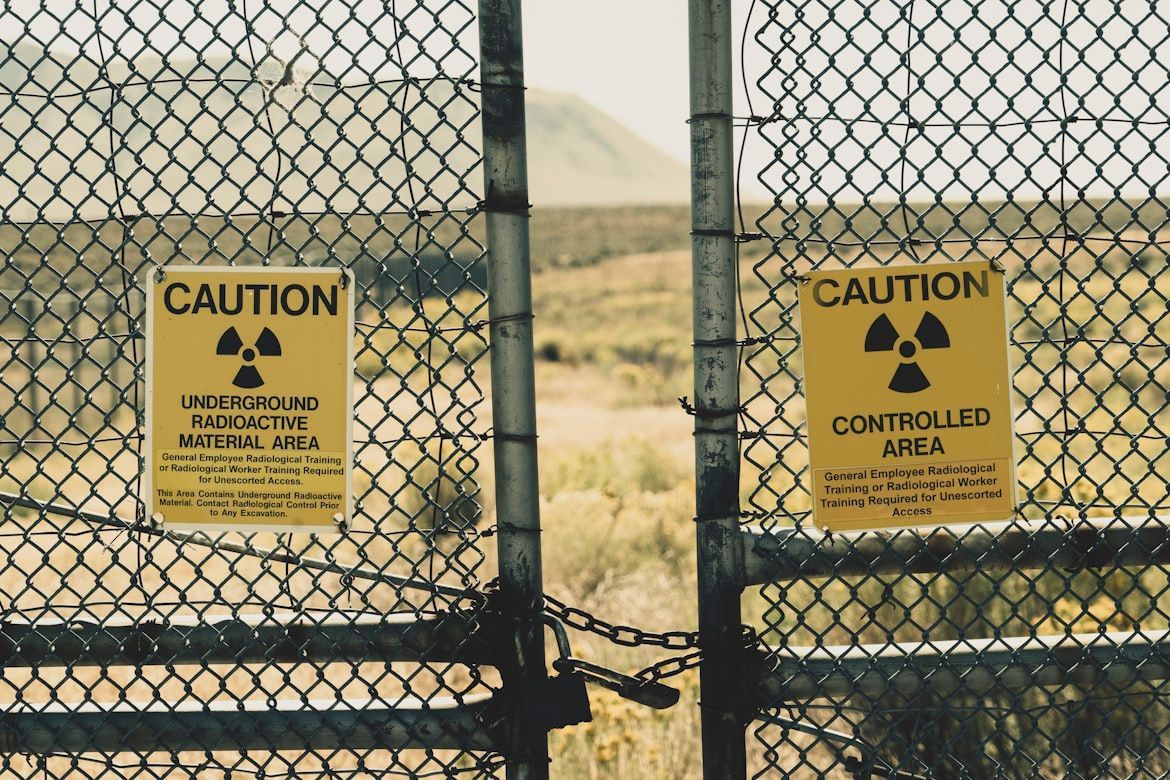 Image: Dan Meyers
Toxic
The word "toxic" can be used in relation to poisons, chemicals, and substances that could sicken or kill. It can be a literal warning label for things that spell physical danger.
Thankfully, in everyday use, "toxic" has somewhat lighter meanings. People talk about toxic workplaces, friendships, or attitudes. The sting remains, but the damage is more emotional than physical.
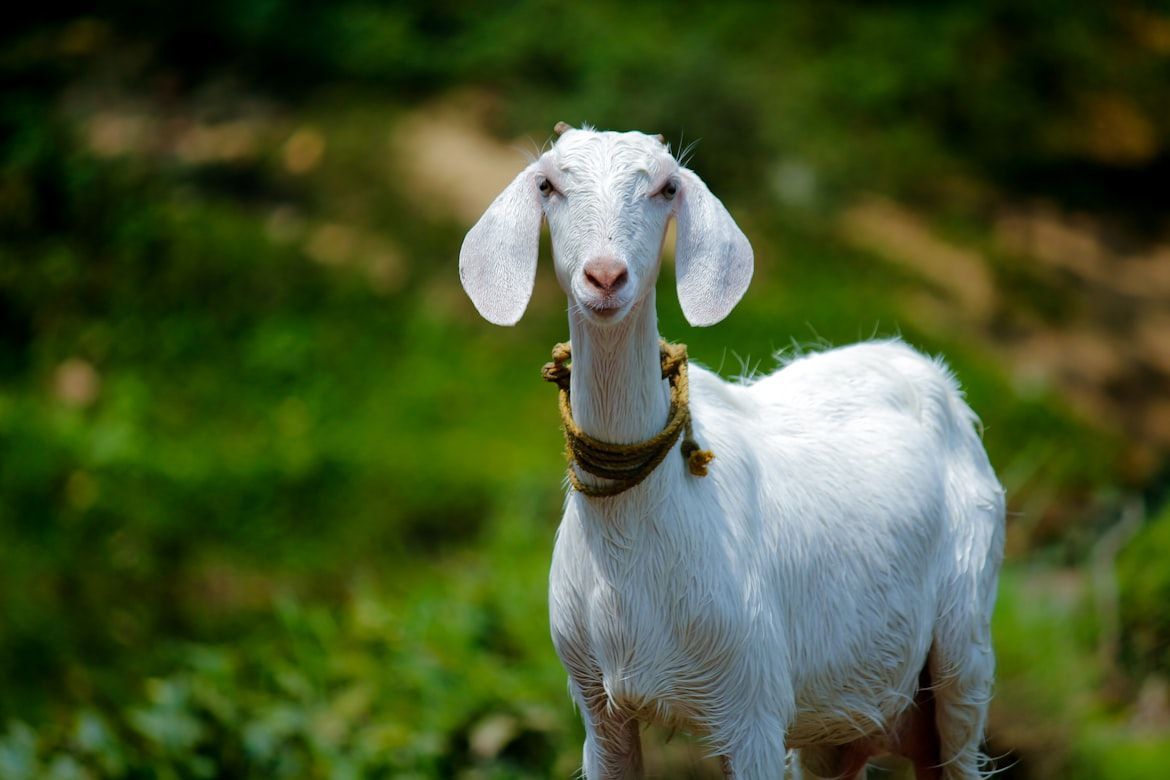 Image: Nandhu Kumar
Scapegoat
This term comes originally from ancient rituals where a goat was symbolically burdened with the sins of a community, then killed to carry those faults away.
Now, a scapegoat is just someone unfairly blamed for problems. Thankfully, the ritual is long gone, but the idea of shifting blame onto one person lingers.
 Image: Nicholas Green
Fanatic
In its original sense, a fanatic was someone with extreme, often violent religious zeal, viewed as dangerous and unbalanced. The word carried strong warnings of destructive devotion.
These days, "fanatic" is usually watered down to mean an eager enthusiast.
Kamikaze
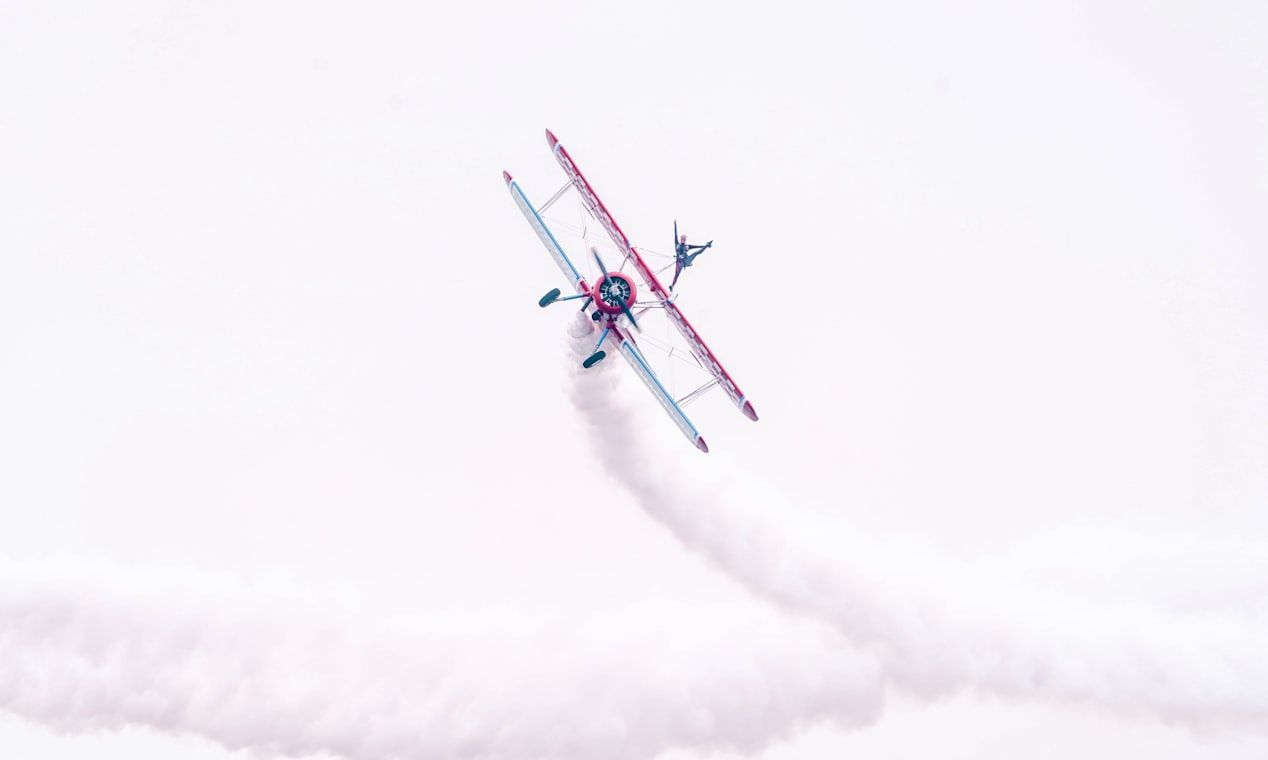 Image: Yomex Owo
The word "kamikaze" was tied to World War II pilots on suicide missions, a term meaning "divine wind." It was directly linked to deliberate, deadly sacrifice in combat.
In modern use, the sting has lessened. Calling someone "kamikaze" might mean they’re reckless or fearless, diving into risks without caution.