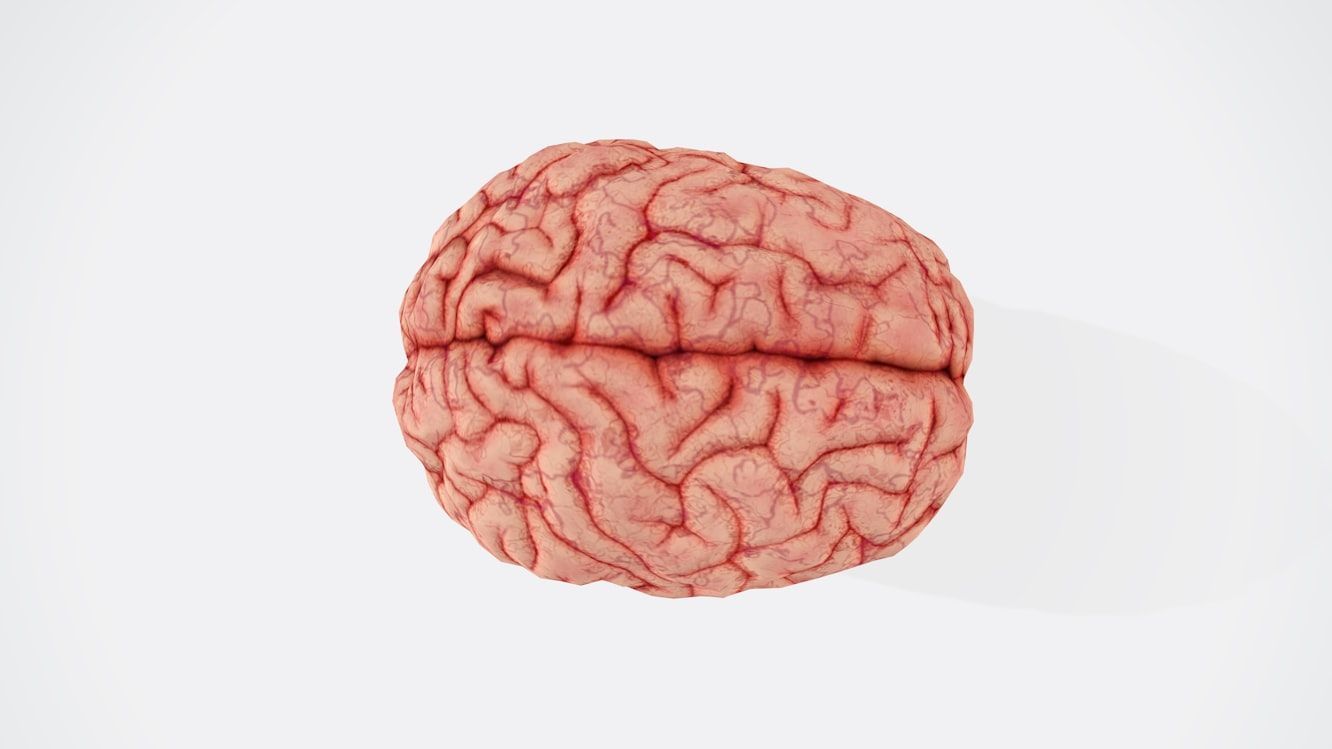
Mysteries of the brain

Why do we suddenly forget certain words? The "tip of the tongue" effect


Published on May 28, 2026


Image: shutterstock

You’re talking with friends, everything is flowing perfectly… but then it happens. The name of that actor from a classic movie, or even something as simple as a familiar word, suddenly disappears. You can almost feel it there, but you just can’t say it. And it’s not just you. This happens to everyone, and there’s even a name for it. It’s called the "tip-of-the-tongue" phenomenon, and here you'll discover why your brain does this and what you can do when it happens.

1

What is TOT?

Image: shutterstock

It’s probably happened to you, too: you’re seconds away from remembering a word, you can almost grab it, but it slips away. That frustrating mental pause is called the "tip-of-the-tongue" (TOT) phenomenon, also known as lethologica.

According to cognitive neuroscience research published by the National Library of Medicine, it’s a temporary moment when a perfectly familiar word, one you absolutely know and understand, refuses to fully come forward in your mind and your mouth. In simple terms, your brain has the meaning, but can’t quite pull up the sound of the word.

2

The brain isn’t failing; it’s full

Image: BUDDHI Kumar SHRESTHA

If this happens to you often, don’t worry. The "tip-of-the-tongue" (TOT) effect is not a sign of a failing memory. Simply put, it’s not a malfunction; it’s more like a system getting momentarily crowded.

According to one of the theories that explains this phenomenon, you don’t forget words because you don’t know them, but because your brain knows too many words. When you try to pull out one specific term, other words can briefly "block it" from coming. The more you know, the more your brain has to sift through, and sometimes the right word gets momentarily stuck.

3

The "Transmission Deficit Hypothesis"

Image: Bhautik Patel

Sometimes you briefly forget a word simply because you haven’t used it in a while. If a term isn’t part of your regular conversation, the "path" to saying it isn’t as well-worn.

A widely accepted scientific explanation, known as the "Transmission Deficit Hypothesis", adds to this idea. It suggests that the brain can easily retrieve the meaning of a word, but has more difficulty pulling up its sound at the same time. Basically, you don’t lose the word itself; you just momentarily lose access to how to say it.

4

Why are names the biggest victims

Image: Diane Picchiottino

Among the words most often "affected" by the TOT, names of people and places tend to be the first to slip away. And that’s not a coincidence.

Unlike everyday words like "car" or "house," proper names have fewer mental connections. Each name is unique in sound and meaning, with almost no similar words to "pull" it into memory. In essence, common words are tied to a web of associations we use every day, while names are more isolated in the brain, making them harder to grab when you suddenly need them after a while.

5

The role of stress and self-consciousness

Image: JESHOOTS.COM

It’s ironic, but the more you try to remember that word or name, the harder it becomes. And it’s not just a feeling; it’s something well documented.

The moment you realize you can’t recall it, a bit of frustration and anxiety naturally kicks in. According to psychology and cognitive neuroscience, stress can actually interfere with memory, as it further blocks the neural pathways to vocabulary. Often, the best way to get it back is simply relaxing and letting it go for a moment.

6

The "let it go" rule

Image: Brett Jordan

It seems that when you finally give up and decide to stop chasing the word because it just won’t come, out of nowhere, it suddenly pops into your head.

Since stress and frustration can block memory retrieval, the key is often to stop forcing it. The so-called "let it go" strategy is exactly that: shift your attention to something else, talk about a different topic, or simply move on as if it doesn’t matter. And then, when you least expect it, the word returns on its own.

7

Phonetic recovery tips - "The alphabet trick"

Image: Diomari Madulara

The strategy of shifting your attention for a moment works surprisingly well, but it’s not the only trick that can help. There’s another simple method people often use when a word just won’t appear.

It’s called the "alphabet trick," a basic memory exercise where you slowly go through the letters of the alphabet, sometimes in your head, sometimes out loud, one by one. The idea is that the single sound of a letter can "trigger" the missing word. For example, if you’re trying to remember the name of Diane Keaton, by the time you reach "D," there’s a good chance it suddenly pops back in your mind.

8

Circumlocution exercises

Image: Priscilla Du Preez 🇨🇦

And it’s not just the sound of the letters that can help you recover a forgotten word or name. You can also get there through its meaning.

When TOT happens, it’s often recommended to start circling the idea instead of chasing the exact word. Think of related terms, synonyms, or simply describe what you’re trying to name: what it does, what it looks like, where you heard it, or who you associate it with. All of those mental clues can guide your brain to the word you were looking for, often when you don’t try so hard to force it.

9

Science-based word games

Image: shutterstock

Another way to train your brain when it comes to vocabulary is simple, but powerful: challenge it regularly. How? Word games like crossword puzzles, Scattergories, or quick spelling challenges are not just fun, they’re real mental exercises. In fact, they can stimulate your recall even more than passive reading.

It may sound like a cliché, but it’s true. Every time you force your brain to search for meanings, patterns, or exact word forms, you’re essentially practicing for those TOT moments, so the next time a word disappears, your mind finds it faster.

10

Lifestyle habits for verbal agility

Image: Gabin Vallet

Word games are great, there’s no doubt about it. However, when we talk about "exercise," we’re not just referring to mental workouts.

Science has shown a clear connection between aerobic activity, sleep quality, and how well the brain processes language. Staying physically active, moving throughout the day, and getting a solid night’s sleep all work together to support brain health, especially memory. So yes, if you take care of both mind and body, those frustrating "what is that word?" moments can become less frequent.


Names that lie

Mountain chickens are frogs? 10 animals with misleading names


Published on May 28, 2026


Image: Jo Taylor

Some animals have commonly been given names that might lead you to believe false things about them. For example, as we all know, guinea pigs are not pigs, sea horses are not horses, and starfish are neither stars nor fish. So, how did these names come to be? While lookalike allegations may justify some, others are simply far-fetched. Is there any truth or reason behind these inaccurate nicknames—like "firefly"? Let’s explore 10 animal names that are, arguably, misnomers.

1

Mountain Chicken

Image: Yaroslav Savateikin

Let’s start with one of the most far-fetched names on this list. Mountain chickens aren’t birds at all—they’re large frogs. And they don’t live in mountains, either. These frogs are found mostly in the Caribbean, inhabiting lowland rainforests and swamps. A more accurate and realistic name for them is "giant ditch frogs," which refers to their large size and their tendency to dwell near water bodies.

So, how did they get this name? The story goes that locals found the frog’s meat similar in taste and texture to chicken. Yes, this now critically endangered species was once considered a delicacy in local cuisines.

2

Red panda

Image: Flickr

You would think that the red panda is just a smaller, red version of the giant panda. After all, they share cute faces, patches around their eyes, and similar snouts and ears. But you’d be wrong—red pandas are not bears.

Here’s the explanation: The word "panda" is believed to derive from the Nepali word ponya, which refers to animals with claws adapted for eating bamboo. This is the biggest trait red and giant pandas have in common: their heavily bamboo-based diets. Red pandas, sometimes nicknamed "firefoxes," belong to a mammal family of their own and are more closely related to skunks than to giant pandas.

3

Titmouse

Image: Matthew Goeckner

Titmouses aren’t rodents—did you know? Instead, they are songbirds known for their gray or bluish-gray feathers. One of the most common species is the tufted titmouse, and you’ll be pleased to know that the plural form is, indeed, "titmice."

The name "titmouse" comes from Old English, where tit referred to a small creature, and mase was a general term for a bird. Over time, mase became obsolete, and "titmase" was transformed into "titmouse" due to the similarity between the words. Arguably, there’s also some physical resemblance between the gray color and beady, round eyes of both titmice and mice.

4

Electric eel

Image: k10legs

Yes, the name "electric eel" is misleading—but not for the reasons you might think. These aquatic animals are indeed capable of generating shocks of electricity, up to ​​860 volts, which they use to stun their prey or defend themselves. However, strictly speaking, they are not eels.

Unlike true eels, which belong to the family Anguillidae, electric eels are part of the knifefish family and are more closely related to catfish. Early European explorers misnamed them based on their elongated, eel-like bodies.

5

Seahorse

Image: Sergiu Iacob

Seahorses are fish, just like salmon or clownfish. Arguably, they look nothing like those species. Instead, for centuries, humans have noticed their resemblance to horses. Seahorses have a distinctive upright swimming posture, elongated heads and necks, and a caudal fin that even resembles a horse’s mane.

Their scientific name, Hippocampus, is borrowed from the Ancient Greek word hippókampos. Interestingly, the term didn’t originally refer to this animal but to a mythological marine creature. In Greek, hippos means "horse," and kampos means "sea monster."

6

Guinea pig

Image: Jack Catalano

Guinea pigs aren’t pigs—nor are they from Guinea, the West African country. Instead, they are rodents native to South America. By now their name has become synonymous with "experiment subject" because of how frequently they were used in scientific research.

There are a couple of theories behind their misleading name. The "pig" part likely comes from the squealing noises they make, which resemble those of piglets. As for "guinea," it might derive from the British coin of the same name, implying they were sold for its equivalent value. Another theory is that European sailors, associating distant Guinea with anything exotic, mistakenly applied the name to these South American rodents.

7

Koala bear

Image: Valeriia Miller

The koala is often called a "koala bear," but it’s not a bear at all. European settlers in Australia gave it this name because its round face and fluffy ears reminded them of bear cubs.

Koalas are, in fact, marsupials. Like kangaroos, they carry their young in pouches. The word koala comes from the Dharug language (an Aboriginal language of Australia) and is believed to mean "no water," referring to the koala's ability to survive on eucalyptus leaves with minimal water intake. Did you know? Eucalyptus leaves are low in nutrients and mildly toxic. As a result, koalas have a slow metabolism and sleep up to 20 hours a day.

8

Firefly

Image: Tony Phan

Fireflies don’t handle fire. They do, however, possess the ability to produce light, a phenomenon called bioluminescence. This light creates the illusion of tiny flames flying through the night. No wonder they have been associated with magic and fascination for centuries.

Despite their name, fireflies aren’t flies—they’re beetles. They produce light through a chemical reaction in their abdomens, which they use to attract mates or communicate. In fact, ​​different firefly species flash in distinct rhythms to help them identify each other.

9

Prairie Dogs

Image: Werner Hilversum

The first time you hear the term "prairie dogs," you might picture packs of dogs roaming freely across the prairies. In reality, these animals are rodents and belong to the ground squirrel family.

The name is believed to have been given by early European settlers due to their high-pitched sounds. Prairie dogs are capable of producing sophisticated and varied calls to communicate with one another, sometimes sounding like man’s best friend. The "prairie" part of their name comes from their habitat—vast grasslands and prairies across North America. These rodents are expert burrowers and typically live in small family groups called "coteries," where members groom and protect each other.

10

Ladybug

Image: Pixabay

It’s not only that ladybugs aren’t all female—they aren’t truly bugs, either. Instead, they are a type of beetle. These round and colorful insects have been widely associated with good luck and fortune for centuries. The reason for this has to do with the story behind their nickname.

The name "ladybug" originated in the Middle Ages, when farmers prayed to the Virgin Mary for help with pests in their crops. The beetles, which helped control aphid populations, were called "Our Lady's birds" or "Our Lady's beetles," later shortened to "ladybirds" or "ladybeetles." Over time, much to the frustration of entomologists, this evolved into the popular term "ladybugs."

Looking for an extra scoop of literary fun?

Learn more with our Word of the day

arrant

/ˈɛrənt/