From the U.S. to the world

Words made in the USA: 12 terms born in the U.S., but used everywhere


Published on June 10, 2026


Image: Markus Krisetya

American English has influenced global vocabulary for more than a century through movies, advertisements, literature, music, businesses, and technology. Some words that began as distinctly American expressions eventually became common almost everywhere, even in places where English is not an official language. From casual slang to everyday terms for housing, transportation, and anything you can think of, these 12 Americanisms have crossed oceans and cemented themselves into the daily speech of dozens of countries.

1

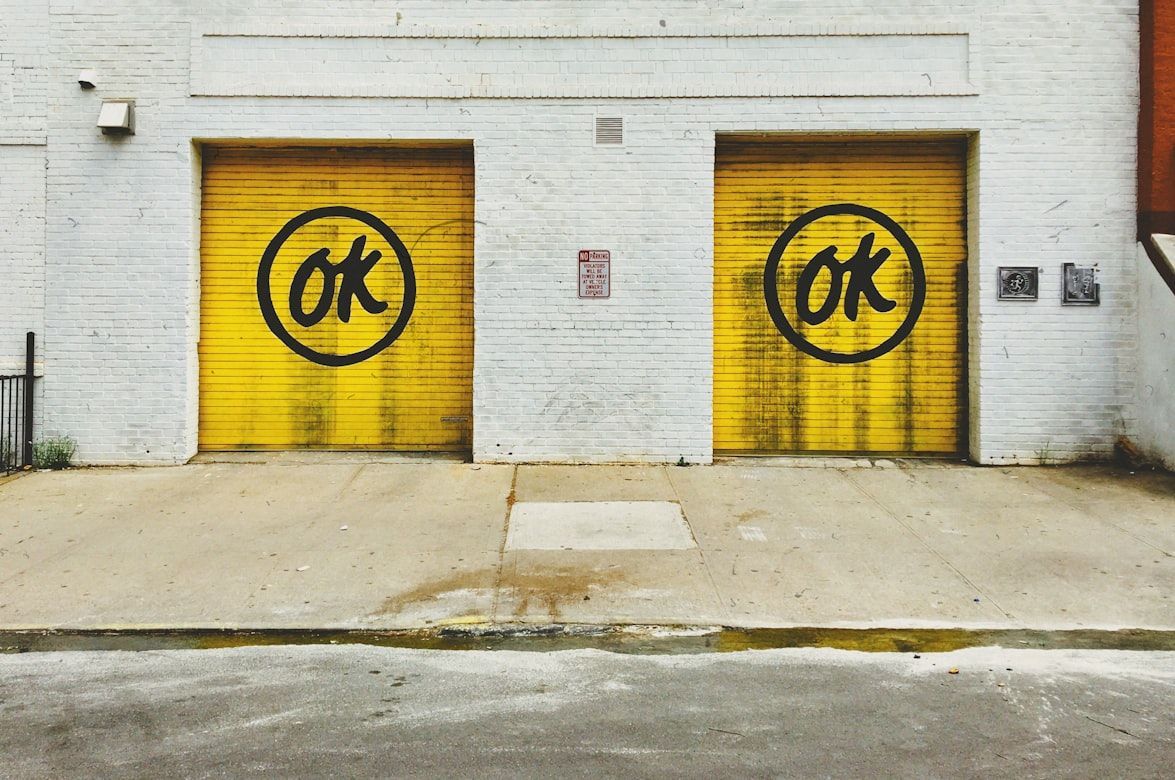
OK

Image: STEPHEN POORE

"OK" may be the most successful American word ever exported. It first appeared in print on March 23, 1839, in the Boston Morning Post, where editor Charles Gordon Green jokingly abbreviated "oll korrect," a humorous misspelling of "all correct."

The term exploded nationally during the 1840 U.S. presidential campaign of Martin Van Buren, nicknamed "Old Kinderhook" after Kinderhook, New York. Today, "OK" is used almost everywhere on Earth.

2

Teenager

Image: Simon Maage

The word "teenager" became popular in the U.S. during the 1940s, especially through advertising and youth marketing. Earlier generations did not usually view adolescence as a separate social category the way modern culture does.

American magazines, fashion brands, and music companies helped spread the idea worldwide after World War II. Publications such as Seventeen magazine and Hollywood films helped establish the teenager as a distinct cultural identity across Europe and beyond.

3

Movie

Image: Tyson Moultrie

"Movie" emerged in the U.S. around 1912 as a shortened version of "moving picture." Americans favored the informal nickname, while Britain and some other countries kept preferring "film" or "cinema."

Hollywood’s rise during the 20th century carried the term across the globe. By the 1930s and 1940s, millions of people worldwide were watching American "movies," and the word became internationally recognizable even in places where local terms still existed.

4

Elevator

Image: Arisa Chattasa

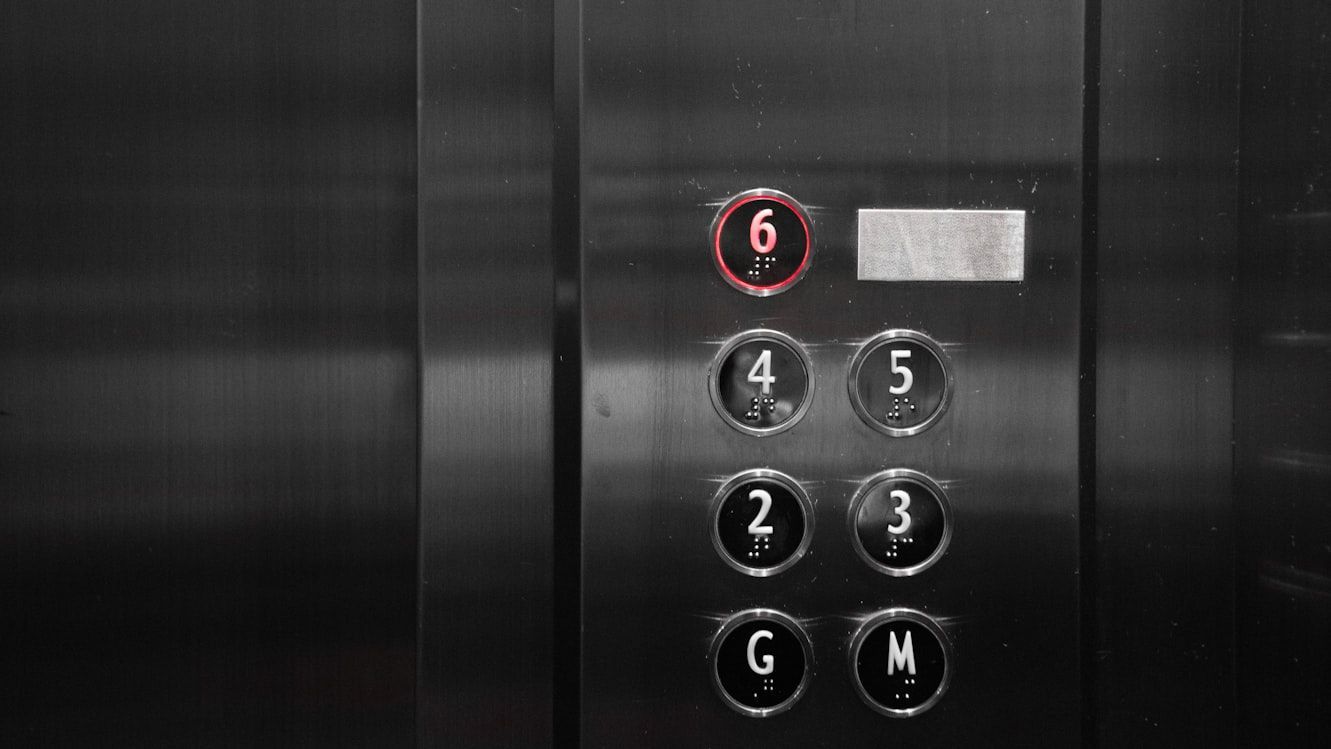
Americans popularized the word "elevator" for the vertical lift system invented in the 19th century. In Britain, the same machine became known as a "lift," but American terminology spread internationally through U.S. companies and skyscraper culture.

The word gained prominence after inventor Elisha Otis demonstrated a safe passenger elevator in New York City in 1854 at the Crystal Palace Exhibition. As American-style office towers spread worldwide during the 20th century, so did the "elevator."

5

Cookie

Image: Vyshnavi Bisani

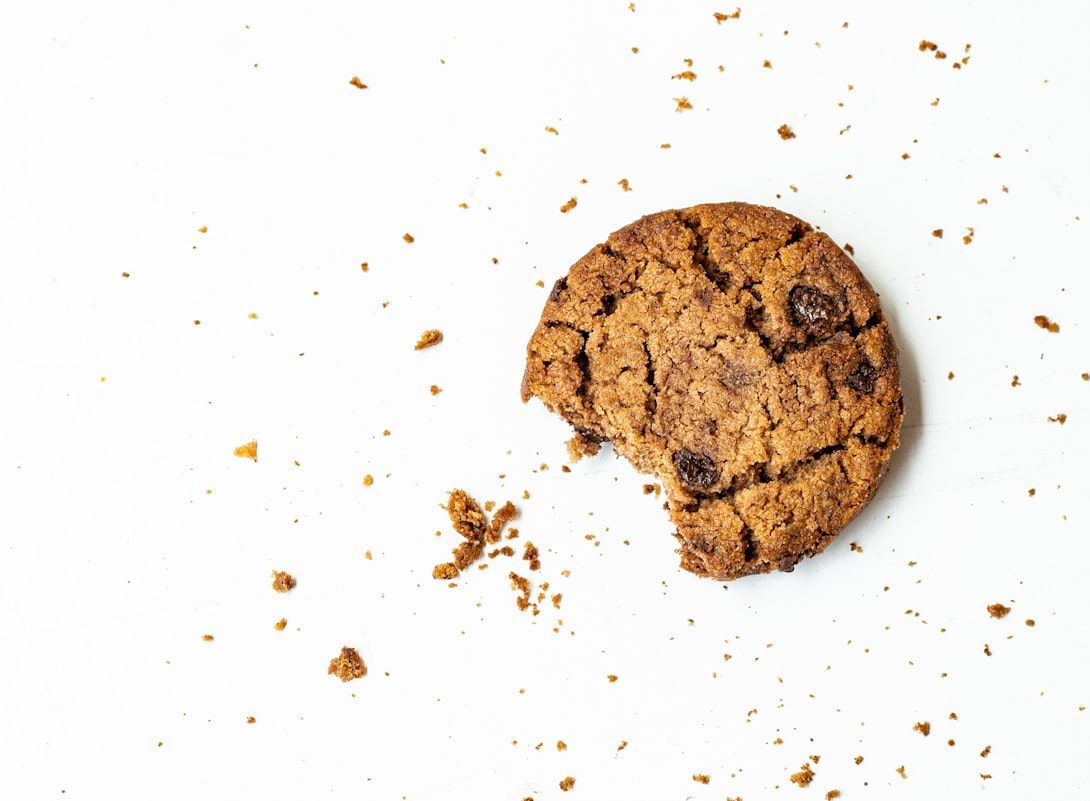
The American word "cookie" comes from the Dutch word koekje, meaning "little cake." Dutch settlers brought the term to New Amsterdam, later renamed New York, during the 1600s. Over time, Americans adopted it as the standard word for sweet baked treats.

Britain traditionally used "biscuit," but American culture helped spread "cookie" globally through packaged snacks, television advertising, and brands like Oreo and Chips Ahoy! Today, both terms are recognized internationally, often with slightly different meanings.

6

Apartment

Image: Huy Nguyen

"Apartment" became the dominant American term for a rented residential unit during the late 19th century as cities like New York and Chicago rapidly expanded upward with multi-family buildings.

British English traditionally favored "flat," but "apartment" spread internationally through American real-estate marketing, television, and films. Luxury developments worldwide now commonly advertise "apartments," even in countries where local words exist.

7

Gas

Image: Dawn McDonald

Americans shortened "gasoline" to simply "gas" in the early automotive era of the 1900s. The rise of Ford, General Motors, and America’s highway culture helped export the term globally alongside U.S. car culture.

While many countries still prefer "petrol," travelers almost anywhere understand "gas station." American road movies, music, and television helped cement the term in international vocabulary.

8

Truck

Image: Josiah Farrow

The American word "truck" replaced the older freight term during the industrial boom of the late 1800s and early 1900s. In Britain, the same vehicle is usually called a "lorry," but American English has spread widely through commerce and manufacturing.

As American trucking companies, military vehicles, and exports became globally visible after World War II, "truck" entered everyday speech in many countries. Today, international brands from Toyota to Mercedes often market "pickup trucks" using the American term.

9

Sidewalk

Image: Tim Photoguy

Americans adopted "sidewalk" during the 18th and 19th centuries to describe paved pedestrian paths beside the streets. British English preferred "pavement," but U.S. urban terminology spread through engineering, mapping, and popular culture.

The term became especially associated with American city life in places like New York and Los Angeles. Jazz songs, movies, and Broadway culture helped introduce "sidewalk" to international audiences during the 20th century.

10

Store

Image: Tem Rysh

"Store" became the standard American word for a retail shop during the country’s commercial expansion in the 1800s. Britain traditionally favored "shop," but American business culture later spread "store" internationally.

Department stores such as Macy’s, founded in New York in 1858, and later chains like Walmart and Target helped popularize the term worldwide. Today, many countries use both "shop" and store, often interchangeably.

11

Vacation

Image: Chen Mizrach

The U.S. popularized "vacation" as the standard word for leisure travel and time away from work. The term comes from the Latin vacatio, meaning freedom or exemption from duty, but gained especially strong impulse and use in the U.S. during the late 19th century.

British English prefers "holiday," yet "vacation" has spread globally through American tourism, airlines, and entertainment. Expressions like "summer vacation" became internationally familiar thanks to movies, television, and school-related American culture.

12

Guy

Image: Brooke Cagle

"Guy" originally referred to Guy Fawkes, the English conspirator involved in the failed Gunpowder Plot of 1605. In Britain, "guy" first described strange-looking figures burned during Bonfire Night celebrations.

Americans later transformed the word into an informal term for a man, and eventually for groups of people in general, as in "you guys." Hollywood films, television sitcoms, and everyday American speech helped spread this casual usage worldwide.

The truth about your brain

You won’t believe what happens in your brain while you sleep


Published on June 10, 2026


Image: Milad Fakurian

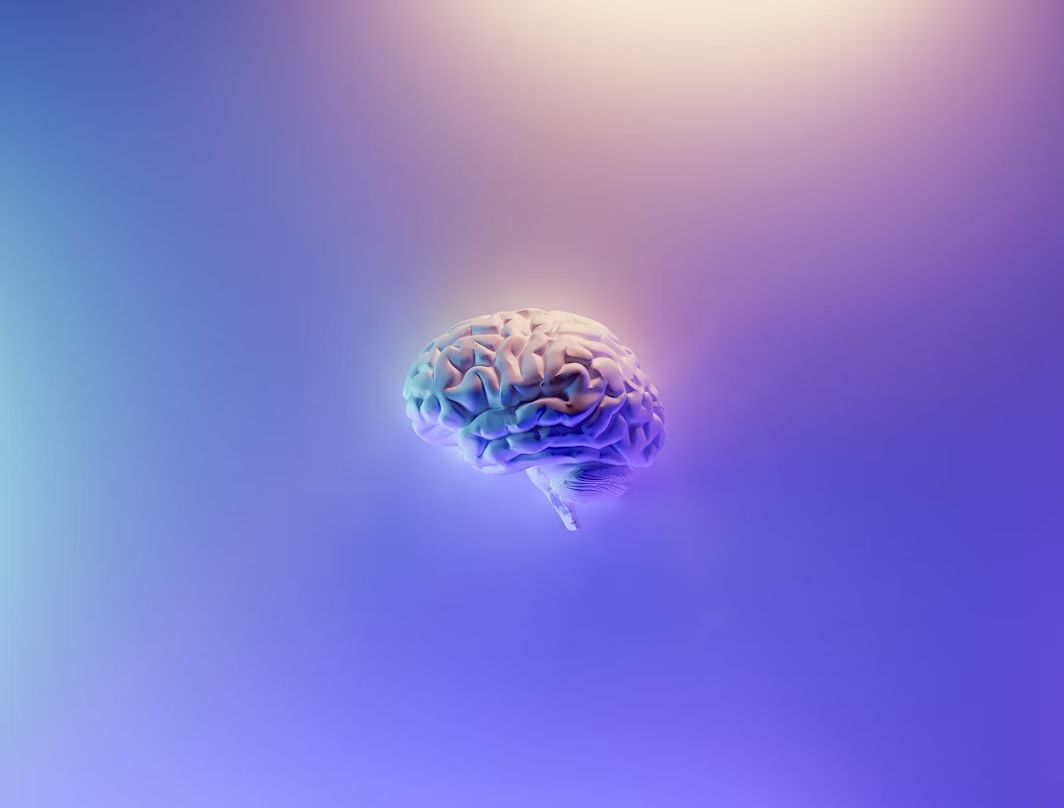
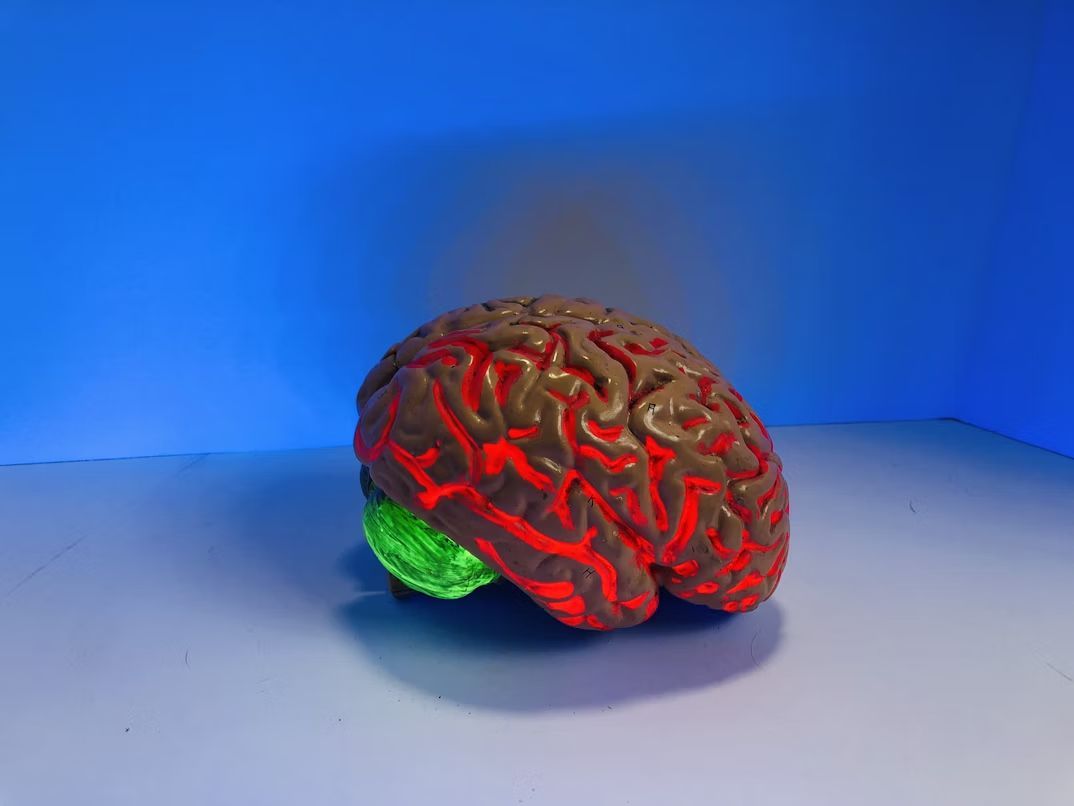
Your brain is one of the most powerful and mysterious organs in your body. It controls everything from your thoughts to your emotions and even processes information at lightning speed. But how much do you really know about it? Some long-believed myths about the brain have been debunked, while other surprising facts reveal just how incredible this organ truly is. Get ready to be amazed by these fascinating brain facts!

1

Myth: We only use 10% of our brain

Image: Natasha Connell

You’ve probably heard this one before, but it’s completely false! While it’s true that not all parts of the brain fire at the same time, imaging studies show that most regions are active throughout the day, even when we sleep.

Your brain is constantly working, controlling bodily functions and emotions, and processing information. So next time someone says you’re only using 10% of your brain, you can confidently tell them that’s just a myth!

2

The brain itself can’t feel pain

Image: Aarón Blanco Tejedor

Here’s a weird fact: While your brain processes pain signals from the rest of your body, it has no pain receptors of its own. This is why surgeons can perform brain surgery on conscious patients without causing them pain.

However, the membranes and tissues surrounding the brain do have pain receptors, which is why headaches and brain injuries can be so excruciating.

3

Headaches are actually chemical reactions

Image: Usman Yousaf

How come we have headaches if the brain has no pain receptors? Well, that’s because headaches are triggered by chemical activity in the brain, changes in nerves and blood vessels, and even fluctuating serotonin levels.

In some cases, hormones like estrogen can also play a role, which explains why migraines are more common in women.

4

Dreams: Your brain’s midnight movie theater

Image: Go to Johannes Plenio's profile Johannes Plenio

Dreams are proof that your brain never rests! (Warning: this fact can make you feel exhausted.) While you sleep, your limbic system, that is, the part of the brain that deals with emotions, becomes especially active, which is why dreams often feel so intense.

On average, humans experience four to seven dreams per night, even if we don’t always remember them. And what about that scary nightmare about falling? Well, you can thank your amygdala, the brain’s fear center, for that one.

5

Your short-term memory lasts less than 30 seconds

Image: Brett Jordan

Have you ever walked into a room and instantly forgotten what you were after? That’s because short-term memory only lasts about 20-30 seconds! That’s not enough!

Your brain holds a limited amount of information in its active state before deciding whether to store it or discard it. Ironically, we can’t really choose what makes the cut, but we do hope these facts stay with you!

6

Brain freeze is your body’s warning signal

Image: BUDDHI Kumar SHRESTHA

That sharp, icy pain when you eat something too cold? It’s your brain’s way of telling you to slow down! Officially called sphenopalatine ganglioneuralgia, a brain freeze happens when cold food or drinks rapidly chill the blood vessels in your throat, causing them to constrict and then rapidly expand. This sends pain signals to your brain, warning you of the sudden temperature shift. It’s annoying, but it’s actually your body trying to protect itself!

7

Your brain thinks a lot!

Image: Josh Riemer

You didn’t need us to tell you, but let’s look at the details: The average person has between 12,000 and 60,000 thoughts per day. What’s even more interesting? 95% of those thoughts are the same ones you had yesterday. Is that not surprising enough? Hear this out: 80% of them tend to be negative. That’s because our brains are wired for survival, constantly analyzing risks and potential dangers.

8

Your brain uses 20% of your body’s oxygen and blood

Image: Terry Vlisidis

Even though it only makes up about 2% of your body weight, your brain employs a major quantity of energy! It consumes 20% of your oxygen and blood supply, making it one of the most demanding organs in your body.

If your brain goes without oxygen for just five minutes, brain cells start dying, leading to irreversible damage. This is why deep breathing and cardiovascular exercise are great for brain health!

9

Seeing stars? That’s your brain processing vision!

Image: Alexander Andrews

Do you know that feeling when you hit the back of your head and see stars? That’s because your occipital lobe, which controls vision, is located at the back of your brain. If you get hit there, your brain momentarily misfires, causing flashes of light.

Interestingly, your brain processes vision on the opposite side; while your right brain controls your left eye, your left brain controls your right eye. It’s one of the many ways the brain operates in a complex way.

10

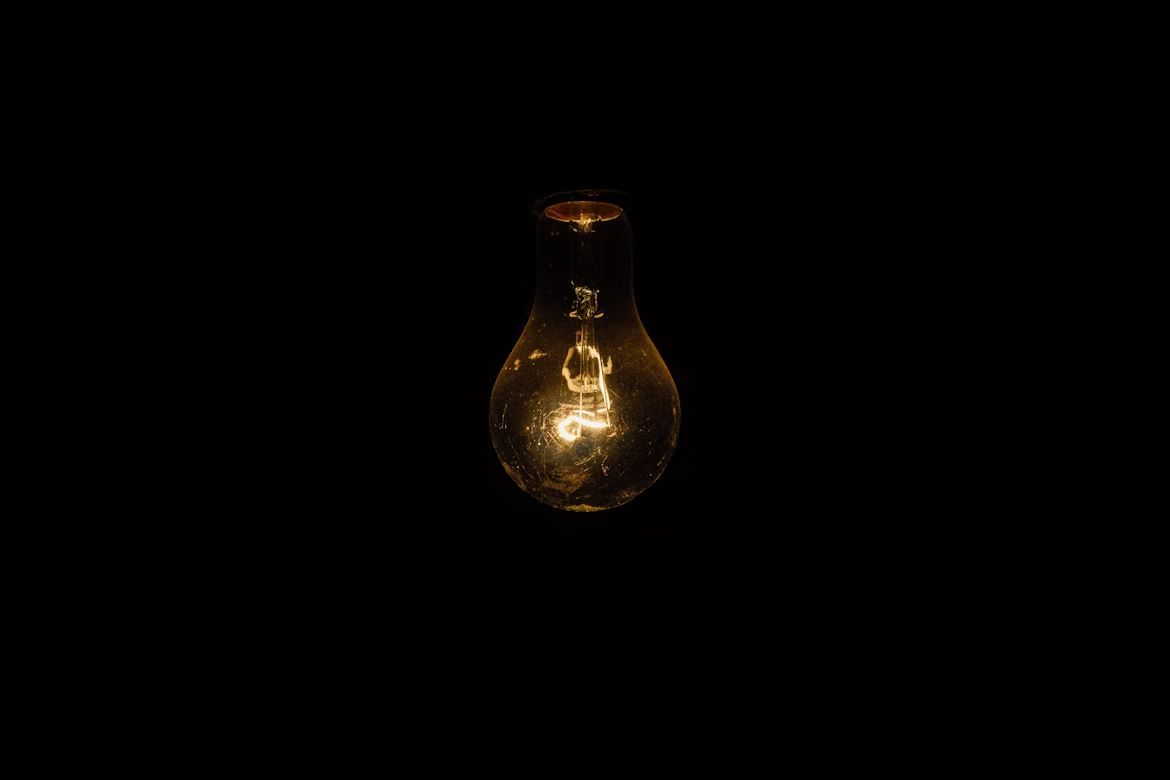
Your brain can power a light bulb!

Image: Rodion Kutsaiev

Believe it or not, your brain generates between 12 and 25 watts of electricity when you’re awake. If you can’t really grasp how powerful that is, check this out: It’s enough to power a small light bulb! Your brain’s electrical activity is what allows neurons to send signals at speeds of up to 260 miles per hour.

11

Your brain is mostly fat

Image: Robina Weermeijer

Your brain may be the fattiest organ in your body, consisting of at least 60% fat! This is why consuming healthy fats, like omega-3s and omega-6s present in fish, for example, is essential for brain health.

Healthy fats stabilize brain cell walls, reduce inflammation, and support cognitive function. So go ahead and enjoy that avocado toast, it’s food for your brain!

12

Your brain shrinks as you age

Image: Robina Weermeijer

It’s not just your memory that fades over time; the brain itself physically shrinks as one gets older. It continues developing until your late 40s, but after that, it slowly decreases in size.

Now, size doesn’t equal intelligence, so a smaller brain doesn’t necessarily mean a less capable one. Staying mentally active, exercising, and eating brain-boosting foods can help keep it in top shape!

13

Cholesterol plays a big role in memory

Image: Lisa Yount

We often think of cholesterol as bad, but your brain actually depends on it! In fact, 25% of your body’s cholesterol is stored in your brain, where it helps with learning and memory. However, unlike other organs, the brain can’t absorb cholesterol from the blood, it has to produce its own. So, while too much cholesterol in the body can be harmful, the right amount is vital for brain function. At least you can use that as an excuse to get that burger!

Looking for an extra scoop of literary fun?

Learn more with our Word of the day

palpable

/ˈpælpəb(ə)l/