The art of the grudge

When ambition turns toxic: The 10 most explosive rivalries of all time


Published on April 1, 2026
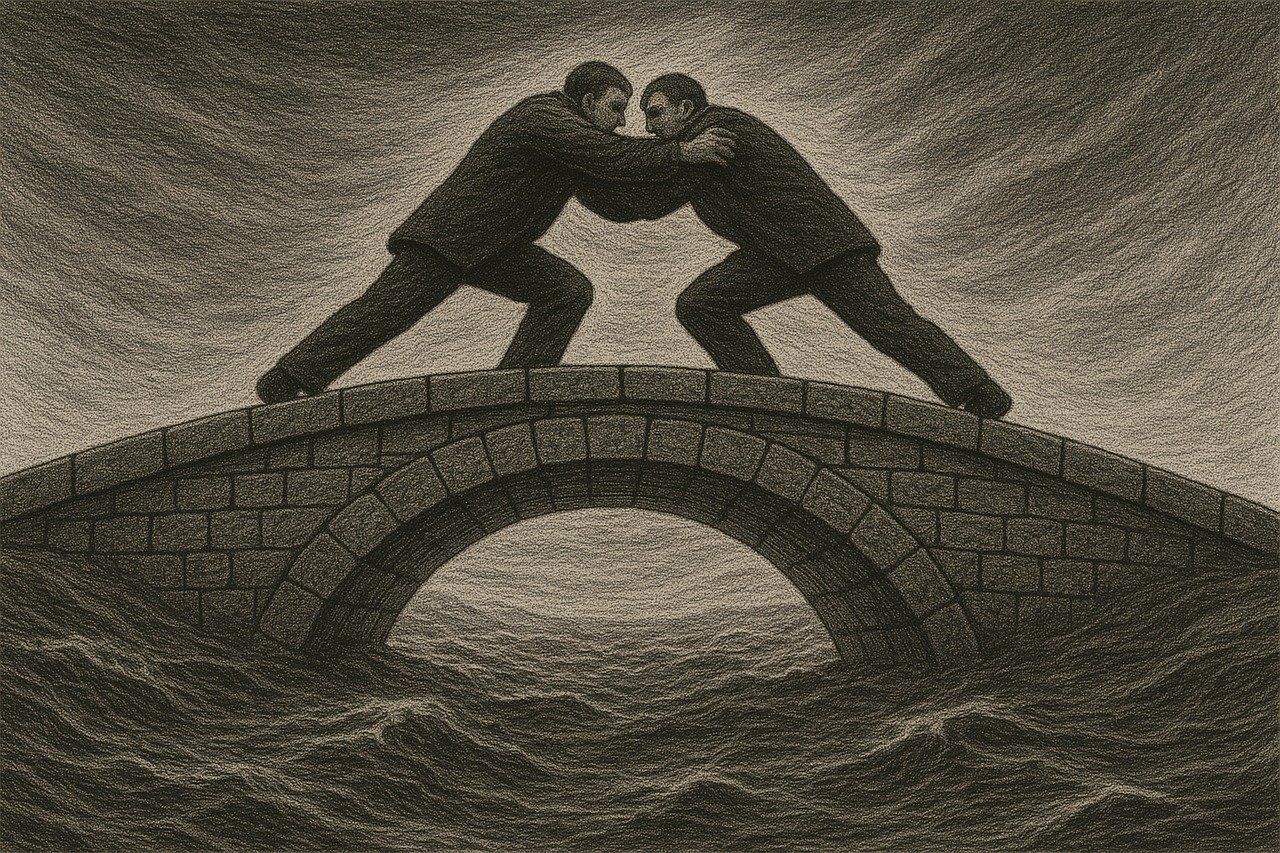

Image: heikohc

History isn’t just a dry timeline of treaties and discoveries; it is a messy, vibrant, and often blood-soaked record of human ego. From the royal courts of England to the film sets of Hollywood, some of the world's most significant progress—and destruction—has been fueled by individuals who simply could not stand one another. Would you like to know more about 10 feuds born of political ambition, sibling rivalry, and corporate greed? Tune in now!

1

The House of York vs. The House of Lancaster
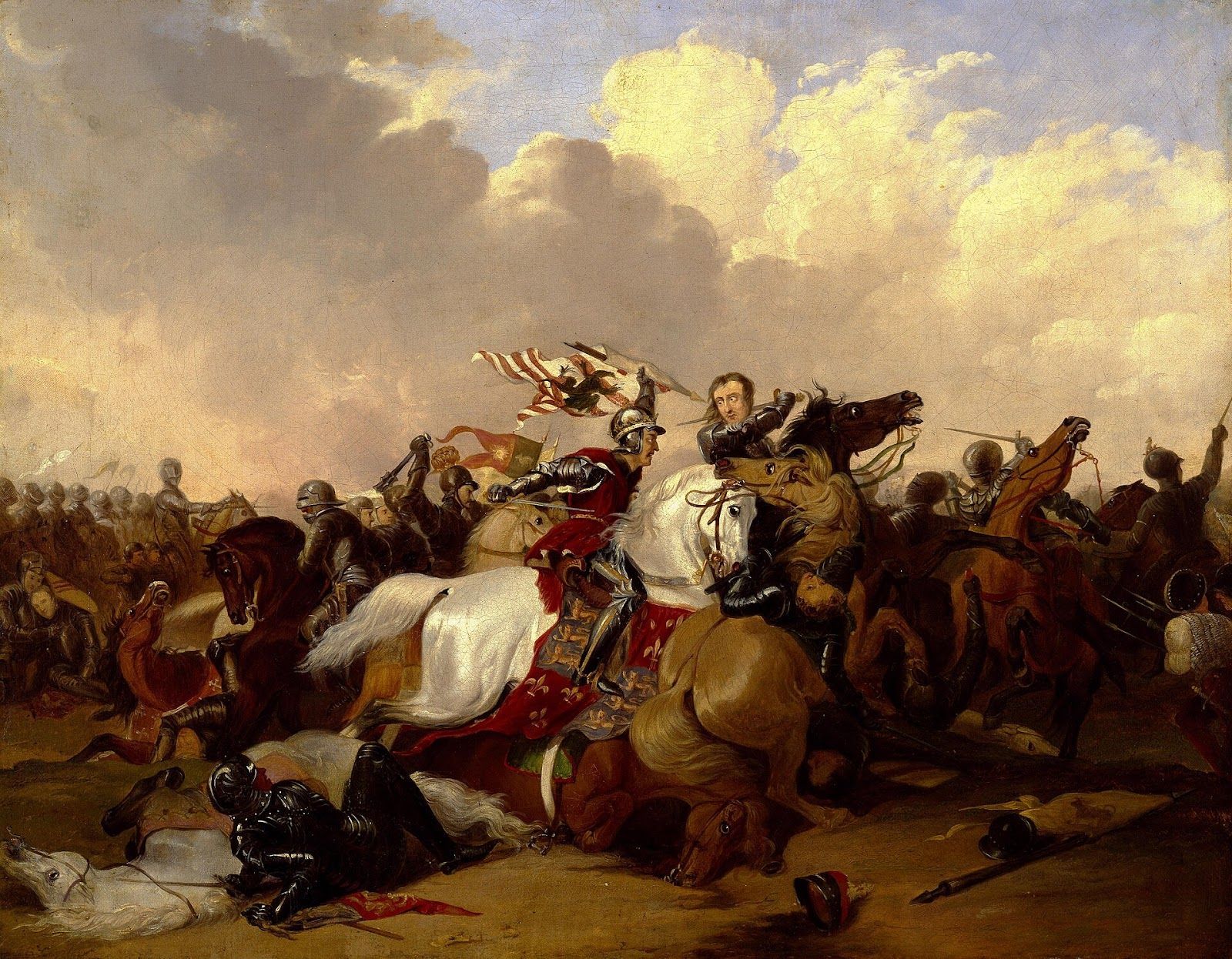
Image: Abraham Cooper, Public domain, via Wikimedia Commons

Way before Game of Thrones became a hit TV show, there was a real-life bloodbath known as the Wars of the Roses. This 15th-century dynastic struggle pitted two branches of the royal House of Plantagenet against each other: the Lancasters (symbolized by a red rose) and the Yorks (a white rose).

For thirty years, the English throne was a revolving door of kings, marked by brutal battles and Shakespearean betrayals. The feud finally ended when Henry Tudor (a Lancaster) defeated Richard III (a York) at Bosworth Field, marrying Elizabeth of York to unite the houses and birth the Tudor dynasty.

2

Alexander Hamilton vs. Aaron Burr

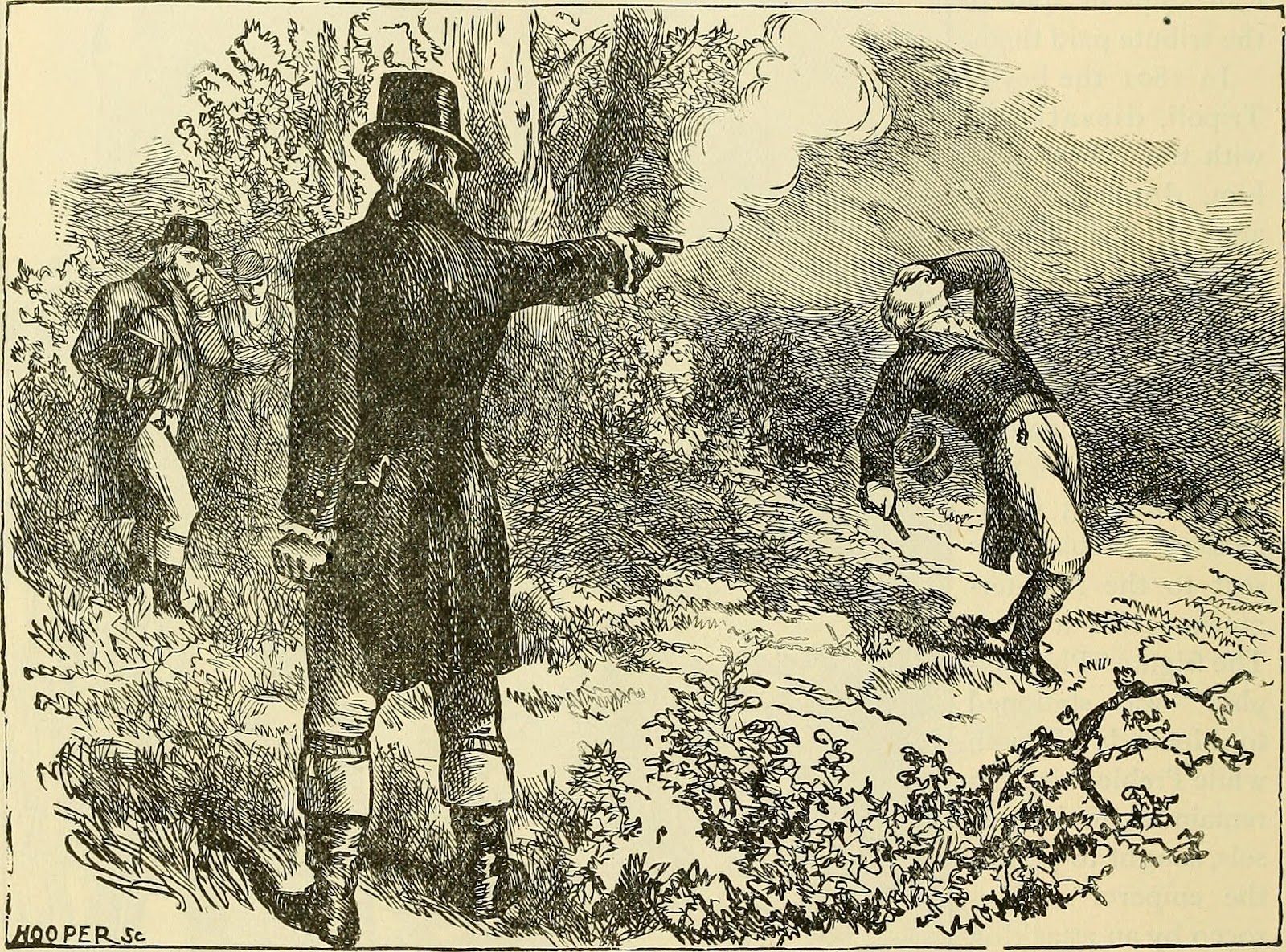
Image: Internet Archive Book Images, Public domain, via Wikimedia Commons

In the early days of the American Republic, politics wasn’t just a war of words, it was a matter of honor. Alexander Hamilton and Aaron Burr were both brilliant, ambitious men, but Hamilton spent years systematically undermining Burr’s career, calling him "dangerous" and "unprincipled."

The tension boiled over after the 1804 New York gubernatorial election. Burr, tired of Hamilton’s constant sabotage, challenged him to a duel. On the heights of Weehawken, New Jersey, Burr fired the shot that ended the life of the First Secretary of the Treasury. While Burr survived, his political reputation never did.

3

Nikola Tesla vs. Thomas Edison

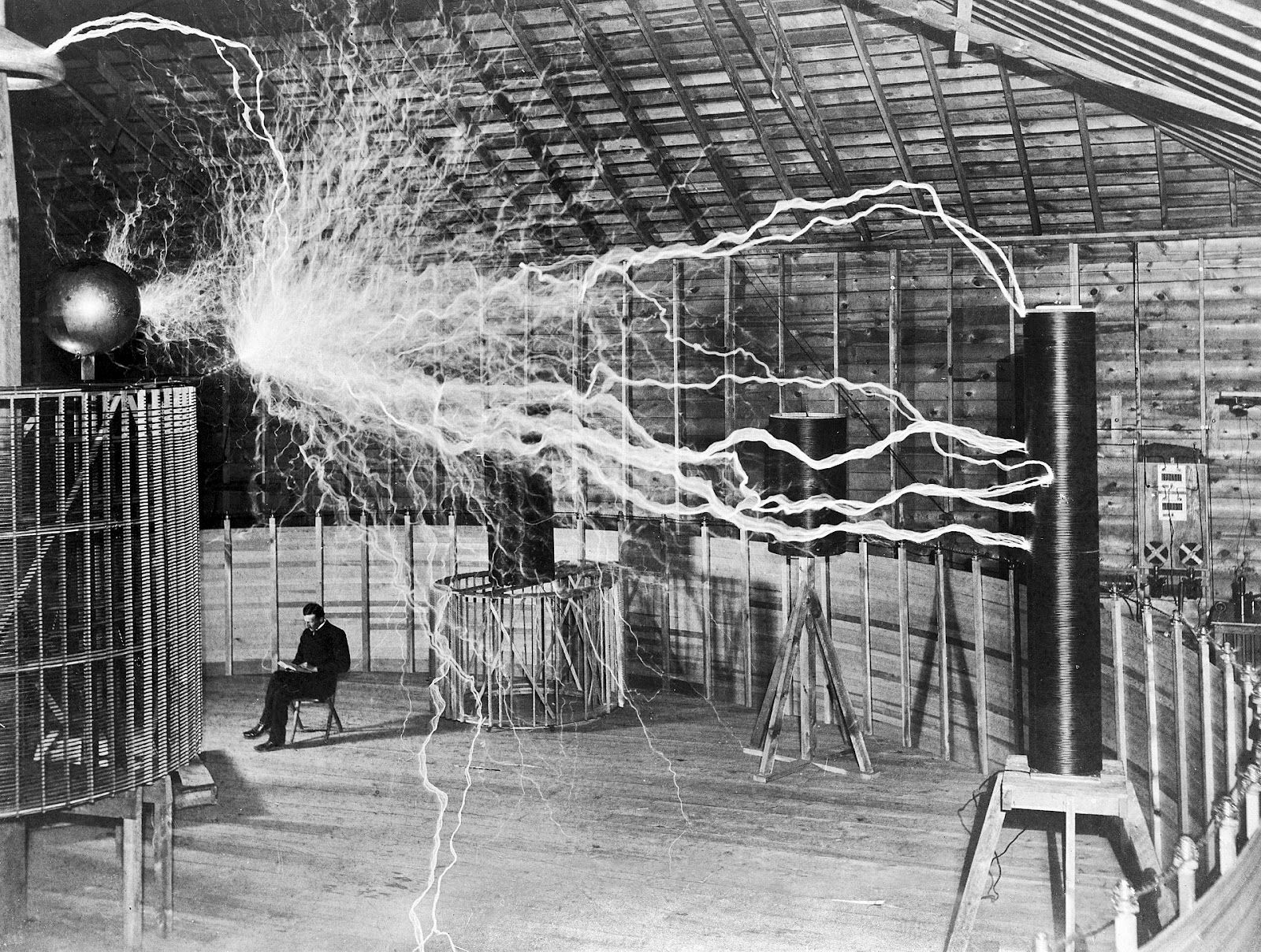
Image: Photographer: Dickenson V. AlleyRestored by Lošmi, Public domain, via Wikimedia Commons

This wasn't just a personal spat, it was ultimately called the War of Currents. Thomas Edison, the "Wizard of Menlo Park," had bet his fortune on Direct Current, while his former employee, the eccentric genius Nikola Tesla, championed Alternating Current.

Edison went to extreme lengths to discredit Tesla and his financier, George Westinghouse, even orchestrating public electrocutions of animals to "prove" Alternating Current was dangerous. However, physics was on Tesla's side. Alternating Current could be transmitted over long distances far more efficiently than Direct Current. Today, when you flip a light switch, you’re seeing the legacy of Tesla’s victory in one of history’s greatest scientific rivalries.

4

The Hatfields vs. The McCoys

Image: Suleman Serwar

The definitive American family feud took place in the Appalachian backcountry along the West Virginia-Kentucky border. What started as a lingering bitterness from the Civil War and a dispute over a stolen pig spiraled into a decade of surprise attacks, arson, and murder.

By the time the violence peaked in the 1888 "New Year’s Massacre," dozens had been killed or imprisoned. It took over a century for the families to officially sign a truce, proving that some grudges are written into the very DNA of a community.

5

Joseph Pulitzer vs. William Randolph Hearst
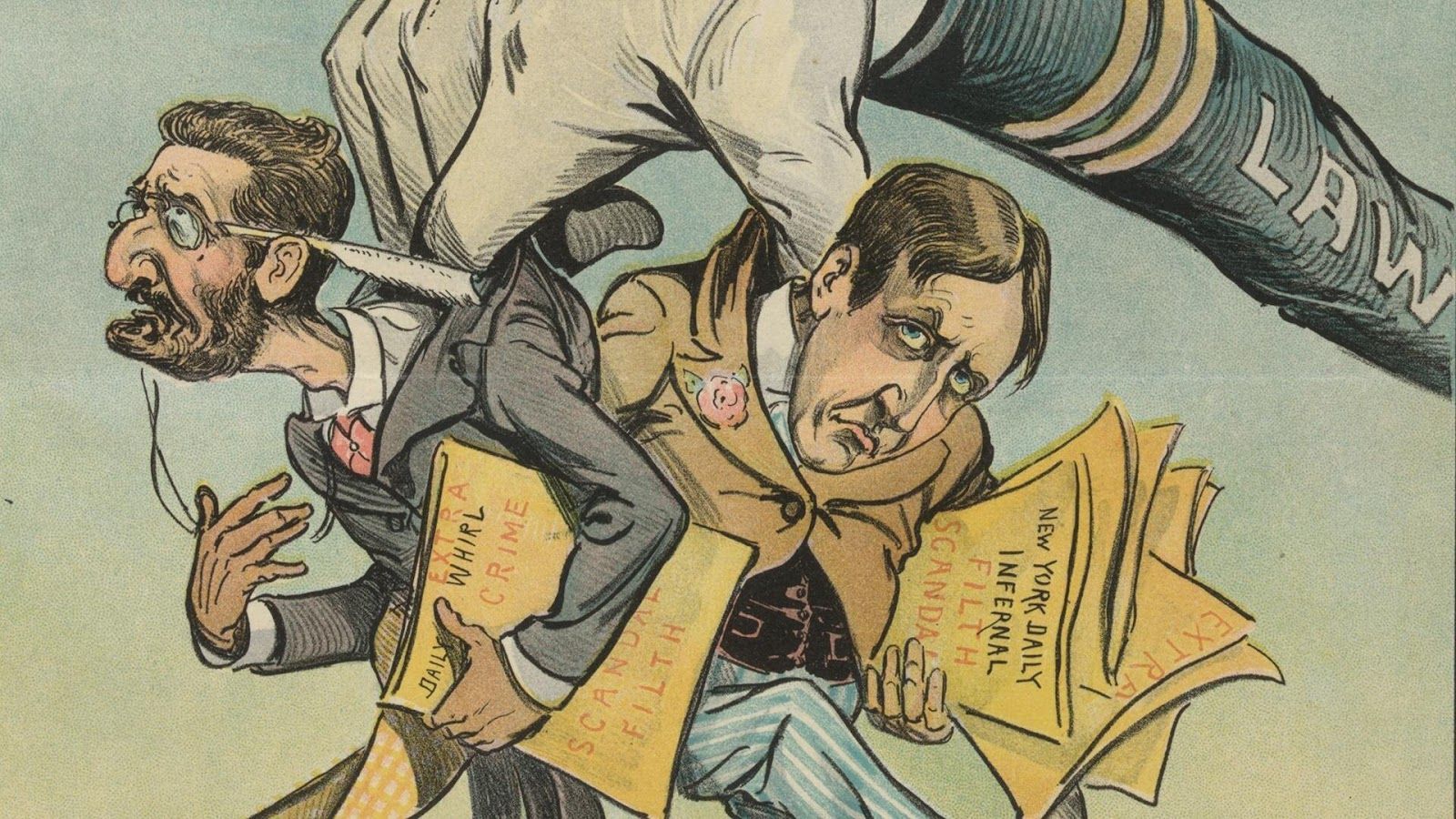
Image: Uploader Hasanov Jasurbek, Public domain, via Wikimedia Commons

In the late 1890s, the battle for the attention of New Yorkers gave birth to Yellow Journalism. Joseph Pulitzer (New York World) and William Randolph Hearst (New York Journal) competed to see who could print the most sensational, lurid, and often fabricated headlines.

Yet, this seemingly frivolous feud actually had geopolitical consequences. Both men used their papers to drum up pro-war sentiment during the Spanish-American War to boost circulation. Their race to the bottom changed the media landscape forever, teaching us that when news becomes a weapon in a personal rivalry, truth is usually the first casualty.

6

Bette Davis vs. Joan Crawford

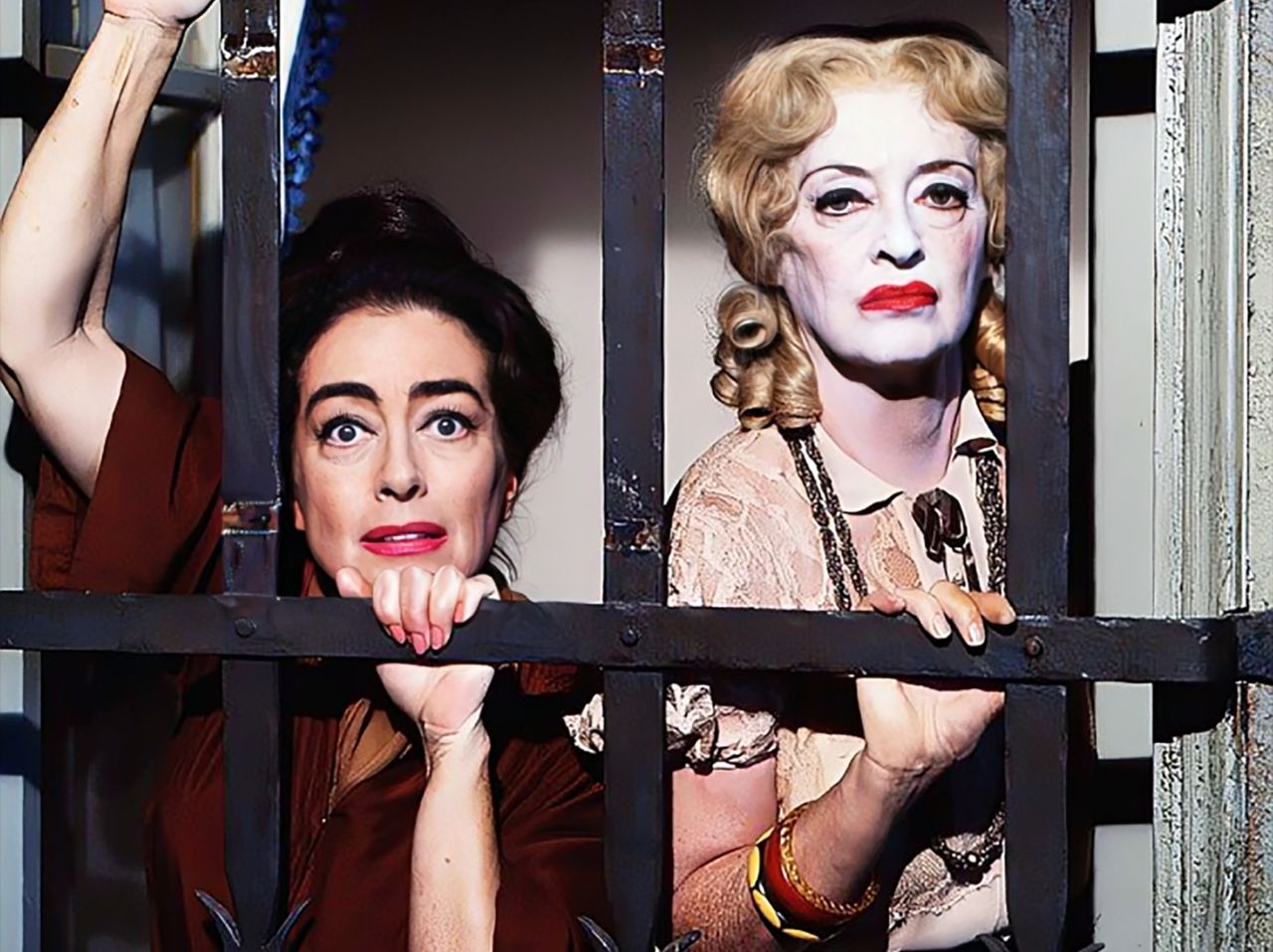
Image: Warner Bros. Studios, Public domain, via Wikimedia Commons

Hollywood’s most legendary "mean girl" feud was a masterclass in professional sabotage. These two powerhouse actresses spent decades trading insults and competing for roles. Their rivalry was so famous that it was leveraged for the 1962 film What Ever Happened to Baby Jane?

On set, Crawford reportedly put weights in her pockets during a scene where Davis had to drag her, just to hurt Davis's back. When Davis was nominated for an Oscar for the film, and Crawford wasn't, Crawford contacted the other nominees and offered to accept the award on their behalf if they won, which she did, just to spite Davis.

7

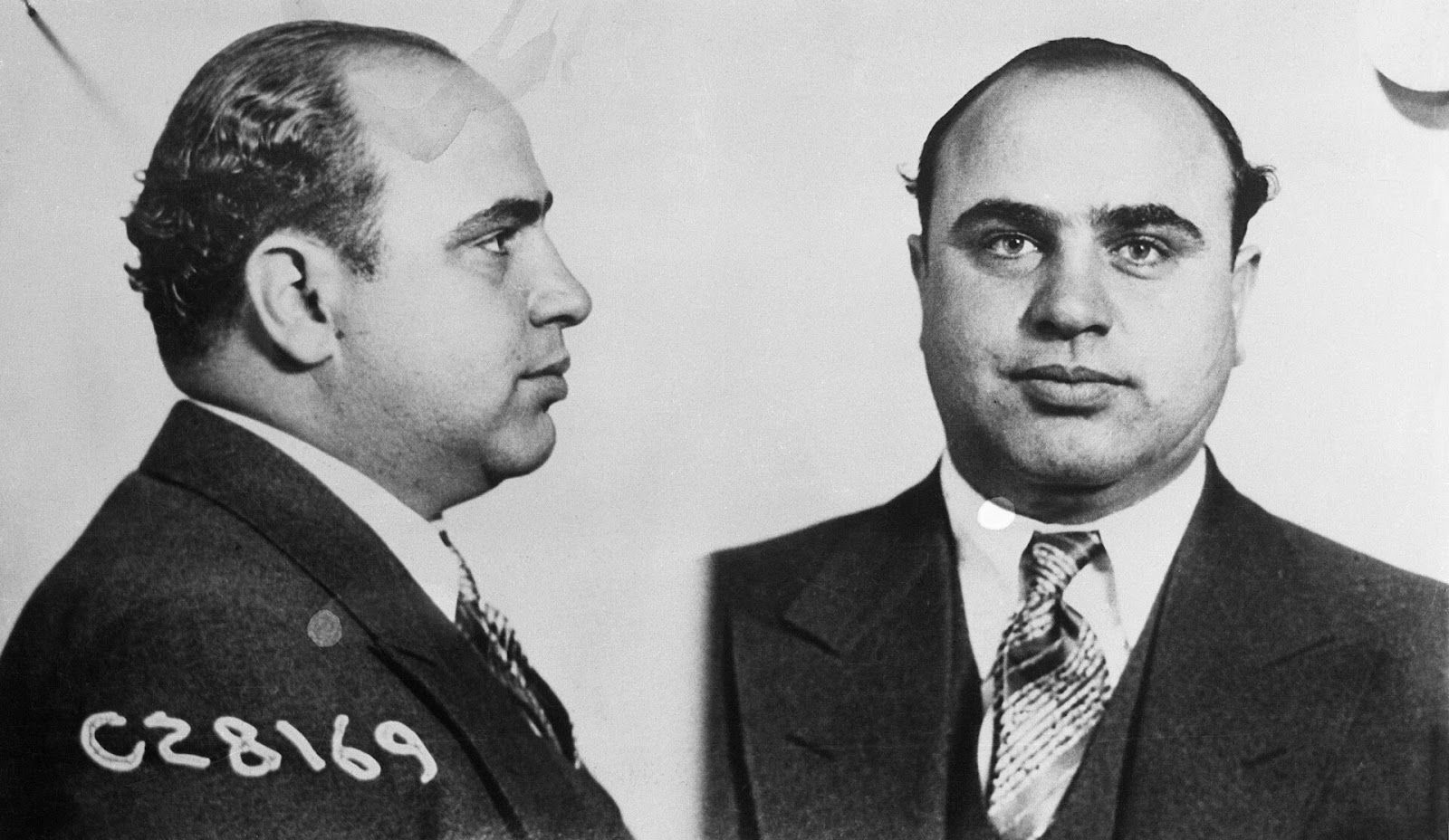
Al Capone vs. George "Bugs" Moran

Image: United States Bureau of Prisons, Public domain, via Wikimedia Commons

Prohibition-era Chicago was a chessboard, and Capone and Moran were the two most violent players. Capone’s Italian "Chicago Outfit" and Moran’s "North Side Gang" fought a bloody turf war for control of the city’s illegal booze trade.

The feud reached its horrific climax on February 14, 1929, with the St. Valentine’s Day Massacre, where Capone’s men, dressed as police, gunned down seven of Moran’s associates. Moran famously remarked, "Only Capone kills like that." Though Moran escaped the massacre, the event effectively broke his power and marked the beginning of the end for the gangland wars of the 1920s.

8

The Dassler Brothers (Adidas vs. Puma)

Image: Here, Public domain, via Wikimedia Commons

You might recognize these as sportswear giants, but they began as a bitter rift between two brothers, Adolf ("Adi") and Rudolf ("Rudi") Dassler. After a mysterious fallout during WWII—legend says it involved a misunderstood comment in a bomb shelter—the brothers split their shoe company in 1948.

Adi formed Adidas, and Rudi formed Puma. The feud divided their hometown of Herzogenaurach so deeply that it became known as "the town of bent necks," because residents would look at a person’s shoes before deciding whether to speak to them. The brothers were buried at opposite ends of the local cemetery, never having reconciled.

9

Ernest Hemingway vs. F. Scott Fitzgerald
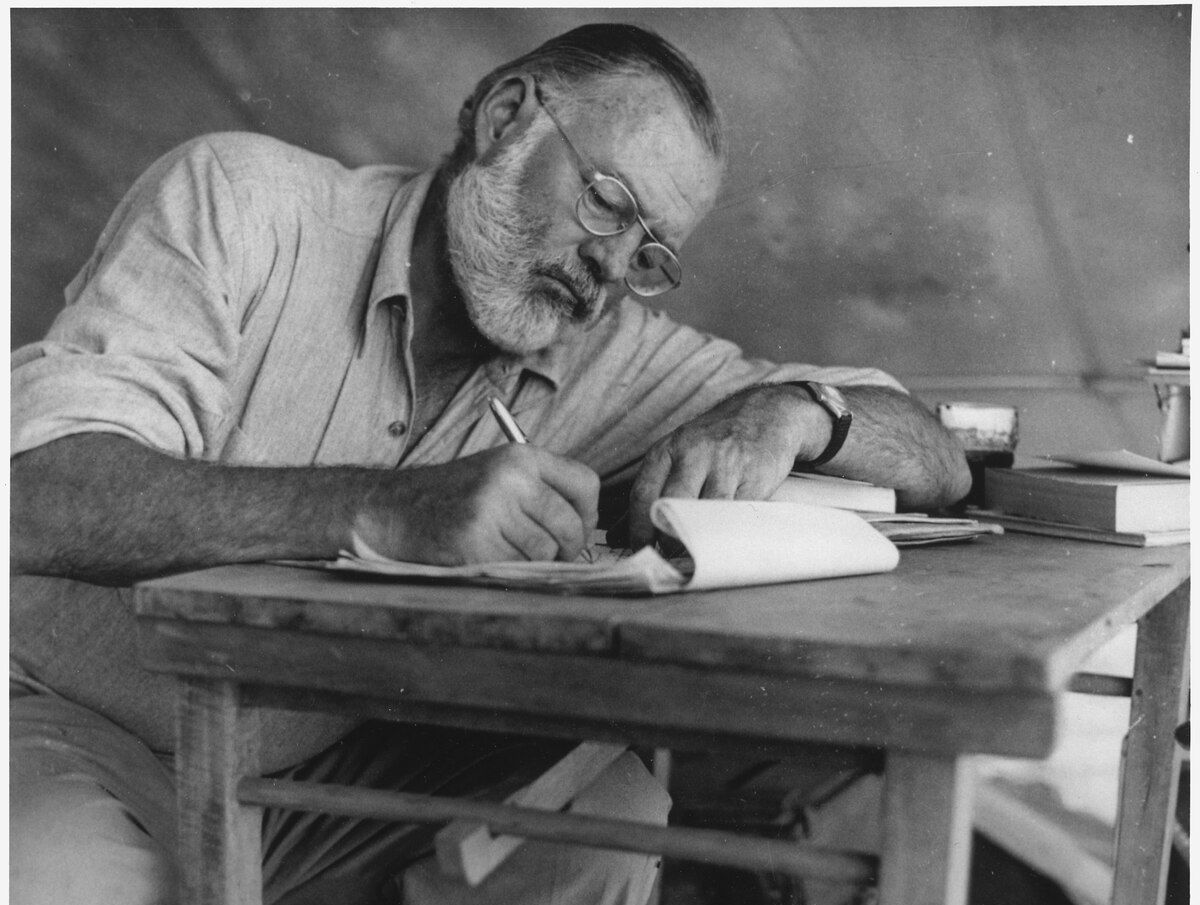
Image: National Archives and Records Administration, Public domain, via Wikimedia Commons

The two titans of "The Lost Generation" started as friends, but their relationship devolved into a toxic mix of jealousy and judgment. Hemingway, who prized masculine"stoicism, mocked Fitzgerald for his perceived weakness and his turbulent marriage to Zelda.

In his memoir A Moveable Feast, Hemingway took several posthumous jabs at Fitzgerald’s character and talent. Fitzgerald, meanwhile, was both awed and intimidated by Hemingway’s success. It was a rivalry of the pen where mutual admiration was eventually smothered by the crushing weight of their respective egos.

10

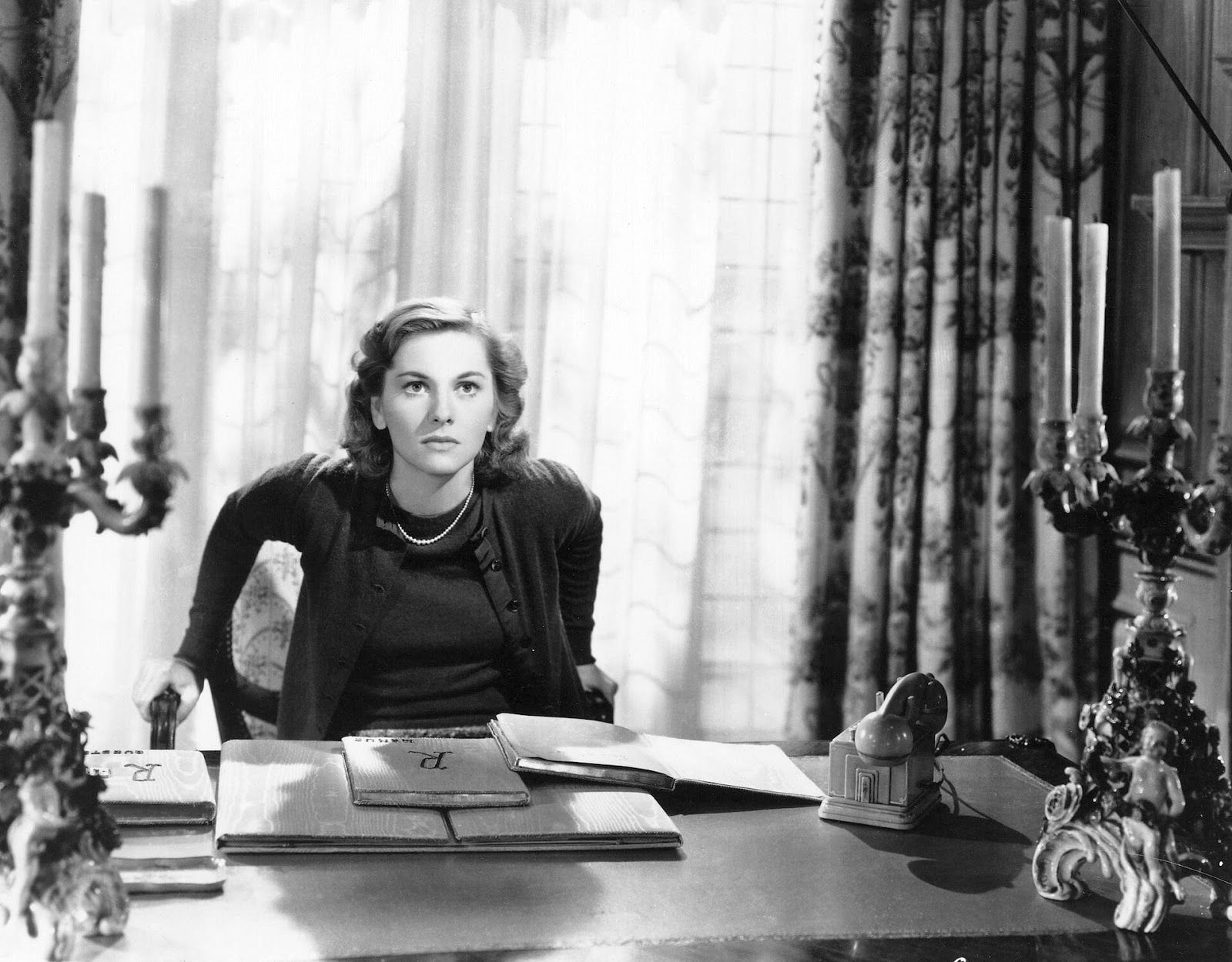
Olivia de Havilland vs. Joan Fontaine

Image: Macfadden Publications, Inc.; Selznick International Pictures, United Artists, Public domain, via Wikimedia Commons

The only thing more intense than a professional feud is a sibling one. These two Oscar-winning sisters didn't speak for the last 38 years of Fontaine’s life. The friction began in childhood but went nuclear when they were both nominated for Best Actress in 1942.

Fontaine won, and when de Havilland later won her own Oscar, she famously snubbed Fontaine’s attempt to congratulate her backstage. They disagreed on everything from their mother's medical care to who deserved the most fame. It remains the most enduring and frosty sibling rivalry in the history of the arts.
The truth about your brain

You won’t believe what happens in your brain while you sleep


Published on April 1, 2026


Image: Milad Fakurian

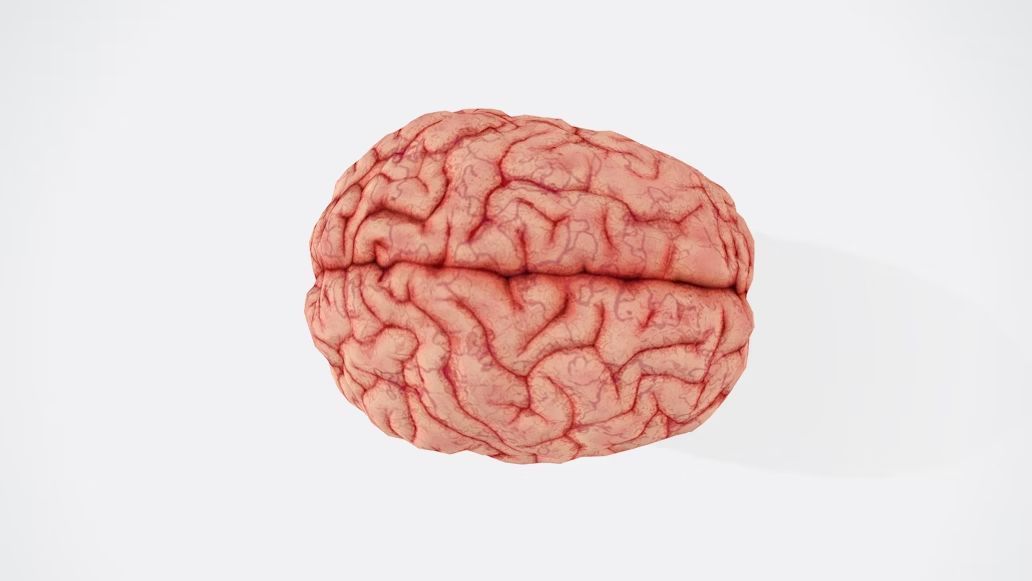
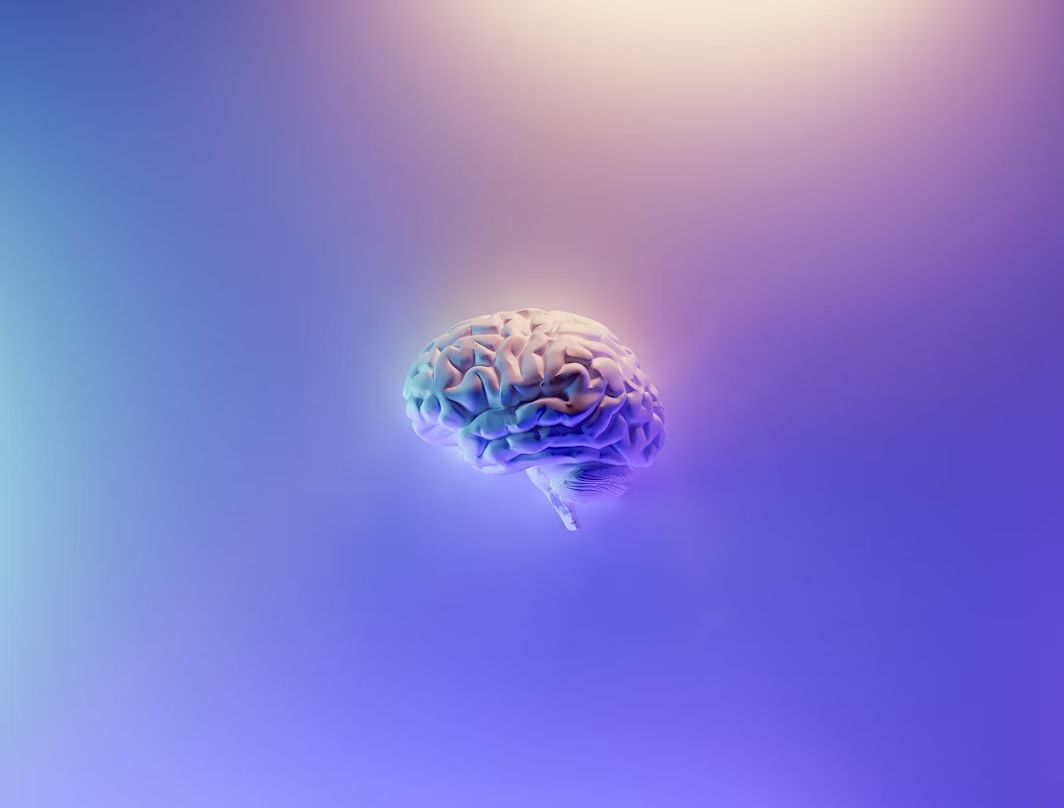
Your brain is one of the most powerful and mysterious organs in your body. It controls everything from your thoughts to your emotions and even processes information at lightning speed. But how much do you really know about it? Some long-believed myths about the brain have been debunked, while other surprising facts reveal just how incredible this organ truly is. Get ready to be amazed by these fascinating brain facts!

1

Myth: We only use 10% of our brain

Image: Natasha Connell

You’ve probably heard this one before, but it’s completely false! While it’s true that not all parts of the brain fire at the same time, imaging studies show that most regions are active throughout the day, even when we sleep.

Your brain is constantly working, controlling bodily functions and emotions, and processing information. So next time someone says you’re only using 10% of your brain, you can confidently tell them that’s just a myth!

2

The brain itself can’t feel pain

Image: Aarón Blanco Tejedor

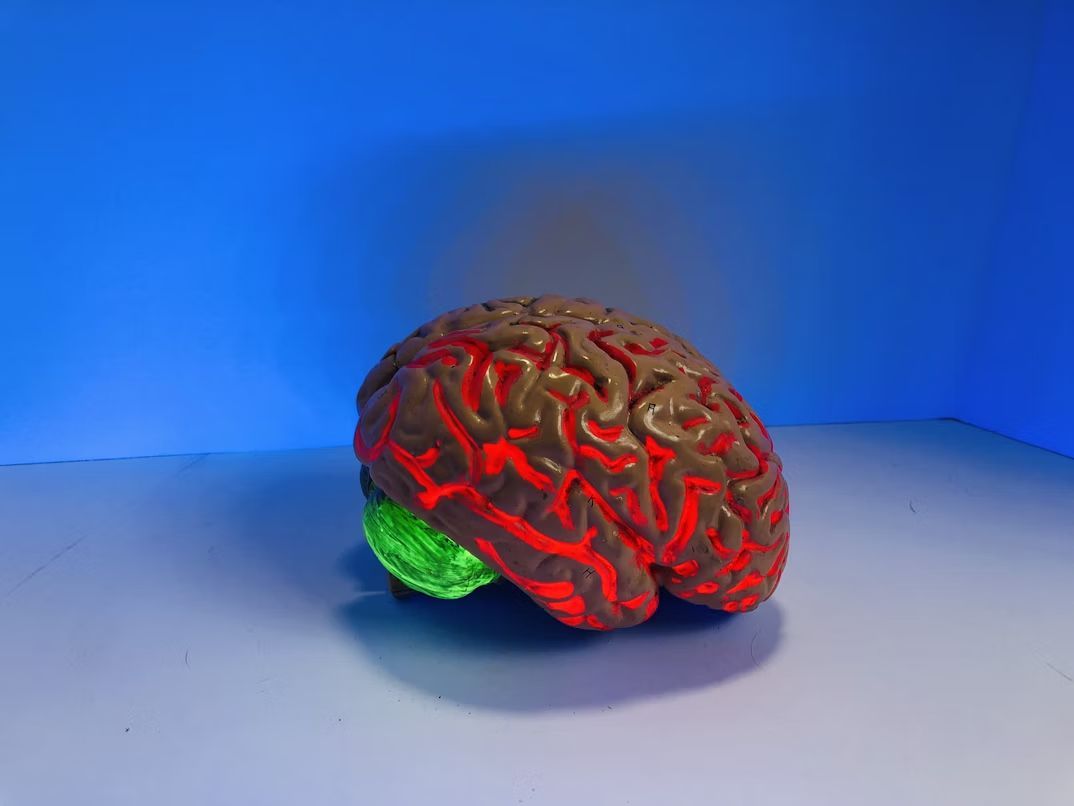
Here’s a weird fact: While your brain processes pain signals from the rest of your body, it has no pain receptors of its own. This is why surgeons can perform brain surgery on conscious patients without causing them pain.

However, the membranes and tissues surrounding the brain do have pain receptors, which is why headaches and brain injuries can be so excruciating.

3

Headaches are actually chemical reactions

Image: Usman Yousaf

How come we have headaches if the brain has no pain receptors? Well, that’s because headaches are triggered by chemical activity in the brain, changes in nerves and blood vessels, and even fluctuating serotonin levels.

In some cases, hormones like estrogen can also play a role, which explains why migraines are more common in women.

4

Dreams: Your brain’s midnight movie theater

Image: Go to Johannes Plenio's profile Johannes Plenio

Dreams are proof that your brain never rests! (Warning: this fact can make you feel exhausted.) While you sleep, your limbic system, that is, the part of the brain that deals with emotions, becomes especially active, which is why dreams often feel so intense.

On average, humans experience four to seven dreams per night, even if we don’t always remember them. And what about that scary nightmare about falling? Well, you can thank your amygdala, the brain’s fear center, for that one.

5

Your short-term memory lasts less than 30 seconds

Image: Brett Jordan

Have you ever walked into a room and instantly forgotten what you were after? That’s because short-term memory only lasts about 20-30 seconds! That’s not enough!

Your brain holds a limited amount of information in its active state before deciding whether to store it or discard it. Ironically, we can’t really choose what makes the cut, but we do hope these facts stay with you!

6

Brain freeze is your body’s warning signal

Image: BUDDHI Kumar SHRESTHA

That sharp, icy pain when you eat something too cold? It’s your brain’s way of telling you to slow down! Officially called sphenopalatine ganglioneuralgia, a brain freeze happens when cold food or drinks rapidly chill the blood vessels in your throat, causing them to constrict and then rapidly expand. This sends pain signals to your brain, warning you of the sudden temperature shift. It’s annoying, but it’s actually your body trying to protect itself!

7

Your brain thinks a lot!

Image: Josh Riemer

You didn’t need us to tell you, but let’s look at the details: The average person has between 12,000 and 60,000 thoughts per day. What’s even more interesting? 95% of those thoughts are the same ones you had yesterday. Is that not surprising enough? Hear this out: 80% of them tend to be negative. That’s because our brains are wired for survival, constantly analyzing risks and potential dangers.

8

Your brain uses 20% of your body’s oxygen and blood

Image: Terry Vlisidis

Even though it only makes up about 2% of your body weight, your brain employs a major quantity of energy! It consumes 20% of your oxygen and blood supply, making it one of the most demanding organs in your body.

If your brain goes without oxygen for just five minutes, brain cells start dying, leading to irreversible damage. This is why deep breathing and cardiovascular exercise are great for brain health!

9

Seeing stars? That’s your brain processing vision!

Image: Alexander Andrews

Do you know that feeling when you hit the back of your head and see stars? That’s because your occipital lobe, which controls vision, is located at the back of your brain. If you get hit there, your brain momentarily misfires, causing flashes of light.

Interestingly, your brain processes vision on the opposite side; while your right brain controls your left eye, your left brain controls your right eye. It’s one of the many ways the brain operates in a complex way.

10

Your brain can power a light bulb!

Image: Rodion Kutsaiev

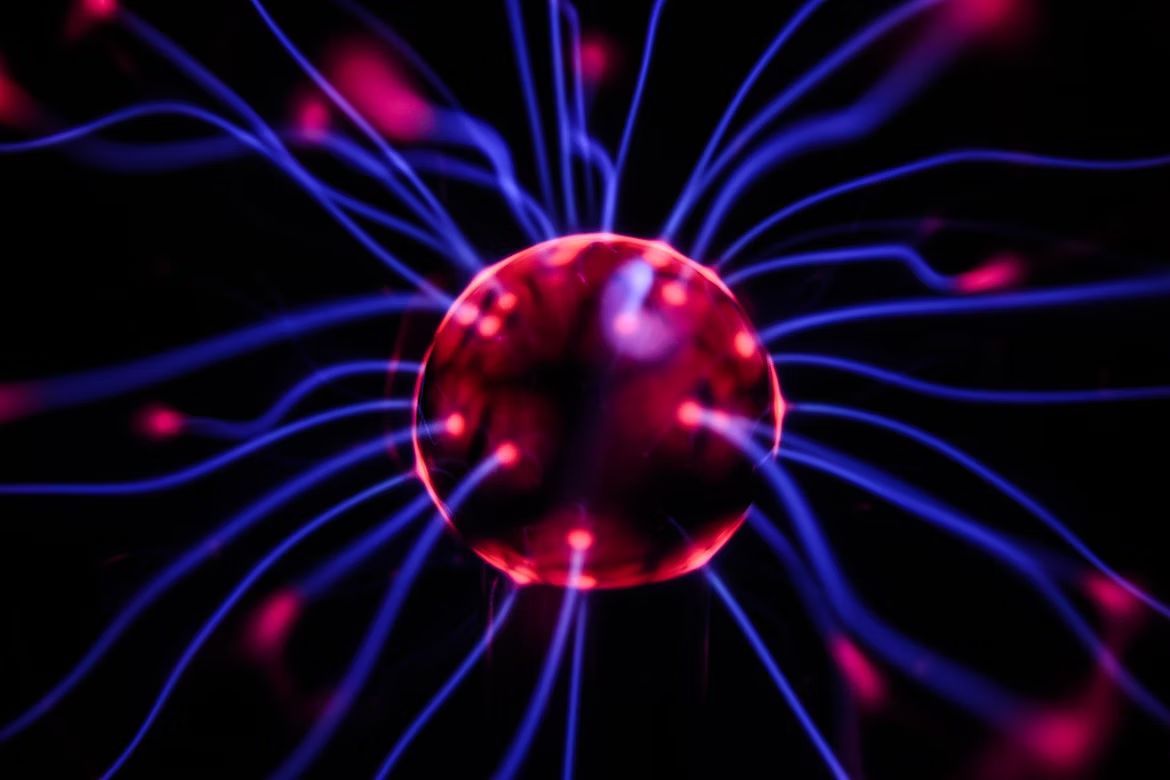
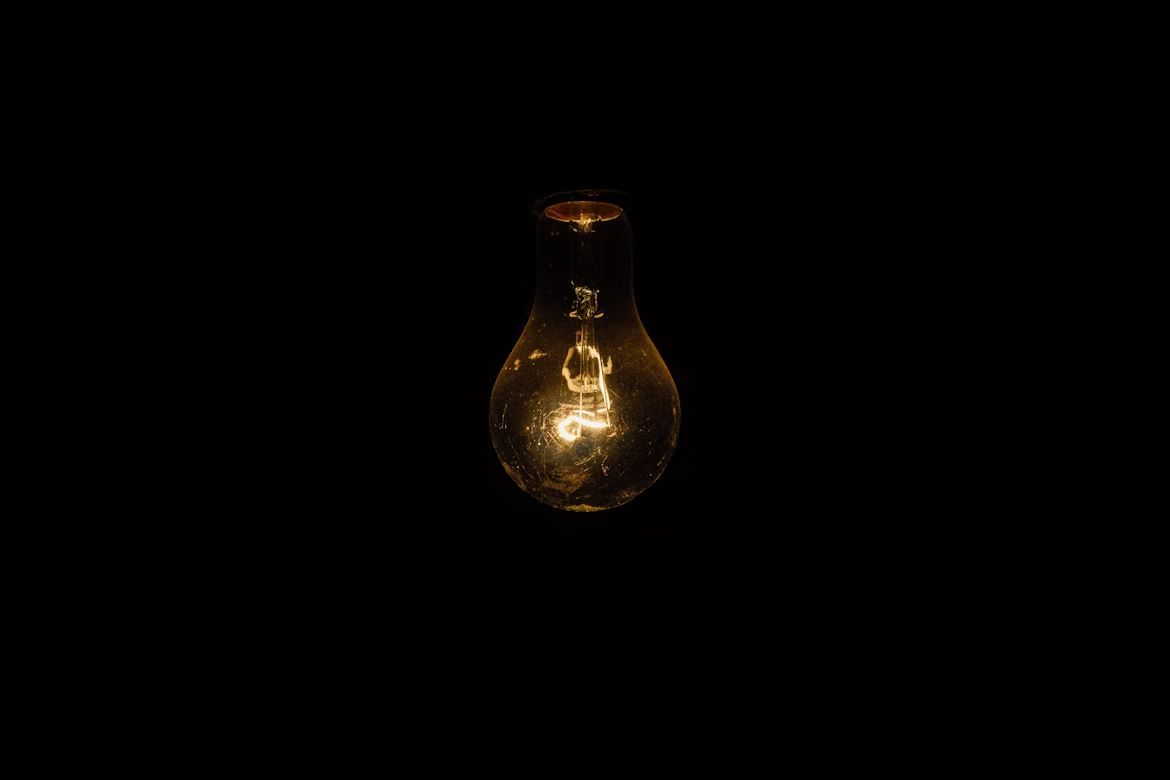
Believe it or not, your brain generates between 12 and 25 watts of electricity when you’re awake. If you can’t really grasp how powerful that is, check this out: It’s enough to power a small light bulb! Your brain’s electrical activity is what allows neurons to send signals at speeds of up to 260 miles per hour.

11

Your brain is mostly fat

Image: Robina Weermeijer

Your brain may be the fattiest organ in your body, consisting of at least 60% fat! This is why consuming healthy fats, like omega-3s and omega-6s present in fish, for example, is essential for brain health.

Healthy fats stabilize brain cell walls, reduce inflammation, and support cognitive function. So go ahead and enjoy that avocado toast, it’s food for your brain!

12

Your brain shrinks as you age

Image: Robina Weermeijer

It’s not just your memory that fades over time; the brain itself physically shrinks as one gets older. It continues developing until your late 40s, but after that, it slowly decreases in size.

Now, size doesn’t equal intelligence, so a smaller brain doesn’t necessarily mean a less capable one. Staying mentally active, exercising, and eating brain-boosting foods can help keep it in top shape!

13

Cholesterol plays a big role in memory

Image: Lisa Yount

We often think of cholesterol as bad, but your brain actually depends on it! In fact, 25% of your body’s cholesterol is stored in your brain, where it helps with learning and memory. However, unlike other organs, the brain can’t absorb cholesterol from the blood, it has to produce its own. So, while too much cholesterol in the body can be harmful, the right amount is vital for brain function. At least you can use that as an excuse to get that burger!

Looking for an extra scoop of literary fun?

Learn more with our Word of the day

euphony

/ˈjufəni/