Less Screens, More Life

Why More People Are Choosing Analog Habits in a Digital-First World


Published on April 7, 2026


Image: Kirill Vasilev

Going back to analog life isn’t about rejecting technology altogether: It’s about choosing when to unplug. In a world designed to keep us constantly connected, analog habits offer a refreshing pause. They bring back moments of focus, presence, and intention that often get lost in endless notifications and scrolling. By reintroducing simple, low-tech ways of doing everyday things, we slow our pace and reconnect with ourselves and others. The result isn’t less convenience, but more meaning in how we spend our time.

1

Writing Things Down by Hand

Image: lilartsy

Putting pen to paper slows your thoughts in a way typing never does. Handwriting forces you to be deliberate, making grocery lists, journals, and to-do notes feel more intentional. Many people find that they remember things better when they physically write them, because the brain engages differently when writing than it does with screens.

Beyond memory, handwritten notes create a personal archive of your life. Smudges, crossed-out words, and margin doodles capture moments exactly as they happened. Years later, flipping through an old notebook feels more intimate than scrolling through a notes app ever could.

2

Listening to Music Without Algorithms

Image: Oleg

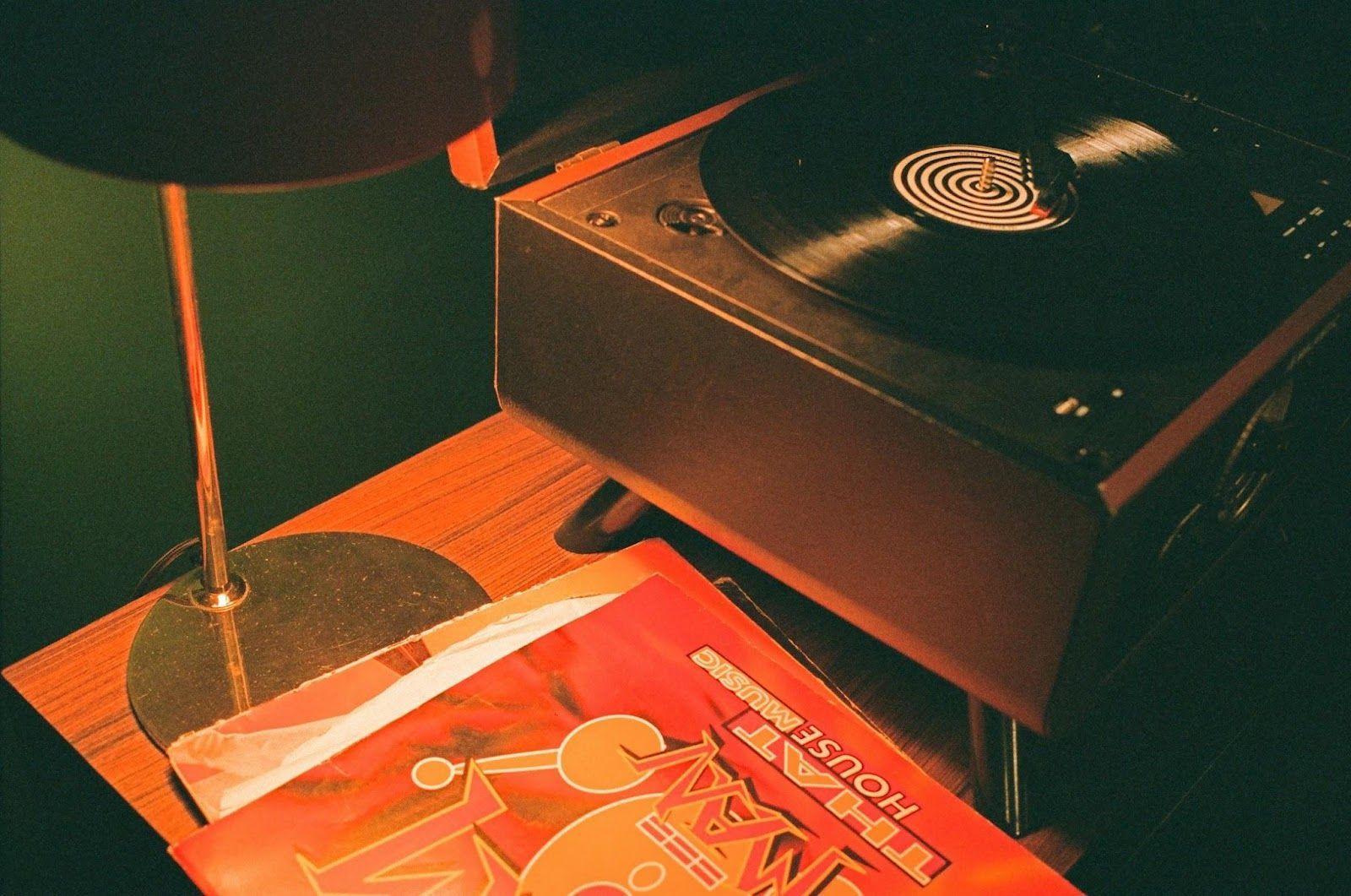
Relying on physical media involves choosing what you listen to, rather than letting an algorithm make the decision for you. Whether it’s vinyl records, cassette tapes, or even CDs, the act of selecting music becomes part of the experience. You commit to an album and listen all the way through, not just to one track.

This kind of listening encourages patience and deeper appreciation. Instead of skipping after 15 seconds, you give songs time to grow on you. Music becomes a ritual rather than background noise, something you actively sit down and enjoy.

3

Reading Physical Books

Image: Clay Banks

Physical books offer a sensory experience that screens can’t replicate. The weight of the book, the texture of the pages, and even the smell of paper all contribute to the act of reading. Without notifications or pop-ups, it’s easier to stay immersed in the story.

There’s also a sense of progress that comes from seeing a bookmark move forward. Finished books become visible accomplishments on a shelf, serving as reminders of ideas and worlds you’ve explored rather than files buried in a digital library.

4

Using a Paper Calendar

Image: 2H Media

A paper calendar makes time feel tangible again. Writing down appointments and plans helps you visualize your weeks and months more clearly. You can see busy periods at a glance without needing to toggle between apps or views.

Crossing off completed days or events brings a quiet satisfaction. It also encourages realistic scheduling, since you can physically see when you’re overbooking yourself instead of relying on endless digital space.

5

Navigating Without GPS

Image: Maël BALLAND

Reading a paper map or relying on written directions reconnects you with your surroundings. Instead of following turn-by-turn instructions, you learn to understand the layout of a place and notice landmarks along the way.

This approach can make travel feel more adventurous. Getting slightly lost often leads to unexpected discoveries, turning routine trips into small explorations rather than optimized routes from point A to point B.

6

Taking Film Photos

Image: NordWood Themes

Film photography encourages thoughtfulness. With a limited number of exposures, each photo matters more, and you pause before pressing the shutter. This often results in more meaningful images rather than dozens of forgettable shots.

Waiting for the film to be developed adds anticipation. When you finally see the photos, they feel like moments recovered from the past rather than instant content meant for immediate sharing.

7

Doing Tasks One at a Time

Image: Emma Simpson

Multitasking, while time-efficient, can make us disconnected from the task at hand. Washing dishes without a podcast, cooking without checking messages, or walking without earbuds allows your mind to settle into the moment.

These quiet stretches can be surprisingly restorative. Without constant stimulation, your thoughts have room to wander, problem-solve, or simply rest, creating mental space that’s rare in a screen-filled day.

8

Playing Board Games and Puzzles

Image: Dave Photoz

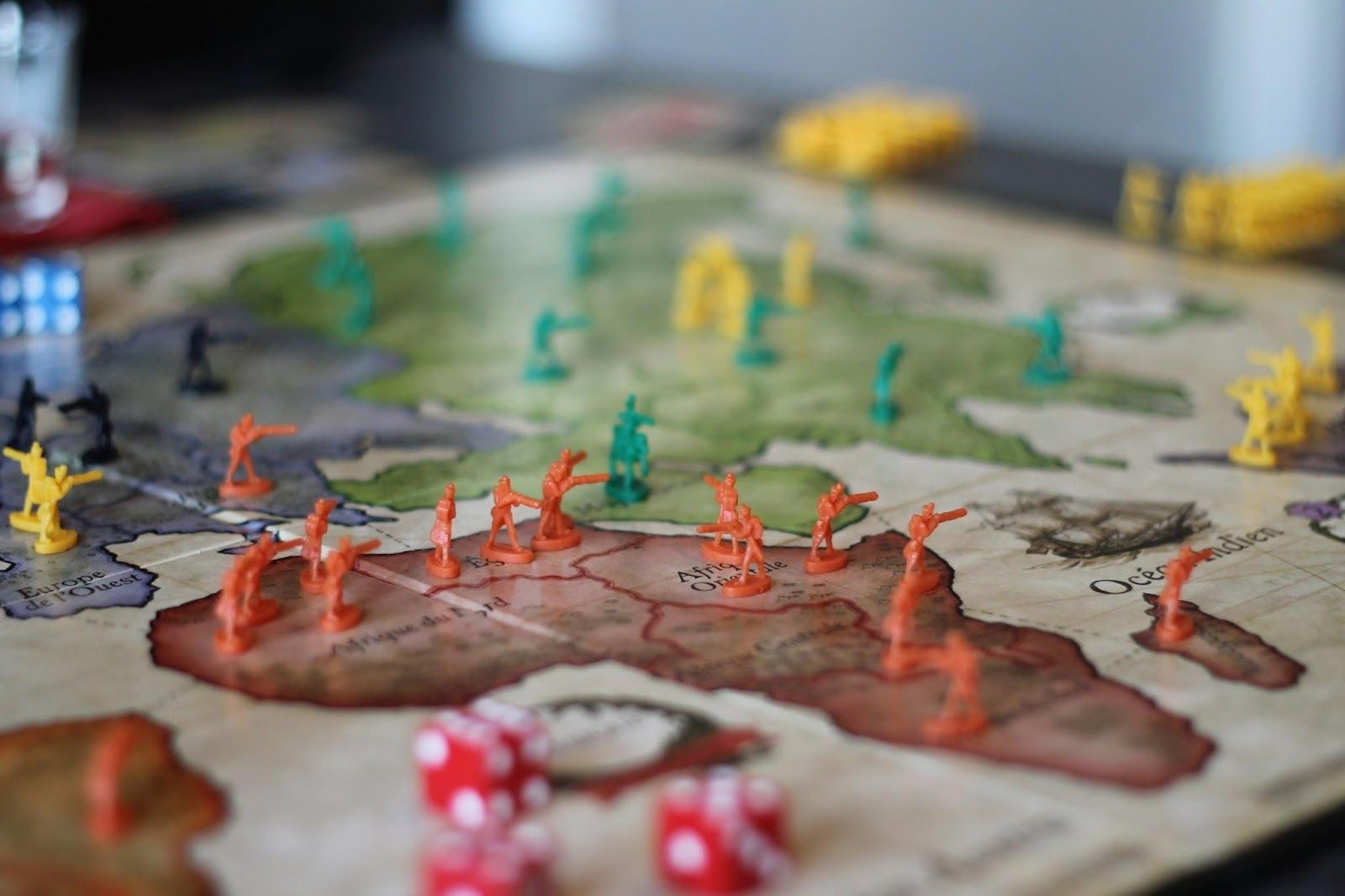
Board games and puzzles bring people together in a shared physical space. There’s no screen dividing attention, only conversation, laughter, and friendly competition around a table.

They also teach patience and cooperation. Unlike fast-paced digital games, analog games unfold slowly, encouraging strategy, discussion, and genuine connection with others.

9

Keeping Physical Mementos

Image: Kristyna Squared.one

Ticket stubs, postcards, pressed flowers, and printed photos tell personal stories. These small objects become memory anchors, instantly transporting you back to a specific time and place.

Unlike digital files, physical mementos are discovered accidentally. Finding one tucked into a drawer or book can spark nostalgia in a way a curated digital album rarely does.

10

Embracing Slower Evenings

Image: Oriel Mizrahi

Analog evenings might mean dimmer lights, quiet music, or simply sitting without a screen. These slower nights help signal to your body that it’s time to wind down.

Over time, this rhythm can improve sleep and overall well-being. By ending the day without endless scrolling, you create space for reflection, conversation, or rest, simple habits that make life feel fuller and more grounded.

The truth about your brain

You won’t believe what happens in your brain while you sleep


Published on April 7, 2026


Image: Milad Fakurian

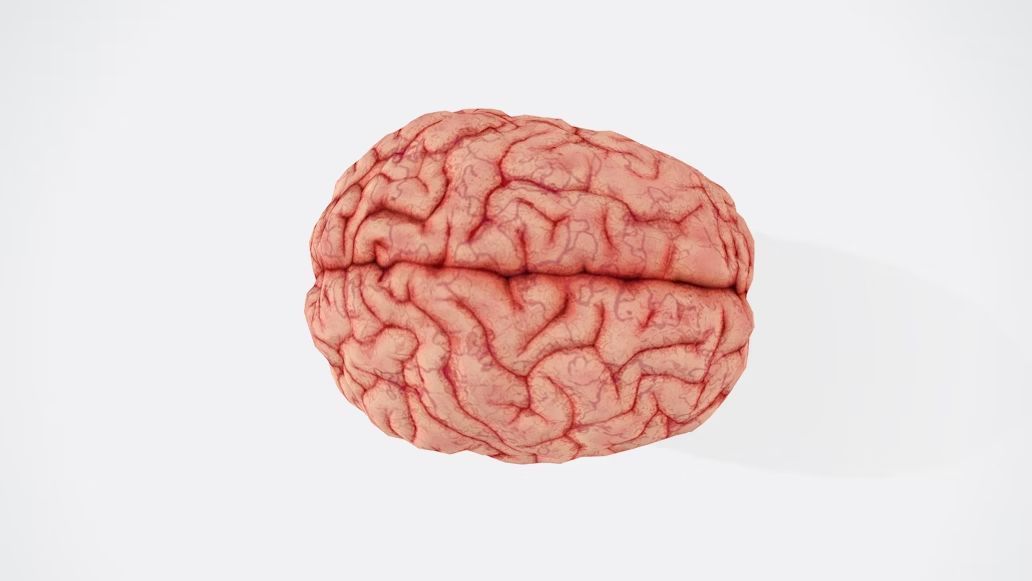
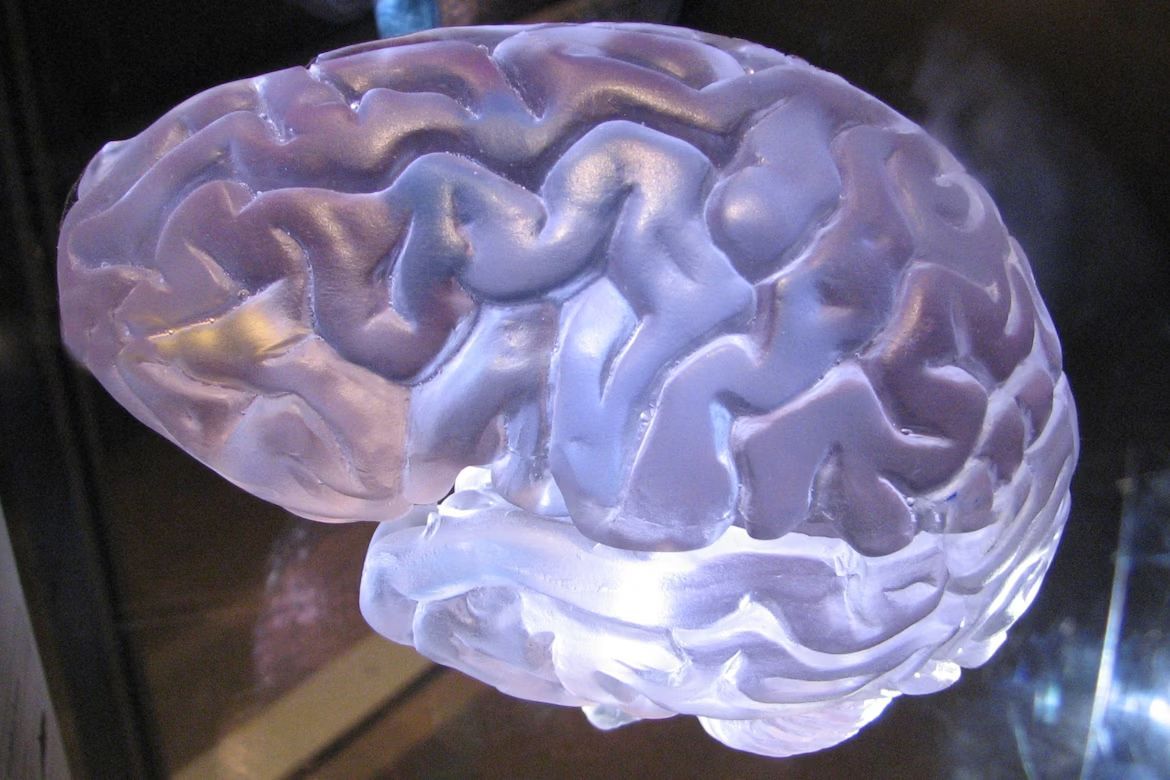
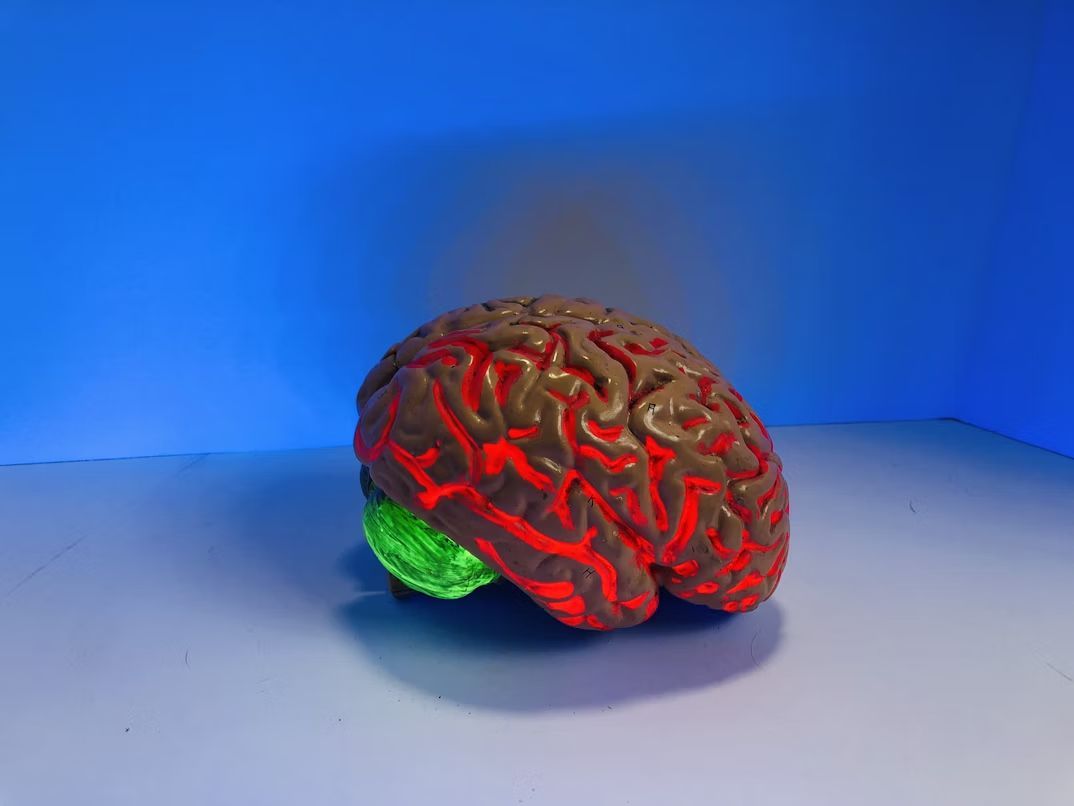
Your brain is one of the most powerful and mysterious organs in your body. It controls everything from your thoughts to your emotions and even processes information at lightning speed. But how much do you really know about it? Some long-believed myths about the brain have been debunked, while other surprising facts reveal just how incredible this organ truly is. Get ready to be amazed by these fascinating brain facts!

1

Myth: We only use 10% of our brain

Image: Natasha Connell

You’ve probably heard this one before, but it’s completely false! While it’s true that not all parts of the brain fire at the same time, imaging studies show that most regions are active throughout the day, even when we sleep.

Your brain is constantly working, controlling bodily functions and emotions, and processing information. So next time someone says you’re only using 10% of your brain, you can confidently tell them that’s just a myth!

2

The brain itself can’t feel pain

Image: Aarón Blanco Tejedor

Here’s a weird fact: While your brain processes pain signals from the rest of your body, it has no pain receptors of its own. This is why surgeons can perform brain surgery on conscious patients without causing them pain.

However, the membranes and tissues surrounding the brain do have pain receptors, which is why headaches and brain injuries can be so excruciating.

3

Headaches are actually chemical reactions

Image: Usman Yousaf

How come we have headaches if the brain has no pain receptors? Well, that’s because headaches are triggered by chemical activity in the brain, changes in nerves and blood vessels, and even fluctuating serotonin levels.

In some cases, hormones like estrogen can also play a role, which explains why migraines are more common in women.

4

Dreams: Your brain’s midnight movie theater

Image: Go to Johannes Plenio's profile Johannes Plenio

Dreams are proof that your brain never rests! (Warning: this fact can make you feel exhausted.) While you sleep, your limbic system, that is, the part of the brain that deals with emotions, becomes especially active, which is why dreams often feel so intense.

On average, humans experience four to seven dreams per night, even if we don’t always remember them. And what about that scary nightmare about falling? Well, you can thank your amygdala, the brain’s fear center, for that one.

5

Your short-term memory lasts less than 30 seconds

Image: Brett Jordan

Have you ever walked into a room and instantly forgotten what you were after? That’s because short-term memory only lasts about 20-30 seconds! That’s not enough!

Your brain holds a limited amount of information in its active state before deciding whether to store it or discard it. Ironically, we can’t really choose what makes the cut, but we do hope these facts stay with you!

6

Brain freeze is your body’s warning signal

Image: BUDDHI Kumar SHRESTHA

That sharp, icy pain when you eat something too cold? It’s your brain’s way of telling you to slow down! Officially called sphenopalatine ganglioneuralgia, a brain freeze happens when cold food or drinks rapidly chill the blood vessels in your throat, causing them to constrict and then rapidly expand. This sends pain signals to your brain, warning you of the sudden temperature shift. It’s annoying, but it’s actually your body trying to protect itself!

7

Your brain thinks a lot!

Image: Josh Riemer

You didn’t need us to tell you, but let’s look at the details: The average person has between 12,000 and 60,000 thoughts per day. What’s even more interesting? 95% of those thoughts are the same ones you had yesterday. Is that not surprising enough? Hear this out: 80% of them tend to be negative. That’s because our brains are wired for survival, constantly analyzing risks and potential dangers.

8

Your brain uses 20% of your body’s oxygen and blood

Image: Terry Vlisidis

Even though it only makes up about 2% of your body weight, your brain employs a major quantity of energy! It consumes 20% of your oxygen and blood supply, making it one of the most demanding organs in your body.

If your brain goes without oxygen for just five minutes, brain cells start dying, leading to irreversible damage. This is why deep breathing and cardiovascular exercise are great for brain health!

9

Seeing stars? That’s your brain processing vision!

Image: Alexander Andrews

Do you know that feeling when you hit the back of your head and see stars? That’s because your occipital lobe, which controls vision, is located at the back of your brain. If you get hit there, your brain momentarily misfires, causing flashes of light.

Interestingly, your brain processes vision on the opposite side; while your right brain controls your left eye, your left brain controls your right eye. It’s one of the many ways the brain operates in a complex way.

10

Your brain can power a light bulb!

Image: Rodion Kutsaiev

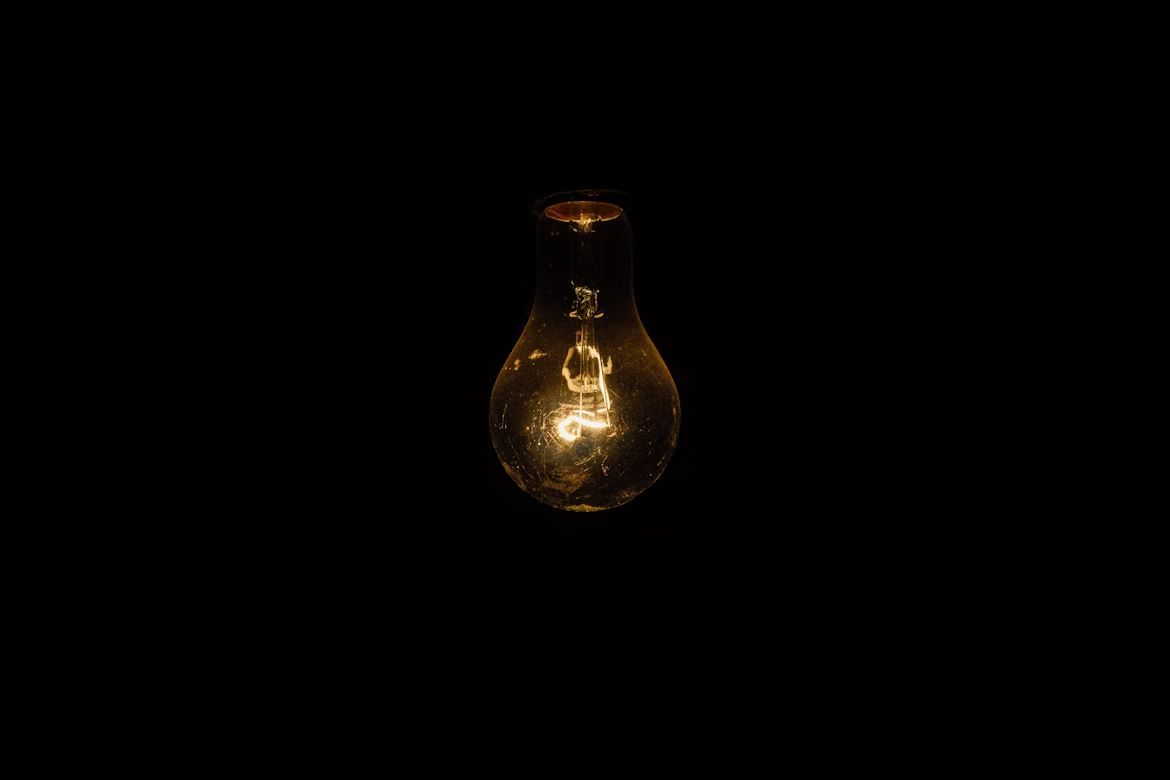
Believe it or not, your brain generates between 12 and 25 watts of electricity when you’re awake. If you can’t really grasp how powerful that is, check this out: It’s enough to power a small light bulb! Your brain’s electrical activity is what allows neurons to send signals at speeds of up to 260 miles per hour.

11

Your brain is mostly fat

Image: Robina Weermeijer

Your brain may be the fattiest organ in your body, consisting of at least 60% fat! This is why consuming healthy fats, like omega-3s and omega-6s present in fish, for example, is essential for brain health.

Healthy fats stabilize brain cell walls, reduce inflammation, and support cognitive function. So go ahead and enjoy that avocado toast, it’s food for your brain!

12

Your brain shrinks as you age

Image: Robina Weermeijer

It’s not just your memory that fades over time; the brain itself physically shrinks as one gets older. It continues developing until your late 40s, but after that, it slowly decreases in size.

Now, size doesn’t equal intelligence, so a smaller brain doesn’t necessarily mean a less capable one. Staying mentally active, exercising, and eating brain-boosting foods can help keep it in top shape!

13

Cholesterol plays a big role in memory

Image: Lisa Yount

We often think of cholesterol as bad, but your brain actually depends on it! In fact, 25% of your body’s cholesterol is stored in your brain, where it helps with learning and memory. However, unlike other organs, the brain can’t absorb cholesterol from the blood, it has to produce its own. So, while too much cholesterol in the body can be harmful, the right amount is vital for brain function. At least you can use that as an excuse to get that burger!

Looking for an extra scoop of literary fun?

Learn more with our Word of the day

agog

/əˈɡɑɡ/