Looking for inspiration?

Very few people know that these 11 phrases came from famous speeches


Published on May 15, 2026

Image: Miguel Henriques

Speeches are a great occasion to include a powerful quote that might resonate with someone in the audience and be passed down through the ages. These 12 notable quotes by politicians, activists, businessmen, and other notable individuals are still referenced today because they remain highly relevant and true. Which one is your favorite?

1

"Ask not what your country can do for you; ask what you can do for your country."
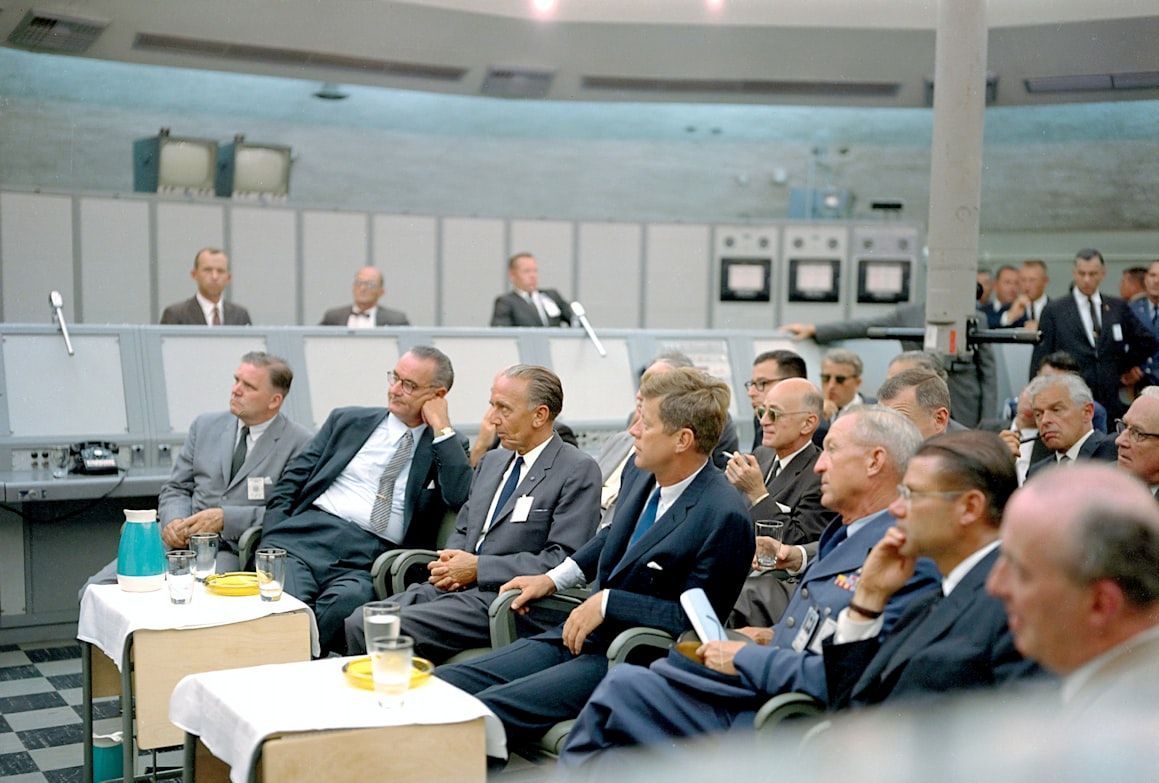
Image: History in HD

President John F. Kennedy’s 1961 inaugural address is remembered for its call to public service. Using vivid imagery, he delivered a powerful message.

Its most iconic line, "Ask not what your country can do for you; ask what you can do for your country," remains one of the most quoted phrases in American history.

2

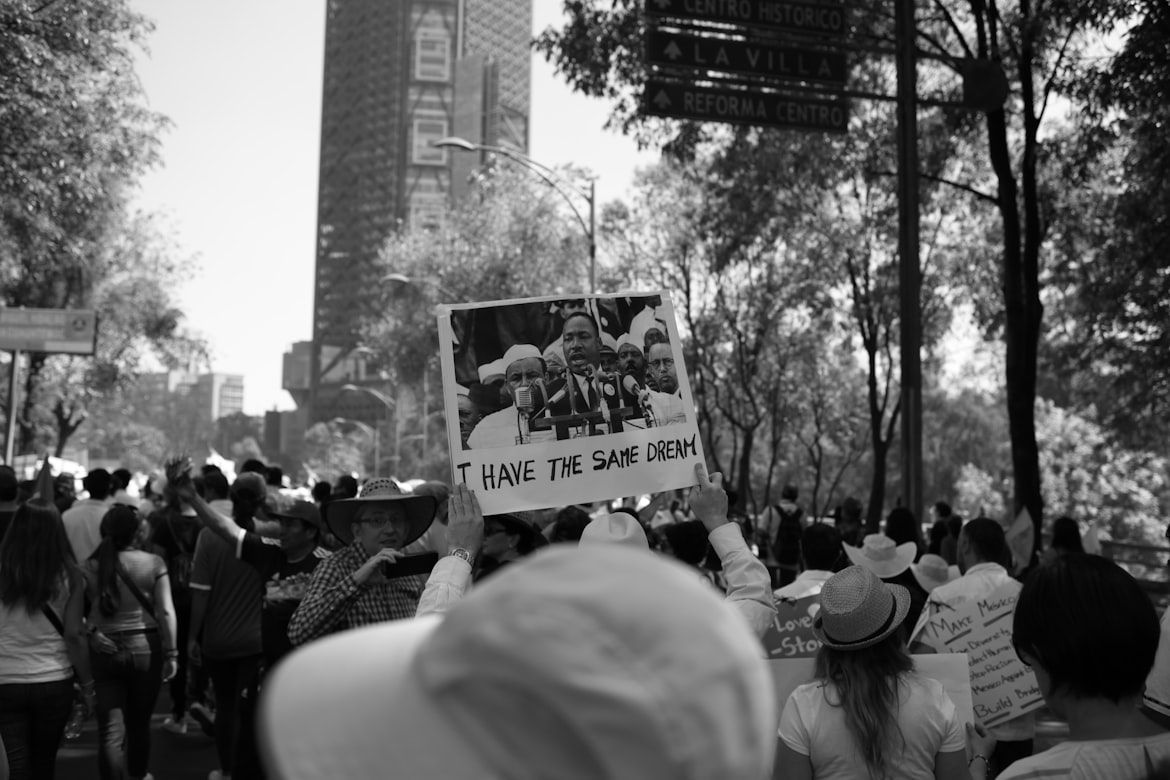
"I have a dream."

Image: Jerónimo Bernot

The famous and ubiquitous line "I have a dream" comes from Martin Luther King Jr.’s iconic 1963 speech during the March on Washington. Though partly improvised, it became the heart of his vision for racial equality and justice.

Inspired by past speeches and by gospel singer Mahalia Jackson’s encouragement, King’s words instilled hope for a future free from discrimination.

3

"The only thing we have to fear is fear itself."

Image: Jessica Tan

The phrase "The only thing we have to fear is fear itself" comes from Franklin D. Roosevelt’s 1933 inaugural address. He spoke these words to calm a nation gripped by fear during the Great Depression.

Roosevelt’s message was clear: fear can be more damaging than the crisis itself. By facing challenges with courage, people could begin to rebuild and move forward.

4

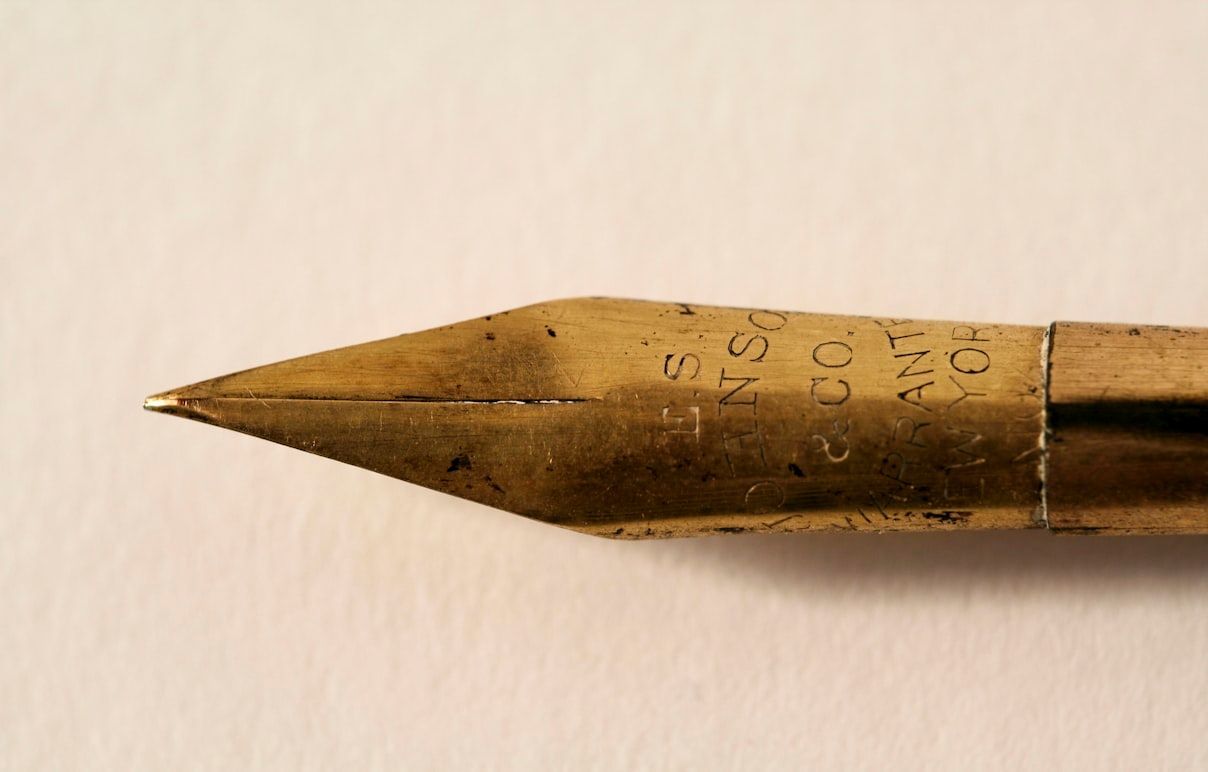
"The pen is mightier than the sword."

Image: MJ S

"The pen is mightier than the sword" expresses the idea that words can have a greater impact than violence. It highlights the power of writing and communication to inspire change and influence people.

Popularized by Edward Bulwer-Lytton in 1839, the idea had been expressed before, but not in the same words.

5

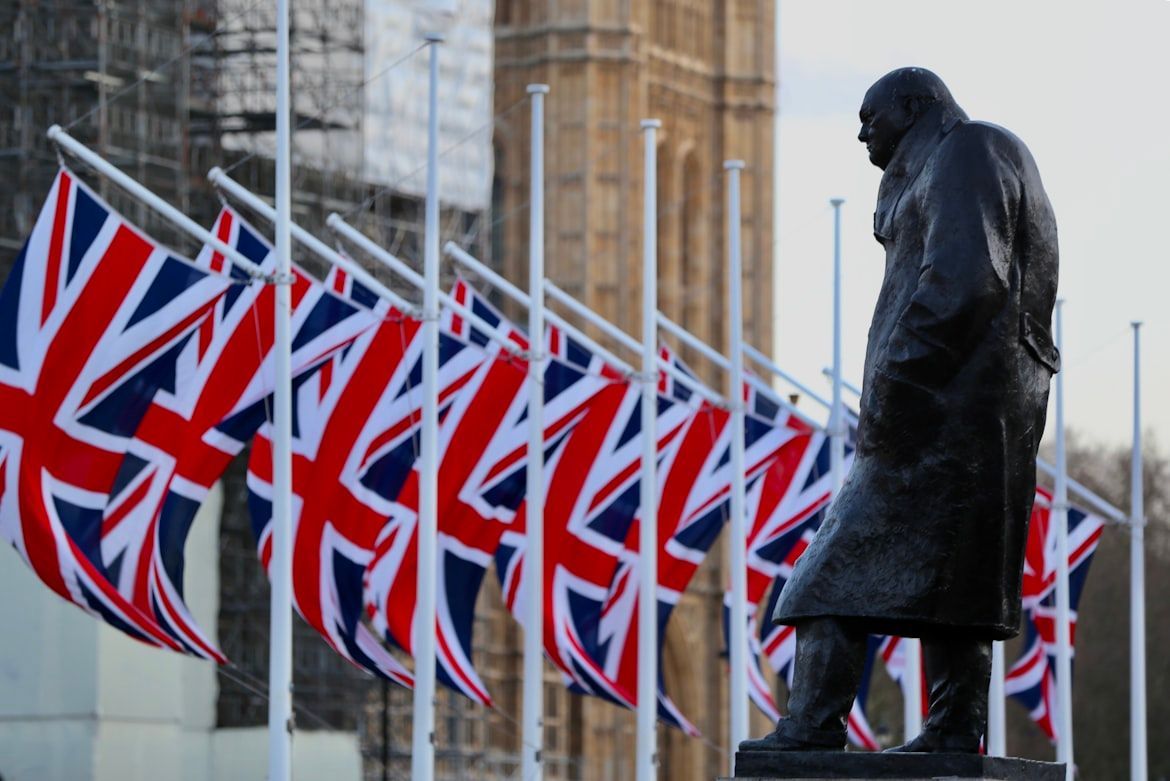
"Blood, toil, tears, and sweat"

Image: Kristina Gadeikyte

"Blood, toil, tears, and sweat" comes from Winston Churchill’s first speech as Prime Minister in 1940. He used it to prepare the British people for the hard sacrifices ahead in World War II.

Though similar phrases had existed before, Churchill’s words became iconic. They captured the grit and determination needed to face a long and brutal conflict.

6

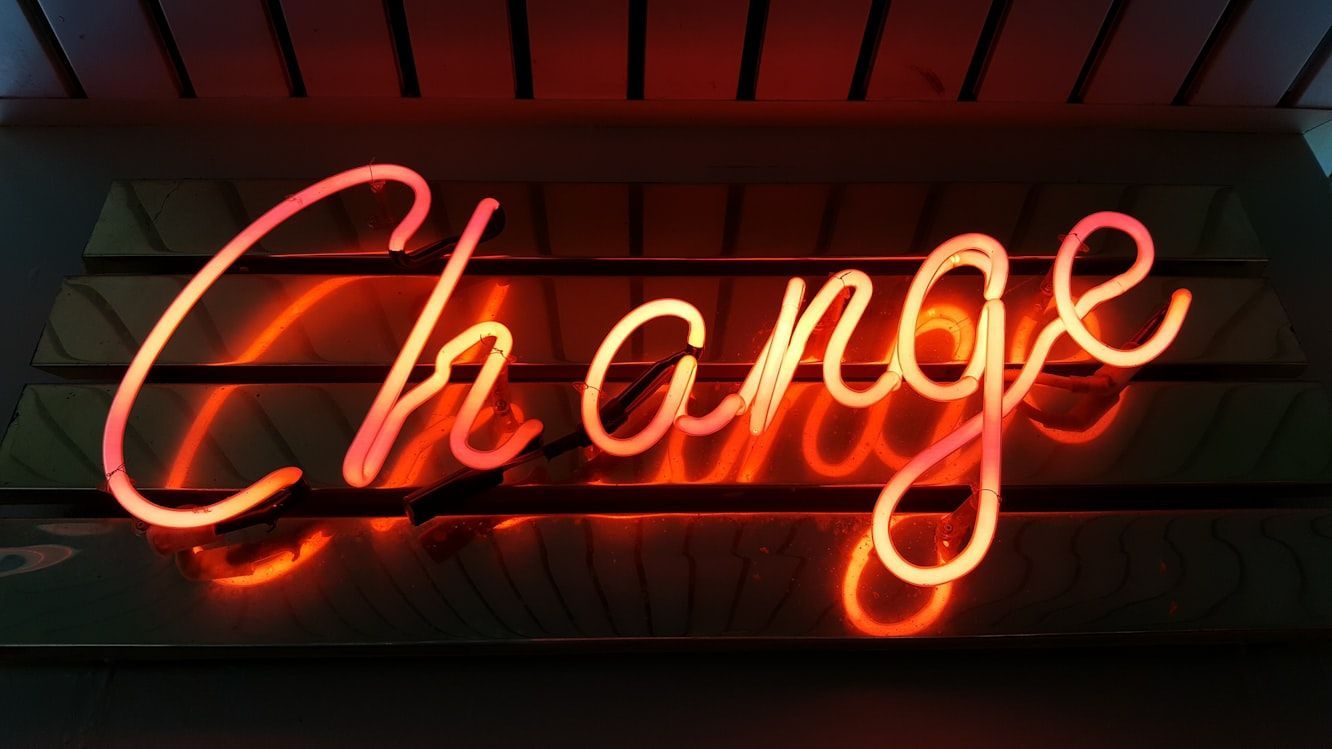
"We are the change we seek."

Image: Ross Findon

"We are the change we seek," a phrase popularized by Barack Obama, highlights the idea that real change starts with individual action. It encourages people to take responsibility rather than wait for others to lead.

The saying became a central theme of Obama’s 2008 campaign and remains closely associated with him, even though similar iterations of it can be found elsewhere.

7

"Speak softly and carry a big stick."

Image: Janne Simoes

While it can sound like a joke, the phrase "speak softly and carry a big stick" was really used in a speech. It refers to using calm diplomacy backed by the ability to act forcefully if necessary.

Theodore Roosevelt popularized the saying as part of his foreign policy. The "big stick" symbolizes power used only when required, while "speaking softly" reflects the value of measured, non-aggressive communication.

8

"If you can dream it, you can do it."

Image: Travis Gergen

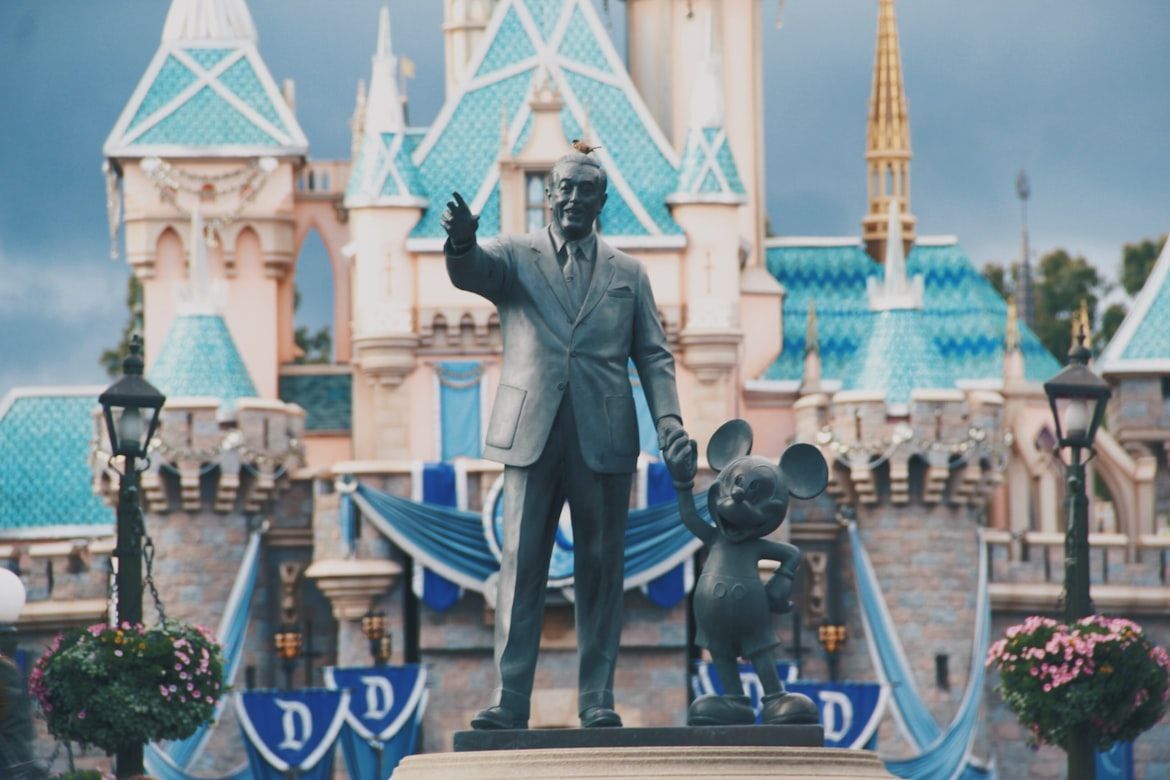
"If you can dream it, you can do it" is often linked to Walt Disney, but it was actually written by Disney Imagineer Tom Fitzgerald for the Horizons ride at Epcot.

It encourages people to believe in their dreams and work hard to achieve them. The message is that imagination, paired with determination, can turn vision into reality.

9

"Your time is limited, so don’t waste it living someone else’s life."
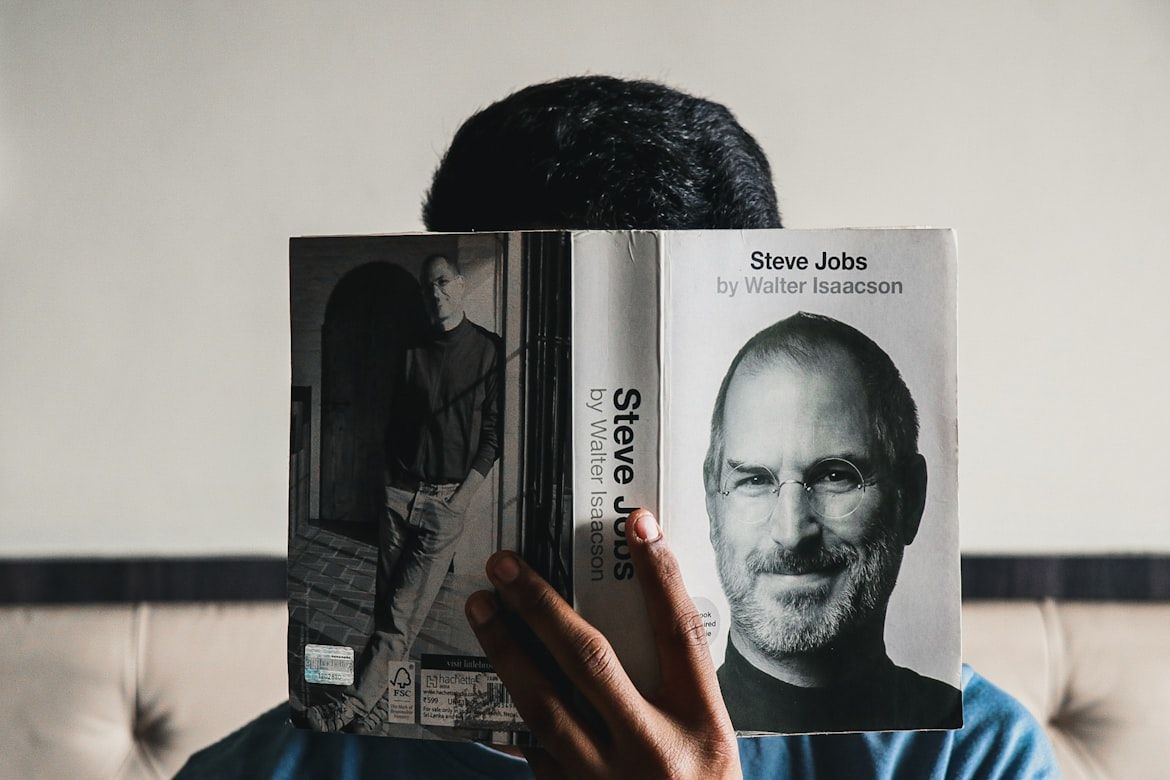
Image: Md Mahdi

During his famous 2005 Stanford commencement speech, Steve Jobs delivered the phrase "Your time is limited, so don’t waste it living someone else’s life." It is a reminder that life is short and should be lived on your own terms.

Jobs urged people to follow their passions and avoid being trapped by others’ expectations. The message is about staying true to yourself and making the most of the time you have.

10

"I find that the harder I work, the more luck I seem to have"
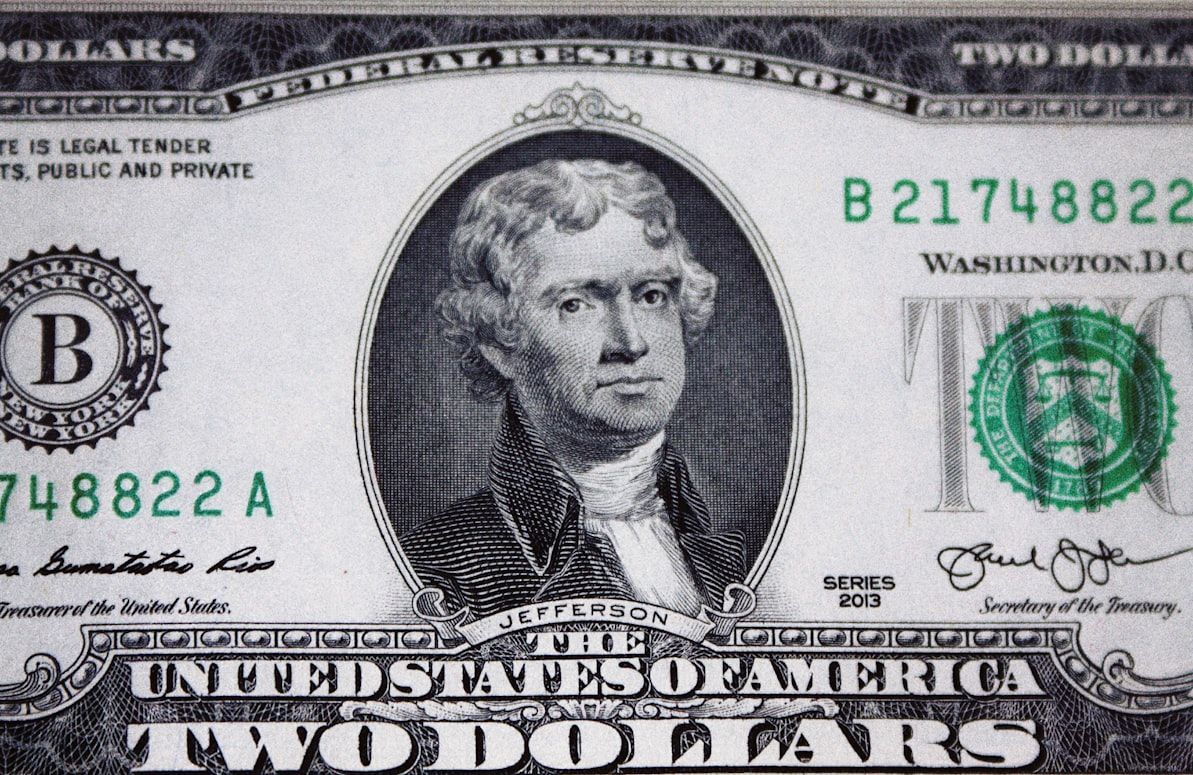
Image: Alicia Razuri

An inspiring phrase, "The harder I work, the more luck I seem to have," highlights how effort often leads to success. It suggests that luck favors those who are prepared and persistent.

Though commonly attributed to Thomas Jefferson, its true origin is debated. Regardless of who said it, the message remains clear: hard work increases your chances of good fortune.

11

"Whether you think you can or you think you can’t, you’re right."
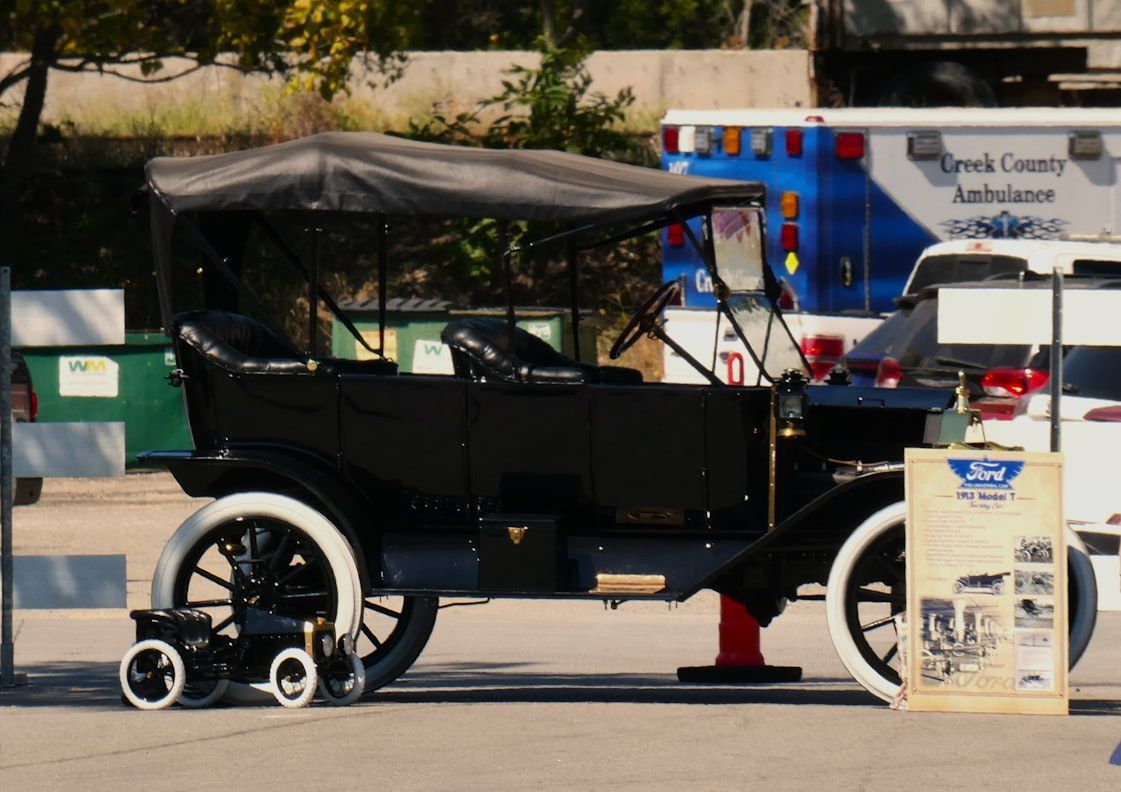
Image: Thomas M

This highly inspirational quote closes our list and is attributed to Henry Ford. It reflects his belief in the power of mindset and confidence.

Ford’s message is that your attitude shapes your success. Believing in yourself increases the chances of achieving your goals, while doubt can lead to failure.
The truth about your brain

You won’t believe what happens in your brain while you sleep


Published on May 15, 2026


Image: Milad Fakurian

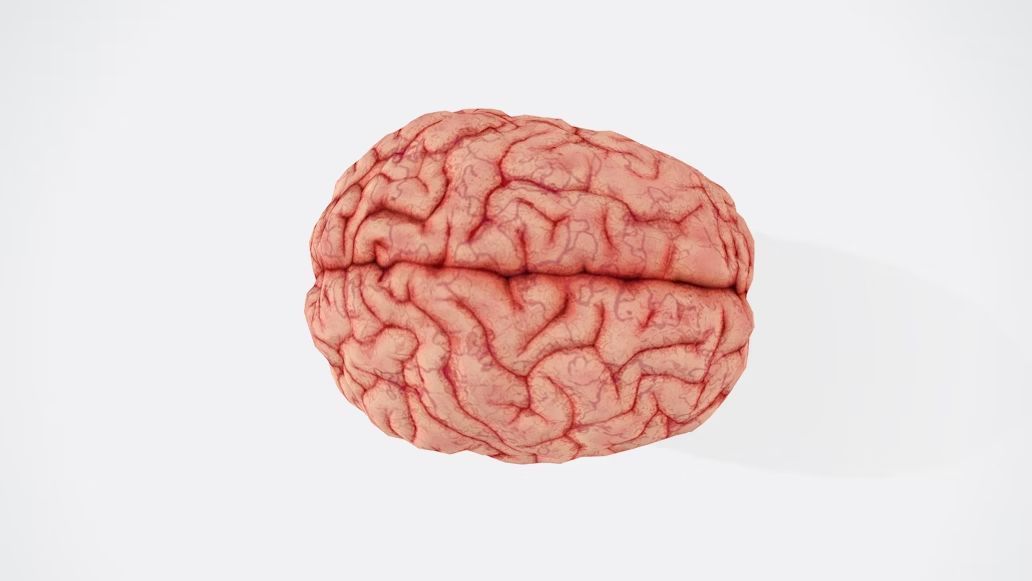
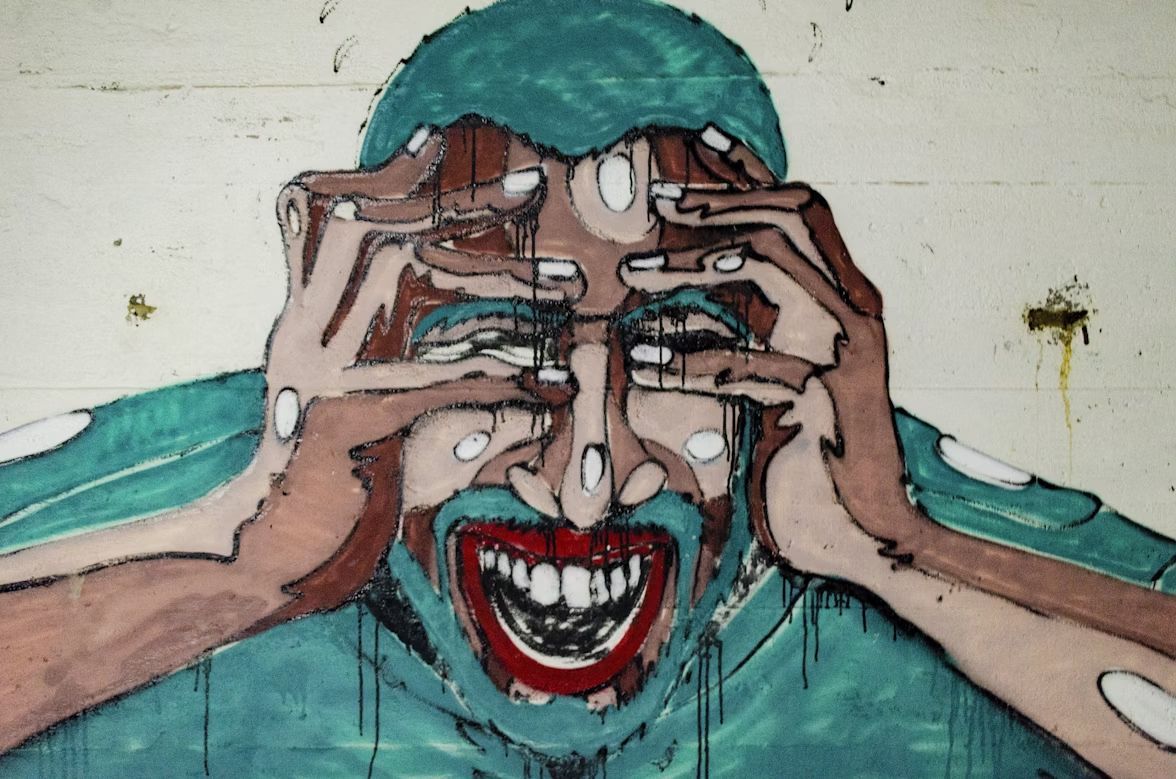
Your brain is one of the most powerful and mysterious organs in your body. It controls everything from your thoughts to your emotions and even processes information at lightning speed. But how much do you really know about it? Some long-believed myths about the brain have been debunked, while other surprising facts reveal just how incredible this organ truly is. Get ready to be amazed by these fascinating brain facts!

1

Myth: We only use 10% of our brain

Image: Natasha Connell

You’ve probably heard this one before, but it’s completely false! While it’s true that not all parts of the brain fire at the same time, imaging studies show that most regions are active throughout the day, even when we sleep.

Your brain is constantly working, controlling bodily functions and emotions, and processing information. So next time someone says you’re only using 10% of your brain, you can confidently tell them that’s just a myth!

2

The brain itself can’t feel pain

Image: Aarón Blanco Tejedor

Here’s a weird fact: While your brain processes pain signals from the rest of your body, it has no pain receptors of its own. This is why surgeons can perform brain surgery on conscious patients without causing them pain.

However, the membranes and tissues surrounding the brain do have pain receptors, which is why headaches and brain injuries can be so excruciating.

3

Headaches are actually chemical reactions

Image: Usman Yousaf

How come we have headaches if the brain has no pain receptors? Well, that’s because headaches are triggered by chemical activity in the brain, changes in nerves and blood vessels, and even fluctuating serotonin levels.

In some cases, hormones like estrogen can also play a role, which explains why migraines are more common in women.

4

Dreams: Your brain’s midnight movie theater

Image: Go to Johannes Plenio's profile Johannes Plenio

Dreams are proof that your brain never rests! (Warning: this fact can make you feel exhausted.) While you sleep, your limbic system, that is, the part of the brain that deals with emotions, becomes especially active, which is why dreams often feel so intense.

On average, humans experience four to seven dreams per night, even if we don’t always remember them. And what about that scary nightmare about falling? Well, you can thank your amygdala, the brain’s fear center, for that one.

5

Your short-term memory lasts less than 30 seconds

Image: Brett Jordan

Have you ever walked into a room and instantly forgotten what you were after? That’s because short-term memory only lasts about 20-30 seconds! That’s not enough!

Your brain holds a limited amount of information in its active state before deciding whether to store it or discard it. Ironically, we can’t really choose what makes the cut, but we do hope these facts stay with you!

6

Brain freeze is your body’s warning signal

Image: BUDDHI Kumar SHRESTHA

That sharp, icy pain when you eat something too cold? It’s your brain’s way of telling you to slow down! Officially called sphenopalatine ganglioneuralgia, a brain freeze happens when cold food or drinks rapidly chill the blood vessels in your throat, causing them to constrict and then rapidly expand. This sends pain signals to your brain, warning you of the sudden temperature shift. It’s annoying, but it’s actually your body trying to protect itself!

7

Your brain thinks a lot!

Image: Josh Riemer

You didn’t need us to tell you, but let’s look at the details: The average person has between 12,000 and 60,000 thoughts per day. What’s even more interesting? 95% of those thoughts are the same ones you had yesterday. Is that not surprising enough? Hear this out: 80% of them tend to be negative. That’s because our brains are wired for survival, constantly analyzing risks and potential dangers.

8

Your brain uses 20% of your body’s oxygen and blood

Image: Terry Vlisidis

Even though it only makes up about 2% of your body weight, your brain employs a major quantity of energy! It consumes 20% of your oxygen and blood supply, making it one of the most demanding organs in your body.

If your brain goes without oxygen for just five minutes, brain cells start dying, leading to irreversible damage. This is why deep breathing and cardiovascular exercise are great for brain health!

9

Seeing stars? That’s your brain processing vision!

Image: Alexander Andrews

Do you know that feeling when you hit the back of your head and see stars? That’s because your occipital lobe, which controls vision, is located at the back of your brain. If you get hit there, your brain momentarily misfires, causing flashes of light.

Interestingly, your brain processes vision on the opposite side; while your right brain controls your left eye, your left brain controls your right eye. It’s one of the many ways the brain operates in a complex way.

10

Your brain can power a light bulb!

Image: Rodion Kutsaiev

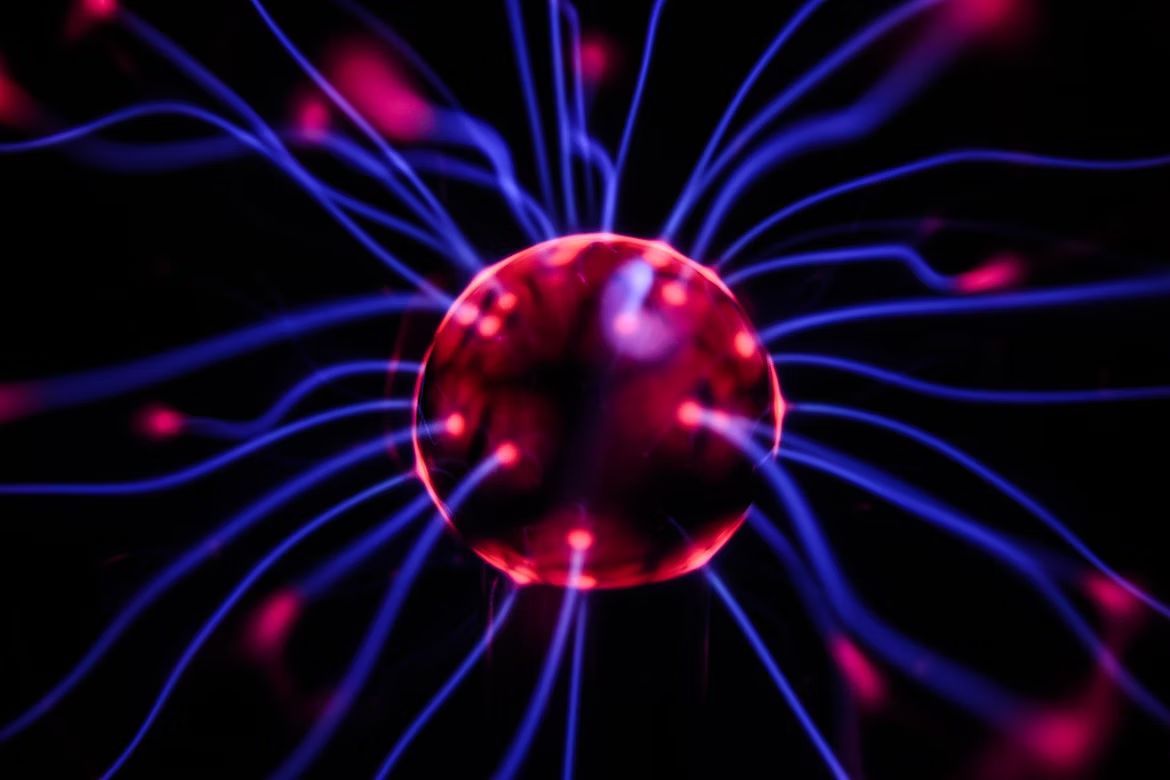
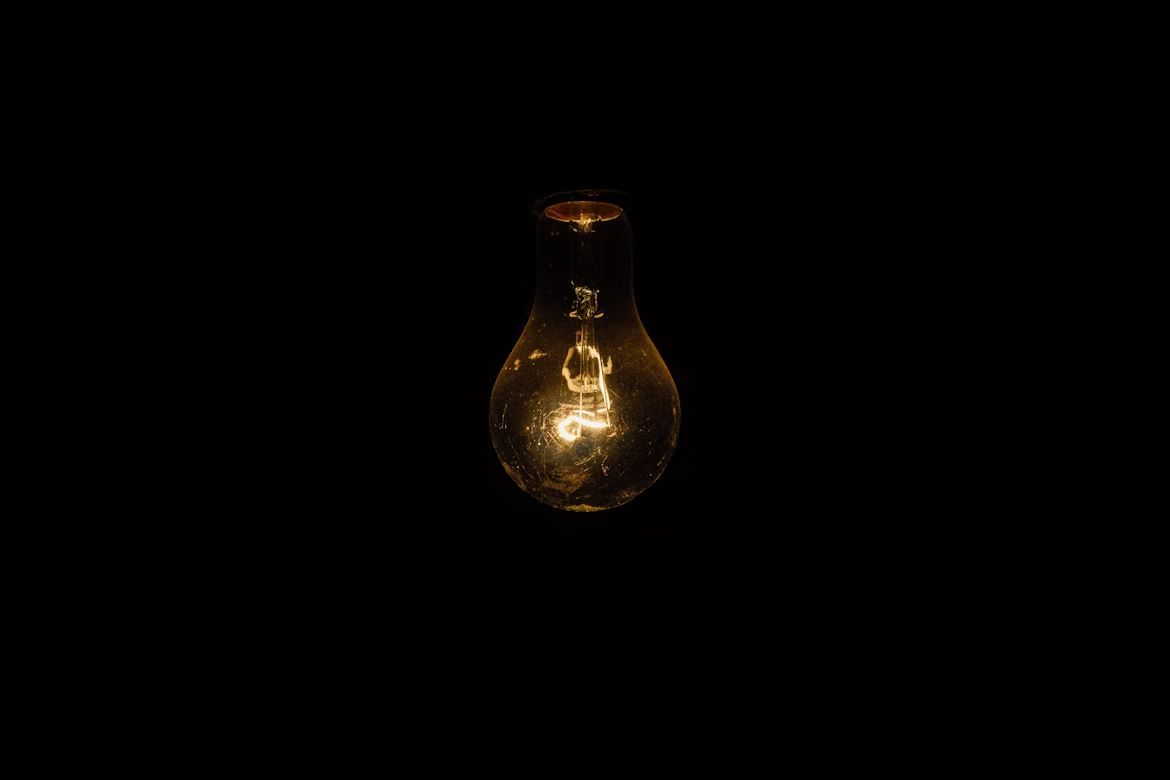
Believe it or not, your brain generates between 12 and 25 watts of electricity when you’re awake. If you can’t really grasp how powerful that is, check this out: It’s enough to power a small light bulb! Your brain’s electrical activity is what allows neurons to send signals at speeds of up to 260 miles per hour.

11

Your brain is mostly fat

Image: Robina Weermeijer

Your brain may be the fattiest organ in your body, consisting of at least 60% fat! This is why consuming healthy fats, like omega-3s and omega-6s present in fish, for example, is essential for brain health.

Healthy fats stabilize brain cell walls, reduce inflammation, and support cognitive function. So go ahead and enjoy that avocado toast, it’s food for your brain!

12

Your brain shrinks as you age

Image: Robina Weermeijer

It’s not just your memory that fades over time; the brain itself physically shrinks as one gets older. It continues developing until your late 40s, but after that, it slowly decreases in size.

Now, size doesn’t equal intelligence, so a smaller brain doesn’t necessarily mean a less capable one. Staying mentally active, exercising, and eating brain-boosting foods can help keep it in top shape!

13

Cholesterol plays a big role in memory

Image: Lisa Yount

We often think of cholesterol as bad, but your brain actually depends on it! In fact, 25% of your body’s cholesterol is stored in your brain, where it helps with learning and memory. However, unlike other organs, the brain can’t absorb cholesterol from the blood, it has to produce its own. So, while too much cholesterol in the body can be harmful, the right amount is vital for brain function. At least you can use that as an excuse to get that burger!

Looking for an extra scoop of literary fun?

Learn more with our Word of the day

odious

/ˈoʊdiəs/