Necessity is the mother of invention
Nutella, bras, and instant ramen: 10 things created out of necessity
Published on May 26, 2026
Nothing gets the human mind going like needing something and not being able to get it. When common items are in short supply due to a crisis, the human mind always finds a way to get something like it, or even better.
Crises such as war, famine, recessions, or natural disasters have shocked humanity and forced it to be resourceful. Let’s have a look at ten things that originated out of necessity.
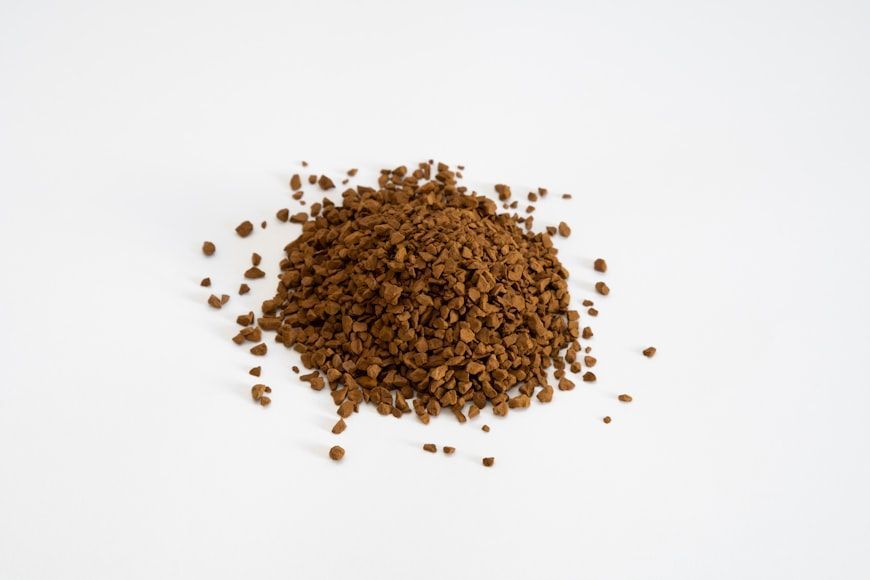
Instant Coffee
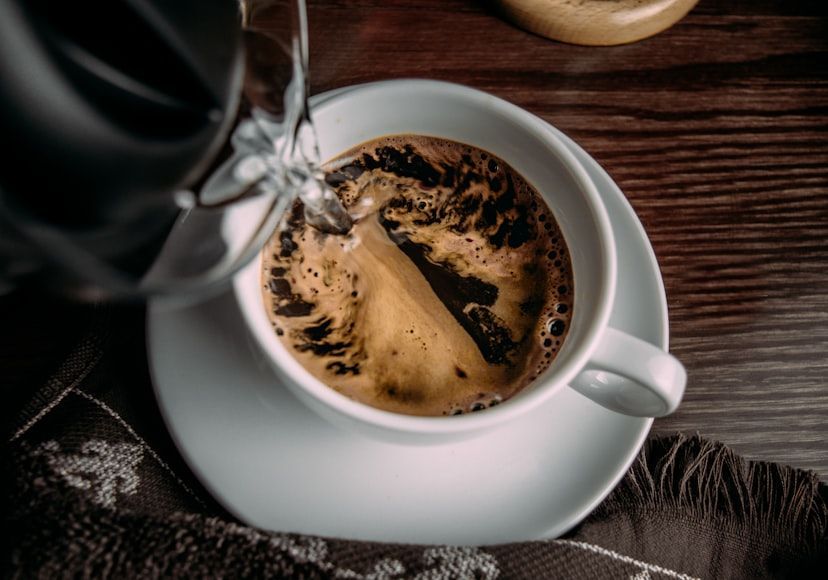
The world runs on caffeine, and also does war. During the American Civil War, the Union army produced a water-soluble coffee concentrate, made from a mixture of coffee, milk, and sugar. The resulting ‘coffee’ was said to look like grease, and tasted so awful that it was discontinued.
This invention was not successful, but it was a starting point that pioneered the development of soluble coffee as we know it by the end of the 19th Century. In the 1910s, Red E Coffee became the first instant coffee to achieve success, and the development of Nescafé two decades later made the drink a global sensation.
Instant Ramen
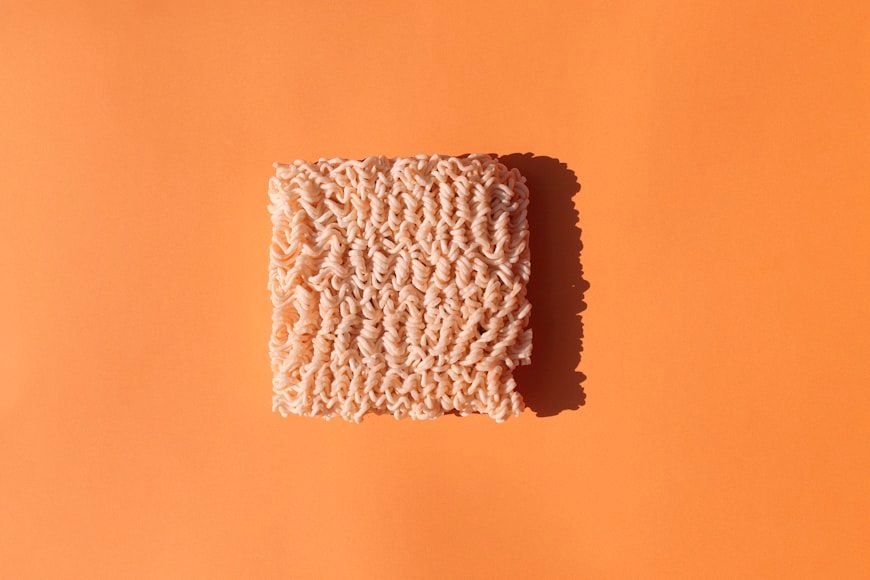
Japanese cuisine is strongly dominated by rice, so why is one of its star products made from wheat? After World War II, Japan experienced a food shortage, especially rice, which led the government to promote the consumption of wheat bread.
Trying to figure out a way to produce shelf-stable wheat noodles—a food item more familiar to the Japanese than bread—Momofuku Ando developed in 1958 a system to flash-fry noodles that were easy to rehydrate. In 1971, Momofuku also developed cup ramen, which popularized instant noodles worldwide.
EpiPens
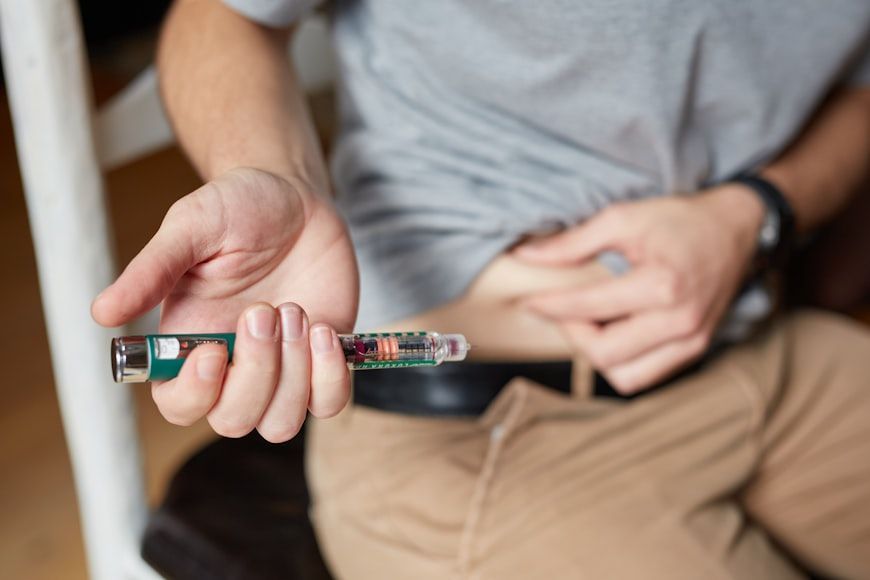
The widespread use of chemical warfare during the 20th century meant that antidotes were essential on the battlefield. But how to deliver the exact dose in the quickest way possible? In the 1970s, engineer Sheldon Kaplan and his colleagues created the ComboPen, a system that used pre-measured doses in glass containers and a spring mechanism to administer the injection.
This new system not only helped with quick treatment on the field, but the concealed needle also made the process easier for those with a fear of needles. Furthermore, it can be used by anyone, even those with little to no medical training. After successfully testing the ComboPen, they realized it could be used for other emergency medications, such as epinephrine, creating this way the EpiPen.
Women’s Bras
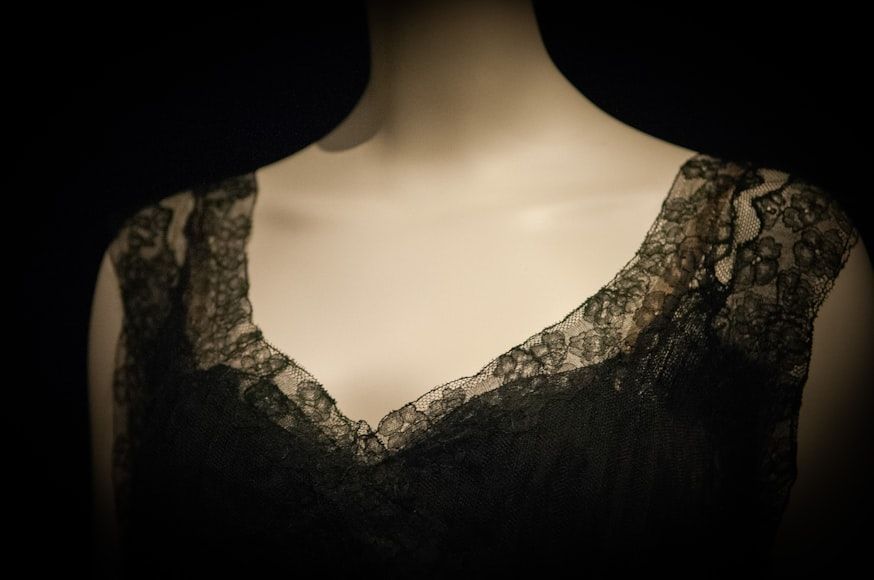
Corsets were not the torture device some people imagine, but they were the main supportive undergarment used by women up to the early 20th Century. By that time, most corsets had metal boning, but the material was rationed for ammunition during World War I.
When the shortage of metal boning made corsets go out of style, women turned to the Brassiere —what we would now call a bra, which existed already, but was not popular— for support, making it the standard garment.
Vietnamese Egg Coffee
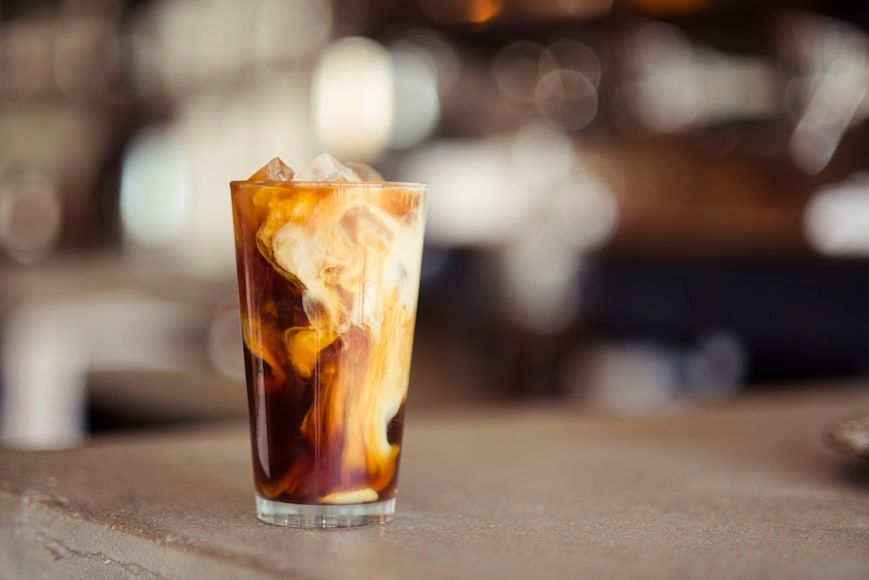
If you go to Vietnam (or a Vietnamese coffee shop), you will certainly find egg coffee on the menu. This thick and creamy drink, sweetened with condensed milk, is a Vietnamese staple and an ingenious response to food shortages.
During the 1940s, at the start of the First Indochina War, basic food items were difficult to come by. In a luxurious Hanoi hotel, bartender Nguyen Giang is trying to figure out how to make café au lait without milk. He gets the idea to use an egg yolk, which froths up just like milk does, giving coffee a creamy consistency that pairs well with sweetened condensed milk, a staple of Vietnamese cuisine. Egg coffee became so popular that Nguyen opened his own shop in Hanoi in 1946, which is still standing.
SPAM
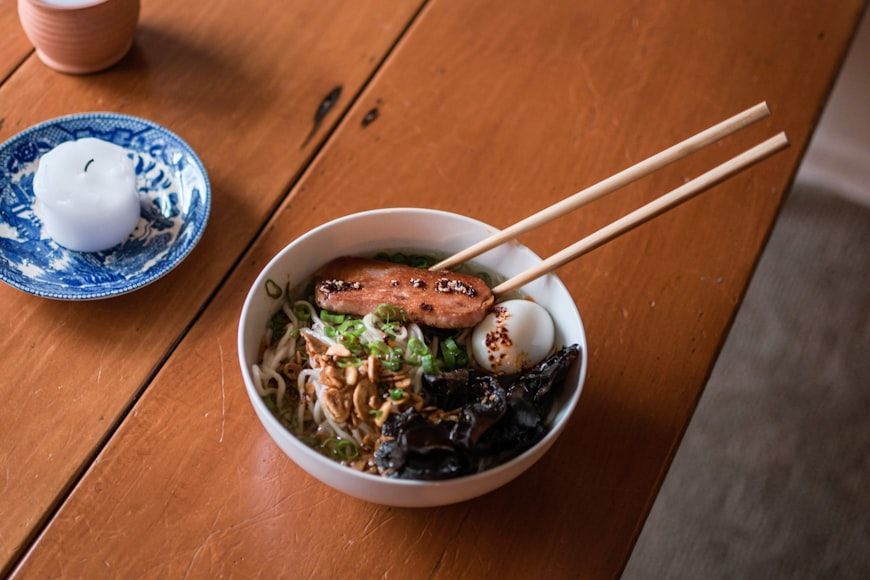
Although this canned processed meat is an American invention, it’s also a fairly common ingredient in countries like Korea, Japan, and the Philippines. SPAM was one of the main rations sent to American soldiers during World War II and the Korean War. They were sent so much SPAM that they grew tired of it, selling or giving away the surplus.
Locals had a hard time finding meat, so SPAM was quickly adopted into their cuisines, and is now featured in popular dishes such as the Korean budae jjigae (which means ‘army base stew’), the Japanese SPAM onigiri, or the Philippine spamsilog (a breakfast of spam, fried rice, and eggs).
Gianduja
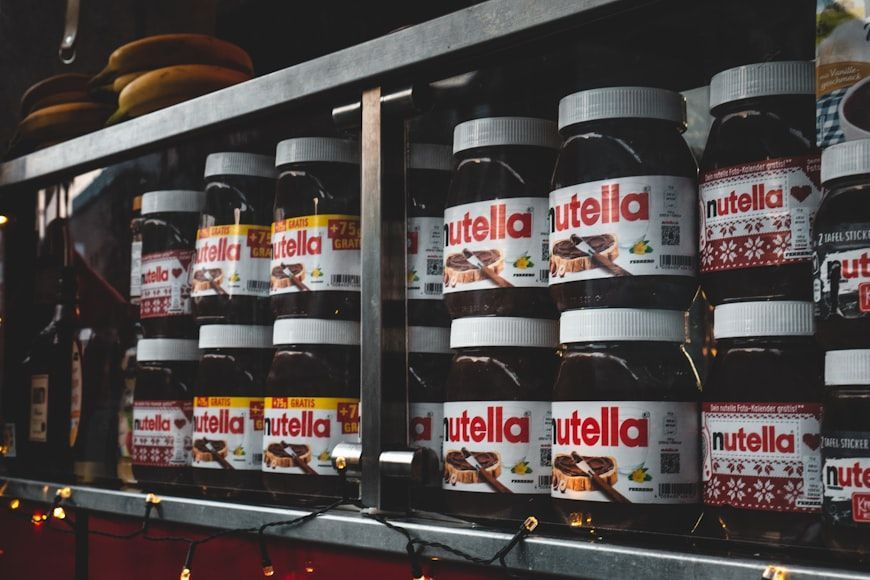
Nutella is widely known for its chocolate and hazelnut spread —a version of the Italian _gianduja_—, but did you know it has its origins in a food shortage? At the start of the 19th century, Napoleon Bonaparte had established a blockade, intended to prevent British goods from entering territories under French control.
In the city of Turin, Italy, the blockade diminished the cocoa supplies. To combat this, chocolatiers mixed the cocoa with chopped nuts —mainly hazelnuts— to stretch it, creating the gianduja.
Multigrain Rice
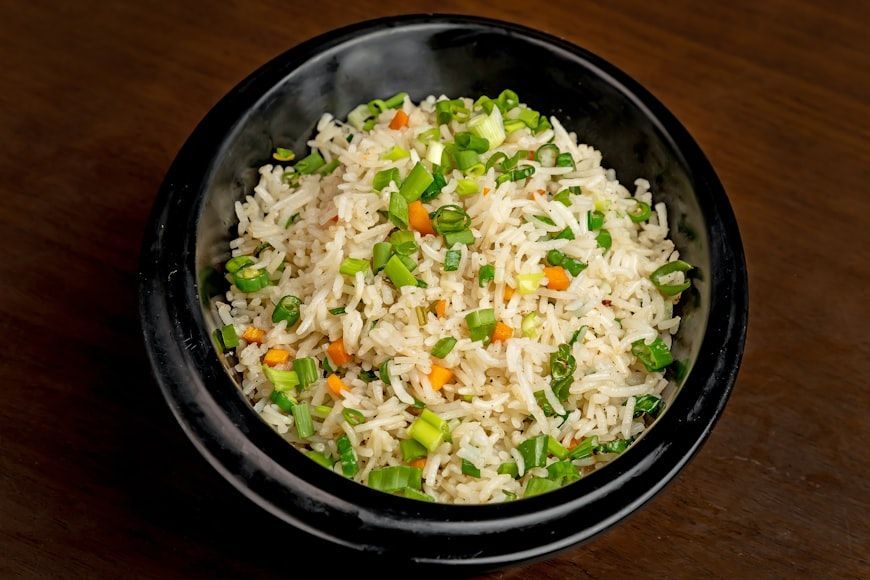
Japgokbap or multigrain rice is a Korean staple dish, and one that was born out of necessity. Korea has always been a fertile country suited for agriculture, but this has not prevented its citizens from experiencing famine and struggles. During the Japanese occupation (1910–1945), Korean farmers were forced to grow Japanese rice instead of their native variety to address the food shortage in Japan.
With their main food source being scarce, Koreans had to rely on other grains like millet, sorghum, or corn. They mixed these grains with beans, and the small rations of rice they could get to make it more filling and nutritious, in a dish they called Japgokbap, and that saved thousands from famine.
Band-aids
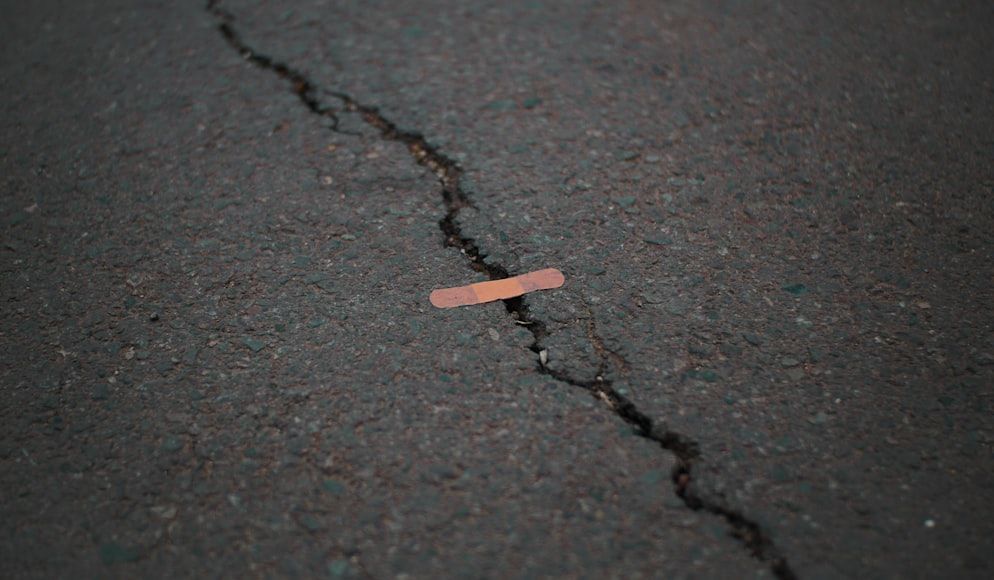
For people prone to accidents, Band-Aids are a lifesaver that keeps minor wounds clean and protected. They were created with this goal in mind, but they became popular out of financial necessity.
Band-aids were invented in 1920 by Earle Dickson, who was inspired by his wife’s regular accidents in the kitchen and needed a quick way to dress the wounds without assistance. A few years later, the financial struggles of the Great Depression meant that people weren’t always able to get medical assistance, and started relying on Band-Aids to treat domestic wounds.
Achuras
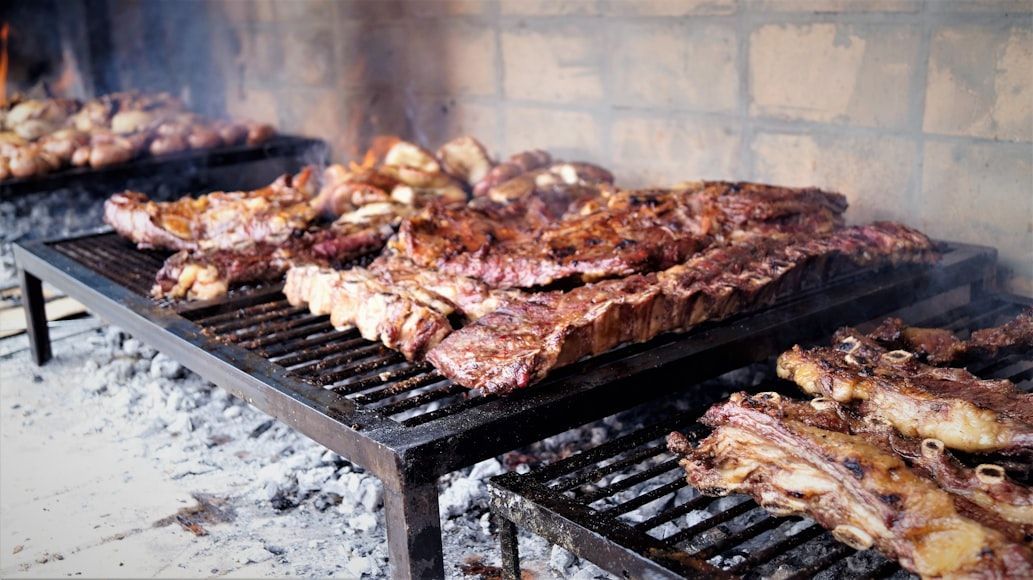
Many cultures eat offal, but not all started doing it out of necessity. In Argentine barbecues, offal (called achuras, a native word meaning ‘what is discarded’) is a staple alongside cuts of meat and sausages, but this was not always the norm.
South American meat is renowned for its quality, but there was a time when some parts of the cow were considered unsuitable for consumption. These discarded parts, from the brain to the intestine and everything in between, were recovered by the lower classes and made their way into Argentine cuisine, where nowadays every last part of the cow is consumed.