Think again

You’ve been wrong all along—10 facts that prove how little we really know


Published on February 5, 2026


Image: Elimende Inagella

You repeat them every day—often without thinking twice. But a surprising number of "facts" we take for granted are just plain wrong. Whether it’s the recommended water intake or the behavior of lightning, prepare for a reality check. These 10 everyday misconceptions will make you rethink everything you thought you knew.

1

You lose most heat through your head

Image: Ladislav Stercell

You lose heat through any part of your body that’s exposed—not just your head. This myth likely started from an outdated military study in which soldiers in Arctic conditions wore full-body gear but no hats, for some reason.

Heat loss is driven by surface area and exposure. If you're unlucky enough to be naked in freezing weather, you'll lose heat evenly across your body—not primarily from your scalp.

2

Water conducts electricity

Image: Leo Rivas

Pure water is actually a very poor conductor of electricity. It’s the impurities in water—like dissolved minerals and salts—that allow it to carry an electric current.

However, since the water we commonly encounter is rarely pure, it readily conducts electricity—making contact between water and electrical sources hazardous.

3

Shaving makes hair grow back thicker

Image: Supply

Also, nope—it only looks that way. Shaved hair has a blunt edge, which can make it feel coarser or appear darker than unshaved hair.

Hair growth is determined by follicles beneath the skin. Since shaving only trims hair above the surface, it has no effect on thickness, color, or growth rate.

4

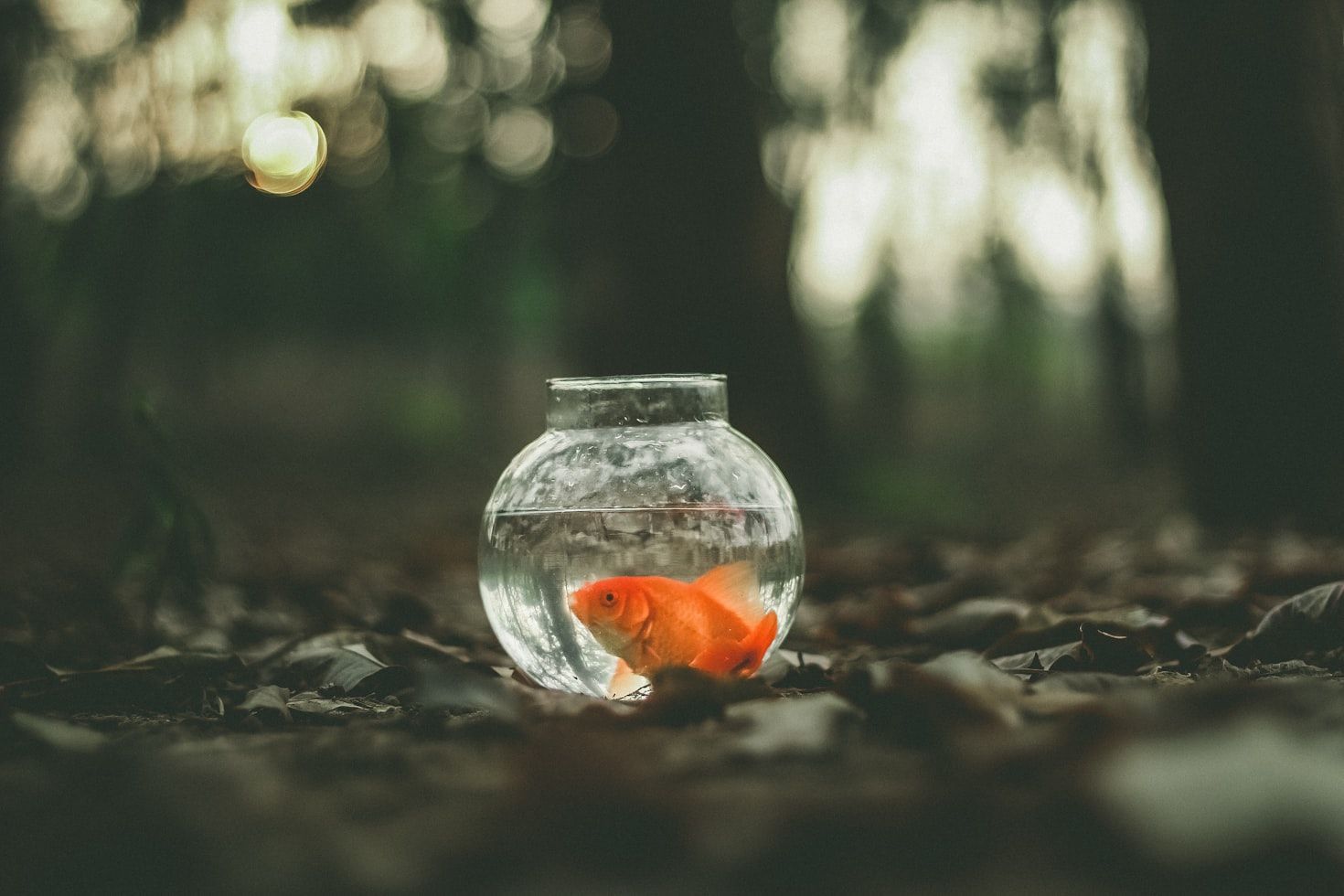
Goldfish have a 3-second memory

Image: Ahmed Zayan

Goldfish can actually remember things for weeks, even months. They’re far smarter than we usually give them credit for.

Moreover, studies have shown goldfish can be trained to respond to feeding times and light cues. So don’t keep yours in a tiny bowl—it’s far too small for their cognitive and physical needs.

5

Lightning never strikes the same place twice

Image: NOAA

It absolutely does—and often. The Empire State Building gets hit about 25 times a year. This is because lightning follows the path of least resistance, which often means tall, conductive structures get hit repeatedly.

So, if you’re caught in an electrical storm, don’t run toward the last spot that was struck—chances are, lightning will hit there again!

6

Glass is a slow-moving liquid

Image: C. G.

Glass is an amorphous solid—not a liquid—and despite popular belief, its molecules don’t flow over time.

The myth likely originated from old window panes, which are sometimes thicker at the bottom. This thickness is due to historical manufacturing techniques—not because gravity caused the glass to flow downward.

7

You need to drink 8 glasses of water a day
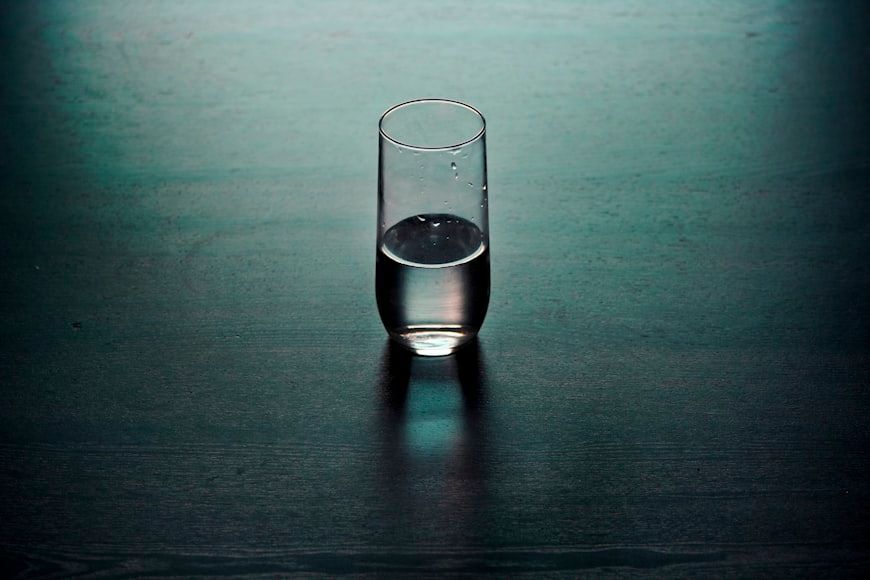
Image: Joseph Greve

Hydration needs vary depending on age, activity level, climate, and diet—and they don’t require exactly eight glasses. Food and other beverages also count toward your fluid intake.

In reality, the "8 glasses a day" rule isn’t based on hard science; it’s simply a general guideline to prevent dehydration. Under normal conditions, drinking when you’re thirsty is usually enough to stay well hydrated.

8

Blood is blue in your veins

Image: Олег Мороз

Blood is always red—it only appears blue through the skin because of how light interacts with tissue and veins.

The only real color difference is that oxygen-rich blood is bright red, while deoxygenated blood is a darker red. Humans and other vertebrates do not have truly blue blood.

9

Gum stays in your stomach for 7 years

Image: Quinten de Graaf

While it’s true that swallowed gum can’t be digested, it doesn’t stay in your stomach—it passes through the digestive system normally.

The same happens with things like corn kernels or hard seeds. Only when large amounts of gum are swallowed—often along with other indigestible objects—can it lead to blockages or health issues.

10

Waking a sleepwalker is dangerous

Image: Romain GROSSIER

While a sleepwalker may be confused or startled if awakened, it’s not inherently dangerous and can sometimes be the safest way to prevent accidental injury.

Experts often recommend gently guiding sleepwalkers back to bed, but waking them is also acceptable if there’s an immediate risk of harm.


What science says

It was false after all: 10 health myths that sound true—but aren't


Published on February 5, 2026


Image: Alicja Gancarz

Health myths are everywhere! These ideas were simply passed down for so long that they became part of what we believed. But now science has stepped in to clear things up. Does cold weather make you sick? Can lemon detox your body? Is reading in low light really harmful? Let's uncover the truth behind 10 common health myths!

1

Cutting your hair makes it grow faster

Image: Element5 Digital

Have you ever been told that cutting your hair will make it grow faster? We're sorry to say that's just a myth. Hair grows from the root, not the ends. So, trimming it won't boost growth, though it does help remove split ends that can make your hair look dry or unhealthy.

2

Cold weather causes colds

Image: Thom Holmes

This is one of the most common health myths. Cold weather often gets blamed, but it's not the temperature that makes you catch a cold. During winter, we tend to stay indoors with others and keep the windows closed, an environment that makes it easier for viruses to spread. That's why colds tend to be more common in winter!

3

Eating before bed makes you gain weight

Image: Michelen Studios

The idea that eating before bed automatically leads to weight gain is a myth. In reality, it has more to do with what you eat and how much, rather than the time of day. Often, when we eat very late at night, we're tired and more likely to reach for quick, high-calorie, heavy foods. This can disrupt sleep and lead to consuming more calories than we burn, both of which may affect weight. If it's close to bedtime, it's better to have something light and healthy in a moderate portion than to skip a meal altogether.

4

Wearing glasses weakens your vision

Image: Bud Helisson

Does wearing glasses weaken your vision? Myth! If an eye doctor prescribes glasses, wearing them as directed helps correct your vision; it won't make it worse. Additionally, the right glasses can help prevent or reduce headaches caused by reading or spending long hours in front of a screen.

5

Reading in low light causes permanent eye damage

Image: Amir Balam

This myth is closely related to the previous one. If you love reading and sometimes have to do it in low light because of the situation, don't worry. According to experts, reading in low light doesn't cause permanent or irreversible eye damage. However, it's not recommended because it can make your eyes feel tired or strained, leading to discomfort or headaches.

6

You need to drink 8 glasses of water a day

Image: engin akyurt

We're all different, and so are our bodies. The idea that everyone should drink exactly eight glasses of water a day is more of a general guideline than a rule. Staying well hydrated throughout the day is extremely important, but how much water you need depends on factors like your weight, age, climate, and overall health. We should prioritize staying consistently hydrated instead of obsessing over the number of glasses we drink.

7

Lemon water detox and cleanse your body

Image: Tirza van Dijk

Some people say drinking lemon water helps eliminate toxins and cleanse the body. While adding a slice of lemon to your water is a refreshing way to stay hydrated, it doesn't have any special "detoxifying" powers. The vitamin C in citrus fruits is beneficial, but the body has its own natural detox system. The liver and kidneys are the main organs that filter waste and eliminate toxins.

8

All fat is bad

Image: Aneta Voborilova

Not all fats are bad! Just like other food groups, your body needs fats to function properly. The important thing is knowing the difference between healthy fats and those that can be harmful. Foods like avocados, seeds, olive oil, fish, and nuts are rich in healthy fats. On the other hand, the fats found in processed or fried foods are the ones that can have a negative impact on your body.

9

Liver disease is always caused by alcohol or fats

Image: Elevate

Liver diseases can be serious. While heavy and frequent consumption of alcohol and fats is a major contributor, it's not the only cause. Liver problems can also result from many other factors. These include viral infections, autoimmune diseases, genetic disorders, high blood pressure, and exposure to certain chemicals.

10

Breakfast is the most important meal

Image: Brooke Lark

There's some truth to it: breakfast is important because it replenishes our glucose and energy levels and supports proper metabolism. However, the idea that it's the most important meal of the day might be an exaggeration. Everyone's body has different needs, and all meals are important, so we shouldn't skip any of them!

Looking for an extra scoop of literary fun?

Learn more with our Word of the day

avuncular

/əˈvəŋkjələr/