Fluffy tales

Butter on their paws? Learn the truth behind 12 odd cat myths


Published on July 30, 2025
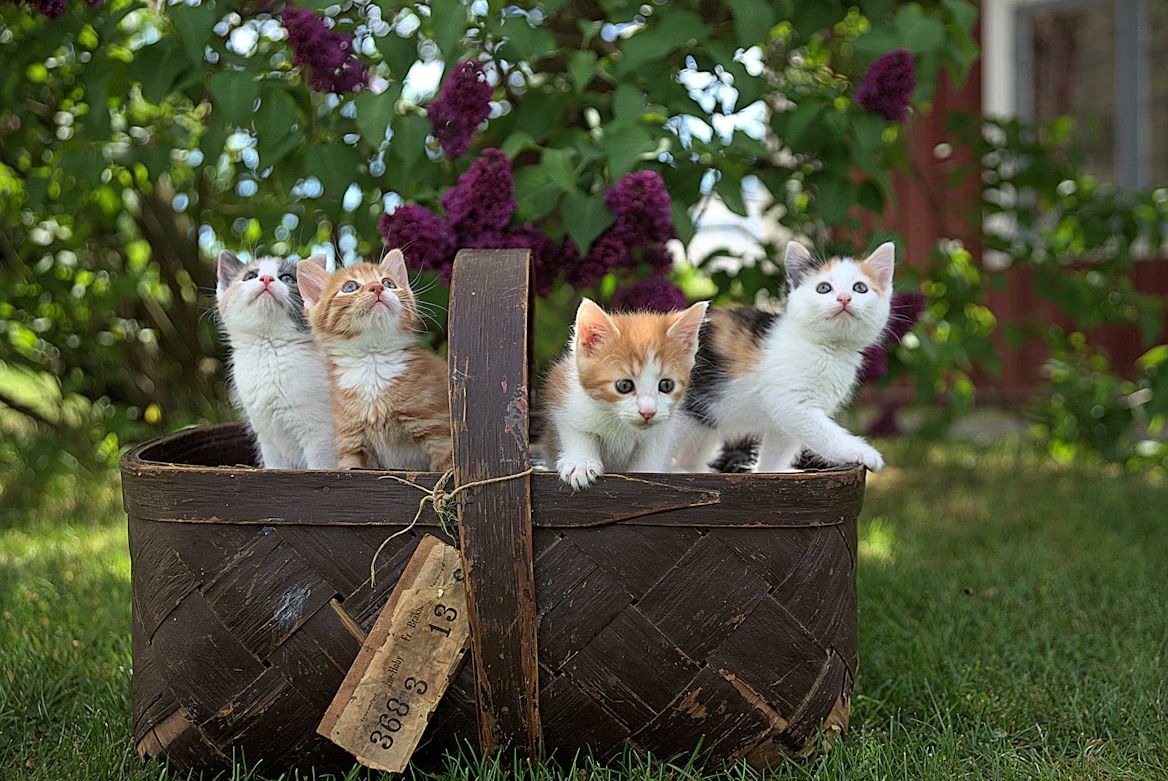

Image: Jari Hytönen

Cats may be mysterious, but let’s not give them credit for magic tricks they don’t actually perform. Over the years, these curious creatures have picked up numerous myths—some harmless, others simply misleading. Today, we’re debunking 12 common cat myths and setting the record straight. Ready? Here we go!

1

Black cats bring bad luck

Image: Andreea Popa

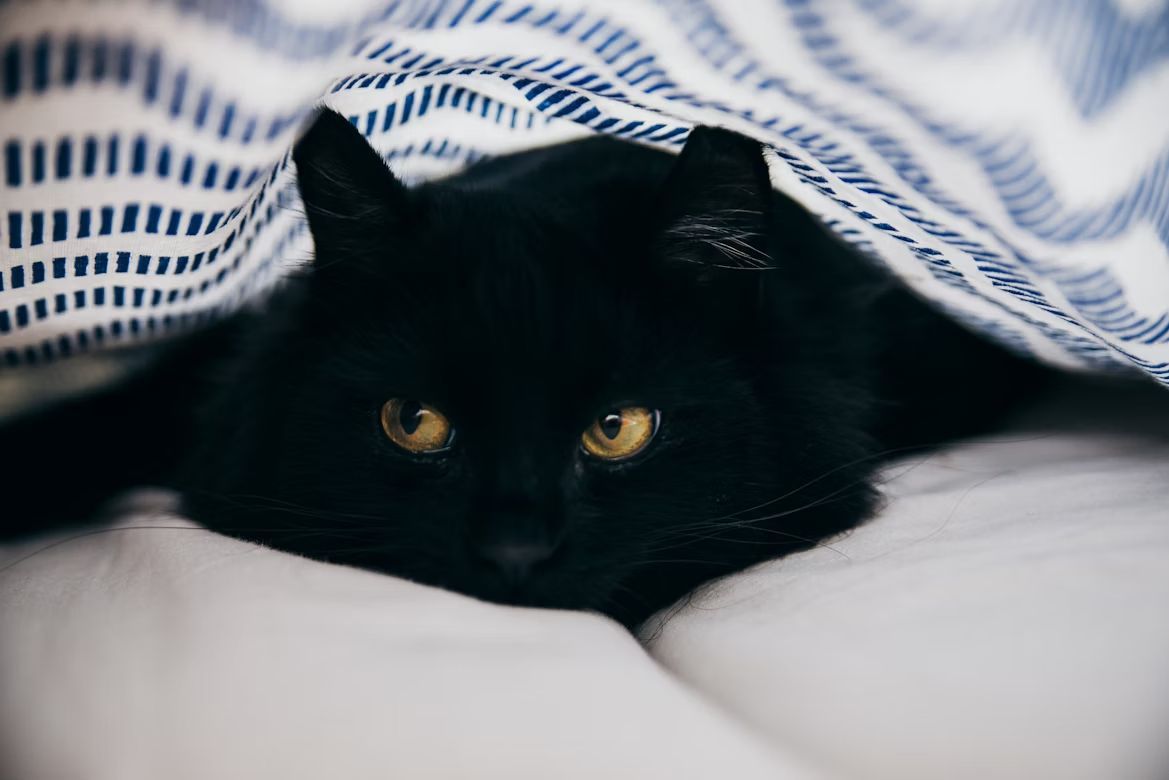
Let’s kick things off with a classic: black cats are a symbol of bad luck. Poor black cats! This myth goes way back to the days when people thought witches had feline sidekicks. However, depending on where you are in the world, black cats arouse different opinions. In Japan and parts of the UK, for example, they’re seen as symbols of good fortune. What is it for you?

2

All cats loathe water

Image: Nick Sorockin

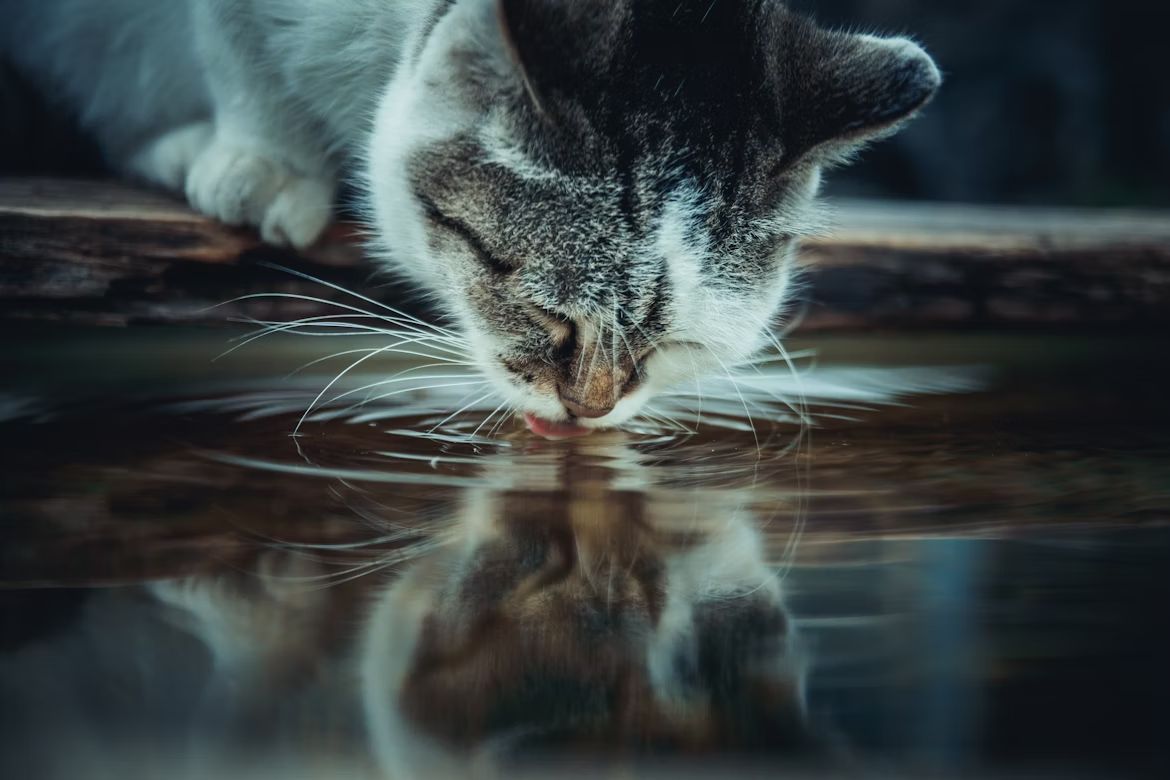
Cats and baths go together like oil and water… usually. While many cats aren't big fans of water, some breeds, like the Turkish Van, will gladly paddle around. The real reason most cats avoid water is that wet fur is uncomfortable and slows them down.

3

Cats don’t show love

Image: Aditya Sethia

If you have a cat, you don’t need us to debunk this myth for you. This is simply a lie! They may not wag their tails or slobber all over you, but cats have their own subtle ways of saying "I love you." A head bump, a slow blink, or even just choosing to nap on your lap is their version of a warm hug. They're more independent than dogs, sure, but unloving? Not a chance!

4

They always land on their feet

Image: David Grandmougin

Cats do have an impressive aerial trick called the "righting reflex," which helps them twist midair and often land feet-first. We wish we had that! However, that doesn't mean they're invincible. Falls from high places can still cause serious injuries. If you live in a place with high windows or balconies, a few safety screens can go a long way!

5

Cats have nine lives

Image: Thien Phu Pham

We’ve all heard this one: Cats have nine lives. But while they do have a knack for wriggling out of trouble, again, they’re not actually immortal, you know? This saying likely comes from their agility and sharp instincts, which often help them avoid danger. Still, one life is all they get; it’s up to us to help them make it a good one.

6

Purring means happiness

Image: Jonathan Fink

Purring can mean a happy cat curled up in a sunny spot, but it's not always a happy sound. Cats may also purr when they're scared or in pain, using it as a kind of self-soothing mechanism. Did you know that? Pay attention: If the purring comes with hiding, limping, or not eating, your cat might be expressing that something’s wrong.

7

Cats see in total darkness

Image: Ray ZHUANG

Cat eyes are pretty amazing, but they’re not night-vision goggles. What they can do is see in much lower light than humans, thanks to their wide pupils and a reflective layer in their eyes. That’s what makes them glow like tiny headlights at night. So yes, they can stalk around in the dark better than we can, but not pitch black.

8

Cats are nighttime creatures

Image: Chris Yang

This is a widespread myth: Cats aren’t strictly night owls. They're actually most active at dawn and dusk, a rhythm known as crepuscular. It ties back to their hunting roots when early morning and evening were prime times to catch dinner. A good evening play session can help burn that energy off.

9

Cats need cow's milk

Image: Danilo Batista

Despite the classic cartoon image of Tom lapping up a bowl of milk (and Jerry trying to steal it), real-life kitties often can’t stomach dairy. Many become lactose intolerant after kittenhood, meaning milk could lead to an upset stomach, to say the least. In short, they’re much better off with water and a well-balanced diet.

10

Cats can’t stand other cats

Image: The Lucky Neko

Some cats are social butterflies, others are lone rangers. While many prefer to rule the roost solo, cats raised together, especially siblings, can form strong bonds. The key is a slow and careful introduction. And don’t forget: cats hate sharing their stuff. Extra food bowls, litter boxes, and cozy napping spots can make the difference between feline friendship and a feud.

11

Cats like to be left alone

Image: freddie marriage

Yes, cats are independent, but that doesn’t mean they don’t get lonely. Many enjoy being around their humans and can even form deep attachments. Some cats might follow you from room to room, "help" you around with chores, or curl up next to you every night. And when that bond is strong, long absences can lead to anxiety. So while they won’t fetch your slippers, they miss you when you’re gone! How cute is that?

12

Butter on the paws helps them find their way home
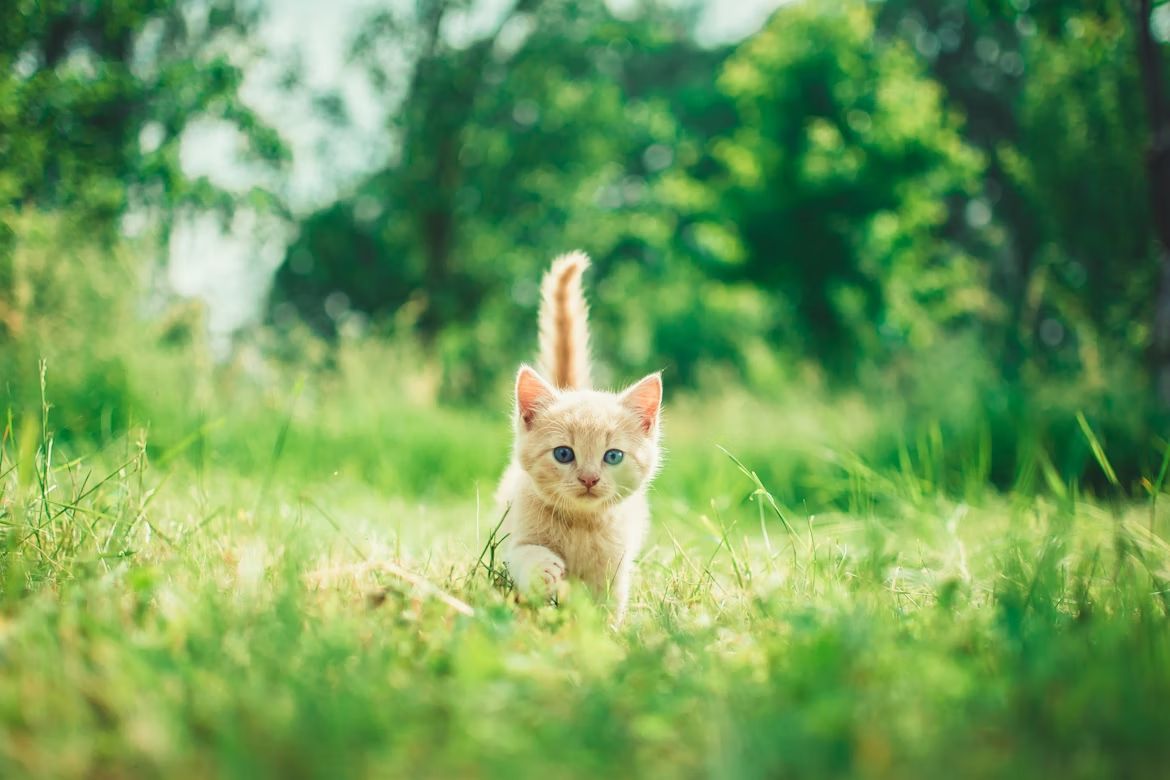
Image: Andriyko Podilnyk

This tale says that if you move house, you should butter your cat’s paws so they’ll remember the new location. It sounds cute, but it doesn’t do anything. That will only stress out your cat and make a mess on your floors. Imagine you get buttered feet! A better way to help them settle in is to keep them indoors for a while, let them explore slowly, and give them lots of familiar smells and comforts.

IN GOOD SPIRITS

Do You Know The Origin Of These 10 Alcoholic Beverages?


Published on July 30, 2025


Image: Adam Wilson

You probably know many alcoholic beverages that you enjoy drinking alone or combined in different cocktails, but do you know where their names come from? From whiskey and gin to rum and absinthe, the origins of spirits have fascinating stories to tell. Are you ready to explore them? You will surely learn some curious facts to share at your next party!

1

Whiskey

Image: emkanicepic

Whiskey is one of the most consumed alcoholic beverages in the world. It is produced by distilling malt fermented with cereals such as wheat, barley, corn, and rye, and the resulting spirit is subsequently aged in white oak barrels.

In the Middle Ages, alcoholic beverages were classified into two main groups: "aqua ardens" (burning water) and "aqua vitae" (water of life). Whiskey falls into the category of "aqua vitae." The Latin term was translated into Middle Irish as usque beatha, which in turn derived into usquebaugh, pronounced: "wiskyba," giving rise to "whisky" (Scotland) and "whiskey" (Ireland and the United States).

2

Brandy

Image: Timothé Durand

The word brandy is an abbreviation of brandywine, an English term dating from the early 17th century. It comes from the Dutch brandewijn, meaning "burnt wine" or "burning wine," referring to the distillation process.

Brandy is made from the distillate of wine or fermented fruit pulp, primarily grape skins. There are different types of brandy. Perhaps one of the best known is cognac, a high-quality wine distillate, named after the city in France where it is produced.

3

Gin

Image: John Fornander

Gin is a distilled drink made from juniper berries, among other ingredients. The term gin is an abbreviation of the Old English word genever, which in turn derives from the Dutch jenever and the French genièvre. Moreover, all these words trace back to the Latin word for juniper, juniperus.

This drink emerged among European monks during the Middle Ages as a medicinal liquor. Then, in the 17th century, gin gained popularity in England and transitioned into the modern drink we know and love. Nowadays, gin is used to prepare different cocktails, including Tom Collins, Negroni, and the popular Gin & Tonic.

4

Rum

Image: C D-X

The first references to this drink date back to the mid-17th century in Barbados, a small Caribbean island with sugar plantations that was under British rule for several centuries. When rum began to be produced on a large scale in the colonies, the English imported it to Europe and popularized it throughout the continent.

There are many theories about the origin of the word rum. The most accepted one suggests that it comes from the English slang word rumbullion which means "great tumult." This term might have originated in the Devonshire area on the southwest coast of England. From rumbullion, it became known as rum in English, rhum in French, and ron in Spanish.

5

Vodka

Image: Deeliver

Vodka is an emblematic drink of Eastern European countries and is used to prepare a multitude of cocktails, including the Martini Vesper, Moscow Mule, White Russian, Cosmopolitan, and Bloody Mary, among others. The word vodka comes from the Russian word voda, which means "water." The ending -ka makes it diminutive, translating to "little water."

Vodka is a distillate that comes from the fermentation of potatoes, wheat, barley, grapes, beets, or any plant rich in starch. Originally, the aim was to obtain a simple, alcoholic liquid composed of ethanol and water, with no pretensions in terms of aroma or flavor. It also needed to have a high alcohol content to cope with the harsh Russian winters. Traditionally it has a graduation around 40º, although there are vodkas that reach 80º and up to 96º. It is hard to believe that it’s simply called water!

6

Bourbon

Image: Ryan Parker

This distillate made mainly from corn, was first introduced in the United States in the 18th century. The first known producer was Reverend Elijah Craig, a Baptist minister. Legend has it that the clergyman established the first distillery in Fayette County, Kentucky, with the help of a Southern farmer who provided surplus corn from his harvest.

Although it was born in Fayette, this variety of whiskey was named after another nearby county, Bourbon County, where the spirit began to be produced on a large scale. The names of both Kentucky counties have their origin in the same historical figure: Gilbert du Motier, the Marquis de Lafayette, a French aristocrat related to the House of Bourbon.

7

Vermouth

Image: Giorgio Trovato

The word vermouth comes from the German word wermut, which means "wormwood," one of the main herbs used to make this beverage. This fortified wine, flavored with different botanicals (flowers, herbs, roots, and spices), has been used since ancient times for medicinal purposes. However, the modern version we know today was first introduced in Turin, Italy, in the 18th century.

In the 19th century, vermouth became a global trend thanks to the rise of bars and cocktails, as it was —and still is— an essential ingredient to prepare classic drinks such as Martinis, Negronis, and Manhattans.

8

Tequila

Image: Deeliver

Tequila is, without a doubt, a staple of Mexican culture and a famous drink around the world. In ancient times, it was considered a gift from the gods. Today it’s served as an aperitif or combined with other beverages and ingredients to prepare cocktails.

This spirit is produced from the distillation of fermented juice obtained from the heart of a plant known as "blue agave." Its name comes from the Nahuatl word Tekilan, which means "place of the workers."

9

Absinthe

Image: alandiaspirits

This popular anise-flavored spirit, made from wormwood oil and other herbs, has a high alcohol concentration. With a bitter taste, absinthe’s color is usually pale green. Its name derives from the Latin absinthium, which in turn comes from the Greek apsínthion, meaning "wormwood."

The use of wormwood to make alcoholic beverages dates back to the 1st century, but it was not until the end of the 18th century, in French-speaking Switzerland, that the drink we know today was created. At the end of the 19th century, absinthe, often called "Green Fairy," was the most popular spirit in Europe, enjoyed by all social classes, especially artists and bohemians. However, years later its consumption was limited because it could cause hallucinations, which gave birth to the term absinthism.

10

Pisco

Image: eKokki

Peru and Chile, neighboring South American countries, share many things: the Andes mountain range, common ancestors, customs, and, notably, the debate over the origin of pisco. The true birthplace of this spirit has long been questioned, with both countries claiming it as their own. What we do know is that the name pisco may derive from the Quechua word Pisku, meaning "bird."

Peruvian and Chilean pisco are different varieties but have in common that they are grape distillations, made similarly to brandy and cognac. Despite the ongoing controversy, no one should miss trying a good pisco sour!

Looking for an extra scoop of literary fun?

Learn more with our Word of the day

literal

/ˈlɪdərəl/