Stock up on short words

"Cwm" is not a typo: Three-letter words you didn't know existed


Published on February 18, 2026
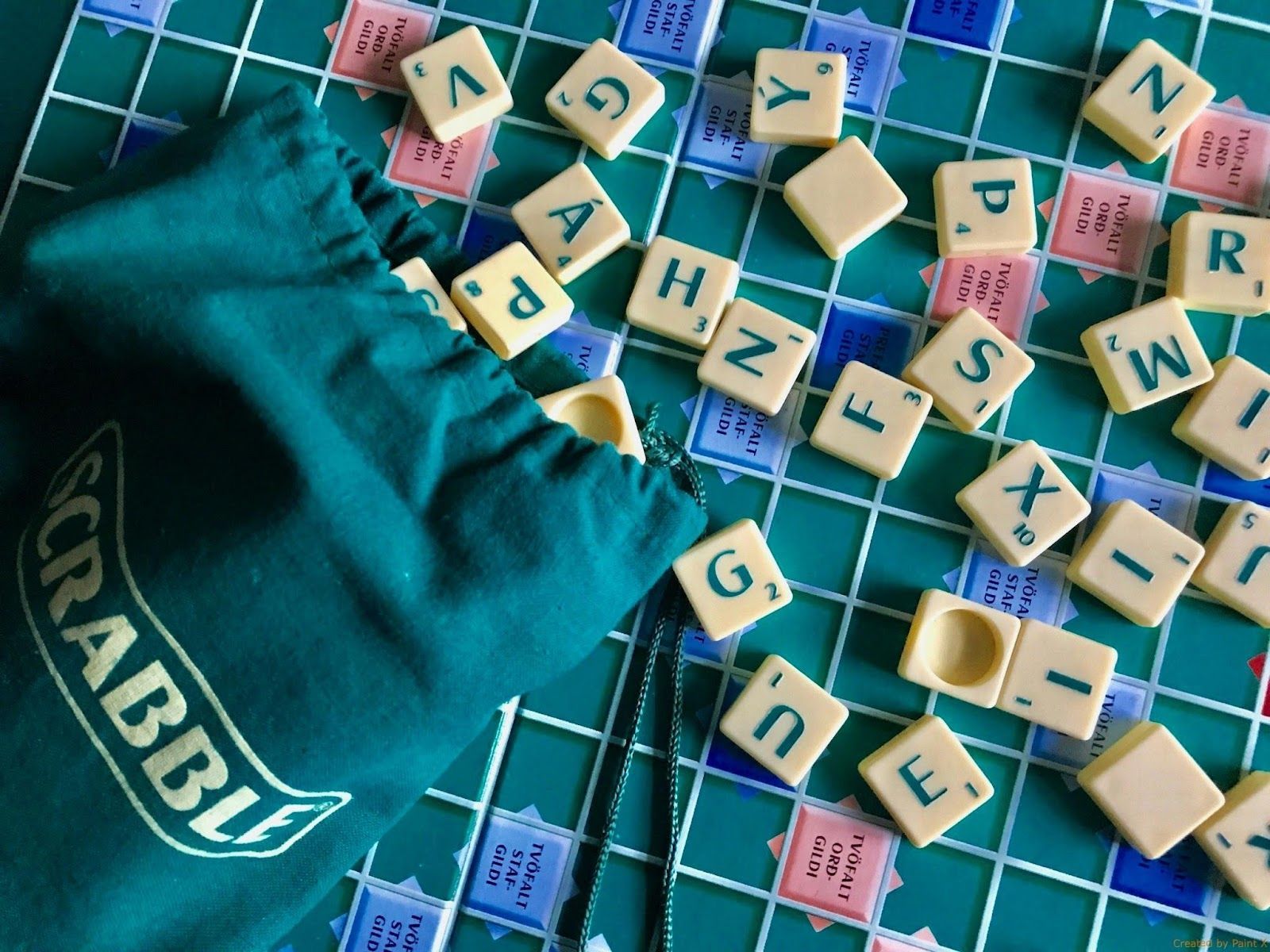

Image: Freysteinn G. Jonsson

Need a few tricks up your sleeve for playing Scrabble? It’s not always the long words that will impress the other players: Sometimes it’s the surprisingly short combination of letters that none of them knew. Have you ever heard of unassuming three-letter words like "cwm" or "zax"? Those aren’t typos! Let’s explore some of the most obscure –yet perfectly valid– three-letter words.

1

Cwm

Image: shezan sharif

Before you ask: it’s pronounced "koom". If you run out of vowels in your Scrabble set, this might save you. It refers to a deep, steep-walled valley, often carved by glaciers.

The term comes from Welsh, where it simply means "valley." Many places in Wales proudly bear the name, such as Cwmbran, a town in South Wales, or Cwmtwrch, a village with a name that translates to "Valley of the Wild Boar."

2

Zax

Image: Vlada Karpovich

A "zax" is a tool used for cutting or trimming roof slates with precision. The word shares linguistic roots with seax, an Old English word for a short sword or knife.

Plus, in Scrabble, the mighty "Z" (10 points!) paired with "A" (1 point) and "X" (8 points) makes this one of the highest-scoring three-letter words you can play!

3

Voe

Image: Remedy

No, it’s not a mythical sea creature. "Voe" refers to a small bay or narrow creek that extends inland from the sea. These sheltered inlets are particularly found in Scotland, where they provided safe harbor for fishermen and sailors for centuries.

Some of these sailors were Vikings who once ruled the territory, and who called these bays with the Old Norse word vágr (bay or inlet.)

4

Yob

Image: engin akyurt

If you ever see a rowdy, loudmouthed troublemaker being kicked out of a bar in Britain, you might hear someone call them a "yob."

Here’s the funny part: There’s no Old English etymology involved. It’s just "boy" spelled backwards (a bit of Cockney slang trickery).

5

Pyx

Image: Jay Kettle-Williams

A very specific noun, but a valid one. A "pyx" is the container used in churches to hold consecrated bread.

The term comes from Latin pyxis, meaning "small box," which in turn derives from the Greek pyxos, a type of boxwood tree. Those three letters combined would earn you at least 15 points!

6

Vug

Image: Content Pixie

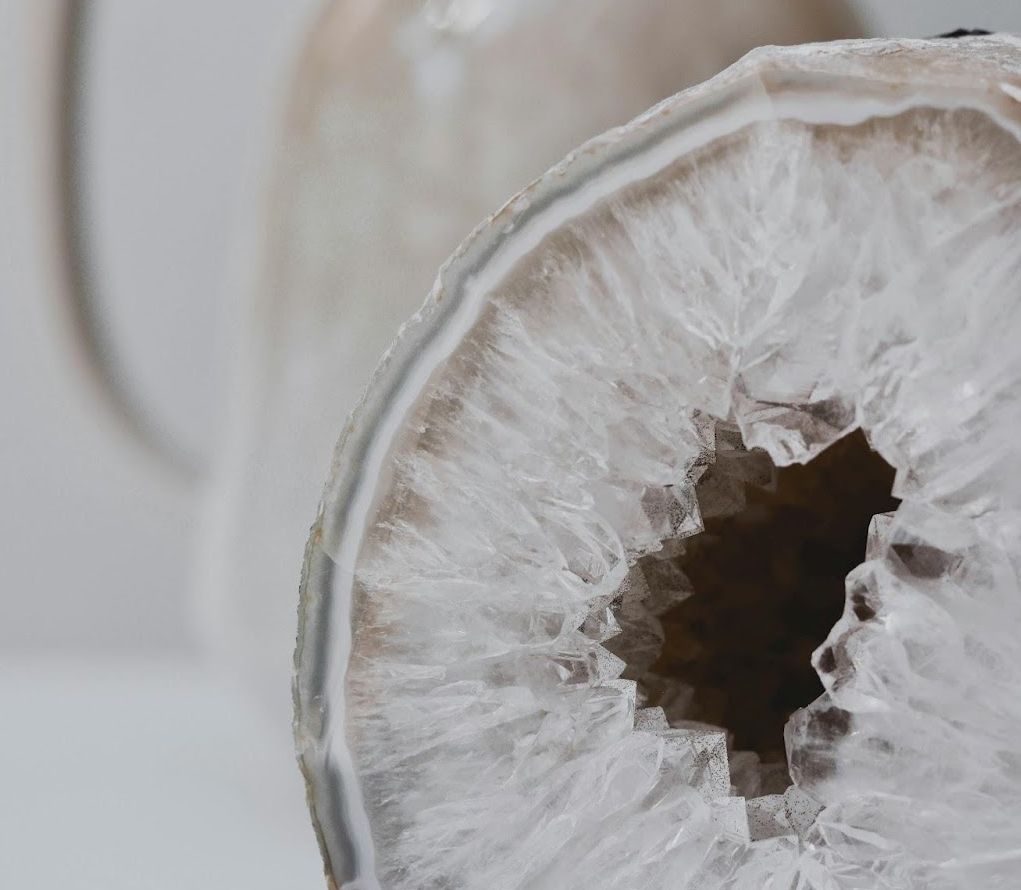
Have you ever seen the interior of a rock lined with dazzling, beautiful crystals? You might have been looking at a vug.

It’s a small cavity inside a rock that often exposes these pockets of hidden treasures, like quartz, amethyst, or more exotic gems. The word vug comes from the Cornish language, where vooga meant "cave" or "hollow."

7

Oka

Image: Alexander Maasch

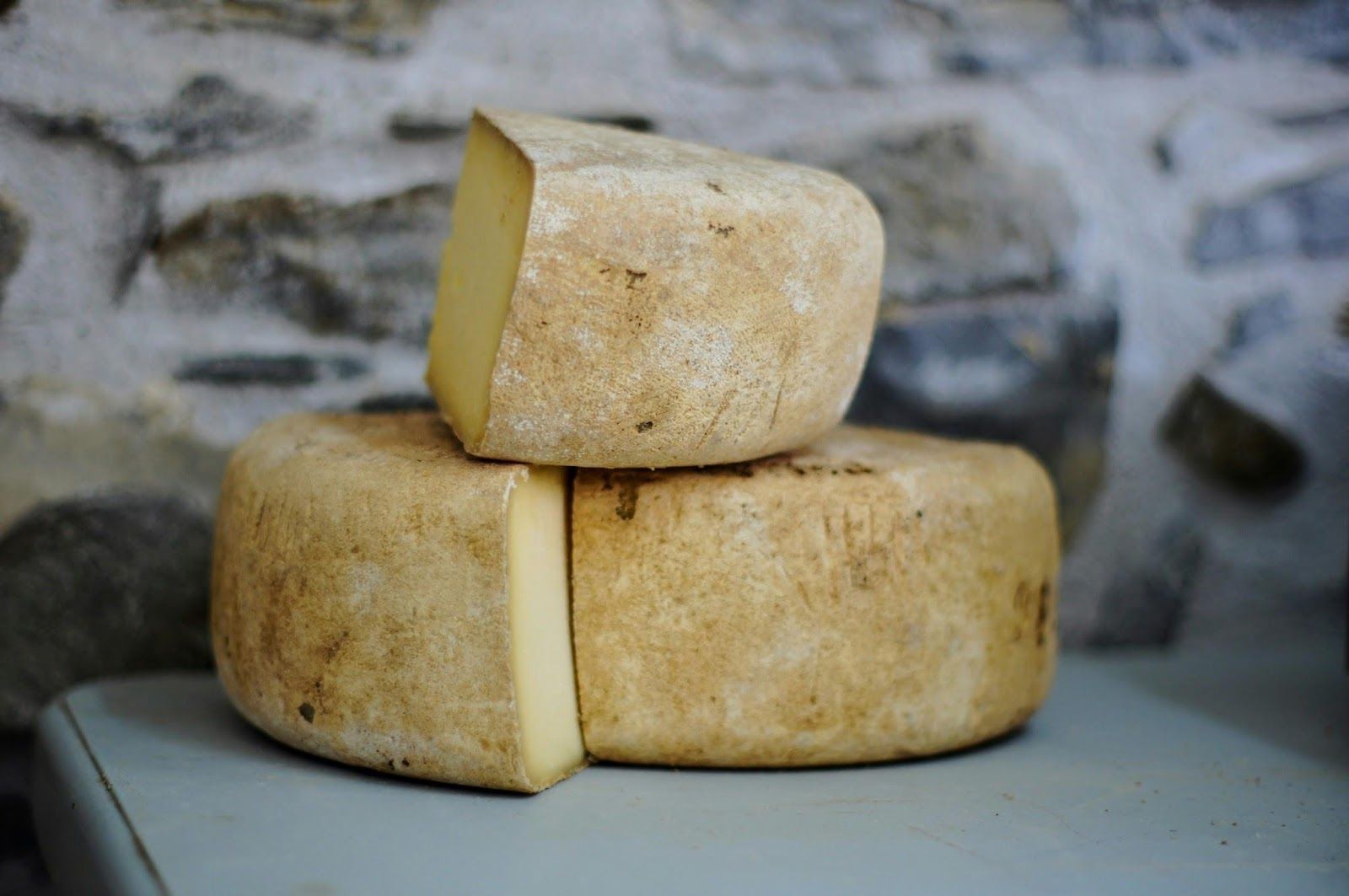
Sure, playing "OK" is useful, but have you tried "Oka"? It’s a type of cheese from Canada, and also a historical unit of weight used in Turkey.

The cheese is named after the village of Oka in Quebec, where Trappist monks started making it in the late 19th century.

8

Gox

Image: Denes Kozma

Gox might sound like the name of some sci-fi character. But it’s just a short abbreviation to refer to "gaseous oxygen."

"O₂" is the more common way to represent it, but "gox" is sometimes used by those in scientific and industrial contexts.

9

Xis

Image: Felipe Pérez Lamana

To be fair, you could pluralize any two-letter word by adding an S. "Xis" (the plural of the 14th Greek letter Ξ ξ) is no exception.

Just so you know, "xi" is not the translation of our "X," as you might think. What we call an "X," the Greek would call a "chi."

10

Ait

Image: Lawrence Hookham

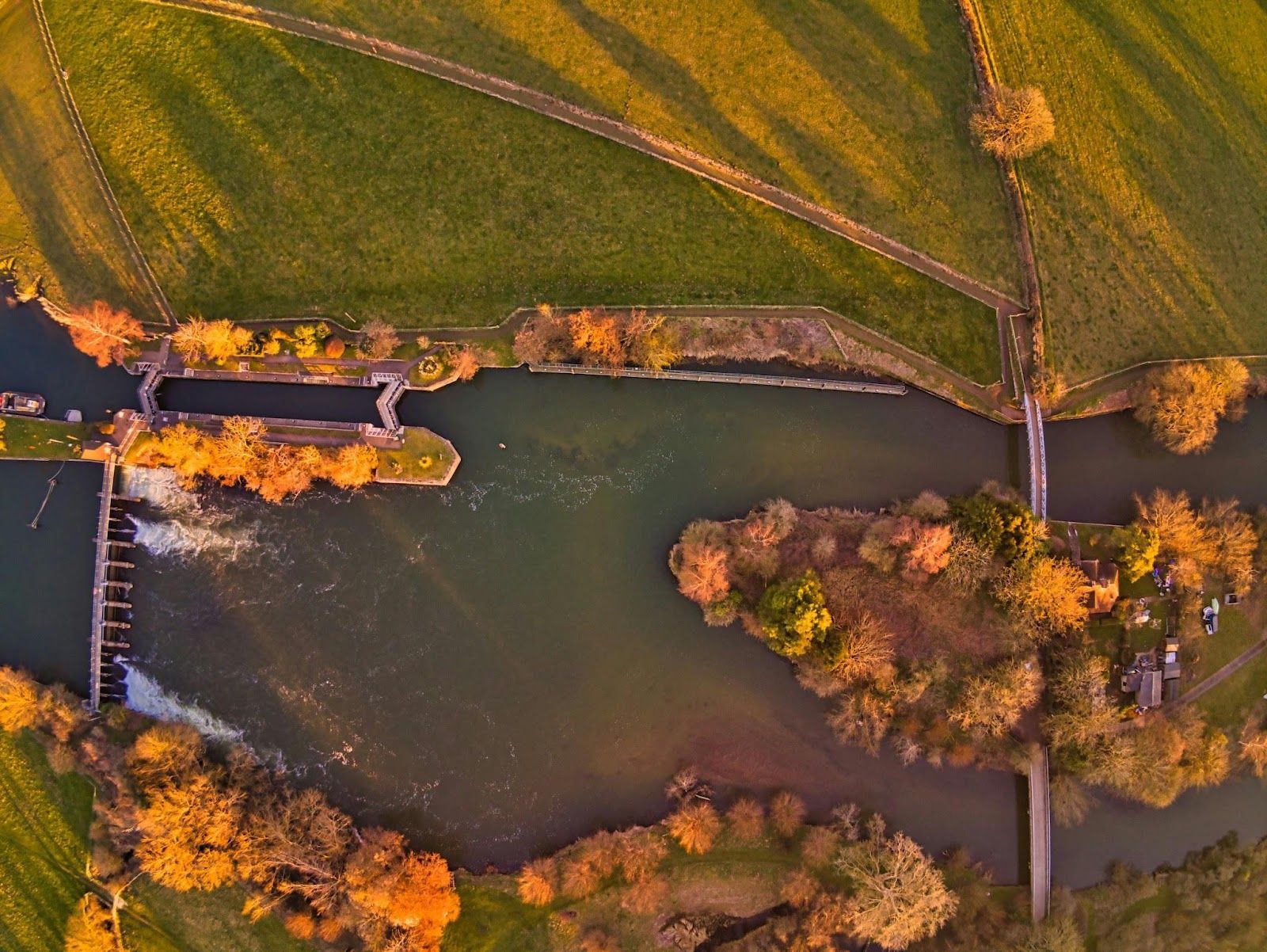
"Ait" is mostly used in Britain to describe little landmasses that pop up in waterways, like those dotting the Thames.

The word (sometimes spelled eyot) comes from Old English iegoth, meaning "small island." Though it’s not common in everyday speech, you’ll still find it in place names and historical writings.

11

Eft

Image: Patti Black

Before they fully mature, newts crawl on land: this is when we call them efts. These tiny, bright-colored amphibians can be found around damp forests, looking like pocket-sized dragons.

The word eft has been around for centuries, coming from Old English efeta, which evolved to ewt, and ultimately to newt.

12

Gnu

Image: Maurits Bausenhart

The gnu (pronounced "new" or "guh-noo") is better known as the wildebeest, that sturdy African antelope famous for its dramatic migrations across the Serengeti.

The word gnu comes from the Khoisan languages of southern Africa and was first recorded by European explorers in the 18th century. The alternative name wildebeest is the Dutch word for "wild beast," of course.

13

Nix

Image: Michael Dziedzic

"Nix" means to reject, cancel, or put an end to something. The word comes from the German nichts, meaning "nothing."

It entered American English in the 19th century, likely through German immigrants. Over time, it became a snappy, no-nonsense way to say "no."

14

Ulu

Image: Visit Greenland

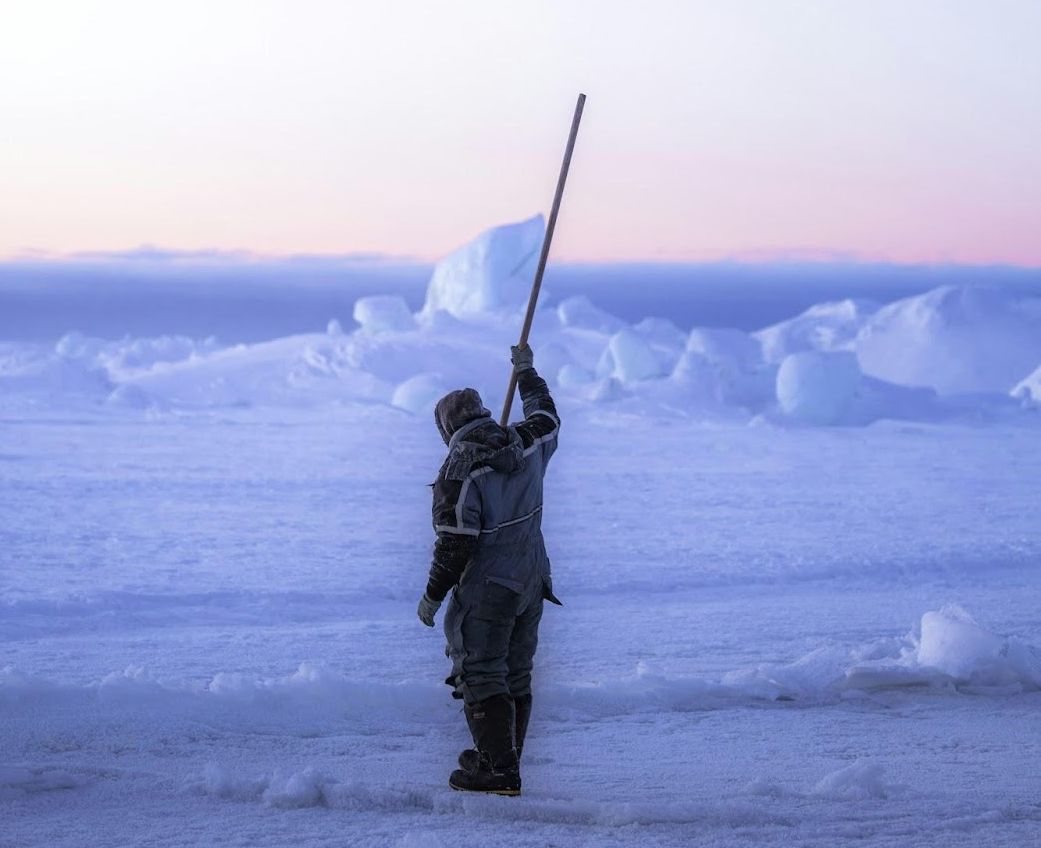
An "ulu" is a traditional Inuit knife with a characteristic curved blade, perfect for chopping, skinning, or even cutting a child's hair (yes, really).

The name comes from the Inuktitut word ᐅᓗ (ulu), which roughly translates to "woman’s knife"

because it was traditionally used by Inuit women for household and hunting tasks.


Stop! You’ve been using these 11 objects the wrong way


Published on February 18, 2026


Image: Diana Polekhina

We use countless objects daily without questioning their design, yet many have hidden features or were meant for entirely different purposes. From kitchen tools to bananas, here are 11 everyday items you might be using all wrong—or that at least have surprising secrets built in.

1

Toothpaste

Image: Anastasia Nikitina

Yes, toothpaste was always intended to clean and polish teeth, but its mild abrasives make it effective for cleaning jewelry, removing stains from clothing, and even defogging mirrors.

Interestingly, the first toothpaste-like substance dates back to ancient Egypt, where a blend of pumice and vinegar was used for oral care. Modern toothpaste, which includes ingredients like baking soda—another household staple—explains why it’s so effective on surfaces beyond just teeth.

2

Pasta spoons

Image: Markus Winkler

That hole in your pasta spoon isn’t just for draining water; it can also help measure a perfect portion of dry spaghetti!

A single serving of spaghetti is about the amount that fits through the hole. This design prevents cooking too much or too little, though not all pasta spoons have holes large enough for accurate measuring.

3

Gas pumps

Image: engin akyurt

The latch inside gas pump nozzles was originally designed to shut off fuel flow automatically when the tank is full, not to hold the pump open.

Modern pumps use this mechanism as a safety feature, preventing spills and overflows. In some places, using the latch to hold the nozzle open is even illegal due to fire risks.

4

Grocery carts

Image: Karsten Winegeart

Those metal loops on the back of grocery cart seats aren’t just for show—they’re designed to hold plastic bags with fragile items.

Hanging lighter bags here prevents them from being crushed by heavier groceries in the cart, yet few shoppers take advantage of this simple design. So, next time you go shopping, give it a try—it could be a real lifesaver.

5

Soda can tabs

Image: Bam Mccarthy

The hole in a soda can tab isn’t just part of the opening mechanism—it can double as a straw holder. Once you pop the can open, turning the tab around aligns the hole perfectly for a straw. This prevents the straw from floating or shifting while drinking.

While this wasn’t the original intent behind the design, it’s a clever and surprisingly convenient way to make use of an otherwise inconsequential design quirk.

6

Two-tone erasers

Image: Annie Spratt

If you're like me, this has likely been a brain teaser since childhood: What is the blue side of a two-tone eraser for? Popular wisdom says it's for ink removal, but have you ever tried erasing ink with that side? It just completely obliterates the paper.

Well, it turns out the blue side of a two-tone eraser was actually designed for use on heavier paper, not for removing ink.

7

Keyboard bumps

Image: Matúš Kameniar

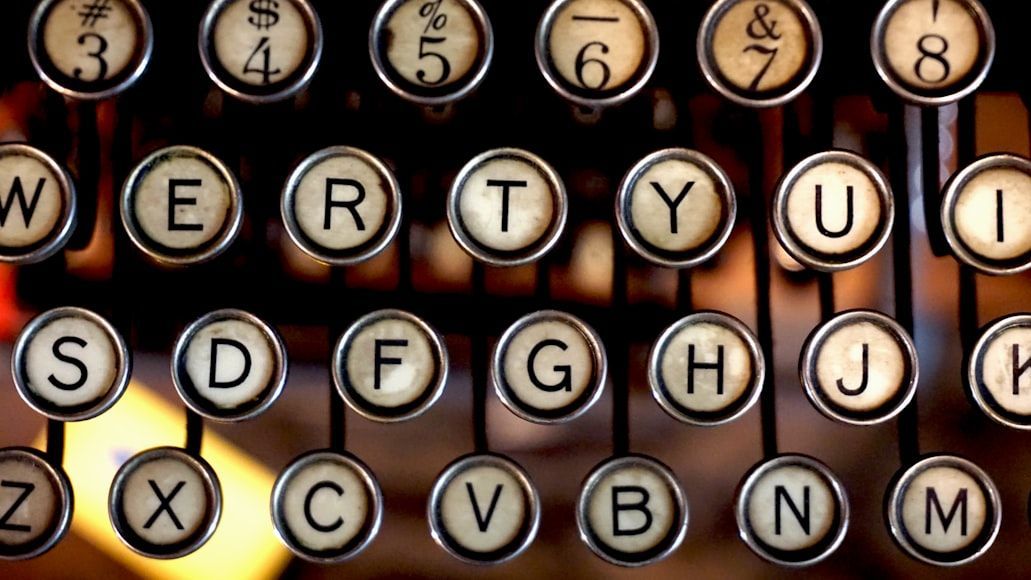
The small bumps on the ‘F’ and ‘J’ keys exist to help typists find their hand placement without looking.

These tactile guides help your fingers find their way back to the home row, enabling faster and more efficient typing. Even if you're not a professional typist, you can rely on this feature to improve both speed and accuracy while writing.

8

Peeling bananas

Image: Monika Guzikowska

Ever watched a monkey peel a banana? You might be in for a surprise, because it turns out the easiest way to peel a banana is from the bottom, not the stem.

Monkeys naturally pinch the bottom of the banana and pull, avoiding the struggle of breaking the tough stem. This method also reduces the risk of squishing the fruit inside.

9

Measuring tape

Image: Brett Jordan

The small hole at the end of a measuring tape is designed to hook onto nails or screws for one-person measurements. This feature provides a more stable grip when measuring long distances without needing an extra set of hands.

Also, the serrated edge on some tapes doubles as a tool for marking surfaces. So, next time you don't have a buddy around to help, don’t worry—your measuring tape has you covered!

10

Oven drawer

Image: Andrea Davis

Many people use the drawer under their oven for storage, but it was originally designed as a warming drawer.

This compartment keeps cooked food warm while the rest of the meal finishes, though in some modern models, it may simply be intended for extra storage. Checking your oven’s manual might reveal its true purpose.

11

Wine bottle indent

Image: Mockup Free

Ever heard someone say you can judge a good wine by the depth of the indentation at the bottom of the bottle? Well, that’s a myth, though it may suggest a better-designed bottle.

The indent at the bottom of a wine bottle, called a punt, helps distribute pressure and maintain structural integrity. Originally designed to support the bottle against carbonation in sparkling wines, it’s now mostly tradition but still improves durability.

Looking for an extra scoop of literary fun?

Learn more with our Word of the day

scalding

/ˈskɔldɪŋ/