Why do cats knock objects off tables and shelves? 10 frustrating habits


Published on May 27, 2026


Image: Paul Hanaoka

Cats often get a reputation for being difficult, distant, or unreliable pets. People who grew up with dogs sometimes describe them as cold, stubborn, or uninterested in pleasing anyone. This list looks at familiar cat behaviors that can feel frustrating at first, especially to new owners. Seen more closely, these same traits help explain why cats fit comfortably into many homes and why millions of people continue to choose them as companions year after year. Continue reading to discover that your cat truly loves you!

1

They ignore you when you call them

Image: Cats Coming

Calling a cat by name and getting no response is a common experience. Unlike dogs, cats rarely come running just because they are called. This can feel dismissive, even rude, to owners who expect a pet to respond on cue.

What’s often overlooked is that cats evolved as mostly solitary hunters. They did not develop social behaviors centered on following leaders or responding to group signals. Studies and everyday observation show that cats can recognize their names and the sound of their owner’s voice, but they decide for themselves whether to react or not. For many people, this independence means fewer demands for constant interaction and a pet that is comfortable spending time on its own.

2

They knock objects off tables and shelves

Image: Steve Tsang

Many cat owners know the sound: a slow tap, a pause, and then a cup or pen sliding off the edge of a table. Cats often push objects while watching closely, as if waiting for the result.

This behavior is tied to curiosity and learning. Cats use their paws to test how objects move, whether they roll, wobble, or fall. This kind of testing is connected to hunting instincts, where judging motion and distance matters. While it can be annoying, it also shows that cats stay mentally engaged with their environment instead of simply reacting to commands or routines.

3

They seem more attached to places than people

Image: Odile

Some cats appear deeply committed to a favorite chair, window, or room, while paying less attention to following their owners around the house. This can be mistaken for emotional distance.

In reality, cats rely heavily on familiar spaces. Territorial behavior is well documented in feline behavior, and known areas provide safety and predictability. Many cats show affection by choosing to remain near trusted people within these familiar spots. Staying close without constant contact is often how cats express comfort and attachment. It looks like indifference. It usually isn’t.

4

They are difficult to train

Image: Piotr Musioł

Cats can learn routines, such as using a litter box or recognizing feeding times, but they rarely perform tricks or tasks simply to please people. Compared to dogs, they are often labeled "untrainable." Domestication helps explain this difference. Cats were domesticated much later than dogs and retained more independent behavior. Dogs were bred over thousands of years for cooperation with humans, while cats largely adapted themselves to human environments. For many owners, this means living with an animal whose behavior feels consistent and self-directed, rather than shaped by constant training.

5

They sleep for hours at a time

Image: Francesco Ungaro

Adult cats sleep a lot—often 12 to 16 hours a day. This pattern comes from their natural rhythm as predators that conserve energy between short periods of activity. Instead of constant attention-seeking, cats rest when nothing demands their focus. For many households, this makes cats easier to live with, especially for people who value quiet or spend part of the day away from home.

6

They can be picky about food

Image: Piotr Musioł

Cats frequently refuse foods that dogs would eat without hesitation. They are obligate carnivores, meaning their bodies are designed to rely on nutrients found primarily in meat. They require specific amino acids that plant-based foods do not provide. Their selectiveness reflects a digestive system shaped by evolution, not stubbornness. Once owners understand this, feeding routines often become simpler and more predictable.

7

They scratch furniture

Image: Daniel Zopf

Every new couch seems to be noticed immediately. Scratching furniture is one of the most common complaints about cats: sofas, chairs, and rugs often suffer. Scratching serves several purposes. It helps cats stretch muscles, maintain claw health, and mark territory using scent glands in their paws. While scratching can damage household items, the behavior itself supports physical comfort and well-being. Providing appropriate scratching surfaces allows cats to meet this need without constant correction.

8

They bite or nip without warning

Image: Crina Doltu

Some cats nip during play or petting, especially when stimulation becomes too intense. It feels personal, but it rarely is. In many cases, cats show subtle warning signs first, such as tail flicking, ear movement, or muscle tension. Overstimulation, particularly around sensitive areas like the tail or lower back, triggers these reactions. Owners who learn to read these signals often find that cats communicate boundaries clearly and consistently.

9

They wake you up at night

Image: Gayatri Malhotra

Cats are often active early in the morning or late at night, which can interrupt your sleep. This crepuscular pattern comes from hunting instincts, as small prey animals are active at those times. Even indoor cats retain this rhythm. While it doesn’t always align with human sleep schedules, it also means cats can go about life without constant attention during the day, when many households are busiest.

10

They act indifferent, then suddenly seek affection

Image: Meiying Ng

Cats may ignore attention for long periods and then suddenly want closeness. This shift can feel confusing or inconsistent. They usually approach people when they feel calm and secure. Affection offered on their terms often feels different—and more noticeable—than affection given on demand. For many owners, these moments feel meaningful precisely because they happen by the cat’s choice rather than by routine or training.

Translation and interpretation

Was the forbidden fruit really an apple? 10 Bible surprises


Published on May 27, 2026


Image: Mariordo, CC BY-SA 4.0, via Wikimedia Commons

What if some of the Bible stories you grew up with aren't exactly what the Bible says? Was the forbidden fruit really an apple? Were there actually three Wise Men? Did "God helps those who help themselves" really come from the Bible? Over centuries, translations, traditions, and famous works of art have added details that became so familiar, we stopped questioning them. But go back to the texts, and some of these stories look surprisingly different. From Eve's "apple" to the date of Jesus' birth, here are 10 familiar parts of the Bible that may not be quite what we remember.

1

The forbidden fruit was an apple

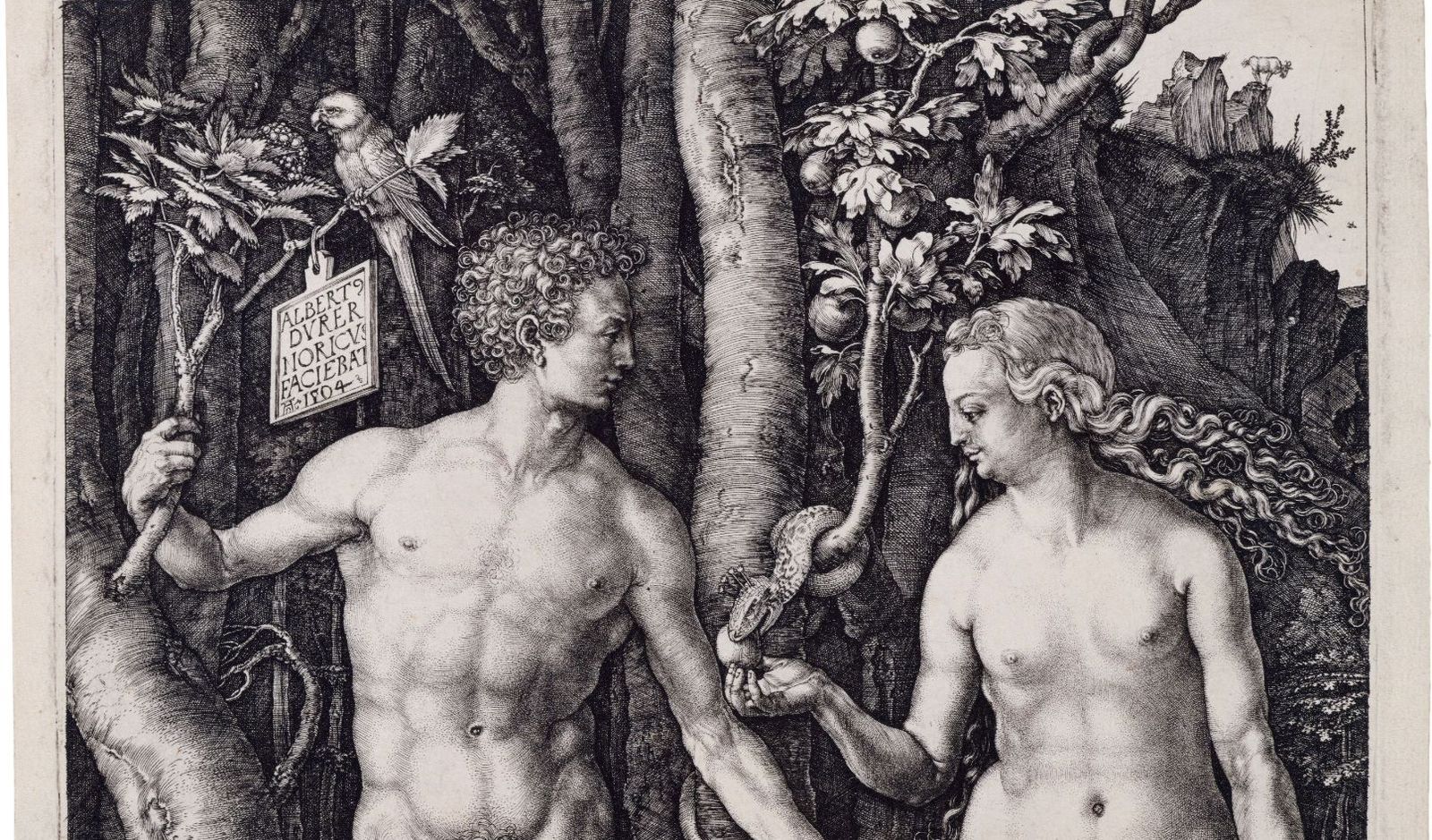
Image: Albrecht Dürer, Public domain, via Wikimedia Commons

When you picture the Garden of Eden, what fruit comes to mind? Most people imagine an apple, but there's just one problem: the Bible never says it was an apple.

In the Book of Genesis, the fruit is simply called "the fruit of the tree of the knowledge of good and evil." The original Hebrew text uses the word peri, which simply means "fruit." The apple connection came centuries later, largely through the Latin translation. The Latin word malum can mean both "apple" and "evil," making it an especially fitting symbol for the story. Over time, that association spread through Christian art and literature. Famous works such as Albrecht Dürer’s 1504 engraving Adam and Eve (also known as The Fall of Man) helped cement the image of Eve holding an apple. Today, it's one of the most famous scenes in history, even though the original biblical text doesn’t identify the fruit as an apple at all.

2

There were three wise men/kings

Image: Rawpixel.com

The story of Jesus' birth is so famous that most of us picture the Three Wise Men, sometimes called the Three Kings, standing beside the manger. But the thing is, over the centuries, the story picked up a few details that aren't actually in the Bible.

In the Gospel of Matthew, the only Gospel that mentions these visitors, they are described simply as Magi from the East. The original Greek word, magoi, referred to learned scholars, astrologers, or priests from Persia or Babylon, not kings. But where did the number three come from? Matthew lists three gifts: gold, frankincense, and myrrh, but never says how many visitors brought them. Over the centuries, people naturally assumed there must have been three Magi, one for each gift. Even their familiar names, Melchior, Caspar, and Balthasar, were added later by Christian tradition. So, neither the number of visitors nor their names appears anywhere in the biblical text.

3

"God helps those who help themselves"

Image: Adam Nir

Whether it's used to motivate a friend, encourage a family member, or push yourself to finally make a difficult decision, "God helps those who help themselves" is one of the most familiar religious sayings in America. But here's the surprise: those words never appear in the Bible.

The idea can be traced to ancient Greek sources, including Aesop’s Fables, where the saying appears in an earlier form: "The gods help them that help themselves." The exact modern wording was written by English politician Algernon Sidney in 1698, but it was Benjamin Franklin who helped make it part of American culture when he included it in his 1736 edition of Poor Richard’s Almanack.

4

"Cleanliness is next to godliness"

Image: John Jackson, CC BY 4.0, via Wikimedia Commons

Many teenagers have heard "Cleanliness is next to godliness" when it was time to clean their rooms. But despite sounding like a Bible verse, the phrase never appears in Scripture.

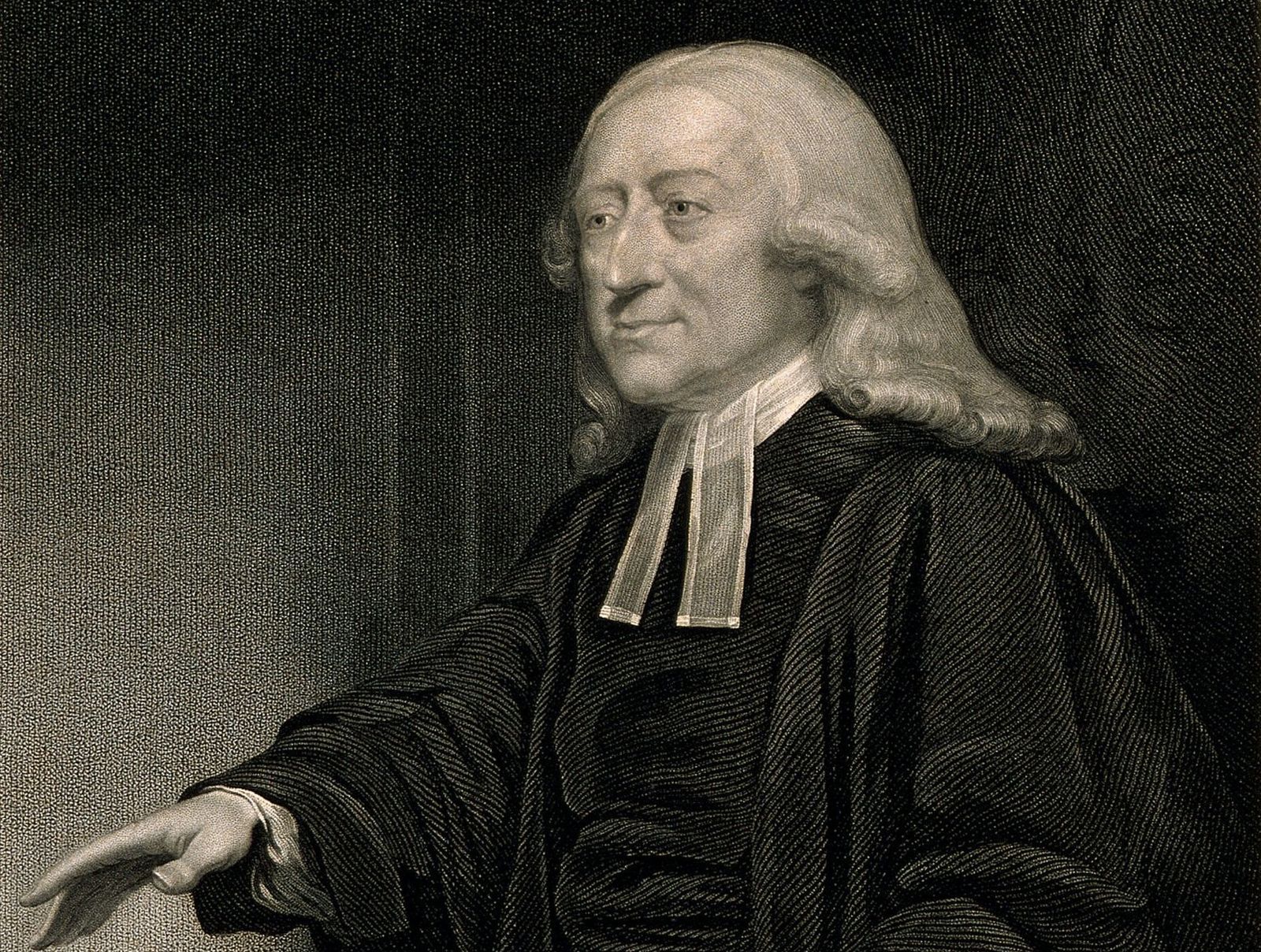
The Bible, particularly Leviticus, does contain extensive laws requiring people to wash their bodies and clothes in certain circumstances, especially before religious rituals. But the famous saying itself came much later. In 1605, Francis Bacon wrote in The Advancement of Learning that "cleanness of body" was connected to reverence for God. Then, in 1786, it was Methodist leader John Wesley who used the wording we recognize today in a sermon: "Cleanliness is indeed next to Godliness." Over time, the phrase became a familiar saying that many people simply assumed came from the Bible.

5

The date of Jesus' birth

Image: http://www.parrocchiasantagata.org, CC0, via Wikimedia Commons

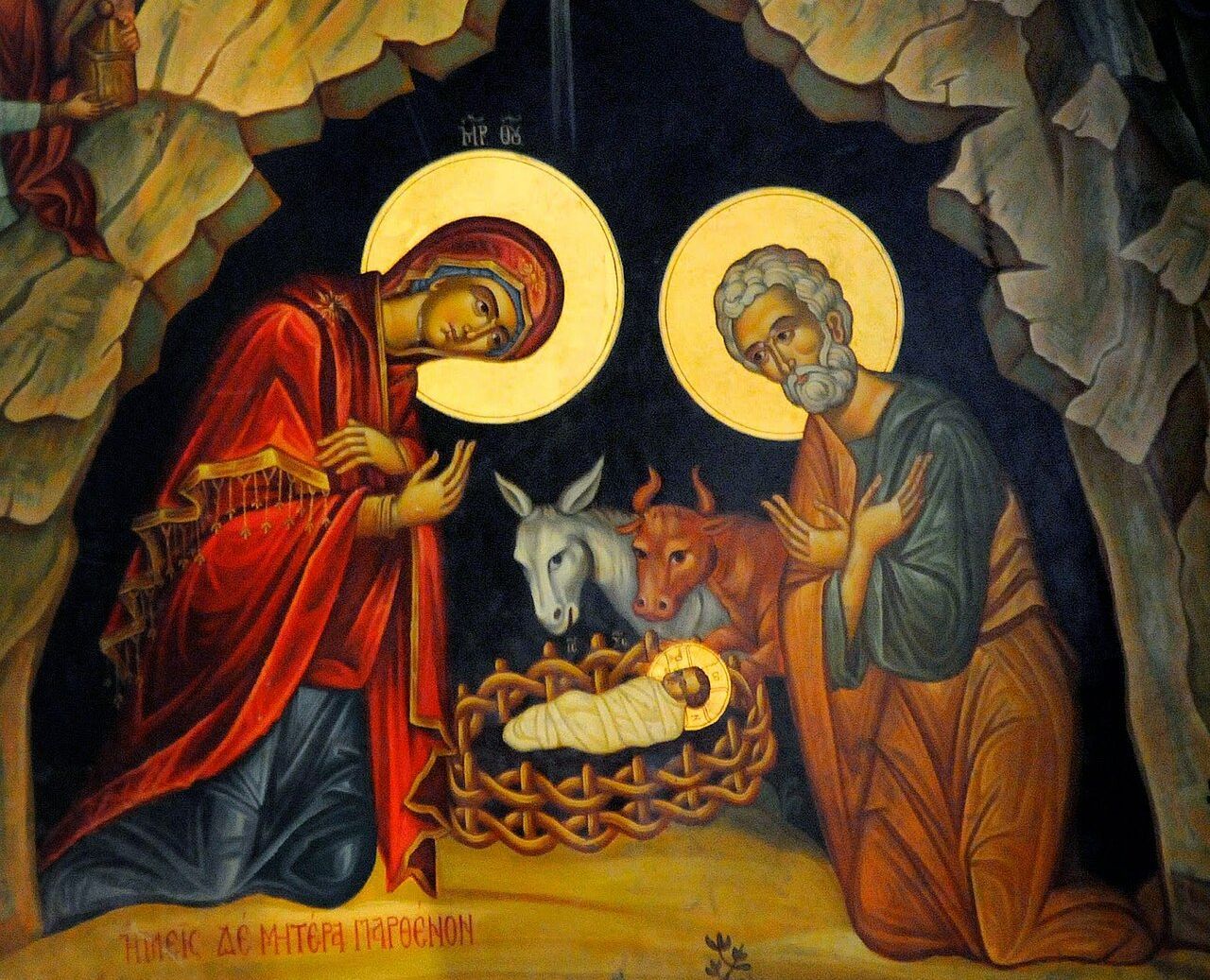
When it comes to famous dates, December 25 may be the most recognizable of all, universally associated with Christmas. But here's the surprising part: the Bible never gives any specific date for Jesus' birth.

The Gospels of Matthew and Luke describe the Nativity but never provide a calendar date, so how did December 25 become Christmas? There are two leading theories. The first is that the Roman Church was celebrating Christmas on December 25 by 336 AD, during Constantine's reign, possibly choosing the date to coincide with existing Roman winter festivals and make it easier to convert the empire to Christianity. The second points to an early Christian tradition that calculated Jesus' birth date from the supposed date of his crucifixion, eventually arriving at December 25.

6

Jonah and the Whale

Image: Pieter Lastman, Public domain, via Wikimedia Commons

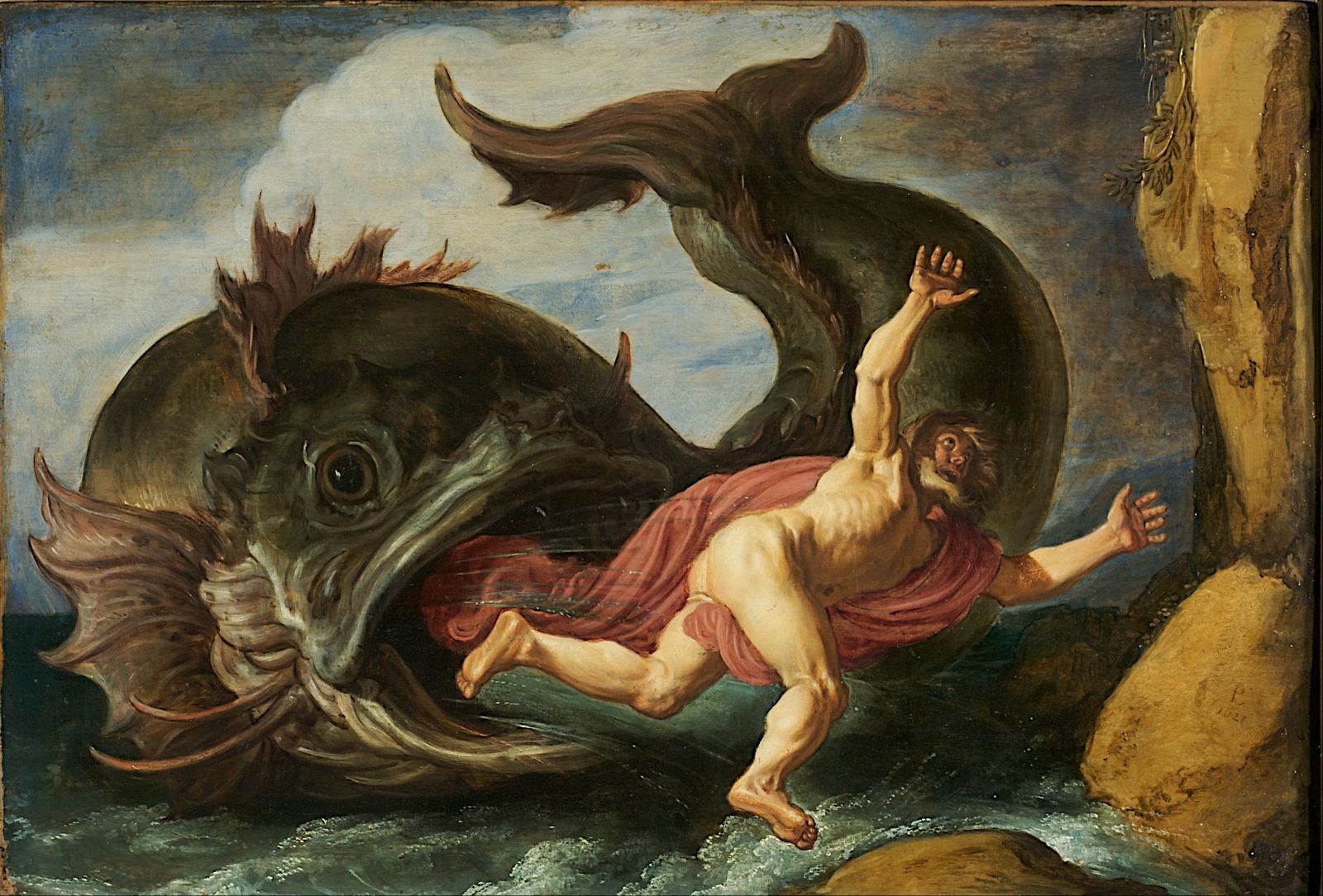
The story of Jonah and the Whale is so famous that it has appeared literally or symbolically in innumerable works of art and literature, from Michelangelo's Sistine Chapel ceiling (1508-1512) to Herman Melville's 1851 novel Moby-Dick. But there's a small problem with the title we've given it: the Bible doesn’t actually say it was a whale.

In the Old Testament, the original Hebrew text of Jonah 1:17 uses the words dag gadol, meaning "great fish" or "large fish"; it doesn't identify the creature as a whale, or even specify what kind of fish it was. Most modern English translations therefore stick with "great fish," but the familiar "whale" interpretation developed through older translations and later European tradition, eventually becoming so widespread that "Jonah and the Whale" became the name almost everyone recognizes.

7

The serpent in Eden was Satan

Image: neurobit

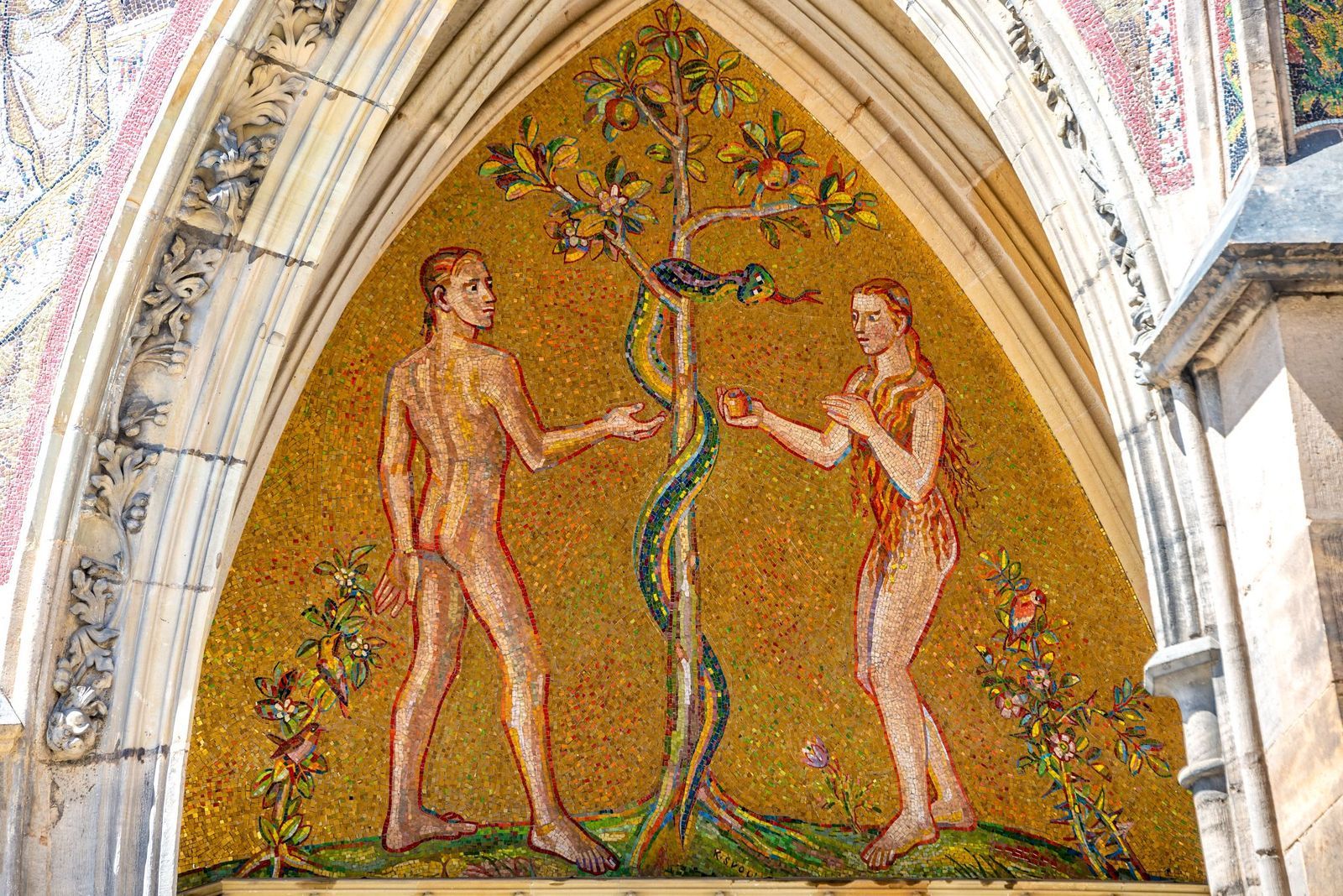
Just as we've always pictured the forbidden fruit as an apple, many of us also assume the serpent in the Garden of Eden is the devil himself. But the original story is a little more complicated.

A plain reading of Genesis depicts the creature simply as a serpent or snake, using the Hebrew word nachash. It describes the serpent as clever and crafty, but it never calls it Satan or explicitly identifies it as the devil. So where did the connection come from? The answer comes from later parts of the Bible, particularly the New Testament. In Revelation 12:9 and 20:2, Satan is called "the ancient serpent" (ho ophis ho archaios in Greek), connecting him to the snake of Eden. Over time, Christian tradition applied that later connection back to Genesis, leading to the familiar belief that the serpent was Satan himself.

8

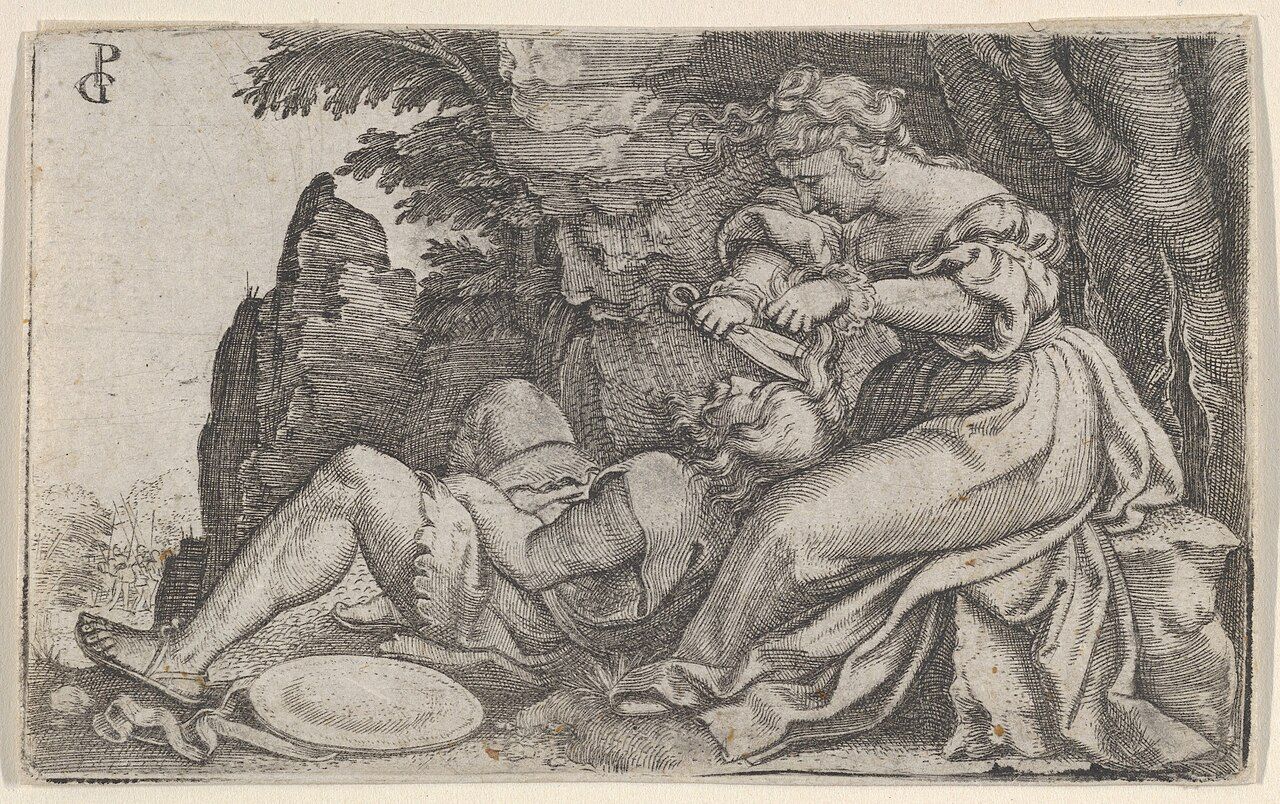
Delilah Cut Samson’s Hair

Image: Georg Pencz, CC0, via Wikimedia Commons

Many of us remember Samson for his legendary strength and the long hair that was said to be the source of his power. His story with Delilah is one of the Bible's most famous tales of betrayal, but there's one detail some people may have gotten wrong: Delilah didn't actually cut his long hair.

In Judges 16:19, Delilah has Samson's hair shaved while he sleeps on her lap. The text says she called for a man to do the shaving; it never says she did it herself. Yet paintings, films, and other retellings have often shown Delilah wielding the scissors herself, cementing that image in popular culture. It can be considered a small detail, but it’s a great example of how easily familiar Bible stories can pick up elements that aren't actually in the original text.

9

The Bible is a single-voice book

Image: Pixel-Shot

Many of us think of the Bible as a single book, written at one particular time by one author, or perhaps a handful of them. After all, that's how it looks when you pick one up in a hotel room, but its history is far more complicated.

The Bible is actually a collection of books written by over 40 authors over roughly 1,500 years, from about 1400 BC to AD 100. The exact number of books varies by religious tradition: Protestant Bibles contain 66 books, while Catholic and Orthodox traditions include additional books. Across these different traditions, the writings were produced by kings, prophets, fishermen, and scholars in Hebrew, Aramaic, and Greek. They also span a tremendous range of literary styles, including history, poetry, songs, laws, letters, and prophecy. So while we hold it as one book today, the Bible is actually a collection of many different writings produced across centuries.

10

Original manuscripts still exist

Image: https://www.themorgan.org/manuscript/350198, Public domain, via Wikimedia Commons

Many people assume that at least a few original fragments of the Bible must still exist somewhere. It would be incredible if they did, but none of the original manuscripts, known as autographs, have survived.

The earliest biblical texts were written on fragile materials such as papyrus and animal skins, which could deteriorate through humidity, heat, handling, and simple age. Wars, fires, and other destruction also contributed to their disappearance. So how do we know what the originals said? Through a technique called textual criticism: expert scholars compare thousands of handwritten copies, ancient translations, and quotations from early Christian writers. When they find passages that match across different sources, or differences that reveal how a text changed over time, they can work backward to determine what the original most likely said, even though the original manuscripts themselves are gone.

Looking for an extra scoop of literary fun?

Learn more with our Word of the day

compliant

/kəmˈplaɪənt/