Some names stick around

Who was Eleanor Rigby? The truth behind these 12 famous song characters


Published on September 1, 2026


Image: Christina Radevich

Sometimes, a character is the perfect alter-ego to write a song about oneself without self-referencing so much. Other times, a character is just a character. Over the years, musicians have come up with lonely dreamers, fearless heroes, mysterious strangers, and even supernatural villains who have become just as famous as the songs themselves. Some were inspired by real people, others sprang entirely from imagination, but all of them left a lasting mark on music history. Which of these 12 do you remember?

1

Table Top Joe — Tom Waits — "Table Top Joe"

Image: lev radin

Tom Waits has always had a soft spot for society's oddballs, and few are even stranger than Table Top Joe. Introduced on the 2002 album Alice, Joe is born with only a head and hands, yet grows into a brilliant piano player whose extraordinary talent earns him fame despite the odds stacked against him.

The song unfolds like a forgotten American folk tale, complete with references to Coney Island's legendary Dreamland amusement park and composer Igor Stravinsky. Although many listeners assume the story is based on an old carnival legend, Table Top Joe is entirely Tom Waits' own creation.

2

Ziggy Stardust — David Bowie — "Ziggy Stardust"

Image: PHLD Luca

Few fictional musicians have ever become as famous as Ziggy Stardust. Introduced in 1972, Ziggy is an alien rock star sent to Earth shortly before humanity's end, only to be consumed by the very fame that makes him a savior to millions.

David Bowie blurred the line between fiction and reality by performing as Ziggy onstage for more than a year. When he unexpectedly announced Ziggy's retirement during a concert at London's Hammersmith Odeon in 1973, many fans believed the character, and perhaps Bowie himself, had truly reached the end of the story.

3

Tommy — The Who — "Tommy"

Image: defotoberg

Tommy Walker isn't just the hero of a song, he's the central figure of one of rock music's first great operas. After witnessing a traumatic event as a child, Tommy becomes deaf, mute, and blind, yet somehow develops astonishing pinball skills that transform him into an unlikely celebrity.

Pete Townshend built an entire musical world around Tommy, exploring themes of trauma, faith, and redemption. First released in 1969, Tommy later became a hit film, a Broadway production, and one of the most influential concept albums ever recorded.

4

Johnny B. Goode — Chuck Berry — "Johnny B. Goode"
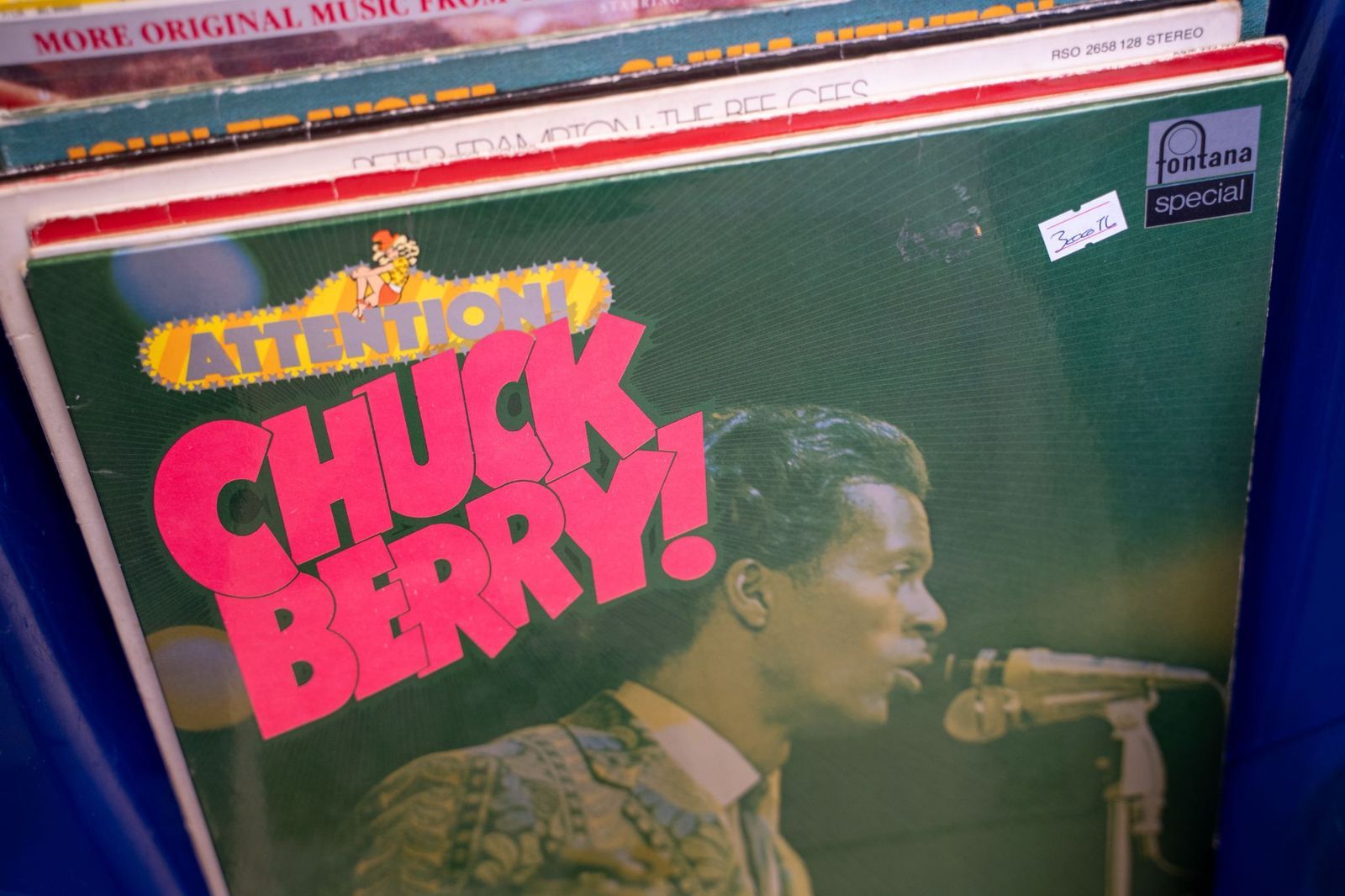
Image: Erman Gunes

Johnny B. Goode is every aspiring musician's dream. Growing up in rural Louisiana with little more than a guitar and natural talent, he plays so brilliantly that listeners predict "his name will be in lights."

Chuck Berry based the character partly on himself and partly on pianist Johnnie Johnson. Originally described as a "colored boy," Johnny became a "country boy" in the final lyrics, making the song more likely to receive airplay during the segregation era. Nearly two decades later, Johnny's anthem would even travel into space aboard NASA's Voyager Golden Record.

5

Eleanor Rigby — The Beatles — "Eleanor Rigby"
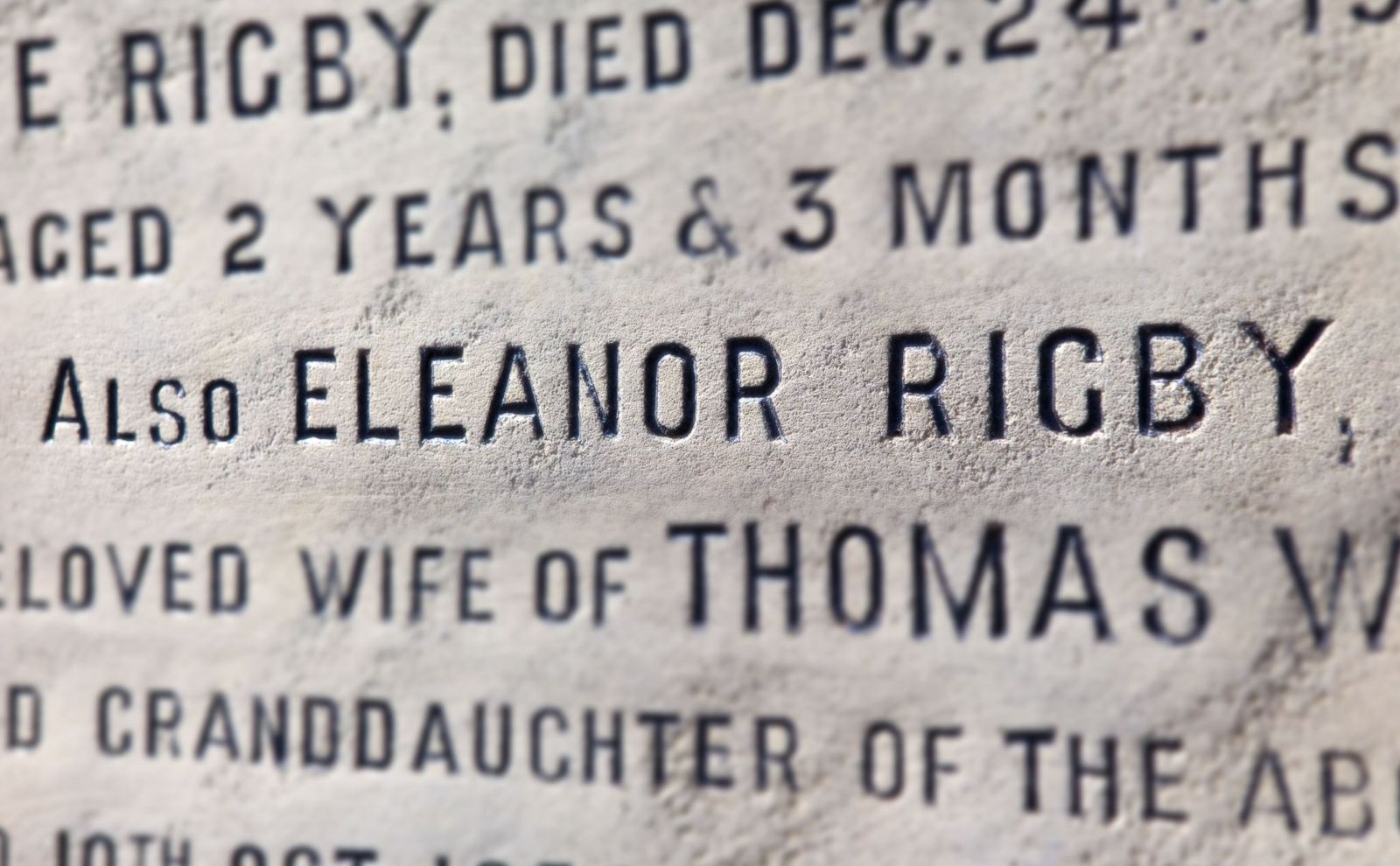
Image: chrisdorney

Few fictional characters have captured loneliness as powerfully as Eleanor Rigby. She quietly moves through life unnoticed, while Father McKenzie delivers sermons that no one hears, creating one of popular music's saddest portraits of isolation.

Paul McCartney later explained that Eleanor's name came from actress Eleanor Bron and the Liverpool shop Rigby & Evens. The discovery of an actual Eleanor Rigby gravestone in Liverpool only deepened the song's mystique, though McCartney maintained the coincidence was unintentional.

6

Billie Jean — Michael Jackson — "Billie Jean"
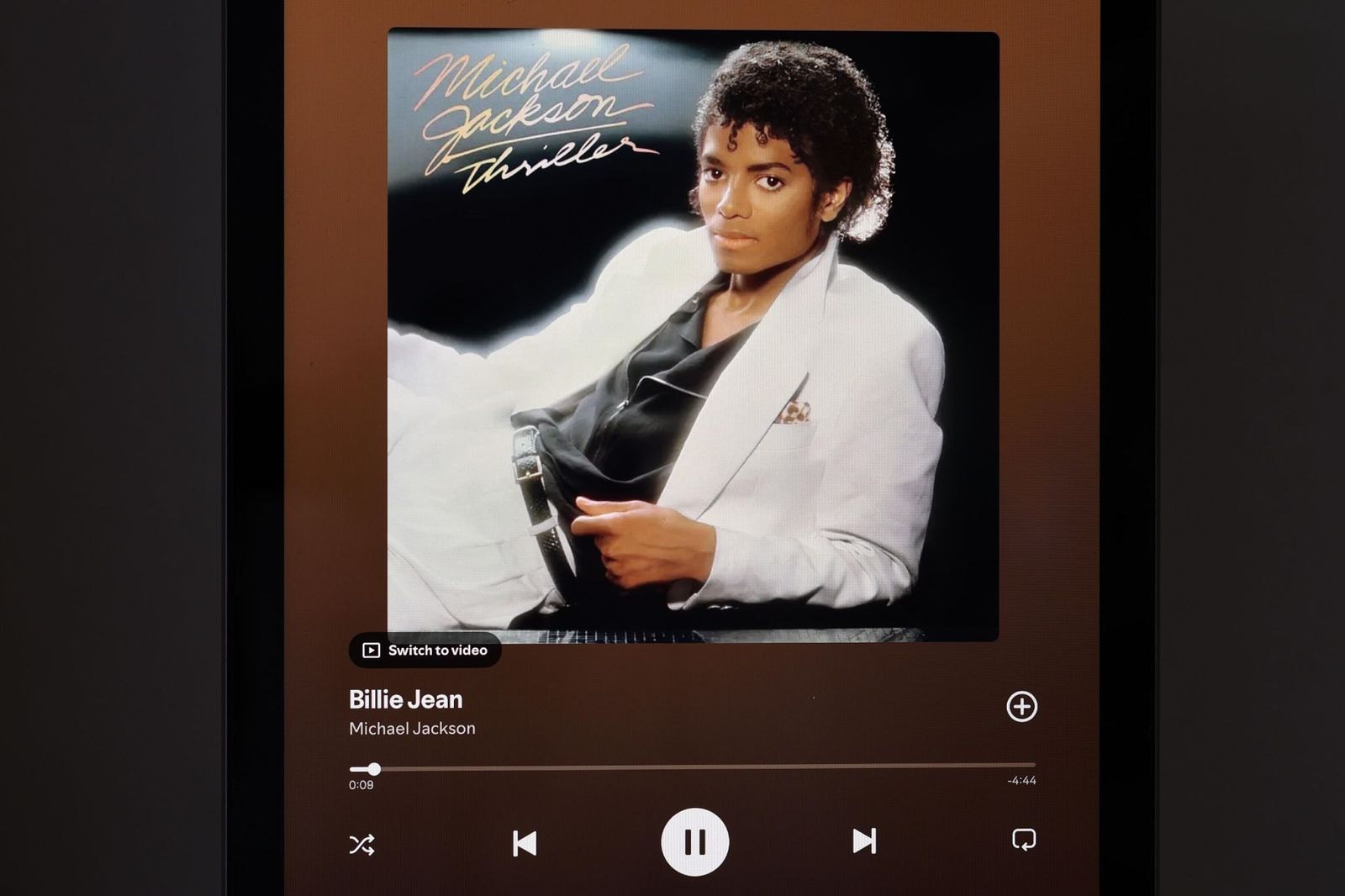
Image: McSleepy

Billie Jean may be one of pop music's most famous women, yet Michael Jackson insisted she wasn't a real person. Instead, she represented several women who falsely claimed that he had fathered their children during the height of the Jackson 5's fame.

Released in 1983 as part of Thriller, the song became a global phenomenon. It also provided the stage for Jackson's legendary moonwalk during Motown 25.

7

Stagger Lee — Lloyd Price — "Stagger Lee"

Image: L Paul Mann

Unlike many legendary song characters, Stagger Lee actually existed. His real name was Lee Shelton, a St. Louis criminal who murdered Billy Lyons during an argument over a hat on Christmas Eve in 1895.

The shocking crime quickly entered American folklore through countless folk songs before Lloyd Price transformed it into a chart-topping hit in 1958. More than a century later, Stagger Lee remains one of the most enduring antiheroes in American music.

8

Tom Dooley — The Kingston Trio — "Tom Dooley"

Image: BOOCYS

Tom Dooley was inspired by Thomas Dula, a Confederate veteran executed in North Carolina in 1868 after being convicted of murdering Laura Foster. His surname was locally pronounced "Dooley," giving the ballad its familiar title.

The Kingston Trio revived the old Appalachian folk song in 1958, turning it into an international hit and helping launch America's folk music revival.

9

Lola — The Kinks — "Lola"

Image: McSleepy

When the narrator of "Lola" meets an intriguing stranger in a Soho nightclub, expectations quickly give way to surprise. Ray Davies crafted one of rock's earliest mainstream stories exploring gender ambiguity, decades before the topic entered popular conversation.

The recording rarely reached British radio. Because BBC rules prohibited commercial product names, Davies had to interrupt a U.S. tour and fly back to London simply to replace the lyric "Coca-Cola" with the now-famous "cherry cola."

10

Piano Man — Billy Joel — "Piano Man"

Image: Debby Wong

Unlike most famous song characters, the Piano Man is really Billy Joel himself. Before becoming a superstar, Joel spent six months in 1972 and 1973 performing under the pseudonym Bill Martin at the Executive Room, a piano bar in Los Angeles, after becoming trapped in a bad recording contract. The song transforms those experiences into a bittersweet portrait of ordinary people searching for escape at the end of another week.

Joel has said that virtually every character in the song was based on a real person, from bartender John to "Paul, the real estate novelist" and Davy, who really was in the Navy. Yet the Piano Man himself became the story's most enduring character: a quiet observer who offers music as a brief refuge for dreamers, lonely souls, and regulars alike. More than fifty years after its 1973 release, "Piano Man" remains Billy Joel's signature song, and its title has effectively become his lifelong nickname.

11

Amos Moses — Jerry Reed — "Amos Moses"

Image: AS project

Standing nearly seven feet tall and missing an arm, Amos Moses roams the Louisiana swamps hunting alligators. Jerry Reed filled the song with colorful Southern expressions and exaggerated storytelling that make Amos feel like an authentic folk legend.

Although fictional, Amos embodies the larger-than-life heroes found throughout American tall tales. His adventures turned the song into one of Reed's biggest crossover hits and secured Amos a permanent place among country music's greatest characters.

12

Big Bad John — Jimmy Dean — "Big Bad John"

Image: mirigifford

Big Bad John hardly says a word, but he doesn't have to. The towering coal miner earns everyone's respect through quiet strength before sacrificing his own life to save fellow workers when a mine collapses.

Jimmy Dean's 1961 ballad became a smash hit, winning a Grammy and inspiring several sequel songs. More than sixty years later, Big Bad John still stands as one of country music's defining working-class heroes.
Translation and interpretation

Was the forbidden fruit really an apple? 10 Bible surprises


Published on September 1, 2026


Image: Mariordo, CC BY-SA 4.0, via Wikimedia Commons

What if some of the Bible stories you grew up with aren't exactly what the Bible says? Was the forbidden fruit really an apple? Were there actually three Wise Men? Did "God helps those who help themselves" really come from the Bible? Over centuries, translations, traditions, and famous works of art have added details that became so familiar, we stopped questioning them. But go back to the texts, and some of these stories look surprisingly different. From Eve's "apple" to the date of Jesus' birth, here are 10 familiar parts of the Bible that may not be quite what we remember.

1

The forbidden fruit was an apple

Image: Albrecht Dürer, Public domain, via Wikimedia Commons

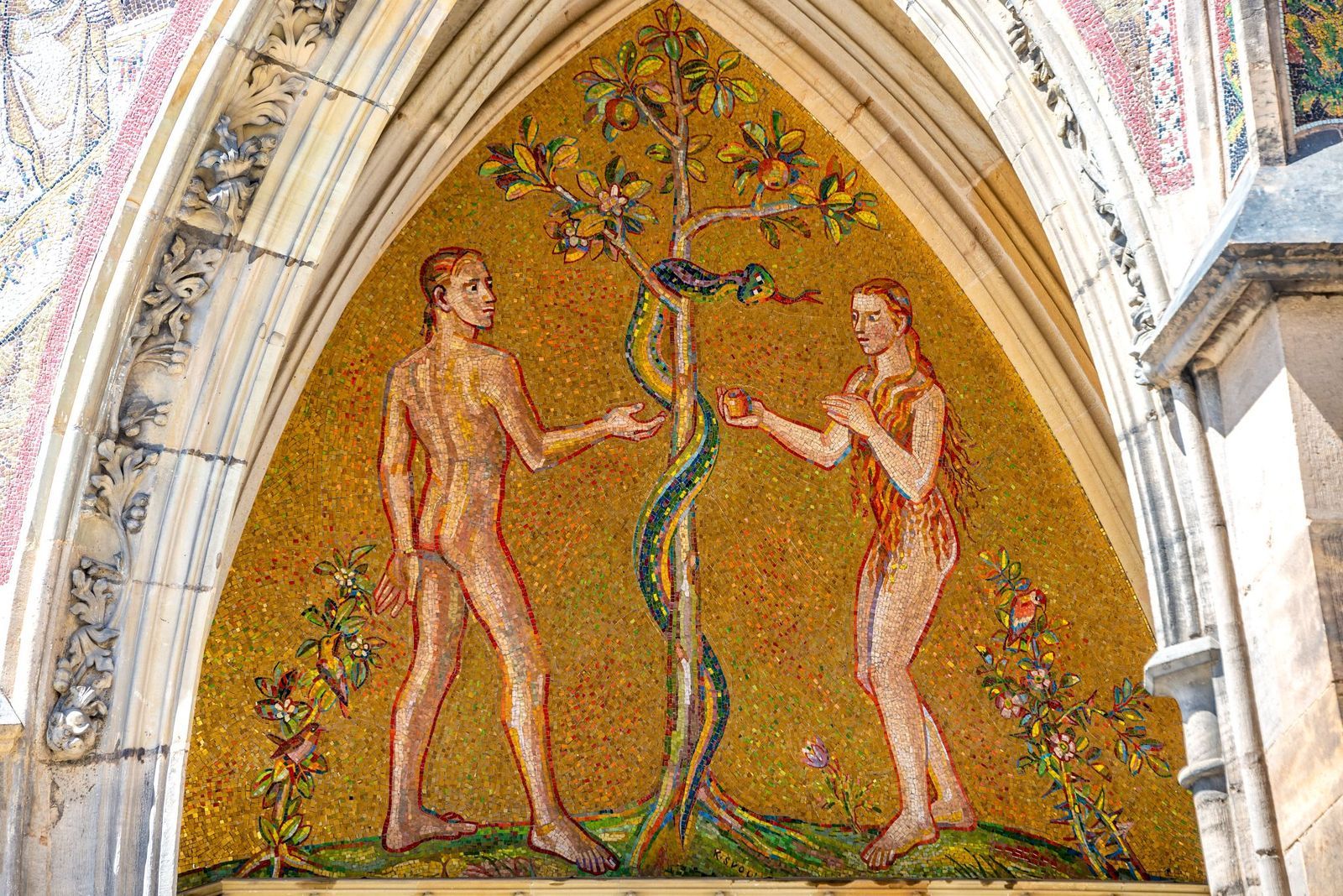
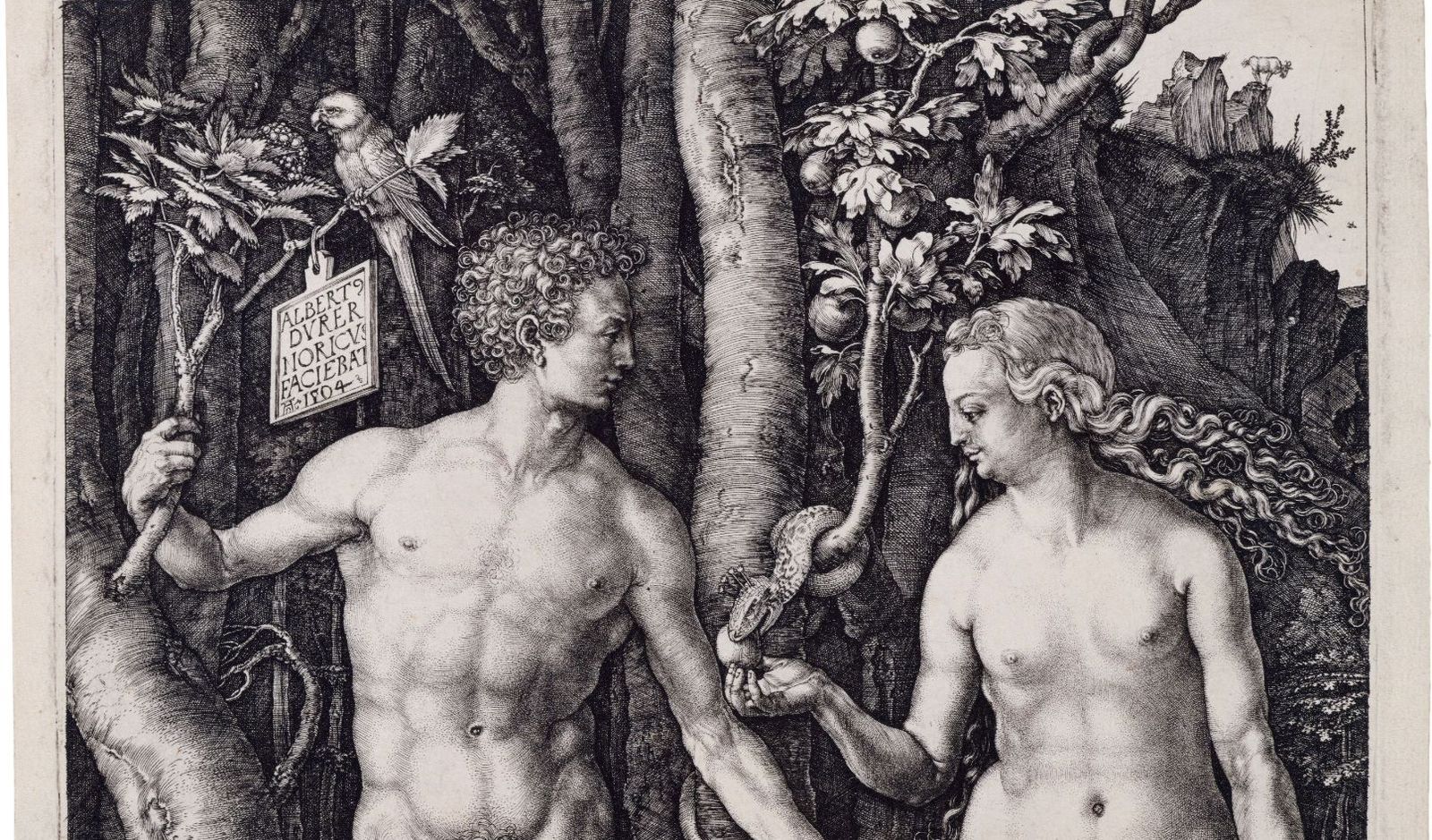
When you picture the Garden of Eden, what fruit comes to mind? Most people imagine an apple, but there's just one problem: the Bible never says it was an apple.

In the Book of Genesis, the fruit is simply called "the fruit of the tree of the knowledge of good and evil." The original Hebrew text uses the word peri, which simply means "fruit." The apple connection came centuries later, largely through the Latin translation. The Latin word malum can mean both "apple" and "evil," making it an especially fitting symbol for the story. Over time, that association spread through Christian art and literature. Famous works such as Albrecht Dürer’s 1504 engraving Adam and Eve (also known as The Fall of Man) helped cement the image of Eve holding an apple. Today, it's one of the most famous scenes in history, even though the original biblical text doesn’t identify the fruit as an apple at all.

2

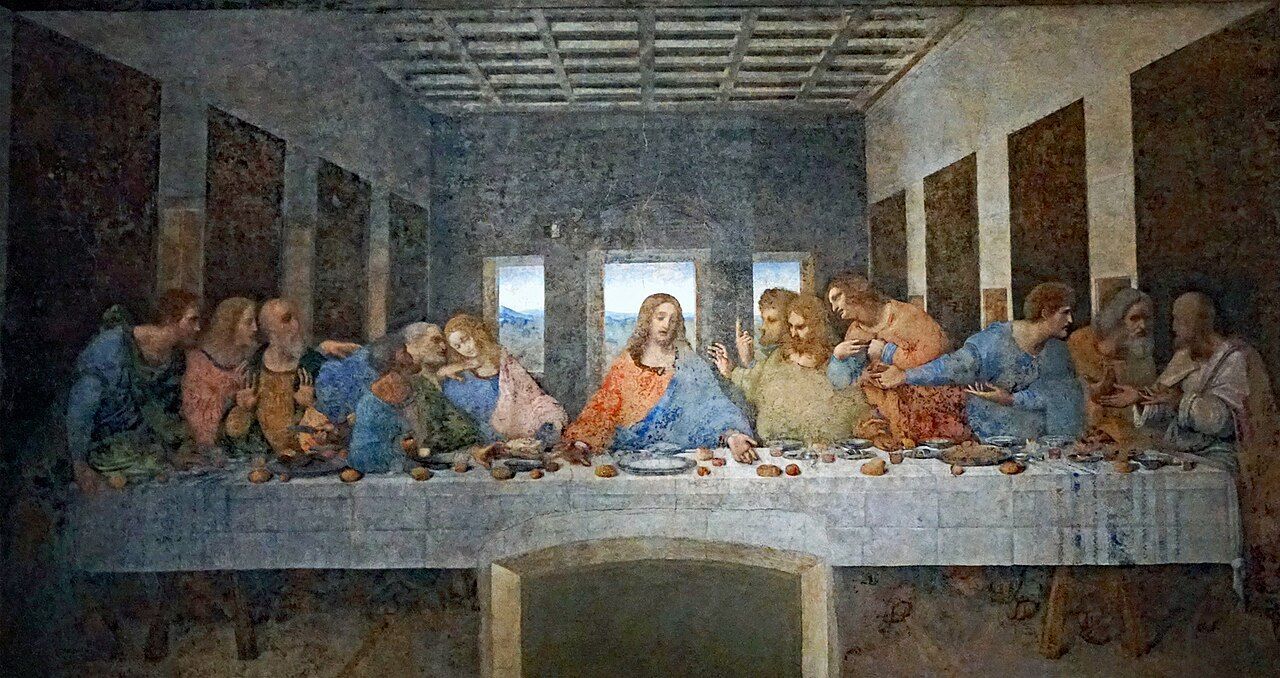
There were three wise men/kings

Image: Rawpixel.com

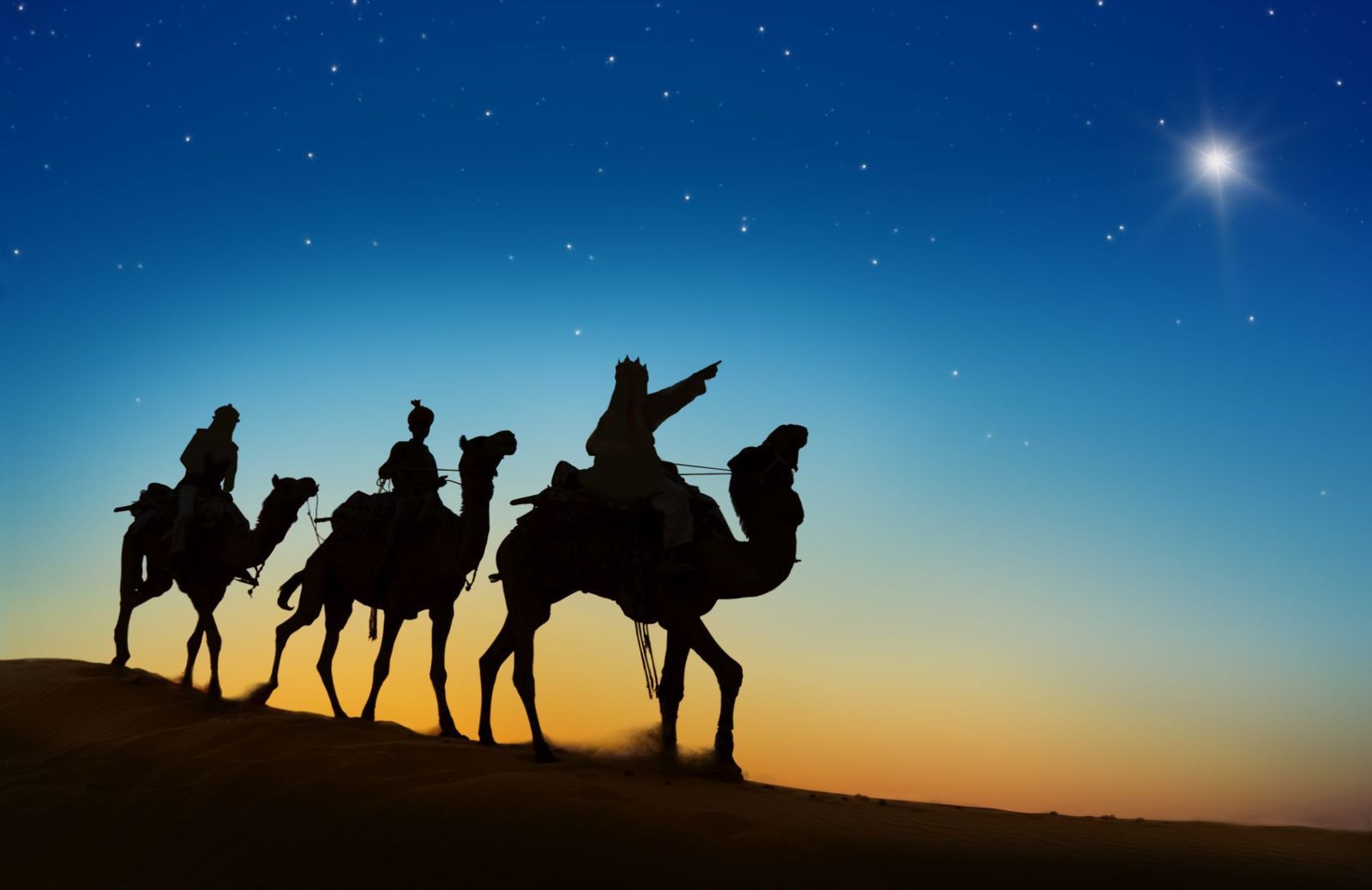
The story of Jesus' birth is so famous that most of us picture the Three Wise Men, sometimes called the Three Kings, standing beside the manger. But the thing is, over the centuries, the story picked up a few details that aren't actually in the Bible.

In the Gospel of Matthew, the only Gospel that mentions these visitors, they are described simply as Magi from the East. The original Greek word, magoi, referred to learned scholars, astrologers, or priests from Persia or Babylon, not kings. But where did the number three come from? Matthew lists three gifts: gold, frankincense, and myrrh, but never says how many visitors brought them. Over the centuries, people naturally assumed there must have been three Magi, one for each gift. Even their familiar names, Melchior, Caspar, and Balthasar, were added later by Christian tradition. So, neither the number of visitors nor their names appears anywhere in the biblical text.

3

"God helps those who help themselves"

Image: Adam Nir

Whether it's used to motivate a friend, encourage a family member, or push yourself to finally make a difficult decision, "God helps those who help themselves" is one of the most familiar religious sayings in America. But here's the surprise: those words never appear in the Bible.

The idea can be traced to ancient Greek sources, including Aesop’s Fables, where the saying appears in an earlier form: "The gods help them that help themselves." The exact modern wording was written by English politician Algernon Sidney in 1698, but it was Benjamin Franklin who helped make it part of American culture when he included it in his 1736 edition of Poor Richard’s Almanack.

4

"Cleanliness is next to godliness"

Image: John Jackson, CC BY 4.0, via Wikimedia Commons

Many teenagers have heard "Cleanliness is next to godliness" when it was time to clean their rooms. But despite sounding like a Bible verse, the phrase never appears in Scripture.

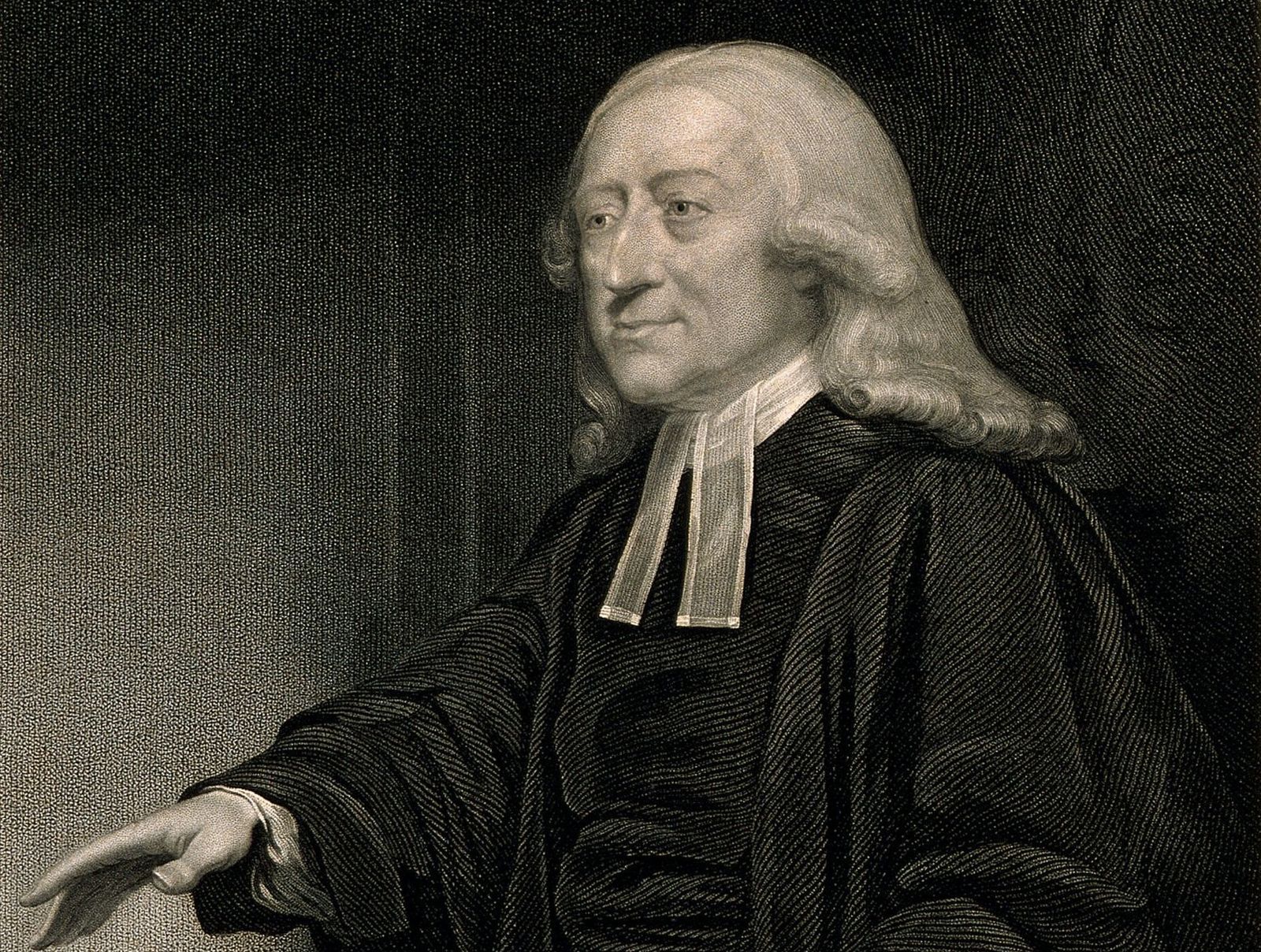
The Bible, particularly Leviticus, does contain extensive laws requiring people to wash their bodies and clothes in certain circumstances, especially before religious rituals. But the famous saying itself came much later. In 1605, Francis Bacon wrote in The Advancement of Learning that "cleanness of body" was connected to reverence for God. Then, in 1786, it was Methodist leader John Wesley who used the wording we recognize today in a sermon: "Cleanliness is indeed next to Godliness." Over time, the phrase became a familiar saying that many people simply assumed came from the Bible.

5

The date of Jesus' birth

Image: http://www.parrocchiasantagata.org, CC0, via Wikimedia Commons

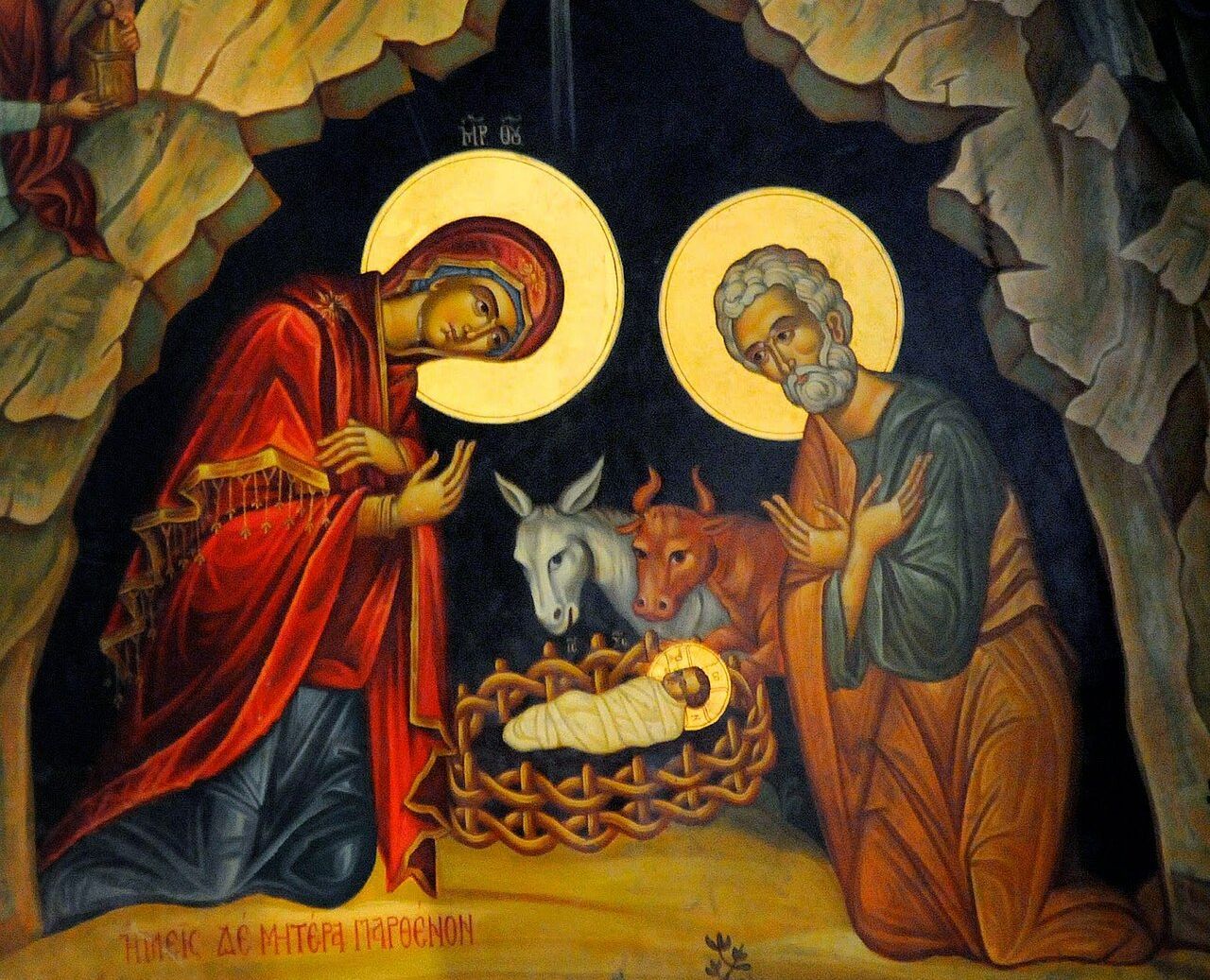
When it comes to famous dates, December 25 may be the most recognizable of all, universally associated with Christmas. But here's the surprising part: the Bible never gives any specific date for Jesus' birth.

The Gospels of Matthew and Luke describe the Nativity but never provide a calendar date, so how did December 25 become Christmas? There are two leading theories. The first is that the Roman Church was celebrating Christmas on December 25 by 336 AD, during Constantine's reign, possibly choosing the date to coincide with existing Roman winter festivals and make it easier to convert the empire to Christianity. The second points to an early Christian tradition that calculated Jesus' birth date from the supposed date of his crucifixion, eventually arriving at December 25.

6

Jonah and the Whale

Image: Pieter Lastman, Public domain, via Wikimedia Commons

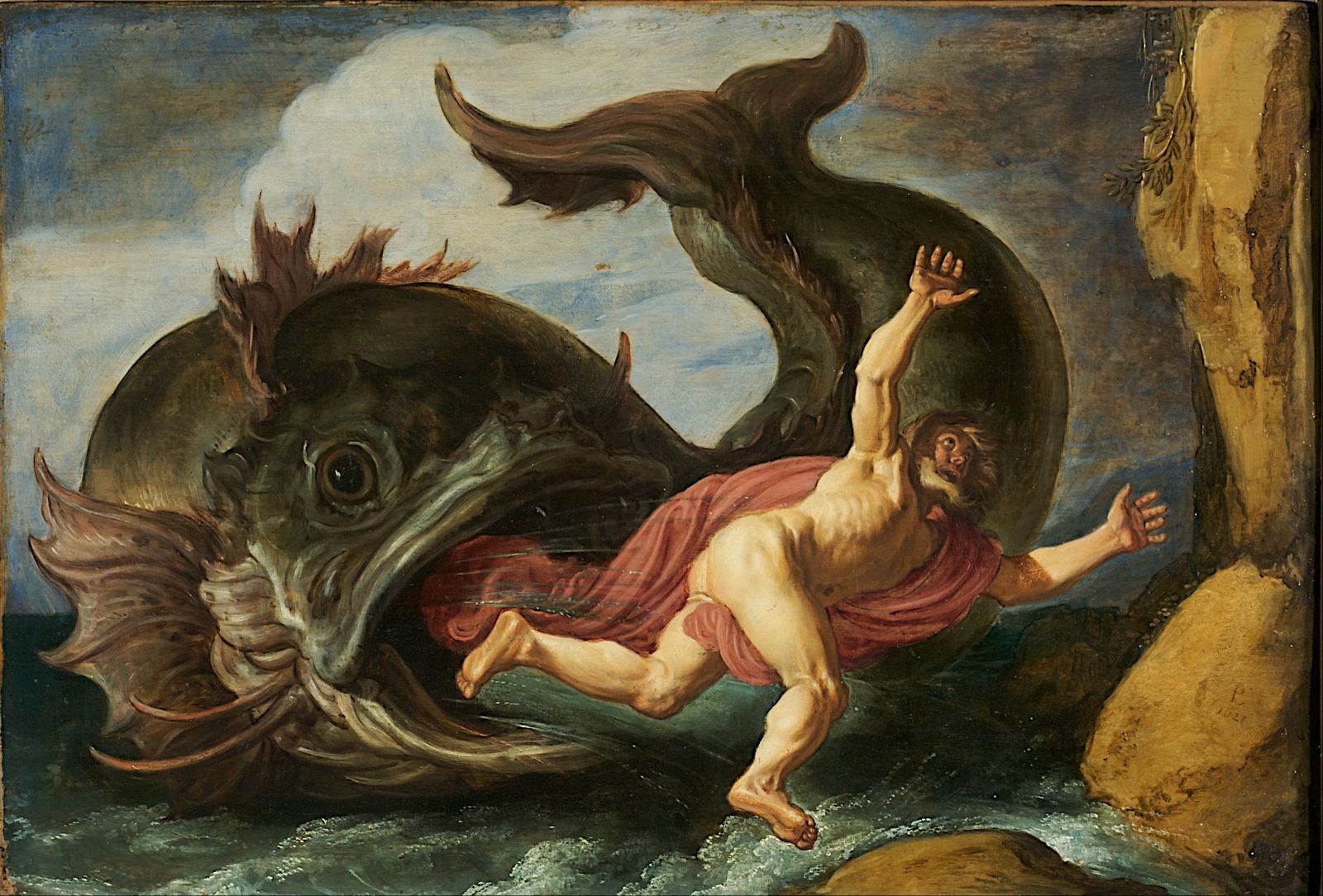
The story of Jonah and the Whale is so famous that it has appeared literally or symbolically in innumerable works of art and literature, from Michelangelo's Sistine Chapel ceiling (1508-1512) to Herman Melville's 1851 novel Moby-Dick. But there's a small problem with the title we've given it: the Bible doesn’t actually say it was a whale.

In the Old Testament, the original Hebrew text of Jonah 1:17 uses the words dag gadol, meaning "great fish" or "large fish"; it doesn't identify the creature as a whale, or even specify what kind of fish it was. Most modern English translations therefore stick with "great fish," but the familiar "whale" interpretation developed through older translations and later European tradition, eventually becoming so widespread that "Jonah and the Whale" became the name almost everyone recognizes.

7

The serpent in Eden was Satan

Image: neurobit

Just as we've always pictured the forbidden fruit as an apple, many of us also assume the serpent in the Garden of Eden is the devil himself. But the original story is a little more complicated.

A plain reading of Genesis depicts the creature simply as a serpent or snake, using the Hebrew word nachash. It describes the serpent as clever and crafty, but it never calls it Satan or explicitly identifies it as the devil. So where did the connection come from? The answer comes from later parts of the Bible, particularly the New Testament. In Revelation 12:9 and 20:2, Satan is called "the ancient serpent" (ho ophis ho archaios in Greek), connecting him to the snake of Eden. Over time, Christian tradition applied that later connection back to Genesis, leading to the familiar belief that the serpent was Satan himself.

8

Delilah Cut Samson’s Hair

Image: Georg Pencz, CC0, via Wikimedia Commons

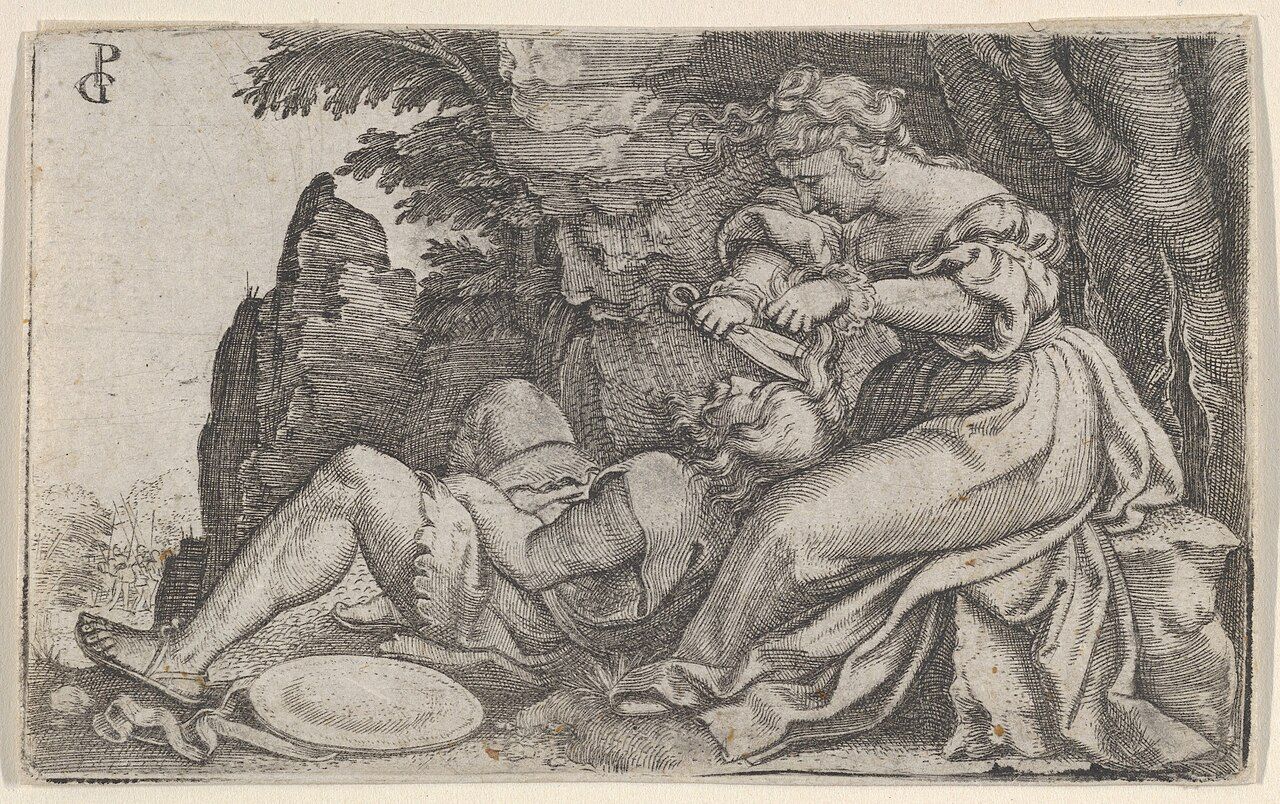
Many of us remember Samson for his legendary strength and the long hair that was said to be the source of his power. His story with Delilah is one of the Bible's most famous tales of betrayal, but there's one detail some people may have gotten wrong: Delilah didn't actually cut his long hair.

In Judges 16:19, Delilah has Samson's hair shaved while he sleeps on her lap. The text says she called for a man to do the shaving; it never says she did it herself. Yet paintings, films, and other retellings have often shown Delilah wielding the scissors herself, cementing that image in popular culture. It can be considered a small detail, but it’s a great example of how easily familiar Bible stories can pick up elements that aren't actually in the original text.

9

The Bible is a single-voice book

Image: Pixel-Shot

Many of us think of the Bible as a single book, written at one particular time by one author, or perhaps a handful of them. After all, that's how it looks when you pick one up in a hotel room, but its history is far more complicated.

The Bible is actually a collection of books written by over 40 authors over roughly 1,500 years, from about 1400 BC to AD 100. The exact number of books varies by religious tradition: Protestant Bibles contain 66 books, while Catholic and Orthodox traditions include additional books. Across these different traditions, the writings were produced by kings, prophets, fishermen, and scholars in Hebrew, Aramaic, and Greek. They also span a tremendous range of literary styles, including history, poetry, songs, laws, letters, and prophecy. So while we hold it as one book today, the Bible is actually a collection of many different writings produced across centuries.

10

Original manuscripts still exist

Image: https://www.themorgan.org/manuscript/350198, Public domain, via Wikimedia Commons

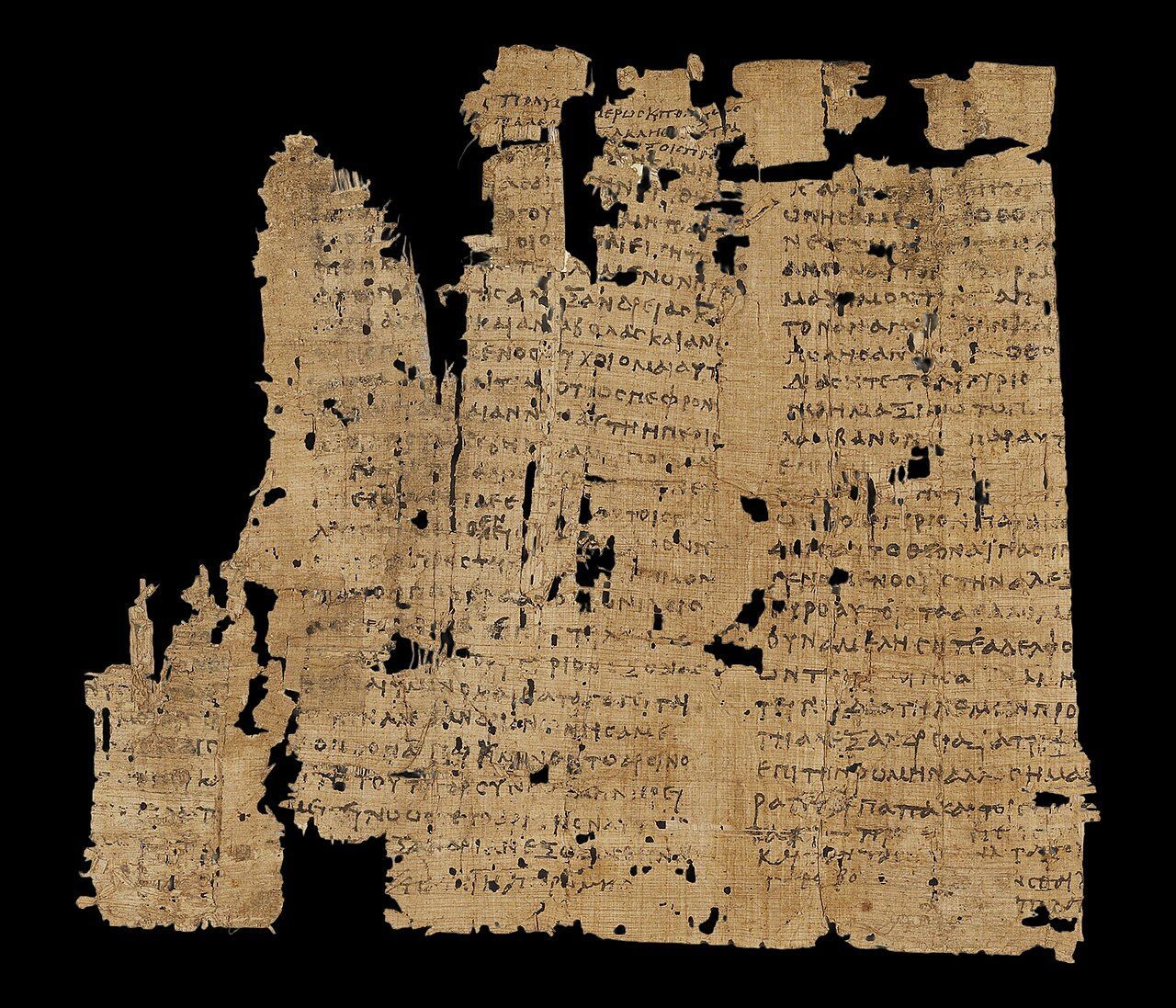
Many people assume that at least a few original fragments of the Bible must still exist somewhere. It would be incredible if they did, but none of the original manuscripts, known as autographs, have survived.

The earliest biblical texts were written on fragile materials such as papyrus and animal skins, which could deteriorate through humidity, heat, handling, and simple age. Wars, fires, and other destruction also contributed to their disappearance. So how do we know what the originals said? Through a technique called textual criticism: expert scholars compare thousands of handwritten copies, ancient translations, and quotations from early Christian writers. When they find passages that match across different sources, or differences that reveal how a text changed over time, they can work backward to determine what the original most likely said, even though the original manuscripts themselves are gone.

Looking for an extra scoop of literary fun?

Learn more with our Word of the day

parry

/ˈpɛri/