Lost futures

We were promised jetpacks: 10 futures that never arrived


Published on April 2, 2026


Image: isaac.

From jetpacks to robot servants, past generations had big dreams for the 21st century. Magazines, sci-fi writers, and even scientists once imagined a future far flashier than today’s reality. But many of these predictions never came true—or at least not in the ways they expected. Here's a roundup of 10 things we were supposed to have mastered by now… but haven’t.

1

Jetpacks for everyone

Image: SpaceX

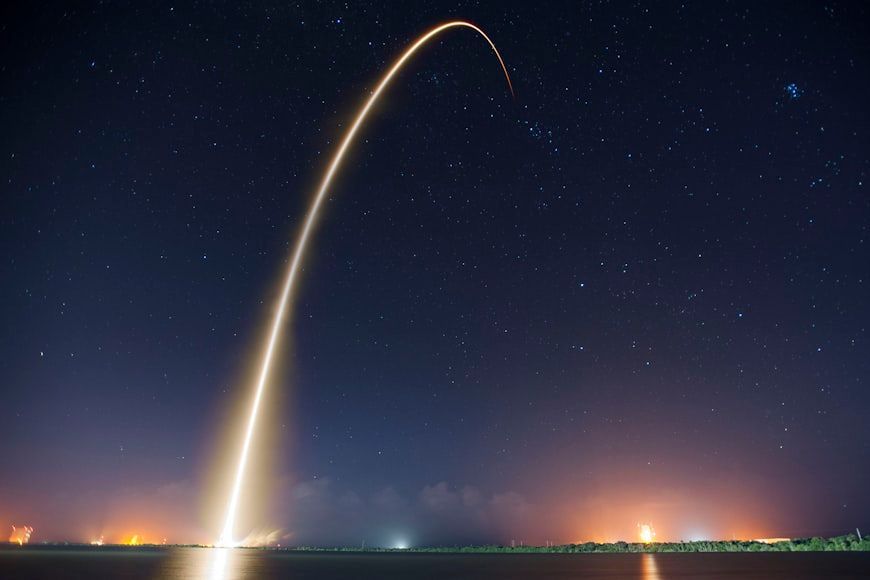
In the 1960s, Bell Aerosystems developed a working jetpack prototype, and the media rushed to predict that personal flight would soon be common.

The Bell Rocket Belt was even showcased at the 1964 World’s Fair, but its 21-second flight limit and high fuel consumption prevented it from achieving mass adoption. Modern versions exist but are expensive and impractical for daily use.

2

Flying cars in every garage

Image: MeSSrro

Popular Mechanics and other similar magazines predicted that flying cars would fill the skies by the turn of the millennium.

Despite prototypes like the quirky Aerocar of the 1950s and today’s advances in vertical takeoff and electric aviation, flying cars remain more dream than reality.

3

Moon colonies

Image: NASA

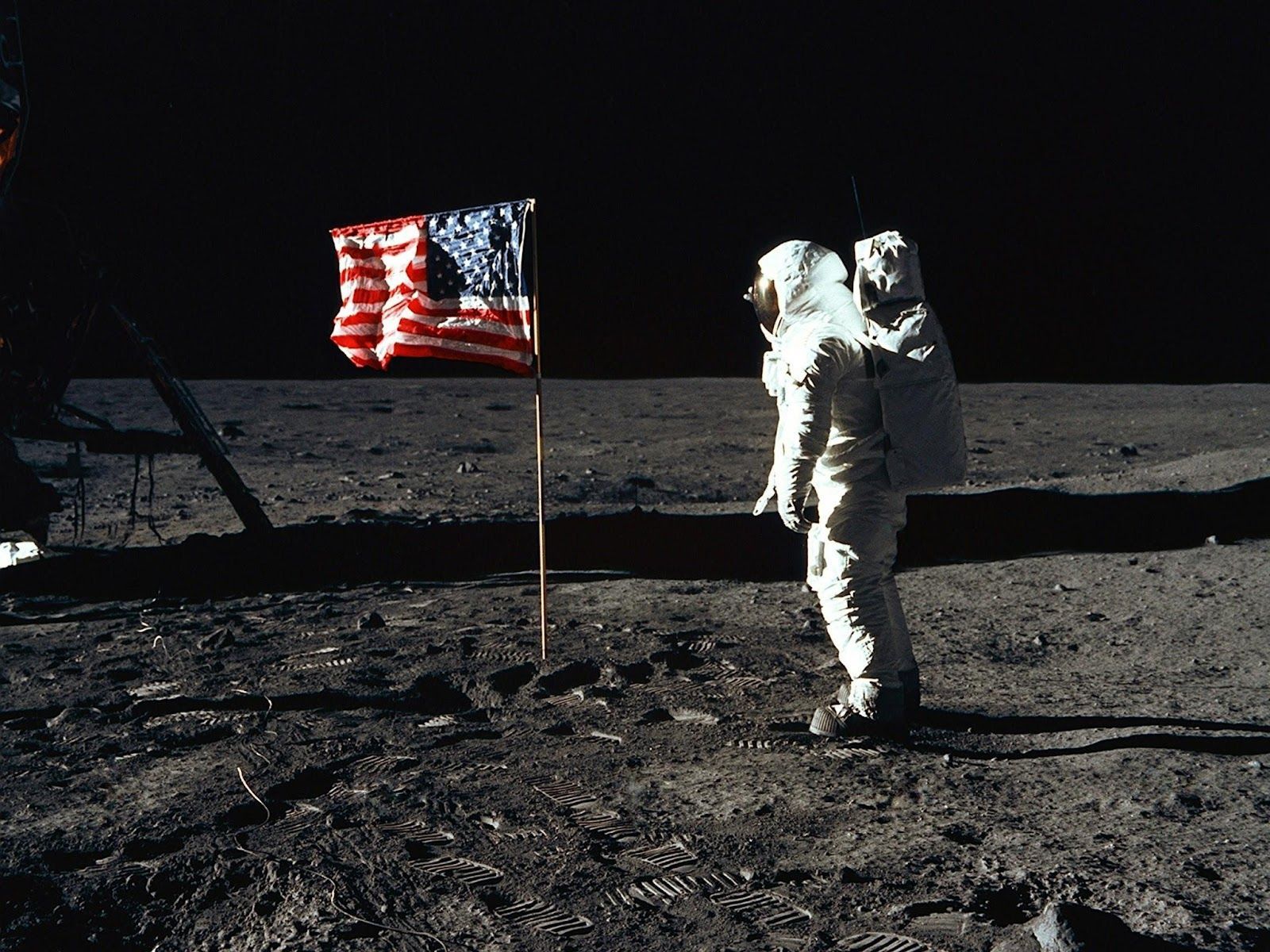
Another 20th-century dream cut short: after the 1969 moon landing, many experts expected permanent lunar bases by the year 2000.

However, while NASA and many other space agencies proposed moon settlements, political and financial cuts halted long-term plans. Only robotic missions have visited our cosmic companion since 1972.

4

Weather control machines

Image: Mick Haupt

Post-WWII futurists believed that humanity would eventually engineer the weather using satellites or ground tech. Projects like "Project Stormfury" attempted hurricane modification, but the results were inconclusive.

Cloud seeding exists, but its effectiveness is debated, and large-scale weather control remains out of reach.

5

Robot maids

Image: Possessed Photography

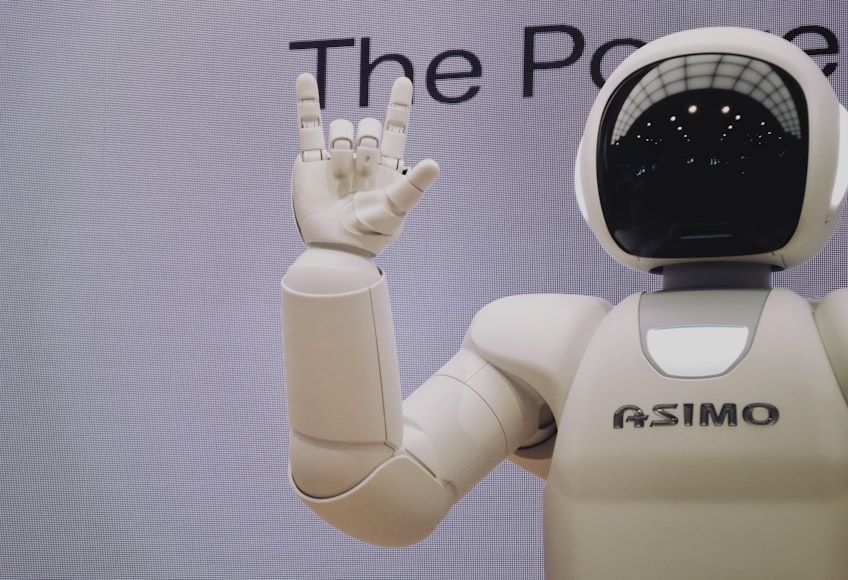
Since the 1950s, popular media such as The Jetsons have promised human-like domestic robots. While Roombas and virtual assistants like Alexa exist, most prototypes of humanoid home robots still struggle with dexterity, reliability, and cost.

Unfortunately, for now, the bulk of household cleaning still falls to humans rather than their long-imagined robotic helpers.

6

Cities under the sea

Image: Jerrick Castillo

Visionaries like Jacques Cousteau imagined thriving oceanic cities by the 21st century.

Though experimental habitats like Conshelf and SeaLab were tested, persistent challenges such as pressure and high costs of building make long-term underwater living largely unrealistic.

7

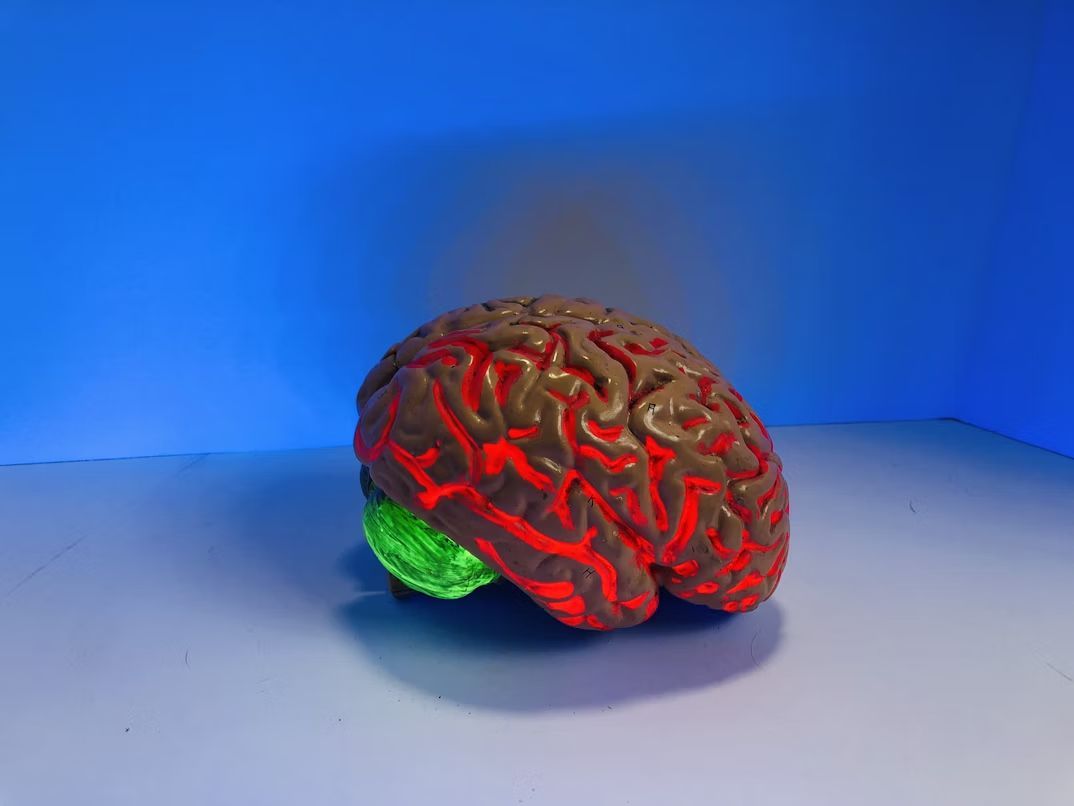
Instant learning

Image: Riku Lu

Sci-fi from the 1980s often portrayed people learning languages or skills in seconds with the aid of advanced technology.

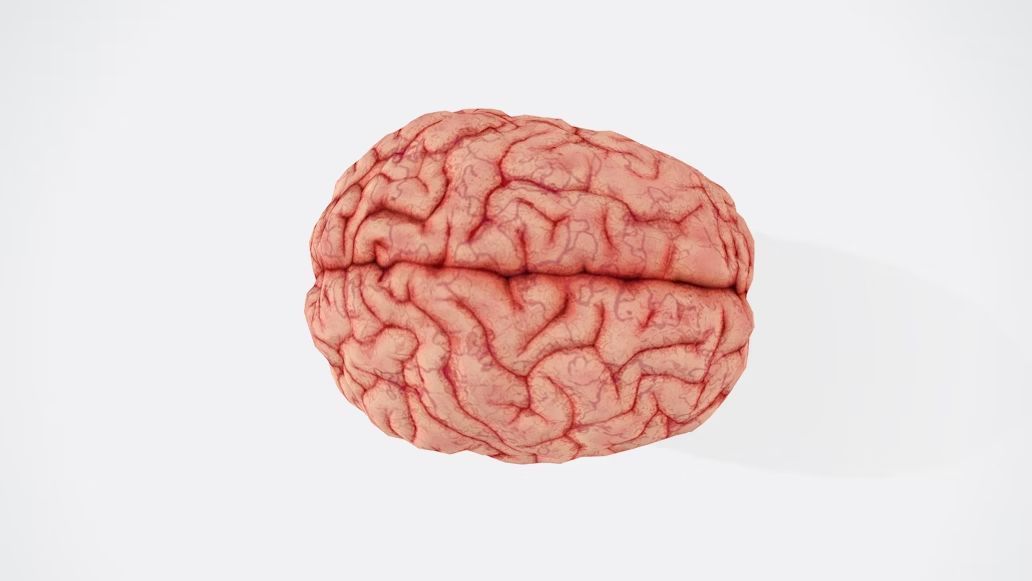
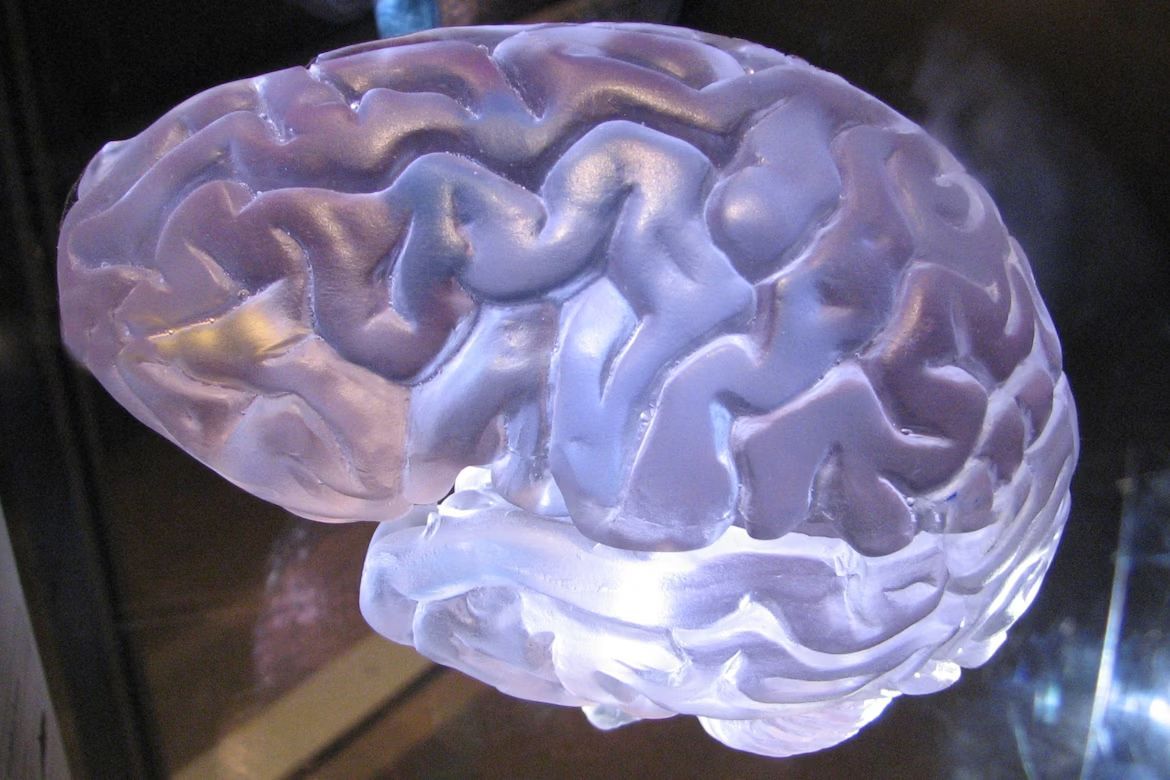
Brain–computer interfaces do exist, but they remain in early developmental stages, and the idea of "downloading" information directly into the human brain is far beyond the capabilities of current neuroscience.

8

Teleportation booths

Image: Michael Pointner

Inspired by shows like Star Trek, people thought teleportation might be real by now.

Quantum teleportation has been achieved at the particle level, but it doesn’t move matter—only quantum states. For now, human teleportation remains firmly in the realm of fiction.

9

Time machines

Image: Daniele Franchi

Einstein’s theories sparked dreams of real-life time travel by manipulating relativity.

While time dilation is a real phenomenon observed at extreme speeds and in strong gravitational fields, constructing a machine capable of traveling into the past remains impossible under our current understanding of physics.

10

Meals in pill form

Image: Ksenia Yakovleva

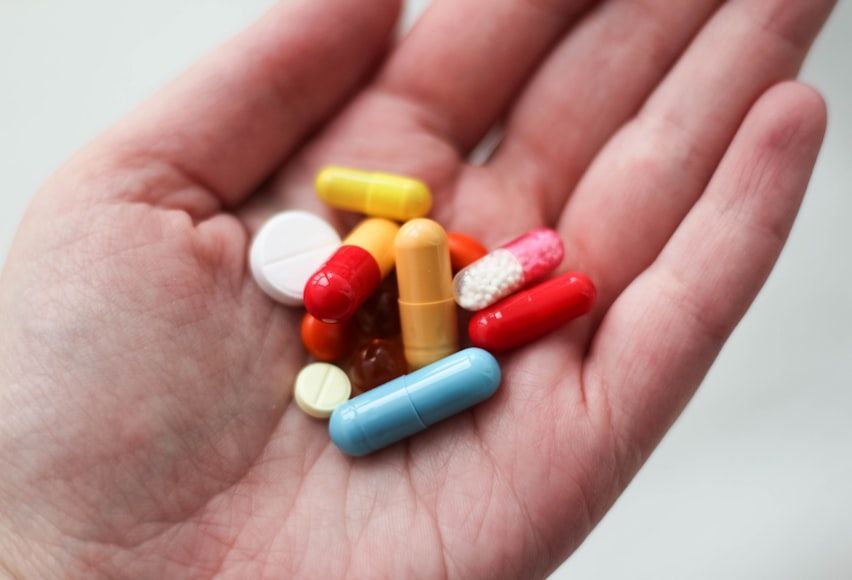
Mid-century futurists expected food to eventually be replaced with efficient tablets.

While nutrient pills and protein bars exist, actual meals still require bulk calories and texture, something a pill just can’t provide. Even in specialized environments—like astronauts aboard space stations—the idea remains highly impractical for real diets.
What science says

It was false after all: 10 health myths that sound true—but aren't


Published on April 2, 2026


Image: Alicja Gancarz

Health myths are everywhere! These ideas were simply passed down for so long that they became part of what we believed. But now science has stepped in to clear things up. Does cold weather make you sick? Can lemon detox your body? Is reading in low light really harmful? Let's uncover the truth behind 10 common health myths!

1

Cutting your hair makes it grow faster

Image: Element5 Digital

Have you ever been told that cutting your hair will make it grow faster? We're sorry to say that's just a myth. Hair grows from the root, not the ends. So, trimming it won't boost growth, though it does help remove split ends that can make your hair look dry or unhealthy.

2

Cold weather causes colds

Image: Thom Holmes

This is one of the most common health myths. Cold weather often gets blamed, but it's not the temperature that makes you catch a cold. During winter, we tend to stay indoors with others and keep the windows closed, an environment that makes it easier for viruses to spread. That's why colds tend to be more common in winter!

3

Eating before bed makes you gain weight

Image: Michelen Studios

The idea that eating before bed automatically leads to weight gain is a myth. In reality, it has more to do with what you eat and how much, rather than the time of day. Often, when we eat very late at night, we're tired and more likely to reach for quick, high-calorie, heavy foods. This can disrupt sleep and lead to consuming more calories than we burn, both of which may affect weight. If it's close to bedtime, it's better to have something light and healthy in a moderate portion than to skip a meal altogether.

4

Wearing glasses weakens your vision

Image: Bud Helisson

Does wearing glasses weaken your vision? Myth! If an eye doctor prescribes glasses, wearing them as directed helps correct your vision; it won't make it worse. Additionally, the right glasses can help prevent or reduce headaches caused by reading or spending long hours in front of a screen.

5

Reading in low light causes permanent eye damage

Image: Amir Balam

This myth is closely related to the previous one. If you love reading and sometimes have to do it in low light because of the situation, don't worry. According to experts, reading in low light doesn't cause permanent or irreversible eye damage. However, it's not recommended because it can make your eyes feel tired or strained, leading to discomfort or headaches.

6

You need to drink 8 glasses of water a day

Image: engin akyurt

We're all different, and so are our bodies. The idea that everyone should drink exactly eight glasses of water a day is more of a general guideline than a rule. Staying well hydrated throughout the day is extremely important, but how much water you need depends on factors like your weight, age, climate, and overall health. We should prioritize staying consistently hydrated instead of obsessing over the number of glasses we drink.

7

Lemon water detox and cleanse your body

Image: Tirza van Dijk

Some people say drinking lemon water helps eliminate toxins and cleanse the body. While adding a slice of lemon to your water is a refreshing way to stay hydrated, it doesn't have any special "detoxifying" powers. The vitamin C in citrus fruits is beneficial, but the body has its own natural detox system. The liver and kidneys are the main organs that filter waste and eliminate toxins.

8

All fat is bad

Image: Aneta Voborilova

Not all fats are bad! Just like other food groups, your body needs fats to function properly. The important thing is knowing the difference between healthy fats and those that can be harmful. Foods like avocados, seeds, olive oil, fish, and nuts are rich in healthy fats. On the other hand, the fats found in processed or fried foods are the ones that can have a negative impact on your body.

9

Liver disease is always caused by alcohol or fats

Image: Elevate

Liver diseases can be serious. While heavy and frequent consumption of alcohol and fats is a major contributor, it's not the only cause. Liver problems can also result from many other factors. These include viral infections, autoimmune diseases, genetic disorders, high blood pressure, and exposure to certain chemicals.

10

Breakfast is the most important meal

Image: Brooke Lark

There's some truth to it: breakfast is important because it replenishes our glucose and energy levels and supports proper metabolism. However, the idea that it's the most important meal of the day might be an exaggeration. Everyone's body has different needs, and all meals are important, so we shouldn't skip any of them!

Looking for an extra scoop of literary fun?

Learn more with our Word of the day

elicit

/əˈlɪsət/