A what?

11 common objects that are never called by their proper names


Published on May 12, 2026

Image: Joshua Hoehne

While we typically go about life describing the end of our shoelaces as ‘the end of the shoelace’ or the whites of the egg as ‘egg whites’, these things, and many more, have names of their own, even if they are not always widely known or used. Let’s have a look at 11 common things that have proper names, even if no one uses them.

1

The tip of the shoelace

Image: Emilie

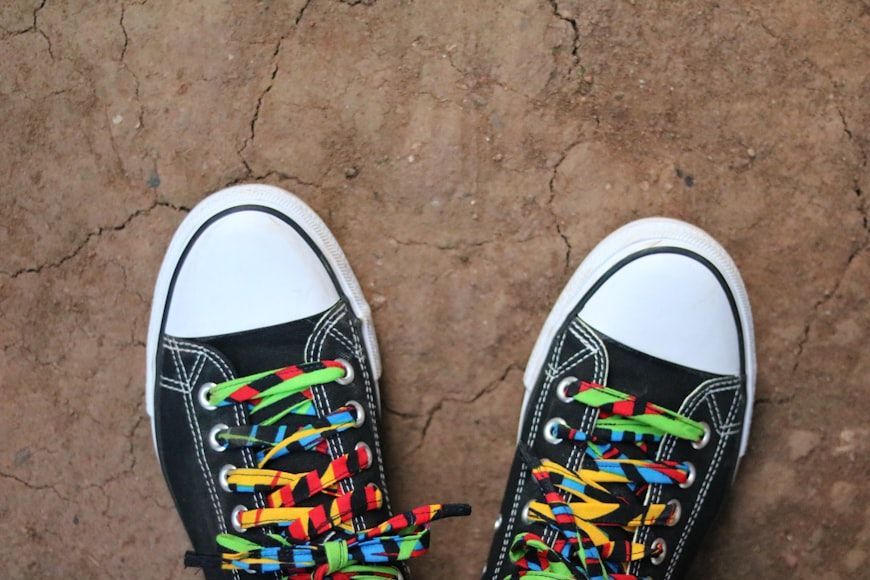
The little plastic or metal tip at the end of shoelaces or drawstrings is there to prevent the fibres from fraying, and to make it easier to pass the lace or drawstring through a hole. Its proper name is ‘aglet’, from the French aguillette, meaning ‘needle’, a reference to its use in helping to thread the string through the hole.

2

The metal band on the end of a pencil

Image: Kim Leary

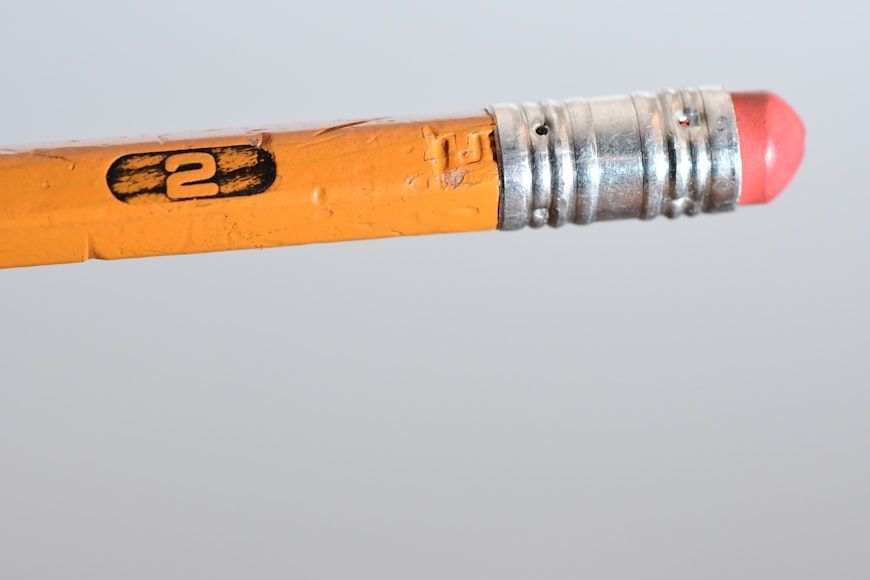
Erasers at the end of wooden pencils are not usually glued together, but they are instead held together by a little metal band. This band is called a ‘ferrule’—from Medieval Latin viriola or ‘little bracelet’—and the term can be used for any metal band that strengthens or fastens a joint, such as those used in handles, to hold brush bristles, or to secure a connection between two cables.

3

The little plastic table on the pizza

Image: 4028mdk09, CC BY-SA 3.0, via Wikimedia Commons

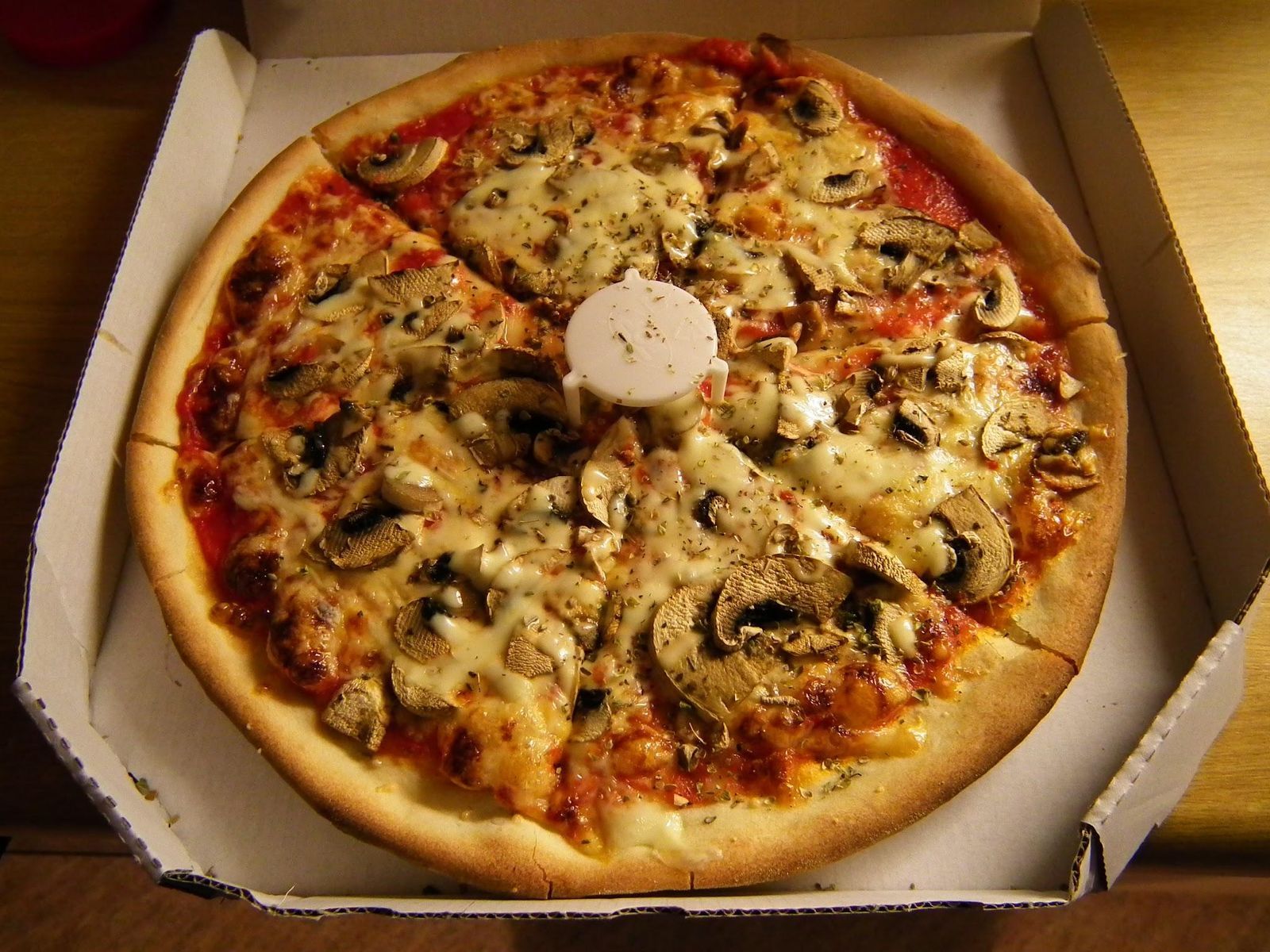
The ‘little plastic table on the pizza’ is quite a long name for something aptly named ‘pizza saver’, but no one seems to really care. It was invented in 1974 by an Argentine pizza maker, who named it SEPI or separador de pizza (‘pizza separator’). In America, it was patented as a ‘package saver’ in 1985, though it was later renamed ‘pizza saver’.

4

The division sign

Image: Nathan Dumlao

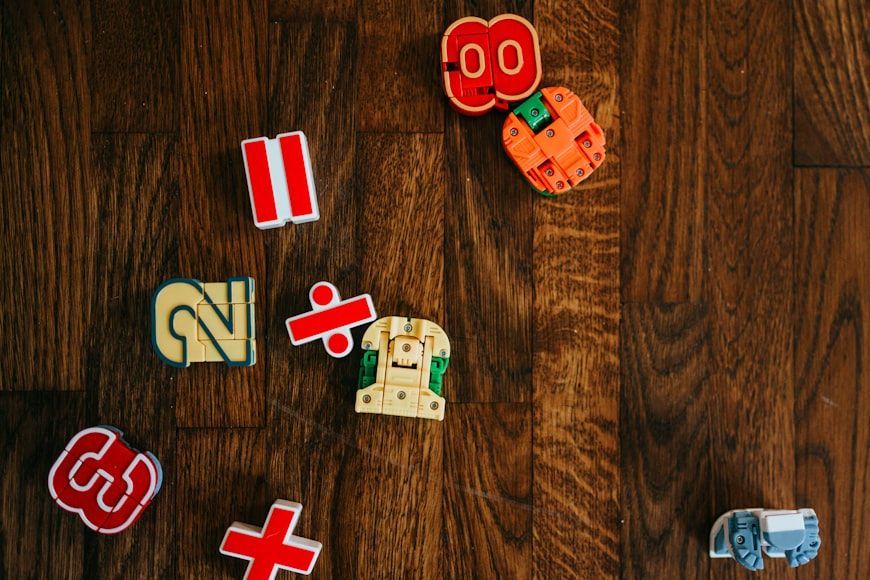
Most mathematical symbols have proper names that are not regularly used, and the division sign is no exception. It was officially introduced into mathematics as a symbol of division in 1659 by the Swiss mathematician Johann Rahn in his influential work Teutsche Algebra. This sign is called an ‘obelus’, from the Greek obelos, meaning ‘sharpened stick’ or ‘skewer’, as it was initially used as a pointer for questionable passages in a text.

5

The coffee cardboard sleeve

Image: Truong Tuyet Ly

Paper cups and their corresponding cardboard sleeves to protect our hands from the heat or the cold are relatively new, but their proper names are not—at least, the name for the cardboard sleeve. This holder is called a ‘zarf’, an Arabic (zuruuf) and Turkish (zarflar) word used for ornamented cup holders, usually made from metal. The materials and the details of the zarf have changed, but the purpose still remains.

6

The armhole in clothes

Image: Liana S

Do we need a more technical term than ‘armhole’ for a hole meant for an arm to go through? Maybe not, but the technical term still exists. An ‘armscye’ (pronounced arm-sigh) is the proper term used in sewing and patterns to describe the opening on a garment where the sleeve is attached. The word is a compound of ‘arm’ + scye, a Scots word meaning ‘opening’. So, in the end, ‘armscye’ just means ‘armhole’.

7

The railing and pillars on a staircase

Image: Serhat Beyazkaya

We often use the words ‘railing’ or ‘handrail’ when talking about a staircase, but these terms only describe the top portion of it, not the pillars that support the handrail. The pillars and the rail altogether are called a ‘banister’, a corruption of the word baluster, derived from the Italian balaustro. The term originally was used for the pillars, but eventually came to mean the entire structure.

8

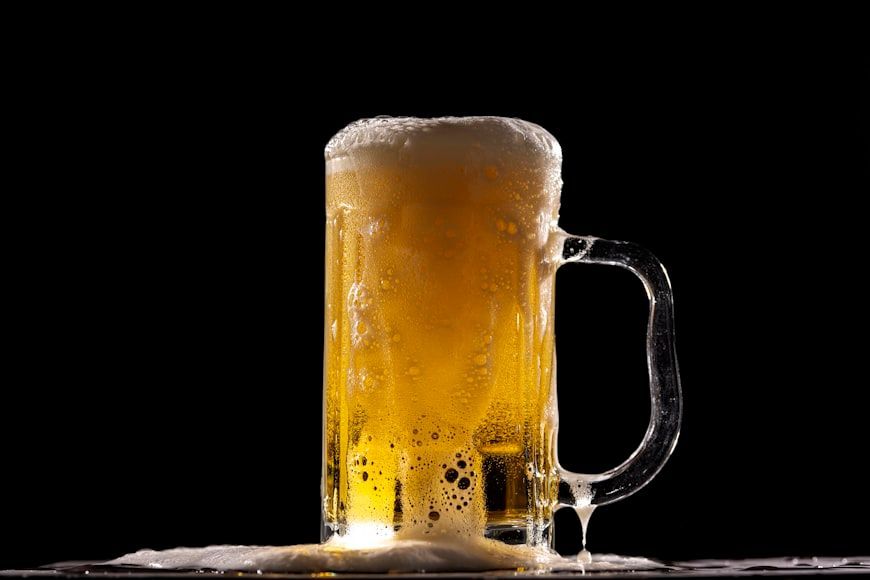
The foam on alcoholic beverages

Image: engin akyurt

Not all beverage foams are equal. The foam on top of alcoholic beverages, in particular, is called ‘barm’, a term derived from Old English beorma, meaning ‘yeast’ or ‘leaven’, and it's mainly used for the effervescence of fermented liquors such as beer, ale, or wine.

9

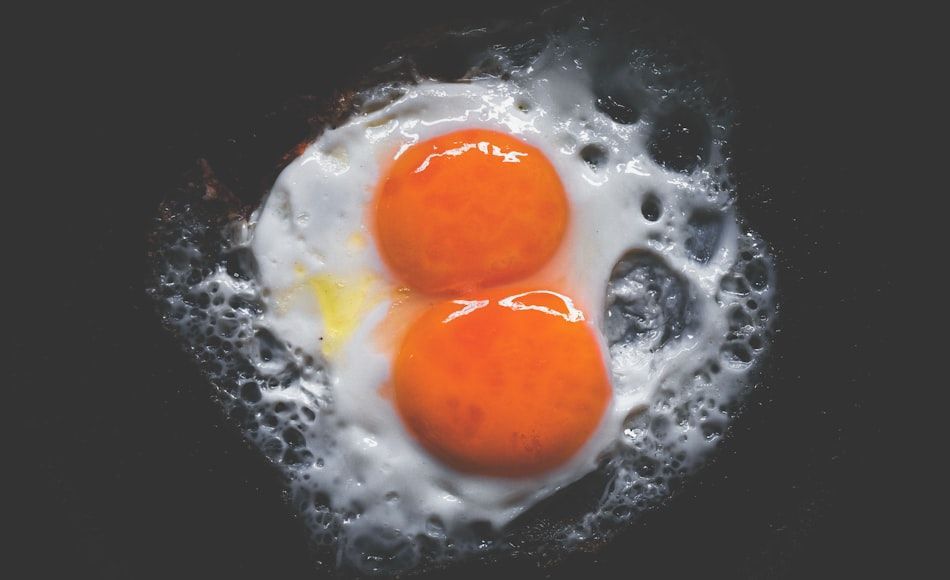
The whites of the egg

Image: sanjoy saha

Did you know that the white (or clear) part of the egg is called the ‘albumen’? The term entered English as a loan from Latin, where _albumen_—from albus, ‘white’—was used in the same way. Though it is not widely used in everyday life, it’s still the correct term for that part of the egg.

10

The dot on the j and the i

Image: Marcel Eberle

As a rule of thumb, you should always assume that all marks, symbols, and strokes in calligraphy have a proper name, even if it's not often used. When it comes to the lowercase letters ‘j’ and ‘i ’, the little dot on top is not a dot, but a ‘tittle’. This name comes from the Latin _titulus_—meaning ‘title’, ‘inscription’, or ‘small mark’—and was initially used by scribes to distinguish these letters in their cramped writing.

11

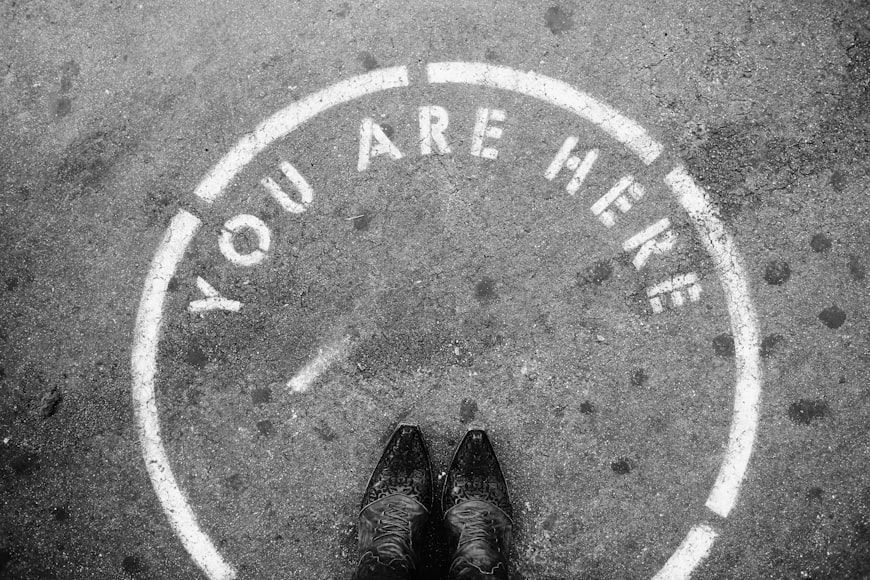
The ‘you are here’ pointer on a map

Image: Fallon Michael

If you ever got lost in the mall or the museum, you must have come across a map that marked your location using an arrow or a pointer, usually accompanied by the phrase ‘you are here’. Well, that pointer is called an ‘ideolocator’, a combination of the Greek idea, a ‘mental image, concept, or visual representation’ (in this case, the pointer), and the Latin locatus, meaning ‘to place’ (the specific location on the map). For the sake of convenience, we will keep calling it the ‘you are here’ sign.

What science says

It was false after all: 10 health myths that sound true—but aren't


Published on May 12, 2026


Image: Alicja Gancarz

Health myths are everywhere! These ideas were simply passed down for so long that they became part of what we believed. But now science has stepped in to clear things up. Does cold weather make you sick? Can lemon detox your body? Is reading in low light really harmful? Let's uncover the truth behind 10 common health myths!

1

Cutting your hair makes it grow faster

Image: Element5 Digital

Have you ever been told that cutting your hair will make it grow faster? We're sorry to say that's just a myth. Hair grows from the root, not the ends. So, trimming it won't boost growth, though it does help remove split ends that can make your hair look dry or unhealthy.

2

Cold weather causes colds

Image: Thom Holmes

This is one of the most common health myths. Cold weather often gets blamed, but it's not the temperature that makes you catch a cold. During winter, we tend to stay indoors with others and keep the windows closed, an environment that makes it easier for viruses to spread. That's why colds tend to be more common in winter!

3

Eating before bed makes you gain weight

Image: Michelen Studios

The idea that eating before bed automatically leads to weight gain is a myth. In reality, it has more to do with what you eat and how much, rather than the time of day. Often, when we eat very late at night, we're tired and more likely to reach for quick, high-calorie, heavy foods. This can disrupt sleep and lead to consuming more calories than we burn, both of which may affect weight. If it's close to bedtime, it's better to have something light and healthy in a moderate portion than to skip a meal altogether.

4

Wearing glasses weakens your vision

Image: Bud Helisson

Does wearing glasses weaken your vision? Myth! If an eye doctor prescribes glasses, wearing them as directed helps correct your vision; it won't make it worse. Additionally, the right glasses can help prevent or reduce headaches caused by reading or spending long hours in front of a screen.

5

Reading in low light causes permanent eye damage

Image: Amir Balam

This myth is closely related to the previous one. If you love reading and sometimes have to do it in low light because of the situation, don't worry. According to experts, reading in low light doesn't cause permanent or irreversible eye damage. However, it's not recommended because it can make your eyes feel tired or strained, leading to discomfort or headaches.

6

You need to drink 8 glasses of water a day

Image: engin akyurt

We're all different, and so are our bodies. The idea that everyone should drink exactly eight glasses of water a day is more of a general guideline than a rule. Staying well hydrated throughout the day is extremely important, but how much water you need depends on factors like your weight, age, climate, and overall health. We should prioritize staying consistently hydrated instead of obsessing over the number of glasses we drink.

7

Lemon water detox and cleanse your body

Image: Tirza van Dijk

Some people say drinking lemon water helps eliminate toxins and cleanse the body. While adding a slice of lemon to your water is a refreshing way to stay hydrated, it doesn't have any special "detoxifying" powers. The vitamin C in citrus fruits is beneficial, but the body has its own natural detox system. The liver and kidneys are the main organs that filter waste and eliminate toxins.

8

All fat is bad

Image: Aneta Voborilova

Not all fats are bad! Just like other food groups, your body needs fats to function properly. The important thing is knowing the difference between healthy fats and those that can be harmful. Foods like avocados, seeds, olive oil, fish, and nuts are rich in healthy fats. On the other hand, the fats found in processed or fried foods are the ones that can have a negative impact on your body.

9

Liver disease is always caused by alcohol or fats

Image: Elevate

Liver diseases can be serious. While heavy and frequent consumption of alcohol and fats is a major contributor, it's not the only cause. Liver problems can also result from many other factors. These include viral infections, autoimmune diseases, genetic disorders, high blood pressure, and exposure to certain chemicals.

10

Breakfast is the most important meal

Image: Brooke Lark

There's some truth to it: breakfast is important because it replenishes our glucose and energy levels and supports proper metabolism. However, the idea that it's the most important meal of the day might be an exaggeration. Everyone's body has different needs, and all meals are important, so we shouldn't skip any of them!

Looking for an extra scoop of literary fun?

Learn more with our Word of the day

grueling

/ˈɡru(ə)lɪŋ/