Wild idioms

Mustard after lunch? 10 foreign sayings that make zero sense


Published on March 23, 2026


Idioms make any language way more colorful, but when you translate them literally, things can get quite goofy. You can’t translate a whole culture, so we’ve gathered some foreign idioms and their literal translation into English. Have some fun reading about it and trying to guess what they actually mean. Are you up for the challenge?

1

Tie a bear to someone (German)

Image: Mark Basarab

In Germany, if you’ve "tied a bear to someone," you’ve pulled a fast one, like fooled them good. No bears, ropes, or zoos involved. It’s their way of saying you tricked somebody, kind of like slipping a whoopee cushion under their chair, but in a more metaphorical way. It’s unclear how the bear got involved, but you’ve got to admire the imagery.

2

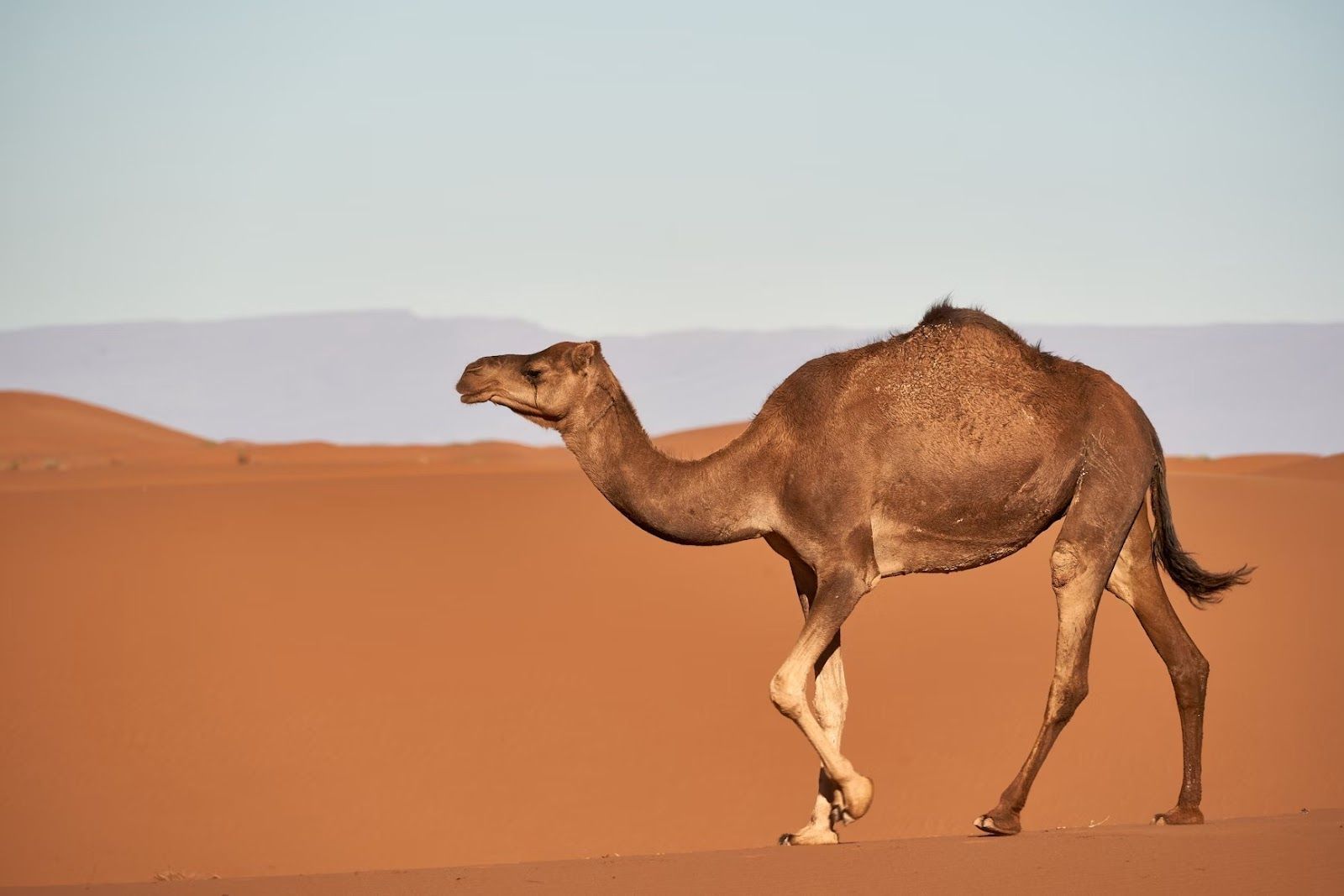
Swallow some camels (Norwegian)

Image: Wolfgang Hasselmann

This one paints quite the picture, right? No way you’ll guess what it means, so here it is: In Norway, if you "swallow some camels," it means you’ve had to compromise on something you’d rather not. We might say "grin and bear it" or "bite the bullet"—they say gulp down a few large desert animals. Frankly, the mental image is enough to make anyone appreciate our American metaphors. Talk about a tough pill to swallow.

3

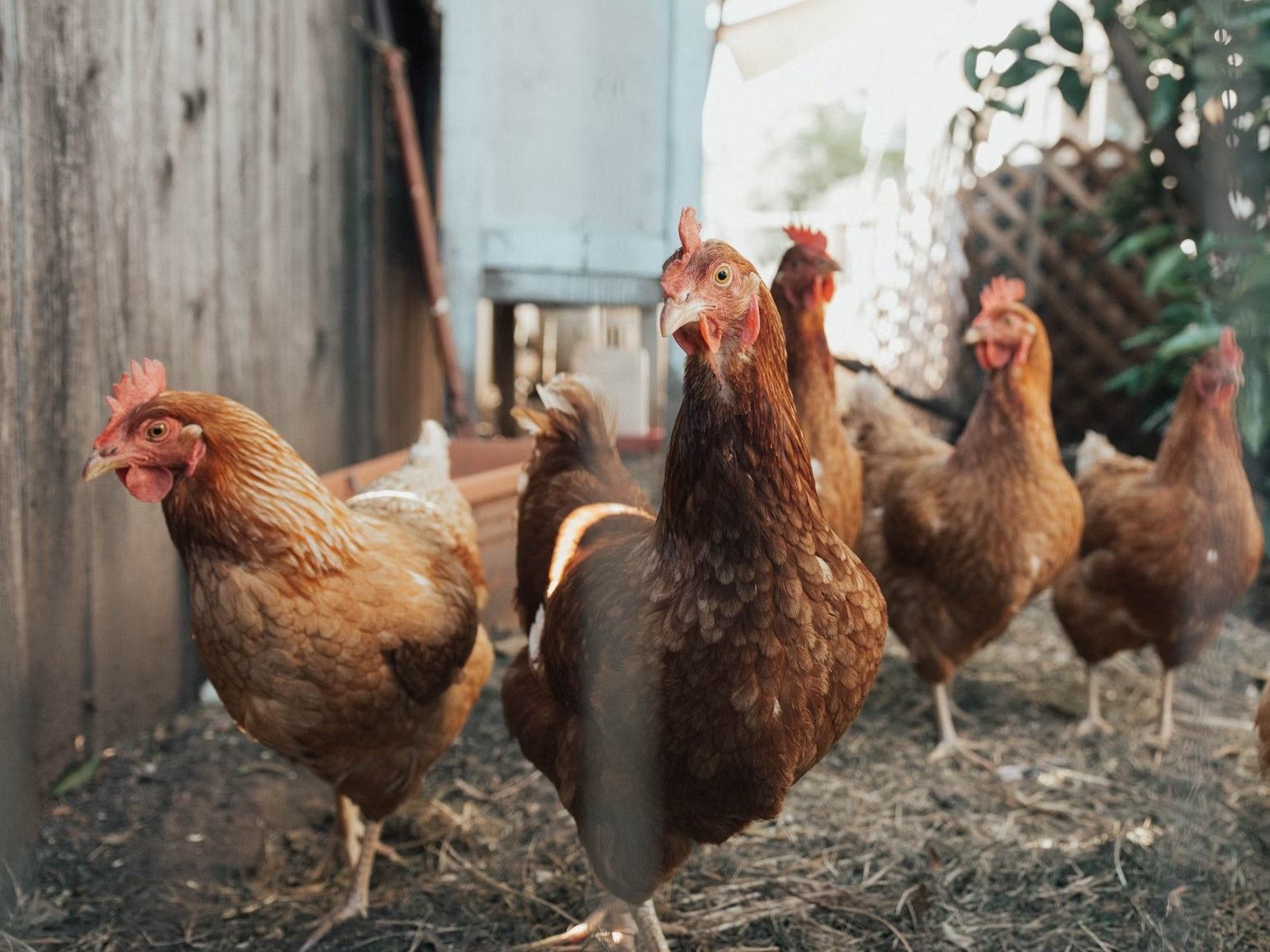
When chickens have teeth (French)

Image: Ben Moreland

The French equivalent of "when pigs fly" is "when chickens have teeth." It’s a way of saying something will never happen. Can’t you just imagine a chicken grinning with a mouthful of molars? Terrifying. But effective anyway!

4

My cheeks are falling off (Japanese)

Image: Tengis Galamez

When a Japanese person says their cheeks are falling off, don’t call the doctor, they’re just loving their meal. Connection not found, but who are we to judge? It’s their way of saying something is so delicious, your face can’t even handle it.

5

The raisin at the end of the hot dog (Icelandic)
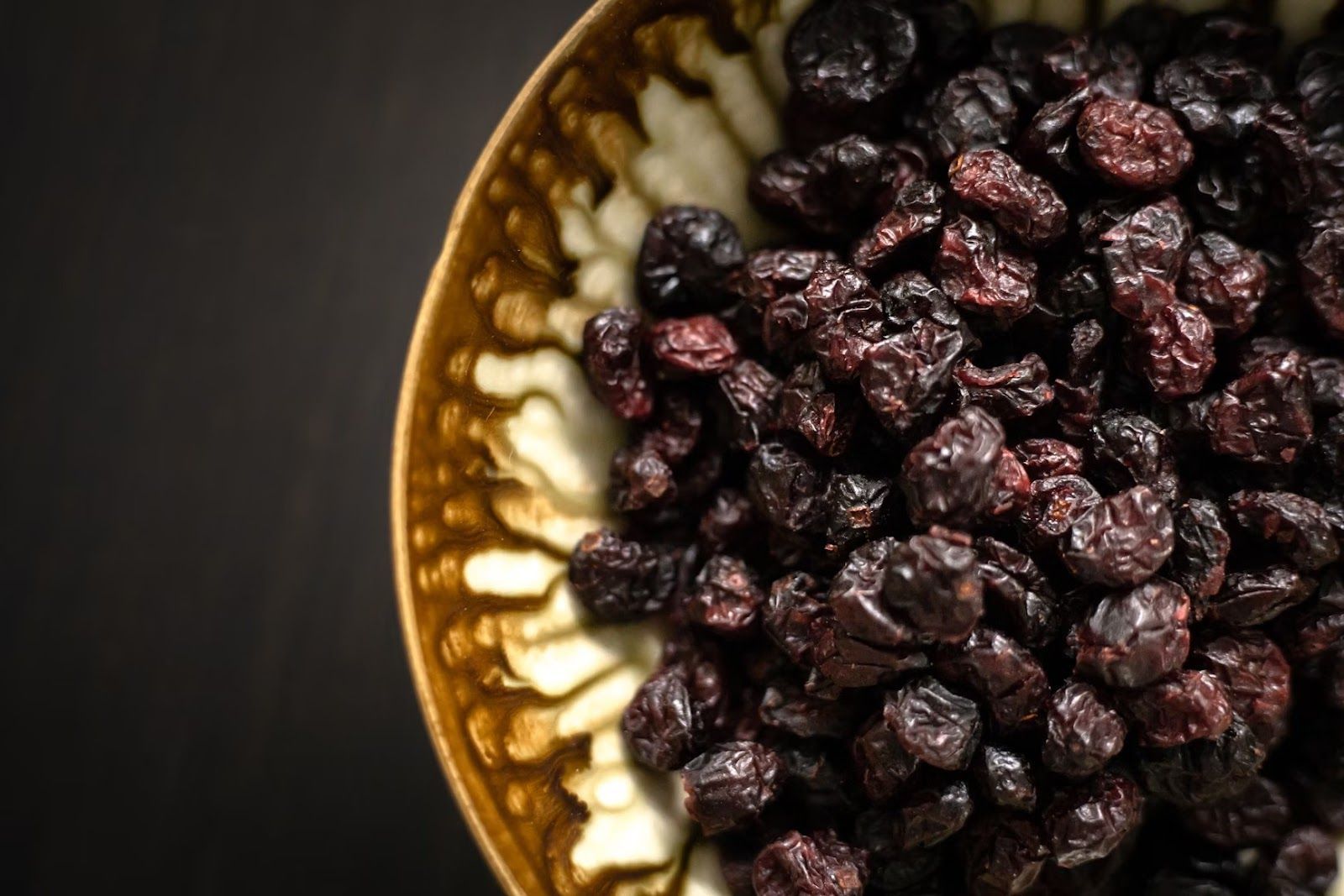
Image: Andreas Haslinger

This Icelandic gem describes an unexpected surprise, like a little bonus at the end of something. A pot of gold at the end of the rainbow? Nope. They’ve got raisins. In a hot dog. It may sound more like a cooking disaster than a feel-good moment, but hey, they mean well.

6

Slide in on a prawn sandwich (Swedish)
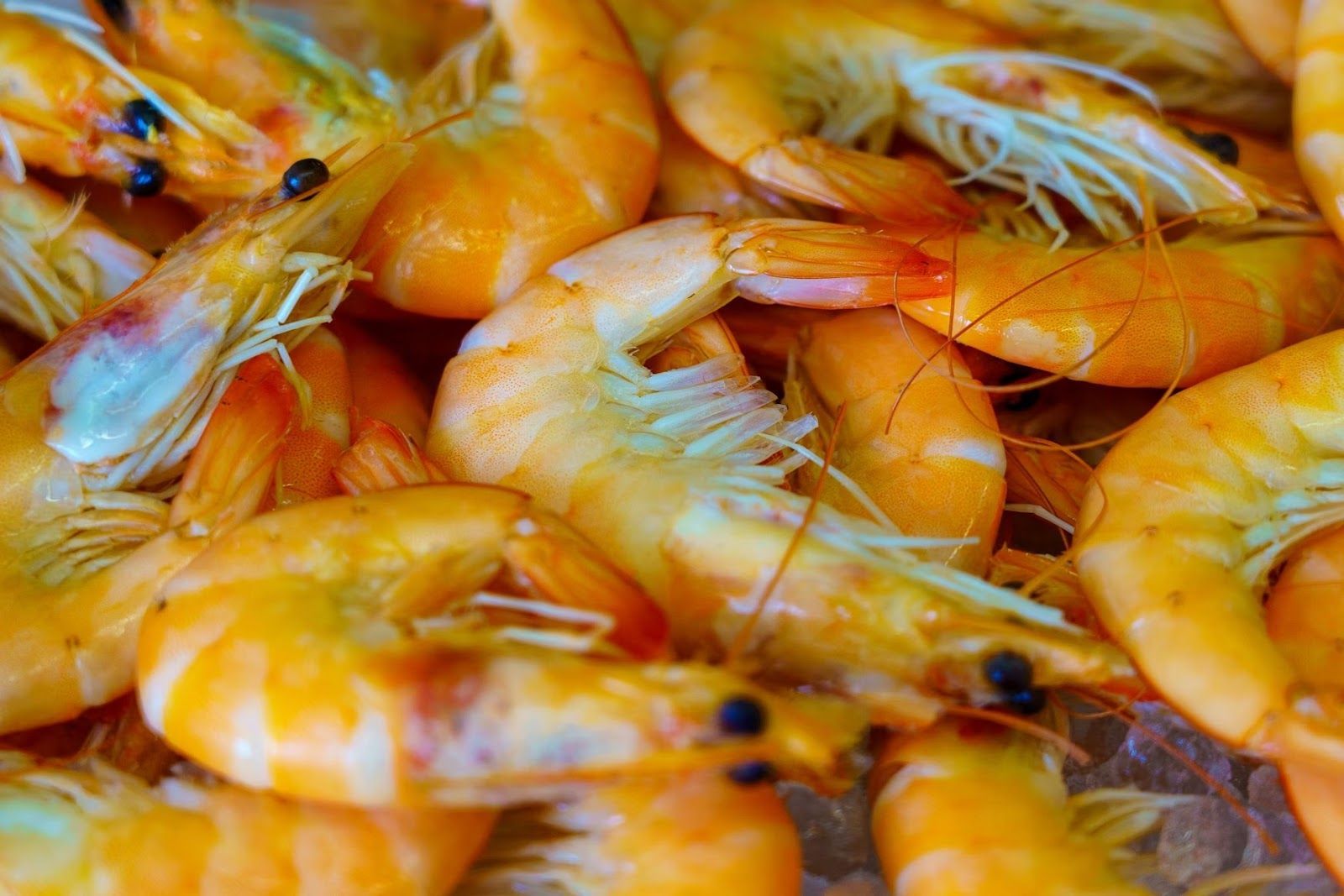
Image: Nick Fewings

In Sweden, if someone "slides in on a prawn sandwich," it means they’ve had it easy—no struggle, no stress, just cruising through life on shrimp and bread. It’s a cousin to being "born with a silver spoon." Either way, the person didn’t have to hustle too hard.

7

Not all doughnuts come with a hole (Italian)

Image: Daniel Lincoln

In Italy, they say "not all doughnuts come with a hole," when life throws a curveball. It’s a gentle reminder that not everything turns out the way you expect. And hey, a doughnut without a hole is technically more donut. Maybe things aren’t so bad after all!

8

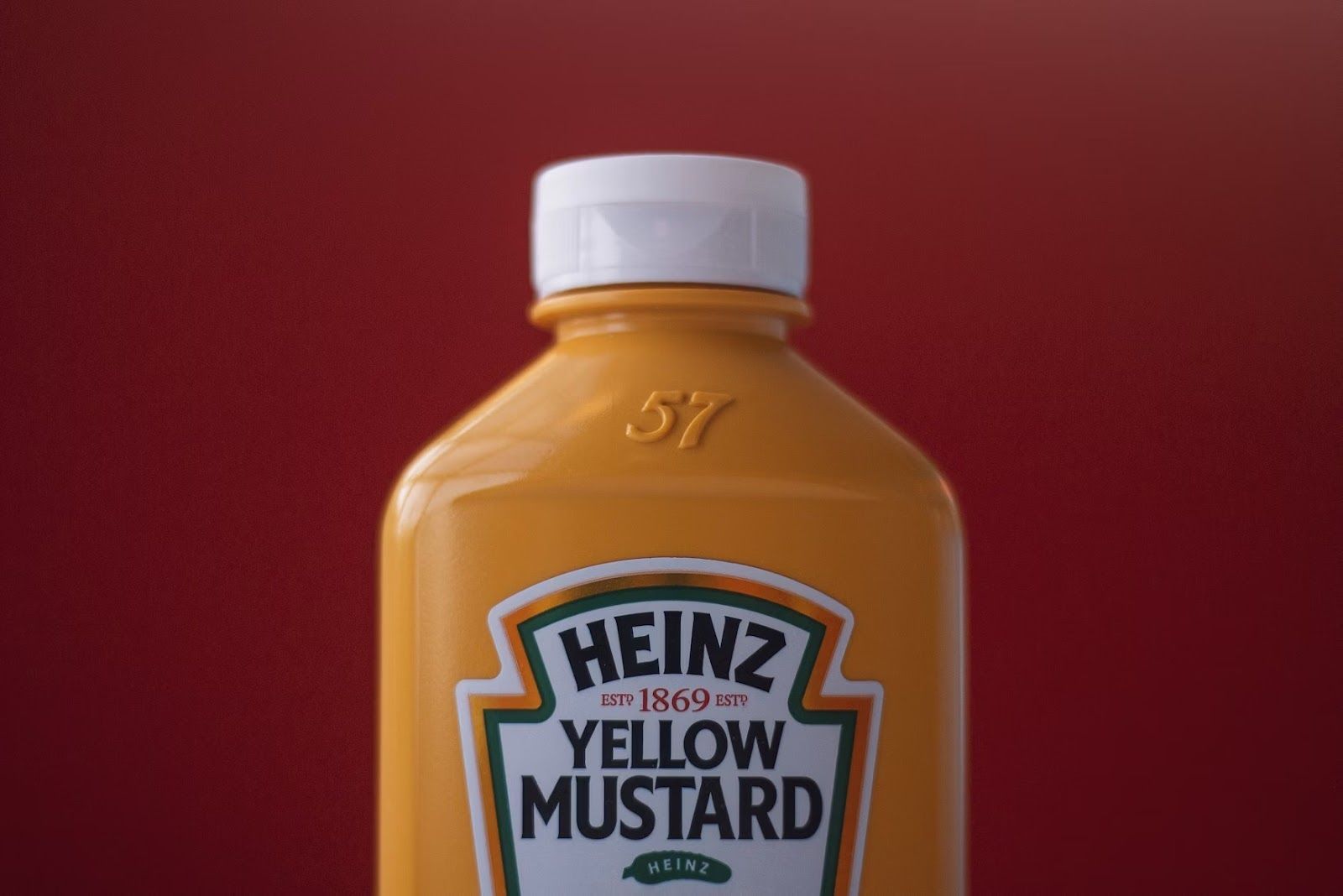
Mustard after lunch (Polish)

Image: Pedro Durigan

Poles say "mustard after lunch" when it’s too late to do something, like when the moment has passed. You can think of it like "closing the barn door after the horse is gone." Except in this case, you’re stuck with a hot dog… and no mustard. Tragic, don’t you think?

9

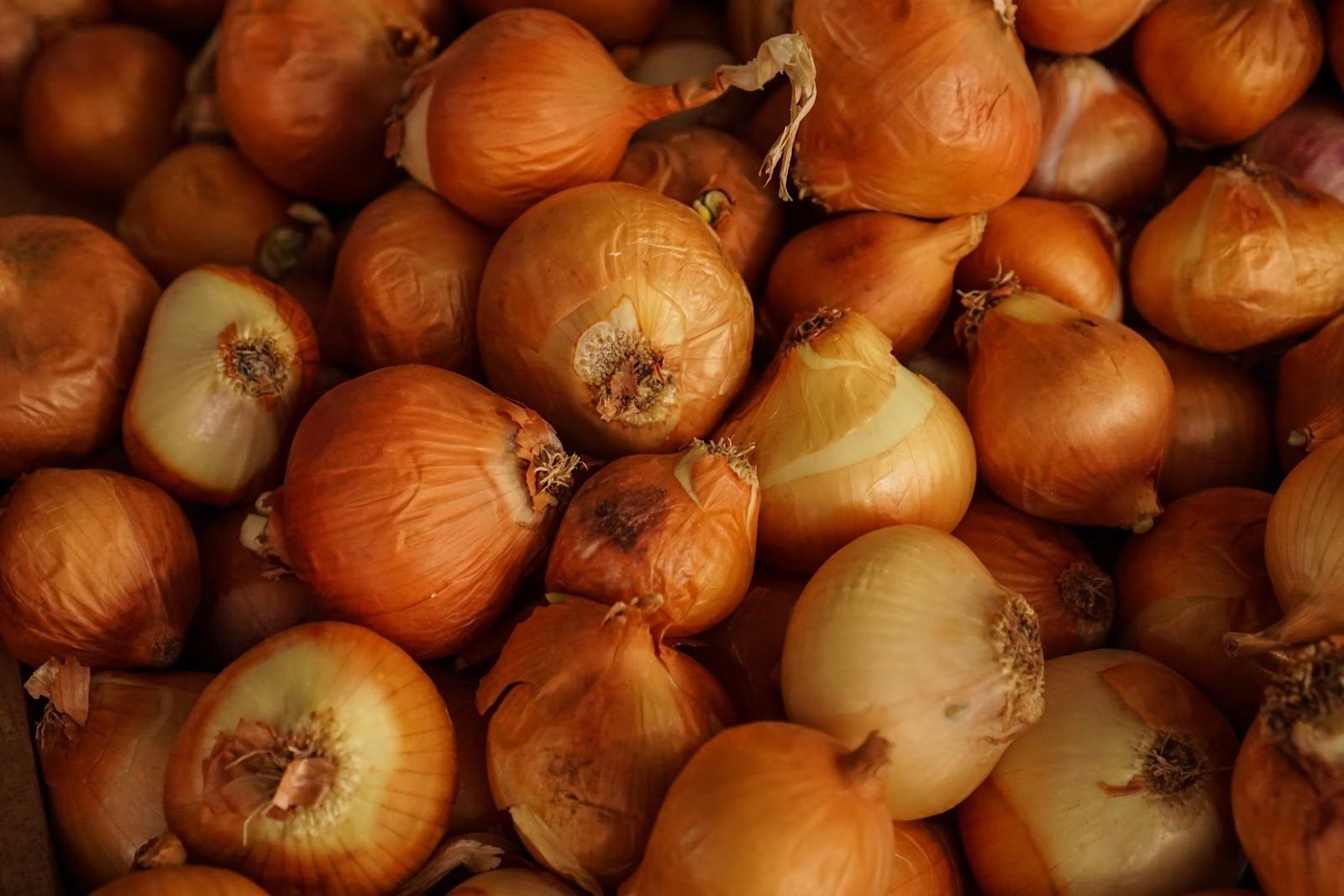
Break a fast with an onion (Arabic)

Image: Tom Hermans

This Arabic idiom describes a letdown. You’ve waited all day to eat, only to be handed… an onion. A raw deal, literally. It’s like expecting prime rib and getting a saltine. The literal translation is hilarious, but you can’t deny it’s effective, pointed, and a little stinky.

10

Have hair on your teeth (Dutch)

Image: Ozkan Guner

This Dutch idiom doesn’t sound pleasant, but it’s actually a compliment. To "have hair on your teeth" means you’re assertive, bold, and maybe even a little fierce. In other words, not someone to mess with. Dental floss is not included, though.



Deep roots

11 everyday words with indigenous roots


Published on March 23, 2026


Image: Zoshua Colah

English is a very welcoming language in the sense that it incorporates terms from many other languages from all over the world. And, as it couldn’t be otherwise, Native American languages have lent many of their words and terms to English speakers. Some traveled through Spanish or French before settling into English, and others arrived directly through early contact and trade, helping shape the way we speak today. Did you know about these 11 terms?

1

Canoe

Image: Michael Niessl

The word "canoe" comes from the Taino term canoa, which was first used by Caribbean islanders long before Europeans arrived. Early explorers adopted it to describe the slim, sturdy boats they saw.

Over time, "canoe" became the standard English word for a small paddled craft. Today it still carries that sense of simplicity and closeness to nature.

2

Barbecue

Image: Philipp Kämmerer

The word "barbecue" comes from barbacoa, another Taino term for a wooden frame used for cooking meat over fire. Europeans adopted it and applied it to both the method and the gathering itself.

Today, "barbecue" means everything from a backyard cookout to a regional cooking style. Its origins highlight the deep culinary influence of Native Americans in the nation's current culture.

3

Skunk

Image: Elisa Stone

"Skunk" comes from the Algonquian word squnk, which means "urinating fox" (quite a fitting term, indeed). This was an obvious reference to the animal’s strong defensive spray. Early settlers adopted the term directly.

Since English had no better name for the creature, the Native word stuck. Today, the word skunks is also used as playful slang.

4

Moose

Image: Shivam Kumar

The word "moose" originates from Eastern Abenaki, a part of the Algonquian family, where it meant "he strips off bark." Yes, it described the animal’s habit of tearing bark from trees.

The name entered English quickly because settlers relied on Native knowledge of local fauna. The word remains unchanged because of its accuracy and usefulness.

5

Raccoon

Image: Gary Bendig

"Raccoon" comes from the Powhatan word arakun, meaning "he scratches with his hands." It described the animal’s clever, humanlike front paws.

Settlers adopted the term because it captured the creature’s behavior beautifully. Today, the raccoon is used as a household symbol of curiosity, not unlike the animal itself.

6

Chipmunk

Image: Annegret Kammer

The term "chipmunk" most probably comes from the Ojibwe word ajidamoo, which means "one who descends trees headfirst." Early English settlers adapted the sound into today’s form.

Though the spelling changed over time, the lively image of a chipmunk racing down a tree face-first stayed.

7

Caribou

Image: JD-Photos

The word "caribou" comes from the Mi’kmaq term qalipu, which means "snow shoveler," referring to the animal’s habit of digging through snow for food.

French settlers brought the word into English, keeping its descriptive nature. The name still connects the modern animal to the winter landscapes it belongs to.

8

Totem

Image: Stéfano Girardelli

"Totem" comes from the Ojibwe word ototeman, which means "kinship group." It described symbols representing clans and shared roots.

English adopted it to describe carved poles and symbolic elements. Though broader in modern usage, it still hints at the original sense of community, identity, and heritage.

9

Coyote

Image: Dylan Ferreira

"Coyote" comes from the Nahuatl word coyōtl, which was used by Indigenous tribes of central Mexico. Spanish speakers adopted it, and English borrowed later.

The word kept its meaning, and it remains one of the most direct links between the English language and Nahuatl.

10

Avocado

Image: Gil Ndjouwou

The tasty avocado’s name traces to the Nahuatl word ahacatl, which refers to the fruit and to a body part as well. Spanish speakers transformed it into aguacate.

Later on, English speakers adapted it to avocado. While the name sounds contemporary and culinary, it has ancient Native roots.

11

Chocolate

Image: amirali mirhashemian

The last Nahuatl word and also the last word on the list comes from the term xocolātl, which describes a bitter cacao drink that was consumed long before Europeans arrived in America. The name traveled from Spanish to English.

Though the product changed dramatically, the word survived. Today, chocolate is a universal symbol of sweetness, with rich and deeply indigenous roots.

Looking for an extra scoop of literary fun?

Learn more with our Word of the day

opaque

/oʊˈpeɪk/