Where exactly are you from?
Did you know that there are 16 Boston cities? Cities with a namesake
Published on May 2, 2026
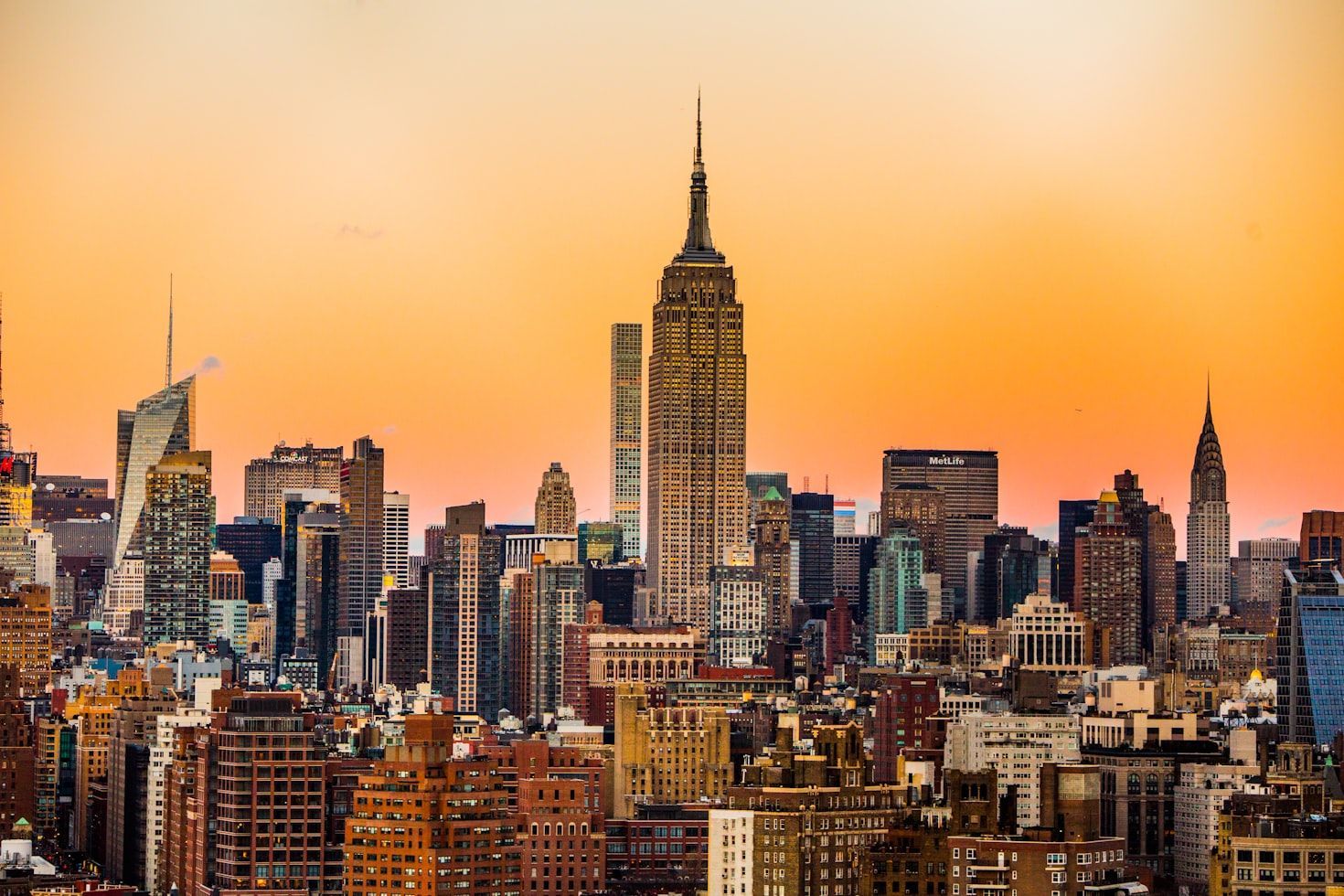
Some would say that naming a city is as important as naming a child, or even more, considering that cities tend to have a longer lifespan. Like with a child, the name is a declaration of intentions, of what is expected or wished for them.
But sometimes children are named after someone else, like a loved one, a relative, or a favorite celebrity. Does this happen to cities as well? In this article, we will explore some cities around the world that have a namesake.
Londres, Argentina
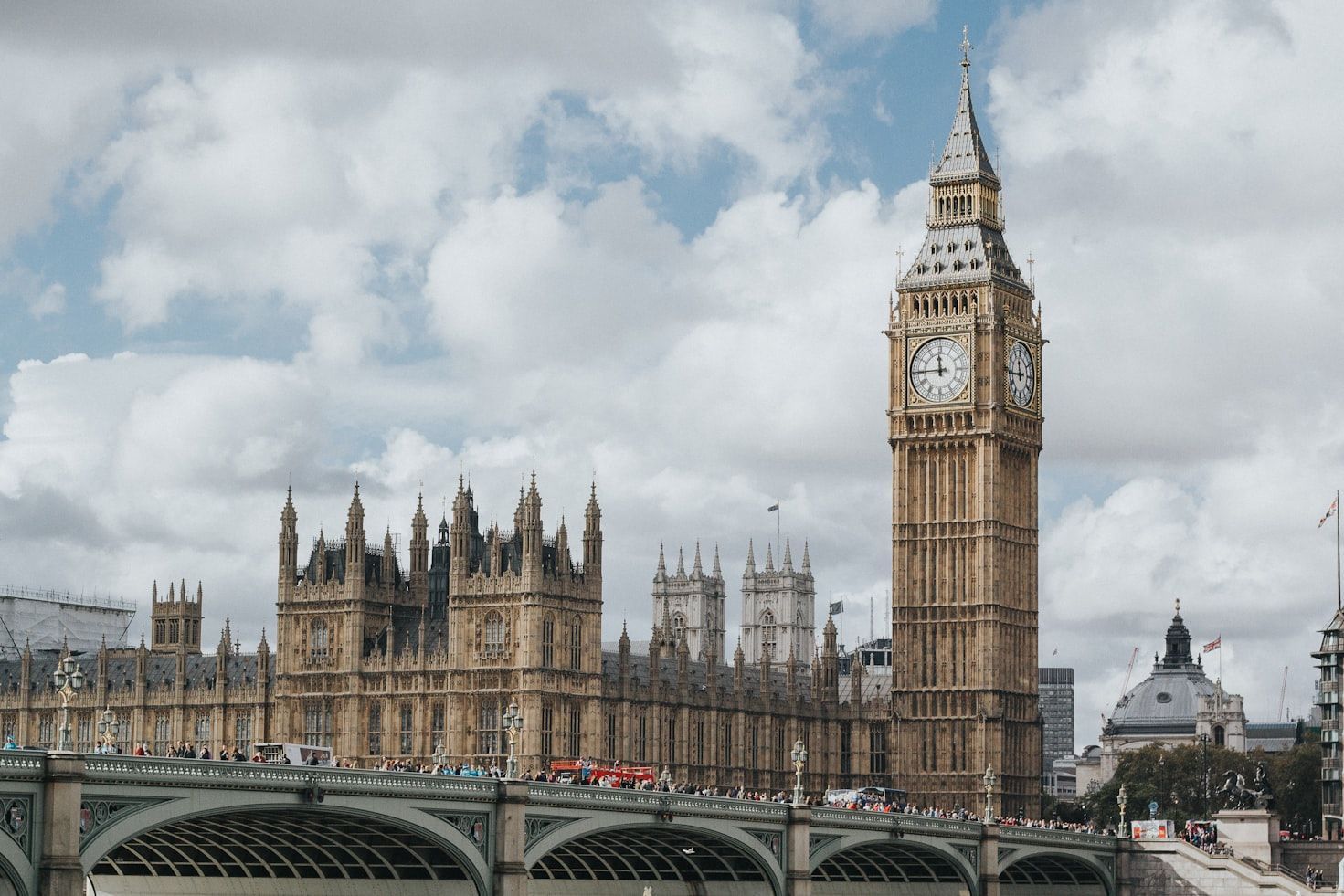
In Spanish, Londres is the name given to the city of London, England, and also to a town in the Argentinian province of Catamarca. This town, the second oldest in the country, owes its name to the marriage of Mary Tudor with Philip of Spain in 1553. The founders of the city, at that time part of the Spanish empire, decided to honor the royal marriage by naming it Londres de la Nueva Inglaterra (London of the New England), though nowadays the name has been shortened to just Londres.
Memphis, Tennessee
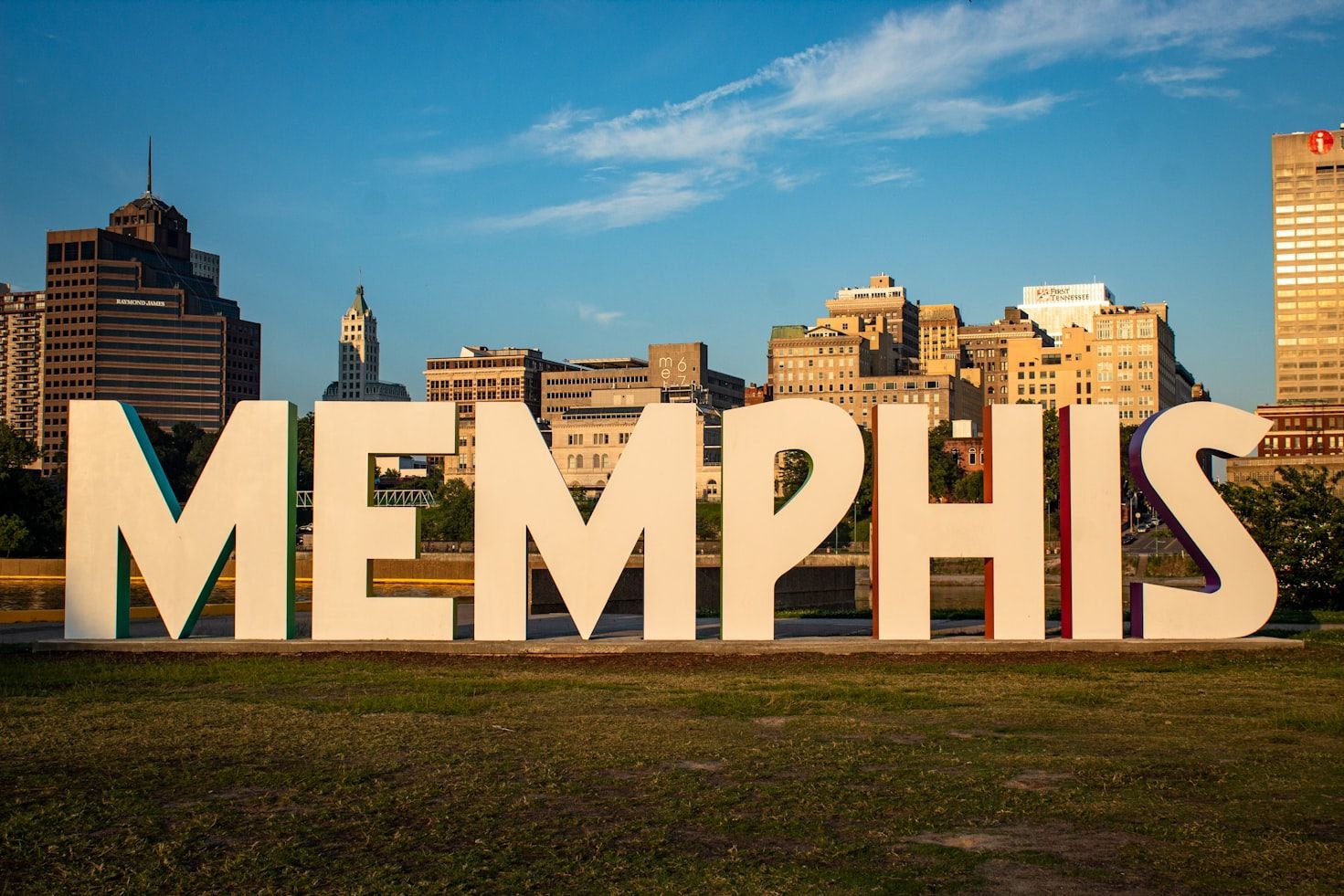
Located over the Mississippi River, the city of Memphis has been the setting of important historical and political events. But, where did it get its name from? In 1818, the U.S. gained the territory of Western Tennessee after signing the Treaty of Tuscaloosa. The founders of the city, among them future president John Adams, recognized the importance of the river and decided to name the place after another famous city on a river, the Egyptian Memphis.
Pekin, Illinois
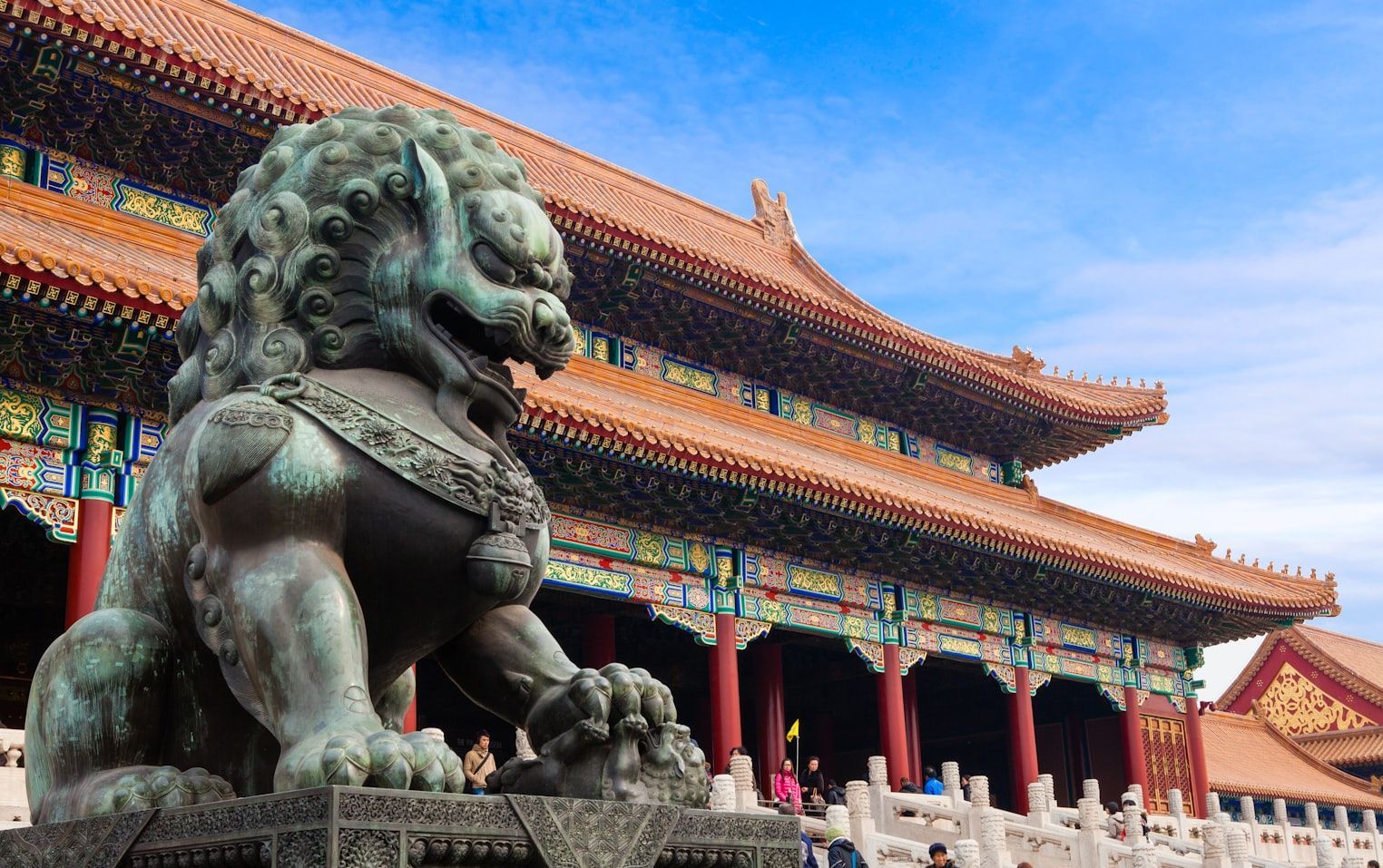
Back in the day, many people believed that China and the U.S. were on opposite sides of the world. One of these people, Mrs. Ann Eliza Cromwell, was tasked with naming the new town her husband had helped to found near the Illinois River. Convinced they were on the antipodes of Peking (what we now call Beijing), she chose the name Pekin.
Damascus, Maryland
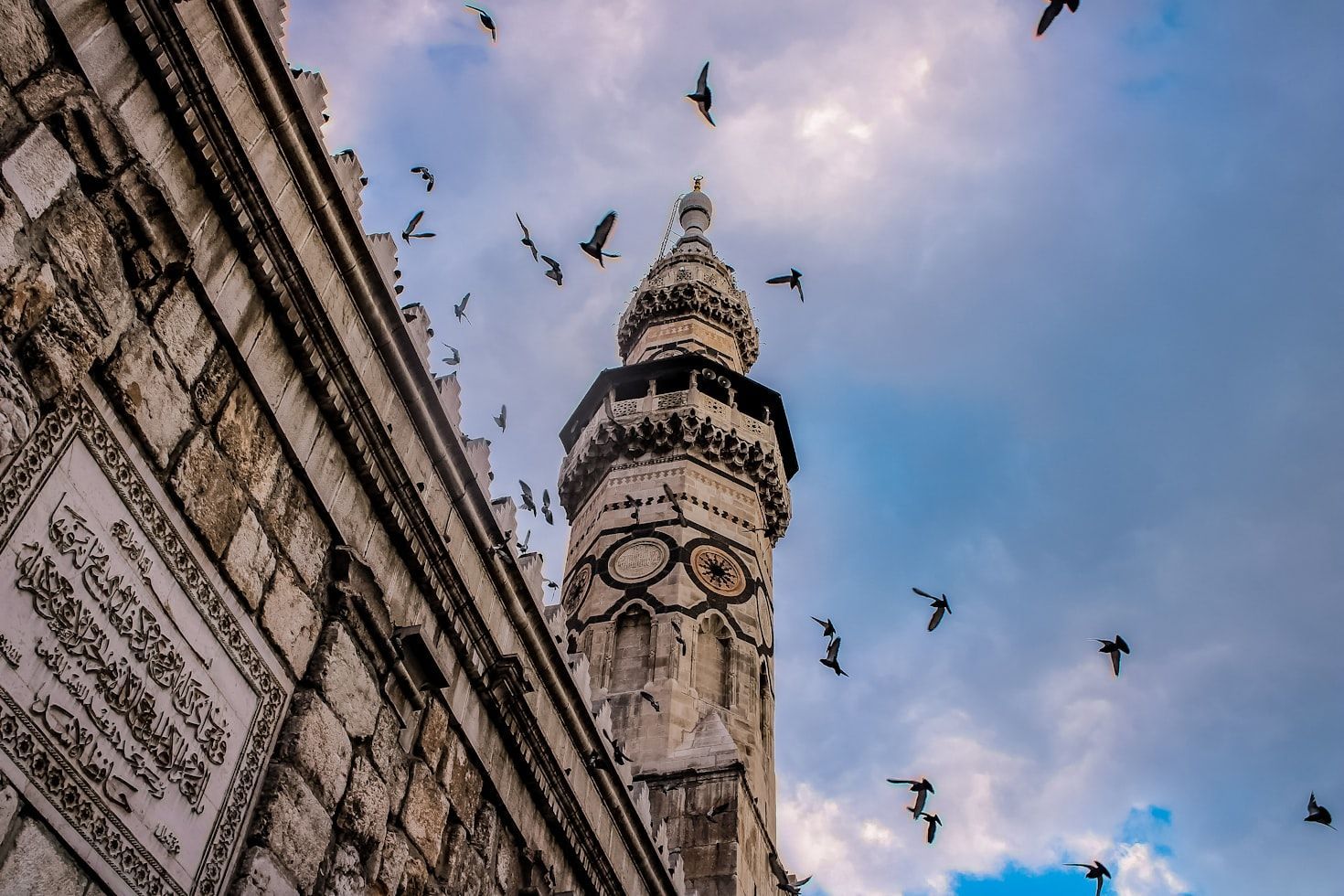
The origin of this name is interesting because we don’t really know the reason behind it. During the 1820s, a man called Edward Hughes bought land in the state of Maryland and divided it for sale. He received Congressional approval for a postal route in a document where the flourishing town was named as The Pleasant Plains of Damascus. While he named it after the Syrian city of Damascus, we don’t know if he had any connections to it or if it was just a biblical reference.
Patna, Scotland
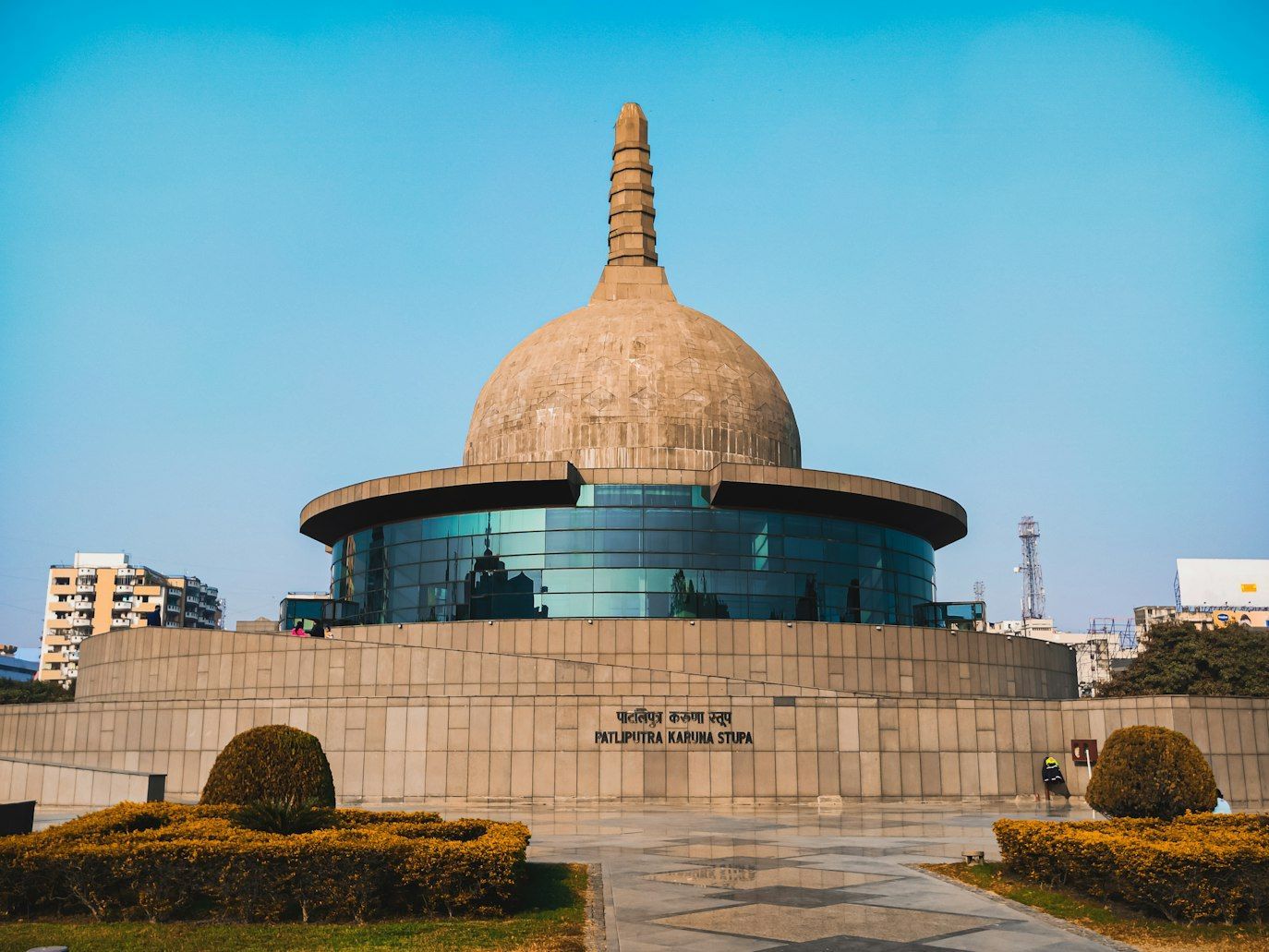
In the early 19th century, Scottish landowner William Fullarton wanted to give coal workers on his estate somewhere to live, and he founded a village for this purpose. The son of an East India Company officer, Fullarton was born in India, in the city of Patna, Bihar, and decided to name the new mining town after his birthplace.
Cartagena, Spain
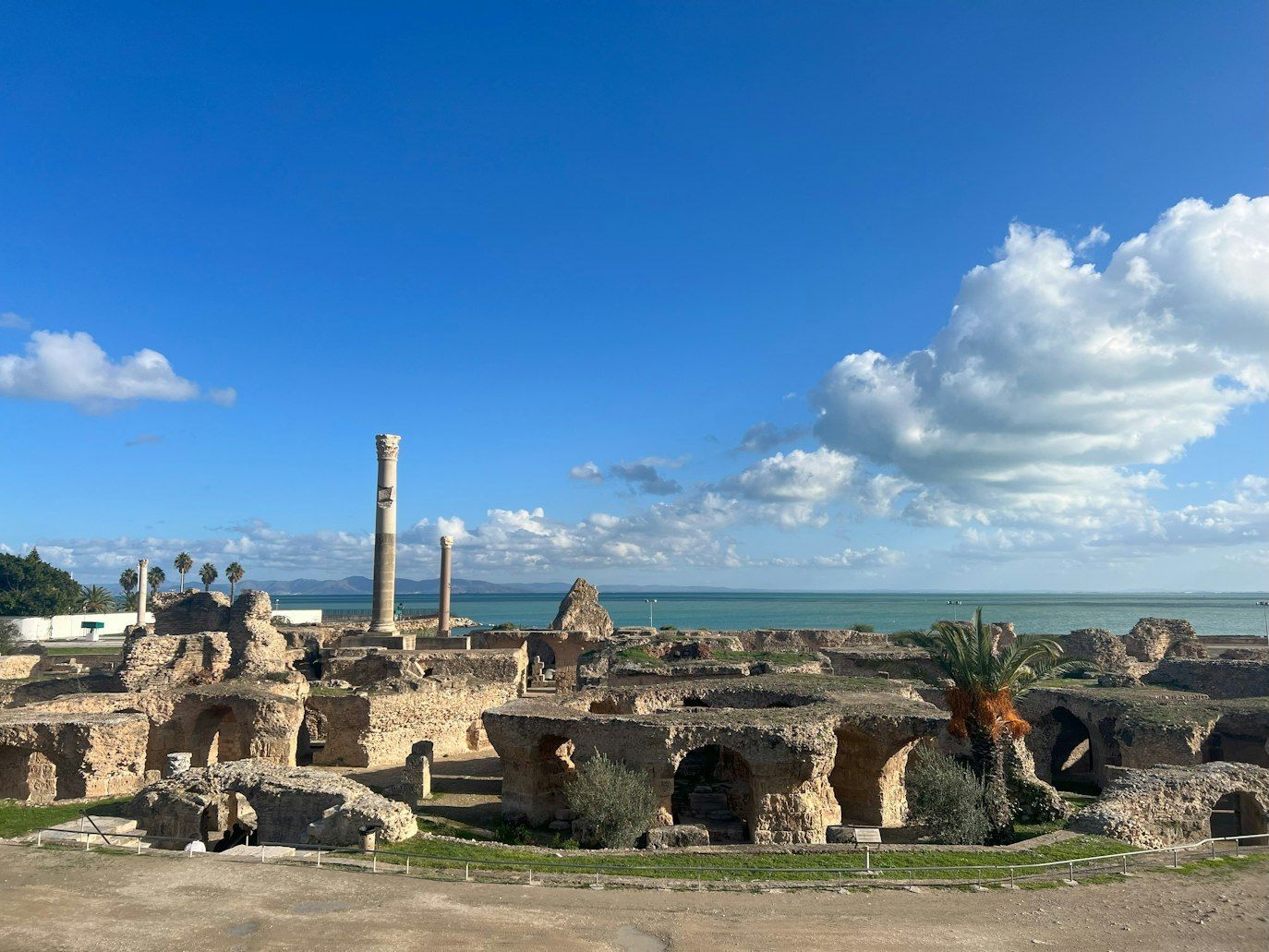
Many people hear ‘Cartagena’ and think about the Colombian city, named after its Spanish namesake. But Spanish Cartagena is also named after a city. This Mediterranean town was founded by Carthaginian general Hasdrubal with the name of Carthago (after the North African city of the same name). Conquered by the Roman Empire, it was renamed Carthago Nova, or ‘New Carthage’, and, after the Visigoth and Arab rule, its name evolved to Cartagena.
Kansas City, Kansas
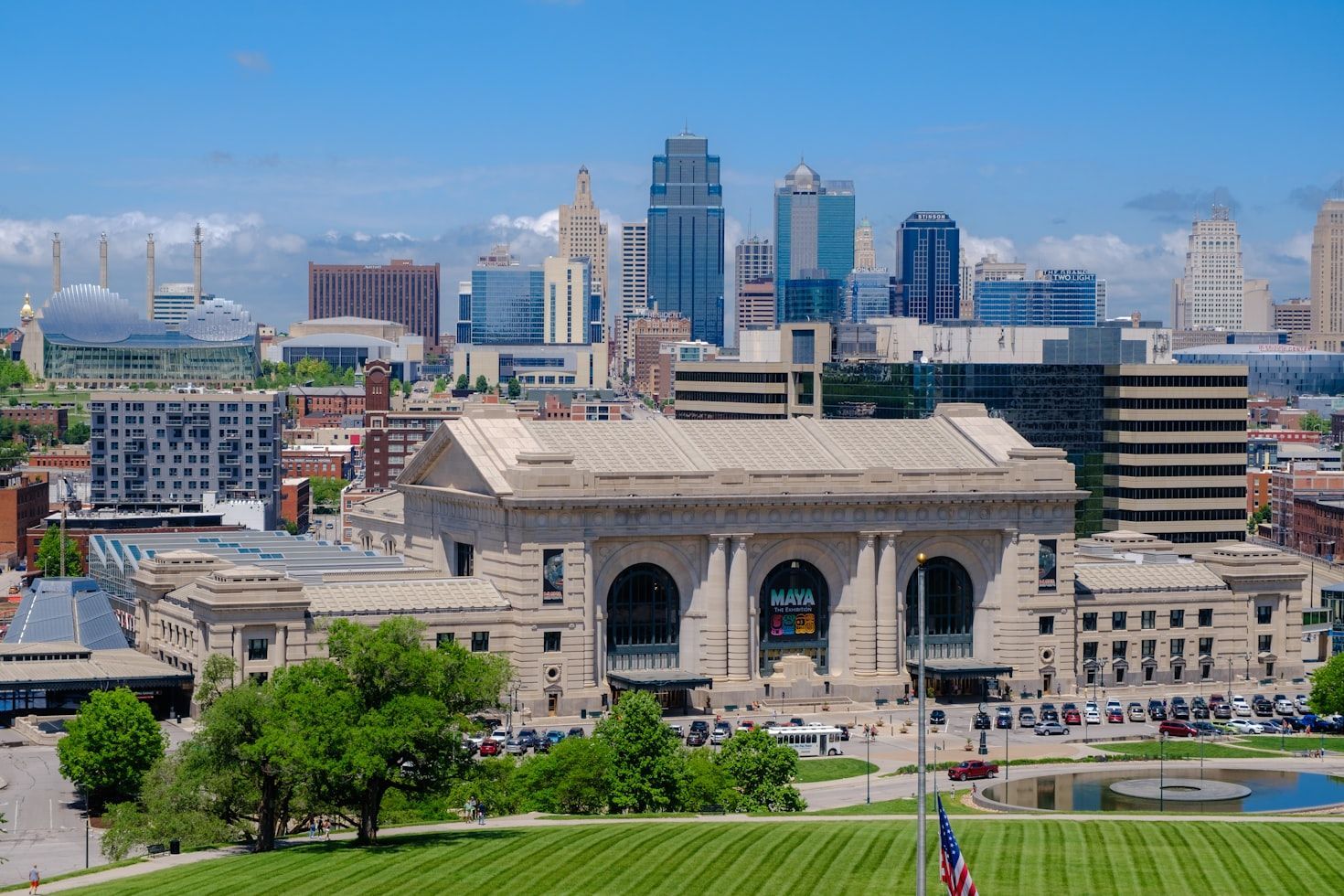
One would think that a city named Kansas in a state named Kansas would be the first of its name. But the Kansas of Kansas is named after Kansas City, Missouri. Founded in the 1830s, the Missourian Kansas quickly grew thanks to commerce and industry. Over the state line, the people of Kansas state decided to also have a Kansas City, to benefit from the economic growth associated with the name. Now you know: if you have a feeling that you are not in Kansas anymore, you might just be in Missouri.
Guadalajara, Mexico
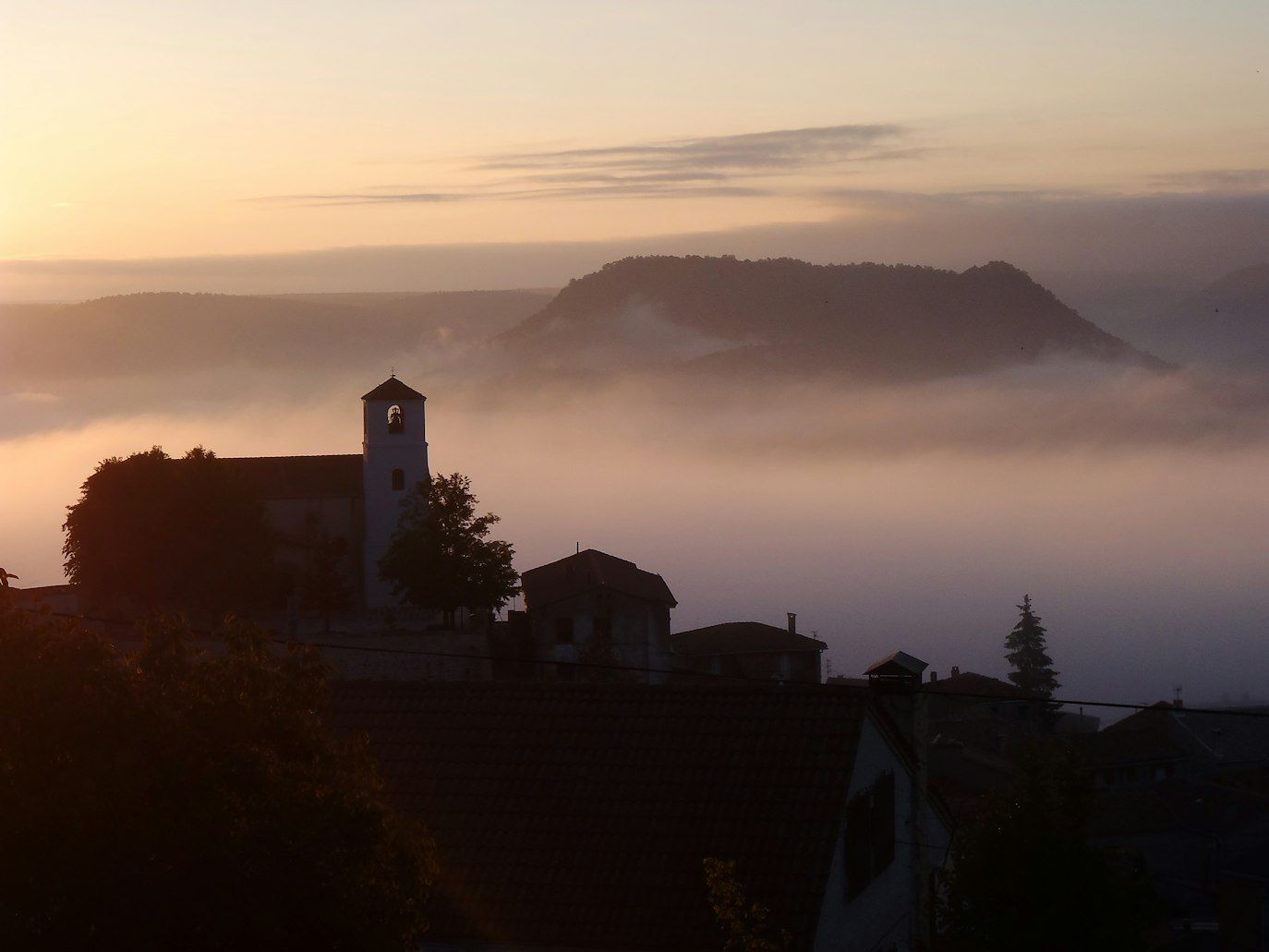
Capital of the state of Jalisco, Guadalajara is one of the most important cities in Mexico. Its name is of Arab origin, and it means ‘valley of the stones’. Established by Spanish conquistadors in the 16th century, it was named by Cristobal de Oñate after his birthplace, Guadalajara City in Spain, a place once under Arab rule.
Boston, Massachusetts
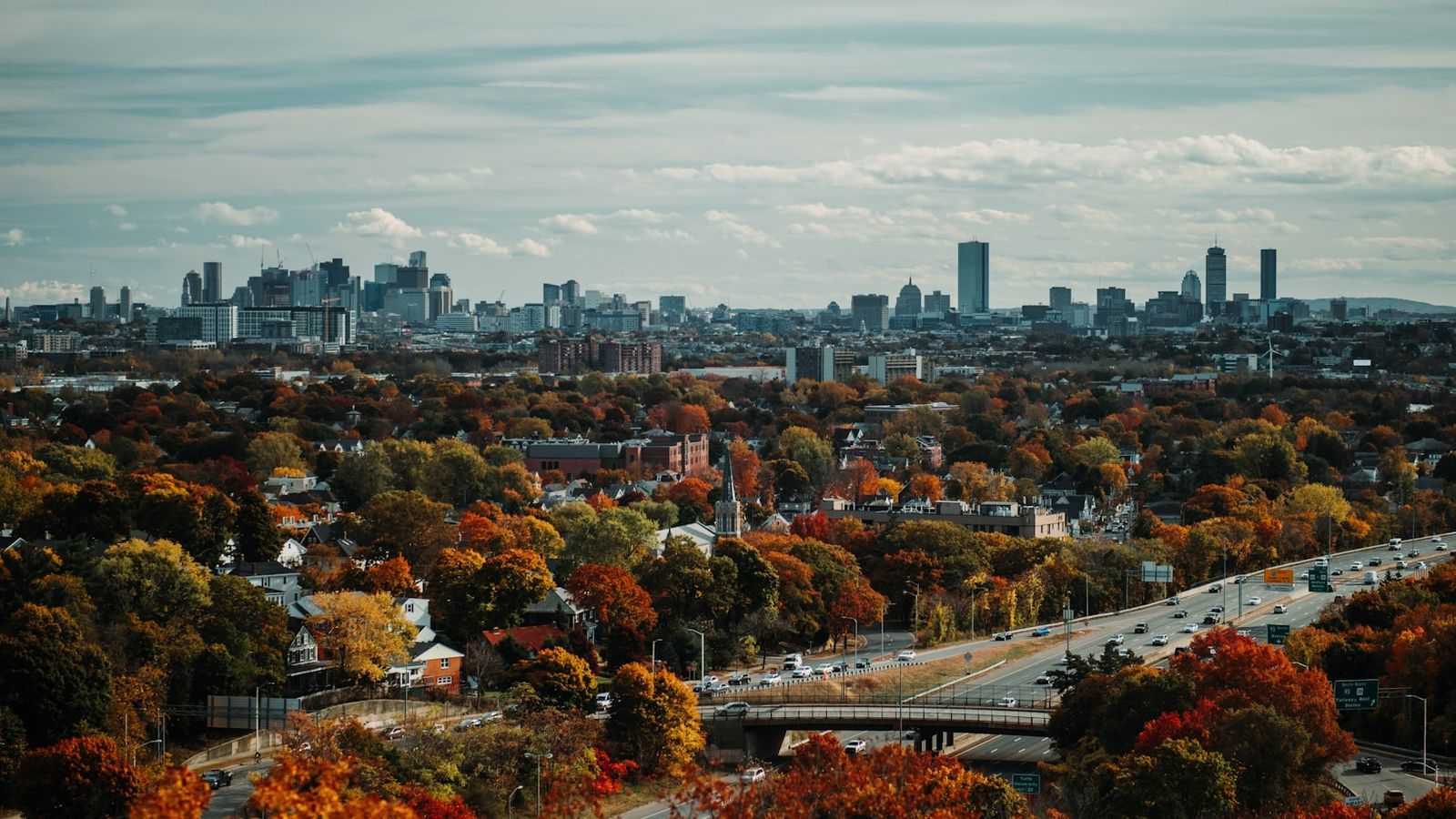
There are at least 16 places in the U.S. named Boston, but only one of them is named after a foreign city. The capital of the state of Massachusetts was established in the 17th Century by Puritan settlers, who took the name from an English port in Lincolnshire. The new Boston was the scene of several key episodes in the American Revolutionary War, and all other Bostons in the U.S. are named after it.
Ithaca, New York
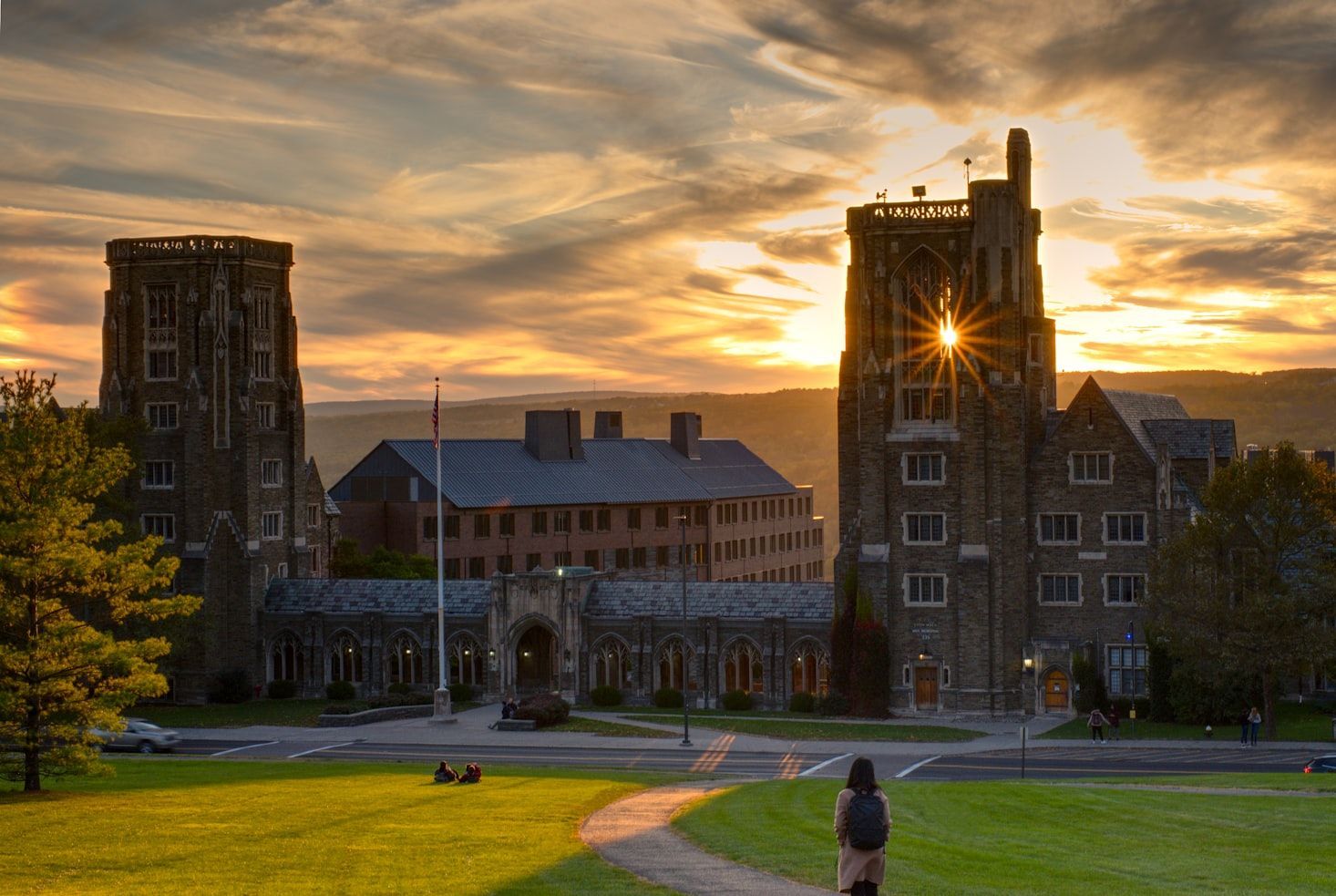
Ithaca is a college town, home to Cornell University. It was founded after the Revolutionary War, on territory gained from the Iroquois, who had helped the British Army during the conflict. The American government granted plots of land as payment to soldiers in the Continental Army, one of them being Moses De Whitt. First settled in the Town of Ulysses, he later relocated to what is now Ithaca and named it after the Greek island that was Ulysses’ home.