10 lost treasures around the world humanity still hopes to find


Published on August 6, 2026

Image: banu sevim

If you were asked about your most priceless possession, what’s the first thing that pops into mind? And what would you do to protect it? Since time immemorial, pirates and princes, captains and mysterious men have acquired wealth and done the impossible to defend it. So much so that from treasure chests to gold-filled trains, some riches were hidden so well that they have vanished to this day. Let’s find out about 10 of the most unbelievable lost treasures around the world and try to imagine what we’d do if we found them.

1

The Amber Room

Image: A_Mikhail

The Amber Room, often called "The Eighth Wonder of the World", was an 18th-century opulent chamber made of six amber panels, gold leaf, and mirrors. It was commissioned in 1701 for Prussia’s King Frederick, and later gifted to Russia’s Tsar Peter the Great in 1716.

It was then installed in the Catherine Palace in Tsarskoye Selo, Russia, until it was dismantled by German troops in just 36 hours in 1941 and moved to Königsberg Castle in East Prussia. Since 1945, amid Allied bombings, the Amber Room has disappeared without a trace, believed to have either been burned, buried, or sunk in the Baltic Sea.

2

The Nazi Gold Train

Image: Piotr Mitelski

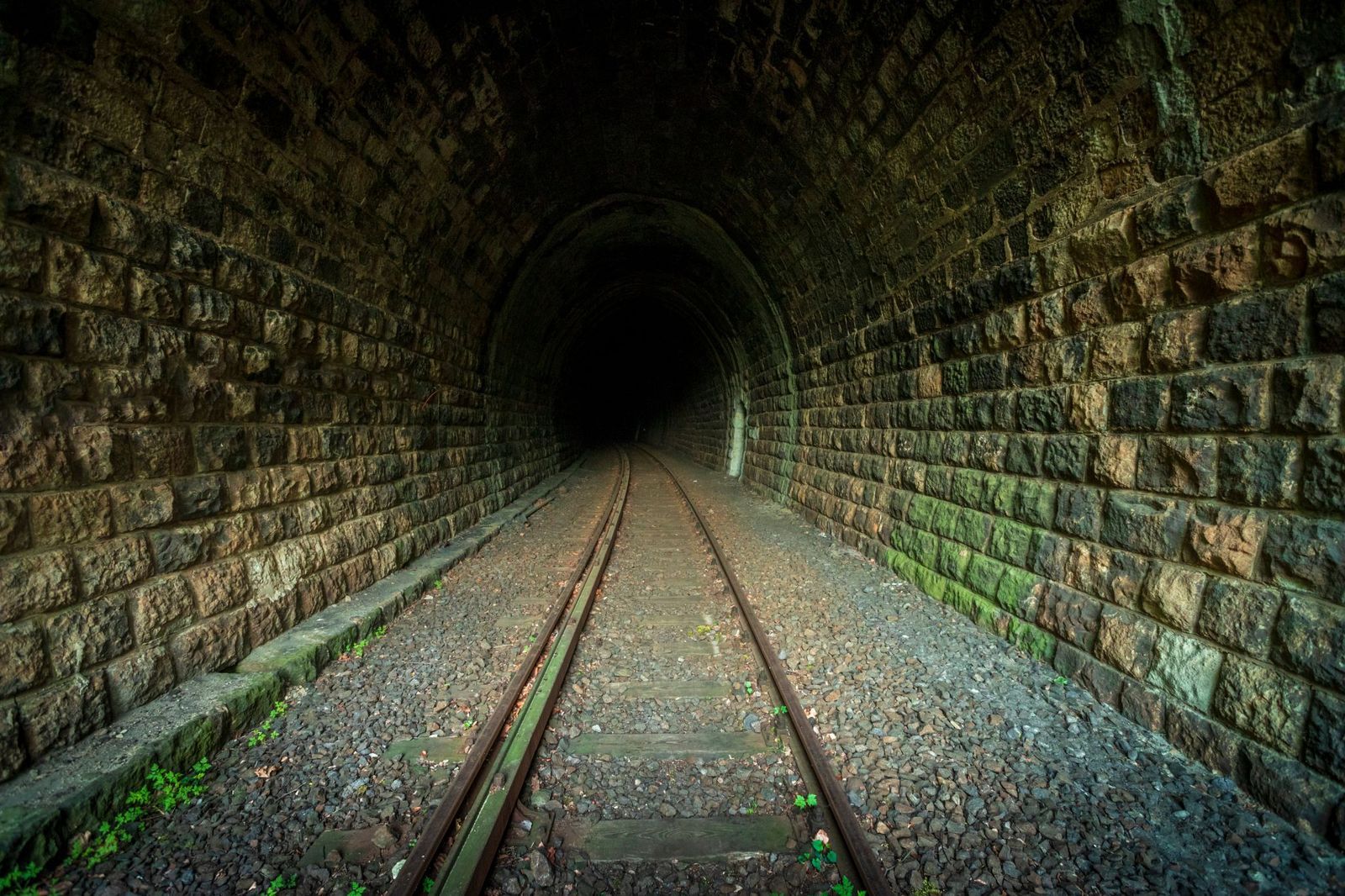
It’s an armored 150-meter-long convoy rumored to be filled with 300 tons of gold, jewels, and stolen art. Allegedly, it vanished in May 1945 inside a secret network of unfinished tunnels in the Owl Mountains, near Walbrzych, Poland, as German forces fled the advancing Soviet Army.

Explorers and treasure hunters have launched many high-profile searches using groundbreaking technology to locate the train, but nothing has ever been found.

3

The Flor de la Mar Treasure

Image: Casa nayafana

The Flor de la Mar ("Flower of the Sea") is a legendary Portuguese ship that sank in November of 1511, on its return from conquering a wealthy hub, now known as Malaysia. With it, an immense fortune estimated at $2.6 billion sank to the bottom of the ocean and was never recovered, making it one of the richest shipwrecks in history.

Over the centuries, countless marine salvage companies have attempted to recover the treasure, although political disputes over salvage rights between Indonesia, Malaysia, and Portugal have continuously interrupted such expeditions.

4

The Treasure of Lima

Image: videobuzzing

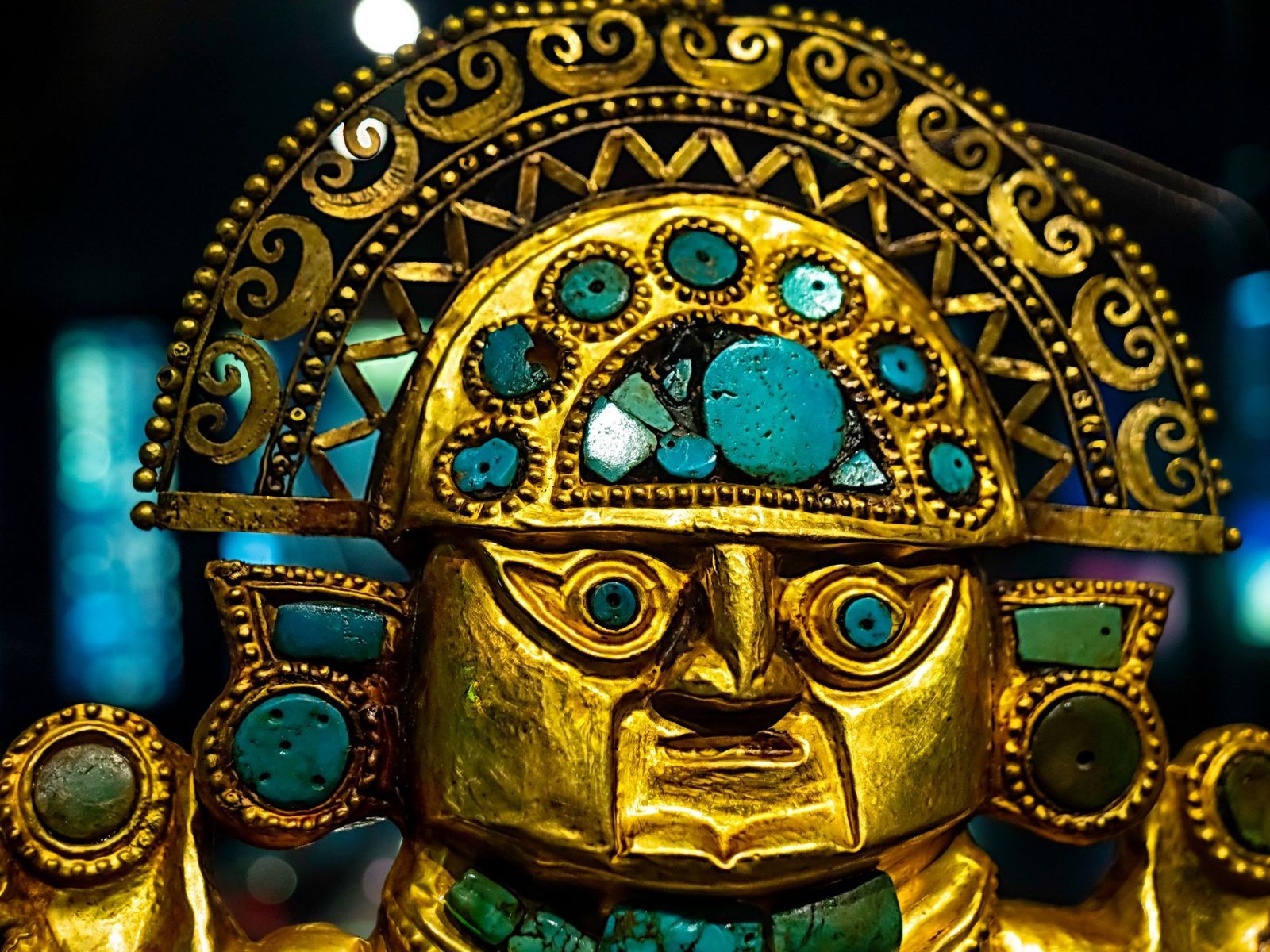
The Treasure of Lima is a massive fortune of gold, silver, and jewels (including a life-size solid gold statue of the Virgin Mary), valued at up to $208 million and missing since 1820.

It was stolen by British Captain William Thompson, who had originally been tasked with protecting the Spanish treasures and allegedly buried them on Cocos Island off Costa Rica, never to be seen again. When captured, he agreed to lead the Spanish forces to the gold, but instead escaped with his first mate into the thick jungle and vanished forever.

5

Blackbeard’s Missing Treasure

Image: Ritu Manoj Jethani

The infamous pirate Edward Teach, also known as Blackbeard, left behind a treasure no one has ever found. He terrorized the Atlantic Coast and the Caribbean, capturing numerous ships and stealing gold, silver, and valuable goods from them.

Modern estimates suggest that his riches would be worth $150 million. Before his death in November 1718, he claimed his wealth was hidden where "nobody knows but me and the Devil."

6

Oak Island Money Pit

Image: Adwo

The Oak Island Money Pit is a centuries-old mystery of buried treasure filled with traps and tunnels, located in Nova Scotia, Canada. It began in 1796 when teenager Daniel McGinnis found a circular depression under a tree and started digging with friends.

As they dug, they began to find oak logs 10 feet down, pointing to a man-made shaft, but water from a storm later flooded the pit. Rumors suggest there is a vault with pirate gold from Captain Kidd, Spanish artifacts, or Marie Antoinette's jewels, as searchers have found tropical coconut fibers and fragments of gold chain there; skeptics suggest it might’ve just been a natural sinkhole all along.

7

The Missing Fabergé Eggs

Image: Natalia Kirsanova

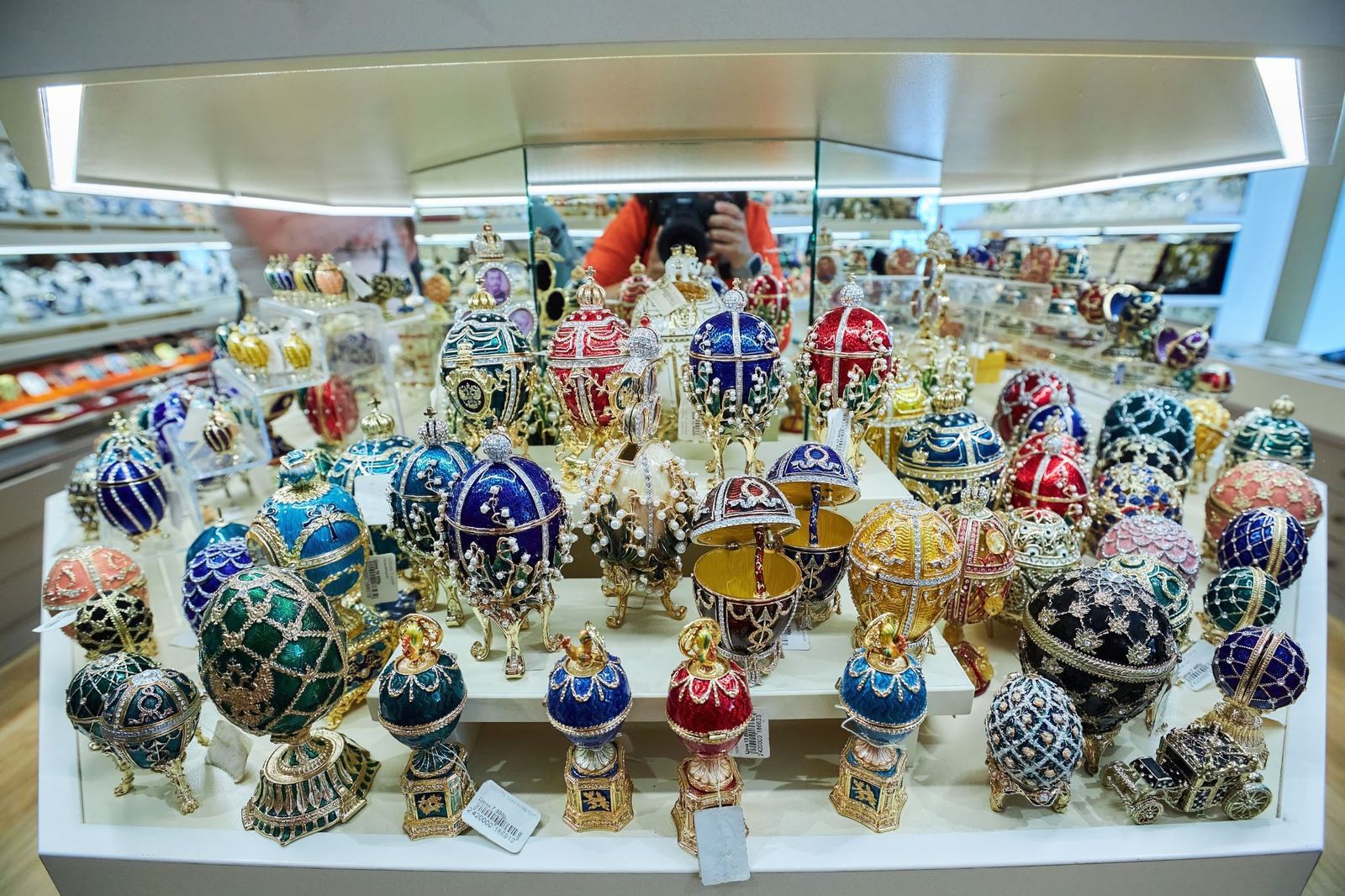
Of the 50 Imperial Fabergé Easter eggs created for the Russian royal family, up to eight remain unaccounted for. Notable missing pieces include the "Nécessaire Egg" (1889), the "Cherub with Chariot" (1888), and the "Hen with Sapphire Pendant" (1886).

While many were lost or stolen during the 1917 Russian Revolution, miraculous findings, such as the "Third Imperial Egg" recovered at a U.S. flea market after a century-long disappearance, keep collectors' hopes alive.

8

The Honjō Masamune Sword

Image: vladivlad

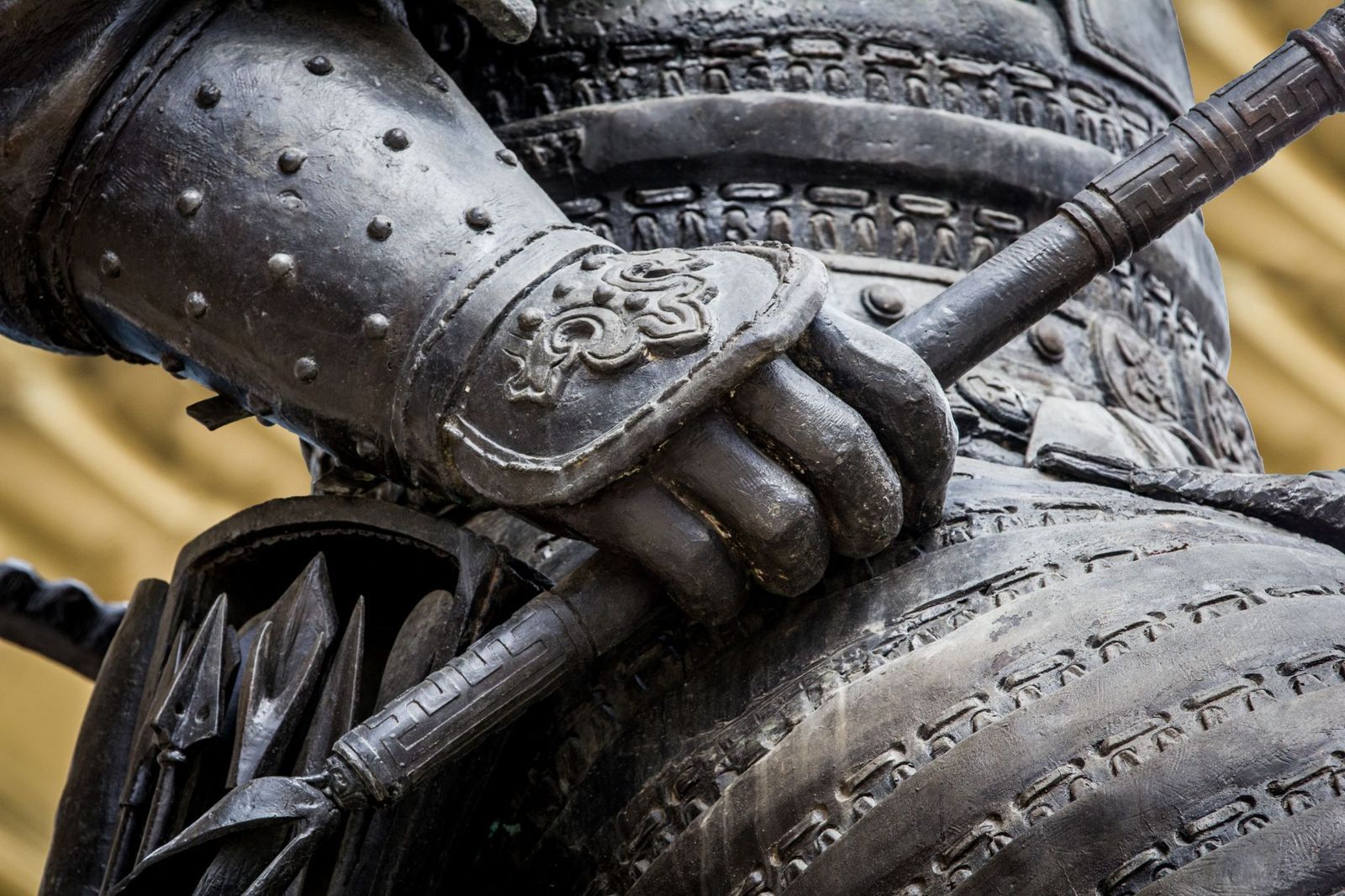
The Honjō Masamune Sword is a priceless Japanese samurai weapon that was lost after World War II. It is considered one of the finest blades ever forged by the master swordsmith Gorō Nyūdō Masamune, and remains a priceless cultural symbol of power.

Designated an official Japanese National Treasure in 1939, many experts remain hopeful it might appear in a private collection or attic.

9

The Beale Ciphers Treasure

Image: syachin

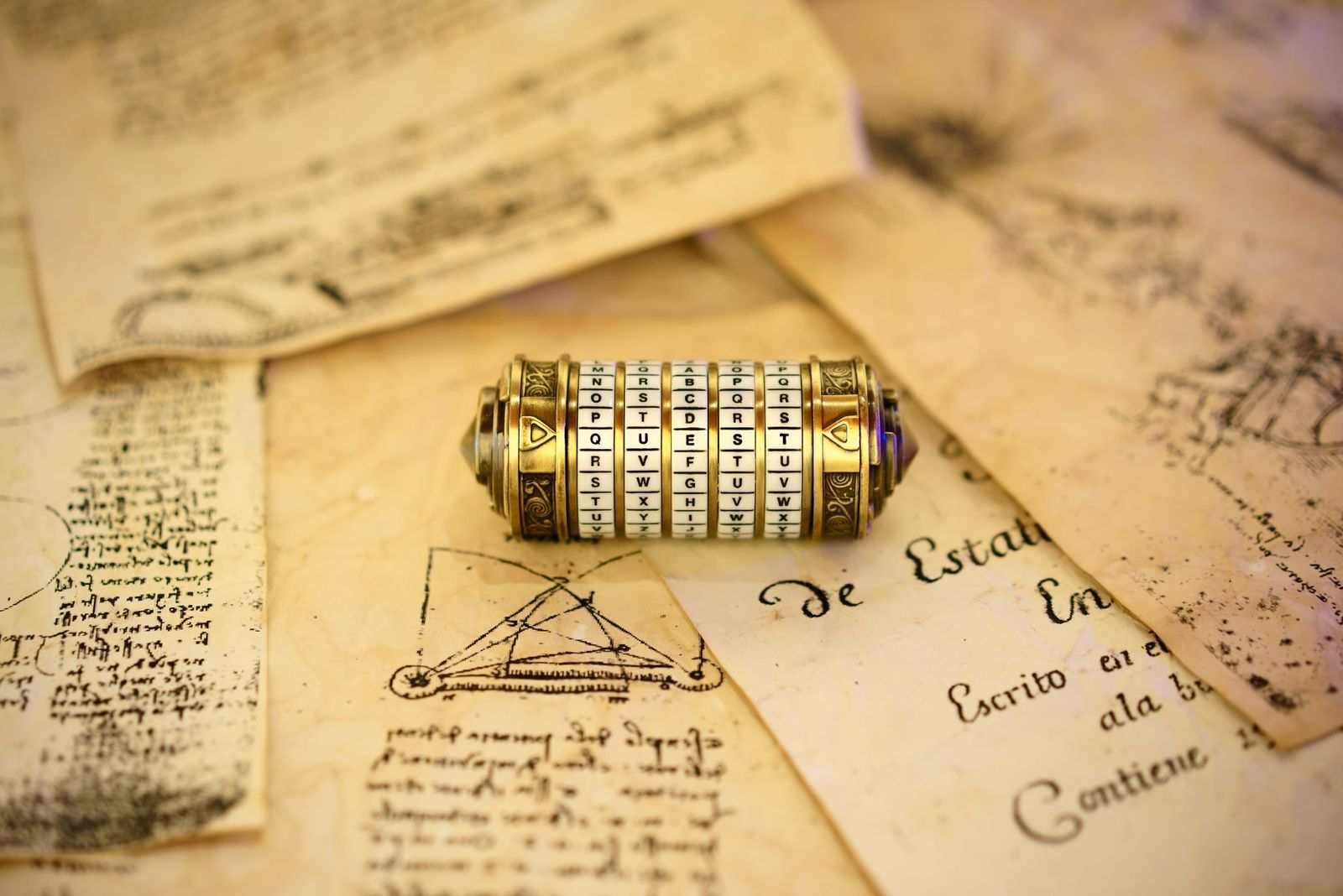
The Beale Ciphers Treasure is a renowned unrecovered fortune of gold, silver, and jewels, with an estimated value of over $65 million.

In 1820, a mysterious man named Thomas J. Beale checked into a hotel in Lynchburg, Virginia, and left a locked iron box with an innkeeper, alongside three encoded messages. If cracked, they supposedly reveal the hidden fortune. For now, only one has been decoded. Some experts allege the entire mystery is a hoax, while others continue to try to decipher the codes to this day.

10

The Lost Dutchman’s Gold Mine

Image: Raeann Davies

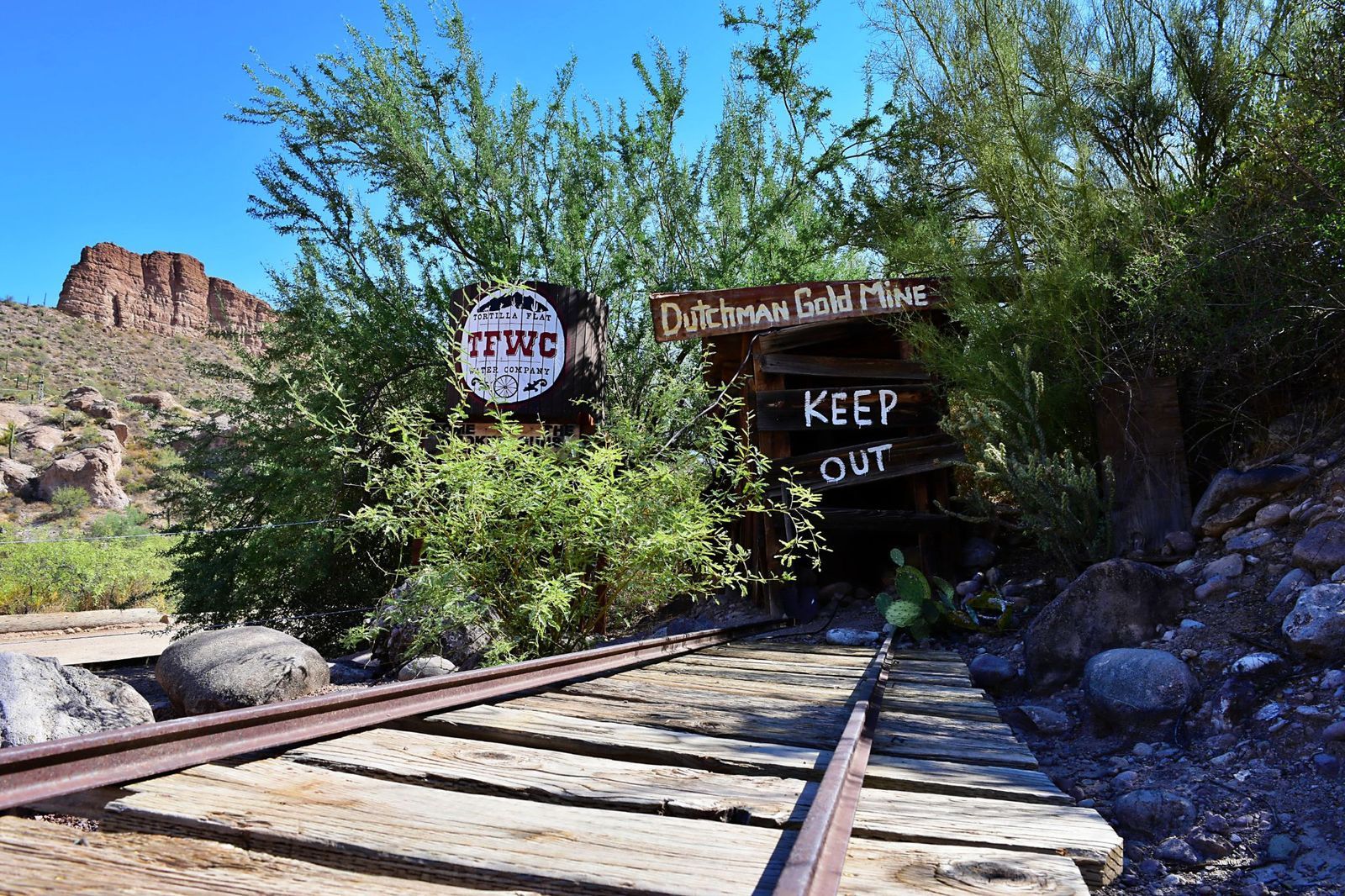
The Lost Dutchman’s Gold Mine is a famous, undiscovered gold deposit, said to be hidden somewhere near Apache Junction, in Arizona’s Superstition Mountains.

Legend claims it was found by Jacob Waltz, a German immigrant (misidentified as Dutch due to the old use of the term "Deutsch"), who settled in Arizona in the 19th century and supposedly kept its location secret before dying in 1891, except for the verbal hints he allegedly gave to his neighbor Julia Thomas, sparking modern treasure hunting to this day.
The truth about your brain

You won’t believe what happens in your brain while you sleep


Published on August 6, 2026


Image: Milad Fakurian

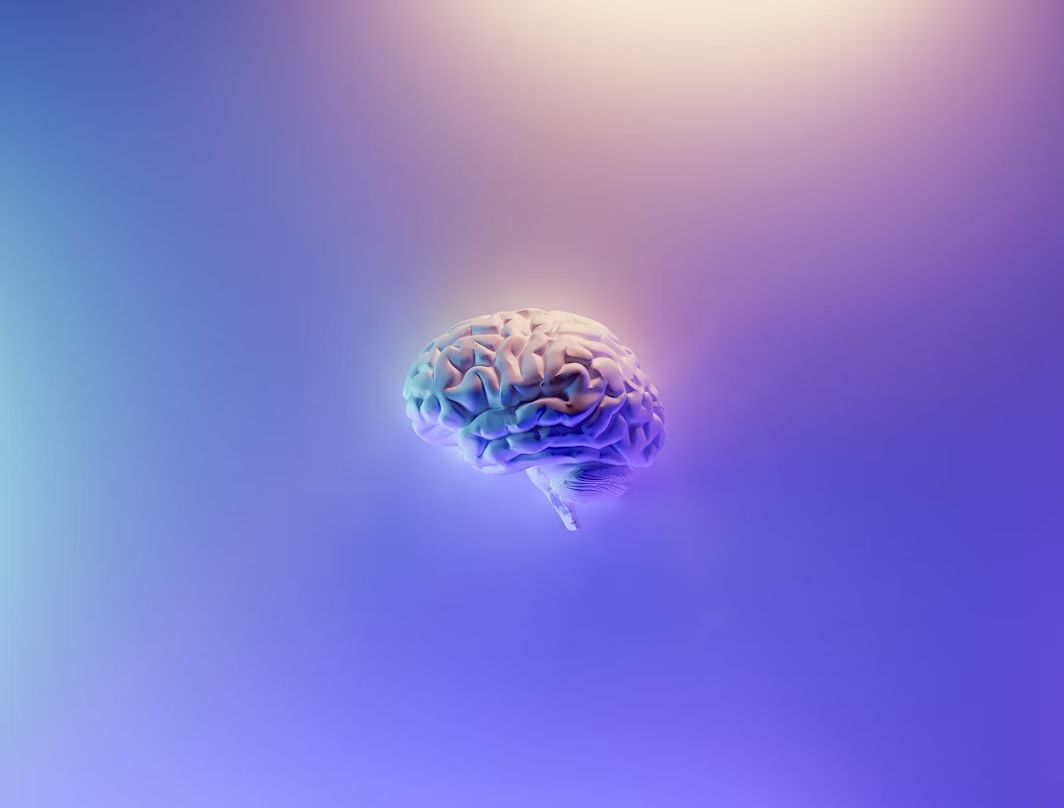
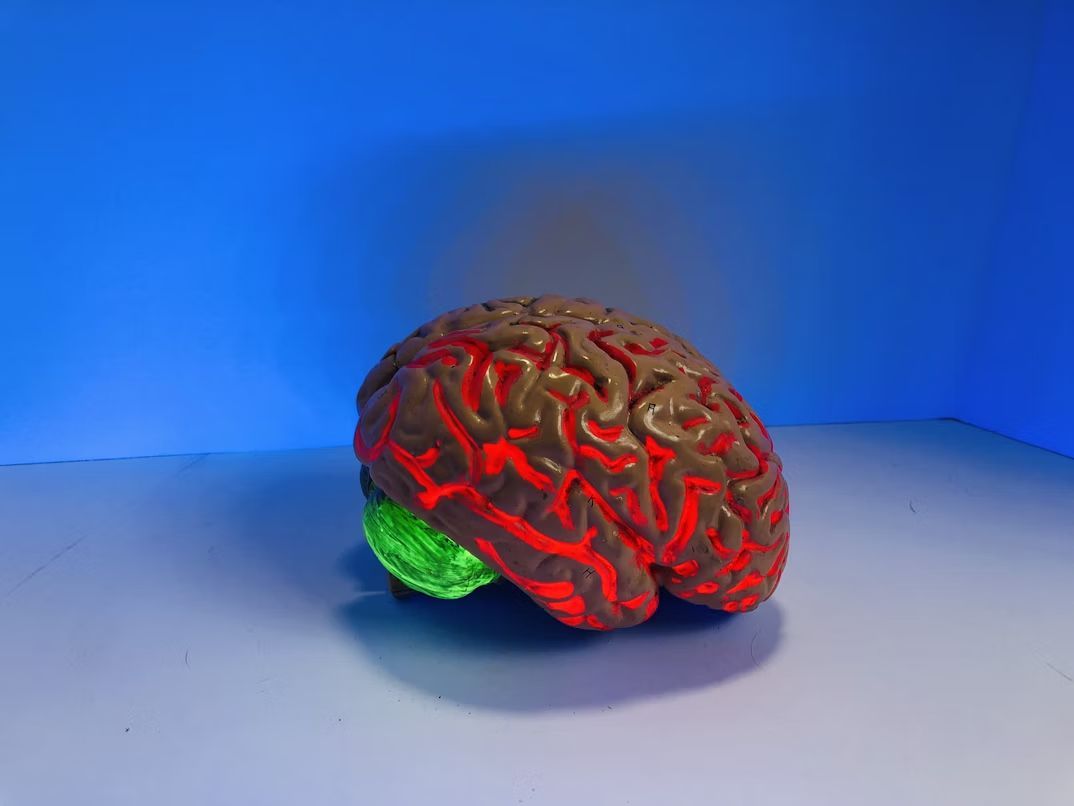
Your brain is one of the most powerful and mysterious organs in your body. It controls everything from your thoughts to your emotions and even processes information at lightning speed. But how much do you really know about it? Some long-believed myths about the brain have been debunked, while other surprising facts reveal just how incredible this organ truly is. Get ready to be amazed by these fascinating brain facts!

1

Myth: We only use 10% of our brain

Image: Natasha Connell

You’ve probably heard this one before, but it’s completely false! While it’s true that not all parts of the brain fire at the same time, imaging studies show that most regions are active throughout the day, even when we sleep.

Your brain is constantly working, controlling bodily functions and emotions, and processing information. So next time someone says you’re only using 10% of your brain, you can confidently tell them that’s just a myth!

2

The brain itself can’t feel pain

Image: Aarón Blanco Tejedor

Here’s a weird fact: While your brain processes pain signals from the rest of your body, it has no pain receptors of its own. This is why surgeons can perform brain surgery on conscious patients without causing them pain.

However, the membranes and tissues surrounding the brain do have pain receptors, which is why headaches and brain injuries can be so excruciating.

3

Headaches are actually chemical reactions

Image: Usman Yousaf

How come we have headaches if the brain has no pain receptors? Well, that’s because headaches are triggered by chemical activity in the brain, changes in nerves and blood vessels, and even fluctuating serotonin levels.

In some cases, hormones like estrogen can also play a role, which explains why migraines are more common in women.

4

Dreams: Your brain’s midnight movie theater

Image: Go to Johannes Plenio's profile Johannes Plenio

Dreams are proof that your brain never rests! (Warning: this fact can make you feel exhausted.) While you sleep, your limbic system, that is, the part of the brain that deals with emotions, becomes especially active, which is why dreams often feel so intense.

On average, humans experience four to seven dreams per night, even if we don’t always remember them. And what about that scary nightmare about falling? Well, you can thank your amygdala, the brain’s fear center, for that one.

5

Your short-term memory lasts less than 30 seconds

Image: Brett Jordan

Have you ever walked into a room and instantly forgotten what you were after? That’s because short-term memory only lasts about 20-30 seconds! That’s not enough!

Your brain holds a limited amount of information in its active state before deciding whether to store it or discard it. Ironically, we can’t really choose what makes the cut, but we do hope these facts stay with you!

6

Brain freeze is your body’s warning signal

Image: BUDDHI Kumar SHRESTHA

That sharp, icy pain when you eat something too cold? It’s your brain’s way of telling you to slow down! Officially called sphenopalatine ganglioneuralgia, a brain freeze happens when cold food or drinks rapidly chill the blood vessels in your throat, causing them to constrict and then rapidly expand. This sends pain signals to your brain, warning you of the sudden temperature shift. It’s annoying, but it’s actually your body trying to protect itself!

7

Your brain thinks a lot!

Image: Josh Riemer

You didn’t need us to tell you, but let’s look at the details: The average person has between 12,000 and 60,000 thoughts per day. What’s even more interesting? 95% of those thoughts are the same ones you had yesterday. Is that not surprising enough? Hear this out: 80% of them tend to be negative. That’s because our brains are wired for survival, constantly analyzing risks and potential dangers.

8

Your brain uses 20% of your body’s oxygen and blood

Image: Terry Vlisidis

Even though it only makes up about 2% of your body weight, your brain employs a major quantity of energy! It consumes 20% of your oxygen and blood supply, making it one of the most demanding organs in your body.

If your brain goes without oxygen for just five minutes, brain cells start dying, leading to irreversible damage. This is why deep breathing and cardiovascular exercise are great for brain health!

9

Seeing stars? That’s your brain processing vision!

Image: Alexander Andrews

Do you know that feeling when you hit the back of your head and see stars? That’s because your occipital lobe, which controls vision, is located at the back of your brain. If you get hit there, your brain momentarily misfires, causing flashes of light.

Interestingly, your brain processes vision on the opposite side; while your right brain controls your left eye, your left brain controls your right eye. It’s one of the many ways the brain operates in a complex way.

10

Your brain can power a light bulb!

Image: Rodion Kutsaiev

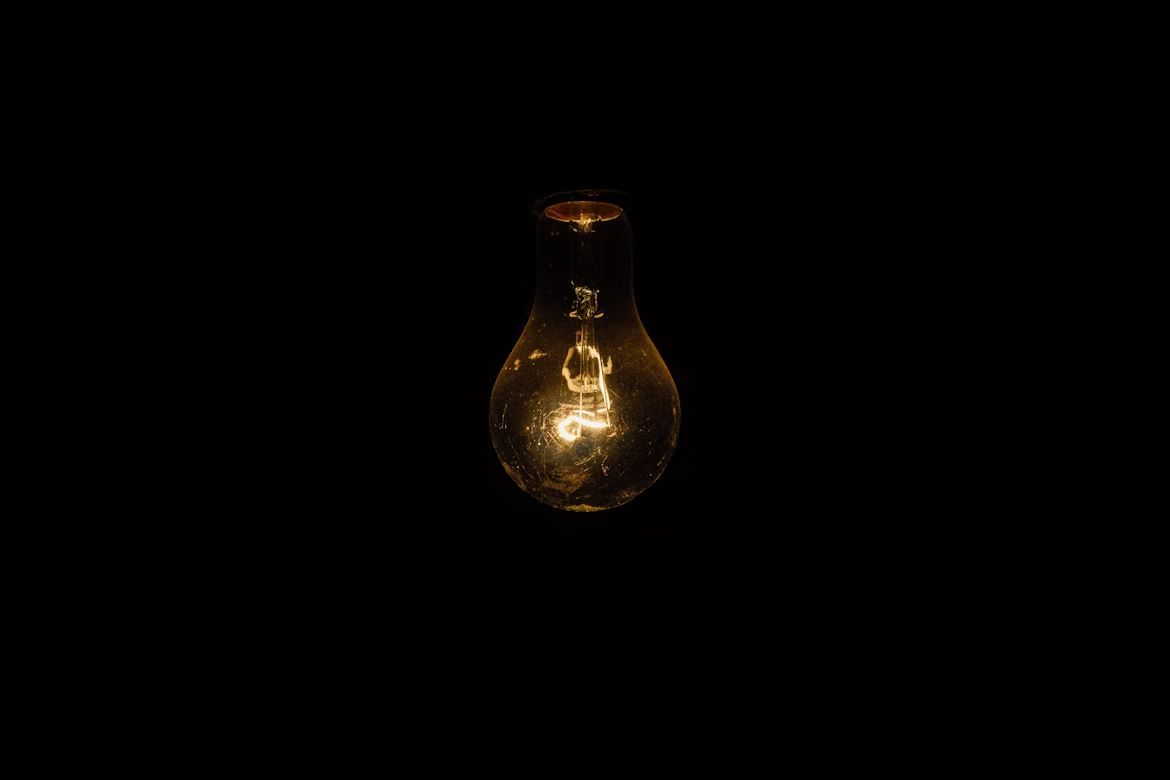
Believe it or not, your brain generates between 12 and 25 watts of electricity when you’re awake. If you can’t really grasp how powerful that is, check this out: It’s enough to power a small light bulb! Your brain’s electrical activity is what allows neurons to send signals at speeds of up to 260 miles per hour.

11

Your brain is mostly fat

Image: Robina Weermeijer

Your brain may be the fattiest organ in your body, consisting of at least 60% fat! This is why consuming healthy fats, like omega-3s and omega-6s present in fish, for example, is essential for brain health.

Healthy fats stabilize brain cell walls, reduce inflammation, and support cognitive function. So go ahead and enjoy that avocado toast, it’s food for your brain!

12

Your brain shrinks as you age

Image: Robina Weermeijer

It’s not just your memory that fades over time; the brain itself physically shrinks as one gets older. It continues developing until your late 40s, but after that, it slowly decreases in size.

Now, size doesn’t equal intelligence, so a smaller brain doesn’t necessarily mean a less capable one. Staying mentally active, exercising, and eating brain-boosting foods can help keep it in top shape!

13

Cholesterol plays a big role in memory

Image: Lisa Yount

We often think of cholesterol as bad, but your brain actually depends on it! In fact, 25% of your body’s cholesterol is stored in your brain, where it helps with learning and memory. However, unlike other organs, the brain can’t absorb cholesterol from the blood, it has to produce its own. So, while too much cholesterol in the body can be harmful, the right amount is vital for brain function. At least you can use that as an excuse to get that burger!

Looking for an extra scoop of literary fun?

Learn more with our Word of the day

meager

/ˈmiɡər/