Be articulate!

Most people don’t know the exact word for these 12 situations. Do you?


Published on June 27, 2026
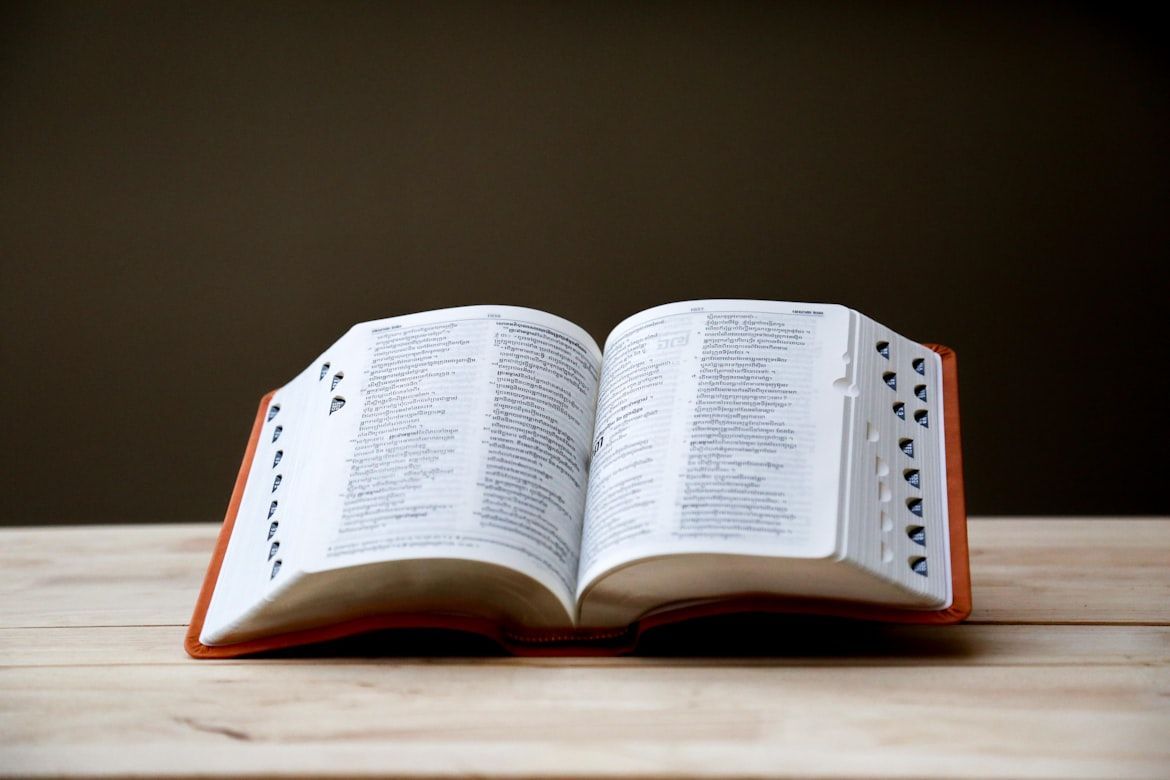

Image: Pisit Heng

English is full of surprisingly precise words for feelings, situations, and experiences that most people struggle to describe. Some come from ancient Greek or Latin, while others were borrowed from languages like Welsh or Swedish. A few are still rare today, but all of them manage to describe very specific things. Take a look at the following 12 examples and see if there are one or two that you can add to your daily vocabulary!

1

Paraprosdokian

Image: Paolo Bendandi

A paraprosdokian is a sentence that suddenly changes meaning at the very end, forcing you to rethink what came before. The word comes from Greek roots meaning "against expectation."

Unsurprisingly, comedians and writers love using paraprosdokians for humor and surprise (pun intended). A famous example is: "I’ve had a perfectly wonderful evening, but this wasn’t it." The unexpected ending is what makes it work.

2

Nibling

Image: Mahdi Teymouri

"Nibling" is a gender-neutral word that refers to a niece or nephew. It is widely credited to linguist Samuel E. Martin in 1951 as a parallel to the word "sibling."

For decades, the term remained obscure, but it became more popular online in the 2010s as many English speakers sought more inclusive family language.

3

Kakorrhaphiophobia

Image: Usman Yousaf

Kakorrhaphiophobia means an irrational fear of failure. The intimidating word comes from Greek roots connected to fear and failure, making it one of English’s longest phobia names.

Although rarely used in everyday life, psychologists connect the idea to perfectionism, anxiety, and fear of disappointing others. The word often appears in lists of unusual English vocabulary.

4

Formication

Image: Jan Baborák

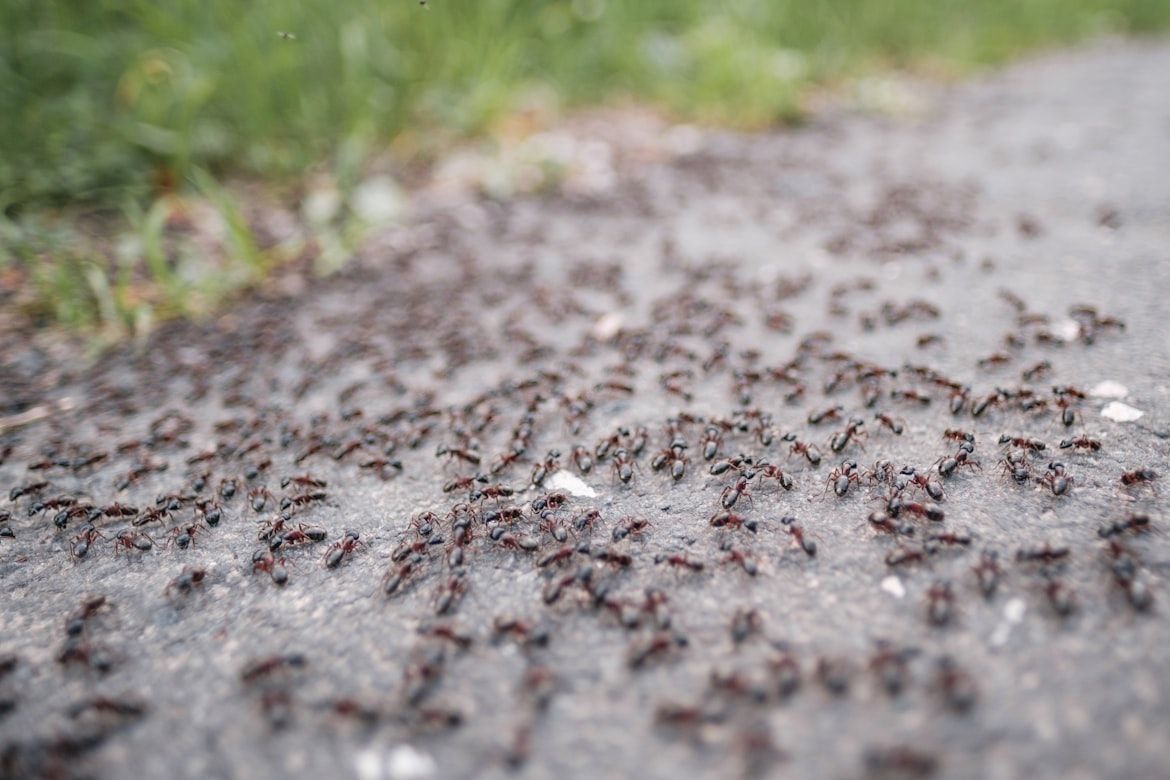
Formication is the sensation that insects are crawling on or under your skin when nothing is actually there. The term comes from the Latin word formica, meaning "ant."

Doctors recognize it as a real neurological symptom linked to anxiety, sleep deprivation, menopause, certain illnesses, and drug withdrawal. Despite the strange name, it has been documented for decades.

5

Dysania

Image: Slaapwijsheid.nl

Dysania describes the extreme difficulty of getting out of bed in the morning. While many people jokingly relate to it, the term is often associated with fatigue, depression, or sleep disorders.

Unlike ordinary laziness, dysania refers to a persistent struggle to leave the bed even after waking up. The word became popular online thanks to lists of oddly specific modern vocabulary (not unlike this one).

6

Interrobang

Image: Buddha Elemental 3D

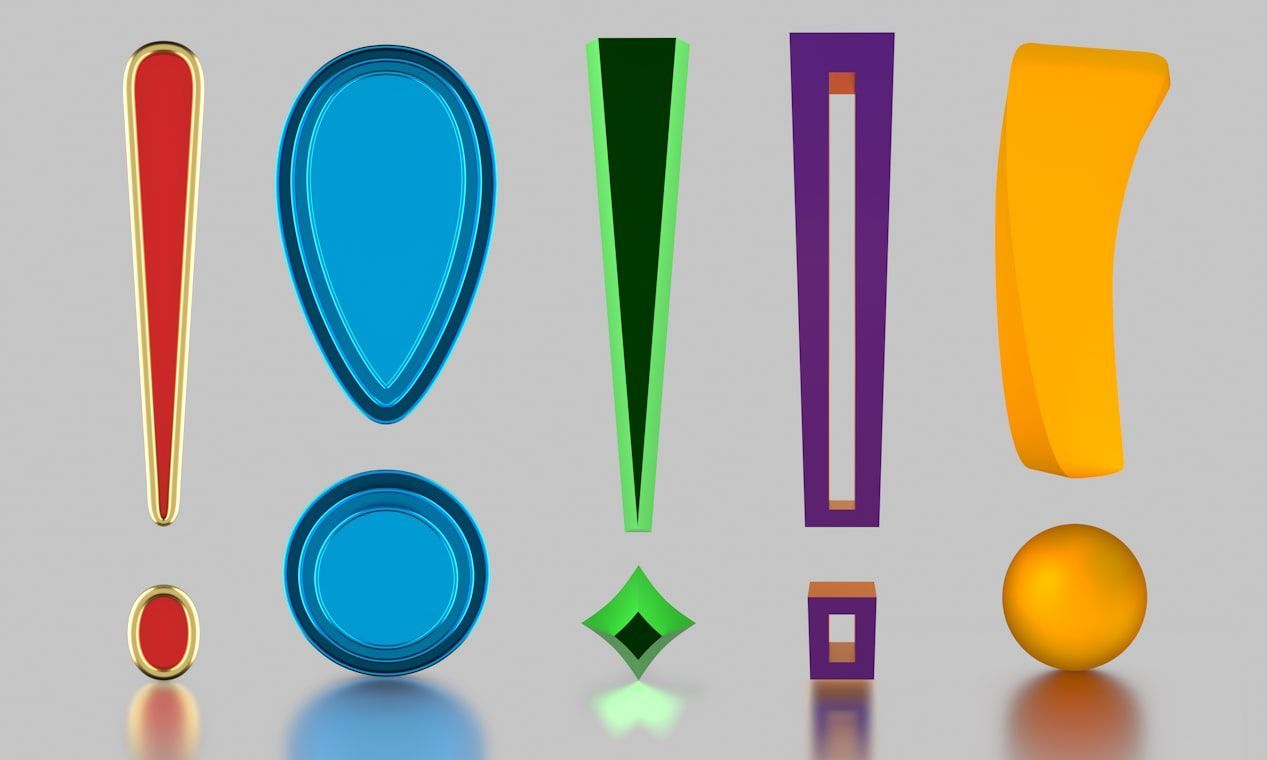
The interrobang combines a question mark and an exclamation point into one punctuation mark. It was invented in 1962 by advertising executive Martin K. Speckter.

He believed advertisements needed a cleaner way to show excited questions like "You paid how much???!!!" Although it never became standard punctuation, the symbol still exists in Unicode and modern fonts.

7

Latibulate

Image: Thomas Bormans

"Latibulate" means to hide away from society or retreat into a safe corner. It comes from the Latin latibulum, meaning "hiding place."

The word is extremely rare today, which only adds to its mysterious appeal. It is often included in collections of forgotten English words.

8

Hiraeth

Image: Billy Williams

Hiraeth is a Welsh word describing deep longing for a home, place, or time that may never truly return. It goes beyond ordinary nostalgia or homesickness.

Many writers describe hiraeth as mourning something lost, imagined, or impossible to recover fully. Among them, J.L. Borges said, "One does not miss places, but the moments spent in them."

9

Tmesis

Image: Hakim Menikh

Tmesis happens when a word or phrase is split apart, and another word is inserted in the middle. English examples include "abso-bloody-lutely" and "fan-freaking-tastic."

The term comes from a Greek word meaning "cutting." Ancient Greek and Latin poets used tmesis long before modern English speakers turned it into a playful part of casual conversation.

10

Apricity

Image: Cristina Gottardi

Apricity means the warmth of the sun during winter. The word entered English in the 1600s and comes from the Latin apricus, meaning "warmed by the sun."

Although it disappeared from common speech for centuries, apricity can sometimes be found in specific texts, since few terms describe such a precise seasonal feeling so well.

11

Clinomania

Image: Tom Hills

Clinomania refers to an overwhelming desire to stay in bed. The name combines Greek roots linked to beds and obsession, giving it a more intense meaning than simple tiredness.

The word is sometimes confused with dysania, but clinomania suggests a stronger emotional urge to remain under the covers.

12

Lagom

Image: Tracey Parish

Lagom is a Swedish word meaning "just the right amount," not too much nor too little. It reflects a broader Scandinavian philosophy centered on balance and moderation.

The term became internationally popular during the 2010s alongside Nordic lifestyle trends like hygge.
Facts you didn't know you needed

Is the day longer for your pet? Mind-blowing facts you need to know


Published on June 27, 2026


Image: Alexander Grey

Adults often assume they already understand the world, but there’s always something new to surprise us! Did you know that clouds actually have weight? Or that the day is longer for some animals? And that’s just the beginning. From hidden functions of your organs to the true color of the universe, today you’ll learn 10 fascinating facts you probably never thought to ask, but will make you sound impressively smart in your next conversation!

1

Slower time

Image: Bonnie Kittle

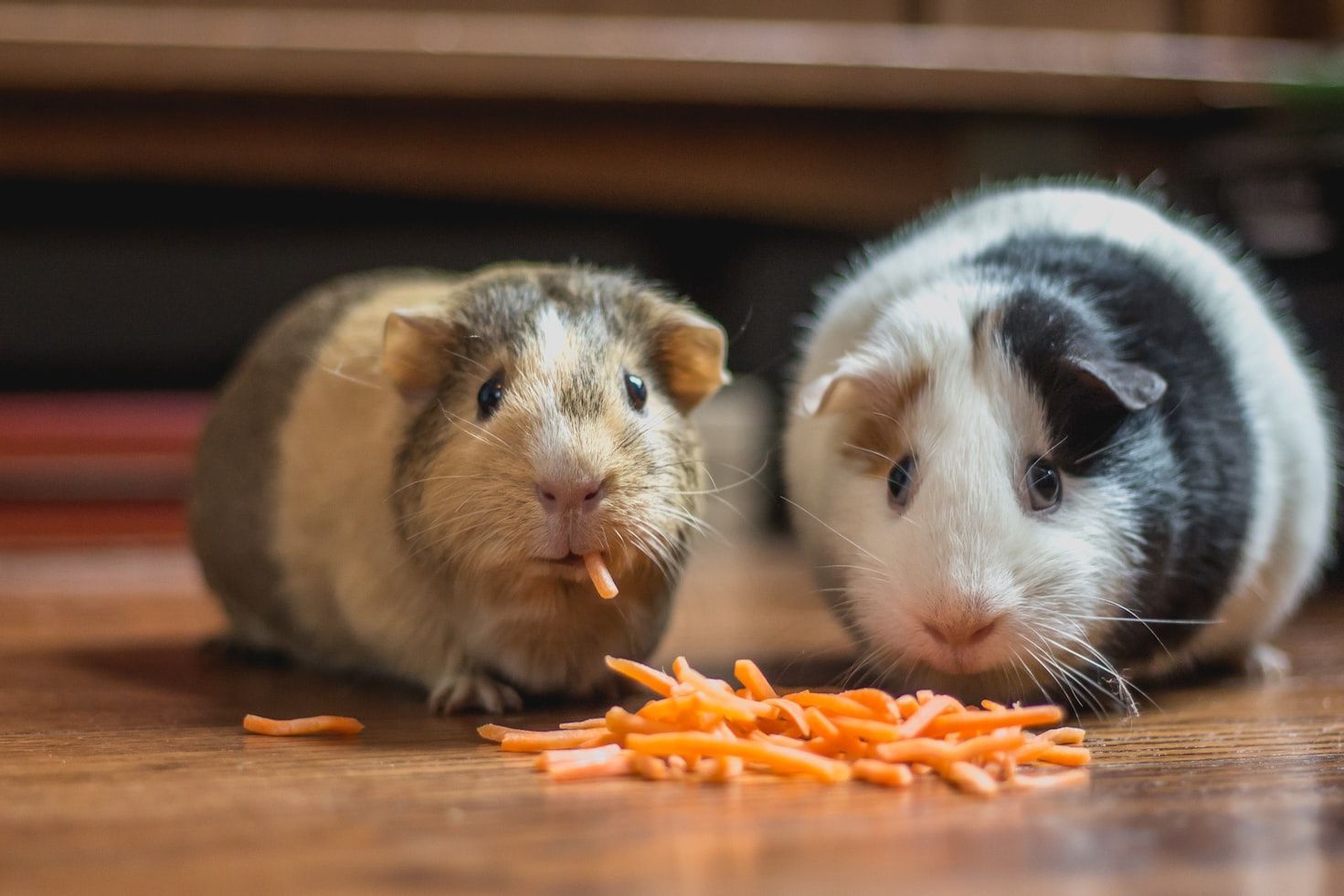
Unlike humans, animals don’t experience a shared "present" in quite the same way. Instead, their sense of time is tied to the rhythms of their own bodies. For very small animals with fast metabolisms like parrots, hamsters, or guinea pigs, time actually seems to pass more slowly. In a sense, they live in slow motion because their faster-working nervous systems allow them to process sensory information at a fast speed.

2

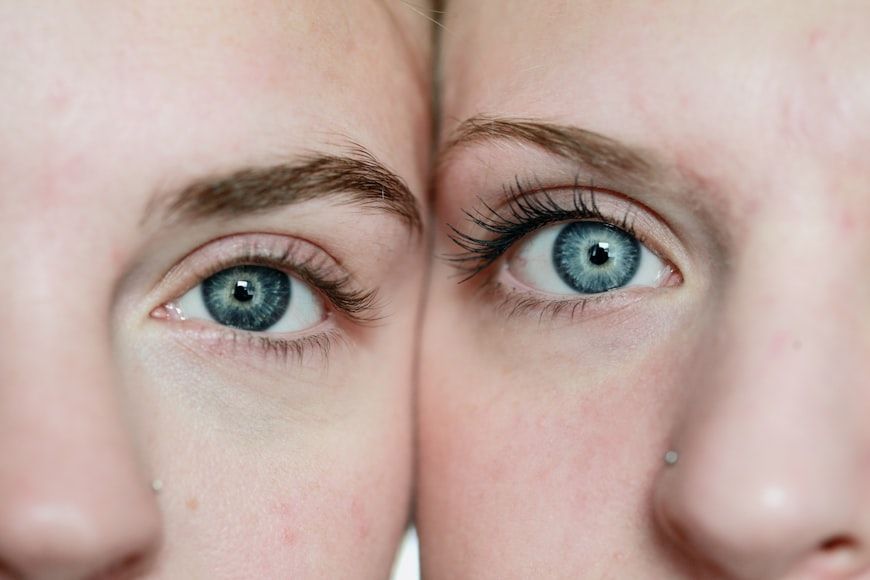
Identical twins, but…

Image: Juliane Liebermann

What if someone commits a crime and tries to blame their identical twin? Have you ever wondered about that? It’s a valid question; after all, identical twins not only look alike, they also share the same DNA. But here’s the surprising part: if investigators check fingerprints, the innocent twin could be cleared. That’s because, despite their nearly identical DNA, twins have unique fingerprints, shaped by subtle genetic and environmental factors in the womb.

3

Heavy clouds

Image: engin akyurt

You’ve probably spent time lying on the grass, watching clouds drift across the sky. They look light, fluffy, almost like cotton candy, and it’s hard to imagine them as heavy objects. But the truth is surprising: clouds are incredibly heavy. An average cumulus cloud can weigh around 1 million pounds! That impressive weight comes from the billions of tiny water droplets suspended in the air. So, how do they float? It’s because each droplet is extremely small and falls very slowly, while rising warm air currents help keep the cloud suspended above us.

4

Don’t believe everything you see

Image: Jack Stapleton

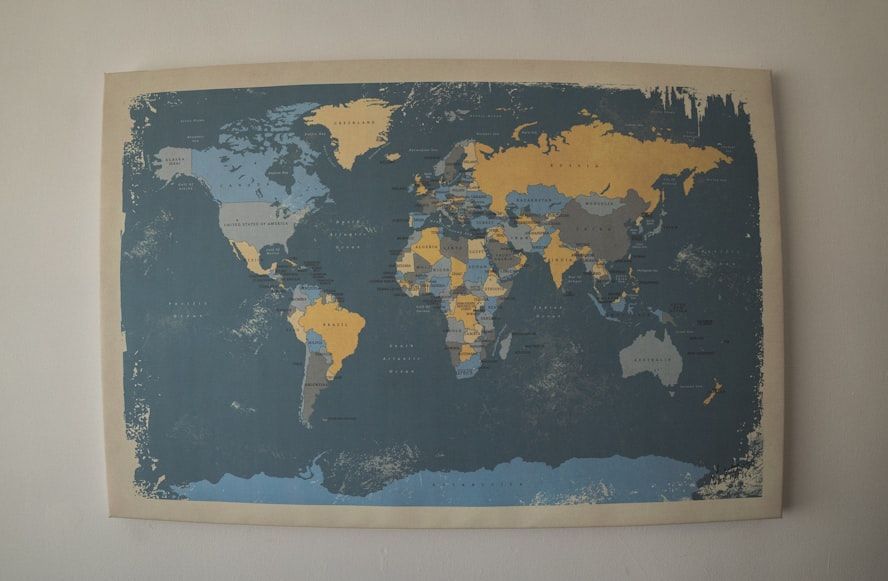
Most of us have a rough image of the world map in our minds. But we have something to tell you: most maps aren’t completely accurate. Because the Earth is a sphere, cartographers have to distort some areas to represent it on a flat surface. On Mercator projection maps, countries near the poles appear much larger than they really are, while countries near the equator look smaller in comparison. For example, Alaska looks about the same size as Brazil, but in reality, Brazil is nearly five times larger!

5

The Universe's color

Image: Bryan Goff

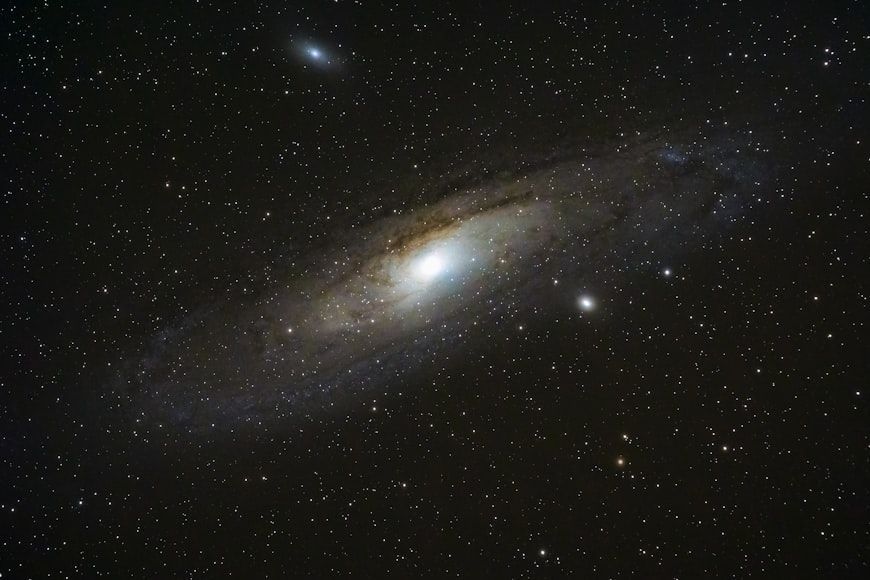
Most people don’t realize that there’s actually a name for the color of the universe. Strange, right? But it’s true! Astronomers who studied the light from thousands of galaxies discovered that if you blend all the colors from the observable universe, the result is a soft, beige-ish white shade, famously named "Cosmic Latte" in 2002.

6

No Qs

Image: Pin Adventure Map

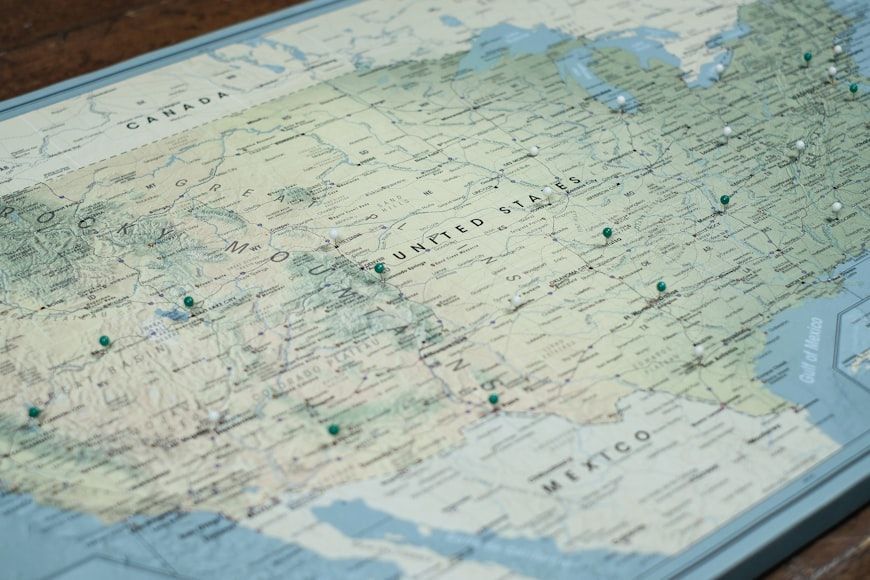
With 50 states, there’s no shortage of variety in their names. Almost every letter of the English alphabet appears at least once, except for one: Q, which is completely absent. In addition to this, there’s another surprisingly rare letter: J. While it isn’t entirely missing like Q, it only appears in one state, New Jersey.

7

Earth’s rotation is slowing

Image: Carl Wang

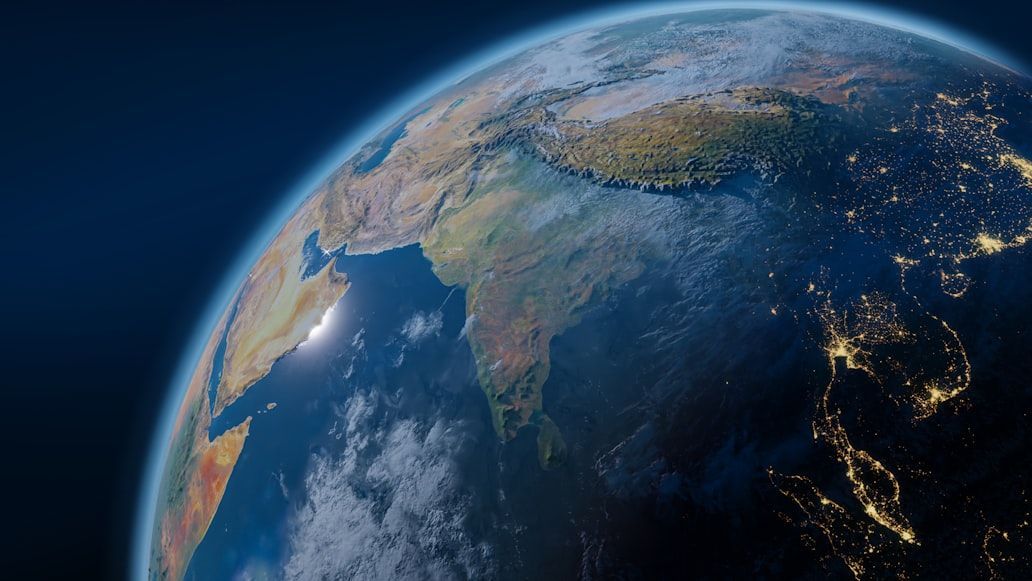
Although we don’t notice it, indeed, the Earth’s rotation is gradually slowing. This happens because tidal friction, caused by the Moon’s gravitational pull on our oceans, creates a subtle drag on the planet’s spin. As a result, days are getting longer, but very gradually: by only about 1.7 milliseconds per century.

8

Dreams in sign language

Image: Ian Noble

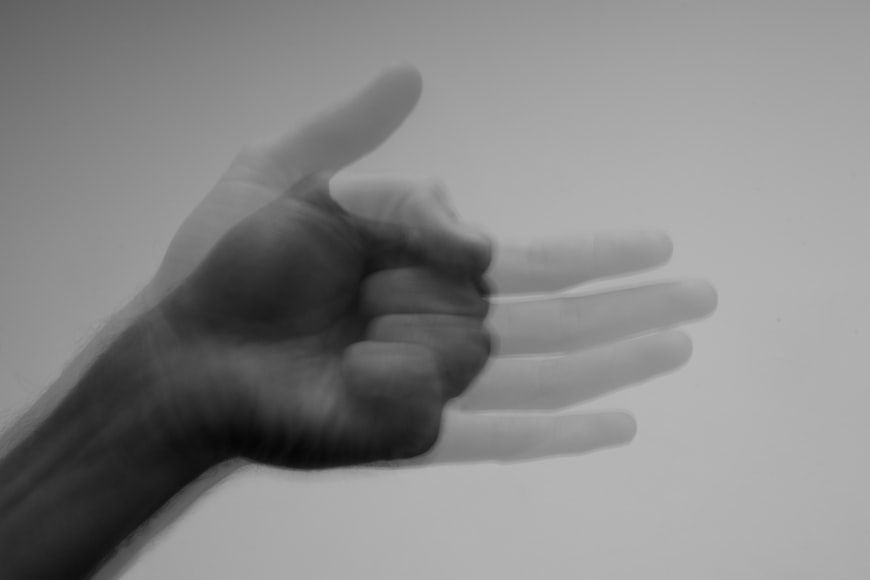
Do you remember your last dream? Whether good or bad, dreams are a constant part of sleep, but not everyone experiences them in the same way. Deaf people who use sign language in their daily lives often communicate through signs in their dreams, too. Meanwhile, blind people tend to have dreams rich in sounds, smells, and tactile sensations, using these other senses to experience the dream world.

9

Walking underwater

Image: Wade Lambert

We’re used to seeing hippos covered in mud, splashing in water, or barely peeking above the surface. But here’s a surprise: hippos can’t actually swim! That’s right. Because of their huge, heavy bodies, they don’t float or paddle like most animals. Instead, they walk or run along the riverbed.

10

Is your brain hungry?

Image: BUDDHI Kumar SHRESTHA

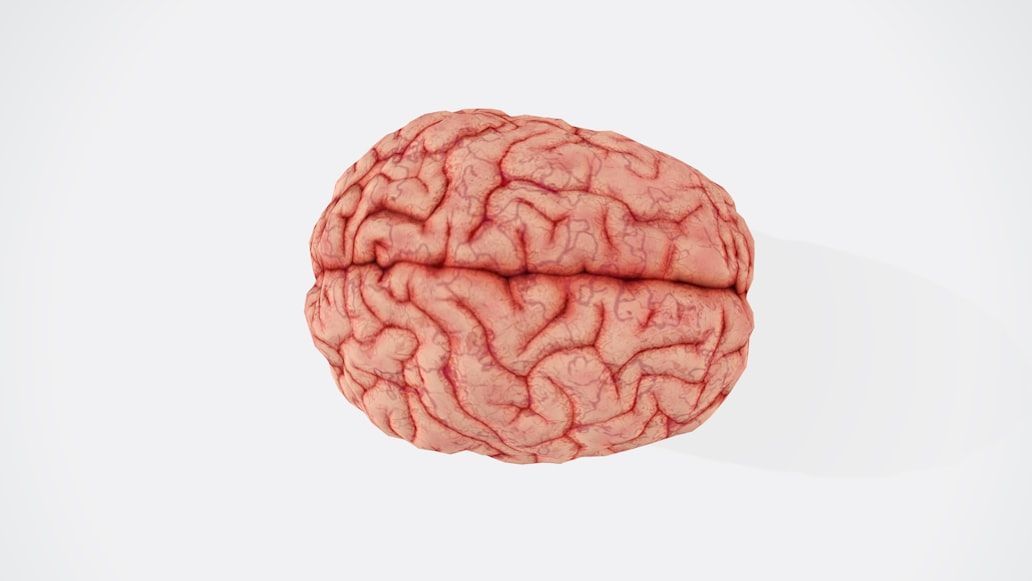
Can your brain really "eat" itself? Well, close, but not exactly. There’s a process called phagocytosis, carried out by specialized immune cells in the brain known as microglia. These cells engulf and remove debris, dead cells, and other unwanted material. But don’t worry; it’s safe! The mechanisms exist to protect, repair, and maintain your brain.

Looking for an extra scoop of literary fun?

Learn more with our Word of the day

interminable

/ɪnˈtərmənəb(ə)l/