Words without sound
Babies can tell you they're hungry before they can say a word: here's how
Published on June 22, 2026
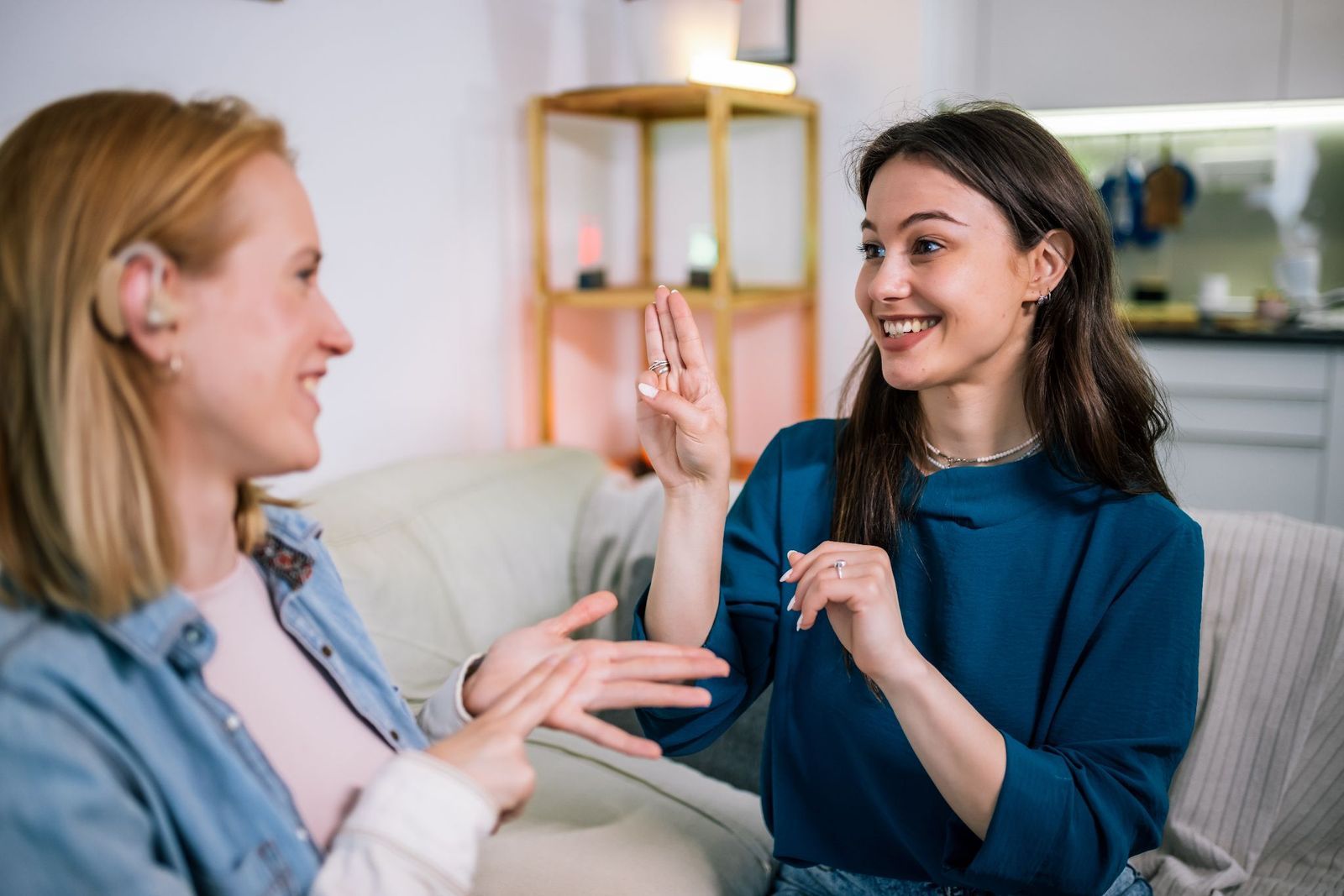
Imagine trying to order your morning coffee when the barista behind the counter doesn't understand a word or a gesture you're making. That's what many deaf people have to deal with every single day. But awareness is changing things: The more all of us learn about sign language and deaf culture, the more welcoming the world gets. Did you know that concerts have interpreters who convey the words and mood of a performance? Or that babies can sign basic words months before they can speak a single one? Here are 10 things about sign language that will surprise you.
Concert interpreters
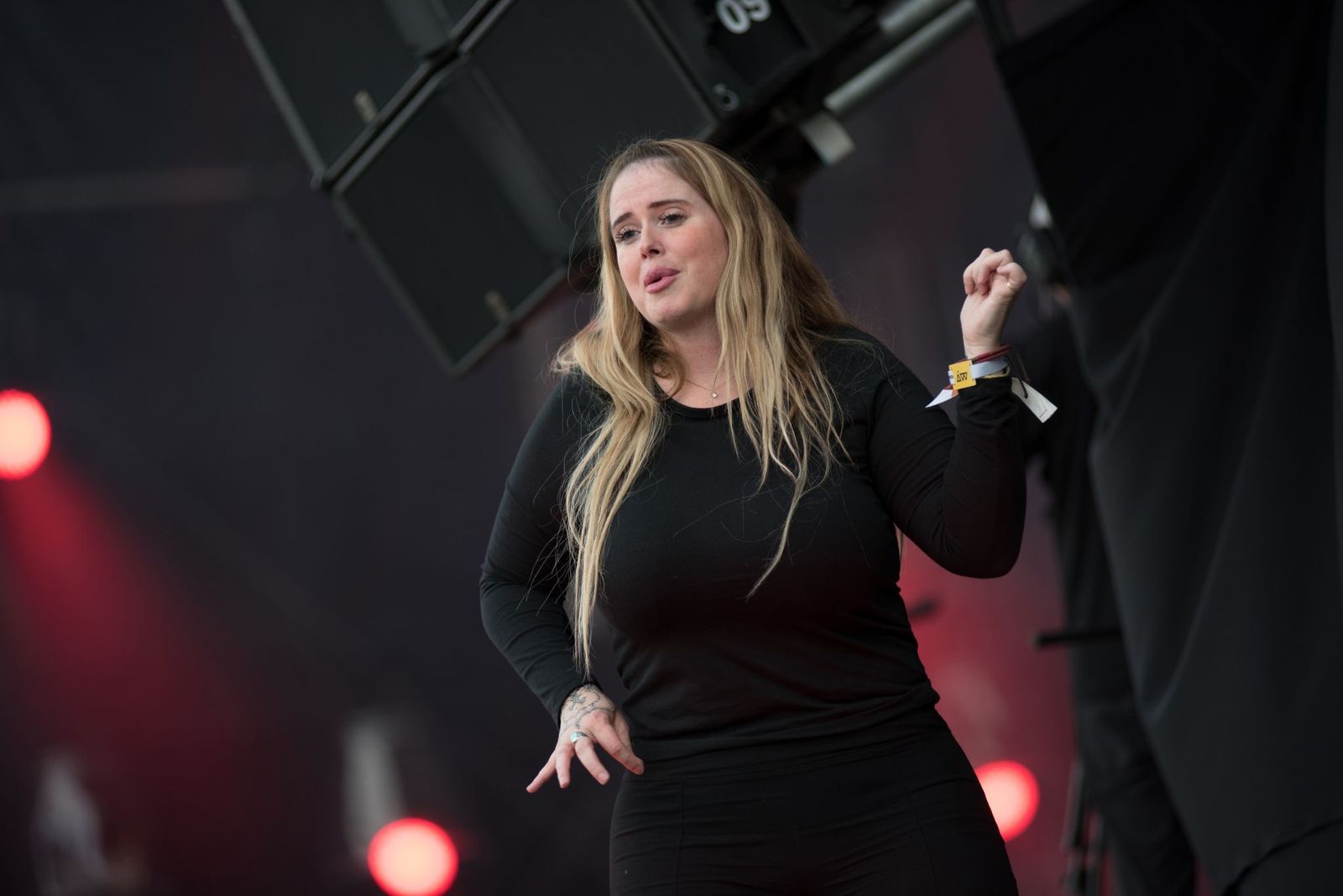
Seen it or not, there’s someone off to the side of the stage, signing along with the music with incredible energy. These folks are sign language interpreters, and their job at live events is to make the whole experience accessible to deaf audience members. They not only translate the words, but they also convey the performance rhythm, mood, and emotion.
Imagine you're at a Rolling Stones concert and you're deaf. Without an interpreter, you'd feel the bass in your chest but miss everything else. With one interpreter, you get the full show.
Babies can sign before speaking

Hearing babies can learn to sign basic words, even months before they develop the muscle control needed to speak. The fine motor skills required for simple signs develop earlier than the complex coordination needed for speech. "Baby sign language" programs have become popular with hearing parents who want to communicate with their infants before they can talk.
Imagine your 10-month-old signing "more" or "milk" instead of just screaming. Parents who've tried it say it dramatically reduces frustration on both sides, and some research suggests it may actually boost spoken language development.
Not a universal language

There is no single, worldwide sign language. American Sign Language (ASL) is completely different from British Sign Language (BSL), even though both countries speak English. And there are hundreds of sign languages across the globe, each one developed naturally within its own deaf community, with its own vocabulary, grammar, and even regional slang.
If you learned ASL fluently and then flew to Japan, you'd be starting from scratch with Japanese Sign Language. A deaf traveler visiting a new country has to navigate a whole new language, just like anyone else.
Historical roots in French
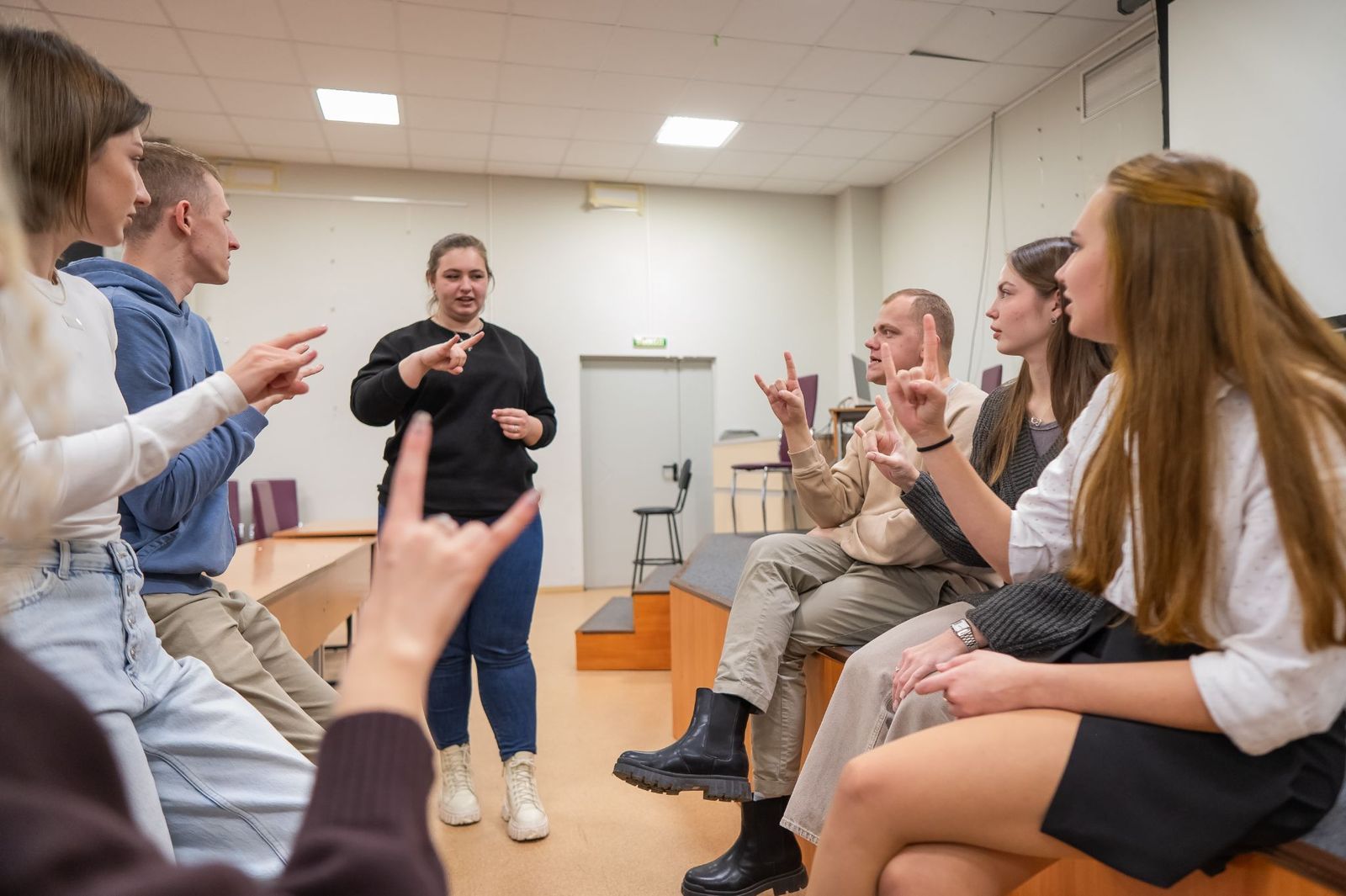
Back in 1817, a French educator named Laurent Clerc traveled to the United States with Thomas Hopkins Gallaudet to help establish the American School for the Deaf in Hartford, Connecticut. Clerc brought French Sign Language with him, and it blended with the various signing systems already used by American deaf communities: that mix eventually became American Sign Language.
Facial expressions are grammar

In spoken language, tone of voice tells you whether someone is asking a question or making a statement, whether they're being sarcastic or sincere. In ASL, facial expressions carry that same grammatical weight. Raised eyebrows can signal a yes/no question. A furrowed brow can indicate a "wh-" question, such as "who" or "where." Without the right face, the meaning can change completely.
Imagine signing "You're going to the store?" with a totally flat expression, without indicating if you’re making a statement or asking a question. To a fluent ASL user, that could read as a very different kind of sentence altogether.
Spatial layout as pronouns

In ASL, signers use the space in front of them almost like a stage. You can assign a spot in the air to a person or object, and then refer back to that spot throughout the conversation to mean "he," "she," "it," or "they." It's a pronoun system built entirely out of space and motion.
Picture telling a story about a disagreement between your neighbor and your boss. You'd set up your neighbor on the left side of the signing space and your boss on the right. Then, every time you refer to each of them, you simply point or direct signs toward those spots.
Distinct grammar system
Many people assume sign language is just English translated into hand gestures, but ASL has its own completely independent grammar. The word order and the sentence structure are different, and many concepts that require multiple words in English can be expressed in ASL with a single sign.
If you wanted to say "I gave the book to her" in ASL, the signs, facial expressions, and spatial positioning would work together in a way that has no direct equivalent in an English sentence structure.
Regional accent variations
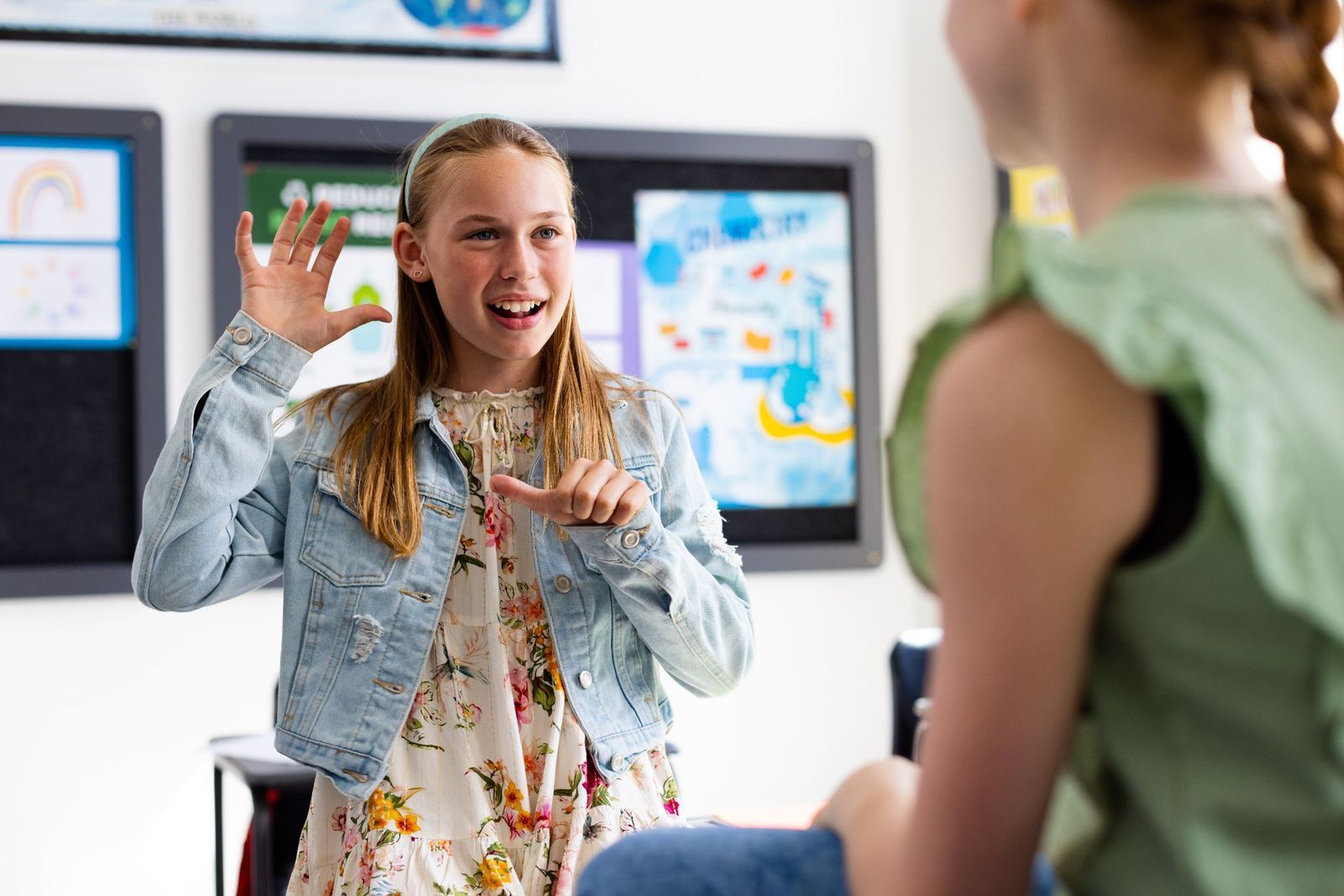
Just like spoken English has regional accents (think Boston versus Georgia versus Texas), ASL has regional variations too. The sign for a particular word in New York might look noticeably different from how it's signed in Los Angeles or Atlanta. Historically, schools for the deaf were major hubs where local signing styles developed and were passed down through generations of students.
There are also cultural variations within the deaf community itself. Black ASL, for instance, developed separately during the era of school segregation in the American South and has its own distinct features, signs, and style that differ from mainstream ASL.
The finger-spelling alphabet

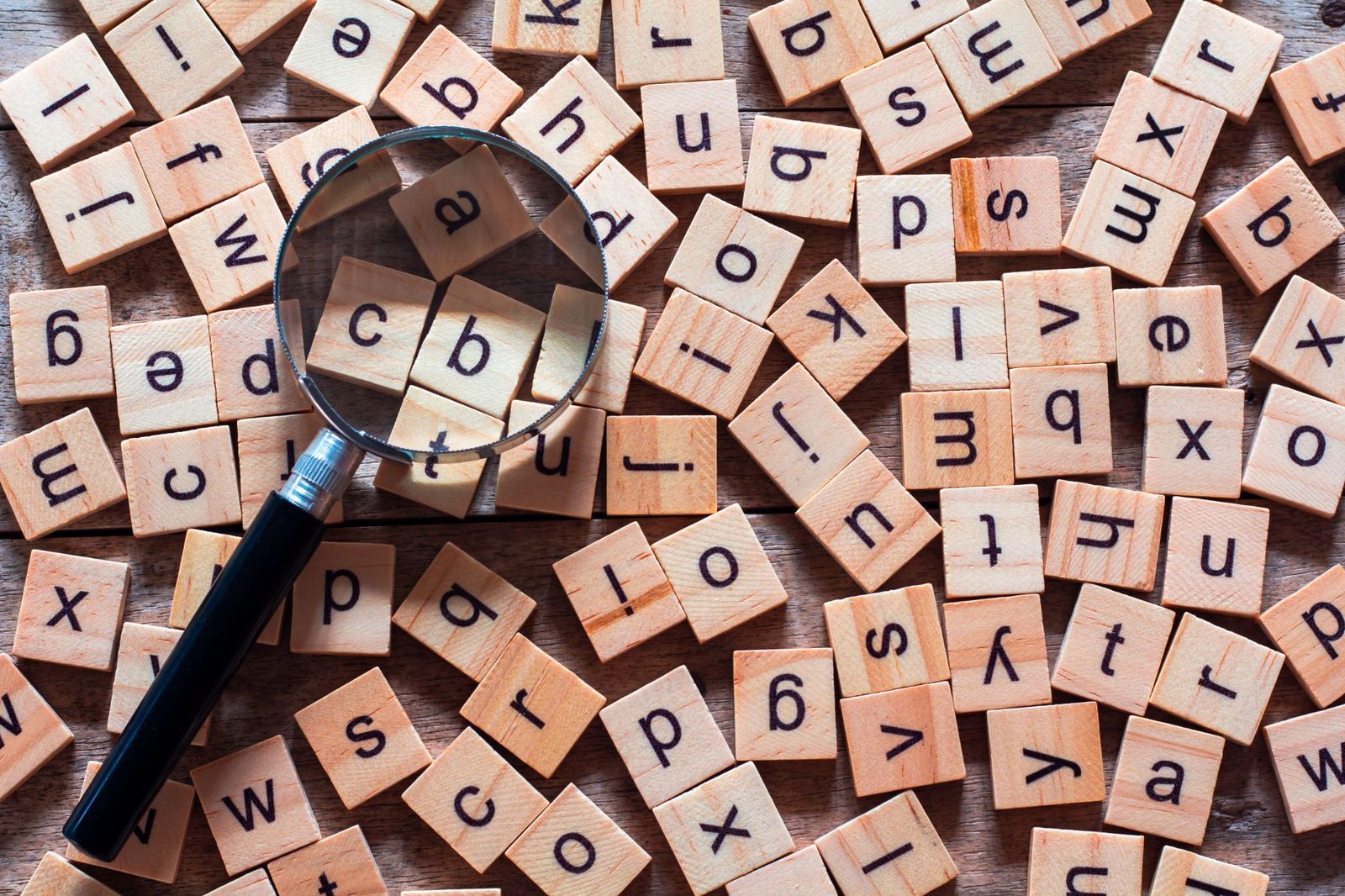
Finger-spelling is the system used in ASL to spell out words letter by letter using hand shapes, one shape for each letter of the alphabet. It comes in handy for proper names, technical terms, or any word that doesn't have its own established sign. Fluent ASL users can finger-spell surprisingly fast, and experienced signers can read it just as quickly.
Brain processing
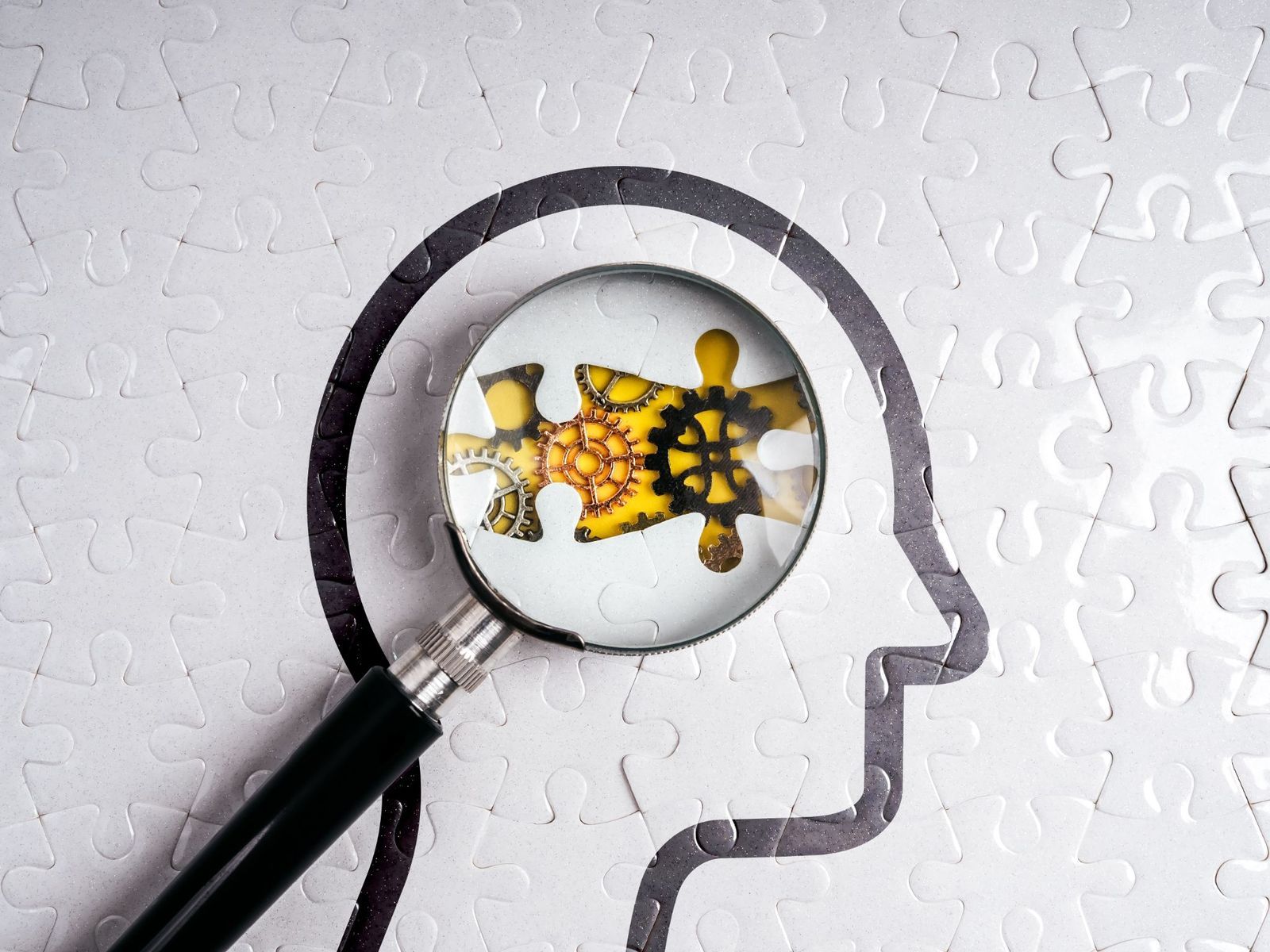
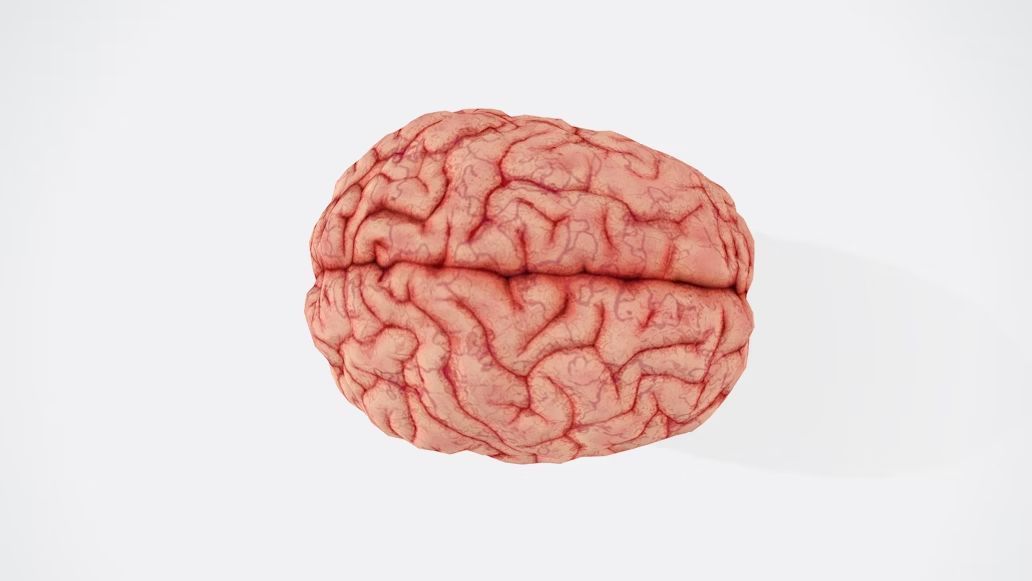
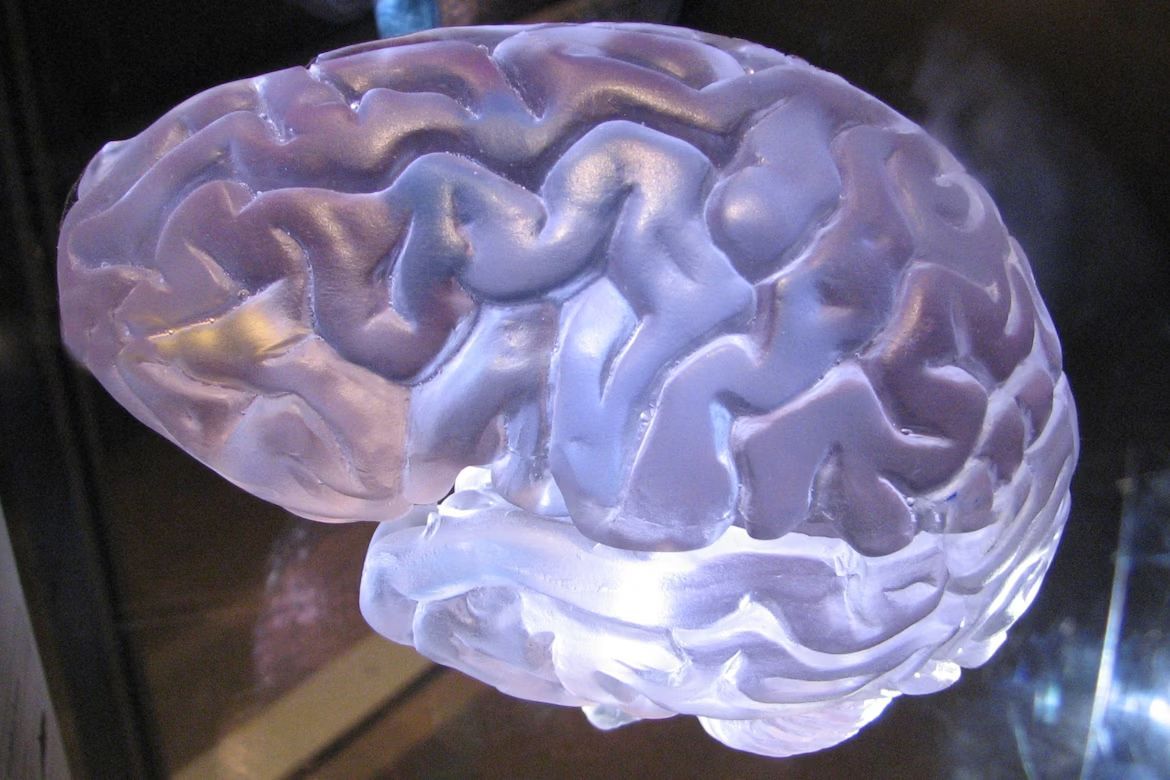
For a long time, scientists assumed that language was processed by the brain purely through sound. Sign language turned that idea on its head. Studies have shown that ASL is processed in the same areas of the brain as spoken languages. The brain, it turns out, is wired for language, not just speech. It doesn't care whether the signal comes through the ears or the eyes.
This means a child who learns ASL from birth shows the same developmental milestones as a child learning a spoken language. And deaf individuals who suffer a stroke affecting the left hemisphere can lose signing ability the same way hearing people lose speech.