You’ve binge-watched the shows… but do you know the stories behind them?


Published on July 15, 2026


Image: Dragon Images

Millions of us have watched these shows, but few know the powerful books behind them. Not only that, but many of the original stories actually differ from what we’ve watched on screen. Discover what you didn’t know about your favorite shows and what they’re really all about.

1

Game of Thrones

Image: Kathy Hutchins

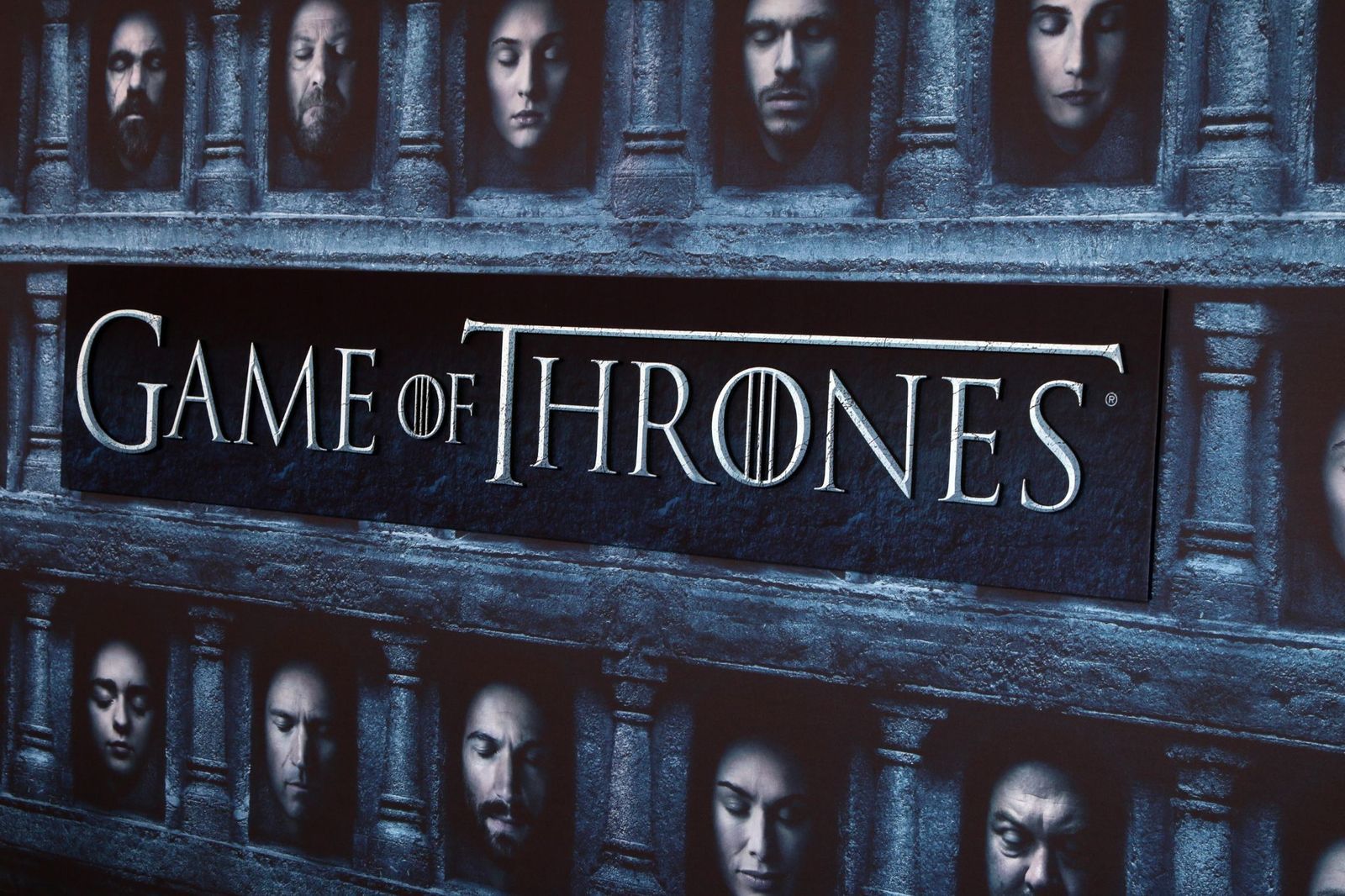
Do you enjoy escaping from your everyday life through epic adventures with mythical creatures? Then you might’ve watched the extremely successful epic fantasy drama, "Game of Thrones", which aired on HBO and is currently available on streaming.

It’s a visual masterpiece based on George R.R. Martin’s novels titled "A Song of Ice and Fire." These books feature complex political maneuvering among families fighting for the Iron Throne, endless supernatural elements such as the mysterious threat from the frozen North, and morally gray characters who are endearing yet disappointing. Some differences from the original story include new characters and, sometimes, entire plotlines being cut out.

2

The Handmaid’s Tale

Image: Woodan

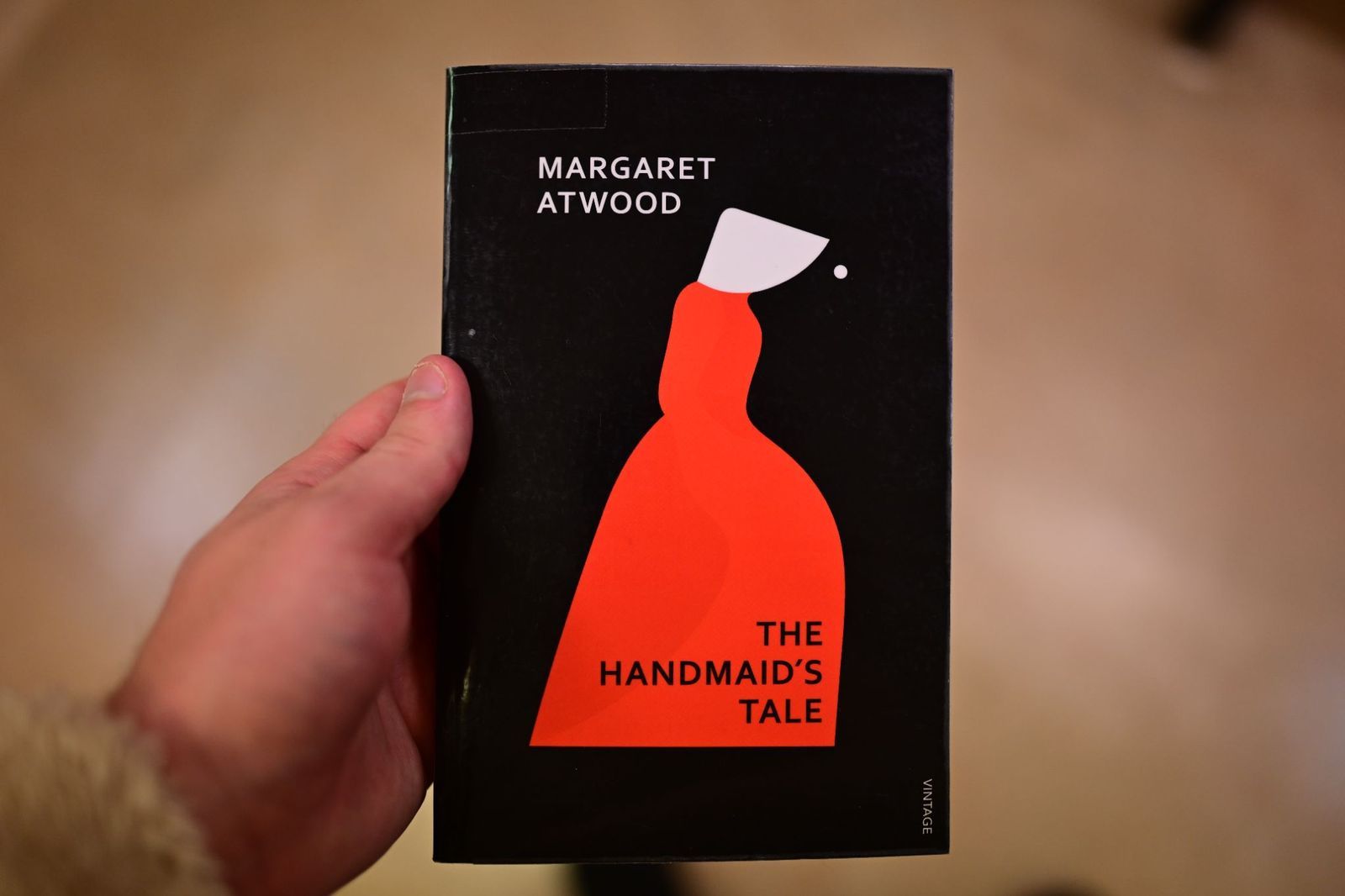
Are you one of those people who likes to reflect on how far human cruelty can go? Then maybe you know about "The Handmaid’s Tale", which aired on Hulu. It's an expanded version of the novel of the same name, written by the well-known Canadian author Margaret Atwood.

The original text was published in 1985 and is considered a groundbreaking speculative and dystopian drama. Hulu’s production then became an award-winning adaptation that builds heavily on the book's initial foundation of terror, subjugation, and resilience experienced by the main character, June (Offred), in the theocratic Republic of Gilead, although less centered on June’s famous internal monologues and more on other aspects like the "Colonies" and the Commanders' secret lives.

3

Little House on the Prairie

Image: melissamn

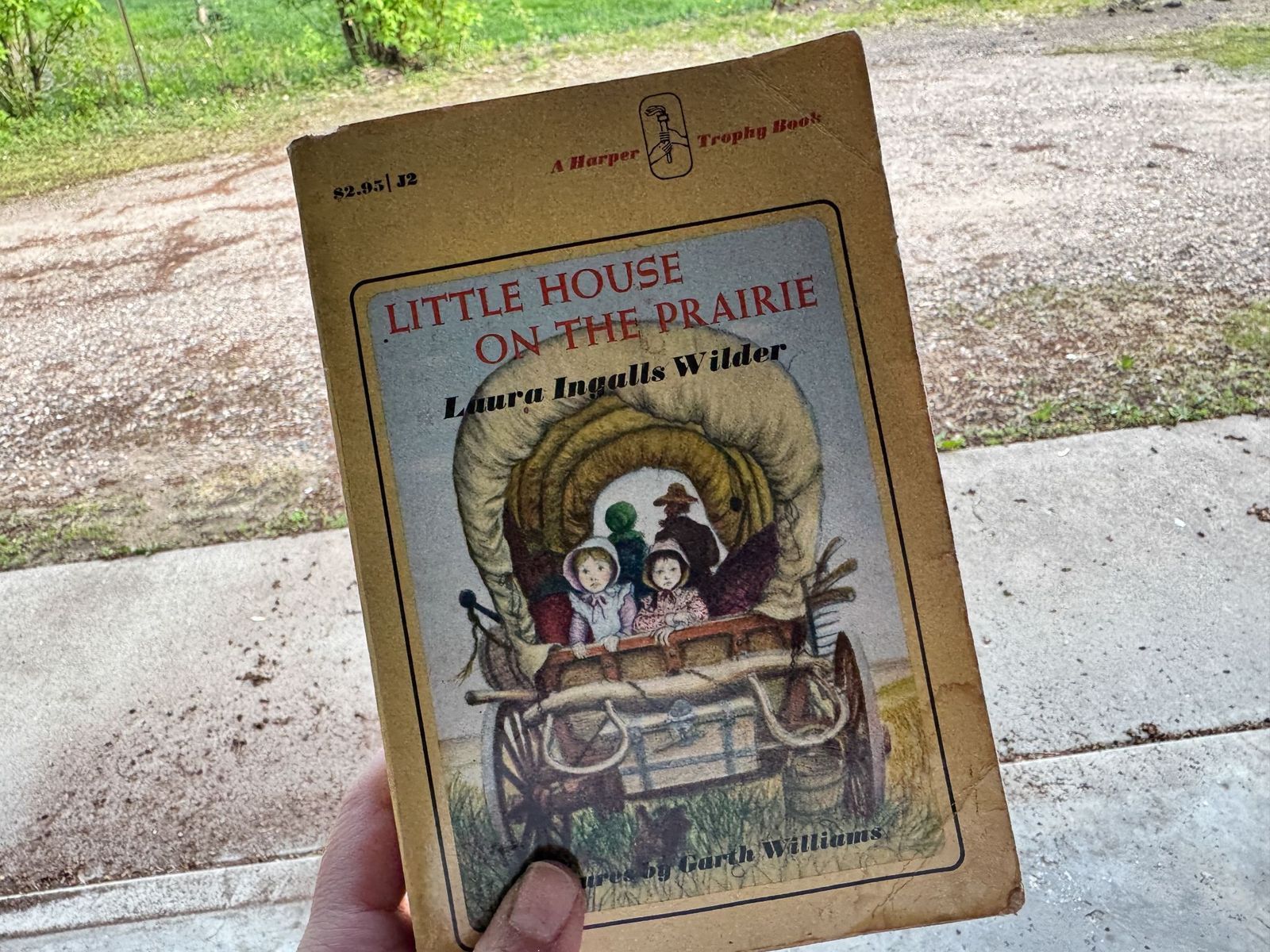
For those who love spending time with family and friends, this is an all-time favorite. The NBC series "Little House on the Prairie", developed by Michael Landon, is a legendary adaptation of Laura Ingalls Wilder’s semi-autobiographical novels (the first of the same name and the follow-up book titled "On the Banks of Plum Creek").

It’s important to note that the original books presented an authentic, grounded look at 19th-century pioneer survival, including more grueling realities and extreme danger, and the TV show leans into a broader family drama, balancing day-to-day country hardship with deeply emotional and heartwarming storytelling focused on romance and community.

4

Outlander

Image: DFree

Romantic stories tend to be a big favorite. For all those who love love and are open to a bit of fantasy too, "Outlander", which aired on the Starz network, is a fantastic choice. The show is a condensed adaptation of the best-selling novels by author Diana Gabaldon.

These books are an epic romantic fantasy about time-travel, romance, and war. They center around a nurse named Claire in 1945 who visits Scotland. She then touches a magical stone, and suddenly finds herself in the 18th century. As the story develops, referencing real historical events, she shares a deep love with a Scottish warrior named Jamie, and they fight to stay together across time and space.

5

Sherlock

Image: pedro emanuel pereira

Have you ever longed to follow clues and solve mysteries? Then you probably love all things Sherlock. The BBC show adaptation of the same name has been a brilliant reimagining of Sir Arthur Conan Doyle’s classic 19th-century books for modern times, swapping notepads for cell phones.

Sir Arthur Conan Doyle’s original texts include four novels and 56 short stories written between 1887 and 1922, creating the modern mystery genre and establishing the famous Mr. Holmes as the ultimate master of deduction; that is, the art of reaching big conclusions from small clues. The stories are famous for the detailed clues that invite the reader to play the detective game alongside Holmes and his close friend, Dr. John Watson.

6

Pride and Prejudice (miniseries)

Image: Akhmad Dody Firmansyah

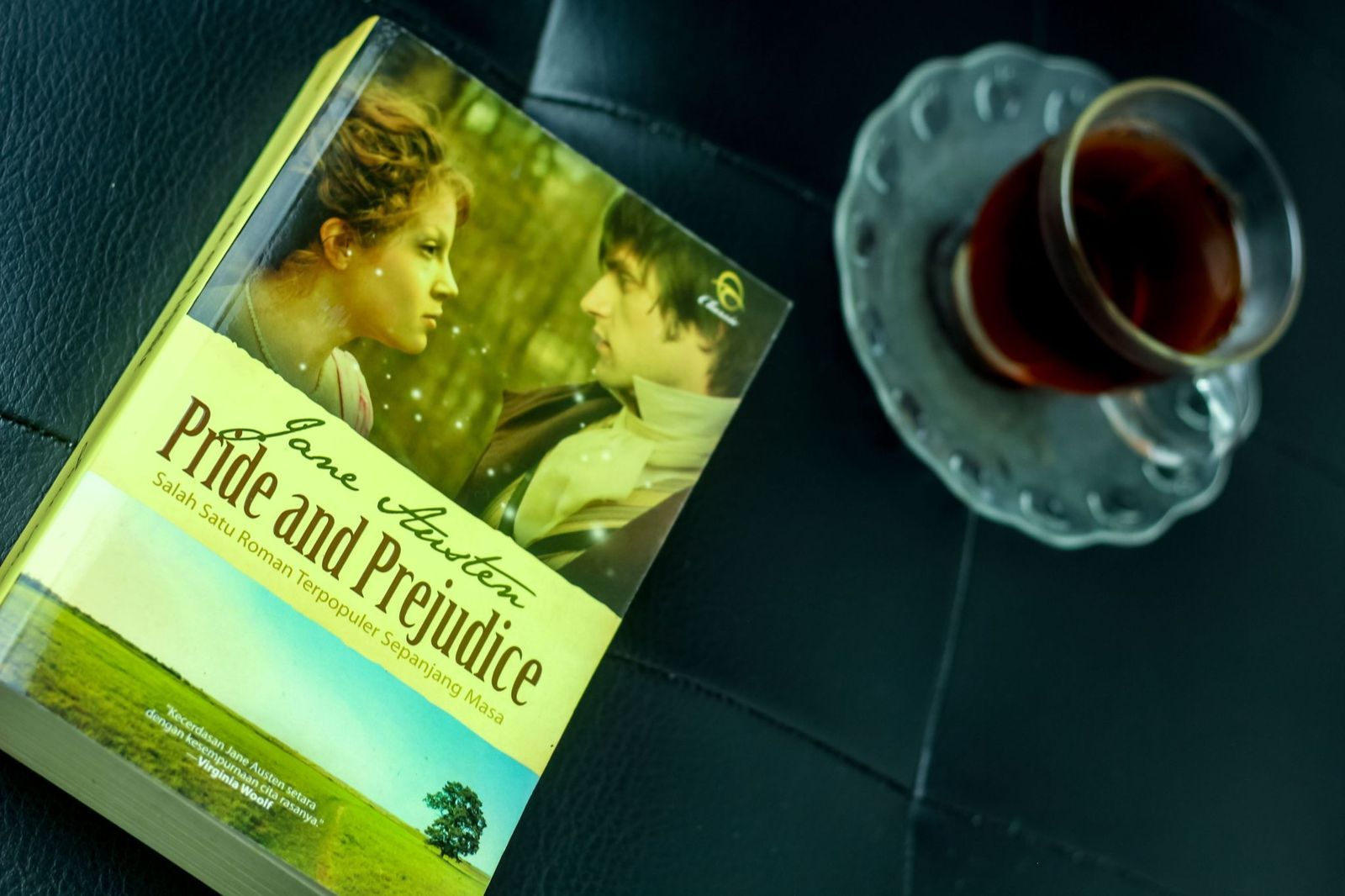
Money troubles and social class are other issues that affect all of us, and the 1995 "Pride and Prejudice" miniseries is a brilliant adaptation of the timeless novel of the same name, written by Jane Austen in 1813.

The show is considered a gold standard of TV adaptations, made up of six episodes that perfectly capture the romance and social rules of the book, which follows the witty and intelligent Elizabeth Bennet as she falls in love with the wealthy and proud Mr. Darcy. The novel is especially famous for showing why people often let their egos get in the way (pride) and judge others too quickly (prejudice).

7

Bridgerton

Image: lev radin

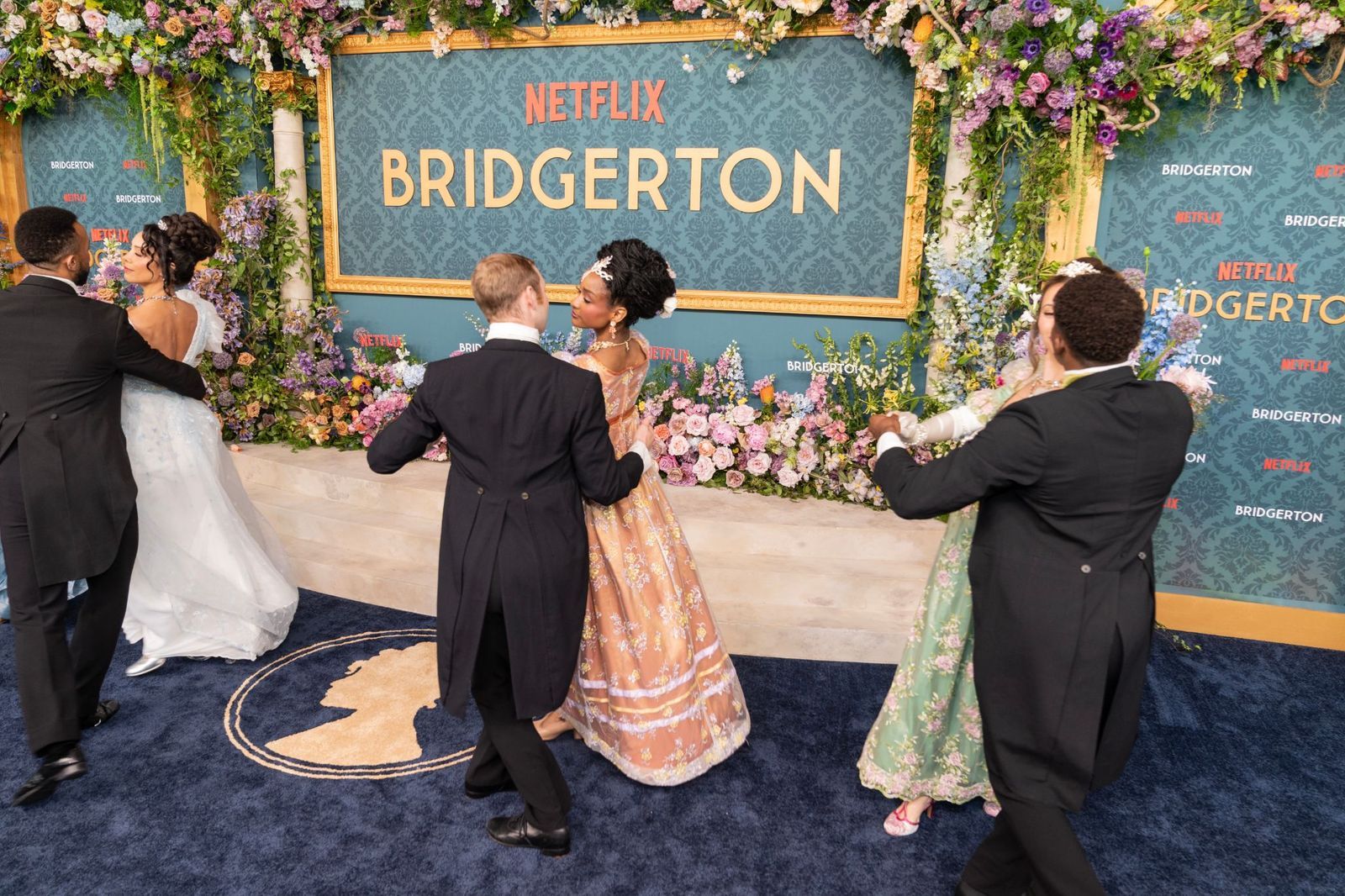
And for the endless romantics, here we have another option: the Netflix adaptation of "Bridgerton", based on a collection of eight novels written by Julia Quinn, each story focusing on a Bridgerton sibling's search for true love.

While the books are considered entertaining, many fans argue that the TV show offers a richer version of the original stories, maintaining their essence while expanding the narrative into a more exciting on-screen experience, including deeper characters, heightened drama, visual magic, and powerful soundtracks.

8

Dexter

Image: Rokas Tenys

Beyond usual crowd favorites, viewers often want to watch something a bit more twisted and are intrigued by exploring what’s behind a murderous mind. For those situations, Showtime’s "Dexter" is perfect.

The show is based on the book "Darkly Dreaming Dexter" by Jeff Lindsay. It follows Dexter Morgan, who by day works for the police and solves murders, and by night, he is a vigilante serial killer who hunts other murderers. The first season closely follows the novel, but as the show continues, it begins to differ, presenting deeper character arcs and alternate explanations, such as Dexter’s desire to kill being the result of psychological trauma (instead of the mysterious dark ‘power’ described in the text).

9

The Queen’s Gambit

Image: hamdi bendali

To broaden the scope, let’s look at shows that also cover historical situations and, in this case, a story concerning the game of chess. We are talking about Netflix’s show "The Queen’s Gambit", which is a very faithful and stunning adaptation of Walter Tevis’s 1983 novel of the same name.

Both tell the gripping story of Beth Harmon, an orphan and chess genius who rises to become a chess master, while she battles addiction to drugs and alcohol, the pressures of fame, and sexism in the male-dominated world of chess.

10

House of Cards

Image: Featureflash Photo Agency

Last but not least, to round out the list with a fantastic show that centers on politics, Netflix’s 2013 "House of Cards", based on the 1989 novel by British author Michael Dobbs, starring Kevin Spacey and Robyn Wright, was extremely popular.

The original story follows a British politician named Francis Urquhart and his thirst for power. In contrast, the TV show focuses on Frank and Claire Underwood, a ruthless and power-hungry couple living in Washington, D.C. After Frank is denied a cabinet appointment, he begins a quest, at any cost, to climb the ladder to the presidency.



Hospital secrets

What is a "Code Gray" and what you should know if you hear it at the E.R.


Published on July 15, 2026


Image: voronaman

A trip to the emergency room can be stressful enough without hearing doctors and nurses speak a language that sounds like a secret code. One minute, someone is asking for medication "STAT," the next there’s a "Code Gray," and another patient is suddenly "NPO." What do those words really mean? Some are official medical terms, others are insider slang, but they all help hospital staff communicate quickly when every second counts. Here are 10 of those codes explained.

1

Code Gray

Image: PeopleImages

The E.R. can be hectic and unpredictable. Most patients are frightened or uncomfortable, but now and then someone becomes aggressive because of pain, confusion, mental illness, or the effects of alcohol or other substances. That’s when you can hear "Code Gray" announced over the speakers.

The code is used to summon security officers to help manage a violent or combative situation. While color codes vary from one hospital to another, Code Gray commonly signals that staff needs extra assistance to protect patients, visitors, and healthcare workers. Even if you know it now, most people in the waiting room never know what happened, and that’s exactly the point.

2

NPO

Image: PeopleImages

You have a scheduled surgery, you’re in your bed waiting to be taken to the surgery room, and you ask for a cup of coffee to make the wait lighter. The nurse will probably tell you you’re an NPO. You may think it’s serious, but it’s simply a procedure.

"NPO" is an abbreviation that comes from the Latin phrase Nil Per Os, which means "nothing by mouth." It tells patients they cannot eat, drink, or sometimes even take medication until doctors say it’s safe. The rule is most common before surgery or certain medical tests, when food or liquids could increase the risk of complications or alter the results. It may be frustrating, but it’s an important part of keeping patients safe.

3

STAT!

Image: PeopleImages

You’ve probably been through the experience of visiting an emergency room, either to get checked or to visit a loved one. In that part of the hospital where everyone is rushing to save lives, you’ve probably heard a doctor asking for the R.C.P. cart or medication "STAT!" It sounds urgent, and that's because it is.

The expression comes from the Latin statim, which means "immediately" or "without delay." Hospitals have used Latin medical terms for centuries, but STAT is one of the few that remains part of everyday conversation. When a doctor says it, the request jumps to the top of the priority list. It doesn’t always refer to a life-or-death situation, but it does mean the medical team needs something done as quickly as possible.

4

Code Pink

Image: Vladimir Tretyakov

Newborns are always a reason to celebrate at the hospital. Parents usually rest happily next to their child as they receive congratulations from close relatives. However, the hospital is always prepared to handle extremely rare emergencies under "code pink."

If you hear a "Code Pink," it usually means a baby or young child is suspected of being abducted from the hospital. Within seconds, security officers respond, exits may be monitored or blocked, and staff begins following carefully rehearsed procedures. Although different hospitals sometimes use different color codes, Code Pink has become widely recognized across North America as one of the most serious alerts a hospital can issue.

5

Walkie-talkie

Image: Arunporn Thanapotivirat

If you’ve ever spent a few days in the hospital, you’ve probably noticed that some patients are walking up and down the halls, while others need help just getting out of bed. When a nurse refers to someone as a "walkie-talkie," it’s actually good news.

This informal expression refers to patients who can walk on their own, use the bathroom without assistance, and handle most basic tasks independently. It’s not an official medical term, of course, but it’s commonly used among healthcare workers because it quickly tells the next shift that the patient requires less hands-on care than many others.

6

Total

Image: sebra

As nurses change shifts, you’ll often hear them give a quick report about each patient. One person may only need medication, while another is described as a "total."

The term is short for a patient who requires total care. They may need help eating, bathing, getting dressed, turning in bed, or moving from one place to another. Although the expression sounds impersonal, it’s simply a practical way for caregivers to communicate how much assistance someone needs.

7

Frequent flyer

Image: Studio Romantic

Most people hear "frequent flyer" and think of an airline reward program. And that’s correct, but in an emergency room, the phrase has a very different meaning.

A frequent flyer is an informal nickname for patients who repeatedly return to the hospital, often due to chronic illness, recurring medical conditions, or other ongoing health issues. Behind the light-hearted nickname is often a difficult reality. Many of these patients are simply dealing with medical problems that require regular emergency care, and the expression is just a way to make the experience a bit lighter among the familiar faces of doctors and nurses.

8

WOW

Image: Studio Romantic

Not all codes are for patients. The next time you’re in a hospital, look closely at what the nurse is pushing from room to room. It may look like a small rolling desk with a computer on top. Staff often call it a "WOW," short for "workstation on wheels."

As hospitals switched from paper charts to electronic medical records, these mobile computers became essential. Nurses use them to review test results, scan medications, update patient charts, and check doctors’ orders without leaving the bedside. The name sounds funny, but the technology helps caregivers spend more time with patients instead of walking back and forth to a nursing station.

9

Sharp container

Image: NMK-Studio

After getting a shot or having blood drawn, most patients never think about where the used needle ends up. It certainly doesn't go into an ordinary trash can.

Hospitals place needles, scalpels, and other sharp medical instruments into special containers designed to prevent accidental injuries. These sturdy, puncture-resistant boxes are sealed when full and safely disposed of in accordance with strict health regulations. This not only protects nurses, but it also protects cleaning crews, waste handlers, and even the public from dangerous needle sticks. It’s one of the most important safety measures in every hospital, even though most patients never notice it.

10

B-52

Image: Photoroyalty

If you’ve ever watched a medical drama, you've probably seen a patient become so agitated that several staff members rush into the room. In situations like that, a doctor or nurse may ask for a "B-52." But the name has nothing to do with numbers themselves; it actually comes from a medicine.

B-52 is hospital slang for a fast-acting injection used to calm down patients who are severely combative or at risk of harming themselves or others. The nickname comes from a commonly used combination of medications that usually include diphenhydramine, haloperidol, and lorazepam. It’s strictly reserved for when other methods of calming the patient haven’t worked.

Looking for an extra scoop of literary fun?

Learn more with our Word of the day

apathetic

/ˌæpəˈθɛdɪk/