Forgotten words too funny to lose
The forgotten insult for people who think they're important
Published on October 28, 2026

Over time, certain words fall out of use, and some can sound kind of funny to us today. Did you know you could say "crapulous" when feeling ill after eating or drinking? Or call someone a "cockalorum" when they’re full of themselves? And these are just the beginning. From nouns to verbs to adjectives, these 10 forgotten old words will make your day.
Crapulous
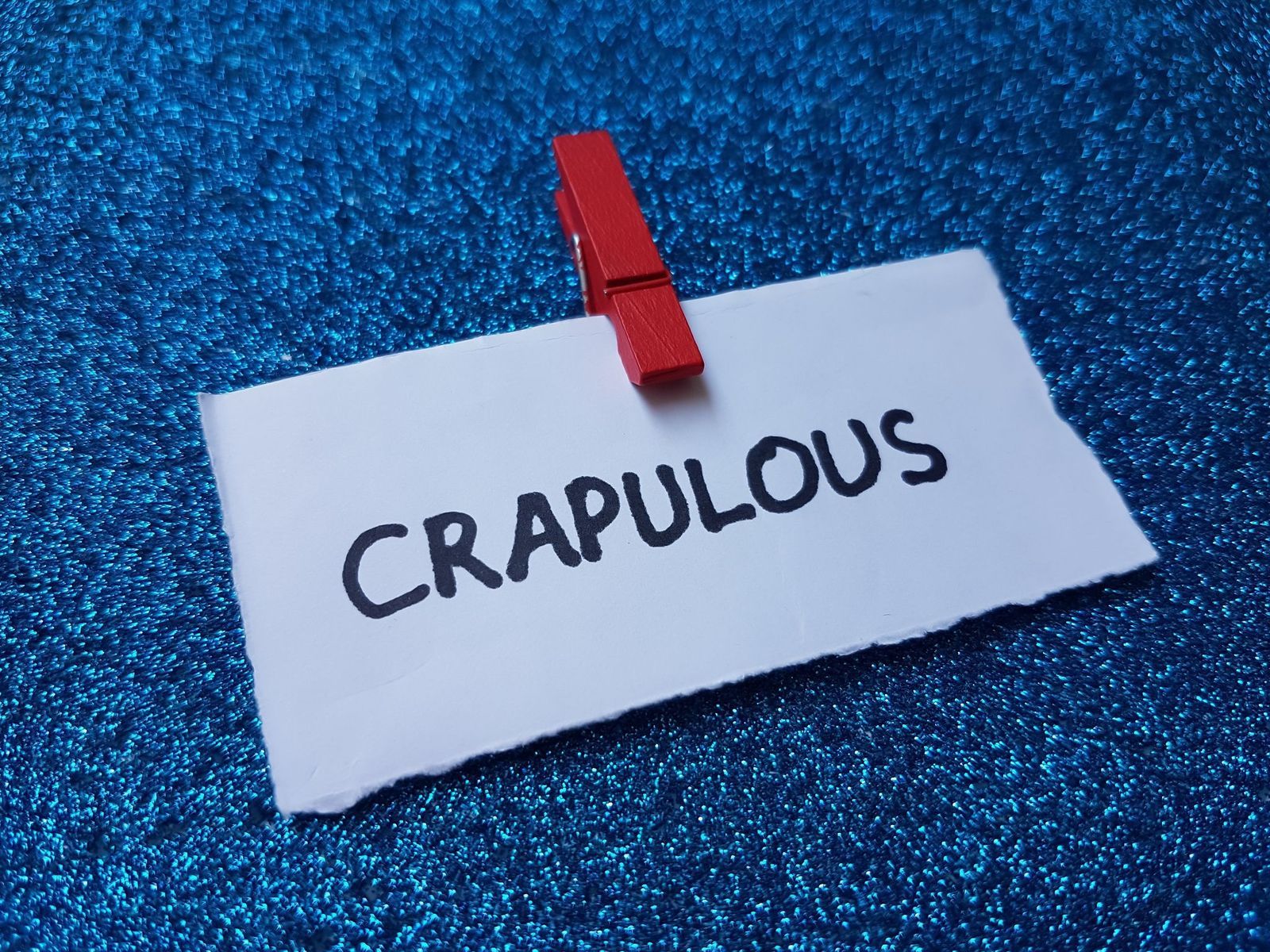
Have you ever eaten so much at Thanksgiving dinner that you could barely move afterward? Well, there’s an old word just for that feeling. "Crapulous" means the sick feeling you get after eating or drinking too much. The word dates back to the 16th century and comes from the Latin crapula, associated with drunkenness and hangover headaches.
Although "crapulous" sounds a bit like "crappy" or "crap," the words aren’t actually related. So now you know: try not to get crapulous at your next party.
Cockalorum

When someone thinks they’re the smartest person in the room, you call them a cockalorum. This old word first appeared in the early 1700s and is a fitting insult for braggarts and people who think too highly of themselves. But you can also use "cockalorum" to describe bragging itself. The word is believed to come from an old Dutch word that means crowing, like a rooster.
Groak
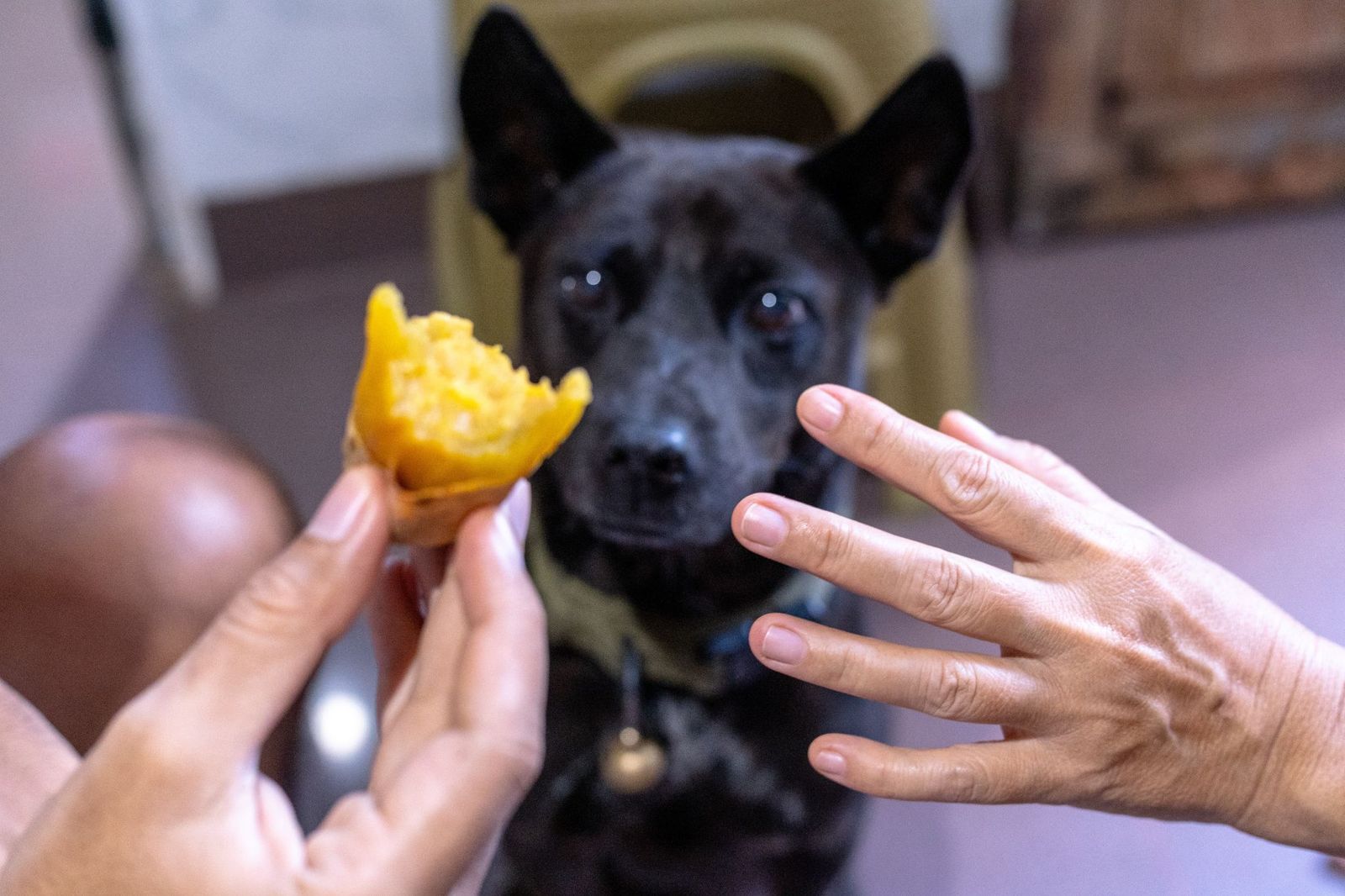
English has plenty of words for looking at something: stare, glance, gaze, and many more. But did you know there’s a word for the way someone looks hungrily at another person hoping they’ll share their food? That word is "groak," and it can describe a hungry child or a dog watching every bite of your sandwich. The word comes from Scots forms such as growk, grouk, and groke, recorded in the 19th century.
Curglaff

Ever jumped into a swimming pool only to gasp as if you’d just fallen into the Arctic? There’s a Scottish word for that first shock: "curglaff." English has plenty of words for feeling cold, but "curglaff" is for that specific gasp after realizing the water is colder than you expected. The word was recorded in John Jamieson's Etymological Dictionary of the Scottish Language, published in 1808.
Slubberdegullion

What would you call someone who never cleans up after themselves, dresses like they just rolled out of bed, and seems proud of being a mess? You can use "slubberdegullion." This humorous and archaic word first appears in early 17th-century writing and drama. It's a much fancier way to call someone a "slob."
Slubber is an old verb that means smear or behave carelessly, and the rest seems to be just a fanciful, invented ending—though its full origin isn’t clear. Try saying it out loud, and you will notice it sounds funny.
Twattle

If you spent an hour chatting about nothing important or discussing other people’s business, you could call it "twattle." The verb was recorded in the 1500s, and is an old-fashioned funny-sounding word for "gossiping." "Twattle-basket" was also an old insult for someone who wouldn’t shut up. "Twattle" is related to "twaddle," which eventually became a more familiar term for foolish talk.
Brabble

"Brabble" basically means to quarrel noisily over something unimportant, but it can also be used as a noun for a petty argument. The word can be traced to the 15th century and comes from Middle Dutch brabbelen, which essentially means the same.
Even Shakespeare used this term in Titus Andronicus, where he wrote: "This petty brabble will undo us all." Think of family members arguing over the TV remote or a board game. That’s the kind of petty fight you could call a "brabble."
Elflock

Did you know that centuries ago, you could blame the elves for your messy bedhead? Yes, an "elflock" is a clump of hair believed to have been knotted by elves while someone slept, but it could also refer to tangled hair without the supernatural explanation. The word first appeared in the 1500s, and it combines "elf" + "lock." In Shakespeare’s Romeo and Juliet, Mercutio uses the term to describe how the fairy Queen Mab tangles people's hair at night.
Resistentialism

Ever watched your computer freeze the moment you need it? Or lost your keys just as you were leaving and felt that your belongings were somehow conspiring against you? Believe it or not, there’s a word for that too: "resistentialism."
The term was first introduced by British humorist Paul Jennings in an essay called "Report on Resistentialism," published in The Spectator in 1948. The piece pretended to be a serious theory about the hostile intentions of ordinary things and the feeling that objects have developed a personal grudge against you.
Apricity

Picture a cold winter morning when you sit outside to feel the warm sunlight on your face, even though the air around you is chilly. "Apricity" is an old word for that feeling. The word comes from apricus, which means sunny or exposed to the sun. It dates back to the 1600s, when lexicographer Henry Cockeram included it in his dictionary.
Apricity never really caught on in everyday conversation, and it eventually fell out of use. But it's a lovely word that describes a simple pleasure.