State mottos explained

Your state has a motto, here's what it actually means


Published on September 18, 2026


Image: Donald Mroczkowski

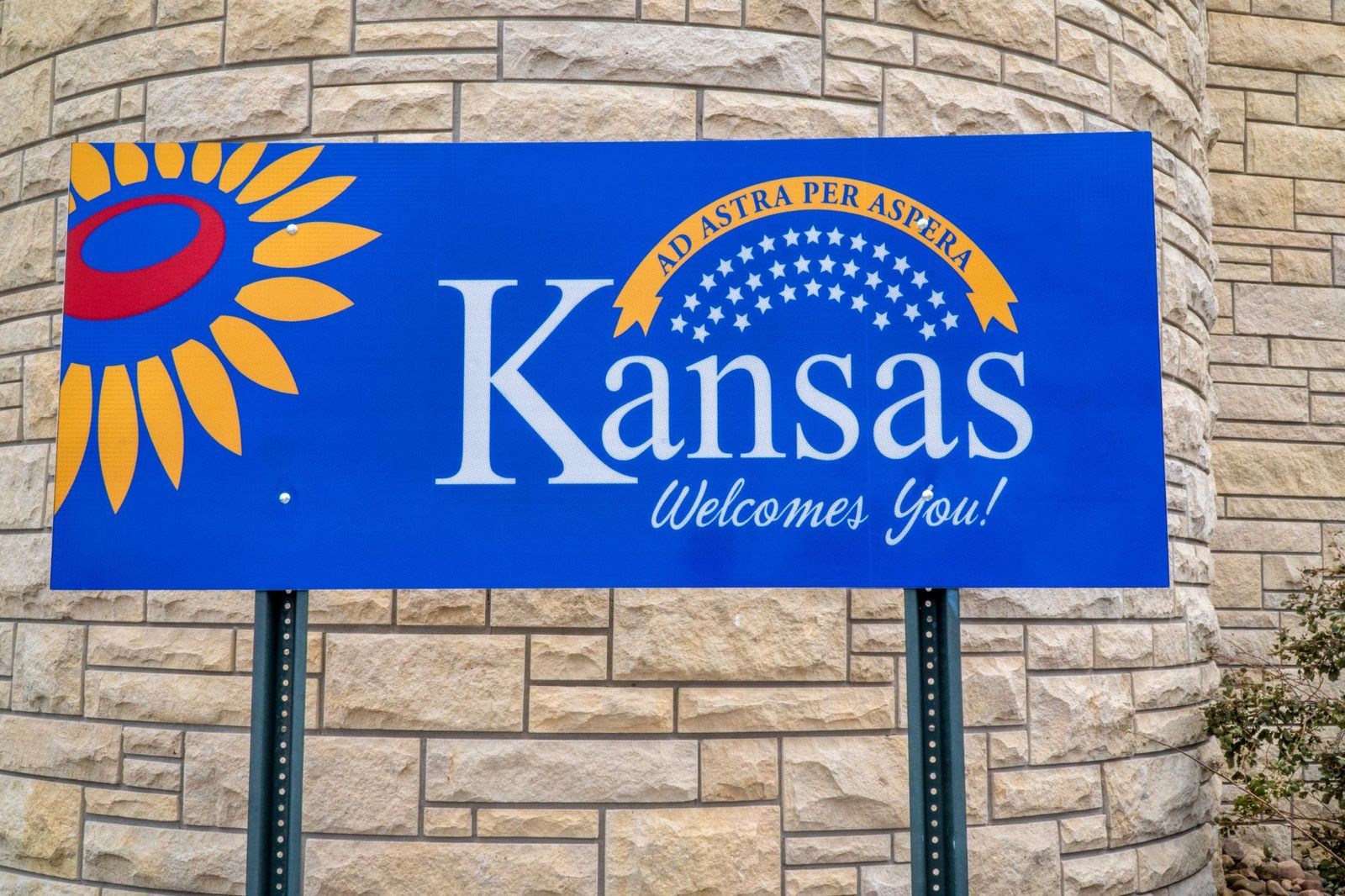
A motto is part of a state's identity, much like a nickname or a famous landmark, and is often born from a real moment in history. Take Kansas, whose motto "Ad astra per aspera" ("To the stars through difficulties") nods to its rocky road to statehood. Or Virginia's "Sic semper tyrannis" ("Thus always to tyrants"), a phrase with a dramatic afterlife nobody saw coming. Let's dig into 10 of these mottos and the history that shaped them.

1

Kansas: Ad astra per aspera

Image: marekuliasz

This one means "to the stars through difficulties," and it fits Kansas like a glove. The phrase was adopted in 1861, the same year Kansas became a state after years of violent conflict known as "Bleeding Kansas," where pro- and anti-slavery settlers clashed.

Written by John James Ingalls, it reminds Kansans that their state was forged through real struggle: hardship before triumph.

2

Virginia: Sic semper tyrannis

Image: nmoyPhoto

"Thus always to tyrants" sounds dramatic, and it is. Adopted in 1776 as Virginia broke from British rule, it celebrates the overthrow of oppressive power. Ironically, it became infamous in 1865 when John Wilkes Booth shouted it after assassinating Lincoln.

Virginians today still see it as a proud statement against tyranny, despite that dark historical footnote.

3

New York: Excelsior

Image: Oleg Kovtun Hydrobio

Meaning "ever upward," this motto was adopted in 1778, shortly after New York became a state, appearing on its seal. It reflects ambition and progress, a fitting message for a state built on skyscrapers and big dreams. New Yorkers still embrace it as a nod to reaching higher, no matter the obstacle.

4

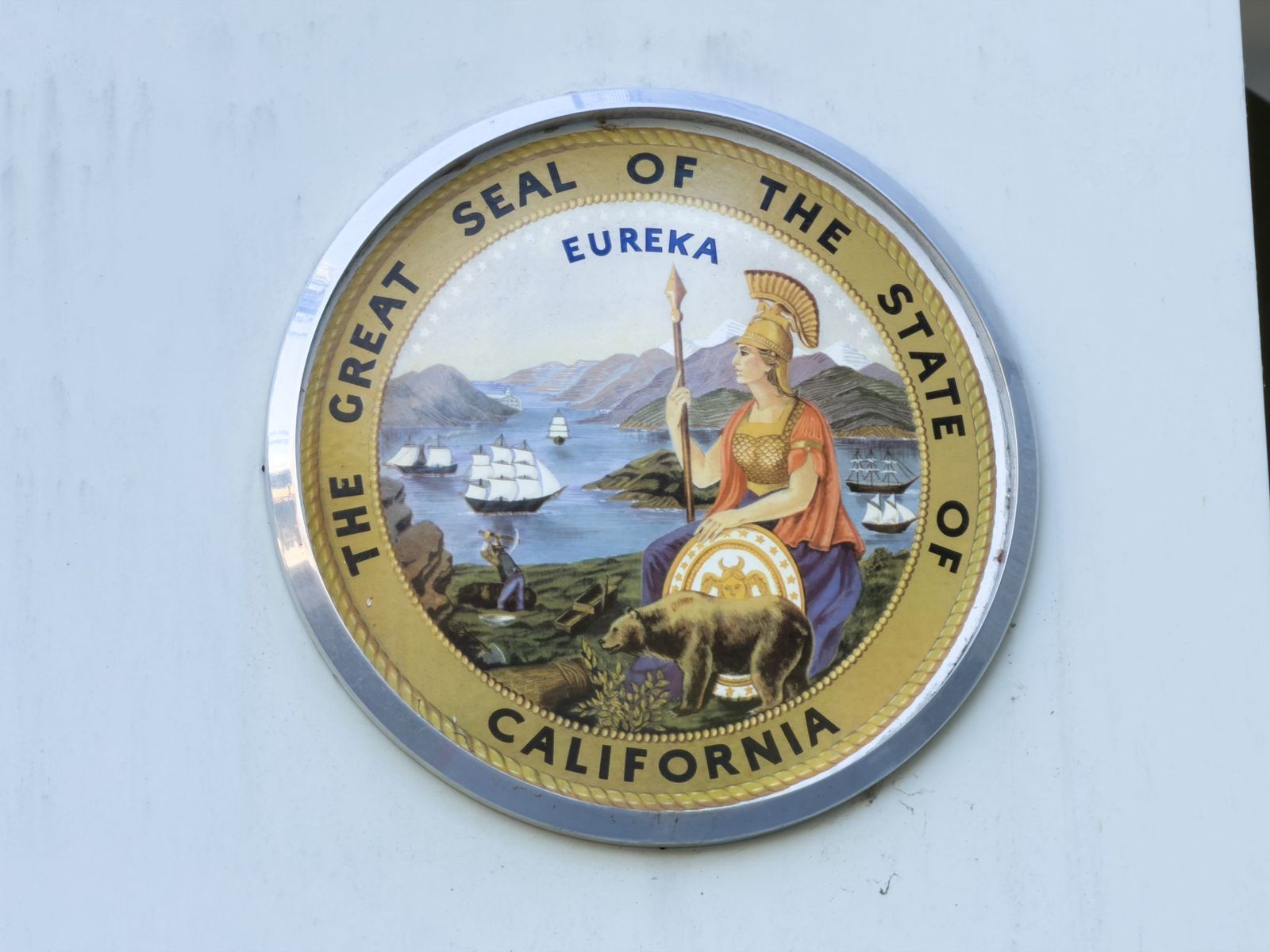
California: Eureka

Image: ZikG

"I have found it!" was adopted as California's motto around the Gold Rush era of 1849, officially made law in 1963. It captures the thrill of prospectors striking gold in the hills, and more broadly, the spirit of discovery and opportunity that drew millions west.

5

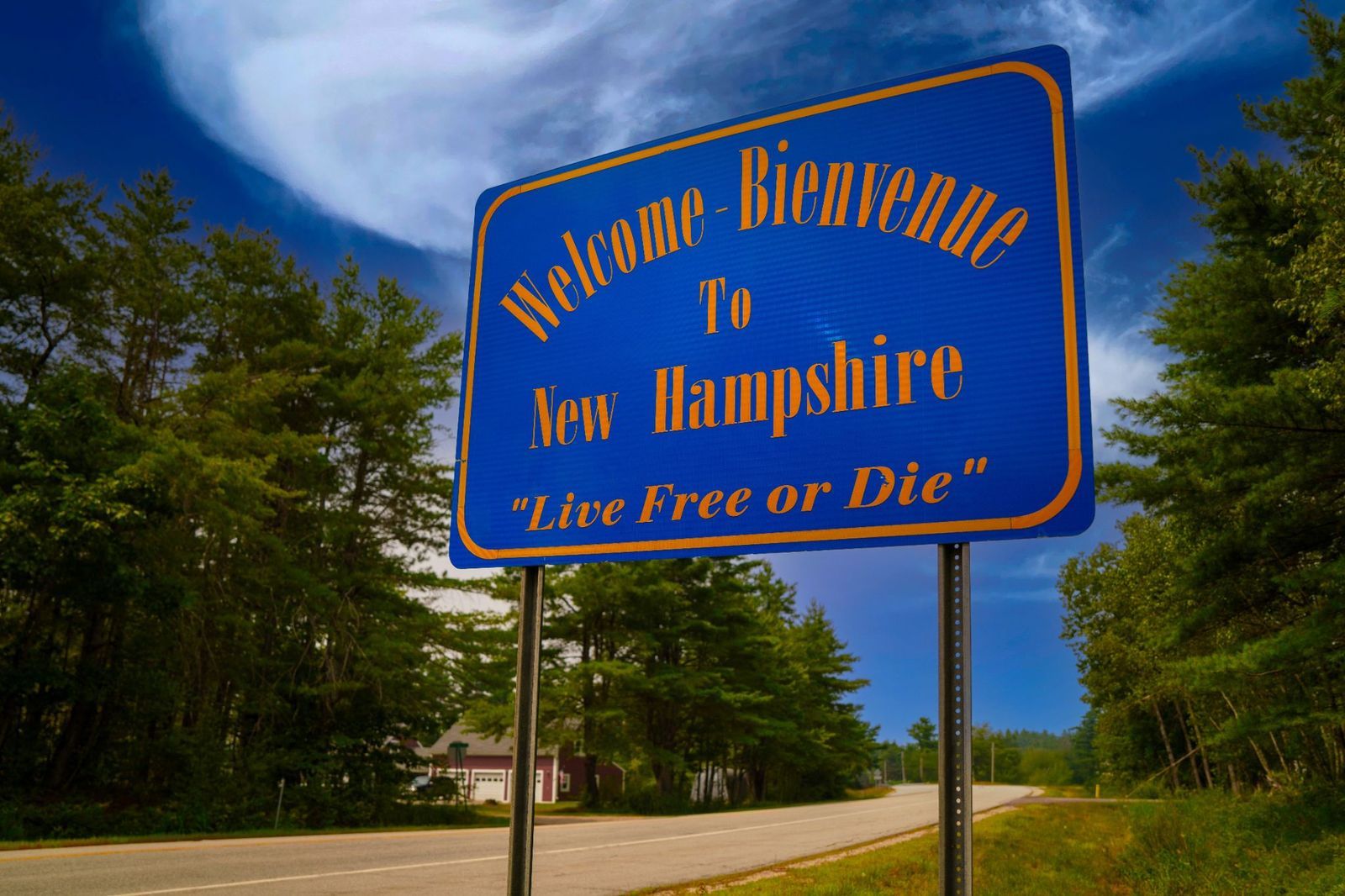
New Hampshire: Live Free or Die

Image: NayaDadara

Perhaps the boldest motto in the country, this phrase came from Revolutionary War general John Stark, who wrote it in an 1809 toast to his old soldiers. It became the official state motto in 1945. It's stamped on license plates, embodying New Hampshire's fierce independent streak.

6

Hawaii: Ua Mau ke Ea o ka ʻĀina i ka Pono
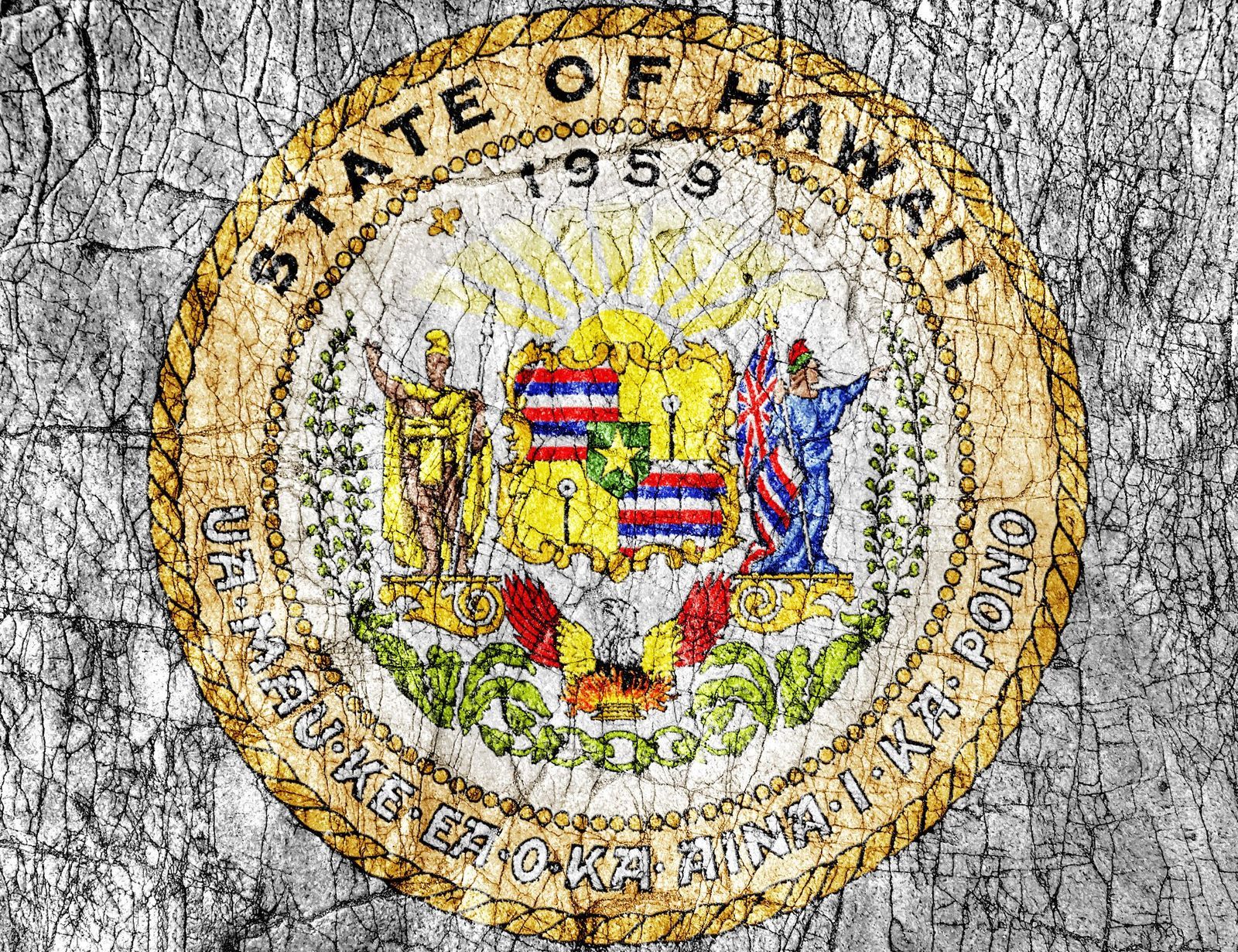
Image: Bennian

Translated as "the life of the land is perpetuated in righteousness," this motto comes from a powerful moment: in 1843, King Kamehameha III spoke these words after Britain briefly seized Hawaii and then restored its sovereignty. It's a celebration of justice winning out, and it remains deeply meaningful to Native Hawaiian identity today.

7

Missouri: Salus populi suprema lex esto

Image: Prachaya Roekdeethaweesab

This mouthful translates to "let the welfare of the people be the supreme law." Adopted in 1822 when Missouri joined the Union, it’s borrowed from Roman statesman Cicero. It reminds citizens that the government exists to serve the people first; a principle still cited in political debates about public good today.

8

North Carolina: Esse quam videri

Image: zimmytws

Meaning "to be, rather than to seem," this motto was officially adopted in 1893, borrowed from Cicero once again. It champions authenticity over image: valuing genuine character over putting on a show. For North Carolinians, it's a point of quiet pride: substance matters more than flash, a value many still hold dear today.

9

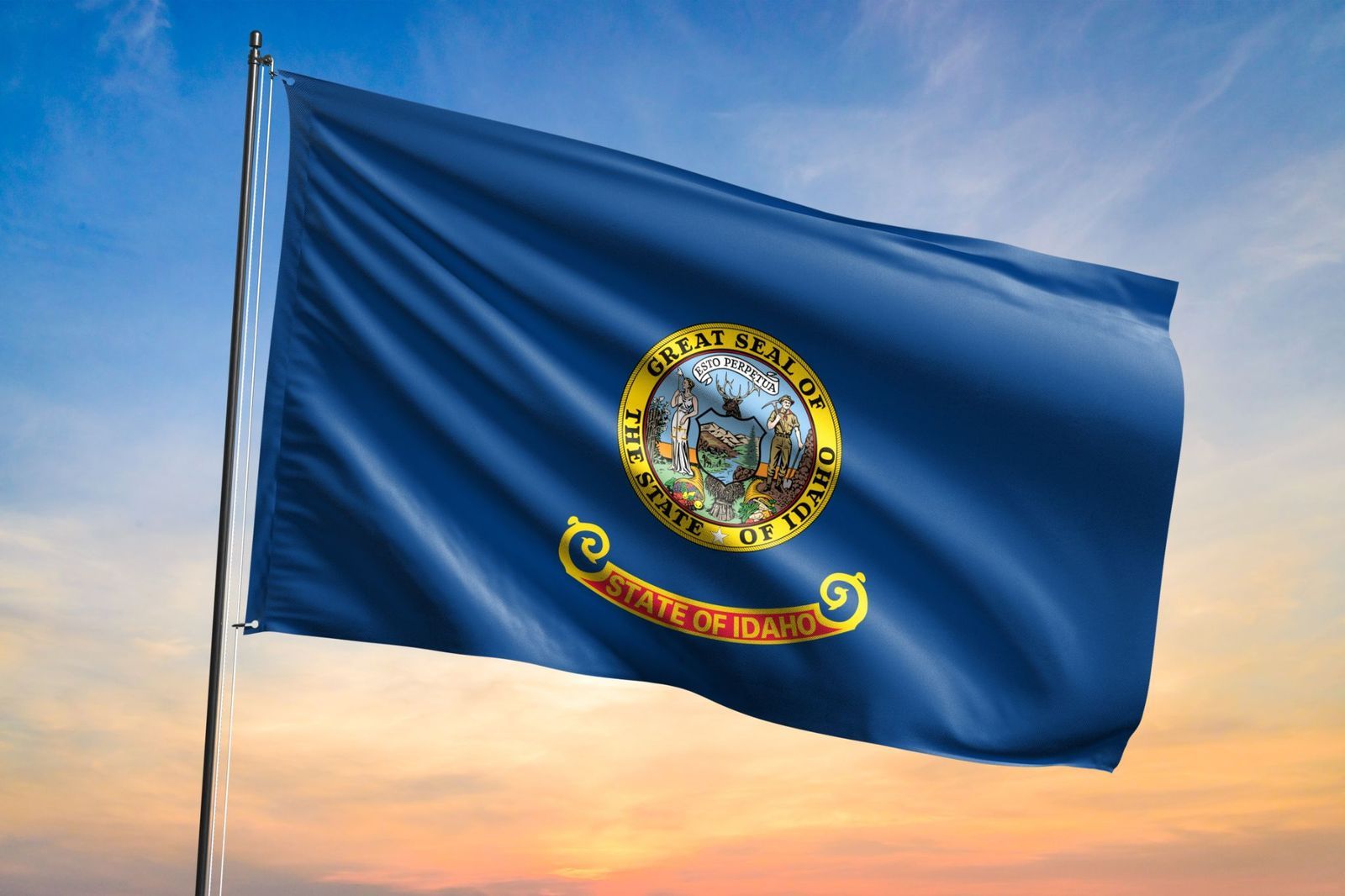
Idaho: Esto perpetua

Image: zmotions

"Let it be perpetual" was adopted in 1867, years before Idaho even became a state in 1890. The phrase is borrowed from a 17th-century Venetian friar named Paolo Sarpi, said when Venice's independence was threatened. For Idaho, it's a hopeful wish that the state, and its freedoms, will endure forever.

10

Maryland: Fatti maschii, parole femine
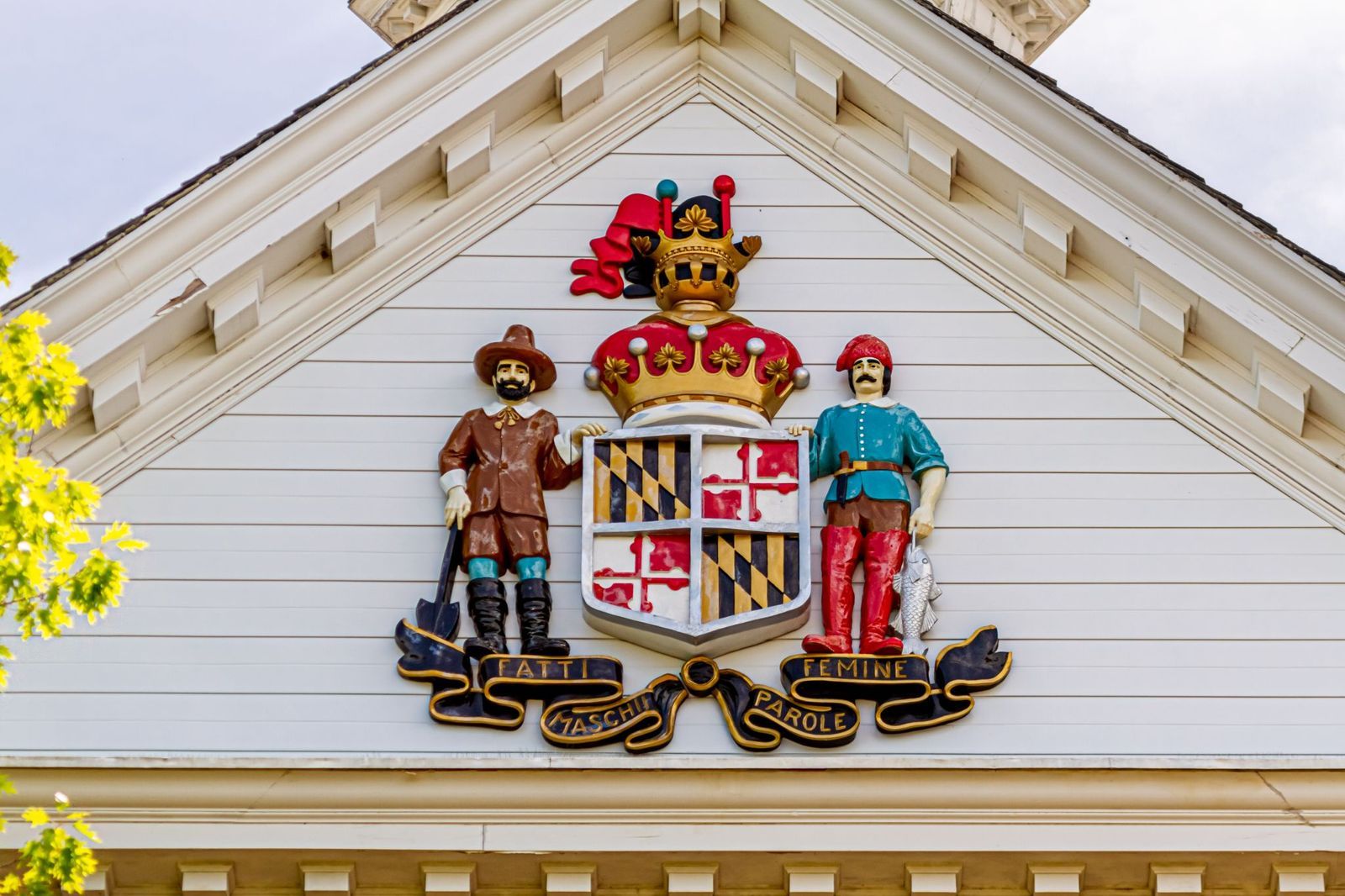
Image: grandbrothers

Loosely translated as "strong deeds, gentle words," this Italian phrase traces back to the coat of arms of the Calvert family, Maryland's founding Lords Baltimore, and was formally adopted in 1874. It suggests that actions should speak louder than talk: a value Marylanders still nod to with quiet pride.


Deep roots

11 everyday words with indigenous roots


Published on September 18, 2026


Image: Zoshua Colah

English is a very welcoming language in the sense that it incorporates terms from many other languages from all over the world. And, as it couldn’t be otherwise, Native American languages have lent many of their words and terms to English speakers. Some traveled through Spanish or French before settling into English, and others arrived directly through early contact and trade, helping shape the way we speak today. Did you know about these 11 terms?

1

Canoe

Image: Michael Niessl

The word "canoe" comes from the Taino term canoa, which was first used by Caribbean islanders long before Europeans arrived. Early explorers adopted it to describe the slim, sturdy boats they saw.

Over time, "canoe" became the standard English word for a small paddled craft. Today it still carries that sense of simplicity and closeness to nature.

2

Barbecue

Image: Philipp Kämmerer

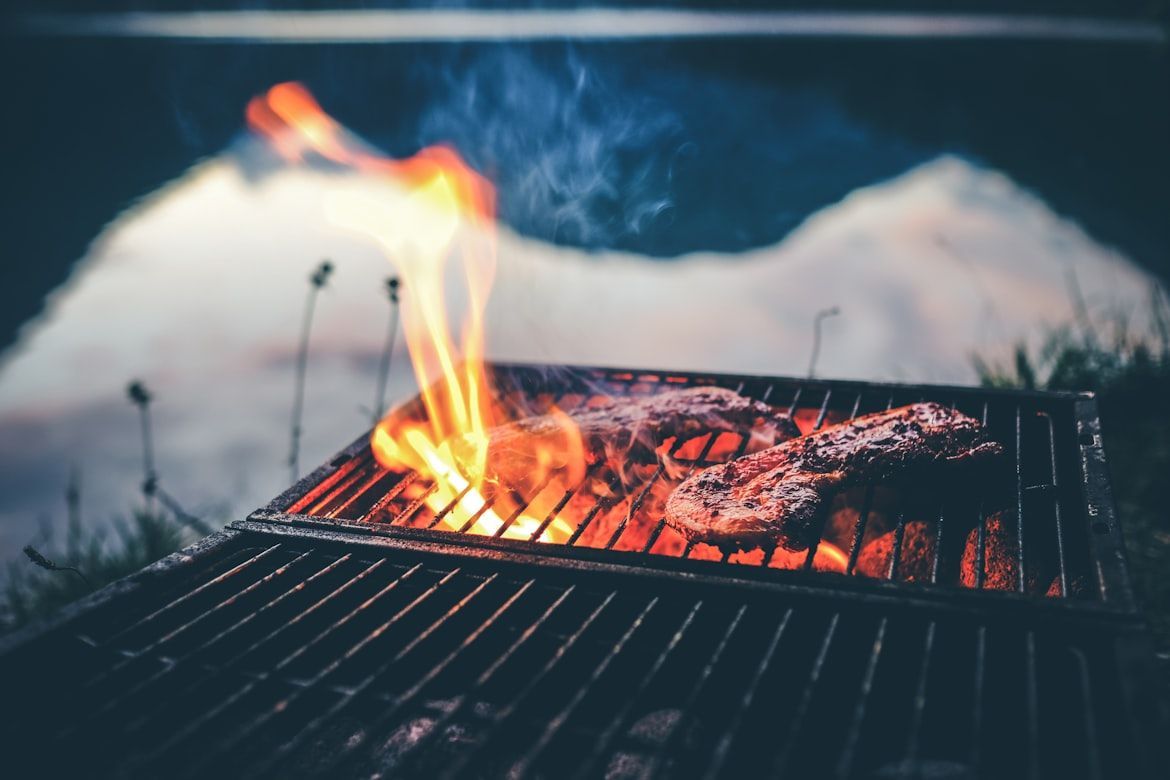
The word "barbecue" comes from barbacoa, another Taino term for a wooden frame used for cooking meat over fire. Europeans adopted it and applied it to both the method and the gathering itself.

Today, "barbecue" means everything from a backyard cookout to a regional cooking style. Its origins highlight the deep culinary influence of Native Americans in the nation's current culture.

3

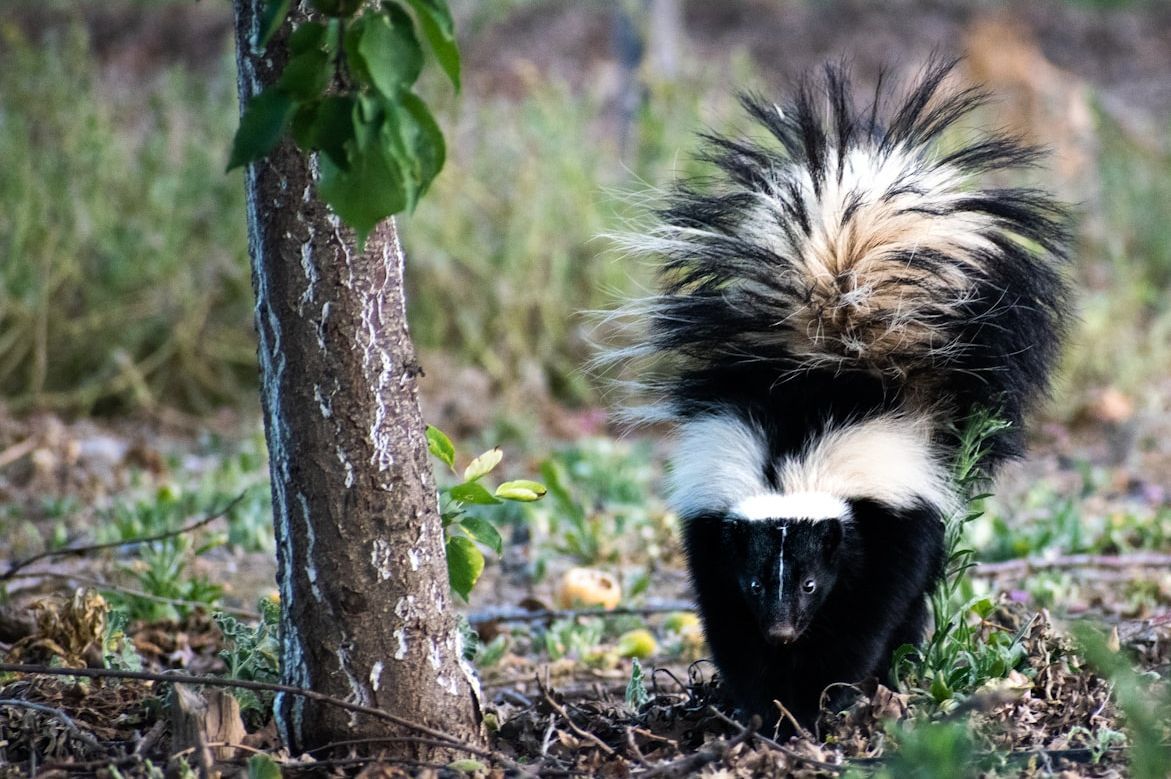
Skunk

Image: Elisa Stone

"Skunk" comes from the Algonquian word squnk, which means "urinating fox" (quite a fitting term, indeed). This was an obvious reference to the animal’s strong defensive spray. Early settlers adopted the term directly.

Since English had no better name for the creature, the Native word stuck. Today, the word skunks is also used as playful slang.

4

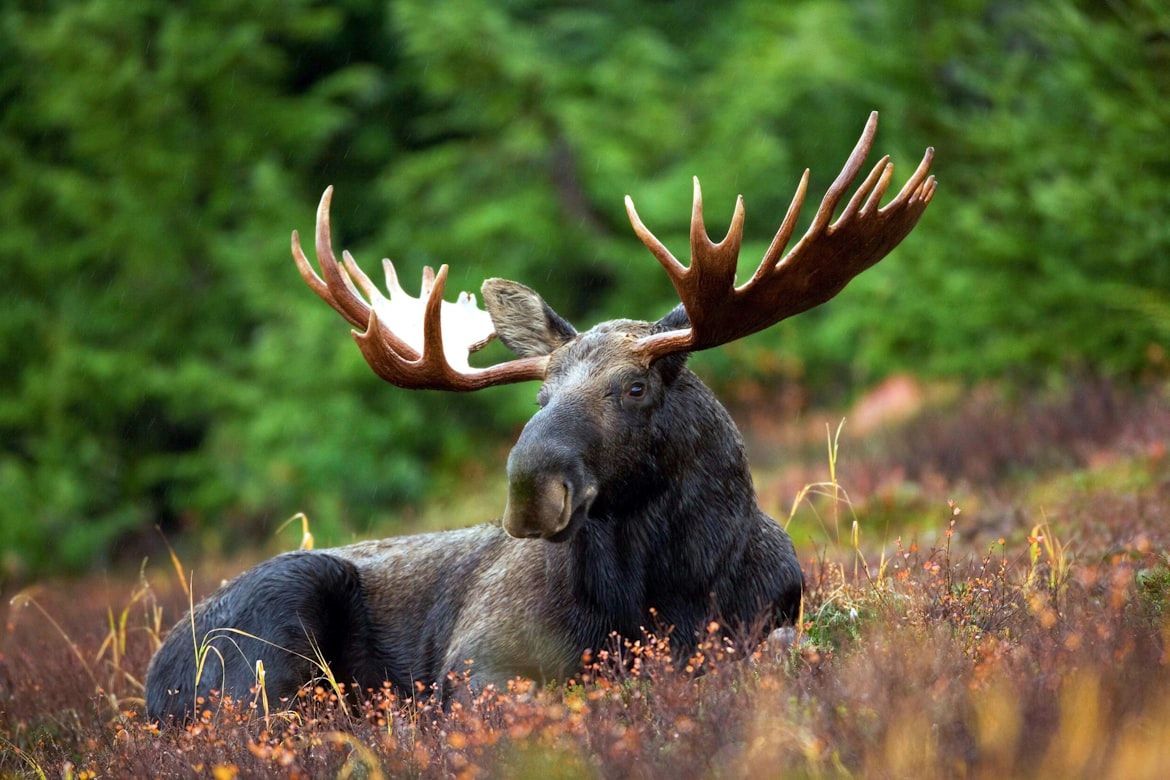
Moose

Image: Shivam Kumar

The word "moose" originates from Eastern Abenaki, a part of the Algonquian family, where it meant "he strips off bark." Yes, it described the animal’s habit of tearing bark from trees.

The name entered English quickly because settlers relied on Native knowledge of local fauna. The word remains unchanged because of its accuracy and usefulness.

5

Raccoon

Image: Gary Bendig

"Raccoon" comes from the Powhatan word arakun, meaning "he scratches with his hands." It described the animal’s clever, humanlike front paws.

Settlers adopted the term because it captured the creature’s behavior beautifully. Today, the raccoon is used as a household symbol of curiosity, not unlike the animal itself.

6

Chipmunk

Image: Annegret Kammer

The term "chipmunk" most probably comes from the Ojibwe word ajidamoo, which means "one who descends trees headfirst." Early English settlers adapted the sound into today’s form.

Though the spelling changed over time, the lively image of a chipmunk racing down a tree face-first stayed.

7

Caribou

Image: JD-Photos

The word "caribou" comes from the Mi’kmaq term qalipu, which means "snow shoveler," referring to the animal’s habit of digging through snow for food.

French settlers brought the word into English, keeping its descriptive nature. The name still connects the modern animal to the winter landscapes it belongs to.

8

Totem

Image: Stéfano Girardelli

"Totem" comes from the Ojibwe word ototeman, which means "kinship group." It described symbols representing clans and shared roots.

English adopted it to describe carved poles and symbolic elements. Though broader in modern usage, it still hints at the original sense of community, identity, and heritage.

9

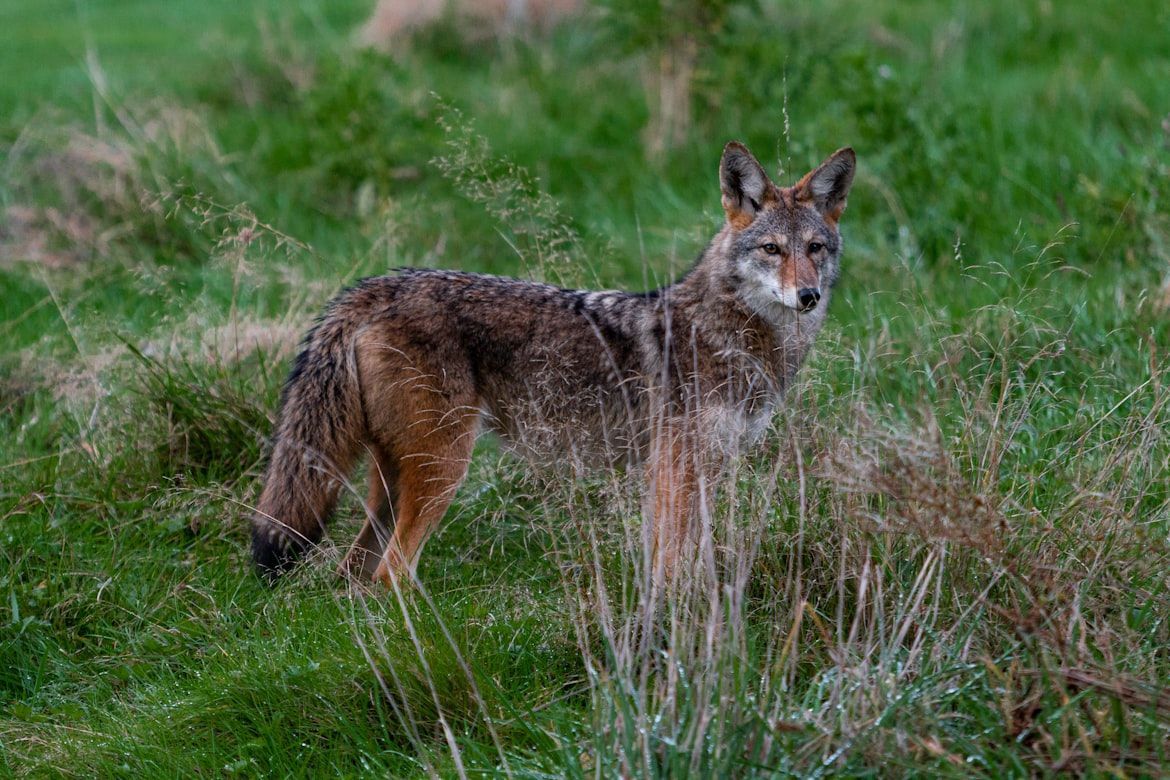
Coyote

Image: Dylan Ferreira

"Coyote" comes from the Nahuatl word coyōtl, which was used by Indigenous tribes of central Mexico. Spanish speakers adopted it, and English borrowed later.

The word kept its meaning, and it remains one of the most direct links between the English language and Nahuatl.

10

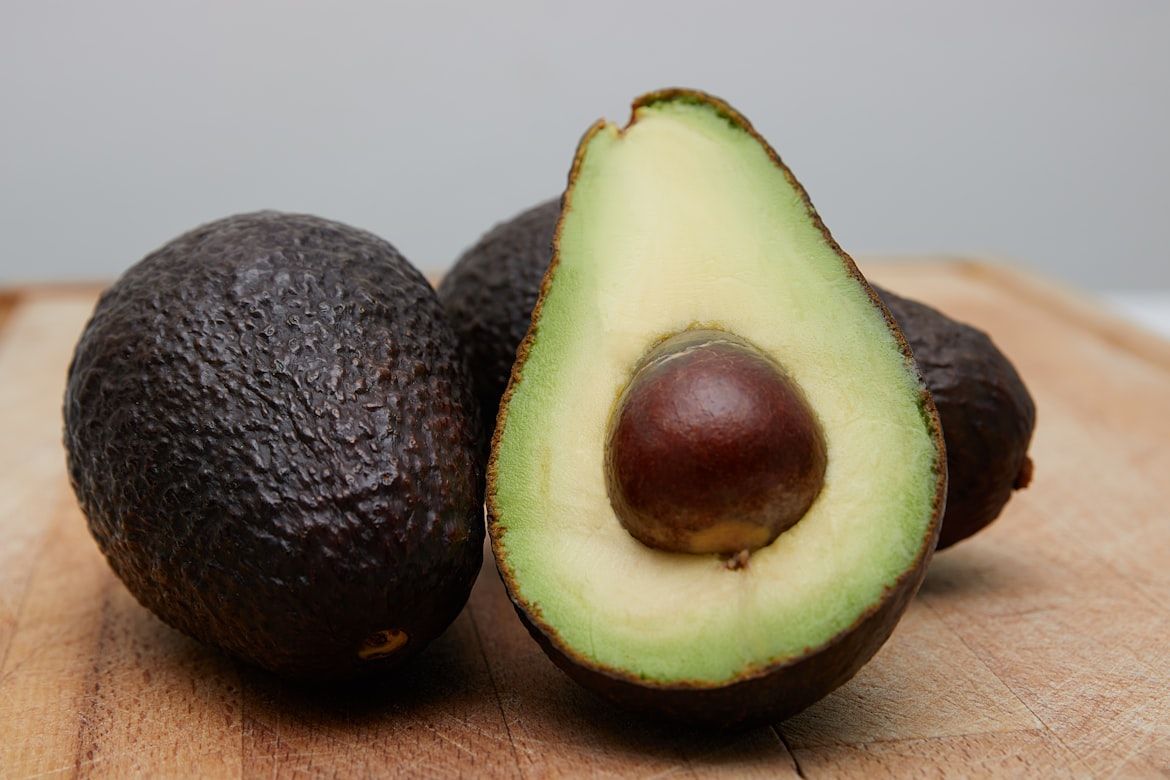
Avocado

Image: Gil Ndjouwou

The tasty avocado’s name traces to the Nahuatl word ahacatl, which refers to the fruit and to a body part as well. Spanish speakers transformed it into aguacate.

Later on, English speakers adapted it to avocado. While the name sounds contemporary and culinary, it has ancient Native roots.

11

Chocolate

Image: amirali mirhashemian

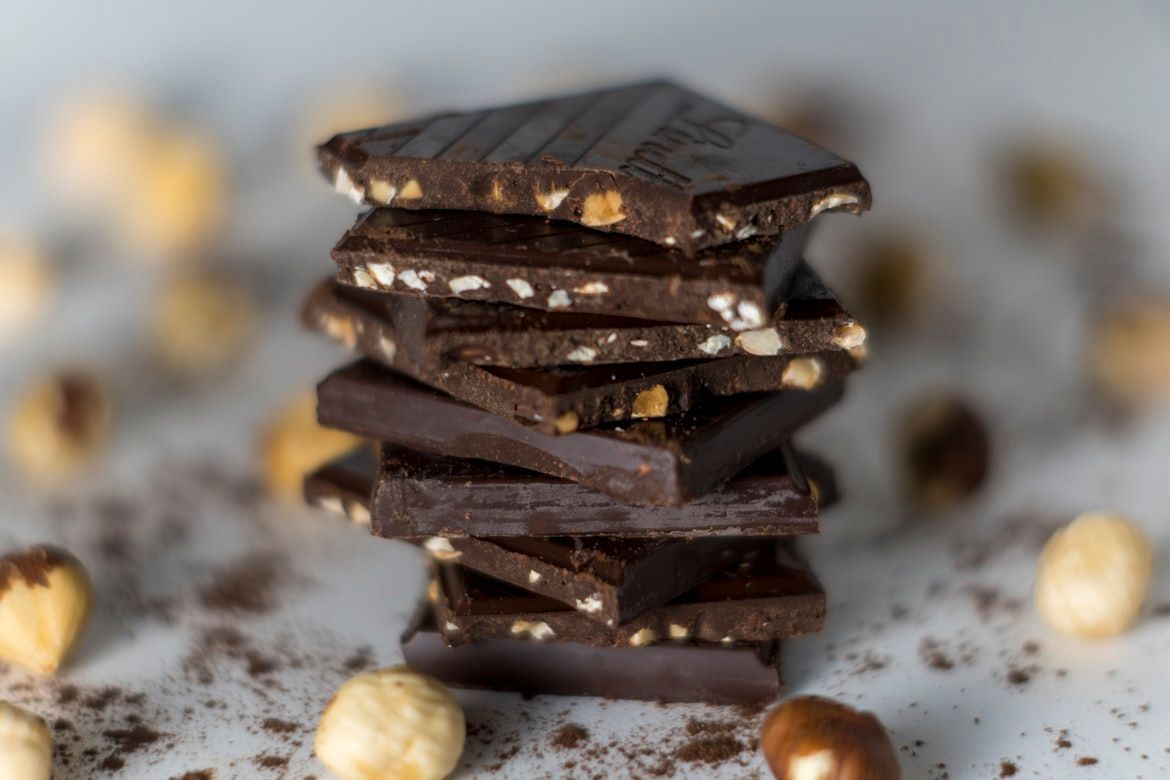
The last Nahuatl word and also the last word on the list comes from the term xocolātl, which describes a bitter cacao drink that was consumed long before Europeans arrived in America. The name traveled from Spanish to English.

Though the product changed dramatically, the word survived. Today, chocolate is a universal symbol of sweetness, with rich and deeply indigenous roots.

Looking for an extra scoop of literary fun?

Learn more with our Word of the day

dander

/ˈdændər/