Fantasy worlds

Atlantis was a real estate scam – and 9 more crazy fictional worlds


Published on March 27, 2026
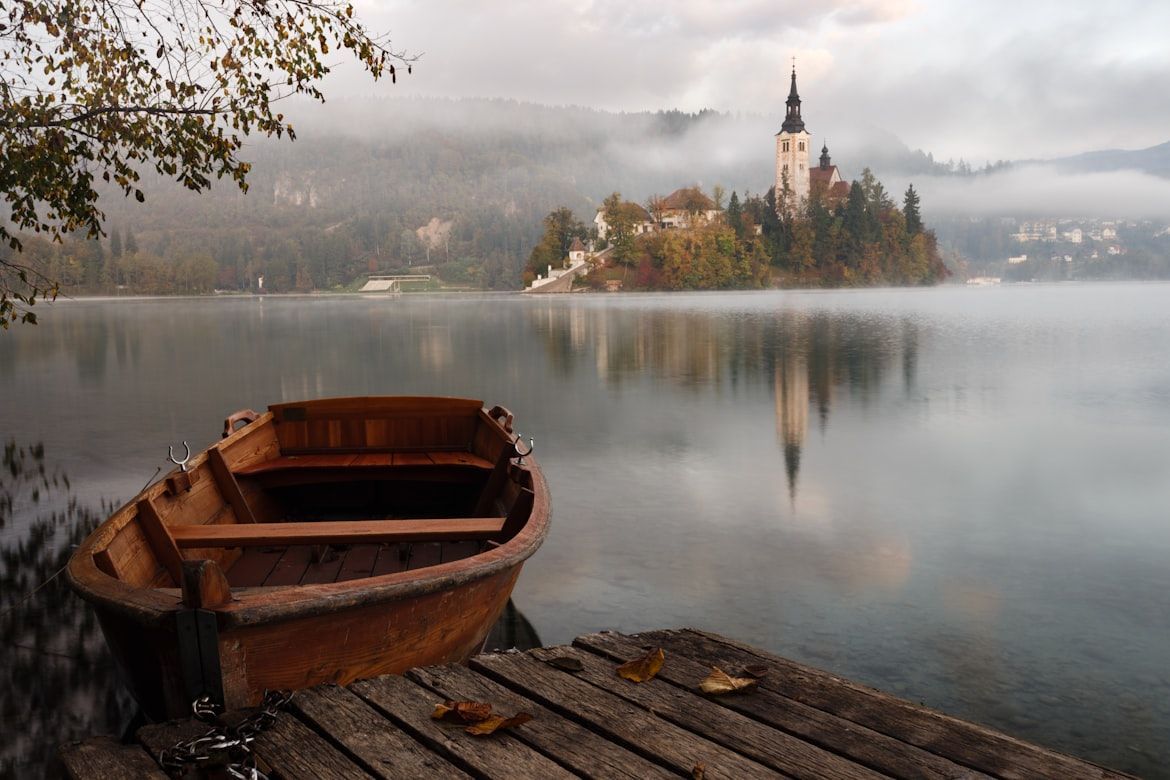

Image: Artem Sapegin

Fiction has given us worlds beyond comprehension—realms where logic collapses, physics defies expectation, and imagination reigns supreme. From cities in the sky to entire worlds beneath our own, some of these fictional places have captivated us since their creation. Join us on a fantastical journey through some of the quirkiest and most head-scratching of these imagined worlds.

1

Wonderland

Image: Alex Muromtsev

Lewis Carroll’s 1865 Alice’s Adventures in Wonderland conjured a world where words, rules, and even size lose all meaning. Time halts at tea parties, cats vanish mid-sentence, and logic itself becomes nonsense.

Carroll, a mathematician and Oxford don, infused what at first glance seems like just a children’s story with riddles, puns, and complex paradoxes. The book’s wordplay critiques Victorian social norms while subtly introducing mathematical and logical concepts.

2


The Land of Oz

Image: ActionVance

A technicolor realm of talking animals, magical shoes, and wicked witches, L. Frank Baum’s 1900 classic The Wonderful Wizard of Oz reshaped children’s literature forever. Baum’s storytelling introduced a vivid fantasy world filled with unique characters, whimsical landscapes, and moral lessons that appealed to both children and adults.

Characters like the Tin Man and the Cowardly Lion have become iconic figures in American popular culture for generations. The 1939 MGM film starring Judy Garland cemented the book’s imagery, leaving an enduring influence on film, theater, and the broader cultural imagination.

3

Neverland

Image: Andrew Sharples

An island where no one grows up and pirates battle endlessly, J.M. Barrie’s Peter Pan debuted in 1904 and quickly became a lasting symbol of escapism. Barrie first introduced the character in a 1902 play before expanding the story into his 1911 novel, embedding themes of adventure, imagination, and the tension between childhood and adulthood.

Psychologists and literary scholars often reference Neverland as an allegory for arrested development, representing the desire to remain permanently in a state of innocence and freedom.

4

Narnia

Image: Hari Nandakumar

A wardrobe that opens to another world, talking lions, and epic battles of good versus evil—C.S. Lewis’s The Chronicles of Narnia (first published in 1950) created a richly imagined fantasy universe.

Drawing on Christian allegory, classical mythology, and his own experiences in World War I, Lewis crafted seven novels that explore courage, faith, and moral growth through fantastical adventures. The series has had a profound cultural impact, inspiring stage adaptations, radio dramas, films, and countless illustrated editions.

5

Laputa

Image: Etienne Desclides

A floating island of science, invention, and eccentric rulers, Laputa appears in Jonathan Swift’s 1726 Gulliver’s Travels. The island hovers in the sky, controlled by magnets, and is inhabited by scholars obsessed with abstract mathematics, music, and astronomy—often to the detriment of practical life below.

Swift, a master of satire, used Laputa to lampoon the scientific and political elite of his time, highlighting their detachment from practical, everyday concerns. Its striking imagery has also had a lasting impact on the depiction of futuristic societies and utopian civilizations.

6

The Shire

Image: Andres Iga

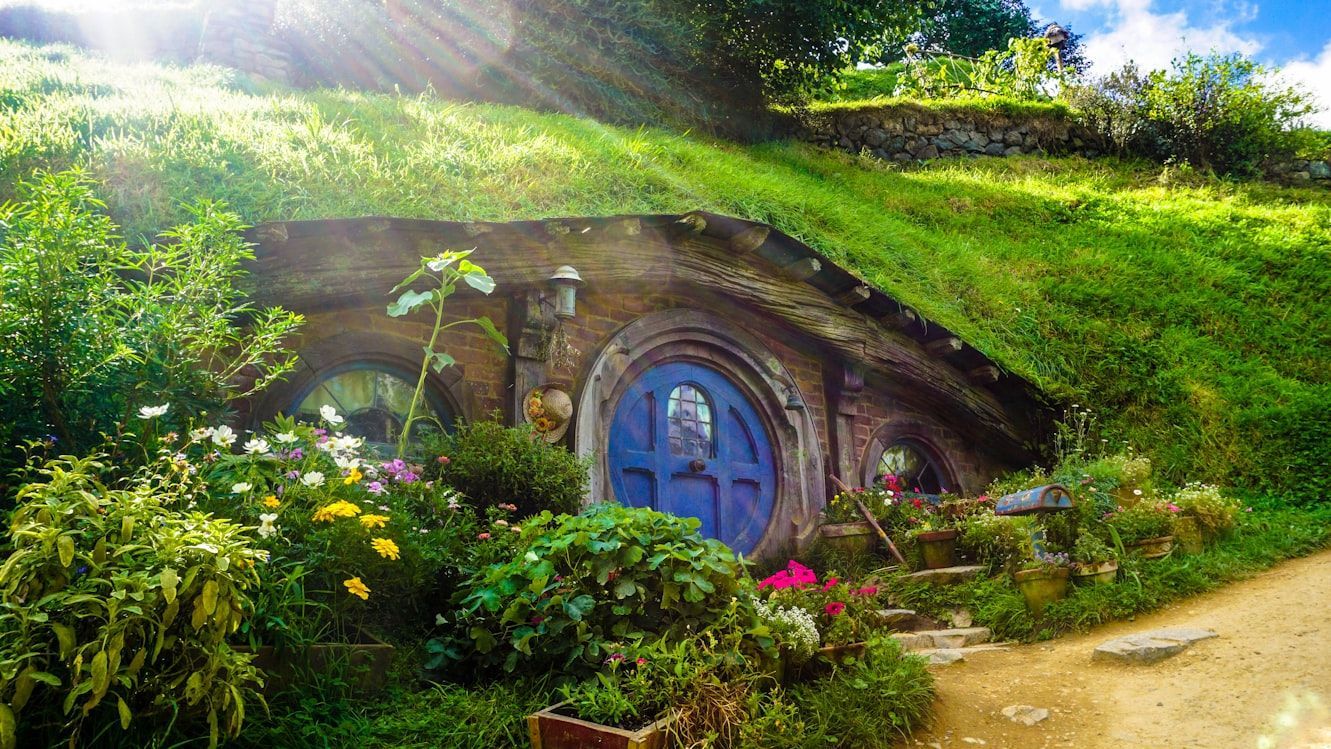
Rolling hills, cozy hobbit holes, and a peaceful, pastoral life—J.R.R. Tolkien’s Shire, introduced in The Hobbit (1937) and The Lord of the Rings (1954–55), embodies an idyllic, pre-industrial England beneath the veneer of a fantasy world.

Tolkien, a scholar of languages and mythology, infused the Shire with intricate customs, poetry, and festivals, aiming to create a mythology for England that he felt was missing—one that celebrated simplicity, community, and harmony with nature.

7

The Lost World

Image: Derek Owens

A hidden plateau where dinosaurs and prehistoric creatures survive, Arthur Conan Doyle’s 1912 novel The Lost World introduced readers to a thrilling world untouched by time. Doyle’s story follows Professor Challenger and his expedition as they encounter giant reptiles, ape-men, and other wonders on a remote South American plateau, blending adventure with early paleontological speculation.

Doyle was likely inspired by Mount Roraima, a flat-topped plateau in South America’s Guiana Highlands. Its sheer cliffs, isolated ecosystem, and mysterious cloud-covered summit provided a tangible model for the novel’s prehistoric world.

8

Atlantis

Image: Mikhail Preobrazhenskiy

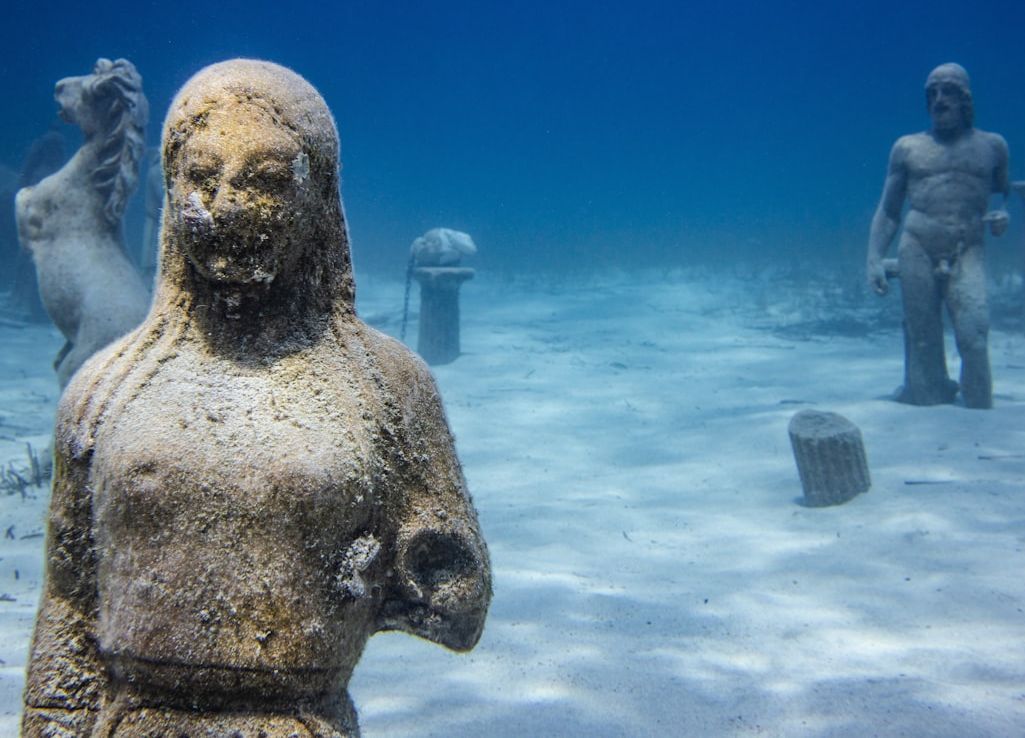
A legendary sunken city, Atlantis was first described by Plato in his dialogues around 360 BCE. According to Plato, Atlantis was a powerful and advanced civilization that sank beneath the ocean in a single day and night of catastrophic events, serving as a cautionary tale about hubris and moral decline.

Despite its origin as a philosophical example, many scholars believe Atlantis was inspired by the real-life Minoan civilization on Crete. The Minoans were an advanced maritime society whose cities, such as Knossos, were eventually devastated by natural disasters, including the volcanic eruption of Thera (Santorini) and subsequent tsunamis.

9

Pellucidar

Image: Yoshihiro

A hollow Earth filled with prehistoric creatures and lost civilizations, Edgar Rice Burroughs’s Pellucidar (1914) imagines a world at the center of the planet, lit by an eternal inner sun. The series follows David Innes and his adventures among tribes of humans, dinosaurs, and other strange beings, blending swashbuckling action with imaginative geography.

Burroughs drew inspiration from the era’s fascination with unexplored frontiers and the Hollow Earth theories popular in the 19th century. Pellucidar has influenced later science fiction and adventure literature, inspiring works that explore hidden worlds and isolated ecosystems.

10

Brigadoon

Image: martin bennie

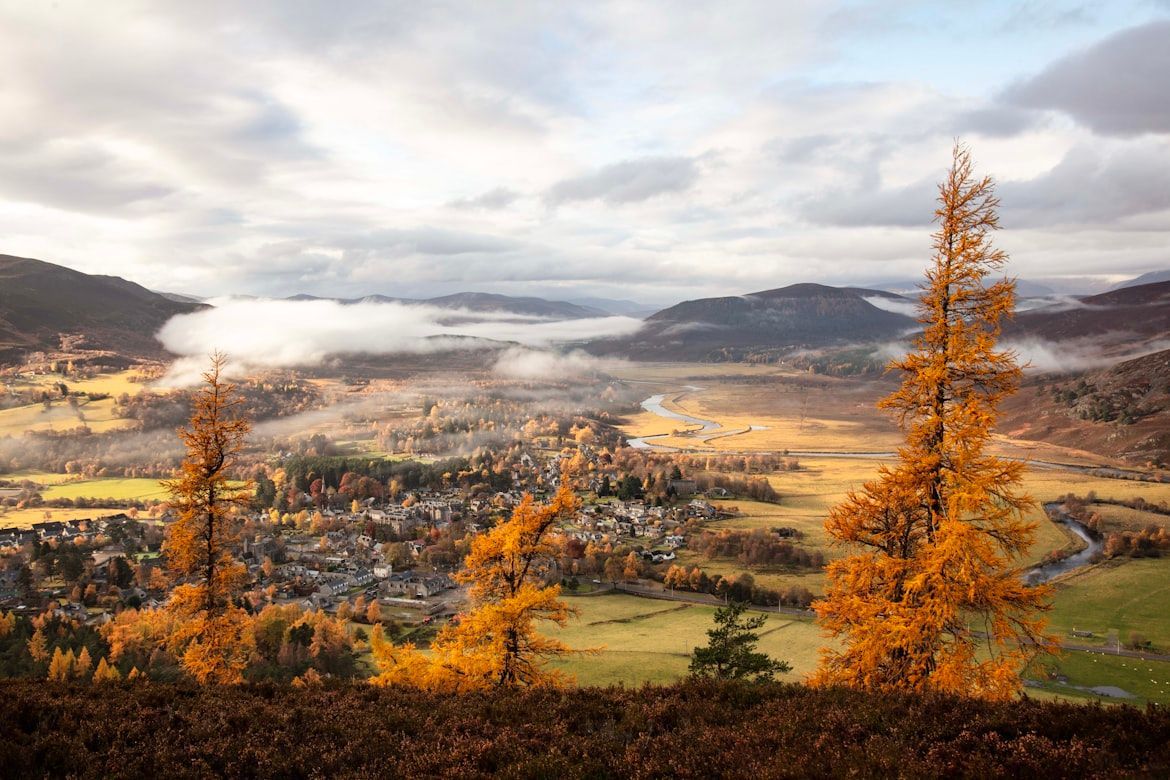
A mysterious Scottish village that appears for only one day every hundred years, the legend of Brigadoon draws on deep-rooted folklore from the Scottish Highlands. The tale likely originates from myths of fairy-haunted glens and hidden villages, where magic protected communities from outsiders and the passage of time.

Such stories often emphasized the danger and allure of the supernatural, reflecting local beliefs about enchanted landscapes and the thin boundary between the human and fairy worlds.
Decoding

Being a "treasured guest" is not a compliment. This is the hidden meaning


Published on March 27, 2026


Image: Hitesh Choudhary

Have you ever heard "Code Adam" while shopping for groceries at Walmart? Or maybe you’ve heard how "Dr. Firestone" was being paged during a routine hospital visit. They sound like harmless announcements. But behind these ordinary words are secret codes staff use to signal emergencies without causing panic. From hospitals and supermarkets to airports and Disney Parks, these phrases quietly warn employees that something is happening. You hope you never hear them, but if you do, it helps to know exactly what they mean.

1

Treasured guest

Image: Helena Lopes

We all love getting special attention at airports or hotel desks, but if you hear the clerk call you a "treasured guest," don’t feel so flattered. You may not be as VIP as one could think.

In the hospitality industry, "treasured guest" has become a humorous bit of industry folklore to describe someone causing trouble. Maybe a customer yelling at staff over expired coupons, demanding impossible accommodations, or throwing a full-blown tantrum at the front desk. Whatever it is, the phrase has become the staff’s secret way to warn co-workers without escalating the situation in front of the customers. Most guests don’t realize the meaning, but once you know it, you may start hearing it more often. We just hope it’s not about you.

2

Code Adam

Image: Karsten Winegeart

Imagine you’re pushing a shopping cart through Walmart when suddenly the overhead speaker announces, "Code Adam." You can easily assume it’s some kind of employee meeting or cleanup request. But when you see them start locking the exits and moving around, you know something’s wrong.

This code was created in 1994 by Walmart in collaboration with the National Center for Missing & Exploited Children (NCMEC), in memory of the tragic case of 6-year-old Adam Walsh. Adam was abducted from a Sears department store in 1981 while shopping with his mother. His father, John Walsh, later became famous for hosting the TV program America’s Most Wanted and advocating for missing children. Even if Adam’s story ended in tragedy, Walmart created the emergency system in Adam’s memory, and other retailers soon adopted it nationwide, intending to have a quick response to missing or abducted children.

3

Code Blue

Image: Günter Valda

You’re sitting in a hospital waiting room during a routine check-up when you suddenly hear "Code Blue, Room 214." Most people immediately know it sounds serious, even if they are not entirely sure why.

The phrase "Code Blue" is used at hospitals to draw the necessary staff and equipment to perform a resuscitation. It was created in the early 1960s at Beathany Medical Center by Dr. Hughes Day. Before then, hospital resuscitations were often chaotic and poorly coordinated. In 1961, Dr. Day received a grant to build one of America’s first cardiac care centers, and he developed both the Code Blue alert system and the modern crash cart to improve survival rates during cardiac emergencies. Today, the system is used in hospitals across the country, sometimes with specialized versions like "Code Blue Pediatric" or "Code Blue Neonate."

4

Dr. Firestone

Image: Cdn Pages

Imagine visiting a loved one in the hospital when the intercom calmly announces, "Paging Dr. Firectone to the third floor." Your head surely goes, "Dr. Firestone’s probably having a busy day up there." He is, but it’s not what you think.

The phrase is actually a discreet fire alert used to warn staff about smoke, flames, or overheating equipment without frightening patients and visitors. Hospitals adopted these coded announcements after realizing that openly yelling "fire" over loudspeakers could create panic, especially among patients who aren’t able to move quickly. "Code Red" is an alternative used by many health centers today, but it also hints at the situation while keeping hallways calm.

5

Code 10

Image: Blake Wisz

You’re standing at a checkout counter when the cashier picks up the phone and quietly says, "I need a Code 10 authorization." If you think that’s just another way to get a supervisor’s approval or technical issue, think again. In reality, the cashier may suspect the credit card is stolen or fraudulent.

Code 10 was developed through a cooperative effort between major credit card companies like Visa and Mastercard, along with international standard organizations. As credit cards became more common in the 1960s and 1970s, stores needed a discreet way to alert banks about suspicious activity without directly accusing customers and potentially putting employees at danger. When a cashier requests a Code 10, the bank’s operator begins asking yes-or-no questions to assess the situation and guide the employee on what to do next.

6

Code Bravo

Image: CDC

You’ve probably experienced those long airport security lines. The wait is usually uneventful. But sometimes, you can hear "Code Bravo" over the speakers. Maybe it’s a delay, or maybe it’s an issue with luggage. Within seconds, people stop moving, the security line freezes, and exits may even close. It’s something bigger.

Code Bravo is the emergency phrase used by airport security and the Transportation Security Administration to signal a serious security threat, such as an unattended bag, a breach at a checkpoint, or someone slipping into a restricted area. The term comes from the international phonetic alphabet used in aviation and military communications, where "Bravo" represents the letter B. When this is called, security staff immediately lock down affected areas, stop screening lines, and search for the source of the threat. To passengers, it’s sudden and confusing, but to security, it’s a carefully rehearsed response.

7

Code Alpha

Image: Navy Medicine

You are heading back to your cabin on a cruise ship when the speakers announce, "Code Alpha, Deck 7." You may think Alpha is related to the captain, but that’s not the case. It means someone on board is suffering a medical emergency.

The phrase comes from the NATO phonetic alphabet, where "Alpha" represents the letter A. In maritime emergency jargon, it became shorthand for a Priority A medical situation requiring immediate response. Cruise lines such as Royal Caribbean and Disney Cruise Line commonly use the term, though some ships use variations like repeating "Alpha" three times. Once the code is announced, onboard medical teams rush toward the specified deck or cabin. If necessary, stretcher crews are mobilized, and in severe cases, the ship may even divert course toward the nearest port for emergency evacuation. Passengers are enjoying the views, but the staff is running to save a life.

8

10-33

Image: chris robert

Anyone who remembers the CB radio craze of the 1970s probably smiles when they hear "10-4." Movies, truckers, and radio fans turned those number codes into a part of American culture. So if you overhear "10-33" on a police scanner, you might assume it’s just another routine message. But it’s not as simple as it sounds.

The 10-code system was first created in 1937 by Illinois State Police communications director Charles Hopper and later standardized by the Association of Public Safety Communications Officials, better known as APCO. Officers needed short phrases they could understand clearly over crackling radio signals. The 10-33 code commonly means an officer needs emergency assistance. In some departments, it also signals radio silence so dispatchers can focus on the crisis unfolding in real time.

9

Signal 70

Image: Samuel Lopez Cruz

Disney World is amazing, the parks offer something for everyone, and there are things to see wherever you look. But that’s exactly the kind of place where a child can easily disappear into a sea of strollers, balloons, characters, and crowds. For that reason, Disney has developed the "Signal 70," which alerts cast members and security that a child has become separated from their family.

The number comes from older police and emergency radio systems, where "70" was commonly associated with missing persons. Disney adopted the phrase because it allows employees to communicate discreetly without frightening or alarming nearby guests. If a member finds the child, they gently -and magically- escort them to Baby Care Center, where they coordinate the reunion.

10

Echo, Echo, Echo

Image: Alonso Reyes

Cruises are great to relax, enjoying a good book under the sun with a nice drink by the side. Until you hear "Echo, echo, echo" on the speakers. If you do, something is happening somewhere else on the ship.

The code is used among cruise employees to signal that dangerous winds or a navigational hazard are affecting the ship. It comes from the international maritime phonetic alphabet, where "Echo" stands for the letter E. In maritime signalling, the letter traditionally means "I am altering my course to starboard." And, in time, the phrase became associated with urgent ship maneuvers and weather-related warnings. However urgent, the repetition of the word by three doesn’t represent life-threatening situations. It alerts the crew of a certain hazard to prepare while avoiding panic among passengers.

Looking for an extra scoop of literary fun?

Learn more with our Word of the day

predecessor

/ˈprɛdəˌsɛsər/