Sacred actions

10 daily habits once considered magical


Published on May 6, 2026

Image: Rebecca Peterson-Hall

Many daily habits we take for granted can be traced back to ancient rituals, religious practices, or traditional customs. From washing your hands to enjoying a morning cup of coffee, these everyday acts carry echoes of centuries-old beliefs, offering a fascinating glimpse into how history shapes modern life.

1

Washing hands

Image: Mélissa Jeanty

There was a time when washing one's hands wasn’t just about hygiene. Long before germs were understood, people performed this act for entirely different reasons.

Handwashing originated as a ritual of purification in ancient Egypt and Mesopotamia, where priests and worshippers cleansed themselves before ceremonies to remove spiritual impurities. Today, many faiths, including Judaism and Islam, uphold these traditions, incorporating specific handwashing practices into their sacred rites.

2

Bathing

Image: zana pq

Similarly, many of our ancestors didn't view bathing as a daily hygienic necessity, save for ceremonial purposes. In Hindu, Jewish, and Roman traditions, water immersion was tied to spiritual purification rather than hygiene alone.

Modern continuations of these practices include ritual baths such as the Jewish mikveh and the Hindu ghats along the Ganges, where devotees bathe to cleanse both body and spirit. European spa culture also traces its lineage back to the grand public bath traditions of Ancient Rome, which were as much about social and spiritual status as they were about getting clean.

3

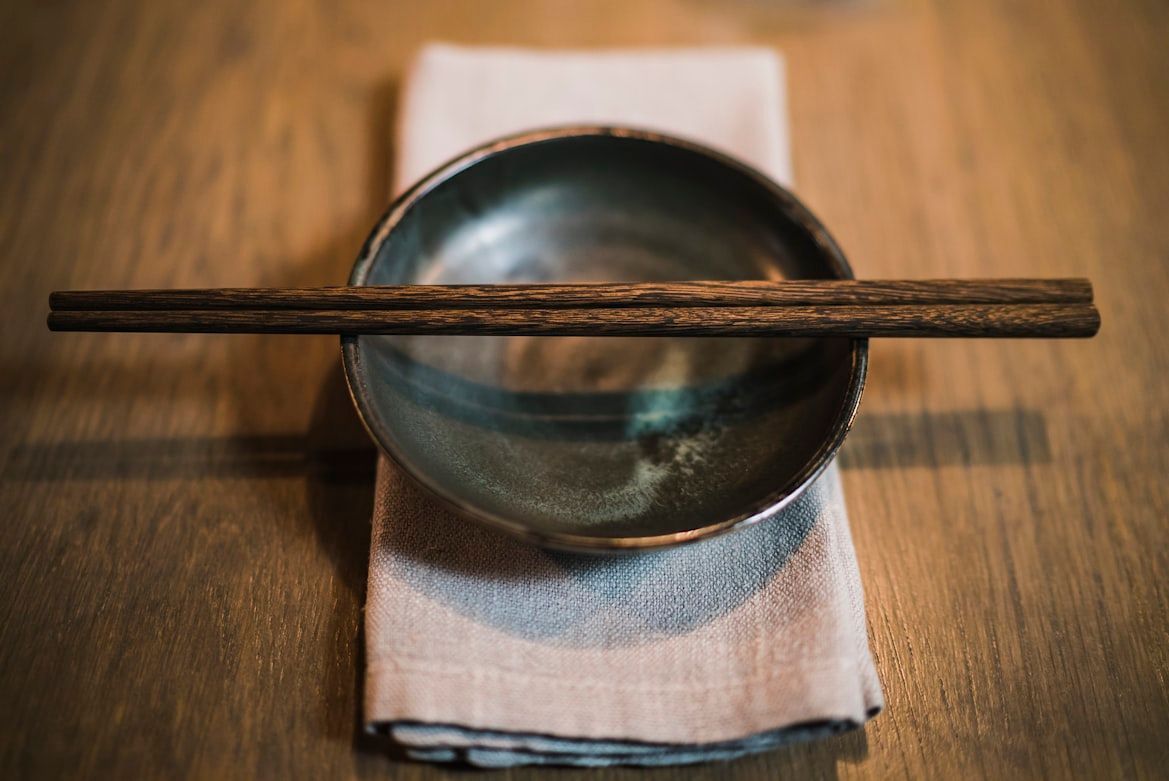
Eating with utensils

Image: Juan Encalada

Surprisingly, eating utensils weren’t always seen as daily necessities. Both chopsticks in East Asia and forks in Europe originally served ritualistic or symbolic purposes.

Chopsticks were often used in ancestor offerings and ceremonial meals before becoming household staples. Similarly, early European forks were designed to avoid direct contact with food; however, this reflected more of a concern with social etiquette and status rather than a true preoccupation with hygiene.

4

Morning coffee

Image: Oveth Martinez

Coffee’s origins trace back to the 15th century, when Sufi monks in Yemen brewed it to remain alert during nighttime prayers. They viewed the beverage as a tool to enhance focus and spiritual discipline during long hours of devotion.

From its origins in the monastery, coffee spread across the Islamic world and eventually into Europe by the 17th century. Over time, it evolved from a sacred stimulant into a global morning ritual, forever linking the act of "waking up" to a practice rooted in centuries of religious discipline.

5

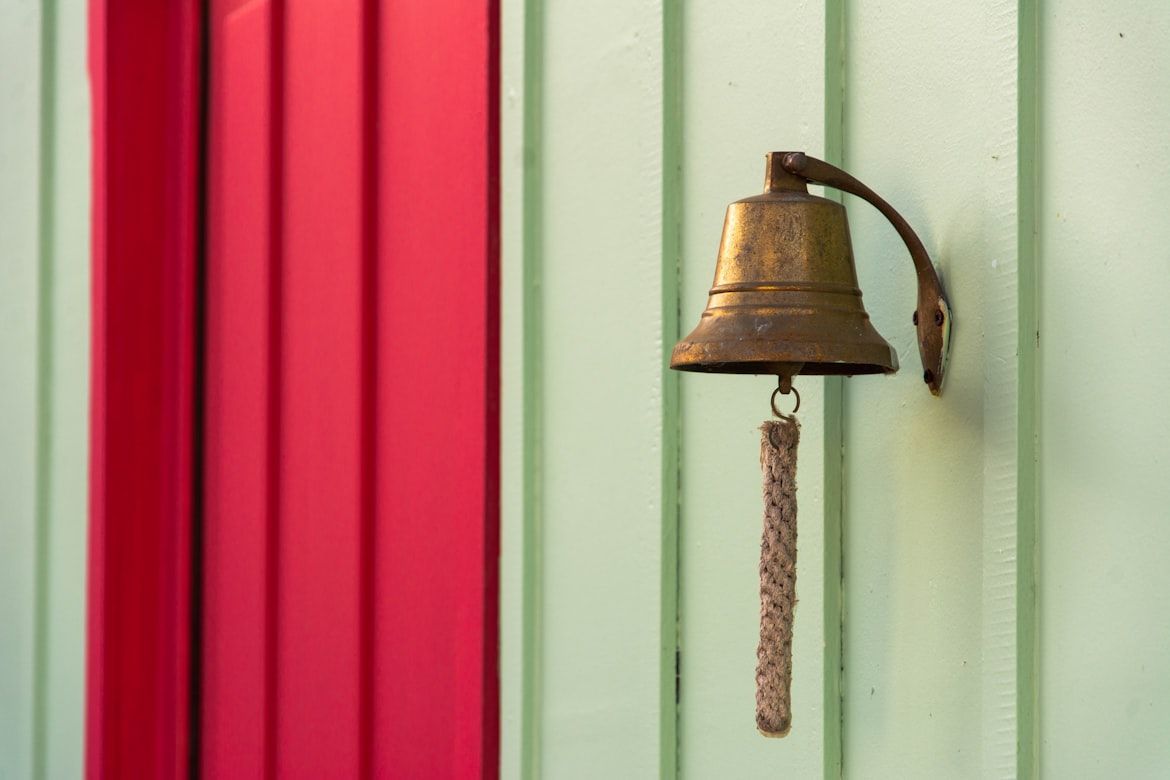
Ringing a bell

Image: Luís Perdigão

Bells have long served as powerful tools in Hindu, Buddhist, and Christian traditions—signaling prayer times, marking sacred rituals, and warding off malevolent spirits. Many cultures also hold that the resonant sound of a bell purifies the surrounding space and invites positive energy.

From church towers to school hallways, bells continue this legacy today. Even the modern dinner bell or digital alert links our daily schedules to this ancient practice of "marking" time and calling a community to attention during significant moments.

6

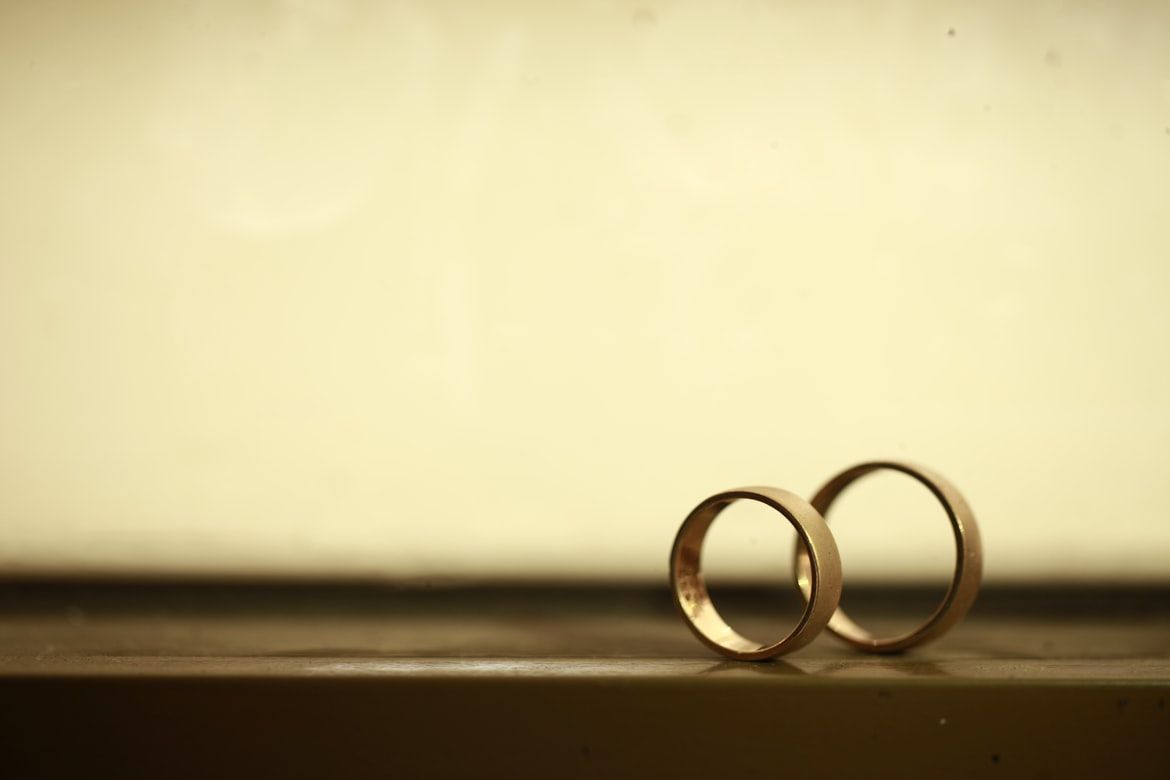
Wearing rings

Image: Febrian Zakaria

In ancient Egypt and Rome, rings were far more than simple decoration. Egyptians wore rings adorned with sacred symbols—such as the scarab or the Shen ring—as protective talismans to ward off misfortune. Meanwhile, Romans used signet rings to denote social rank and authenticate documents, often selecting specific gemstones for their purported mystical properties.

While many modern rings are purely aesthetic, wedding bands and heirlooms still carry deep symbolic weight, echoing their ancient roles as markers of status, protection, and lifelong commitment.

7

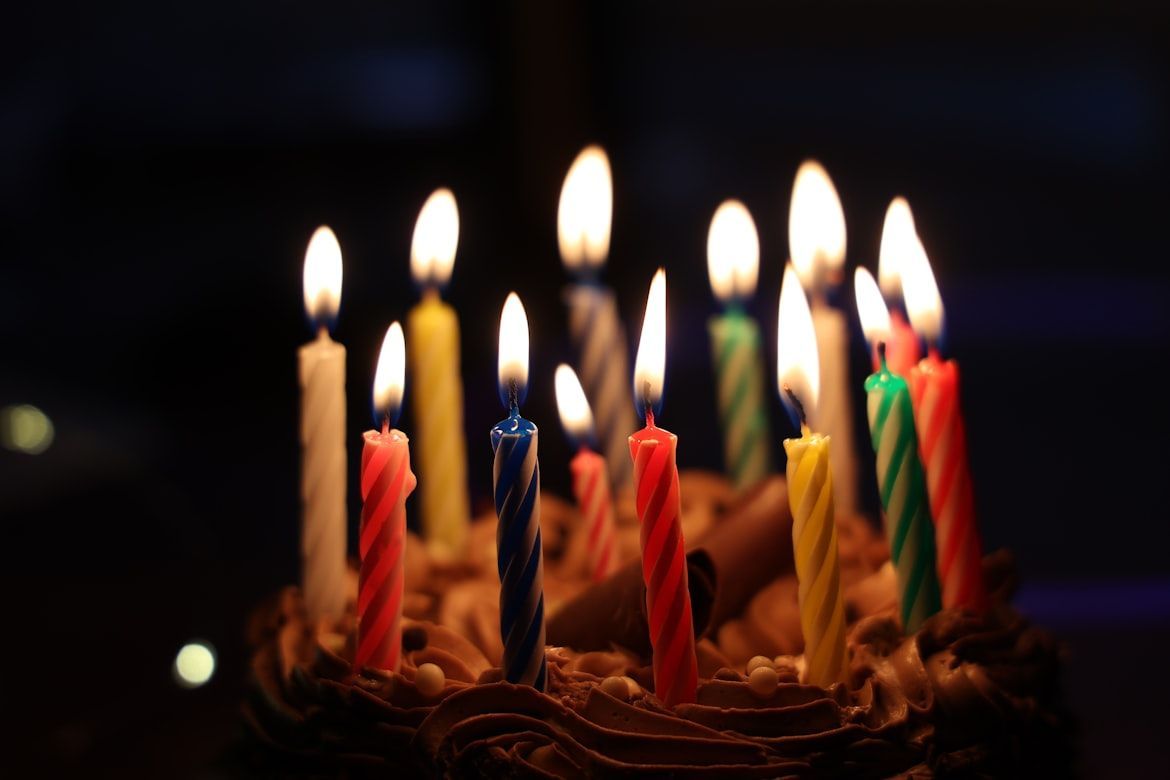
Birthday candles

Image: Lan Gao

In ancient Greece, during the Mounychia festival (around the full moon), Athenians offered round cakes called amphiphontes to Artemis, goddess of the moon. Historical accounts suggest that these cakes were decorated with small torches or candles arranged in a circle, intended to mimic the moon’s ethereal glow.

Scholars suggest this ritual may have inspired later traditions. Today, birthday candles carry on this practice in a celebratory form, though they still symbolize the ancient themes of light, hope, and protection.

8

Crossing fingers

Image: Dayne Topkin

The gesture of crossing one’s fingers has roots in early Christianity: believers are thought to have crossed their index fingers with those of another person to form a secret "X" (like a tiny cross) as a sign of faith and to invoke divine protection during times of persecution.

Over time, the gesture evolved from a two-person pact into a solitary act. By the Middle Ages, individuals began crossing their own fingers to ward off evil or "trap" good luck, eventually becoming the universal symbol for hope and fortune we recognize today**.**

9

Waving

Image: Leanne Lucas

Waving likely evolved from the precursors of the modern salute. In the medieval period, knights would lift the visors of their helmets to reveal their faces and bare their right hands—a practical way to prove they were not carrying a weapon or harboring hostile intent.

Over time, this open‑hand gesture transitioned into a universal greeting. Today, when we wave, the raised palm still subconsciously signals peaceful intentions, echoing its origins as a gesture of peace.

10

Making a toast

Image: Quan Nguyen

Raising a glass has deep roots in ancient Greece and Rome. At Greek drinking parties, participants raised their cups in libations to the gods—a practice documented in the works of Homer, where toasts were offered to deities like Zeus and Hygieia.

In Rome, the custom took a literal turn: guests often dropped a piece of toasted bread into their wine to temper its acidity and improve the flavor. This birthed the term "toast," from the Latin tostus, meaning "parched" or "burnt." While legends suggest that clinking glasses forcefully was a way to spill wine between cups to prove neither was poisoned, the act remains a universal symbol of trust and celebration.
The truth about your brain

You won’t believe what happens in your brain while you sleep


Published on May 6, 2026


Image: Milad Fakurian

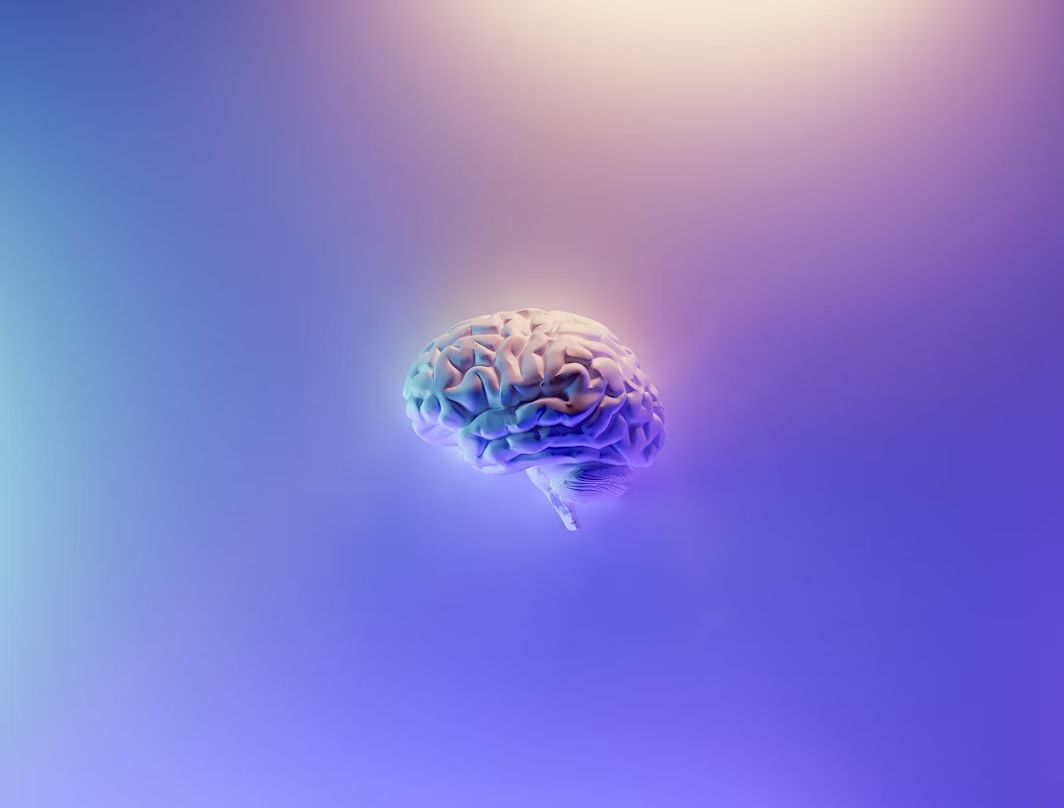
Your brain is one of the most powerful and mysterious organs in your body. It controls everything from your thoughts to your emotions and even processes information at lightning speed. But how much do you really know about it? Some long-believed myths about the brain have been debunked, while other surprising facts reveal just how incredible this organ truly is. Get ready to be amazed by these fascinating brain facts!

1

Myth: We only use 10% of our brain

Image: Natasha Connell

You’ve probably heard this one before, but it’s completely false! While it’s true that not all parts of the brain fire at the same time, imaging studies show that most regions are active throughout the day, even when we sleep.

Your brain is constantly working, controlling bodily functions and emotions, and processing information. So next time someone says you’re only using 10% of your brain, you can confidently tell them that’s just a myth!

2

The brain itself can’t feel pain

Image: Aarón Blanco Tejedor

Here’s a weird fact: While your brain processes pain signals from the rest of your body, it has no pain receptors of its own. This is why surgeons can perform brain surgery on conscious patients without causing them pain.

However, the membranes and tissues surrounding the brain do have pain receptors, which is why headaches and brain injuries can be so excruciating.

3

Headaches are actually chemical reactions

Image: Usman Yousaf

How come we have headaches if the brain has no pain receptors? Well, that’s because headaches are triggered by chemical activity in the brain, changes in nerves and blood vessels, and even fluctuating serotonin levels.

In some cases, hormones like estrogen can also play a role, which explains why migraines are more common in women.

4

Dreams: Your brain’s midnight movie theater

Image: Go to Johannes Plenio's profile Johannes Plenio

Dreams are proof that your brain never rests! (Warning: this fact can make you feel exhausted.) While you sleep, your limbic system, that is, the part of the brain that deals with emotions, becomes especially active, which is why dreams often feel so intense.

On average, humans experience four to seven dreams per night, even if we don’t always remember them. And what about that scary nightmare about falling? Well, you can thank your amygdala, the brain’s fear center, for that one.

5

Your short-term memory lasts less than 30 seconds

Image: Brett Jordan

Have you ever walked into a room and instantly forgotten what you were after? That’s because short-term memory only lasts about 20-30 seconds! That’s not enough!

Your brain holds a limited amount of information in its active state before deciding whether to store it or discard it. Ironically, we can’t really choose what makes the cut, but we do hope these facts stay with you!

6

Brain freeze is your body’s warning signal

Image: BUDDHI Kumar SHRESTHA

That sharp, icy pain when you eat something too cold? It’s your brain’s way of telling you to slow down! Officially called sphenopalatine ganglioneuralgia, a brain freeze happens when cold food or drinks rapidly chill the blood vessels in your throat, causing them to constrict and then rapidly expand. This sends pain signals to your brain, warning you of the sudden temperature shift. It’s annoying, but it’s actually your body trying to protect itself!

7

Your brain thinks a lot!

Image: Josh Riemer

You didn’t need us to tell you, but let’s look at the details: The average person has between 12,000 and 60,000 thoughts per day. What’s even more interesting? 95% of those thoughts are the same ones you had yesterday. Is that not surprising enough? Hear this out: 80% of them tend to be negative. That’s because our brains are wired for survival, constantly analyzing risks and potential dangers.

8

Your brain uses 20% of your body’s oxygen and blood

Image: Terry Vlisidis

Even though it only makes up about 2% of your body weight, your brain employs a major quantity of energy! It consumes 20% of your oxygen and blood supply, making it one of the most demanding organs in your body.

If your brain goes without oxygen for just five minutes, brain cells start dying, leading to irreversible damage. This is why deep breathing and cardiovascular exercise are great for brain health!

9

Seeing stars? That’s your brain processing vision!

Image: Alexander Andrews

Do you know that feeling when you hit the back of your head and see stars? That’s because your occipital lobe, which controls vision, is located at the back of your brain. If you get hit there, your brain momentarily misfires, causing flashes of light.

Interestingly, your brain processes vision on the opposite side; while your right brain controls your left eye, your left brain controls your right eye. It’s one of the many ways the brain operates in a complex way.

10

Your brain can power a light bulb!

Image: Rodion Kutsaiev

Believe it or not, your brain generates between 12 and 25 watts of electricity when you’re awake. If you can’t really grasp how powerful that is, check this out: It’s enough to power a small light bulb! Your brain’s electrical activity is what allows neurons to send signals at speeds of up to 260 miles per hour.

11

Your brain is mostly fat

Image: Robina Weermeijer

Your brain may be the fattiest organ in your body, consisting of at least 60% fat! This is why consuming healthy fats, like omega-3s and omega-6s present in fish, for example, is essential for brain health.

Healthy fats stabilize brain cell walls, reduce inflammation, and support cognitive function. So go ahead and enjoy that avocado toast, it’s food for your brain!

12

Your brain shrinks as you age

Image: Robina Weermeijer

It’s not just your memory that fades over time; the brain itself physically shrinks as one gets older. It continues developing until your late 40s, but after that, it slowly decreases in size.

Now, size doesn’t equal intelligence, so a smaller brain doesn’t necessarily mean a less capable one. Staying mentally active, exercising, and eating brain-boosting foods can help keep it in top shape!

13

Cholesterol plays a big role in memory

Image: Lisa Yount

We often think of cholesterol as bad, but your brain actually depends on it! In fact, 25% of your body’s cholesterol is stored in your brain, where it helps with learning and memory. However, unlike other organs, the brain can’t absorb cholesterol from the blood, it has to produce its own. So, while too much cholesterol in the body can be harmful, the right amount is vital for brain function. At least you can use that as an excuse to get that burger!

Looking for an extra scoop of literary fun?

Learn more with our Word of the day

dismal

/ˈdɪzm(ə)l/