Wild nature

Are fire tornadoes a real thing? Yes! And so are these other phenomena!


Published on February 11, 2026

Image: NOAA

You know the rain and the snow. You even know tornadoes, hurricanes, and the green lights in the North. But the weather can be crazier, much crazier than that! Would you believe us if we told you fire can become a tornado or that dust can make cities disappear? When combining the four elements, anything can happen, and we’ve gathered some of the craziest weather phenomena for you here!

1

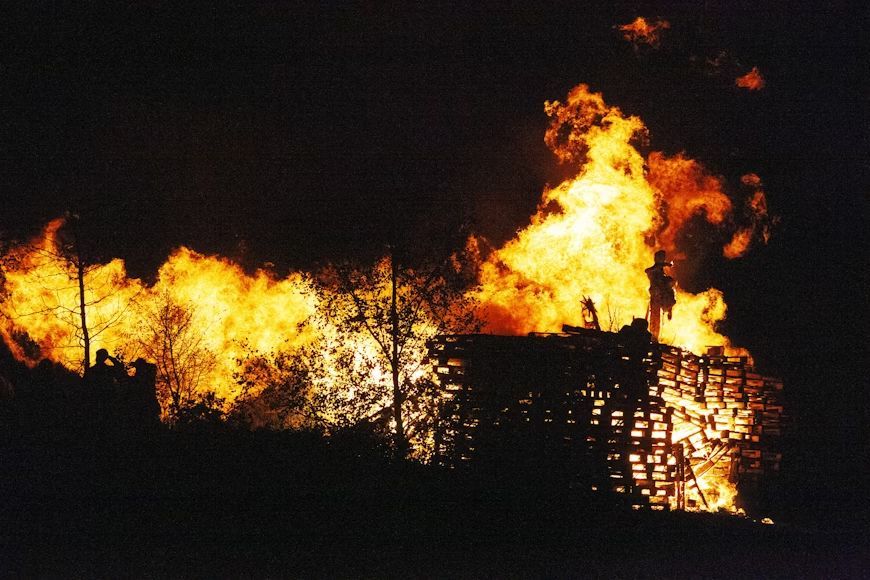
Fire power

Image: Mark Fletcher-Brown

Imagine a tornado picking up flames instead of debris. That’s a fire whirl, a spinning column of fire that can reach hundreds of feet high during wildfires. It forms when intense heat pulls air upward and the wind twists it into a vortex. Two of the worst and most destructive things together, we don’t need to explain the kind of consequences this unusual phenomenon leaves behind!

2

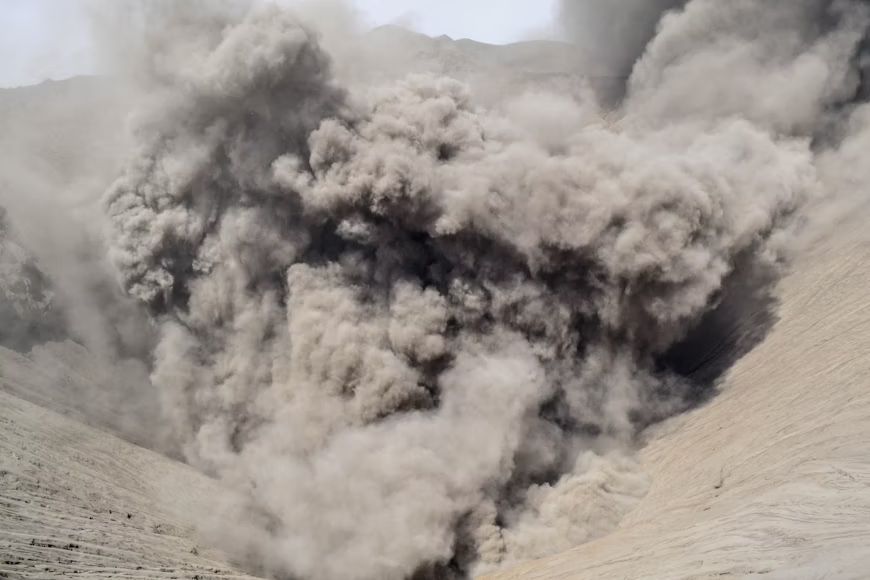
Haboob

Image: Irham Setyaki

If you’ve ever seen photos of a giant wall of dust swallowing a city, that’s a haboob. You can double-check, but indeed it says "swallow a city"! These massive dust storms often appear in desert regions like Southern America or northern Africa. They happen when cool air from a thunderstorm rushes down and pushes up dirt and sand, creating a thick rolling curtain of dust. The best way to handle one? Head inside and let it pass, but never try running away from it. There’s no outrunning a haboob.

3

Virga

Image: Declan Sun

You feel the tiny drops of water falling from the sky, but you look at the floor and it’s completely dry. What’s going on? That’s virga, a ghostly phenomenon where the raindrops evaporate before they land. It looks like silky streaks hanging from the clouds, a bit like the sky is trying to rain but changes its mind halfway down. This disappearing act happens when the air below the cloud is too dry. Don’t worry, it’s innocent, just a little bit annoying.

4

Waterspouts

Image: Susan Wilkinson

Tornadoes aren’t just a land thing (or a fire thing for that matter!), they can show up over water too. Waterspouts look like watery funnels rising from the sea, and while they can be dramatic, most are harmless and short-lived. Warm, humid air rising from the surface spins into a twisting column, pulling a bit of water mist with it. Sailors used to think they were sea monsters, but today we know better. Still, it’s not something you’d want to see from your fishing boat.

5

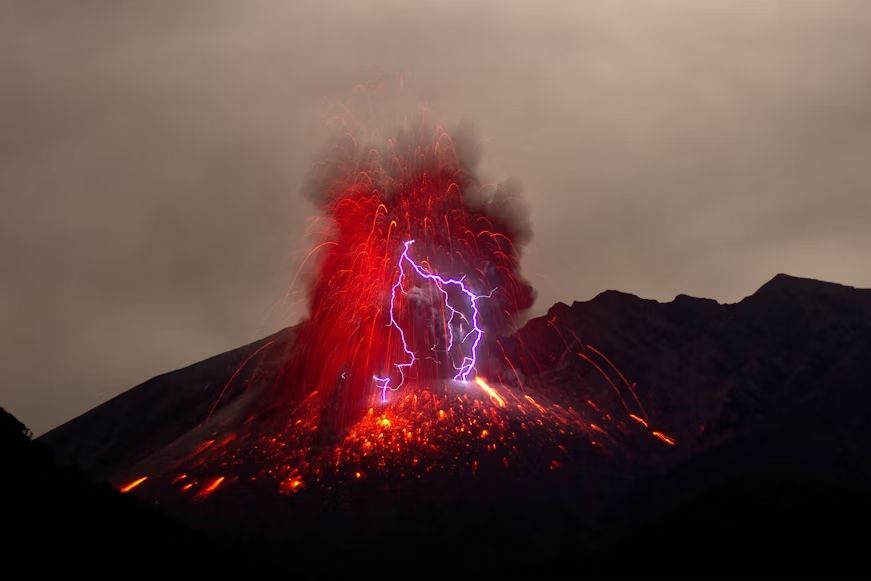
Volcanic lightning

Image: Marc Szeglat

An erupting volcano is already scary enough, but when lightning starts flashing inside the ash cloud, it’s a spectacle. The bursts of electricity come from bits of rock and ash rubbing together and building up charge. Since volcanoes are hard to study up close, scientists are still learning exactly how this works.

6

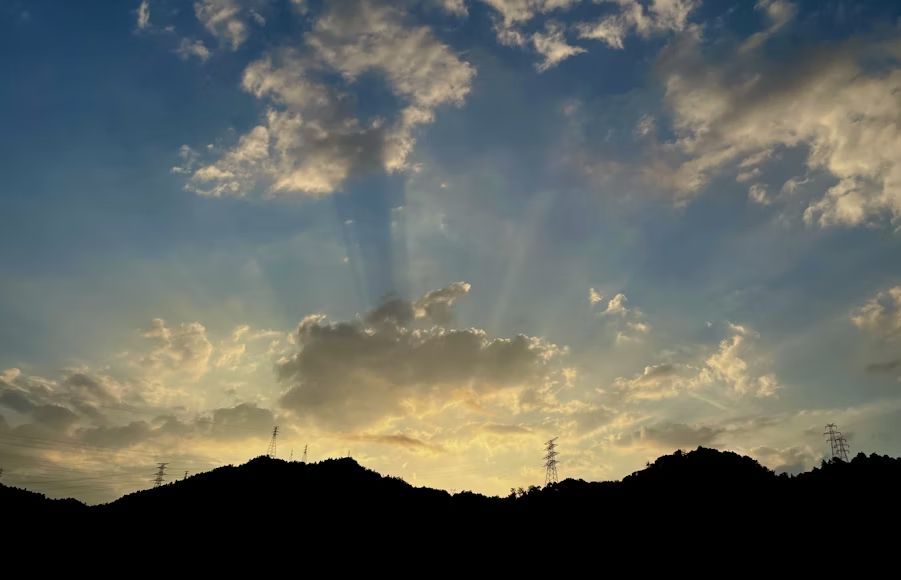
Light pillars

Image: 泽浩 梁

If you’ve ever looked up on a cold night and seen glowing columns stretching toward the sky, you’ve spotted light pillars. They’re not UFOs; they’re ice crystals catching and reflecting light from the ground or the sun. Each tiny crystal acts like a little mirror, turning reflections into tall shimmering towers of color. They’re most common in freezing weather. Have you ever seen this?

7

Snow rollers

Image: Meg

Every so often, the wind gets artistic and rolls snow into little white doughnuts. These rare creations, called snow rollers, need just the right mix of conditions: Sticky snow, a smooth surface, and a steady breeze. The wind pushes bits of snow along the ground until they curl up into round, hollow shapes.

8

Hair ice

Image: Wolfgang Hasselmann

Deep in the woods on a cold, damp night, you might find what looks like fine white hair growing on dead branches. That’s hair ice, and it forms thanks to a fungus that lives in rotting wood. The fungus releases chemicals that shape ice into thin, silky strands. They are so delicate, they melt at the first touch of sunlight. It’s one of nature’s quietest and most beautiful tricks.

9

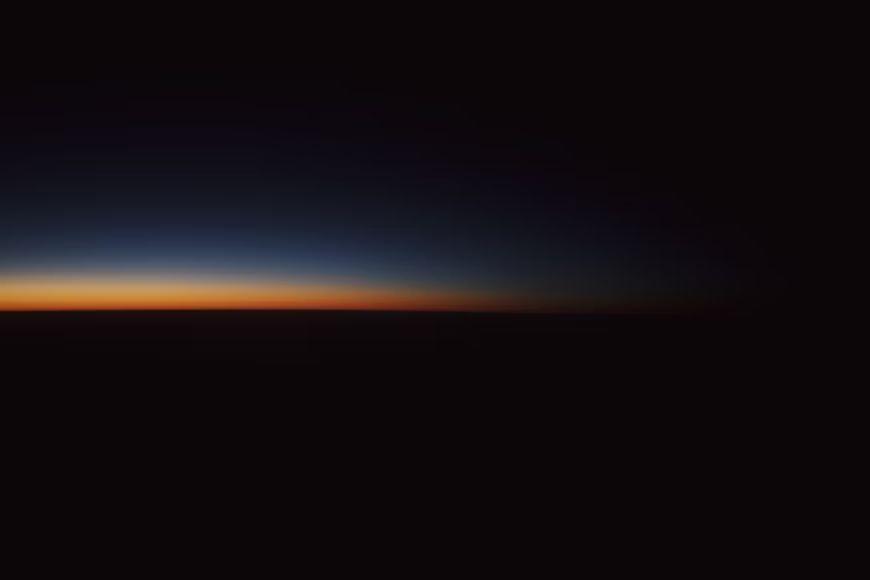
Earth’s shadow

Image: Stijn te Strake

At sunrise or sunset, look opposite the sun and you might spot a dark blue band climbing or sinking along the horizon. That’s Earth’s own shadow. Above it, a pinkish glow called the Belt of Venus often appears, reflecting the last bit of sunlight. Together, they make one of the simplest yet most breathtaking sky shows.

10

Glory

Image: Jakob Owens

If you’ve ever seen a rainbow-like halo around your shadow while standing above the clouds, you’ve witnessed a glory. It happens when sunlight bounces around inside tiny water droplets, splitting into soft rings of color. When that halo surrounds your shadow on mist or fog, it’s called a Brocken spectre, and it can make you look enormous. Early mountaineers used to think they were seeing spirits. Turns out, it was just their own reflection in nature’s mirror.

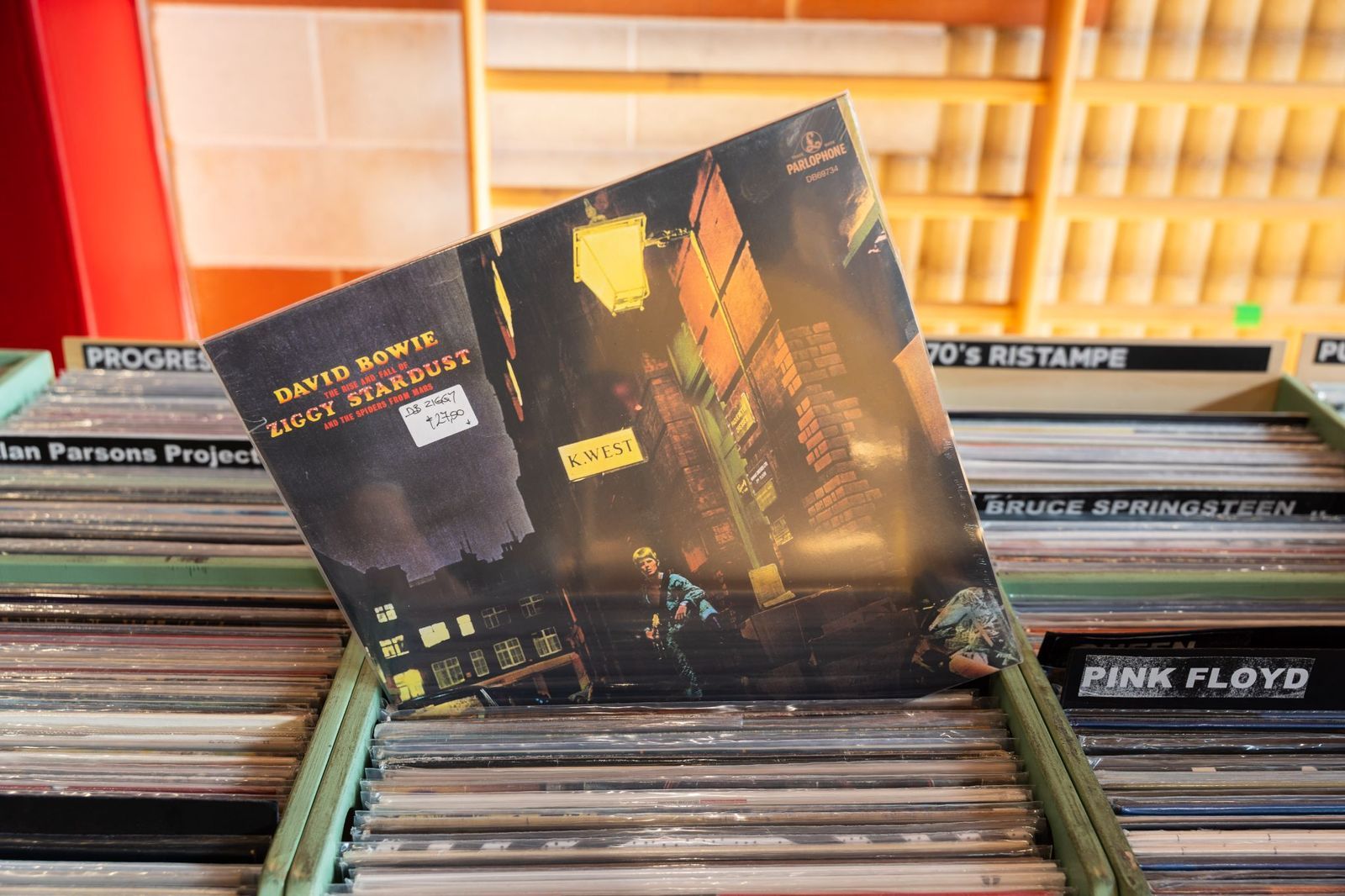
Some names stick around

From Table Tap Joe to Ziggy Stardust: Who are the best song characters?


Published on February 11, 2026


Image: Christina Radevich

Sometimes, a character is the perfect alter-ego to write a song about oneself without self-referencing so much. Other times, a character is just a character. Over the years, musicians have come up with lonely dreamers, fearless heroes, mysterious strangers, and even supernatural villains who have become just as famous as the songs themselves. Some were inspired by real people, others sprang entirely from imagination, but all of them left a lasting mark on music history. Which of these 12 do you remember?

1

Table Top Joe — Tom Waits — "Table Top Joe"

Image: lev radin

Tom Waits has always had a soft spot for society's oddballs, and few are even stranger than Table Top Joe. Introduced on the 2002 album Alice, Joe is born with only a head and hands, yet grows into a brilliant piano player whose extraordinary talent earns him fame despite the odds stacked against him.

The song unfolds like a forgotten American folk tale, complete with references to Coney Island's legendary Dreamland amusement park and composer Igor Stravinsky. Although many listeners assume the story is based on an old carnival legend, Table Top Joe is entirely Tom Waits' own creation.

2

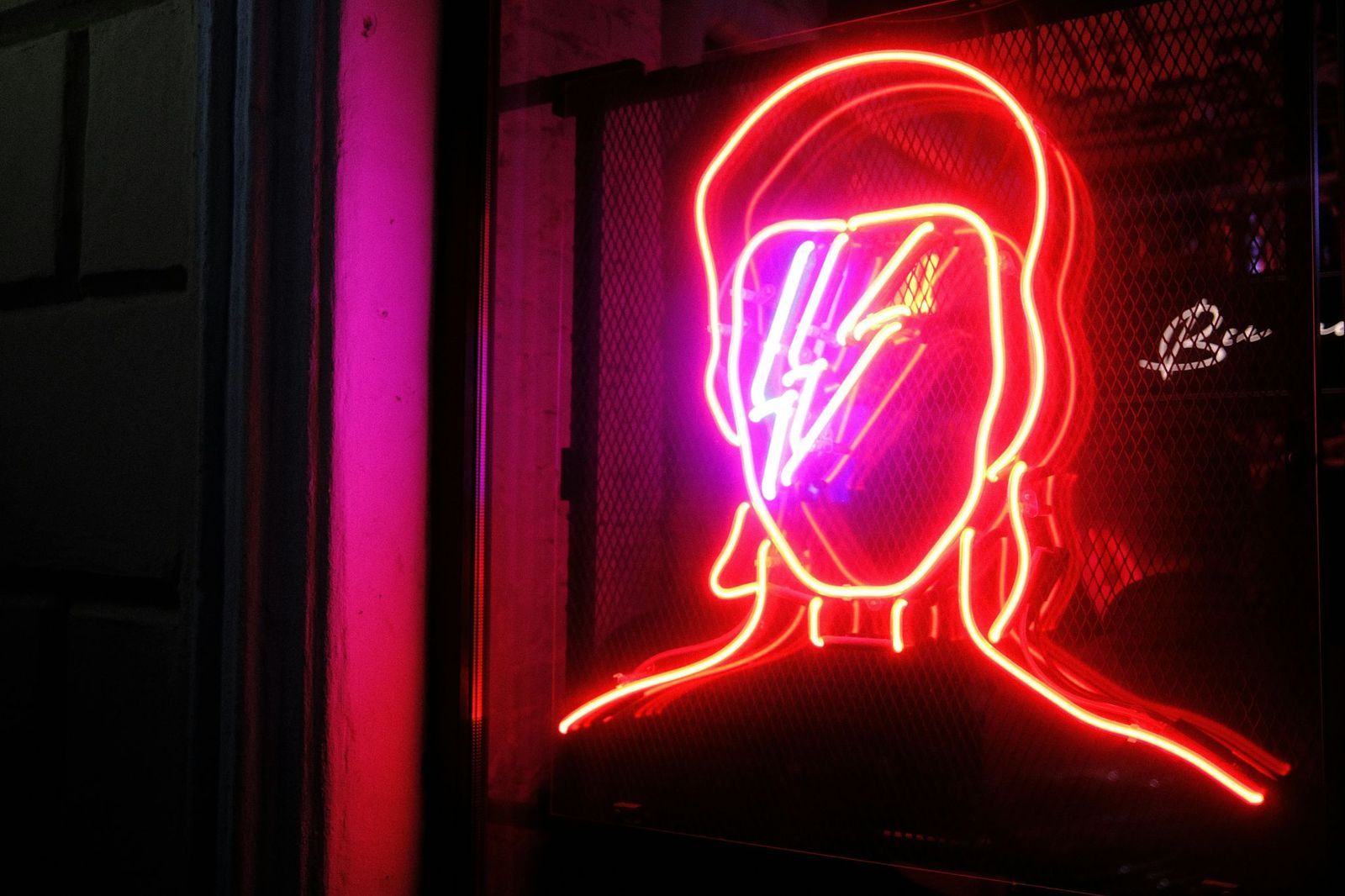
Ziggy Stardust — David Bowie — "Ziggy Stardust"

Image: PHLD Luca

Few fictional musicians have ever become as famous as Ziggy Stardust. Introduced in 1972, Ziggy is an alien rock star sent to Earth shortly before humanity's end, only to be consumed by the very fame that makes him a savior to millions.

David Bowie blurred the line between fiction and reality by performing as Ziggy onstage for more than a year. When he unexpectedly announced Ziggy's retirement during a concert at London's Hammersmith Odeon in 1973, many fans believed the character, and perhaps Bowie himself, had truly reached the end of the story.

3

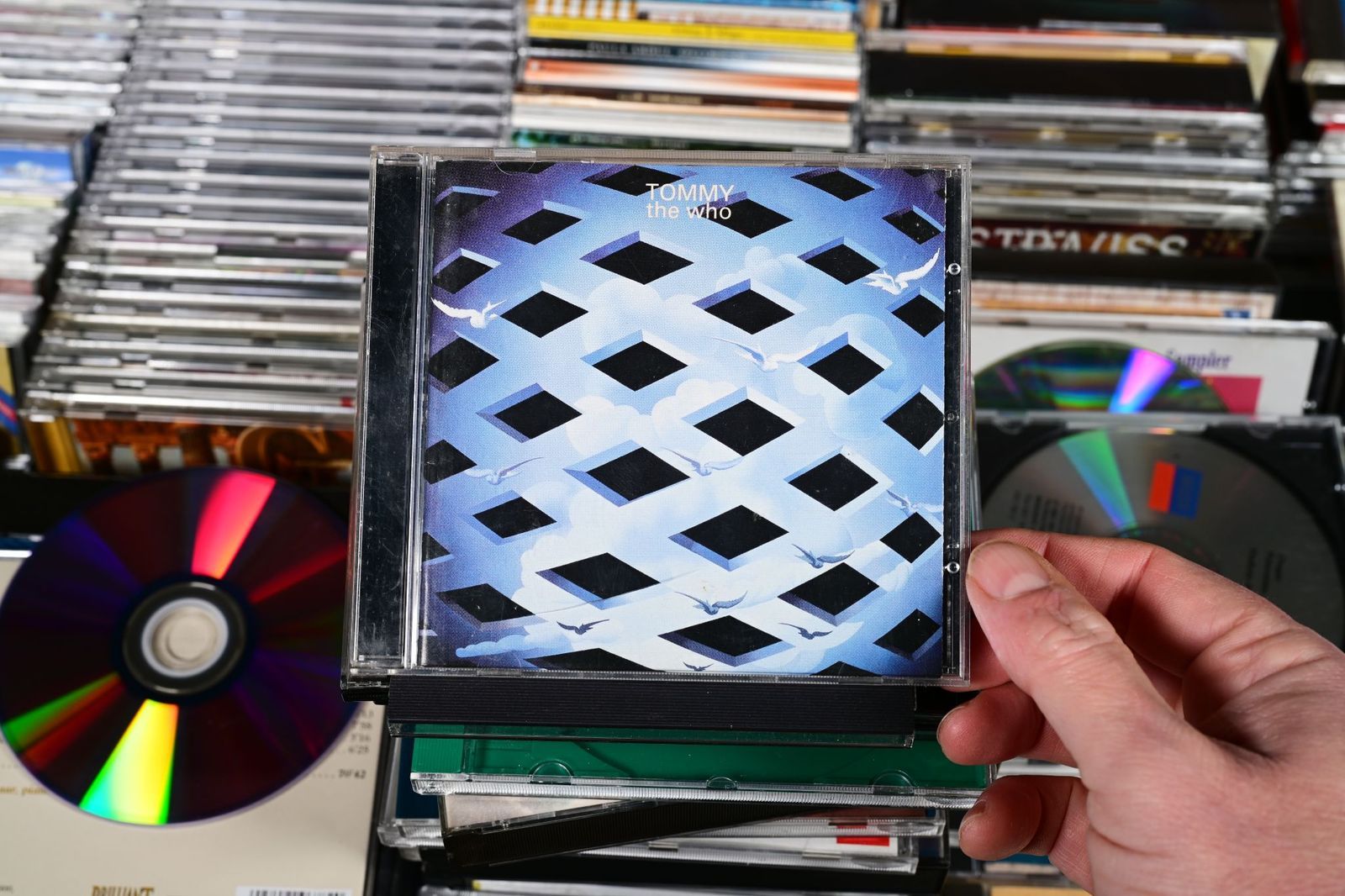
Tommy — The Who — "Tommy"

Image: defotoberg

Tommy Walker isn't just the hero of a song, he's the central figure of one of rock music's first great operas. After witnessing a traumatic event as a child, Tommy becomes deaf, mute, and blind, yet somehow develops astonishing pinball skills that transform him into an unlikely celebrity.

Pete Townshend built an entire musical world around Tommy, exploring themes of trauma, faith, and redemption. First released in 1969, Tommy later became a hit film, a Broadway production, and one of the most influential concept albums ever recorded.

4

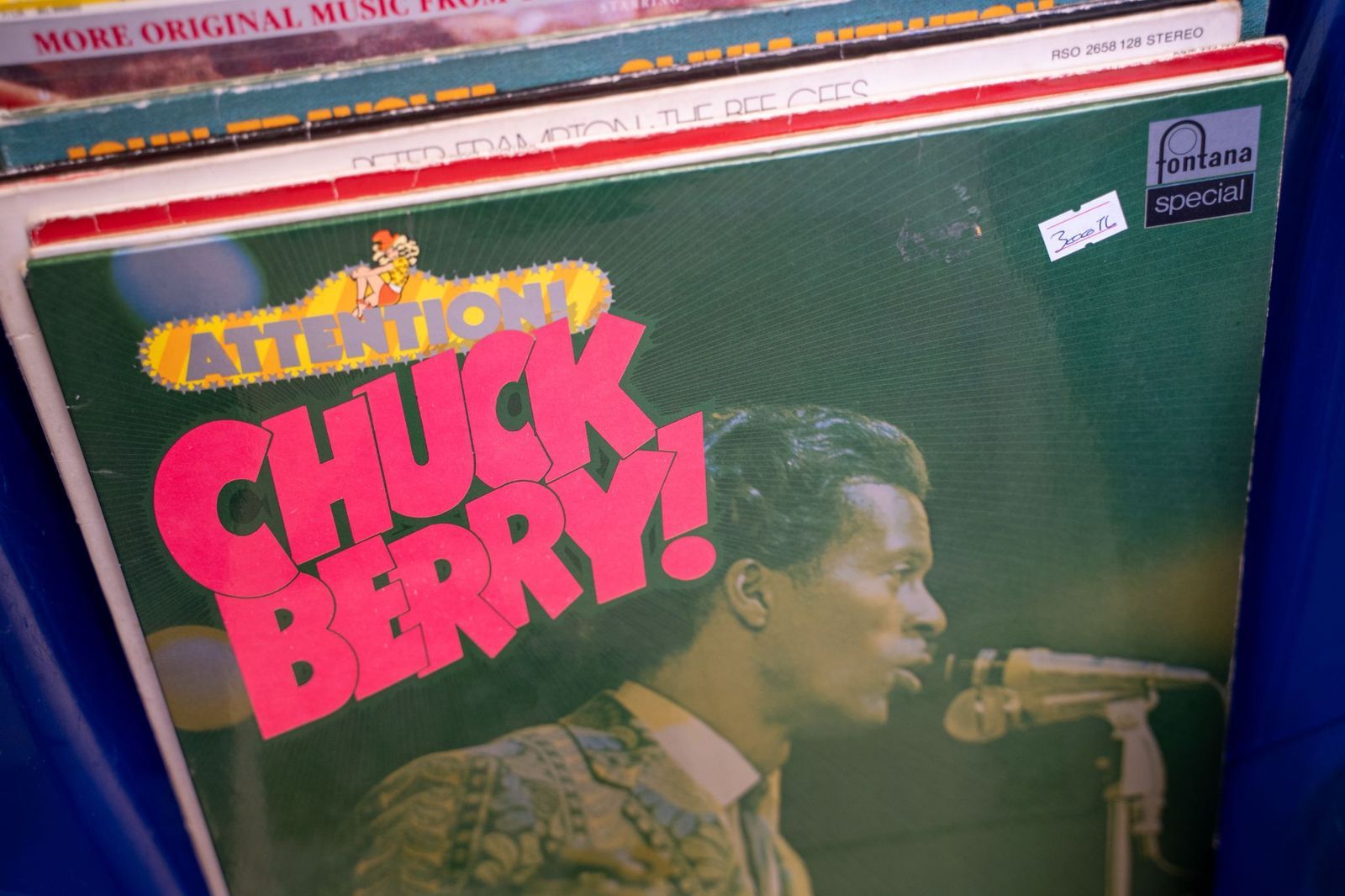
Johnny B. Goode — Chuck Berry — "Johnny B. Goode"

Image: Erman Gunes

Johnny B. Goode is every aspiring musician's dream. Growing up in rural Louisiana with little more than a guitar and natural talent, he plays so brilliantly that listeners predict "his name will be in lights."

Chuck Berry based the character partly on himself and partly on pianist Johnnie Johnson. Originally described as a "colored boy," Johnny became a "country boy" in the final lyrics, making the song more likely to receive airplay during the segregation era. Nearly two decades later, Johnny's anthem would even travel into space aboard NASA's Voyager Golden Record.

5

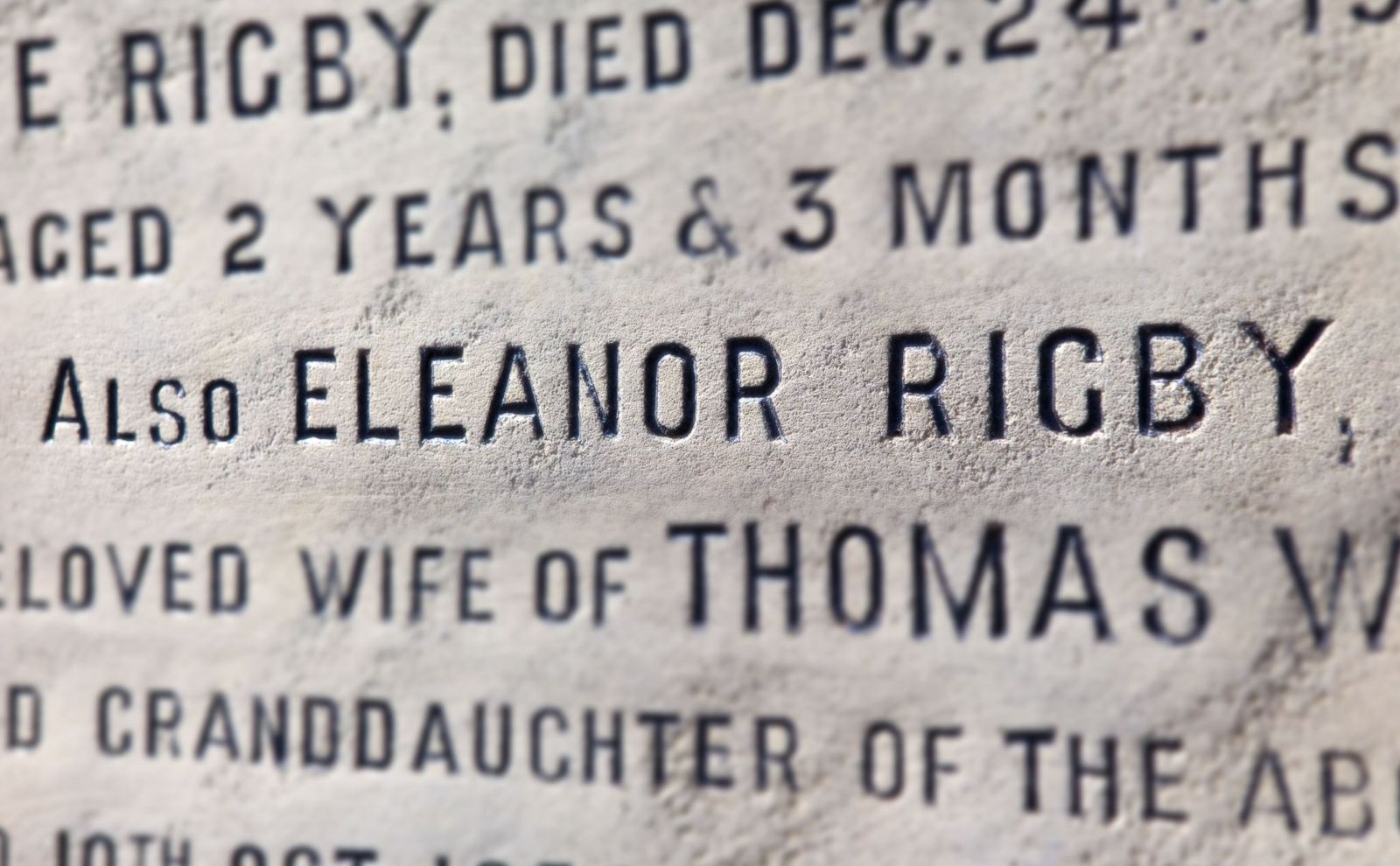
Eleanor Rigby — The Beatles — "Eleanor Rigby"

Image: chrisdorney

Few fictional characters have captured loneliness as powerfully as Eleanor Rigby. She quietly moves through life unnoticed, while Father McKenzie delivers sermons that no one hears, creating one of popular music's saddest portraits of isolation.

Paul McCartney later explained that Eleanor's name came from actress Eleanor Bron and the Liverpool shop Rigby & Evens. The discovery of an actual Eleanor Rigby gravestone in Liverpool only deepened the song's mystique, though McCartney maintained the coincidence was unintentional.

6

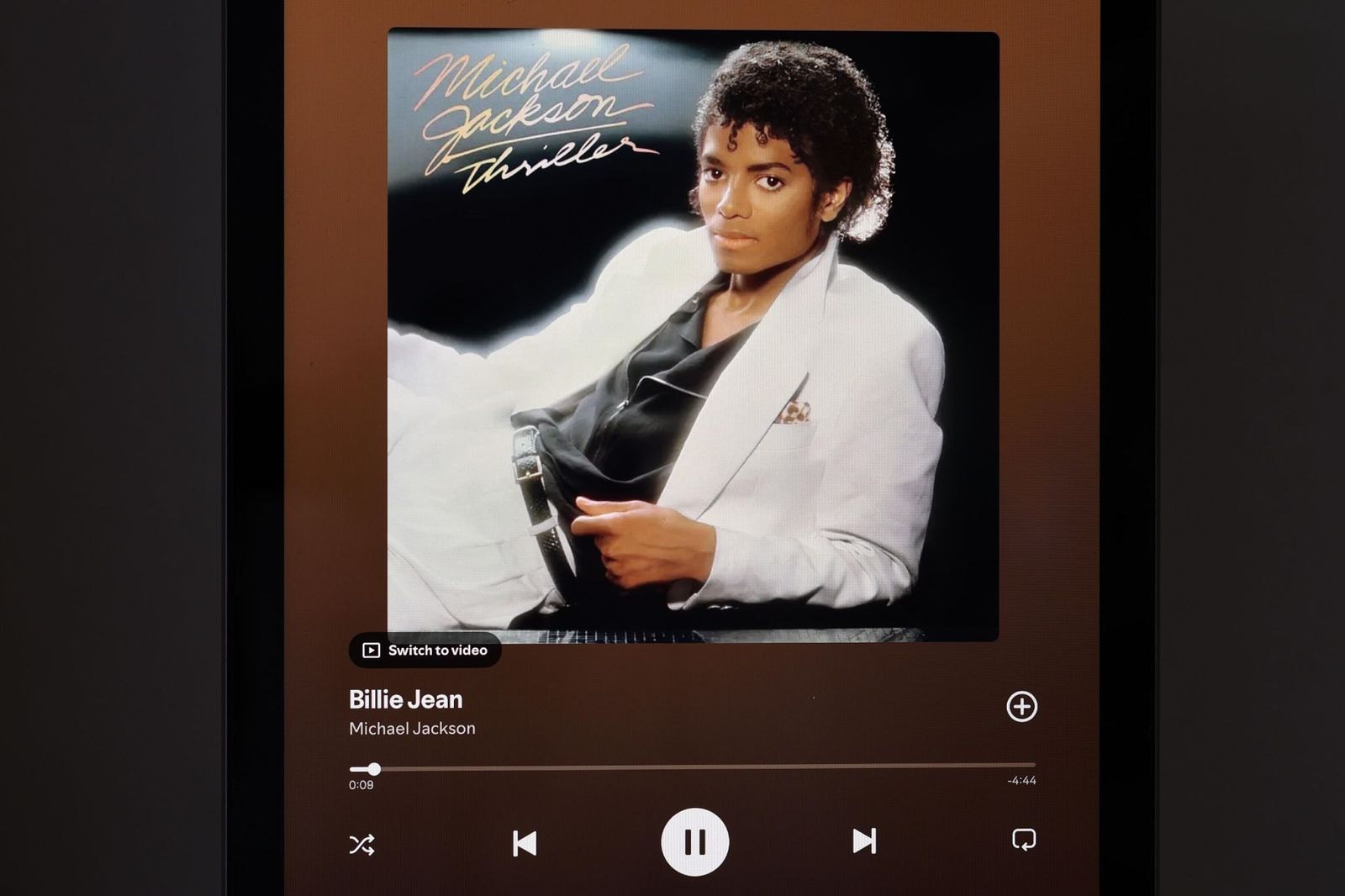
Billie Jean — Michael Jackson — "Billie Jean"

Image: McSleepy

Billie Jean may be one of pop music's most famous women, yet Michael Jackson insisted she wasn't a real person. Instead, she represented several women who falsely claimed that he had fathered their children during the height of the Jackson 5's fame.

Released in 1983 as part of Thriller, the song became a global phenomenon. It also provided the stage for Jackson's legendary moonwalk during Motown 25.

7

Stagger Lee — Lloyd Price — "Stagger Lee"

Image: L Paul Mann

Unlike many legendary song characters, Stagger Lee actually existed. His real name was Lee Shelton, a St. Louis criminal who murdered Billy Lyons during an argument over a hat on Christmas Eve in 1895.

The shocking crime quickly entered American folklore through countless folk songs before Lloyd Price transformed it into a chart-topping hit in 1958. More than a century later, Stagger Lee remains one of the most enduring antiheroes in American music.

8

Tom Dooley — The Kingston Trio — "Tom Dooley"

Image: BOOCYS

Tom Dooley was inspired by Thomas Dula, a Confederate veteran executed in North Carolina in 1868 after being convicted of murdering Laura Foster. His surname was locally pronounced "Dooley," giving the ballad its familiar title.

The Kingston Trio revived the old Appalachian folk song in 1958, turning it into an international hit and helping launch America's folk music revival.

9

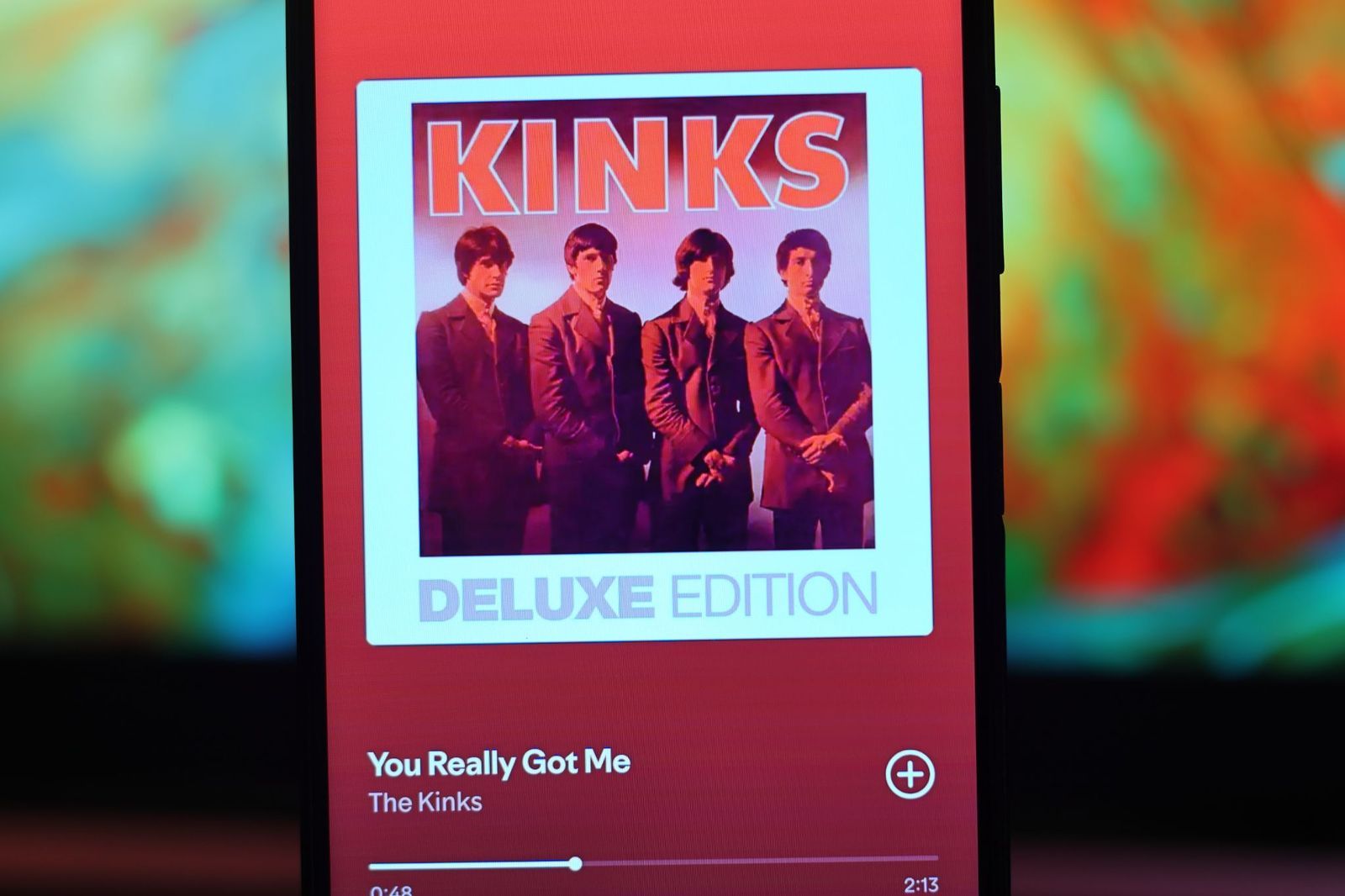
Lola — The Kinks — "Lola"

Image: McSleepy

When the narrator of "Lola" meets an intriguing stranger in a Soho nightclub, expectations quickly give way to surprise. Ray Davies crafted one of rock's earliest mainstream stories exploring gender ambiguity, decades before the topic entered popular conversation.

The recording rarely reached British radio. Because BBC rules prohibited commercial product names, Davies had to interrupt a U.S. tour and fly back to London simply to replace the lyric "Coca-Cola" with the now-famous "cherry cola."

10

Piano Man — Billy Joel — "Piano Man"

Image: Debby Wong

Unlike most famous song characters, the Piano Man is really Billy Joel himself. Before becoming a superstar, Joel spent six months in 1972 and 1973 performing under the pseudonym Bill Martin at the Executive Room, a piano bar in Los Angeles, after becoming trapped in a bad recording contract. The song transforms those experiences into a bittersweet portrait of ordinary people searching for escape at the end of another week.

Joel has said that virtually every character in the song was based on a real person, from bartender John to "Paul, the real estate novelist" and Davy, who really was in the Navy. Yet the Piano Man himself became the story's most enduring character: a quiet observer who offers music as a brief refuge for dreamers, lonely souls, and regulars alike. More than fifty years after its 1973 release, "Piano Man" remains Billy Joel's signature song, and its title has effectively become his lifelong nickname.

11

Amos Moses — Jerry Reed — "Amos Moses"

Image: AS project

Standing nearly seven feet tall and missing an arm, Amos Moses roams the Louisiana swamps hunting alligators. Jerry Reed filled the song with colorful Southern expressions and exaggerated storytelling that make Amos feel like an authentic folk legend.

Although fictional, Amos embodies the larger-than-life heroes found throughout American tall tales. His adventures turned the song into one of Reed's biggest crossover hits and secured Amos a permanent place among country music's greatest characters.

12

Big Bad John — Jimmy Dean — "Big Bad John"

Image: mirigifford

Big Bad John hardly says a word, but he doesn't have to. The towering coal miner earns everyone's respect through quiet strength before sacrificing his own life to save fellow workers when a mine collapses.

Jimmy Dean's 1961 ballad became a smash hit, winning a Grammy and inspiring several sequel songs. More than sixty years later, Big Bad John still stands as one of country music's defining working-class heroes.

Looking for an extra scoop of literary fun?

Learn more with our Word of the day

convict

/kənˈvɪkt/