Do you have a favorite?

Lyrics that represent us all: 12 song lines we can all relate to


Published on January 2, 2026


Image: Jonas Leupe

Song lyrics can be as bad or as good as talent, inspiration, and craft allow. From a superficial line to a profound and touching idea, and everything in between. Take a look at the following 12 lines taken from songs you know and songs you don’t know. Which one is your favorite?

1

LCD Soundsystem - "Losing My Edge"

Image: Efe Yağız Soysal

"I’m losing my edge. To all the kids in Tokyo and Berlin. I’m losing my edge to the art-school Brooklynites in little jackets and borrowed nostalgia for the unremembered eighties."

This song reflects on aging and coming to terms with who you’re becoming. It captures that uneasy shift from feeling current to feeling left behind. Years before "hipster" was a trend, James Murphy, in his 30s, sang about younger, cooler kids with beards and trucker hats catching up to him.

2

Nick Cave - "Into My Arms"

Image: Dolo Iglesias

"I don’t believe in an interventionist God. But I know, darling, that you do. But if I did, I would kneel down and ask Him. Not to intervene when it came to you."

Nick Cave, known for his dark intensity, had shown emotion before, but here he stood fully exposed, expressing deep affection without his usual armor.

3

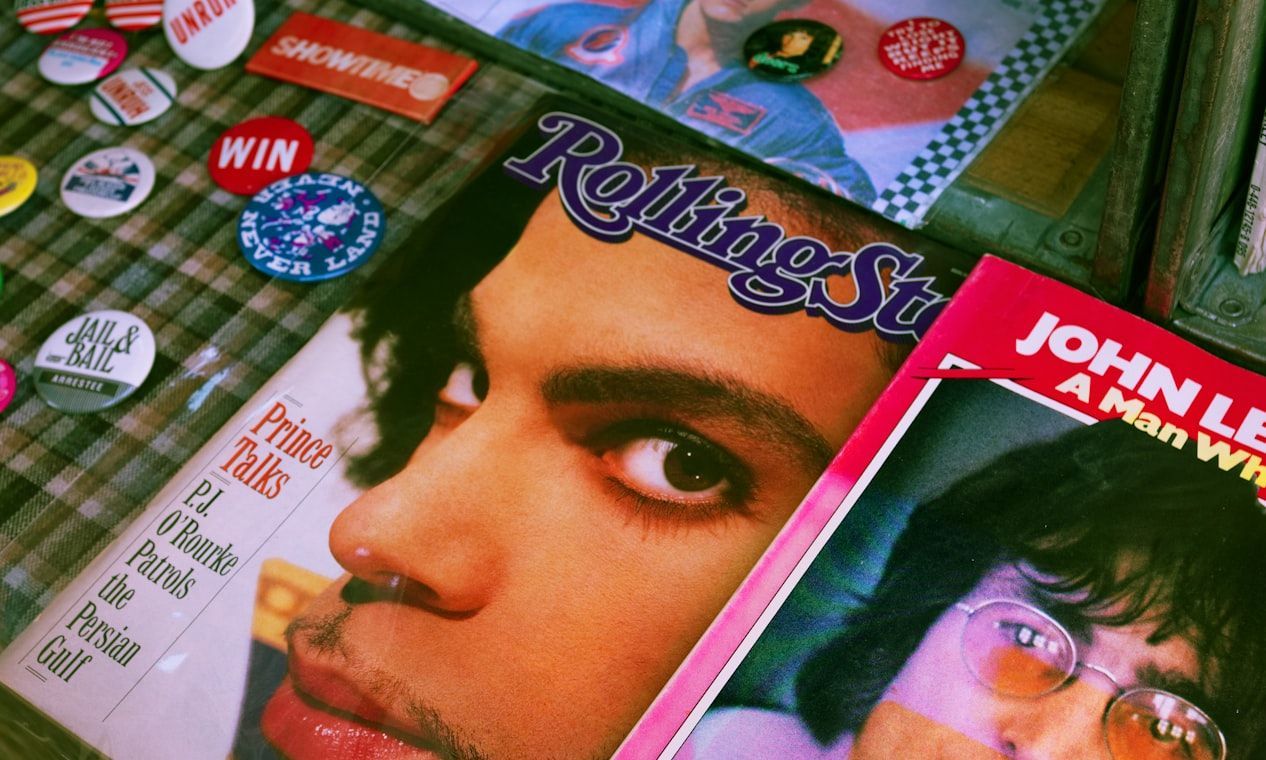
Prince - "Sign O’ The Times"

Image: Doyoun Seo

"A skinny man died of a big disease with a little name. By chance, his girlfriend came across a needle and soon she did the same."

Prince’s lyrics often reflected his sensual, otherworldly persona, seemingly detached from real-world struggles. That changed with this track, which tackled gang violence, AIDS, political unrest, and natural disasters.

4

Eagles - "Hotel California"

Image: Bob Osias

"There she stood in the doorway, I heard the mission bell. And I was thinking to myself. This could be Heaven or this could be Hell."

"Hotel California" is the biggest hit from the Eagles, soft rock giants of the '70s. By decade’s end, they were weary of fame and each other. The fictional hotel symbolizes the trap of rock stardom—enticing but inescapable. Its surreal lyrics were inspired by an eerie, late-night drive through deserted Los Angeles streets.

5

Jim Croce - "Time in a Bottle"

Image: Jan Kopřiva

"If I had a box just for wishes and dreams that had never come true, the box would be empty, except for the memory of how they were answered by you."

Jim Croce was a master craftsman of words, and this line is a superb example. The first line hints at a sad story, only to be proven wrong by the second one, filled with love and optimism.

6

Louis Armstrong - "What a Wonderful World"

Image: Miguel Alcântara

"I see friends shaking hands, saying, 'How do you do.' They're really saying, 'I love you.'"

This song, made famous by Louis Armstrong, was penned by Bob Thiele (as "George Douglas") and George David Weiss. It expresses a cheerful vision of life, and it has been used as a gentle mood uplifter since.

7

Bette Midler - "Wind Beneath My Wings"

Image: Alexander Wark Feeney

"Did you ever know that you're my hero? You're everything I wish I could be. I could fly higher than an eagle, for you are the wind beneath my wings."

We have seen a couple of love declarations in the list so far, and Bette Midler knows how to deliver one, being the queen of musicals and romantic movies that she is.

8

The Rolling Stones - "You Can't Always Get What You Want"
Image: Vale Arellano

"You can't always get what you want. But, if you try sometime, you find you get what you need."

A song with a philosophical message that often makes an appearance in movies where a character ends up in a situation that was not the ideal one, but it is a good one, still.

9

The Beatles - "In My Life"

Image: Markus Spiske

"There are places I'll remember all my life, though some have changed. Some forever, not for better. Some have gone, and some remain. All these places had their moments with lovers and friends, I still can recall. Some are dead, and some are living. In my life, I've loved them all."

An ode to aging, written by young men who didn’t know at the time that they were writing a piece of history.

10

Tom Waits - "Take It With Me"

Image: Michael Hystead

"It's got to be more than flesh and bone. All that you've loved is all that you own."

"Take It With Me" may be the greatest song by one of the greatest songwriters. In just five minutes, it describes the entire spectrum of human experience.

Equally fitting for weddings or funerals, its message resonates deeply. At its core is a line credited to Waits’ wife, Kathleen Brennan—a simple truth that gives the song its soul.

11

John Lennon - "Beautiful Boy (Darling Boy)"
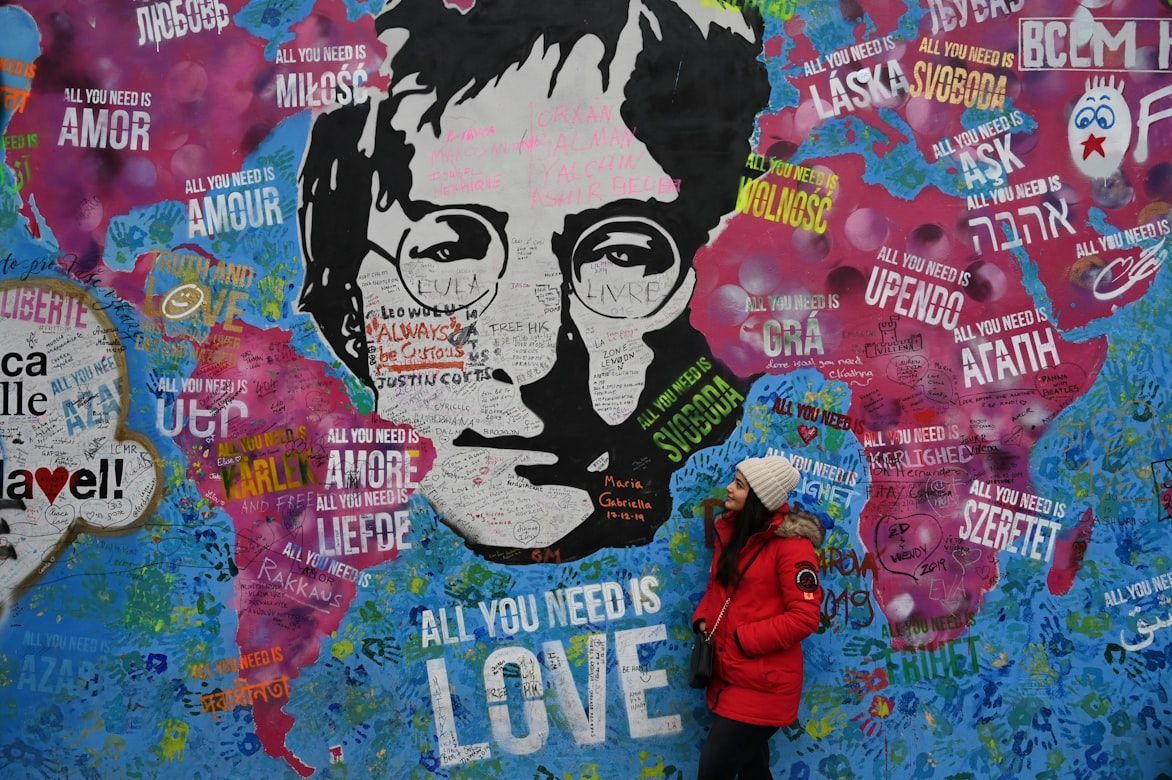
Image: BERTRAND MORITZ

"Life is what happens to you while you're busy making other plans"

The second Lennon entry on the list also captures life’s truths with disarming simplicity. He wrote what everyone feels, but few could express so clearly.

12

Jackson Browne - "That Girl Could Sing"

Image: Jefferson Santos

"She coulda turned out to be almost anyone, almost anyone. With the possible exception of who I wanted her to be"

Jackson Browne, a leading voice of the ’70s singer-songwriter era, crafted this line that strikes a unique emotional chord. In it, he transformed a personal story into a shared sense of longing and emptiness that we've all experienced.

Some names stick around

From Table Tap Joe to Ziggy Stardust: Who are the best song characters?


Published on January 2, 2026


Image: Christina Radevich

Sometimes, a character is the perfect alter-ego to write a song about oneself without self-referencing so much. Other times, a character is just a character. Over the years, musicians have come up with lonely dreamers, fearless heroes, mysterious strangers, and even supernatural villains who have become just as famous as the songs themselves. Some were inspired by real people, others sprang entirely from imagination, but all of them left a lasting mark on music history. Which of these 12 do you remember?

1

Table Top Joe — Tom Waits — "Table Top Joe"

Image: lev radin

Tom Waits has always had a soft spot for society's oddballs, and few are even stranger than Table Top Joe. Introduced on the 2002 album Alice, Joe is born with only a head and hands, yet grows into a brilliant piano player whose extraordinary talent earns him fame despite the odds stacked against him.

The song unfolds like a forgotten American folk tale, complete with references to Coney Island's legendary Dreamland amusement park and composer Igor Stravinsky. Although many listeners assume the story is based on an old carnival legend, Table Top Joe is entirely Tom Waits' own creation.

2

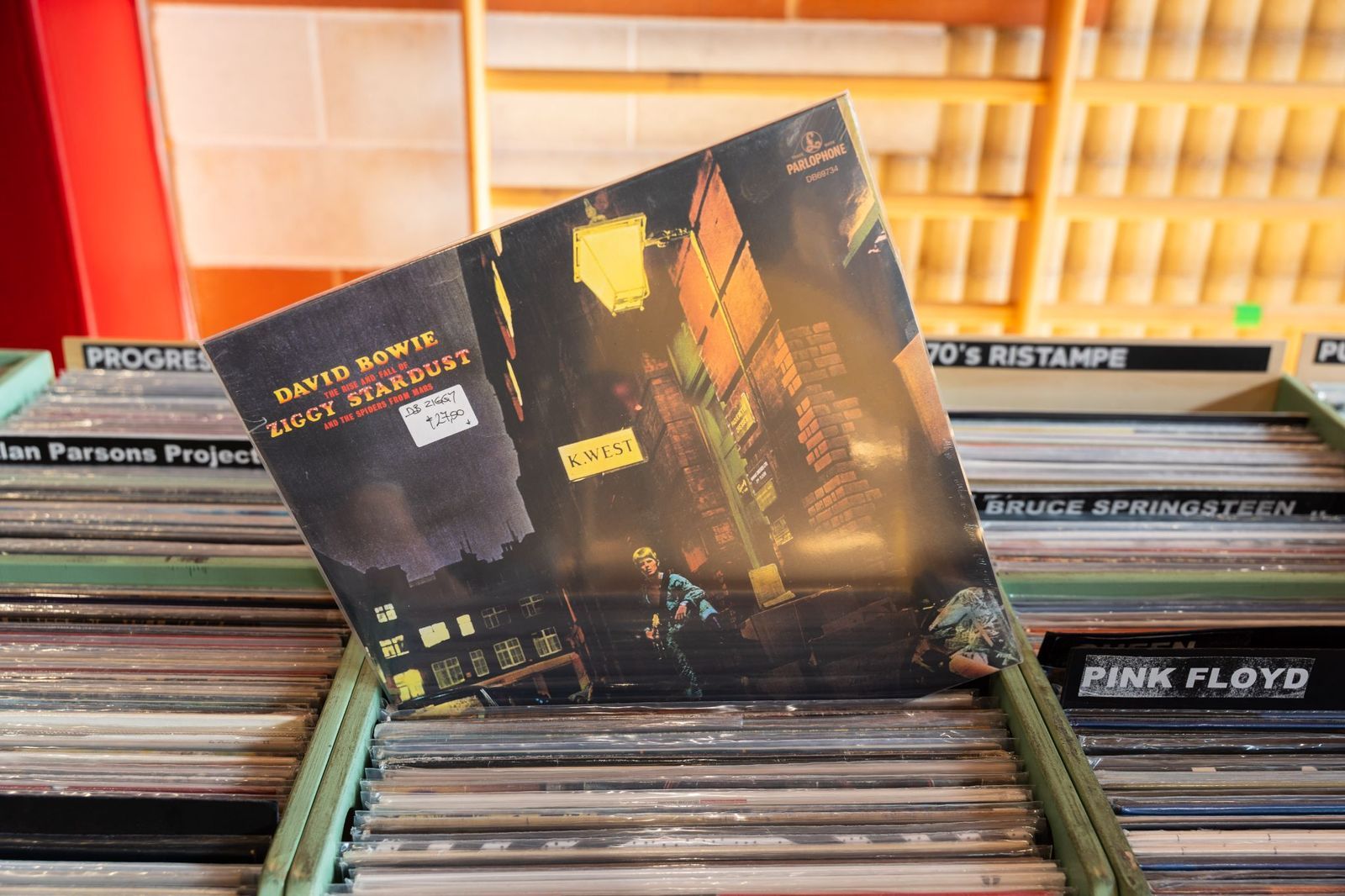
Ziggy Stardust — David Bowie — "Ziggy Stardust"

Image: PHLD Luca

Few fictional musicians have ever become as famous as Ziggy Stardust. Introduced in 1972, Ziggy is an alien rock star sent to Earth shortly before humanity's end, only to be consumed by the very fame that makes him a savior to millions.

David Bowie blurred the line between fiction and reality by performing as Ziggy onstage for more than a year. When he unexpectedly announced Ziggy's retirement during a concert at London's Hammersmith Odeon in 1973, many fans believed the character, and perhaps Bowie himself, had truly reached the end of the story.

3

Tommy — The Who — "Tommy"

Image: defotoberg

Tommy Walker isn't just the hero of a song, he's the central figure of one of rock music's first great operas. After witnessing a traumatic event as a child, Tommy becomes deaf, mute, and blind, yet somehow develops astonishing pinball skills that transform him into an unlikely celebrity.

Pete Townshend built an entire musical world around Tommy, exploring themes of trauma, faith, and redemption. First released in 1969, Tommy later became a hit film, a Broadway production, and one of the most influential concept albums ever recorded.

4

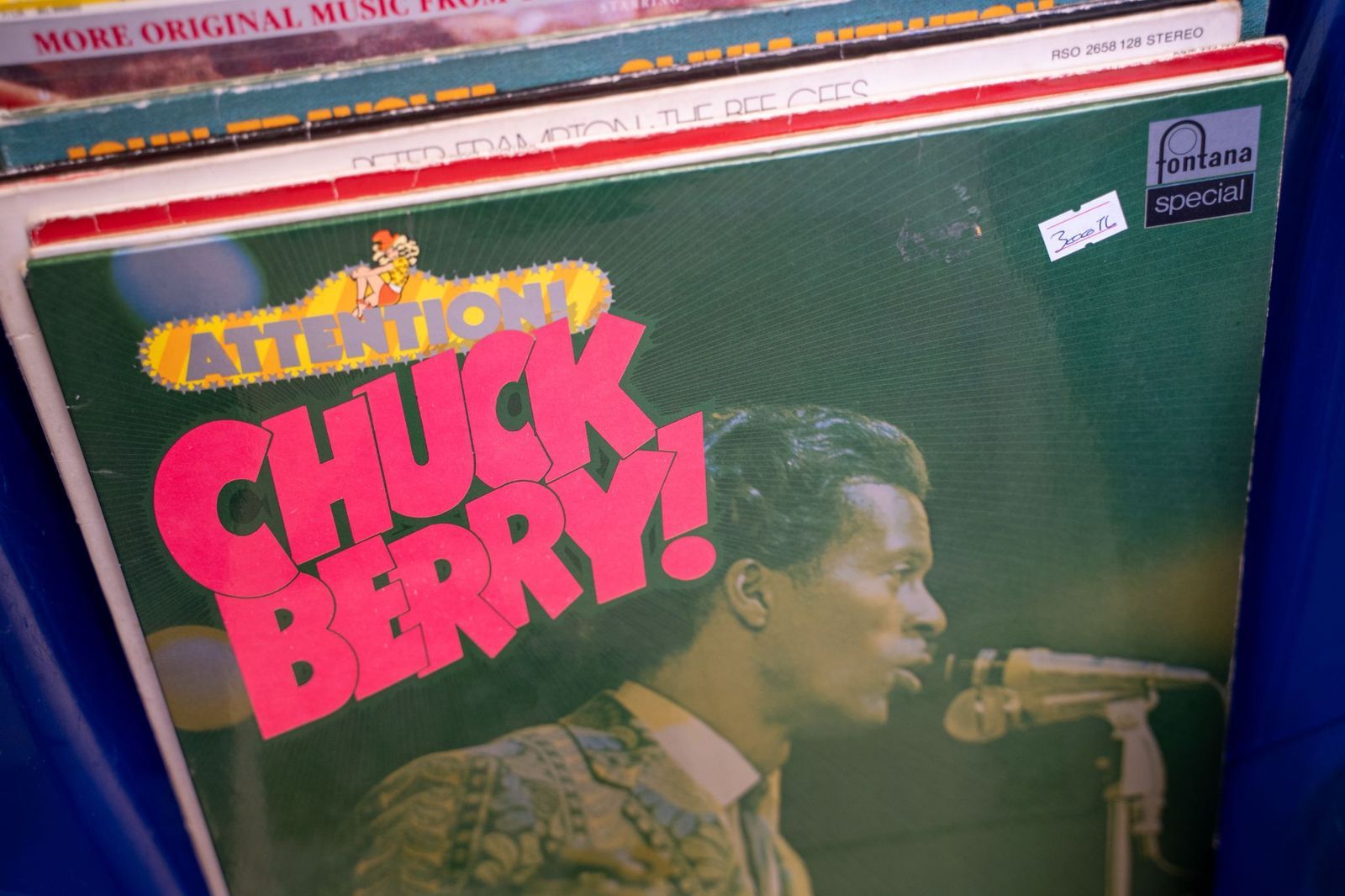
Johnny B. Goode — Chuck Berry — "Johnny B. Goode"

Image: Erman Gunes

Johnny B. Goode is every aspiring musician's dream. Growing up in rural Louisiana with little more than a guitar and natural talent, he plays so brilliantly that listeners predict "his name will be in lights."

Chuck Berry based the character partly on himself and partly on pianist Johnnie Johnson. Originally described as a "colored boy," Johnny became a "country boy" in the final lyrics, making the song more likely to receive airplay during the segregation era. Nearly two decades later, Johnny's anthem would even travel into space aboard NASA's Voyager Golden Record.

5

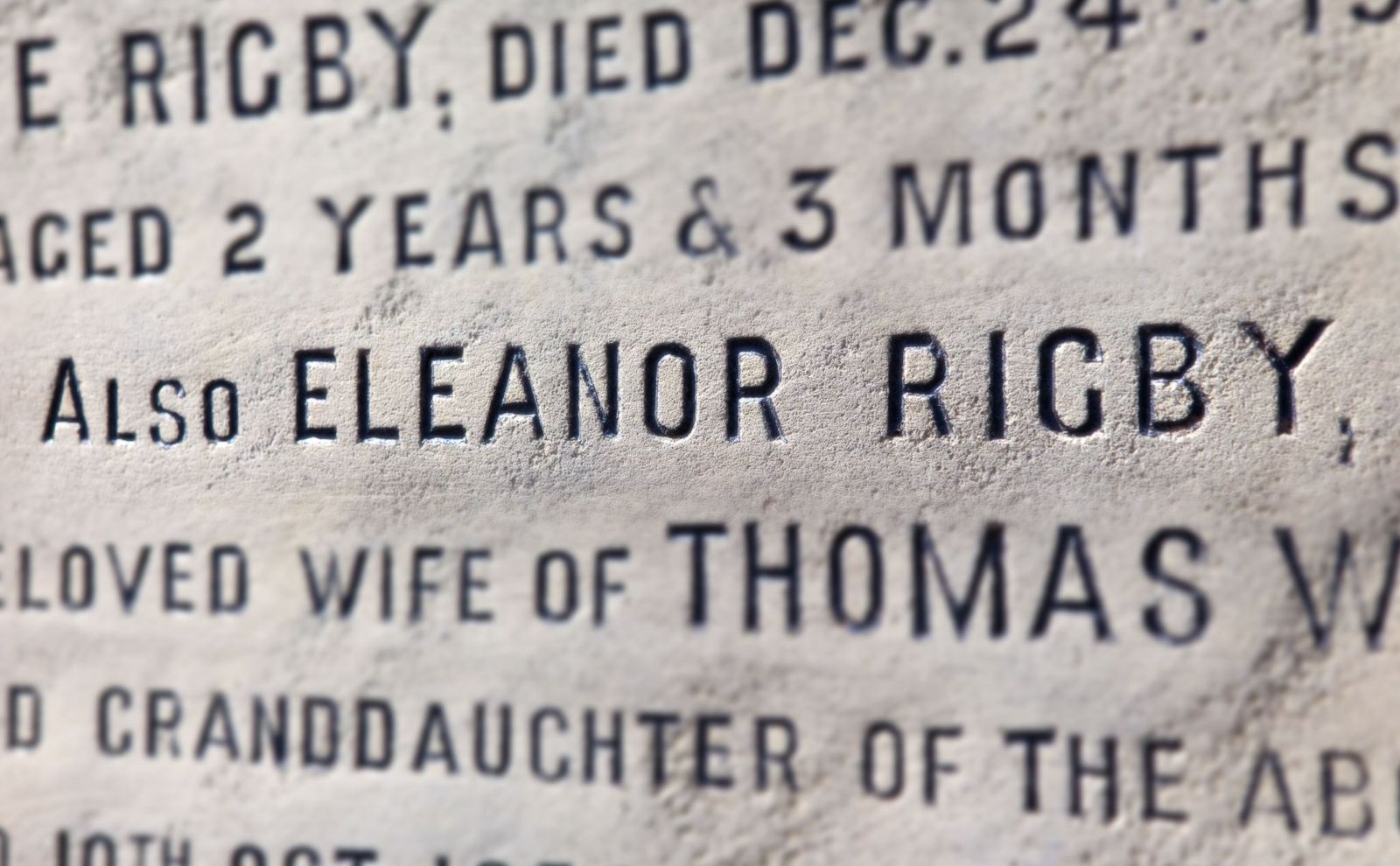
Eleanor Rigby — The Beatles — "Eleanor Rigby"

Image: chrisdorney

Few fictional characters have captured loneliness as powerfully as Eleanor Rigby. She quietly moves through life unnoticed, while Father McKenzie delivers sermons that no one hears, creating one of popular music's saddest portraits of isolation.

Paul McCartney later explained that Eleanor's name came from actress Eleanor Bron and the Liverpool shop Rigby & Evens. The discovery of an actual Eleanor Rigby gravestone in Liverpool only deepened the song's mystique, though McCartney maintained the coincidence was unintentional.

6

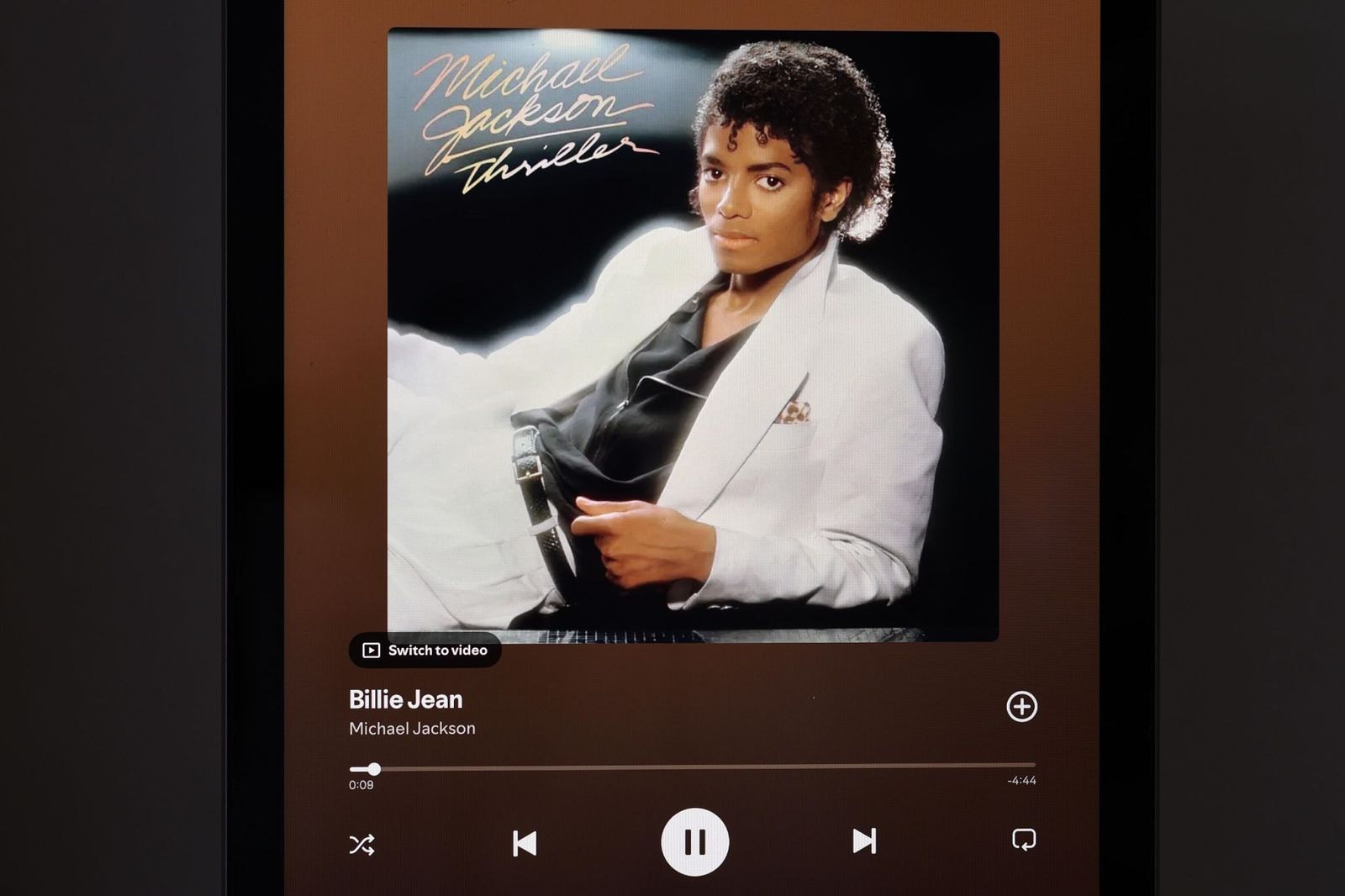
Billie Jean — Michael Jackson — "Billie Jean"

Image: McSleepy

Billie Jean may be one of pop music's most famous women, yet Michael Jackson insisted she wasn't a real person. Instead, she represented several women who falsely claimed that he had fathered their children during the height of the Jackson 5's fame.

Released in 1983 as part of Thriller, the song became a global phenomenon. It also provided the stage for Jackson's legendary moonwalk during Motown 25.

7

Stagger Lee — Lloyd Price — "Stagger Lee"

Image: L Paul Mann

Unlike many legendary song characters, Stagger Lee actually existed. His real name was Lee Shelton, a St. Louis criminal who murdered Billy Lyons during an argument over a hat on Christmas Eve in 1895.

The shocking crime quickly entered American folklore through countless folk songs before Lloyd Price transformed it into a chart-topping hit in 1958. More than a century later, Stagger Lee remains one of the most enduring antiheroes in American music.

8

Tom Dooley — The Kingston Trio — "Tom Dooley"

Image: BOOCYS

Tom Dooley was inspired by Thomas Dula, a Confederate veteran executed in North Carolina in 1868 after being convicted of murdering Laura Foster. His surname was locally pronounced "Dooley," giving the ballad its familiar title.

The Kingston Trio revived the old Appalachian folk song in 1958, turning it into an international hit and helping launch America's folk music revival.

9

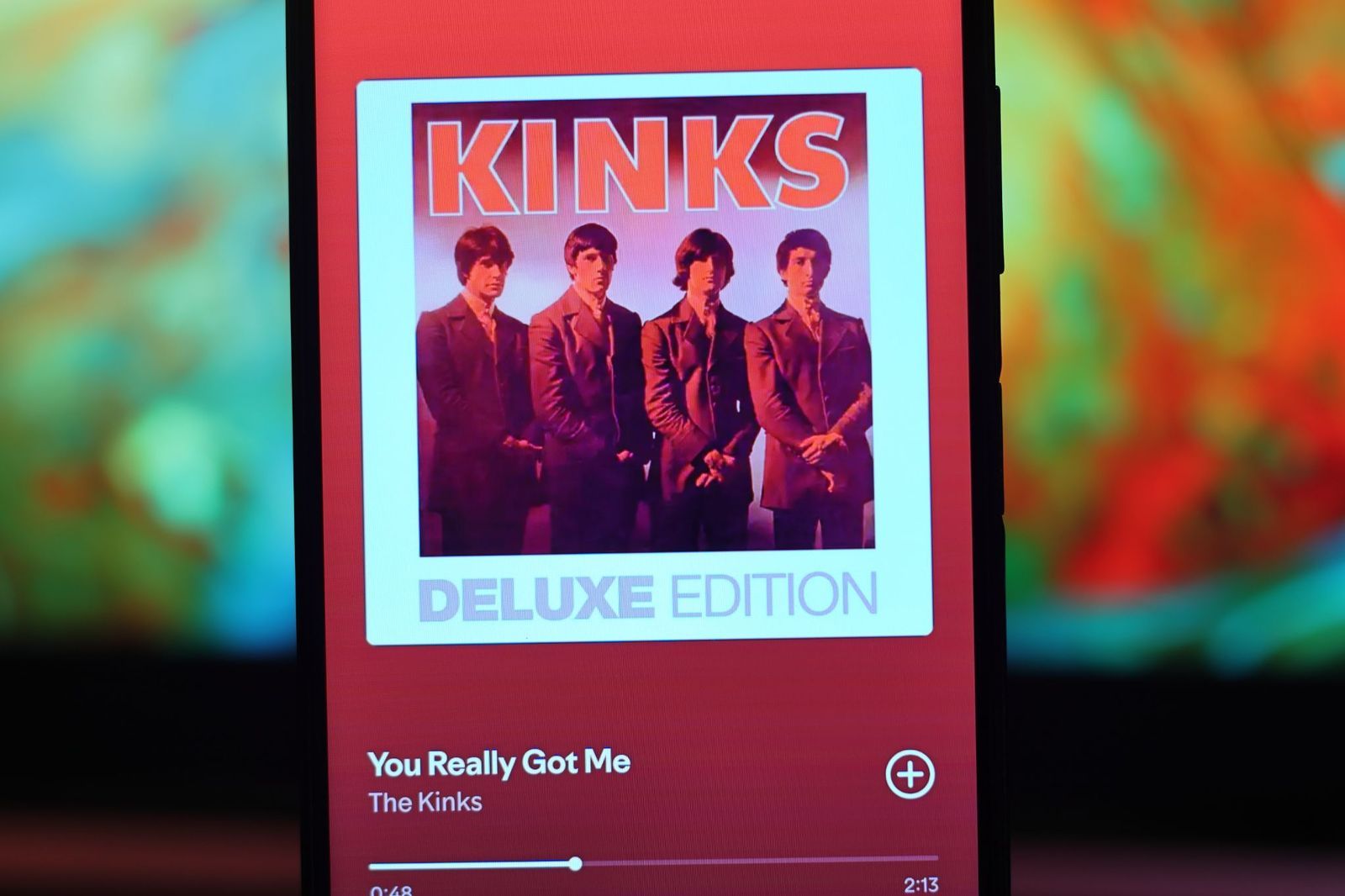
Lola — The Kinks — "Lola"

Image: McSleepy

When the narrator of "Lola" meets an intriguing stranger in a Soho nightclub, expectations quickly give way to surprise. Ray Davies crafted one of rock's earliest mainstream stories exploring gender ambiguity, decades before the topic entered popular conversation.

The recording rarely reached British radio. Because BBC rules prohibited commercial product names, Davies had to interrupt a U.S. tour and fly back to London simply to replace the lyric "Coca-Cola" with the now-famous "cherry cola."

10

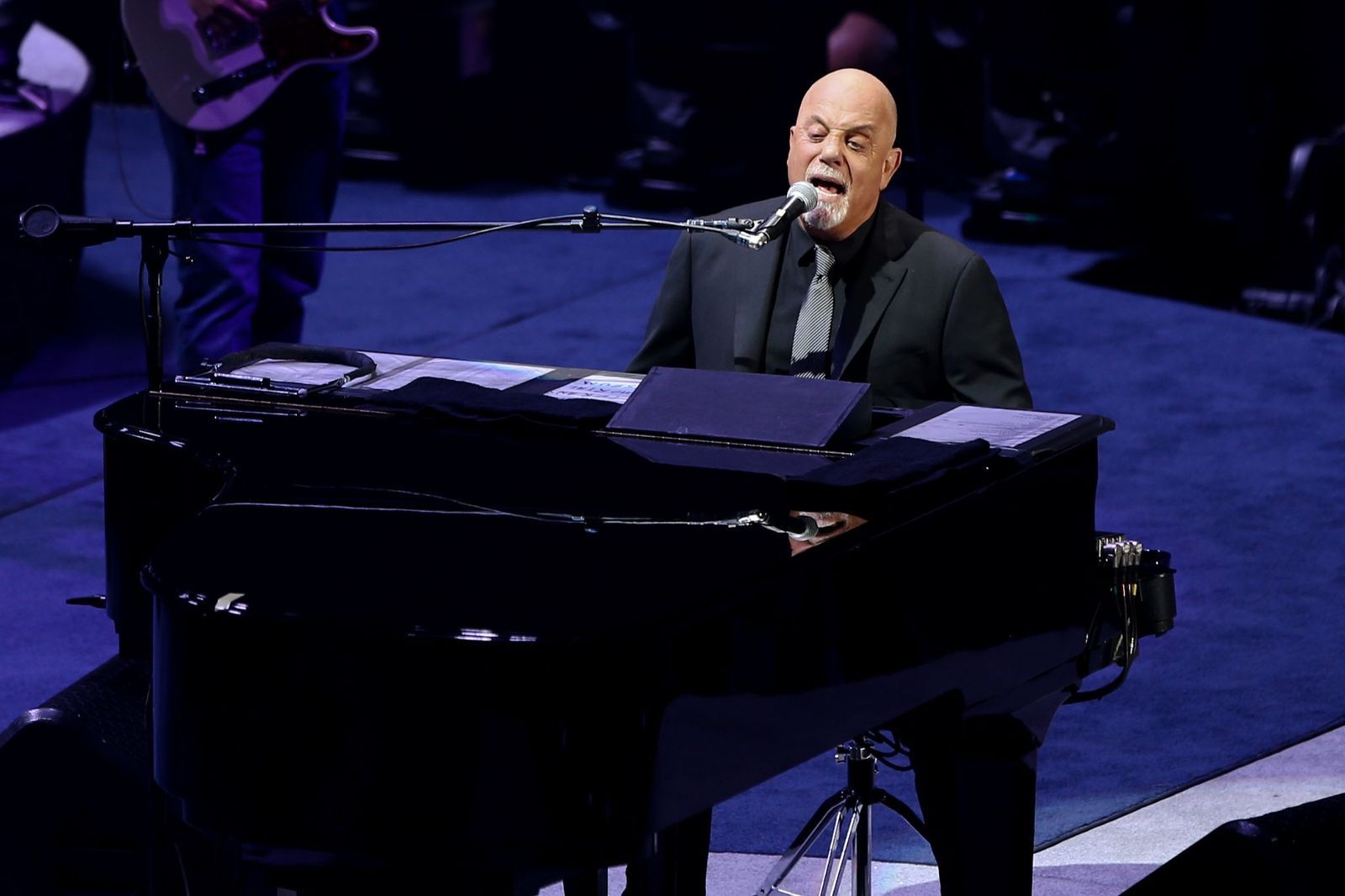
Piano Man — Billy Joel — "Piano Man"

Image: Debby Wong

Unlike most famous song characters, the Piano Man is really Billy Joel himself. Before becoming a superstar, Joel spent six months in 1972 and 1973 performing under the pseudonym Bill Martin at the Executive Room, a piano bar in Los Angeles, after becoming trapped in a bad recording contract. The song transforms those experiences into a bittersweet portrait of ordinary people searching for escape at the end of another week.

Joel has said that virtually every character in the song was based on a real person, from bartender John to "Paul, the real estate novelist" and Davy, who really was in the Navy. Yet the Piano Man himself became the story's most enduring character: a quiet observer who offers music as a brief refuge for dreamers, lonely souls, and regulars alike. More than fifty years after its 1973 release, "Piano Man" remains Billy Joel's signature song, and its title has effectively become his lifelong nickname.

11

Amos Moses — Jerry Reed — "Amos Moses"

Image: AS project

Standing nearly seven feet tall and missing an arm, Amos Moses roams the Louisiana swamps hunting alligators. Jerry Reed filled the song with colorful Southern expressions and exaggerated storytelling that make Amos feel like an authentic folk legend.

Although fictional, Amos embodies the larger-than-life heroes found throughout American tall tales. His adventures turned the song into one of Reed's biggest crossover hits and secured Amos a permanent place among country music's greatest characters.

12

Big Bad John — Jimmy Dean — "Big Bad John"

Image: mirigifford

Big Bad John hardly says a word, but he doesn't have to. The towering coal miner earns everyone's respect through quiet strength before sacrificing his own life to save fellow workers when a mine collapses.

Jimmy Dean's 1961 ballad became a smash hit, winning a Grammy and inspiring several sequel songs. More than sixty years later, Big Bad John still stands as one of country music's defining working-class heroes.

Looking for an extra scoop of literary fun?

Learn more with our Word of the day

discombobulate

/ˌdɪskəmˈbɑbjəˌleɪt/