How a melted candy bar changed the way we cook


Published on August 21, 2026
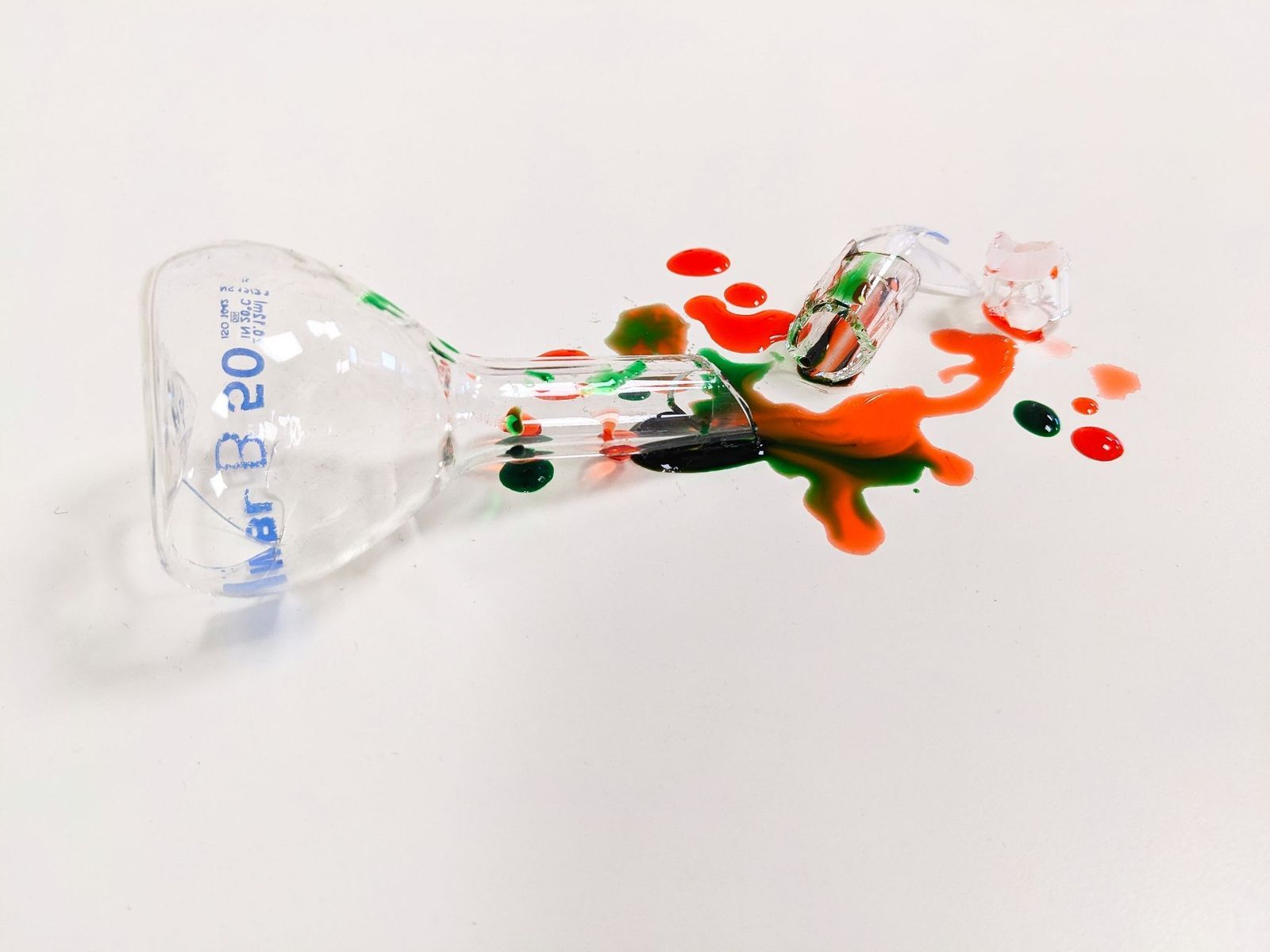

Image: Genzor

What if I told you some of the most recognizable, everyday things we use, like the microwave oven or Post-it notes, and other revolutionary inventions like penicillin or Velcro, came about by accident? That’s right; they weren’t necessarily the result of careful planning, but the byproduct of other experiments that unintentionally led to their findings. Keep reading to learn about 10 fascinating discoveries that occurred by accident.

1

Penicillin

Image: luchschenF

Penicillin became the first widely used antibiotic and went on to save millions of people from deadly bacterial infections. But this wasn’t what its creator, Scottish bacteriologist Alexander Fleming, was trying to do in the first place.

In 1928, he went to his laboratory and noticed that in one of his bacterial culture dishes, a mold had grown accidentally and killed the surrounding bacteria. This small accident sent him down a path to figure out what happened and eventually led him to discover what we know as penicillin.

2

Microwave oven

Image: New Africa

One day, a scientist was working with a magnetron as always when he suddenly realized that the candy bar in his pocket had melted. Surprised by this, he brought popcorn kernels close to the magnetron and watched them pop; finally, he tried an egg, which heated up and burst.

The scientist was Percy Spencer, and he had just laid the foundations for creating the first commercial microwave oven, called the Radarange, which was introduced in 1947, opening the door to a whole new way of cooking.

3

Post-it notes

Image: Siarhei Kuranets

How did a fake glue become a billion-dollar idea? Scientist Spencer Silver was trying to create a powerful glue in 1968, but instead, he ended up with an adhesive that was strong enough to stick to surfaces but incredibly easy to peel off without leaving much residue.

Instead of regarding this as a failure, he thought it might have some practical use, though his idea was dismissed multiple times by others. Finally, in 1974, another scientist called Art Fry realized Silver’s glue could hold a bookmark in place, which, after years of experimenting, led to the invention of a single piece of paper that could stick and be removed without damaging the surface: the Post-it notes.

4

Potato chips

Image: PV productions

An upset chef in Saratoga Springs, New York, in 1853, after a fussy customer complained his potatoes were too thick, served him extremely thin potatoes fried in oil as a joke. Turns out, the customer loved it, and the dish became known as "Saratoga chips."

It’s fair to mention that this popular snack wasn’t 100% invented there, as there are records of a similar recipe in an 1817 English cookbook, though the Saratoga chef certainly helped popularize it.

5

Velcro

Image: Andrei Dubadzel

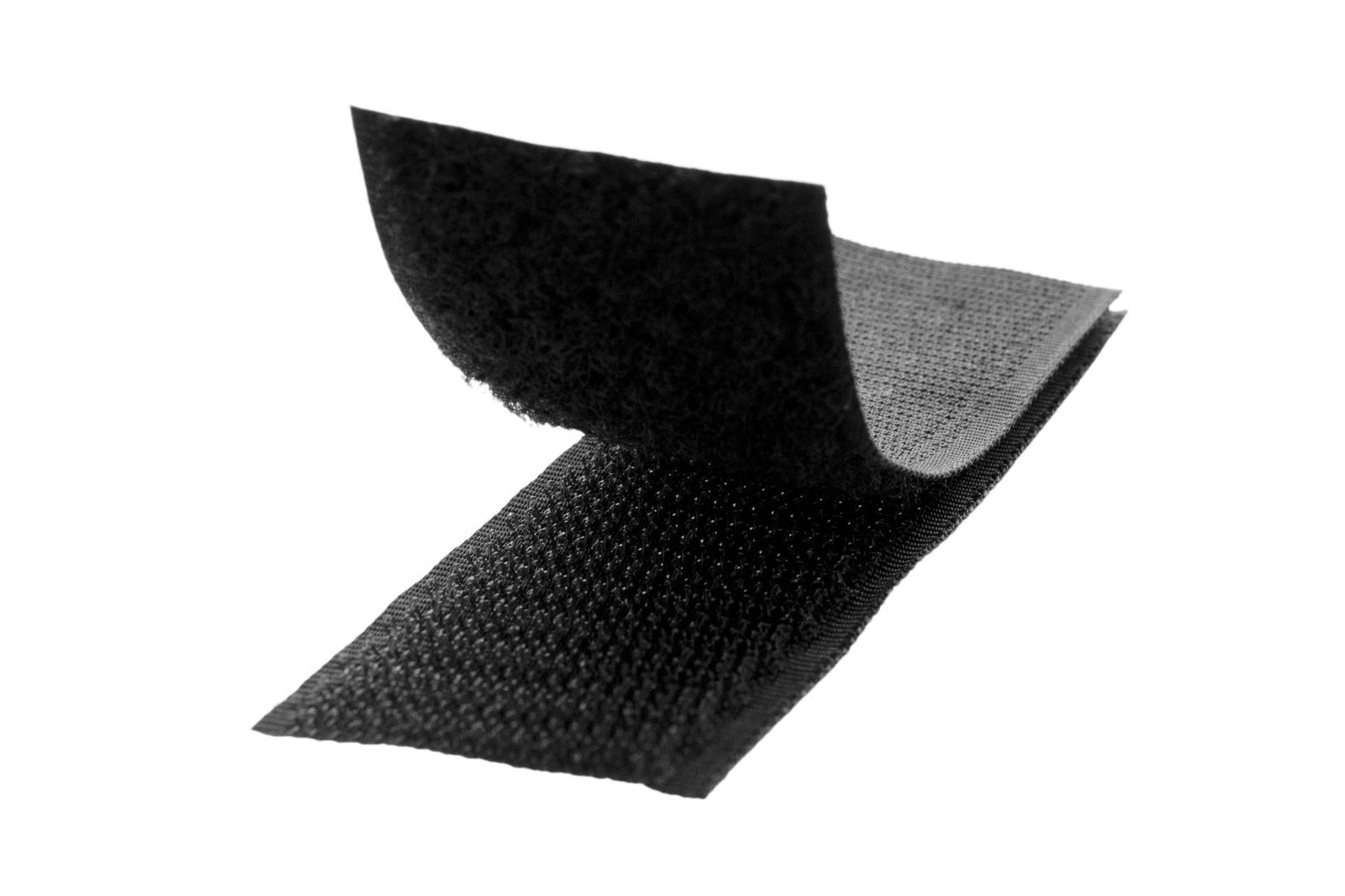
While Velcro was indeed created and patented by the Swiss engineer George de Mestral in 1955, the reality is that nature had invented it first. What triggered Mestral's "eureka" moment was seeing some burrs stuck to his clothing and his dog’s fur when returning from a hunting trip.

He was curious about how the burr could stick so firmly, and after studying it with a microscope, he saw that the burr had some tiny hooks that attached to the fabric and the animal fur, so he decided to replicate the same principle to create Velcro.

6

Teflon

Image: Stella Photography

In 1938, a chemist and DuPont worker called Roy Plunkett was working with tetrafluoroethylene gas, trying to come up with new refrigerants, though he ended up creating a completely new material. At some point while doing his experiments, he noticed the gas had turned into a waxy solid "thing" that was extremely resistant to heat and chemicals and was highly nonstick.

The material was first used in industrial and military applications and later became associated with the brand name Teflon, mainly used as a coating for cookware.

7

Super Glue

Image: MAFPHOTOART8

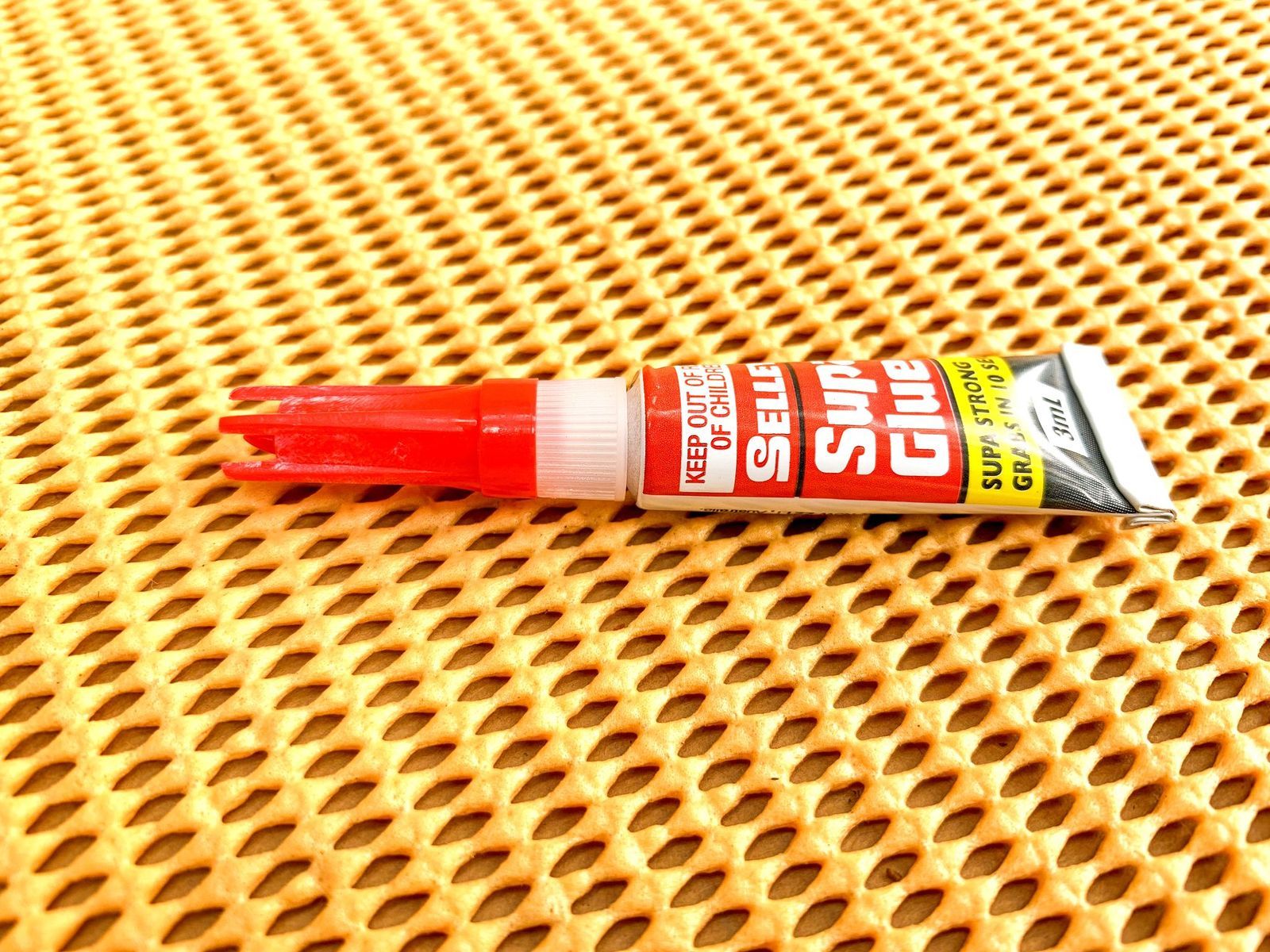
Scientists first rejected Super Glue because it was too sticky — ironic, isn’t it? The story makes more sense when you learn that the initial goal of Harry Coover Jr. and his team in 1942 was to find a material to make clear plastic gun sights during World War II.

The material they were experimenting with was too sticky and difficult to work with, so the team moved away from it, though Coover Jr. realized he had discovered a substance that could easily bond two surfaces together without the need to use heat or pressure. Later, this product went on to become what we all know now as Super Glue.

8

Popsicles

Image: barbajones

Kids love popsicles, but did you know it was also a kid who invented them? In 1905, Frank Epperson, an 11-year-old boy from San Francisco, forgot his soda with a wooden stirring stick outside overnight on his porch. The next morning, the thing was frozen, and he noticed he could hold it by the stick and eat it like a frozen treat.

At first he made them for his family and friends, but later he started selling his invention. The popsicle became a sensation, particularly during the Great Depression, as it was an affordable treat for the family.

9

Slinky

Image: VanoVasaio

Imagine being a serious naval engineer working on a serious engineering problem and accidentally creating one of the most fun and iconic toys ever. That’s exactly what happened to Richard James, who in 1943 was trying to make springs to help stabilize sensitive equipment aboard ships when one of them accidentally fell and "walked" away.

James saw the opportunity to make a toy out of that and showed it to his wife, who named it "Slinky." The naval engineer sold the toy to Gimbels department store in Philadelphia in 1945, and Slinky was an immediate success.

10

Laminated safety glass

Image: Art_Pictures

The whole point of laminated safety glass is that its pieces won’t fly apart when it breaks. The discovery was made by chemist Édouard Bénédictus in the 1900s, when one of his laboratory flasks fell and did not completely shatter because it had a thick coating of a type of plastic that helped hold the pieces together.

This accident made him realize that putting a flexible material between layers of glass prevents broken glass from flying apart. His discovery is still used today in vehicles and buildings.

Some names stick around

From Table Tap Joe to Ziggy Stardust: Who are the best song characters?


Published on August 21, 2026


Image: Christina Radevich

Sometimes, a character is the perfect alter-ego to write a song about oneself without self-referencing so much. Other times, a character is just a character. Over the years, musicians have come up with lonely dreamers, fearless heroes, mysterious strangers, and even supernatural villains who have become just as famous as the songs themselves. Some were inspired by real people, others sprang entirely from imagination, but all of them left a lasting mark on music history. Which of these 12 do you remember?

1

Table Top Joe — Tom Waits — "Table Top Joe"

Image: lev radin

Tom Waits has always had a soft spot for society's oddballs, and few are even stranger than Table Top Joe. Introduced on the 2002 album Alice, Joe is born with only a head and hands, yet grows into a brilliant piano player whose extraordinary talent earns him fame despite the odds stacked against him.

The song unfolds like a forgotten American folk tale, complete with references to Coney Island's legendary Dreamland amusement park and composer Igor Stravinsky. Although many listeners assume the story is based on an old carnival legend, Table Top Joe is entirely Tom Waits' own creation.

2

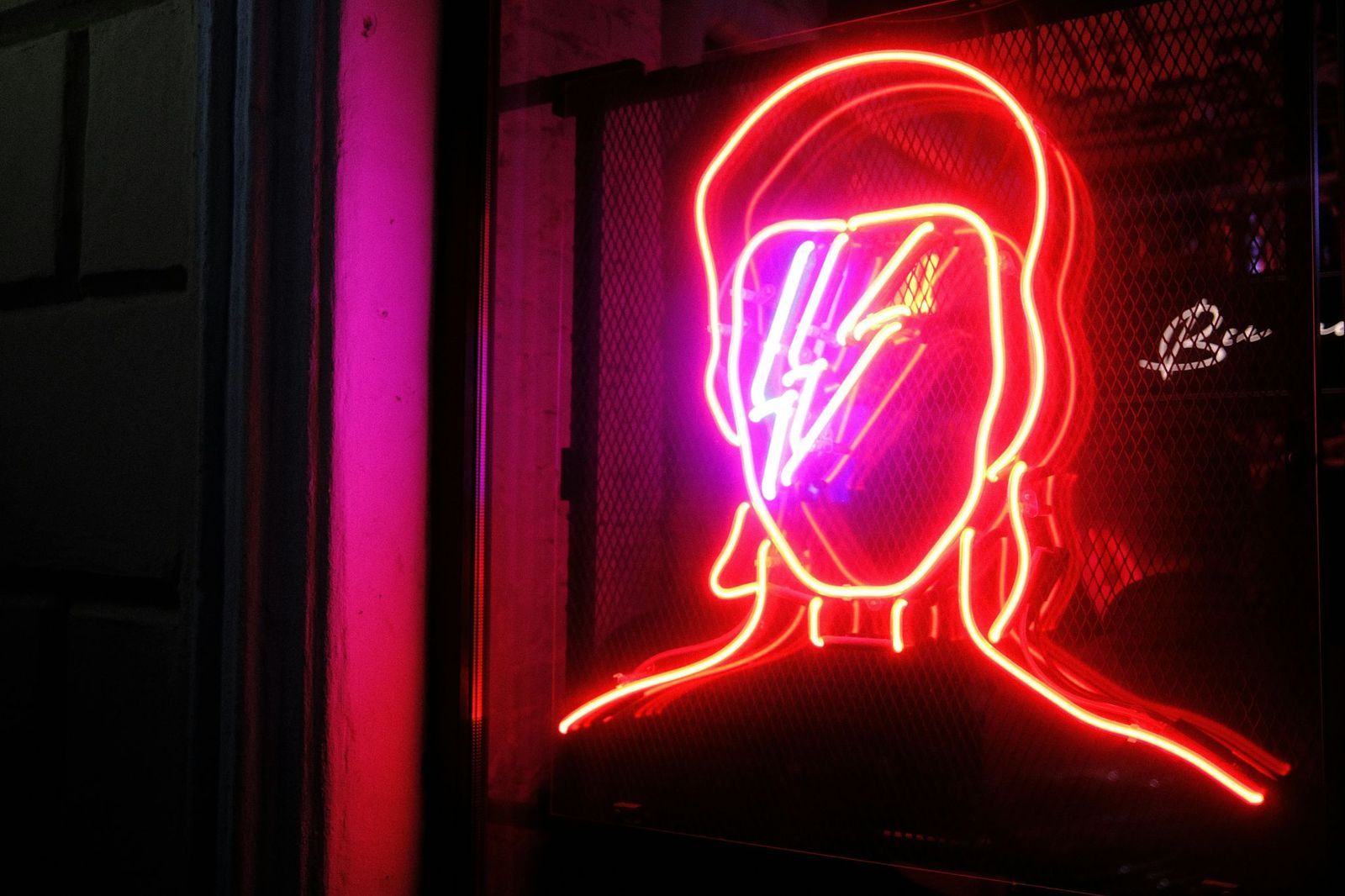
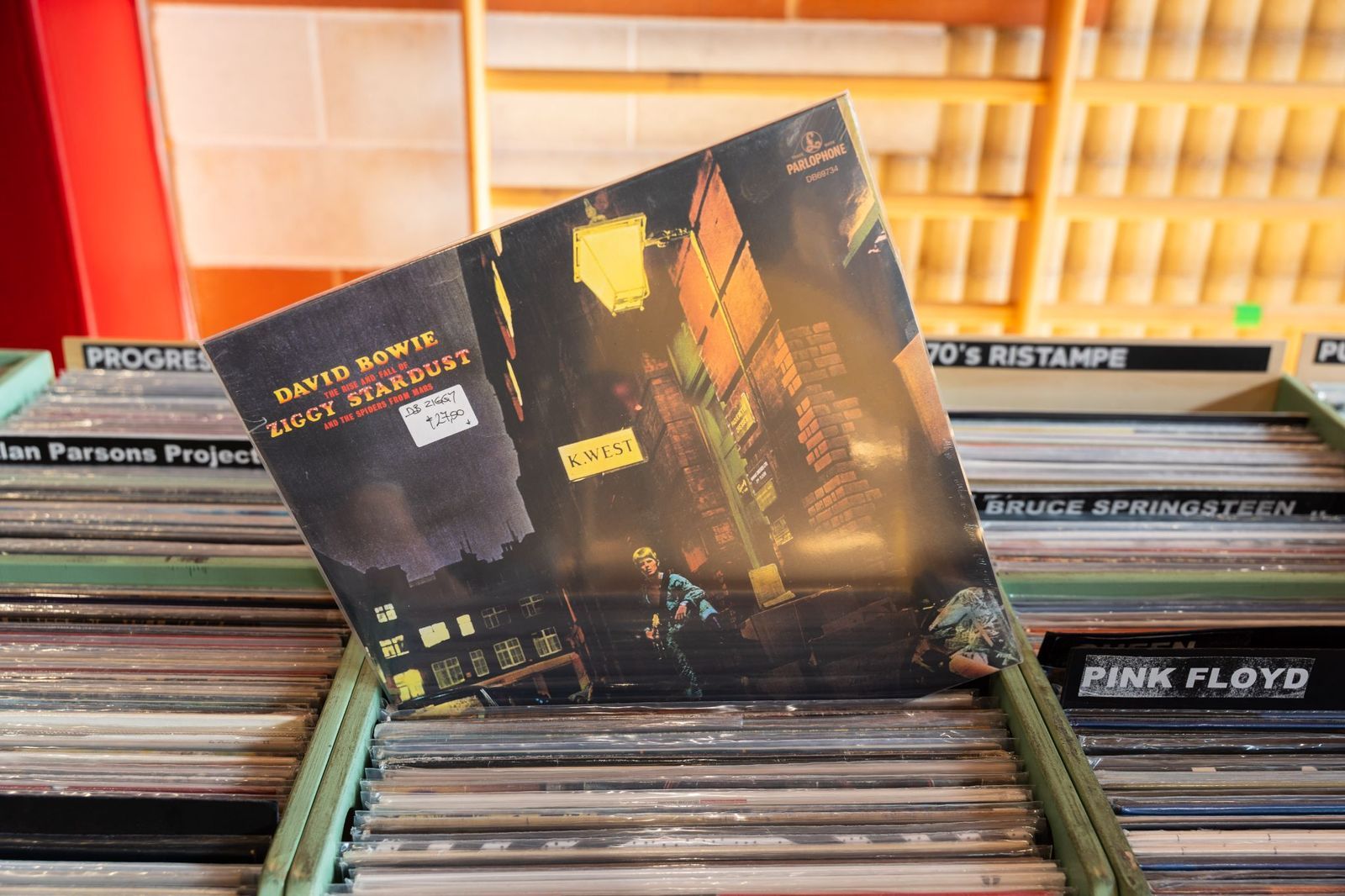
Ziggy Stardust — David Bowie — "Ziggy Stardust"

Image: PHLD Luca

Few fictional musicians have ever become as famous as Ziggy Stardust. Introduced in 1972, Ziggy is an alien rock star sent to Earth shortly before humanity's end, only to be consumed by the very fame that makes him a savior to millions.

David Bowie blurred the line between fiction and reality by performing as Ziggy onstage for more than a year. When he unexpectedly announced Ziggy's retirement during a concert at London's Hammersmith Odeon in 1973, many fans believed the character, and perhaps Bowie himself, had truly reached the end of the story.

3

Tommy — The Who — "Tommy"

Image: defotoberg

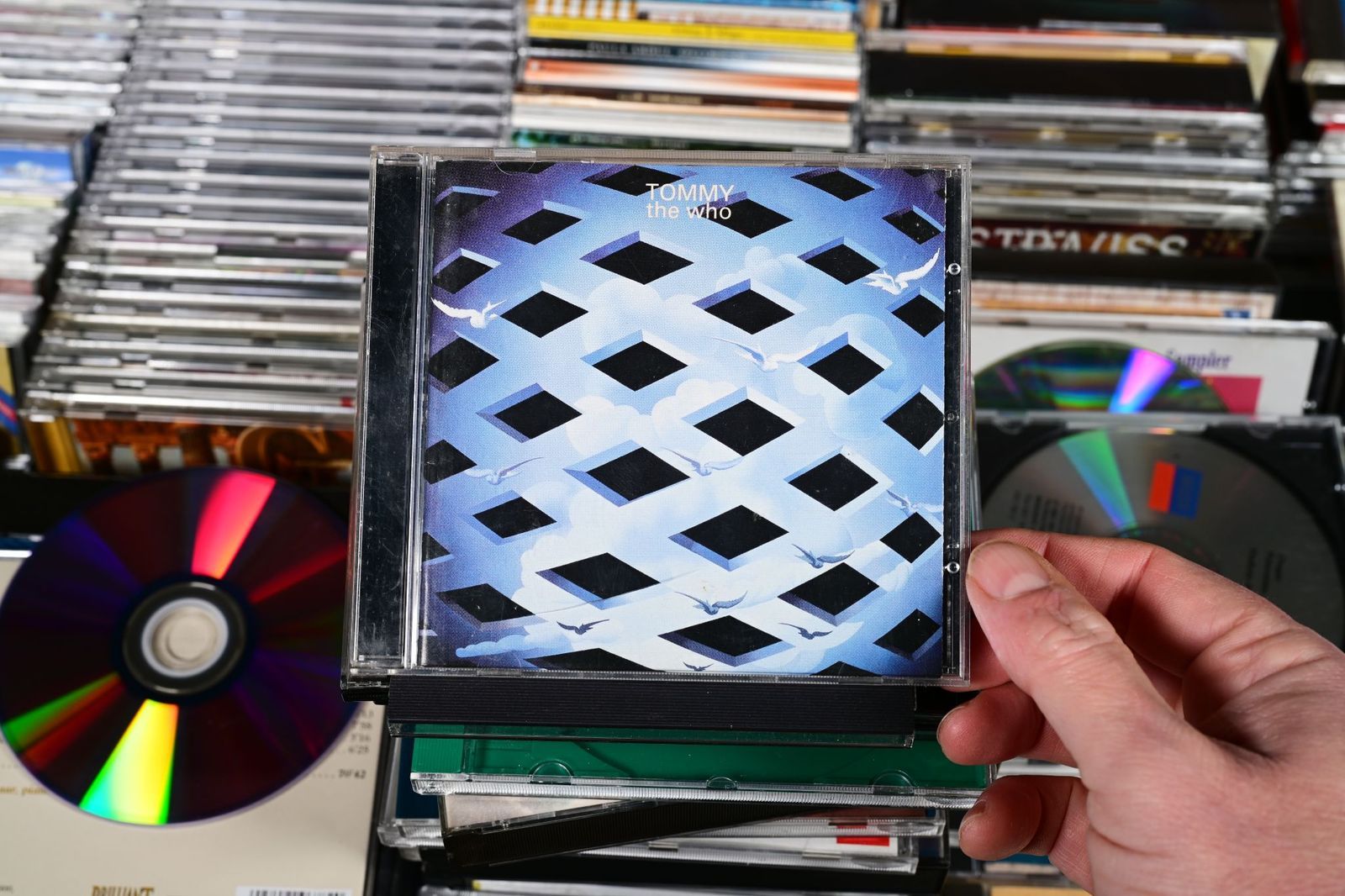
Tommy Walker isn't just the hero of a song, he's the central figure of one of rock music's first great operas. After witnessing a traumatic event as a child, Tommy becomes deaf, mute, and blind, yet somehow develops astonishing pinball skills that transform him into an unlikely celebrity.

Pete Townshend built an entire musical world around Tommy, exploring themes of trauma, faith, and redemption. First released in 1969, Tommy later became a hit film, a Broadway production, and one of the most influential concept albums ever recorded.

4

Johnny B. Goode — Chuck Berry — "Johnny B. Goode"

Image: Erman Gunes

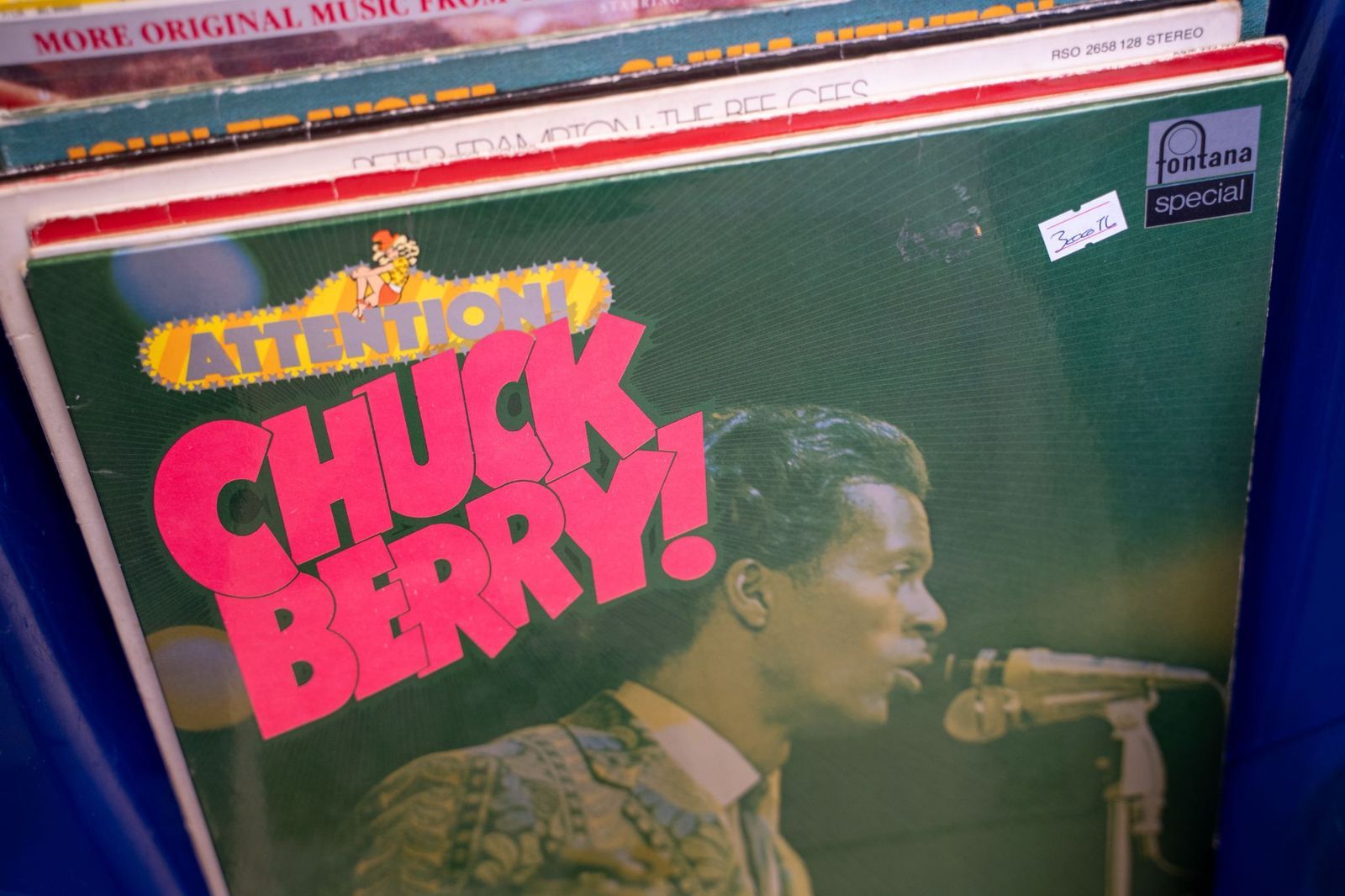
Johnny B. Goode is every aspiring musician's dream. Growing up in rural Louisiana with little more than a guitar and natural talent, he plays so brilliantly that listeners predict "his name will be in lights."

Chuck Berry based the character partly on himself and partly on pianist Johnnie Johnson. Originally described as a "colored boy," Johnny became a "country boy" in the final lyrics, making the song more likely to receive airplay during the segregation era. Nearly two decades later, Johnny's anthem would even travel into space aboard NASA's Voyager Golden Record.

5

Eleanor Rigby — The Beatles — "Eleanor Rigby"

Image: chrisdorney

Few fictional characters have captured loneliness as powerfully as Eleanor Rigby. She quietly moves through life unnoticed, while Father McKenzie delivers sermons that no one hears, creating one of popular music's saddest portraits of isolation.

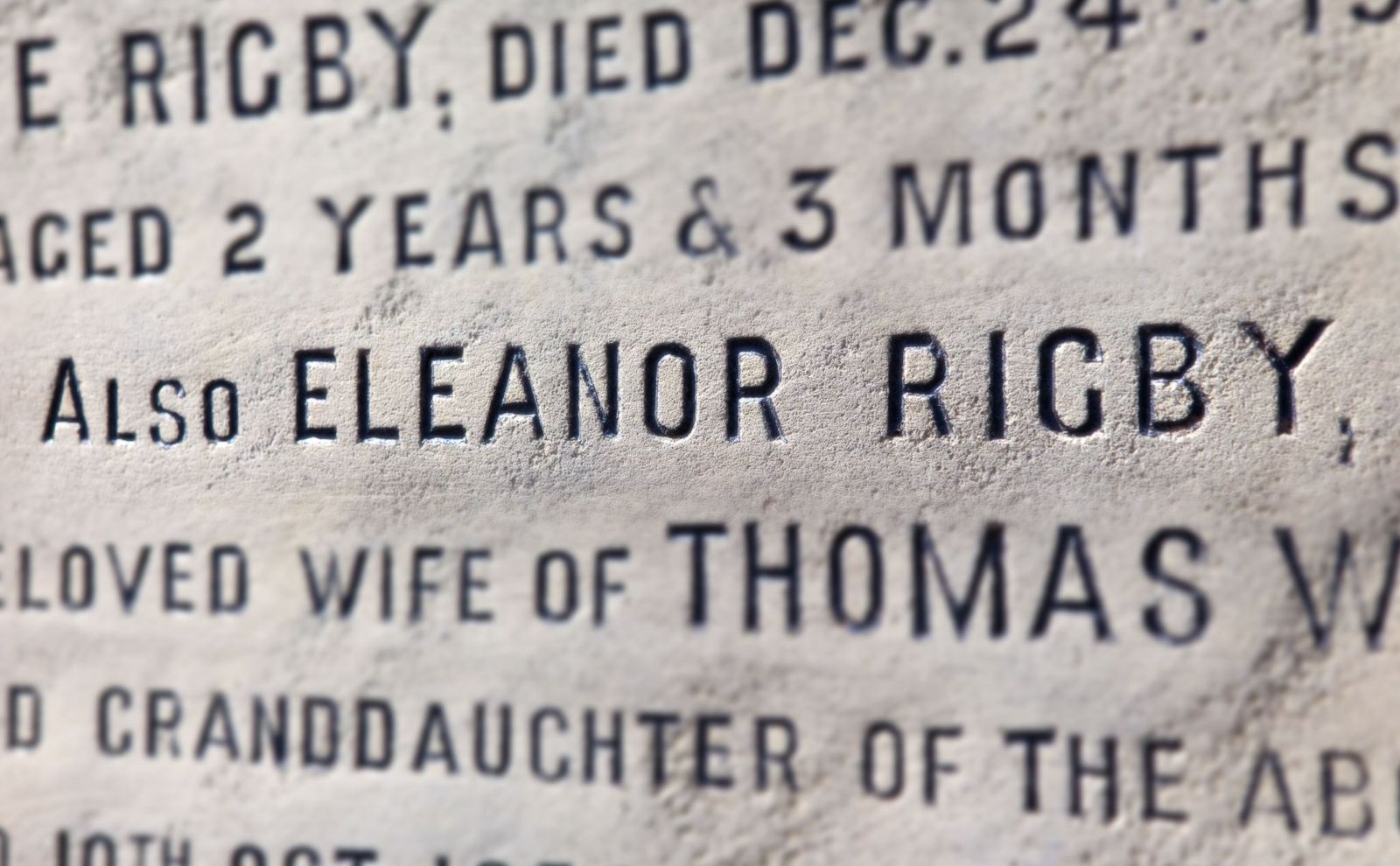
Paul McCartney later explained that Eleanor's name came from actress Eleanor Bron and the Liverpool shop Rigby & Evens. The discovery of an actual Eleanor Rigby gravestone in Liverpool only deepened the song's mystique, though McCartney maintained the coincidence was unintentional.

6

Billie Jean — Michael Jackson — "Billie Jean"

Image: McSleepy

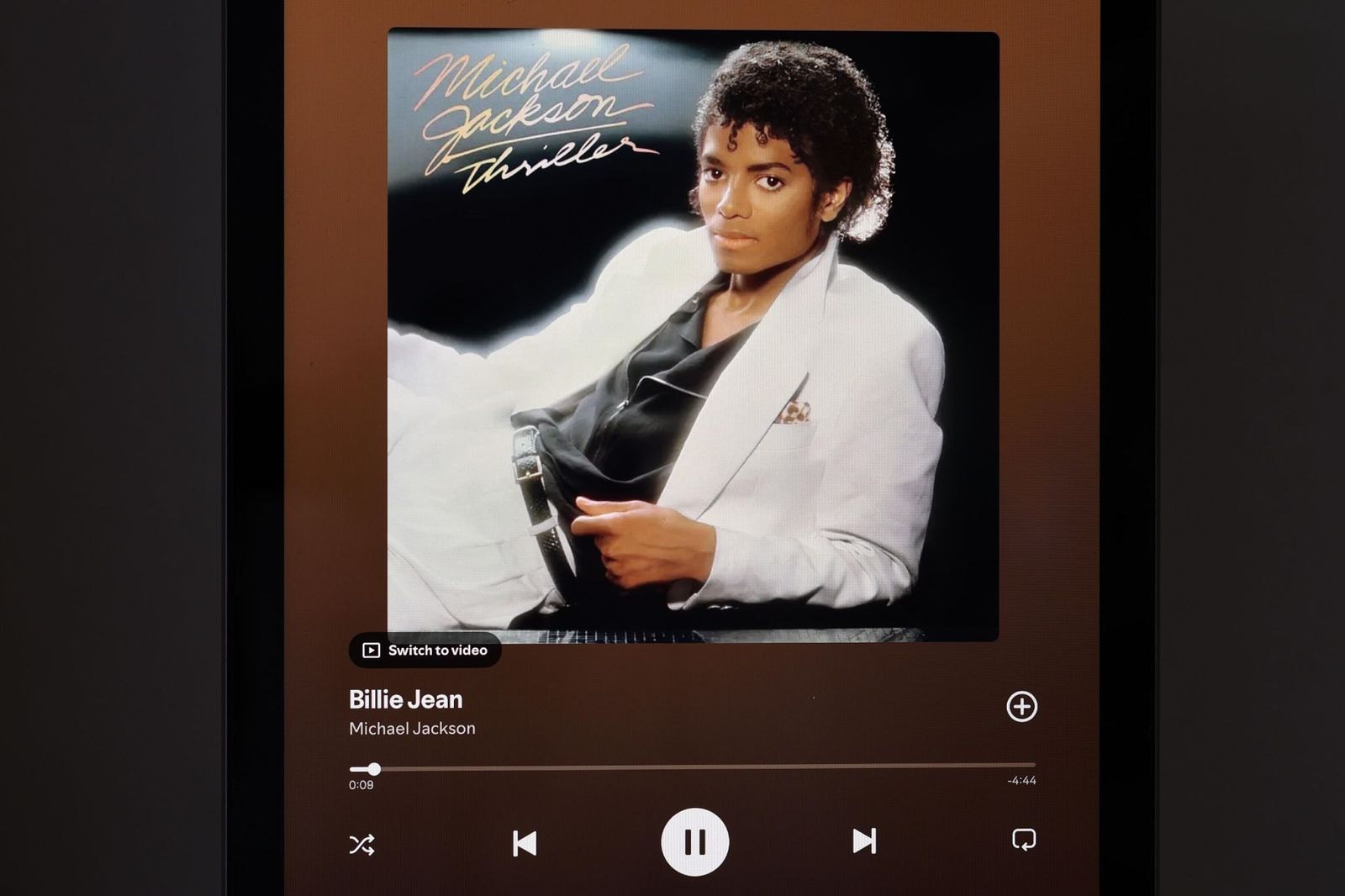
Billie Jean may be one of pop music's most famous women, yet Michael Jackson insisted she wasn't a real person. Instead, she represented several women who falsely claimed that he had fathered their children during the height of the Jackson 5's fame.

Released in 1983 as part of Thriller, the song became a global phenomenon. It also provided the stage for Jackson's legendary moonwalk during Motown 25.

7

Stagger Lee — Lloyd Price — "Stagger Lee"

Image: L Paul Mann

Unlike many legendary song characters, Stagger Lee actually existed. His real name was Lee Shelton, a St. Louis criminal who murdered Billy Lyons during an argument over a hat on Christmas Eve in 1895.

The shocking crime quickly entered American folklore through countless folk songs before Lloyd Price transformed it into a chart-topping hit in 1958. More than a century later, Stagger Lee remains one of the most enduring antiheroes in American music.

8

Tom Dooley — The Kingston Trio — "Tom Dooley"

Image: BOOCYS

Tom Dooley was inspired by Thomas Dula, a Confederate veteran executed in North Carolina in 1868 after being convicted of murdering Laura Foster. His surname was locally pronounced "Dooley," giving the ballad its familiar title.

The Kingston Trio revived the old Appalachian folk song in 1958, turning it into an international hit and helping launch America's folk music revival.

9

Lola — The Kinks — "Lola"

Image: McSleepy

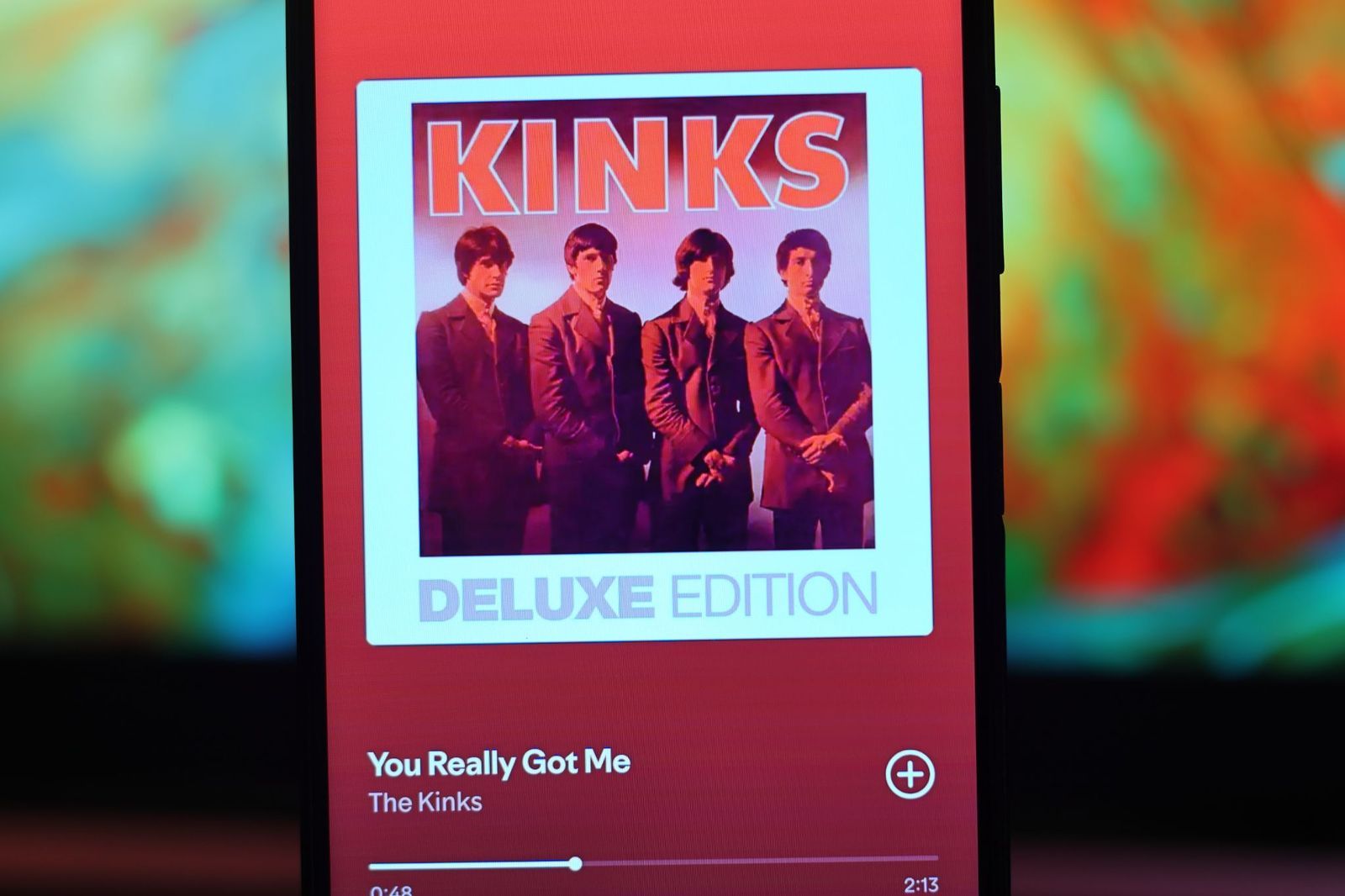
When the narrator of "Lola" meets an intriguing stranger in a Soho nightclub, expectations quickly give way to surprise. Ray Davies crafted one of rock's earliest mainstream stories exploring gender ambiguity, decades before the topic entered popular conversation.

The recording rarely reached British radio. Because BBC rules prohibited commercial product names, Davies had to interrupt a U.S. tour and fly back to London simply to replace the lyric "Coca-Cola" with the now-famous "cherry cola."

10

Piano Man — Billy Joel — "Piano Man"

Image: Debby Wong

Unlike most famous song characters, the Piano Man is really Billy Joel himself. Before becoming a superstar, Joel spent six months in 1972 and 1973 performing under the pseudonym Bill Martin at the Executive Room, a piano bar in Los Angeles, after becoming trapped in a bad recording contract. The song transforms those experiences into a bittersweet portrait of ordinary people searching for escape at the end of another week.

Joel has said that virtually every character in the song was based on a real person, from bartender John to "Paul, the real estate novelist" and Davy, who really was in the Navy. Yet the Piano Man himself became the story's most enduring character: a quiet observer who offers music as a brief refuge for dreamers, lonely souls, and regulars alike. More than fifty years after its 1973 release, "Piano Man" remains Billy Joel's signature song, and its title has effectively become his lifelong nickname.

11

Amos Moses — Jerry Reed — "Amos Moses"

Image: AS project

Standing nearly seven feet tall and missing an arm, Amos Moses roams the Louisiana swamps hunting alligators. Jerry Reed filled the song with colorful Southern expressions and exaggerated storytelling that make Amos feel like an authentic folk legend.

Although fictional, Amos embodies the larger-than-life heroes found throughout American tall tales. His adventures turned the song into one of Reed's biggest crossover hits and secured Amos a permanent place among country music's greatest characters.

12

Big Bad John — Jimmy Dean — "Big Bad John"

Image: mirigifford

Big Bad John hardly says a word, but he doesn't have to. The towering coal miner earns everyone's respect through quiet strength before sacrificing his own life to save fellow workers when a mine collapses.

Jimmy Dean's 1961 ballad became a smash hit, winning a Grammy and inspiring several sequel songs. More than sixty years later, Big Bad John still stands as one of country music's defining working-class heroes.

Looking for an extra scoop of literary fun?

Learn more with our Word of the day

hornswoggle

/ˈhɔrnˌswɑɡ(ə)l/