Odd words, old meanings

A cobweb vs. a spiderweb: Is there a difference?


Published on September 20, 2026


Image: Towfiqu barbhuiya

How much is a notch when it comes to volume? Who is Bob, and why is he everyone’s uncle? What is the difference between a spider web and a cobweb? Languages change with time and use, and English is no exception, but some phrases remain frozen in time, and while we still use them, we don’t always know their literal meaning. Here are 10 idioms and words that don’t make sense, but once did.

1

To a T

Image: Tobias Schwindling

We often use the phrase "to a T" (sometimes spelled "to a tee") to indicate something done perfectly, with precision. But is it about the letter "T"? Not really. The original phrase used to be "to a tittle," with tittle being the proper name for the dot of the "i" or the "j," and it conveyed the idea of doing something accurately, down to the smallest detail. Eventually, "tittle" was shortened to "T," but the phrase had already stuck, even if its literal meaning was lost.

2

Fathom

Image: Uliana Semenova

Although "fathom" might sound very formal, we all know that it is synonymous with "understand." But did you know that fathom is actually a nautical unit of measurement? From the Old English fæðm ("the span of the arms" or "embrace"), it represented the distance between the left and right fingertips of outstretched arms. Eventually, a "fathom" was standardized to about six feet or two yards, and was mainly used by sailors to measure water depth. It was this connection with depth that led the word to take on a figurative meaning of "getting to the bottom" of something, or understanding it thoroughly.

3

Red herring

Image: Pixel-Shot

Popularly, we understand that a "red herring" is something meant to give false clues or distract from another pressing issue. But why a herring? Herrings turn red when smoked and also acquire a strong, pungent smell, which made them a great tool for training hunting dogs, as the smell of the fish covered the trail of the prey. As a metaphor, though, it was popularized in the early 19th century by journalist William Cobbett, who used it to describe how the press was easily swayed by false news.

4

Rule of thumb

Image: PeopleImages

If something is a "rule of thumb," it means that it’s a common guideline, usually based on experience rather than science. In its origins, this phrase was quite literal: thumbs served as a rule. Tradesmen often used the width and length of their thumbs to take and remember measurements, a system that, though practical and effective, only worked for the owner of the thumb in question. Its use as an idiom comes from 17th century writers comparing this popular method with more scientific measuring systems.

5

Turn it down a notch

Image: Wahyu TH

If someone asks us to "take it down a notch," how much should we lower our volume? With "notch," this idiom refers to mechanical dials, like the ones used in a radio, where the notches signal the different levels. And while radios only date back to the 20th century, the roots of this idiom go all the way back to the 17th century and to the phrase "take it down a peg," related to wooden pins used for measurements.

6

Cobweb

Image: freestocks

Is there a difference between a cobweb and a spiderweb? Although they are synonymous, most dictionaries will make the distinction that "cobweb" is particularly used for dusty, abandoned spiderwebs. But what does the "cob" part mean? "Cobweb" is derived from the Middle English coppeweb, composed of coppe ("spider") and web ("woven fabric"). If we go one step further, coppe comes from the Old English attorcoppe ("spider"), a mix of attor ("poison") and coppe ("head" or "round thing"). So, despite the slight difference in their actual use, "cobweb" and "spiderweb" mean the same thing.

7

Break the ice

Image: NOAA

It isn’t difficult to see how "breaking the ice" might have originated from people actually breaking ice, but what many ignore is that this custom (and the phrase) is rooted in diplomacy and trade. When large trade vessels were unable to advance due to frozen rivers, canals, or harbors, it was common to send people in a small boat to "break the ice" and allow the ship to continue its course. In some places, however, locals would send "icebreakers" to clear the path for a foreign vessel as a welcome and a sign of goodwill. The metaphorical use of the phrase exists in many languages, but it was first recorded in English in the 16th century.

8

Let one’s hair down

Image: Element5 Digital

The idea of "letting down your hair" is popularly associated with relaxing and letting formalities aside, but the phrase is rooted in an actual Medieval and Renaissance custom. Traditionally, single women would keep their hair loose and uncovered, but would pin it up once they married. It was not proper for a married woman to be seen in public with their hair down, something they would only do in the comfort of their home, foregoing elaborate hairstyles and uncomfortable pins. Eventually, loose hair lost its social status meaning, but the connection with relaxation remained.

9

Bob's your uncle

Image: Pablo Arroyo

According to historians, no one knows who Uncle Bob is, or what his connection is with simple and easily accomplished tasks, but popular folklore claims to have the answer. According to this theory, the phrase refers to British Prime Minister Robert Gascoyne-Cecil (who went by Bob), appointing his nephew Arthur Balfour as Chief Secretary for Ireland, a position he was woefully unqualified for, but that was made possible because "Bob’s your uncle".

10

Midwife

Image: Juice Flair

Have you ever wondered why midwives have that name? After all, there is nothing "mid" nor necessarily "wifely" in helping someone give birth. The answer takes us back to Old English, where mid meant "with" or "together with," and wif (the origin of "wife") meant "woman," "female," or "lady," and not necessarily a married female. First recorded around the year 1300, "midwife" was an accompanying person (typically a woman) who assisted mothers during labor. Although the literal meaning of the term is lost to us, the importance of the role was surely the reason this word survived through the centuries.

Some names stick around

From Table Tap Joe to Ziggy Stardust: Who are the best song characters?


Published on September 20, 2026


Image: Christina Radevich

Sometimes, a character is the perfect alter-ego to write a song about oneself without self-referencing so much. Other times, a character is just a character. Over the years, musicians have come up with lonely dreamers, fearless heroes, mysterious strangers, and even supernatural villains who have become just as famous as the songs themselves. Some were inspired by real people, others sprang entirely from imagination, but all of them left a lasting mark on music history. Which of these 12 do you remember?

1

Table Top Joe — Tom Waits — "Table Top Joe"

Image: lev radin

Tom Waits has always had a soft spot for society's oddballs, and few are even stranger than Table Top Joe. Introduced on the 2002 album Alice, Joe is born with only a head and hands, yet grows into a brilliant piano player whose extraordinary talent earns him fame despite the odds stacked against him.

The song unfolds like a forgotten American folk tale, complete with references to Coney Island's legendary Dreamland amusement park and composer Igor Stravinsky. Although many listeners assume the story is based on an old carnival legend, Table Top Joe is entirely Tom Waits' own creation.

2

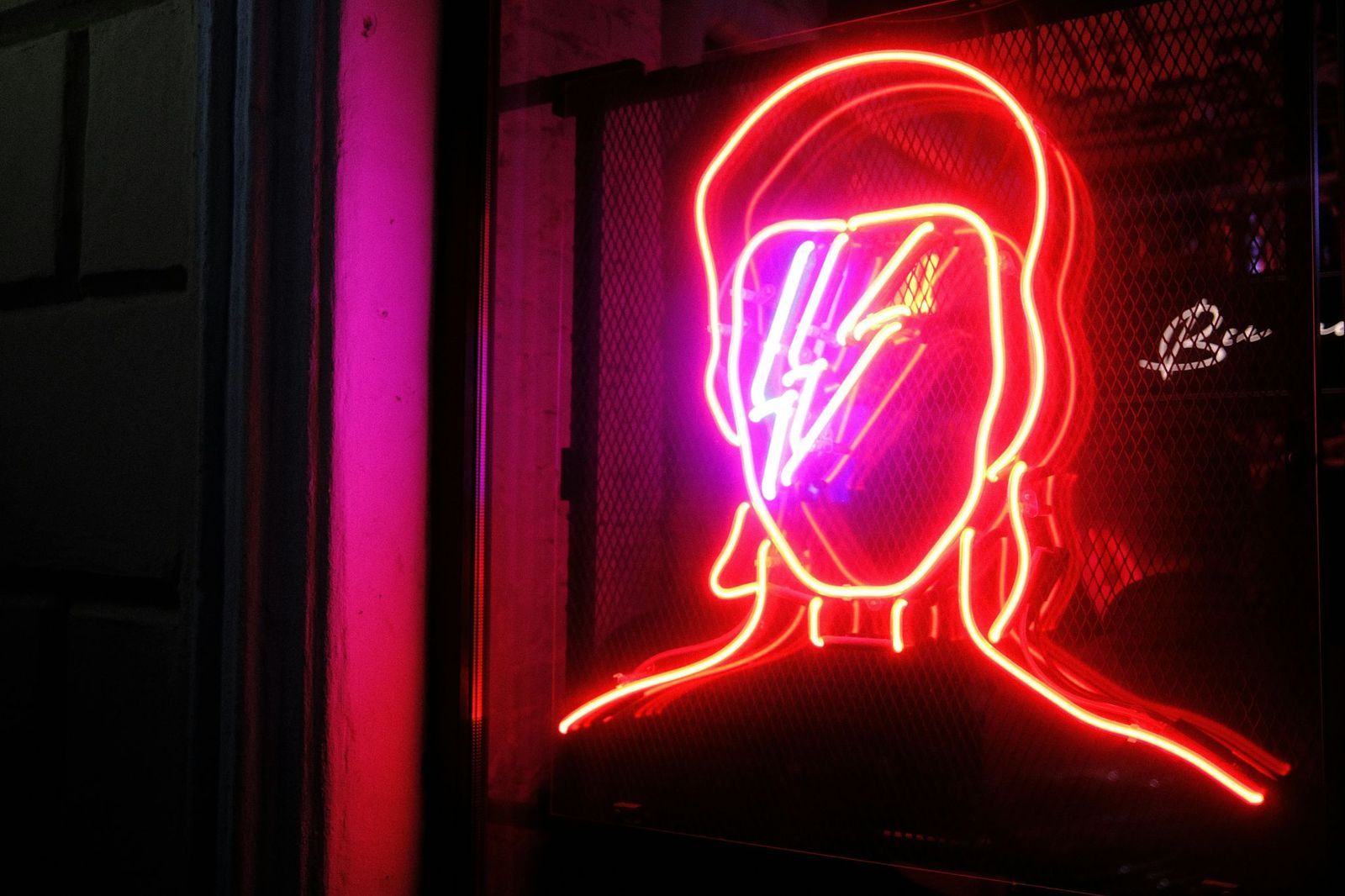
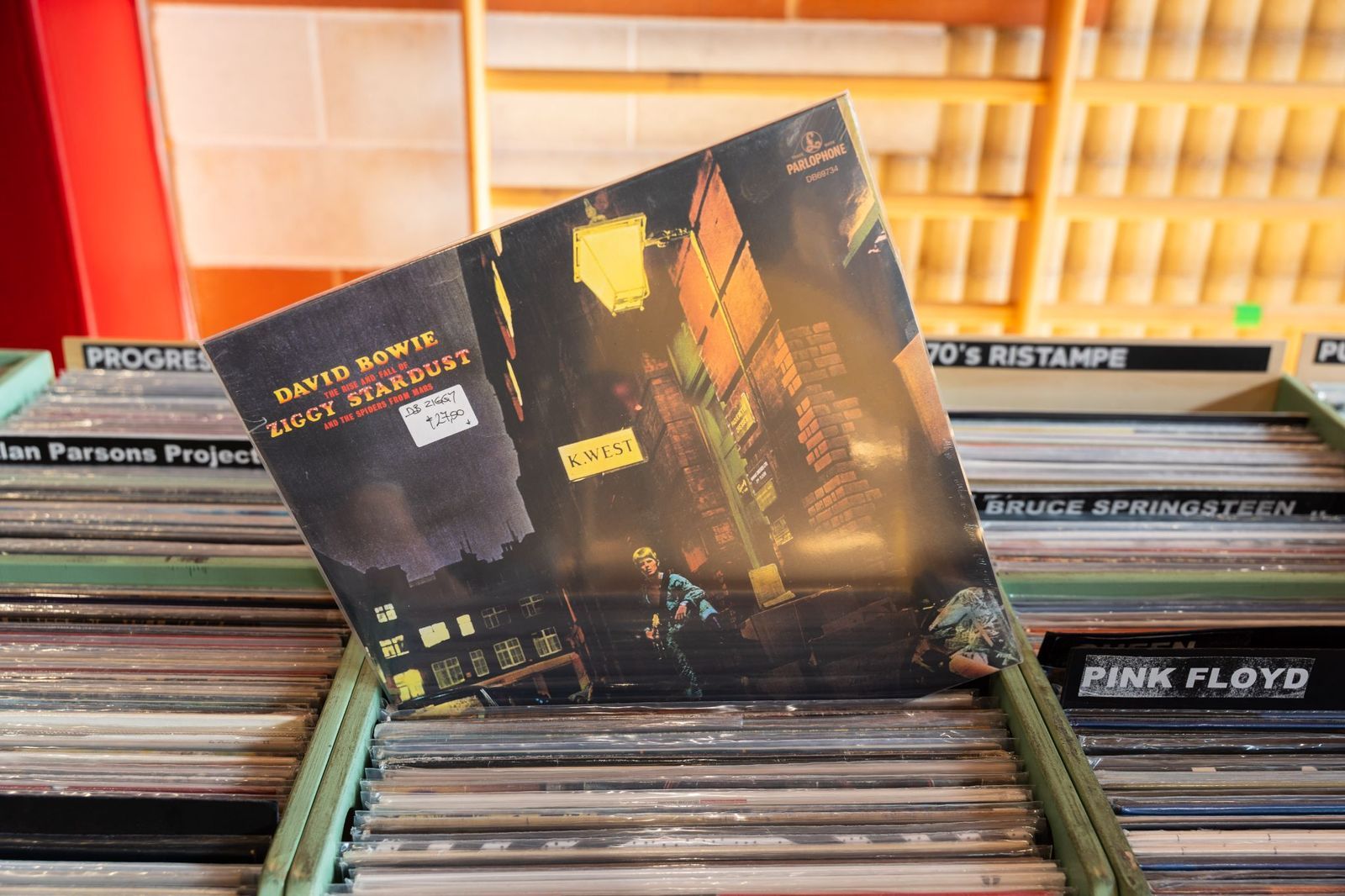
Ziggy Stardust — David Bowie — "Ziggy Stardust"

Image: PHLD Luca

Few fictional musicians have ever become as famous as Ziggy Stardust. Introduced in 1972, Ziggy is an alien rock star sent to Earth shortly before humanity's end, only to be consumed by the very fame that makes him a savior to millions.

David Bowie blurred the line between fiction and reality by performing as Ziggy onstage for more than a year. When he unexpectedly announced Ziggy's retirement during a concert at London's Hammersmith Odeon in 1973, many fans believed the character, and perhaps Bowie himself, had truly reached the end of the story.

3

Tommy — The Who — "Tommy"

Image: defotoberg

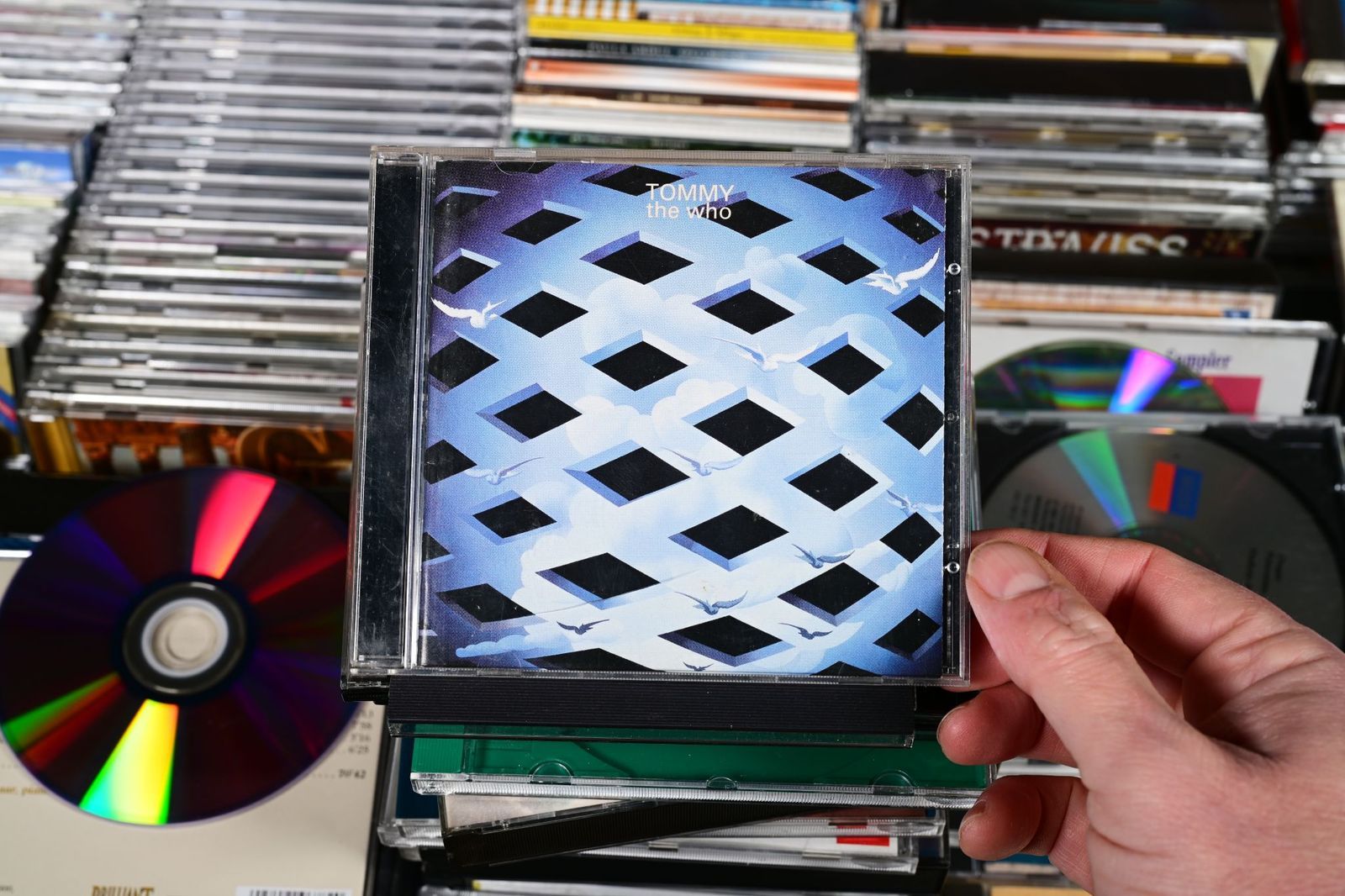
Tommy Walker isn't just the hero of a song, he's the central figure of one of rock music's first great operas. After witnessing a traumatic event as a child, Tommy becomes deaf, mute, and blind, yet somehow develops astonishing pinball skills that transform him into an unlikely celebrity.

Pete Townshend built an entire musical world around Tommy, exploring themes of trauma, faith, and redemption. First released in 1969, Tommy later became a hit film, a Broadway production, and one of the most influential concept albums ever recorded.

4

Johnny B. Goode — Chuck Berry — "Johnny B. Goode"

Image: Erman Gunes

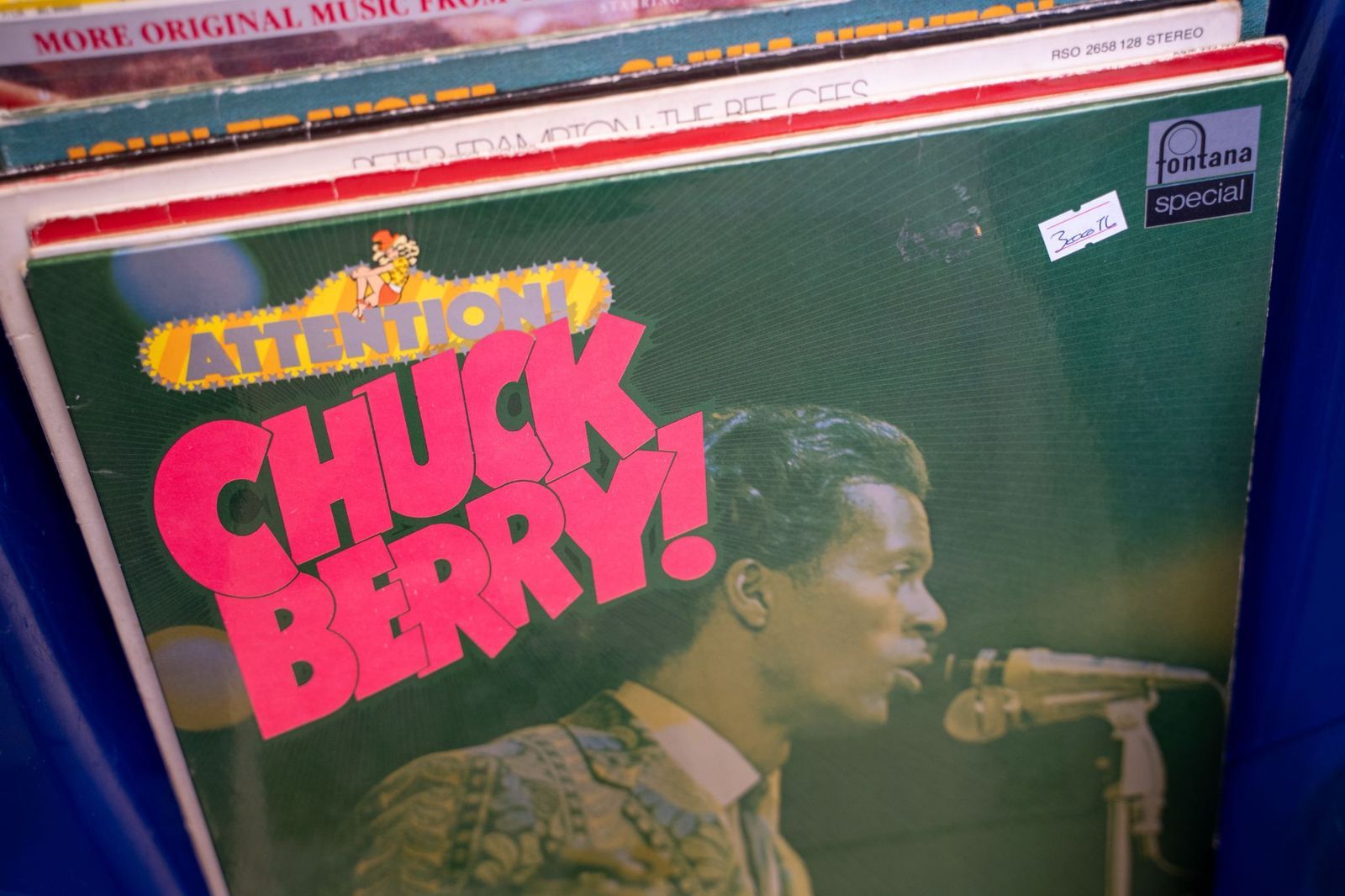
Johnny B. Goode is every aspiring musician's dream. Growing up in rural Louisiana with little more than a guitar and natural talent, he plays so brilliantly that listeners predict "his name will be in lights."

Chuck Berry based the character partly on himself and partly on pianist Johnnie Johnson. Originally described as a "colored boy," Johnny became a "country boy" in the final lyrics, making the song more likely to receive airplay during the segregation era. Nearly two decades later, Johnny's anthem would even travel into space aboard NASA's Voyager Golden Record.

5

Eleanor Rigby — The Beatles — "Eleanor Rigby"

Image: chrisdorney

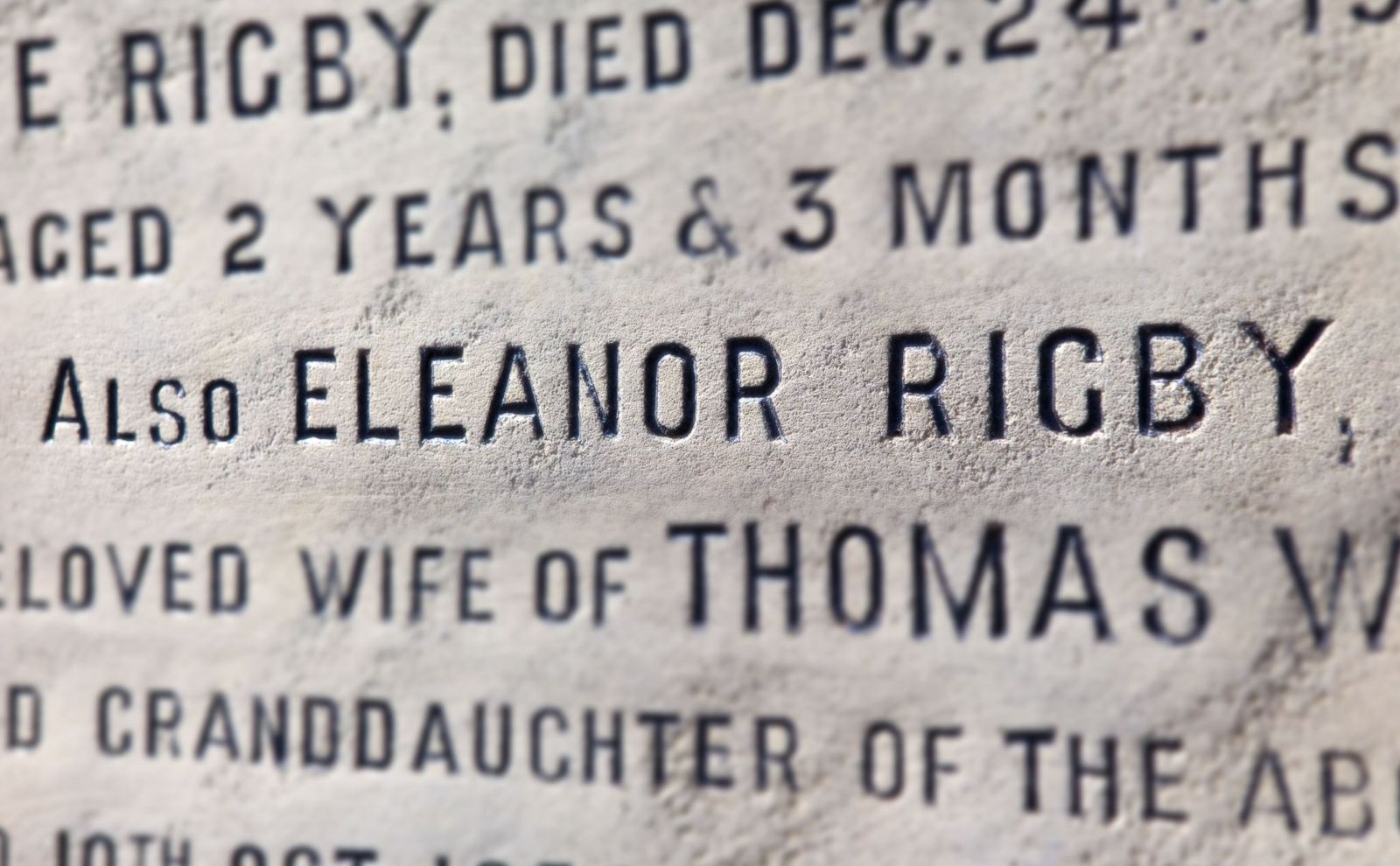
Few fictional characters have captured loneliness as powerfully as Eleanor Rigby. She quietly moves through life unnoticed, while Father McKenzie delivers sermons that no one hears, creating one of popular music's saddest portraits of isolation.

Paul McCartney later explained that Eleanor's name came from actress Eleanor Bron and the Liverpool shop Rigby & Evens. The discovery of an actual Eleanor Rigby gravestone in Liverpool only deepened the song's mystique, though McCartney maintained the coincidence was unintentional.

6

Billie Jean — Michael Jackson — "Billie Jean"

Image: McSleepy

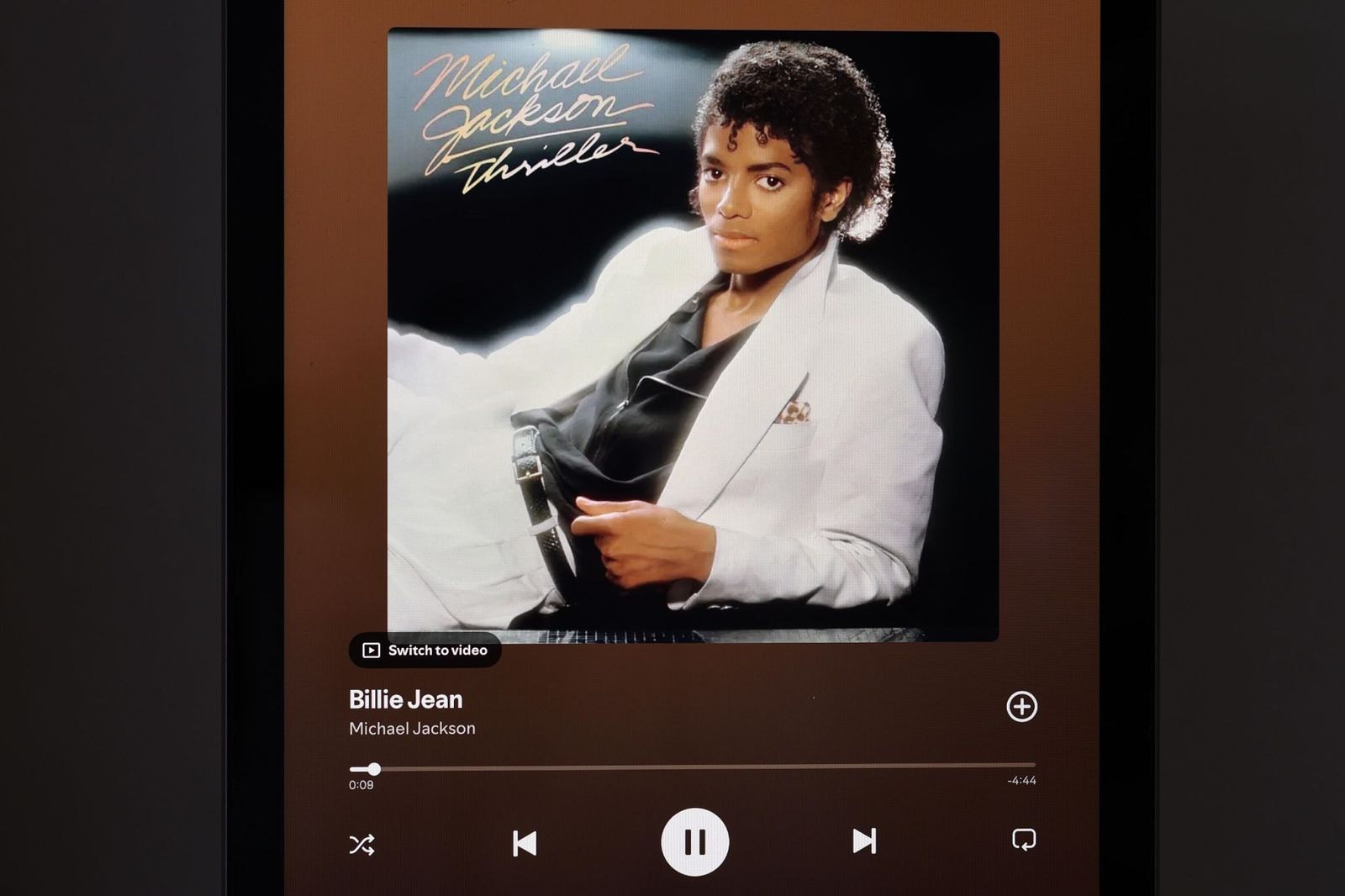
Billie Jean may be one of pop music's most famous women, yet Michael Jackson insisted she wasn't a real person. Instead, she represented several women who falsely claimed that he had fathered their children during the height of the Jackson 5's fame.

Released in 1983 as part of Thriller, the song became a global phenomenon. It also provided the stage for Jackson's legendary moonwalk during Motown 25.

7

Stagger Lee — Lloyd Price — "Stagger Lee"

Image: L Paul Mann

Unlike many legendary song characters, Stagger Lee actually existed. His real name was Lee Shelton, a St. Louis criminal who murdered Billy Lyons during an argument over a hat on Christmas Eve in 1895.

The shocking crime quickly entered American folklore through countless folk songs before Lloyd Price transformed it into a chart-topping hit in 1958. More than a century later, Stagger Lee remains one of the most enduring antiheroes in American music.

8

Tom Dooley — The Kingston Trio — "Tom Dooley"

Image: BOOCYS

Tom Dooley was inspired by Thomas Dula, a Confederate veteran executed in North Carolina in 1868 after being convicted of murdering Laura Foster. His surname was locally pronounced "Dooley," giving the ballad its familiar title.

The Kingston Trio revived the old Appalachian folk song in 1958, turning it into an international hit and helping launch America's folk music revival.

9

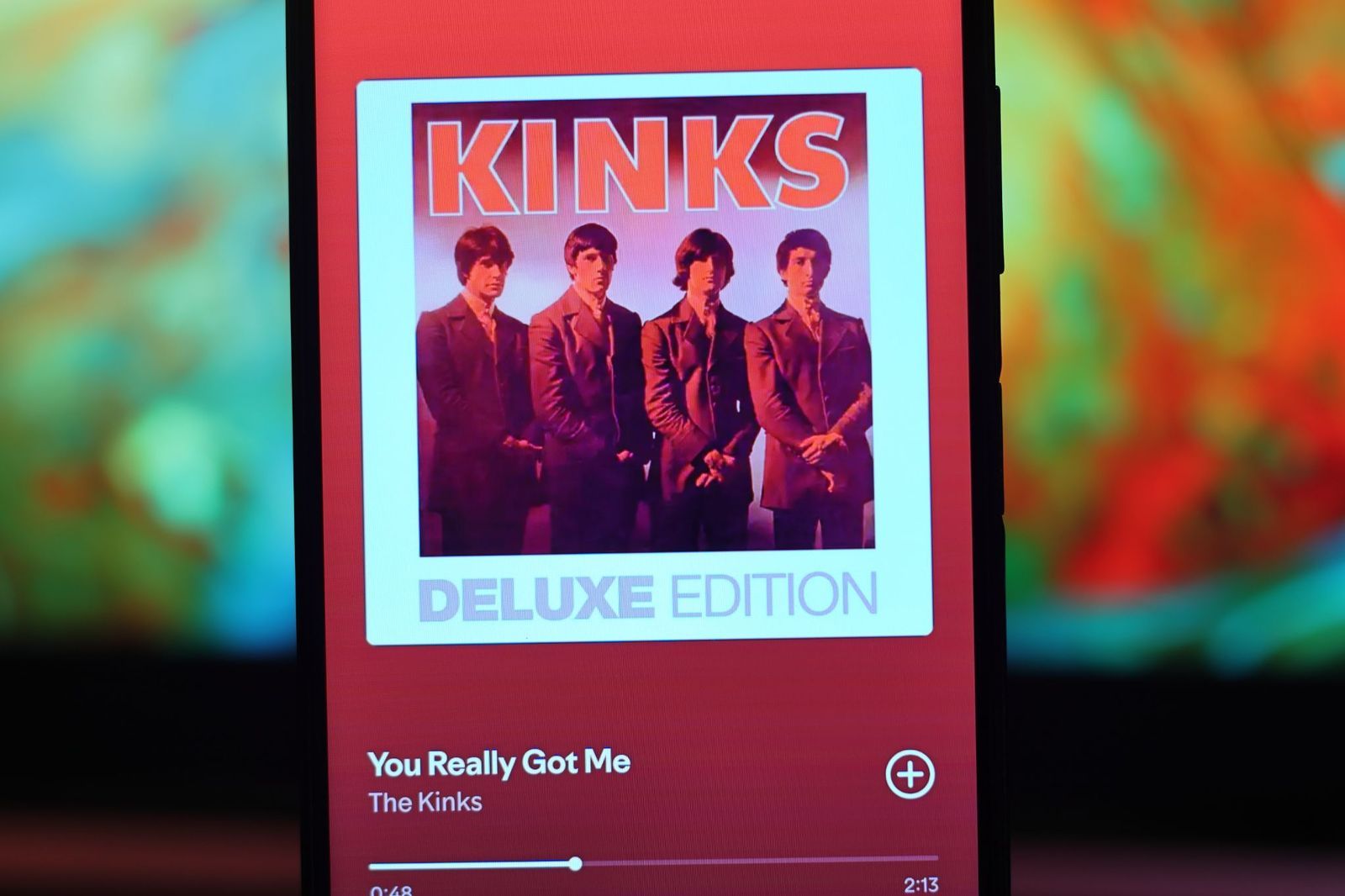
Lola — The Kinks — "Lola"

Image: McSleepy

When the narrator of "Lola" meets an intriguing stranger in a Soho nightclub, expectations quickly give way to surprise. Ray Davies crafted one of rock's earliest mainstream stories exploring gender ambiguity, decades before the topic entered popular conversation.

The recording rarely reached British radio. Because BBC rules prohibited commercial product names, Davies had to interrupt a U.S. tour and fly back to London simply to replace the lyric "Coca-Cola" with the now-famous "cherry cola."

10

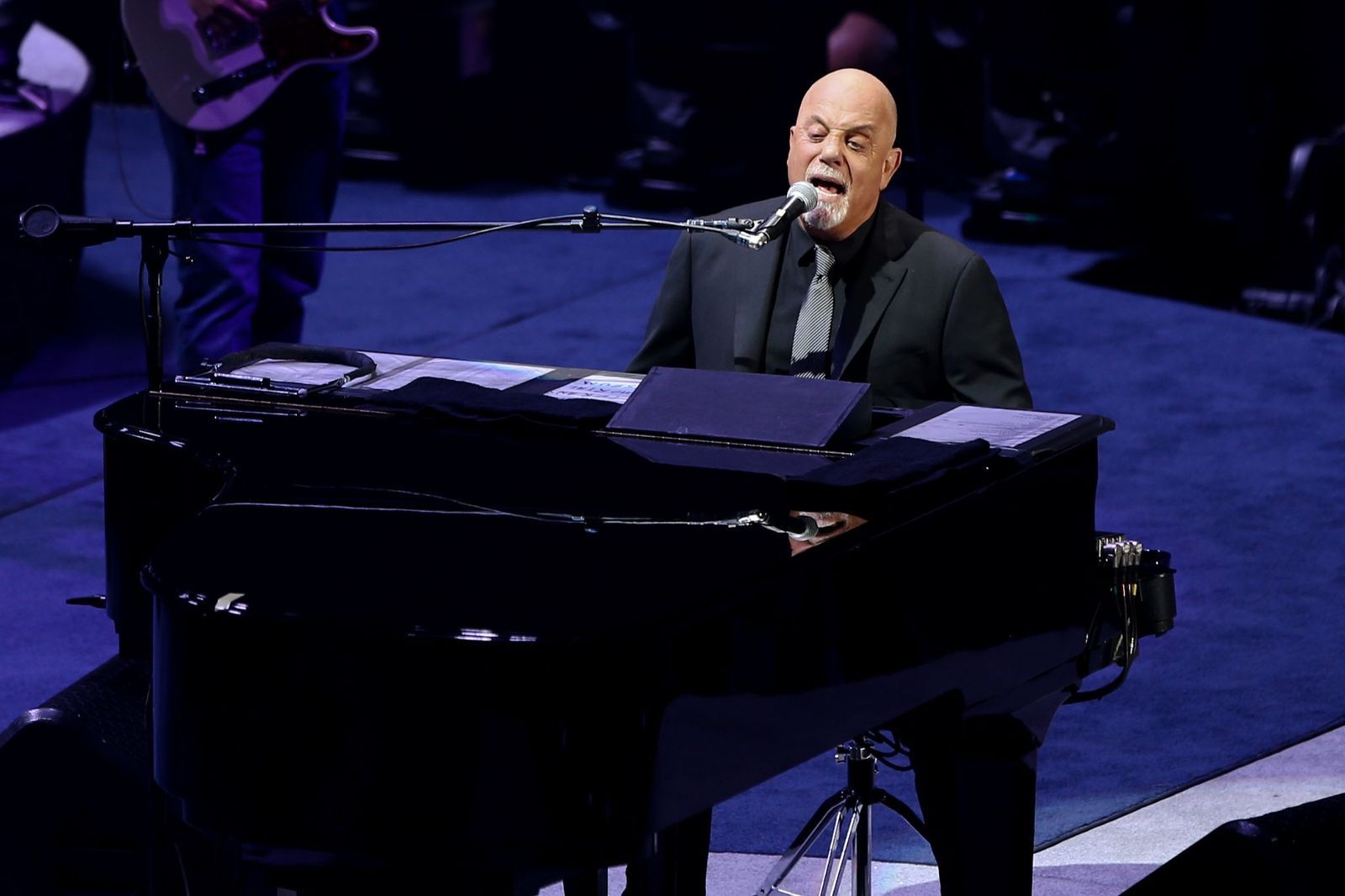
Piano Man — Billy Joel — "Piano Man"

Image: Debby Wong

Unlike most famous song characters, the Piano Man is really Billy Joel himself. Before becoming a superstar, Joel spent six months in 1972 and 1973 performing under the pseudonym Bill Martin at the Executive Room, a piano bar in Los Angeles, after becoming trapped in a bad recording contract. The song transforms those experiences into a bittersweet portrait of ordinary people searching for escape at the end of another week.

Joel has said that virtually every character in the song was based on a real person, from bartender John to "Paul, the real estate novelist" and Davy, who really was in the Navy. Yet the Piano Man himself became the story's most enduring character: a quiet observer who offers music as a brief refuge for dreamers, lonely souls, and regulars alike. More than fifty years after its 1973 release, "Piano Man" remains Billy Joel's signature song, and its title has effectively become his lifelong nickname.

11

Amos Moses — Jerry Reed — "Amos Moses"

Image: AS project

Standing nearly seven feet tall and missing an arm, Amos Moses roams the Louisiana swamps hunting alligators. Jerry Reed filled the song with colorful Southern expressions and exaggerated storytelling that make Amos feel like an authentic folk legend.

Although fictional, Amos embodies the larger-than-life heroes found throughout American tall tales. His adventures turned the song into one of Reed's biggest crossover hits and secured Amos a permanent place among country music's greatest characters.

12

Big Bad John — Jimmy Dean — "Big Bad John"

Image: mirigifford

Big Bad John hardly says a word, but he doesn't have to. The towering coal miner earns everyone's respect through quiet strength before sacrificing his own life to save fellow workers when a mine collapses.

Jimmy Dean's 1961 ballad became a smash hit, winning a Grammy and inspiring several sequel songs. More than sixty years later, Big Bad John still stands as one of country music's defining working-class heroes.

Looking for an extra scoop of literary fun?

Learn more with our Word of the day

munificent

/mjuˈnɪfəs(ə)nt/