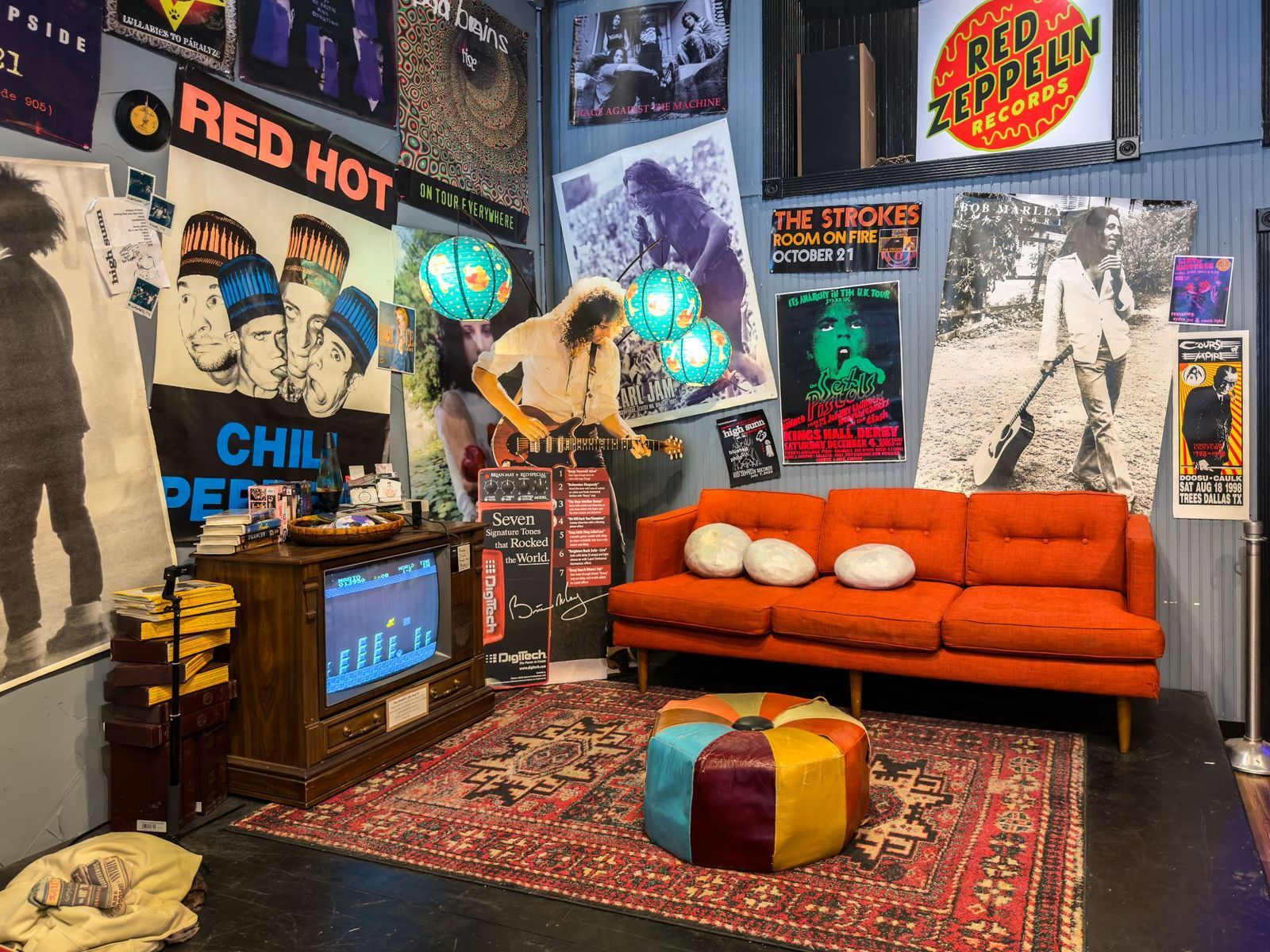
Which ones do you use?

These 10 slang terms came from catchy songs. Which one is your favorite?


Published on July 12, 2026


Image: Anton Shuvalov

Popular music can become a part of popular culture not only through the music itself but also through the introduction of a certain word or phrase into the popular lexicon. Some of the words and expressions we use and hear every day were born in hit songs. In this article, we’ll look at a few popular terms that started as music and ended up in regular conversation. Some became slang; others evolved into full-fledged dictionary entries. Is any of these part of your everyday vocabulary?

1

Yada yada yada

Image: Chris Bair


Although many people think yada yada yada was invented by Seinfeld, the expression is much older. Variations such as "yatata" appeared in American entertainment as early as the 1940s, including Richard Rodgers and Oscar Hammerstein II's 1947 musical Allegro, where repetitive syllables represented meaningless cocktail-party chatter. Comedian Lenny Bruce also popularized similar wording in the early 1960s before television made it famous.

The phrase reached worldwide recognition in 1997 with Seinfeld's episode "The Yada Yada," where characters used it to skip over inconvenient details. Today it means "and so on" or "I'll spare you the boring parts," making it one of television's most successful contributions to modern English—even if its musical roots came first.

2

Twerk

Image: Robson Hatsukami Morgan


The word twerk first entered recorded music in New Orleans' vibrant bounce scene. One of its earliest known appearances came in DJ Jubilee's 1993 song Do the Jubilee All, where it described a fast, rhythmic dance involving hip movements. For years, the term remained largely regional, especially in Louisiana clubs and Southern hip-hop culture.

Its meaning exploded into the mainstream during the early 2010s as social media and pop stars introduced the dance to a global audience. In 2013, Oxford Dictionaries even named twerk its Word of the Year runner-up after adding it to the dictionary. Today, the word refers to both the dance itself and the energetic style that helped bring Southern hip-hop vocabulary into everyday English.

3

Doo-wop

Image: israel palacio

The name doo-wop comes from the nonsense syllables sung by vocal harmony groups in the 1940s and 1950s. Although artists had been using sounds like "doo-wop" for years, the genre itself wasn't widely called doo-wop until the early 1960s. Groups such as The Platters, The Five Satins, The Orioles, and The Drifters helped define the smooth vocal style that became one of the foundations of early rock and roll.

Today, doo-wop describes far more than a few catchy syllables. It refers to an entire musical movement born in African American neighborhoods in cities like New York, Philadelphia, Chicago, and Baltimore. The name has become shorthand for the nostalgic sound of 1950s vocal harmony and remains closely associated with diners, jukeboxes, and the birth of rock and roll.

4

Bling

Image: Nechama Lock


The word bling imitates the imagined sparkle of jewelry, but it became famous thanks to hip-hop. The turning point came in 1999 with "Bling Bling," a hit by New Orleans rapper B.G. featuring the Hot Boys and Big Tymers on Cash Money Records. The song celebrated diamonds, luxury cars, and success, turning a regional slang term into a worldwide catchphrase.

The expression quickly spread far beyond rap music. By 2002, bling had entered the Shorter Oxford English Dictionary, and Merriam-Webster followed in 2006. Today it refers to flashy jewelry—or, more broadly, any expensive, ostentatious display of wealth. What began as hip-hop slang is now understood around the world, even by people who have never heard the original song.

5

Rock ’n’ roll

Image: Thiago Barletta


Long before it was named a musical genre, rock and roll was African American slang that appeared in blues and gospel lyrics during the first half of the twentieth century. It referred to movement, dancing, and sometimes romance. In 1951, Cleveland disc jockey Alan Freed adopted the phrase for his radio program, helping introduce rhythm and blues to a much wider audience and giving the new sound a memorable name.

Within a few years, rock 'n' roll described far more than music. Artists such as Chuck Berry, Little Richard, Elvis Presley, and Buddy Holly transformed it into a cultural movement associated with youthful rebellion, freedom, and changing social norms. Today, the expression still evokes an era that permanently reshaped popular music and culture around the world.

6

Hip-hop

Image: Gordon Cowie


The phrase hip-hop entered popular culture in 1979 with The Sugarhill Gang's groundbreaking hit "Rapper's Delight." Its playful opening—_"I said a hip, hop, the hippie..."_—used rhythmic syllables to mimic the sound and flow of early MC performances. Although the culture already existed in New York City's Bronx, the song introduced millions of listeners to its vocabulary.

As rap music exploded worldwide, hip-hop became the name of an entire cultural movement rather than just a musical style. Today, the term encompasses DJing, MCing, breakdancing, graffiti art, fashion, and creative expression. What started as a catchy lyric in one of history's most influential rap songs has become one of the defining cultural labels of the modern era.

7

Mellow Yellow

Image: Nick Baker


When Scottish singer-songwriter Donovan released "Mellow Yellow" in 1966, the title immediately caught listeners' attention. The song became an international hit during the height of the psychedelic era, and its easygoing sound helped reinforce the meaning of the adjective mellow, a word that had already begun evolving from describing ripe fruit to describing a relaxed, pleasant personality.

Although mellow yellow never became a true idiom in the same way as bling or others in this list, the phrase entered popular culture as shorthand for a calm, carefree mood. It has since appeared in advertising, television, films, and product names, while mellow remains one of the most common English words for describing someone with a laid-back, relaxed temperament.

8

Purple haze

Image: Nechama Lock

"Purple Haze," released by The Jimi Hendrix Experience in 1967, quickly became one of rock's defining songs. Hendrix described the lyrics as inspired by a dream and a science-fiction story rather than by drugs alone, despite decades of speculation. The song's distorted guitar sound and surreal imagery helped establish psychedelic rock as one of the era's signature musical styles.

Over the years, purple haze has become a cultural shorthand for a dreamlike, confusing, or euphoric state of mind. The phrase regularly appears in books, movies, journalism, and everyday conversation whenever someone wants to describe mental fog or surreal circumstances.

9

Gin and Juice

Image: Monika Grabkowska

Released in 1994, "Gin and Juice" became one of Snoop Dogg's signature songs and a defining anthem of West Coast hip-hop. Produced by Dr. Dre, the track painted a vivid picture of a relaxed California lifestyle filled with neighborhood parties, cruising, and confidence. Its instantly recognizable title helped turn a simple mixed drink into a pop-culture symbol recognized around the world.

Today, gin and juice is often used as a playful reference to carefree fun rather than the beverage itself. The expression appears in television shows, advertisements, memes, and countless musical references, while the song continues to rank among the most influential rap singles of the 1990s.

10

It takes two to tango

Image: Serhii Kindrat

Most people assume this expression is an ancient proverb, but it actually began as the title of a hit American song. Songwriters Al Hoffman and Dick Manning wrote "It Takes Two to Tango," which Pearl Bailey turned into a hit in 1952. The lyrics point out that while many things can be done alone, dancing the tango requires two willing partners.

The phrase soon outgrew the song and became a popular idiom meaning that cooperation, or blame, often belongs to both sides. It gained worldwide attention again in 1982 when President Ronald Reagan used it to describe U.S.-Soviet relations. Although inspired by the famous Argentine dance, the expression itself is a modern American creation.
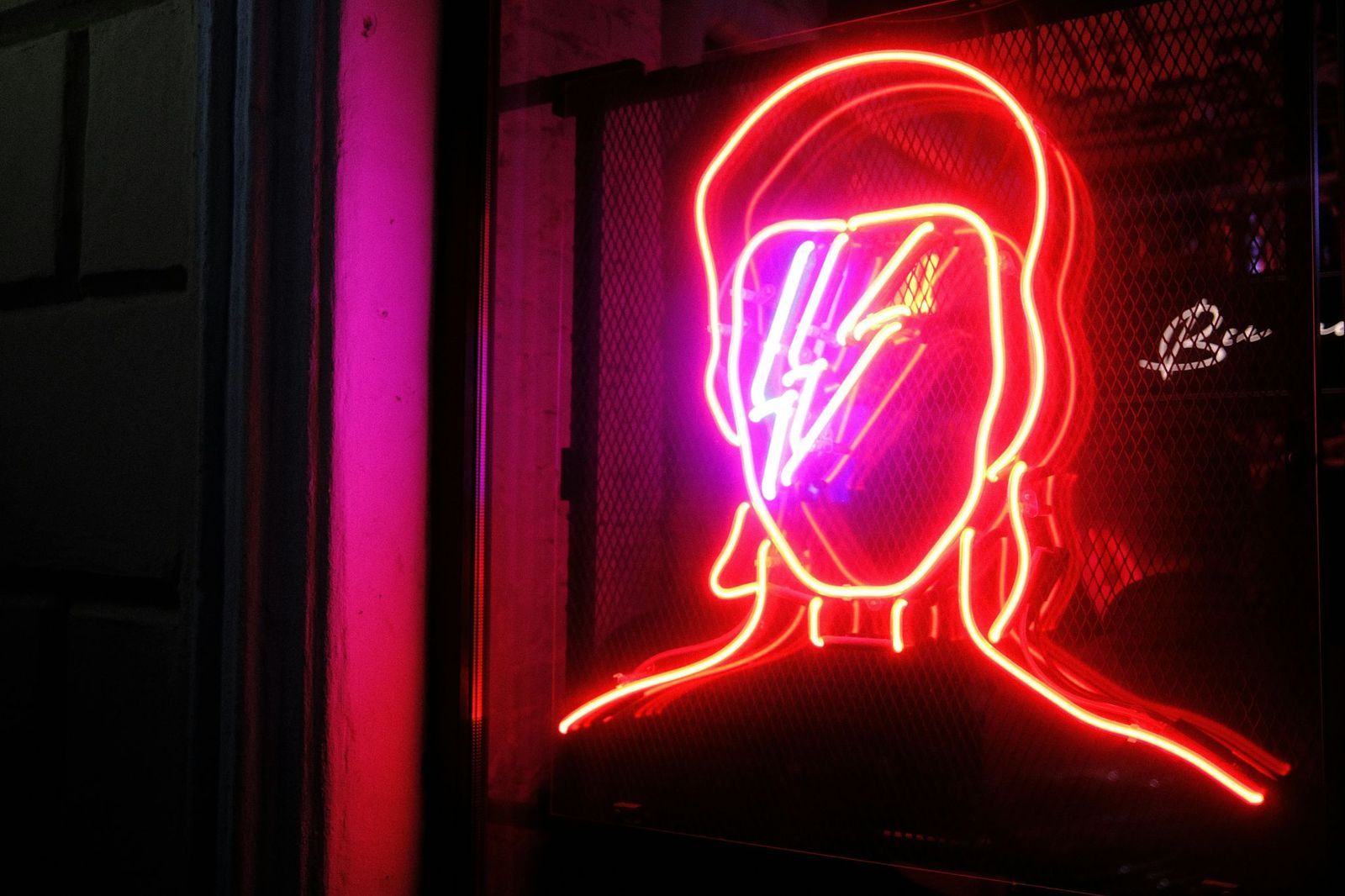
Some names stick around

From Table Tap Joe to Ziggy Stardust: Who are the best song characters?


Published on July 12, 2026


Image: Christina Radevich

Sometimes, a character is the perfect alter-ego to write a song about oneself without self-referencing so much. Other times, a character is just a character. Over the years, musicians have come up with lonely dreamers, fearless heroes, mysterious strangers, and even supernatural villains who have become just as famous as the songs themselves. Some were inspired by real people, others sprang entirely from imagination, but all of them left a lasting mark on music history. Which of these 12 do you remember?

1

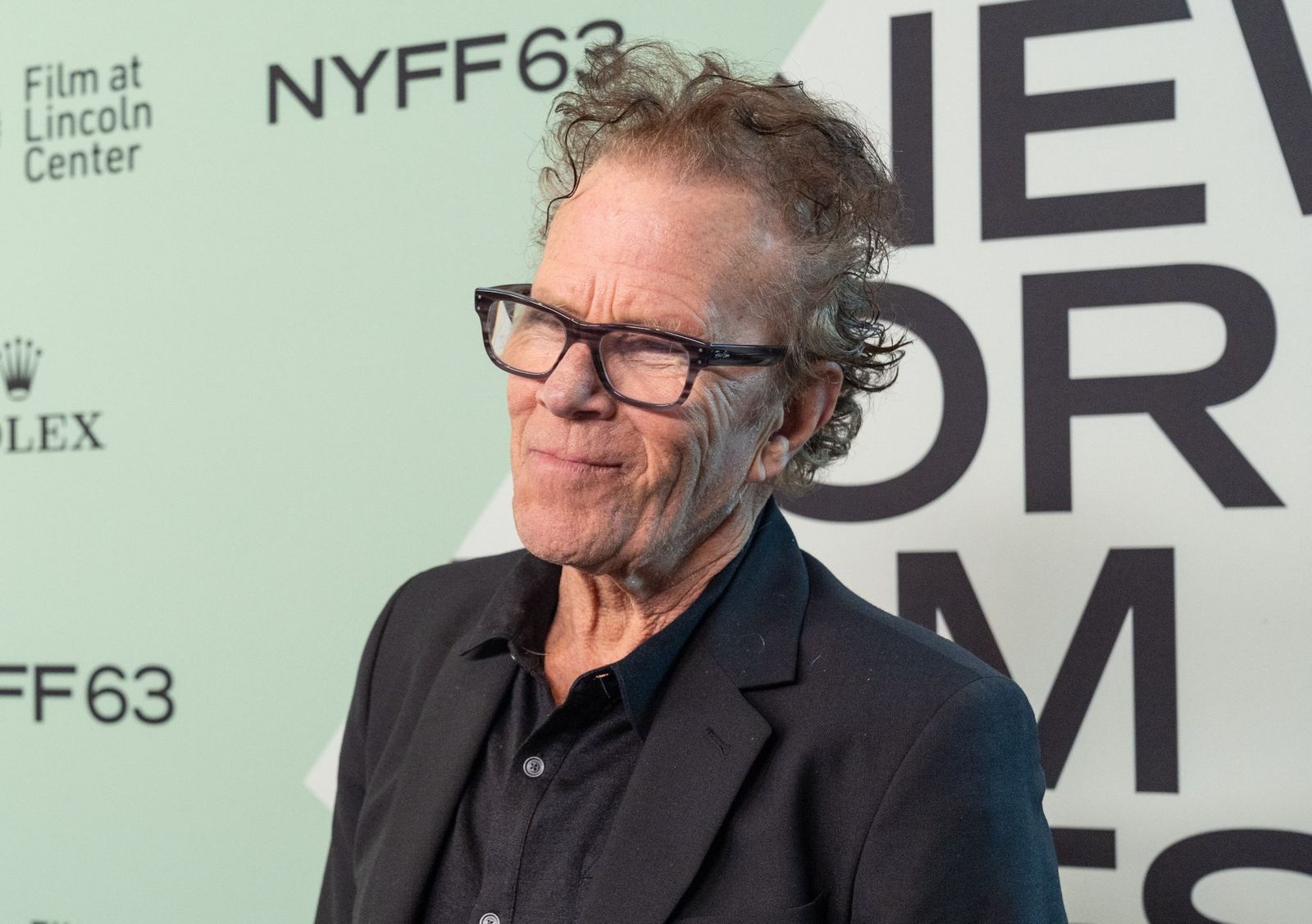
Table Top Joe — Tom Waits — "Table Top Joe"

Image: lev radin

Tom Waits has always had a soft spot for society's oddballs, and few are even stranger than Table Top Joe. Introduced on the 2002 album Alice, Joe is born with only a head and hands, yet grows into a brilliant piano player whose extraordinary talent earns him fame despite the odds stacked against him.

The song unfolds like a forgotten American folk tale, complete with references to Coney Island's legendary Dreamland amusement park and composer Igor Stravinsky. Although many listeners assume the story is based on an old carnival legend, Table Top Joe is entirely Tom Waits' own creation.

2

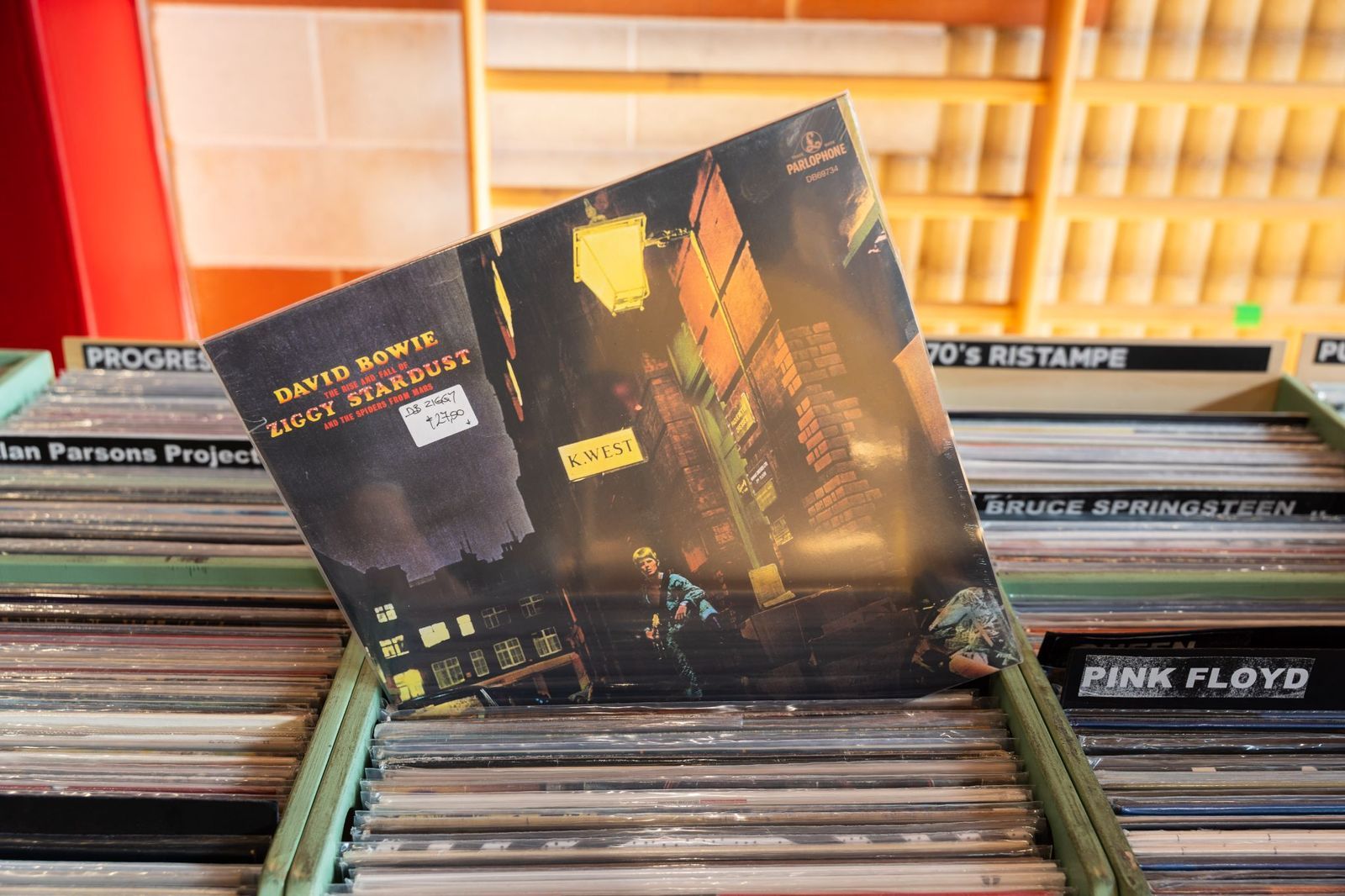
Ziggy Stardust — David Bowie — "Ziggy Stardust"

Image: PHLD Luca

Few fictional musicians have ever become as famous as Ziggy Stardust. Introduced in 1972, Ziggy is an alien rock star sent to Earth shortly before humanity's end, only to be consumed by the very fame that makes him a savior to millions.

David Bowie blurred the line between fiction and reality by performing as Ziggy onstage for more than a year. When he unexpectedly announced Ziggy's retirement during a concert at London's Hammersmith Odeon in 1973, many fans believed the character, and perhaps Bowie himself, had truly reached the end of the story.

3

Tommy — The Who — "Tommy"

Image: defotoberg

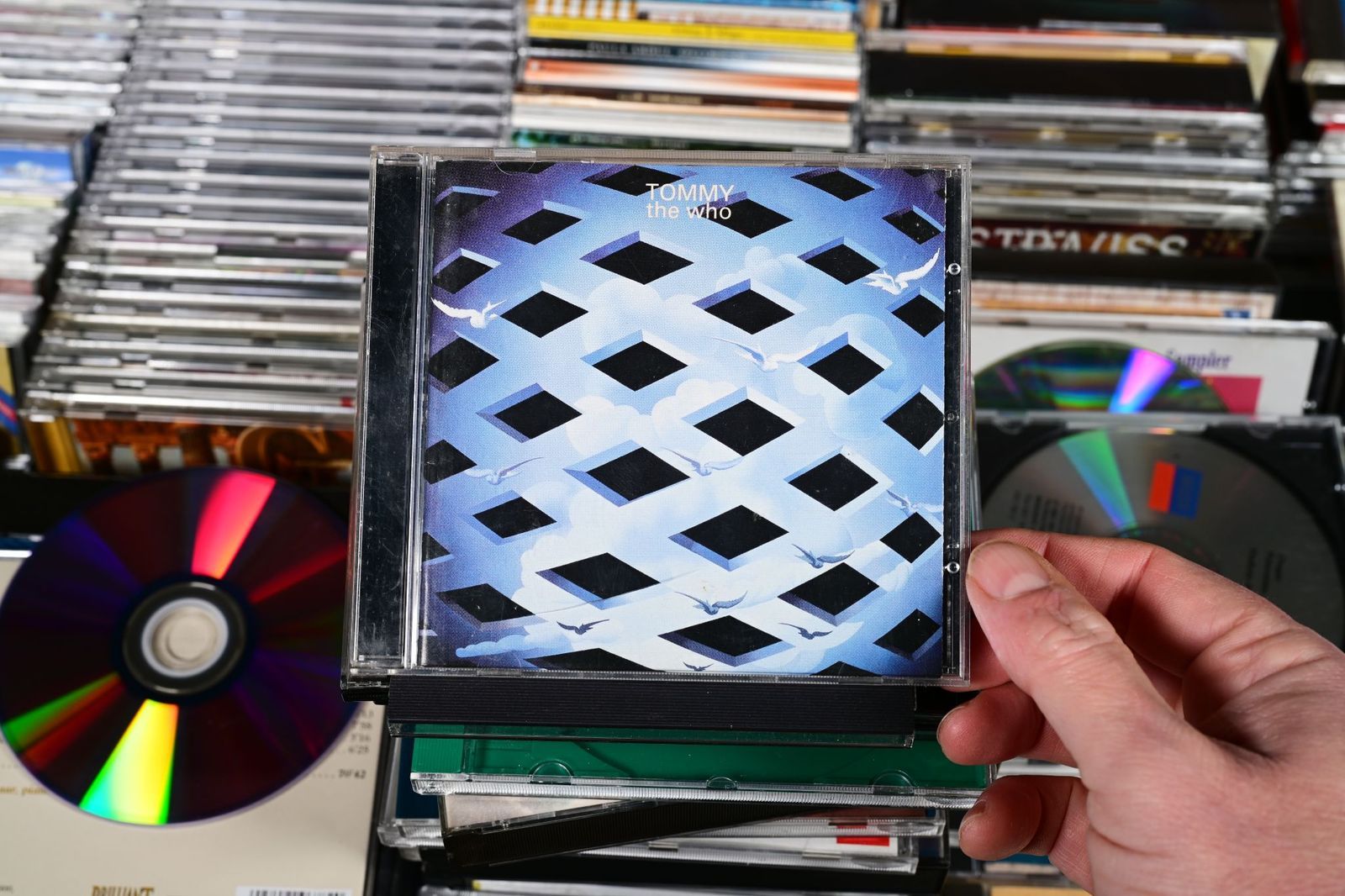
Tommy Walker isn't just the hero of a song, he's the central figure of one of rock music's first great operas. After witnessing a traumatic event as a child, Tommy becomes deaf, mute, and blind, yet somehow develops astonishing pinball skills that transform him into an unlikely celebrity.

Pete Townshend built an entire musical world around Tommy, exploring themes of trauma, faith, and redemption. First released in 1969, Tommy later became a hit film, a Broadway production, and one of the most influential concept albums ever recorded.

4

Johnny B. Goode — Chuck Berry — "Johnny B. Goode"

Image: Erman Gunes

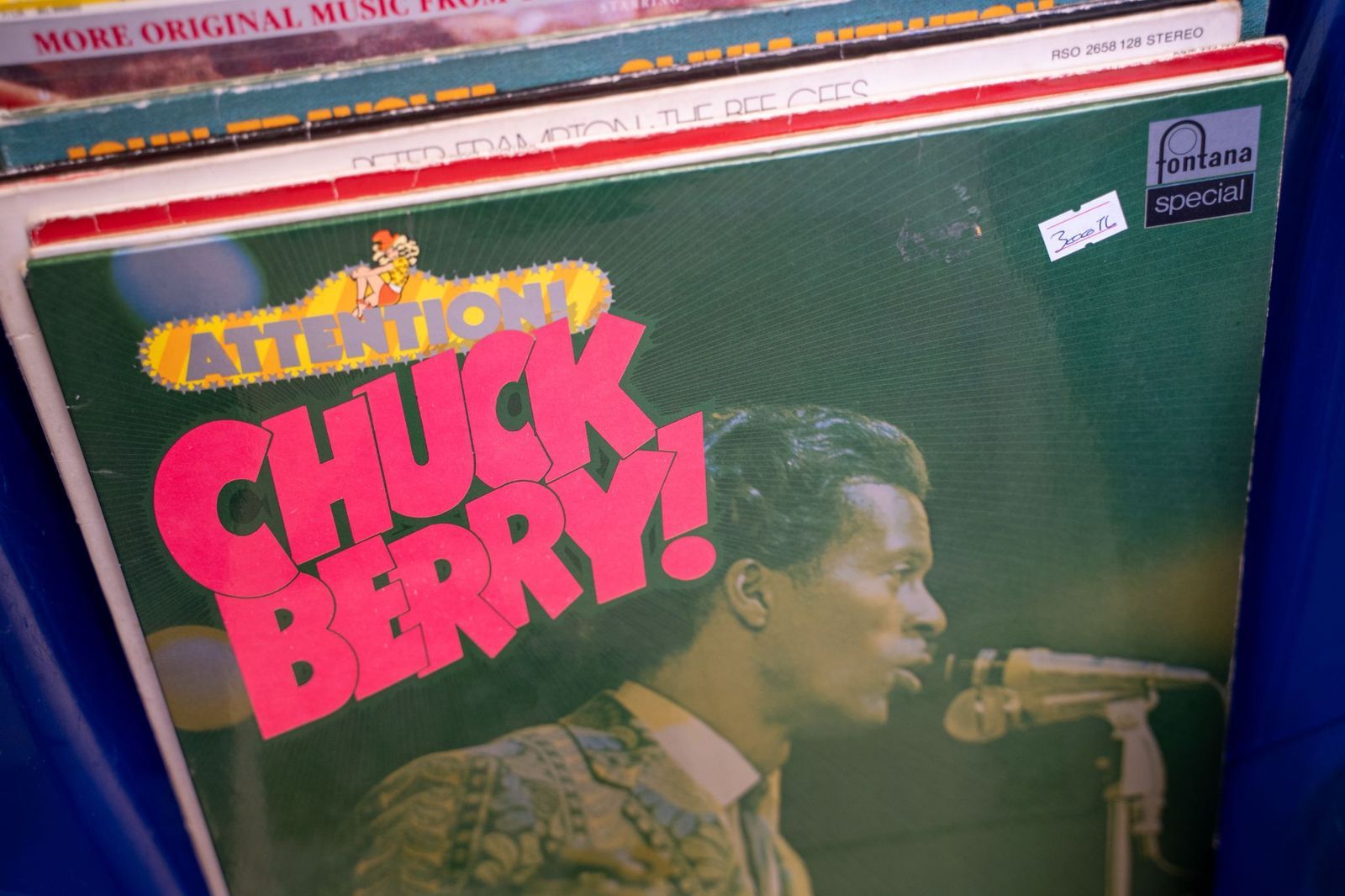
Johnny B. Goode is every aspiring musician's dream. Growing up in rural Louisiana with little more than a guitar and natural talent, he plays so brilliantly that listeners predict "his name will be in lights."

Chuck Berry based the character partly on himself and partly on pianist Johnnie Johnson. Originally described as a "colored boy," Johnny became a "country boy" in the final lyrics, making the song more likely to receive airplay during the segregation era. Nearly two decades later, Johnny's anthem would even travel into space aboard NASA's Voyager Golden Record.

5

Eleanor Rigby — The Beatles — "Eleanor Rigby"

Image: chrisdorney

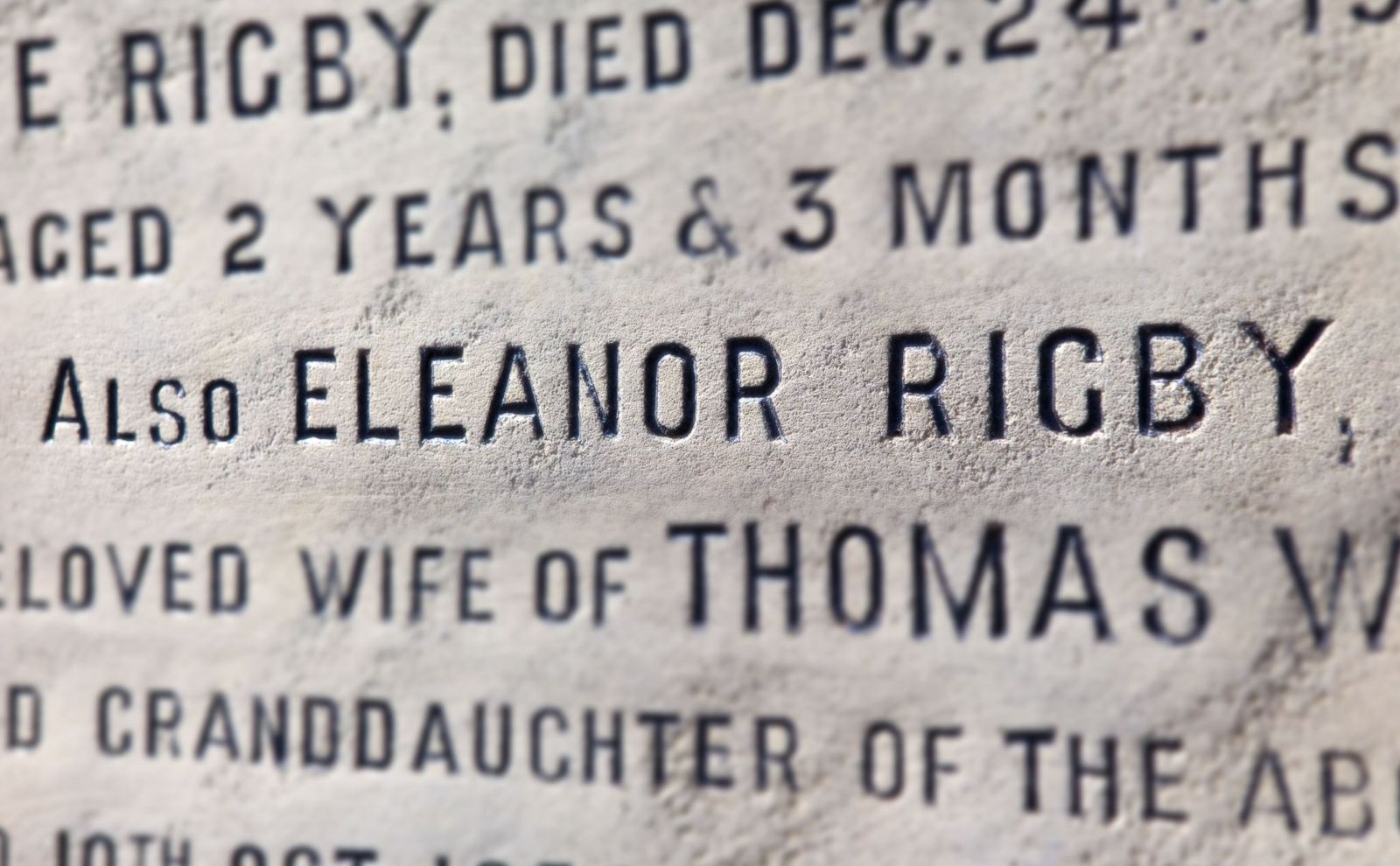
Few fictional characters have captured loneliness as powerfully as Eleanor Rigby. She quietly moves through life unnoticed, while Father McKenzie delivers sermons that no one hears, creating one of popular music's saddest portraits of isolation.

Paul McCartney later explained that Eleanor's name came from actress Eleanor Bron and the Liverpool shop Rigby & Evens. The discovery of an actual Eleanor Rigby gravestone in Liverpool only deepened the song's mystique, though McCartney maintained the coincidence was unintentional.

6

Billie Jean — Michael Jackson — "Billie Jean"

Image: McSleepy

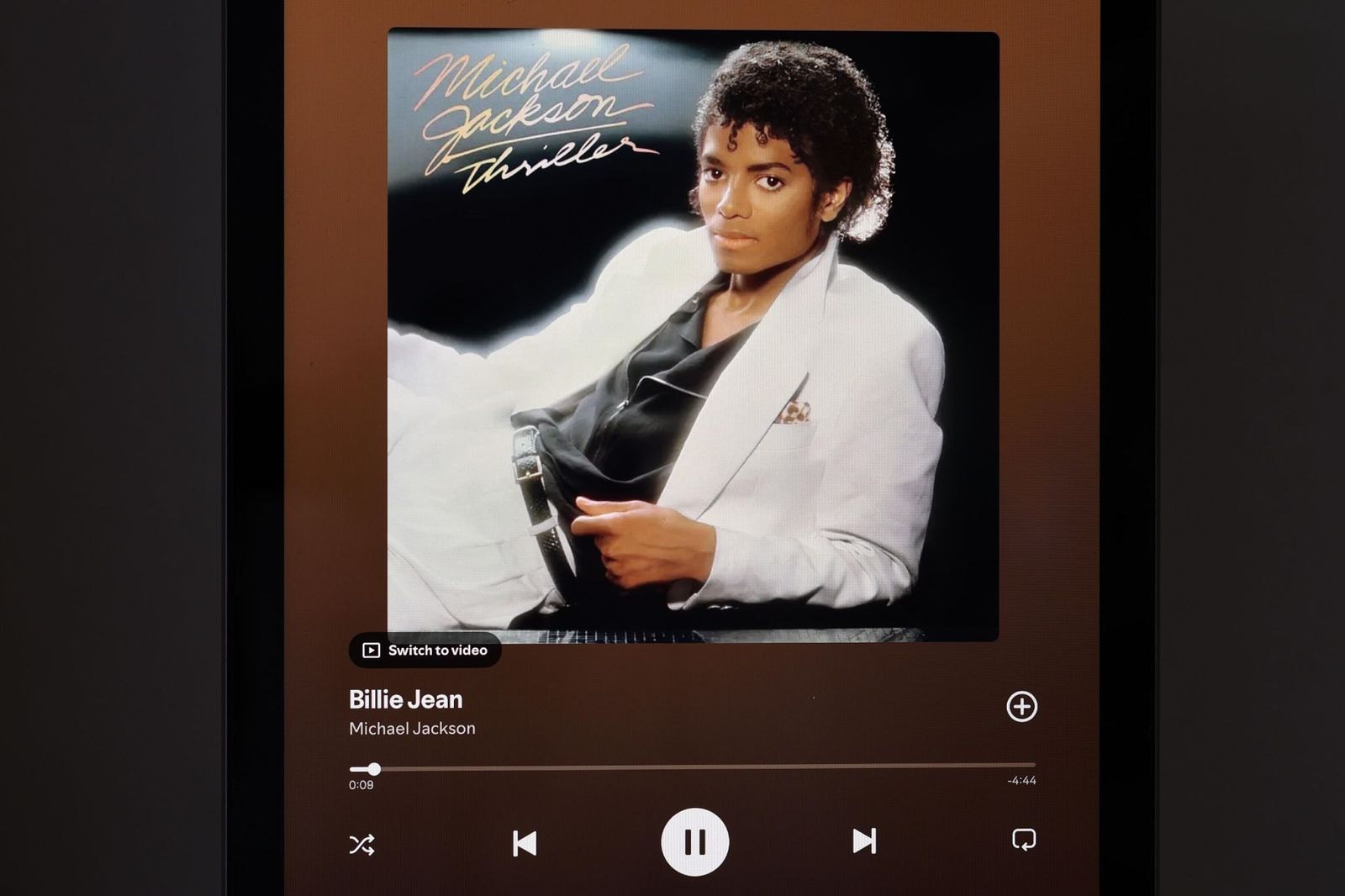
Billie Jean may be one of pop music's most famous women, yet Michael Jackson insisted she wasn't a real person. Instead, she represented several women who falsely claimed that he had fathered their children during the height of the Jackson 5's fame.

Released in 1983 as part of Thriller, the song became a global phenomenon. It also provided the stage for Jackson's legendary moonwalk during Motown 25.

7

Stagger Lee — Lloyd Price — "Stagger Lee"

Image: L Paul Mann

Unlike many legendary song characters, Stagger Lee actually existed. His real name was Lee Shelton, a St. Louis criminal who murdered Billy Lyons during an argument over a hat on Christmas Eve in 1895.

The shocking crime quickly entered American folklore through countless folk songs before Lloyd Price transformed it into a chart-topping hit in 1958. More than a century later, Stagger Lee remains one of the most enduring antiheroes in American music.

8

Tom Dooley — The Kingston Trio — "Tom Dooley"

Image: BOOCYS

Tom Dooley was inspired by Thomas Dula, a Confederate veteran executed in North Carolina in 1868 after being convicted of murdering Laura Foster. His surname was locally pronounced "Dooley," giving the ballad its familiar title.

The Kingston Trio revived the old Appalachian folk song in 1958, turning it into an international hit and helping launch America's folk music revival.

9

Lola — The Kinks — "Lola"

Image: McSleepy

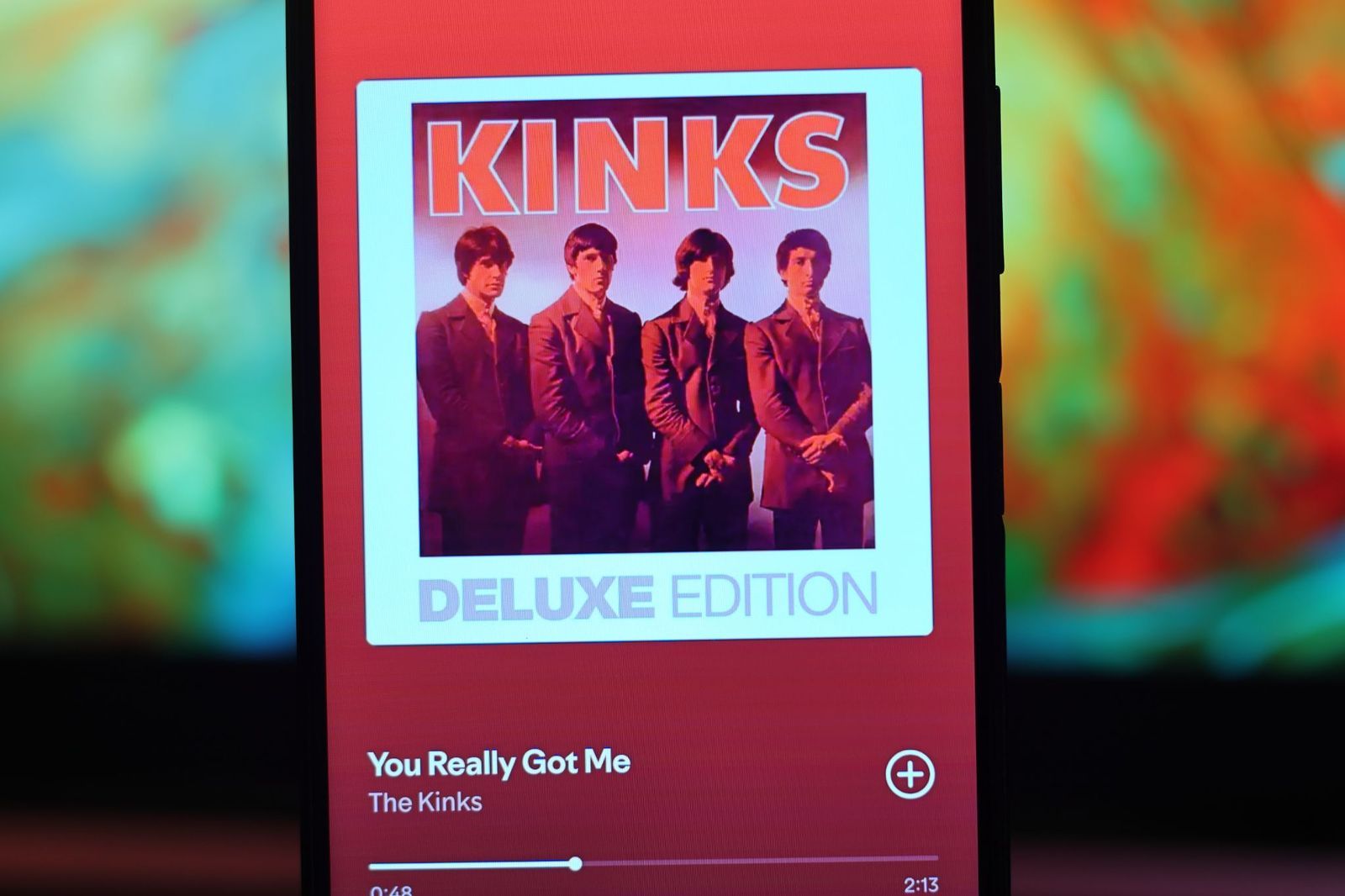
When the narrator of "Lola" meets an intriguing stranger in a Soho nightclub, expectations quickly give way to surprise. Ray Davies crafted one of rock's earliest mainstream stories exploring gender ambiguity, decades before the topic entered popular conversation.

The recording rarely reached British radio. Because BBC rules prohibited commercial product names, Davies had to interrupt a U.S. tour and fly back to London simply to replace the lyric "Coca-Cola" with the now-famous "cherry cola."

10

Piano Man — Billy Joel — "Piano Man"

Image: Debby Wong

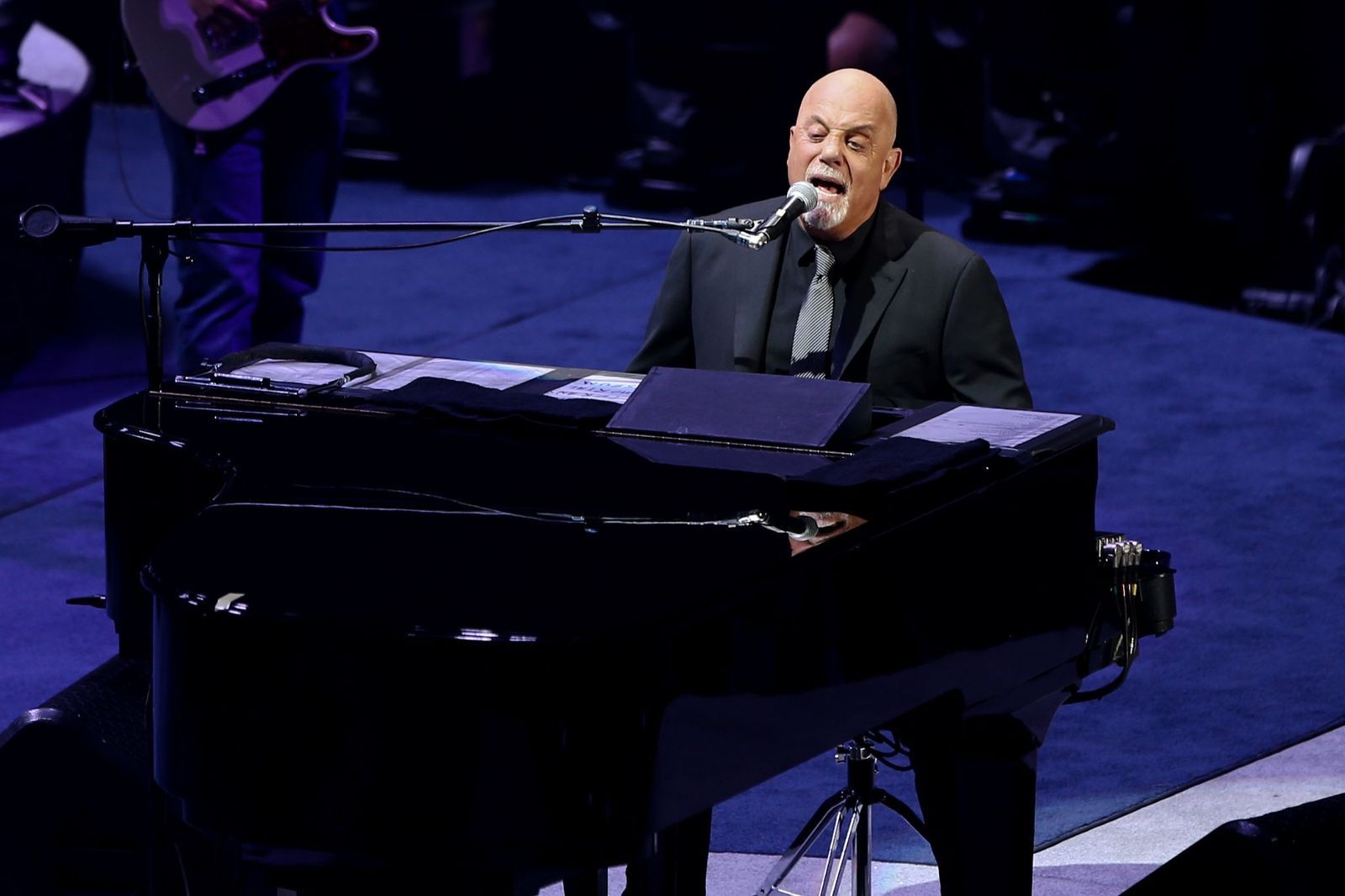
Unlike most famous song characters, the Piano Man is really Billy Joel himself. Before becoming a superstar, Joel spent six months in 1972 and 1973 performing under the pseudonym Bill Martin at the Executive Room, a piano bar in Los Angeles, after becoming trapped in a bad recording contract. The song transforms those experiences into a bittersweet portrait of ordinary people searching for escape at the end of another week.

Joel has said that virtually every character in the song was based on a real person, from bartender John to "Paul, the real estate novelist" and Davy, who really was in the Navy. Yet the Piano Man himself became the story's most enduring character: a quiet observer who offers music as a brief refuge for dreamers, lonely souls, and regulars alike. More than fifty years after its 1973 release, "Piano Man" remains Billy Joel's signature song, and its title has effectively become his lifelong nickname.

11

Amos Moses — Jerry Reed — "Amos Moses"

Image: AS project

Standing nearly seven feet tall and missing an arm, Amos Moses roams the Louisiana swamps hunting alligators. Jerry Reed filled the song with colorful Southern expressions and exaggerated storytelling that make Amos feel like an authentic folk legend.

Although fictional, Amos embodies the larger-than-life heroes found throughout American tall tales. His adventures turned the song into one of Reed's biggest crossover hits and secured Amos a permanent place among country music's greatest characters.

12

Big Bad John — Jimmy Dean — "Big Bad John"

Image: mirigifford

Big Bad John hardly says a word, but he doesn't have to. The towering coal miner earns everyone's respect through quiet strength before sacrificing his own life to save fellow workers when a mine collapses.

Jimmy Dean's 1961 ballad became a smash hit, winning a Grammy and inspiring several sequel songs. More than sixty years later, Big Bad John still stands as one of country music's defining working-class heroes.

Looking for an extra scoop of literary fun?

Learn more with our Word of the day

cant

/kænt/