Oops! Let’s keep it that way

You only say "OK" because of a joke from the 1800s


Published on December 23, 2025

Image: Lucian Alexe

Some words we use daily weren’t born from deliberate invention—they were flukes and accidents. All kinds of typos, mishearings, and bungled translations gave rise to many terms that stuck until today. Find out which 10 words exist only because someone made a mistake—and didn’t fix it.

1

Quiz

Image: Nguyen Dang Hoang Nhu

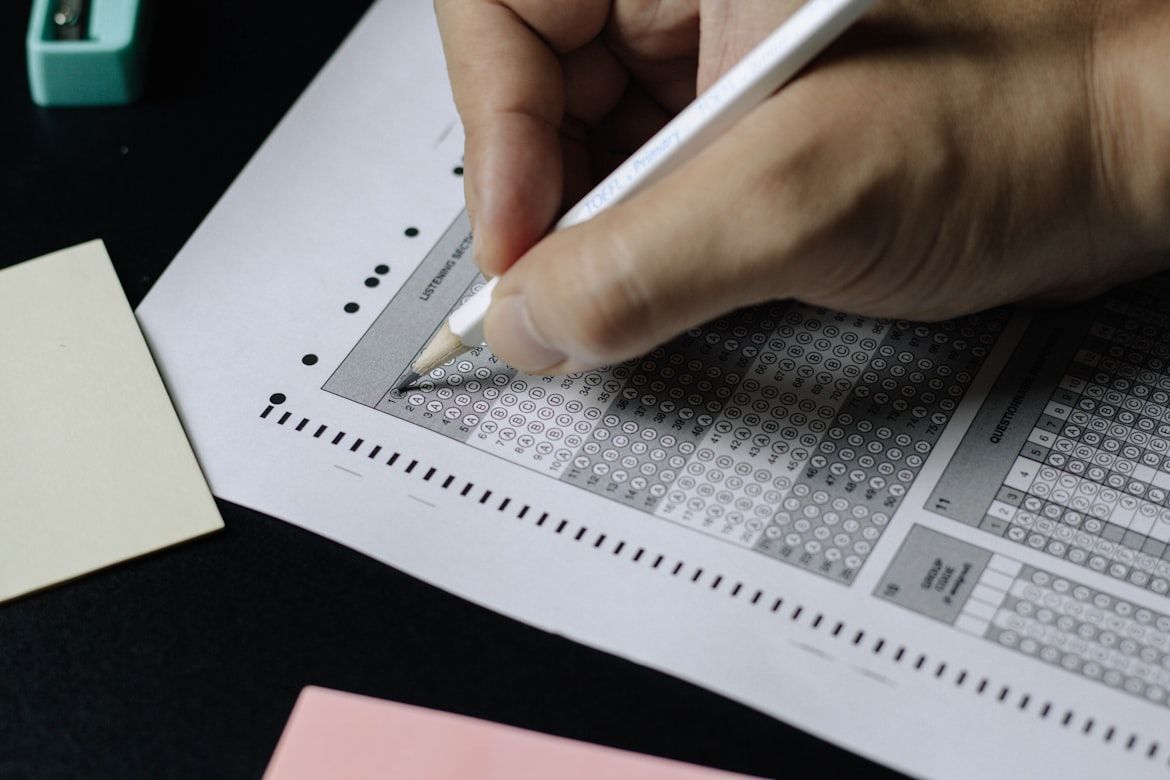
In 1791, Richard Daly made a bet that he could create a word in 48 hours. He spread "quiz" through graffiti across town, and soon everyone was talking about the mysterious word.

Initially, it meant an odd fellow or joker before evolving into its modern meaning. Not all etymologists agree with this origin story, but there aren’t many contenders either.

2

Nylon

Image: Andrew Dawes

Nylon’s name came from an attempt to call it "No-Run" (suggesting stockings wouldn’t tear), but DuPont couldn’t trademark common words, so they tweaked the letters.

Today, it’s one of the most common synthetic fibers in the world.

3

Spam

Image: Hannes Johnson

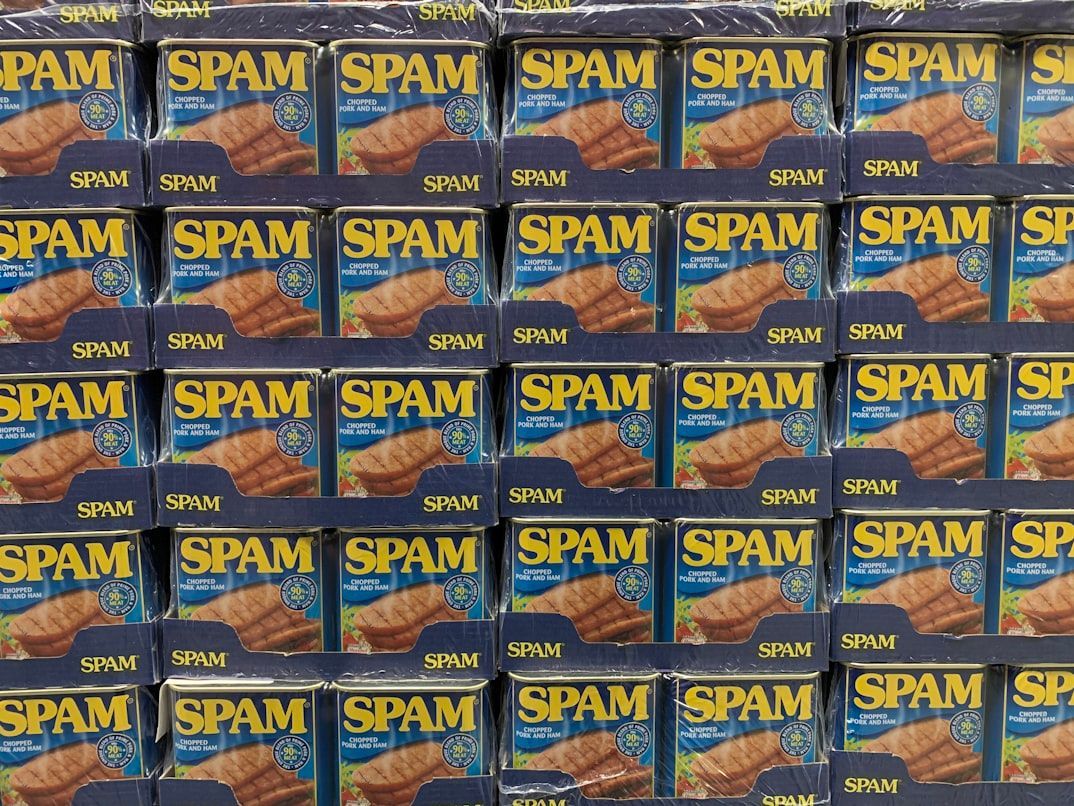
The canned meat got its name from a random suggestion during a brainstorming session, possibly short for "spiced ham."

While its origins are a bit fuzzy, the name stuck. Ironically, it later became slang for unwanted email, thanks to a Monty Python skit.

4

OK

Image: Slavcho Malezan

Newspapers in Boston and New York loved jokey abbreviations. "OK" was one of them, perhaps stemming from a joke misspelling of "all correct" as "oll korrect," a humorous fad in the 1830s.

The word became so popular that it entered multiple languages as a global signal of agreement or approval.

5

Cab

Image: Clem Onojeghuo

The term "cab" for a taxi came from "cabriolet," a French word for a light horse-drawn carriage, shortened by English speakers who mispronounced it.

By the time motorized taxis arrived, "cab" was already shorthand for a vehicle-for-hire. The name stuck even though the original meaning faded.

6

Dandelion

Image: Saad Chaudhry

"Dandelion" comes from French **dent de lion**—"lion’s tooth"—but the word was altered in English over time.

As it passed from Old French to Middle English, pronunciation shifted and spelling changed.

7

Gunk

Image: Towfiqu barbhuiya

Ironically, "gunk" was originally a brand name for a degreasing product, but people used it generically, and the definition morphed over time.

By the mid-20th century, "gunk" meant any unpleasant mess—one of many cases of a brand losing its name to everyday language.

8

Robot

Image: Emilipothèse

"Robot" entered English via a 1920 Czech play, where the word robota meant forced labor.

The play itself was a critique of mechanization and the ways it can dehumanize people, but the word stuck as a shorthand for any kind of mechanical being.

9

Galore

Image: Amador Loureiro

"Galore" came from the Gaelic expression go leor, meaning "plenty," but was misread as a single English word.

It entered English in the 17th century via Irish immigrants. Rather than translate it, writers took the phrase at face value.

10

Groom

Image: Mélanie Villeneuve

"Groom" once meant a boy or servant. Its evolution to mean "bridegroom" was a confusion of roles and job titles in Middle English.

While its roots are related to the Old English word guma (meaning "man"), over time, the term narrowed to describe a man who is getting married.


What science says

It was false after all: 10 health myths that sound true—but aren't


Published on December 23, 2025


Image: Alicja Gancarz

Health myths are everywhere! These ideas were simply passed down for so long that they became part of what we believed. But now science has stepped in to clear things up. Does cold weather make you sick? Can lemon detox your body? Is reading in low light really harmful? Let's uncover the truth behind 10 common health myths!

1

Cutting your hair makes it grow faster

Image: Element5 Digital

Have you ever been told that cutting your hair will make it grow faster? We're sorry to say that's just a myth. Hair grows from the root, not the ends. So, trimming it won't boost growth, though it does help remove split ends that can make your hair look dry or unhealthy.

2

Cold weather causes colds

Image: Thom Holmes

This is one of the most common health myths. Cold weather often gets blamed, but it's not the temperature that makes you catch a cold. During winter, we tend to stay indoors with others and keep the windows closed, an environment that makes it easier for viruses to spread. That's why colds tend to be more common in winter!

3

Eating before bed makes you gain weight

Image: Michelen Studios

The idea that eating before bed automatically leads to weight gain is a myth. In reality, it has more to do with what you eat and how much, rather than the time of day. Often, when we eat very late at night, we're tired and more likely to reach for quick, high-calorie, heavy foods. This can disrupt sleep and lead to consuming more calories than we burn, both of which may affect weight. If it's close to bedtime, it's better to have something light and healthy in a moderate portion than to skip a meal altogether.

4

Wearing glasses weakens your vision

Image: Bud Helisson

Does wearing glasses weaken your vision? Myth! If an eye doctor prescribes glasses, wearing them as directed helps correct your vision; it won't make it worse. Additionally, the right glasses can help prevent or reduce headaches caused by reading or spending long hours in front of a screen.

5

Reading in low light causes permanent eye damage

Image: Amir Balam

This myth is closely related to the previous one. If you love reading and sometimes have to do it in low light because of the situation, don't worry. According to experts, reading in low light doesn't cause permanent or irreversible eye damage. However, it's not recommended because it can make your eyes feel tired or strained, leading to discomfort or headaches.

6

You need to drink 8 glasses of water a day

Image: engin akyurt

We're all different, and so are our bodies. The idea that everyone should drink exactly eight glasses of water a day is more of a general guideline than a rule. Staying well hydrated throughout the day is extremely important, but how much water you need depends on factors like your weight, age, climate, and overall health. We should prioritize staying consistently hydrated instead of obsessing over the number of glasses we drink.

7

Lemon water detox and cleanse your body

Image: Tirza van Dijk

Some people say drinking lemon water helps eliminate toxins and cleanse the body. While adding a slice of lemon to your water is a refreshing way to stay hydrated, it doesn't have any special "detoxifying" powers. The vitamin C in citrus fruits is beneficial, but the body has its own natural detox system. The liver and kidneys are the main organs that filter waste and eliminate toxins.

8

All fat is bad

Image: Aneta Voborilova

Not all fats are bad! Just like other food groups, your body needs fats to function properly. The important thing is knowing the difference between healthy fats and those that can be harmful. Foods like avocados, seeds, olive oil, fish, and nuts are rich in healthy fats. On the other hand, the fats found in processed or fried foods are the ones that can have a negative impact on your body.

9

Liver disease is always caused by alcohol or fats

Image: Elevate

Liver diseases can be serious. While heavy and frequent consumption of alcohol and fats is a major contributor, it's not the only cause. Liver problems can also result from many other factors. These include viral infections, autoimmune diseases, genetic disorders, high blood pressure, and exposure to certain chemicals.

10

Breakfast is the most important meal

Image: Brooke Lark

There's some truth to it: breakfast is important because it replenishes our glucose and energy levels and supports proper metabolism. However, the idea that it's the most important meal of the day might be an exaggeration. Everyone's body has different needs, and all meals are important, so we shouldn't skip any of them!

Looking for an extra scoop of literary fun?

Learn more with our Word of the day

fretful

/ˈfrɛtf(ə)l/