Superstitions that still make us knock on wood
Ten common superstitions and their surprising origins
Published on December 13, 2025
We're rational adults living in the 21st century. We have smartphones, streaming services, and GPS navigation. Yet somehow, when a black cat crosses our path, we still feel that little twinge of "uh oh." Let's explore ten classic superstitions that continue to haunt (and amuse) us today.
Breaking a Mirror Brings Seven Years of Bad Luck
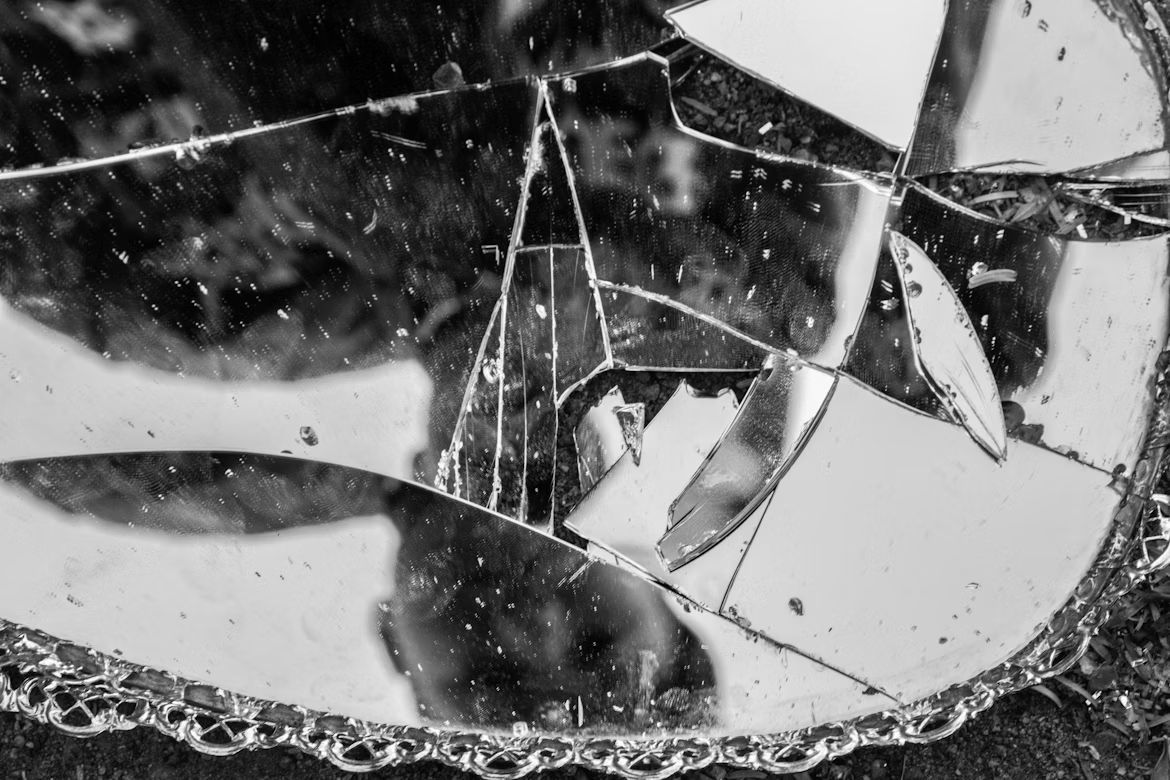 Image: Savannah B.
Drop a mirror and watch it shatter? Congratulations, you've just signed yourself up for seven years of misfortune—or so the superstition claims. This belief dates back to ancient times when mirrors were rare, expensive, and thought to reflect your soul. Breaking one meant damaging your very essence, which would take seven years to "regenerate." That's quite the warranty period for your spiritual well-being.
Walking Under a Ladder Is Asking for Trouble
 Image: Jilbert Ebrahimi
See a ladder propped against a building? Better walk around it unless you want bad luck following you home. This superstition actually has some practical roots—walking under a ladder is genuinely dangerous since paint cans, tools, or clumsy workers could fall on your head. But the mystical explanation is even more interesting: a ladder against a wall forms a triangle, which represents the Holy Trinity, and walking through it was considered a sign of disrespect to the divine.
Black Cats Crossing Your Path Mean Bad News
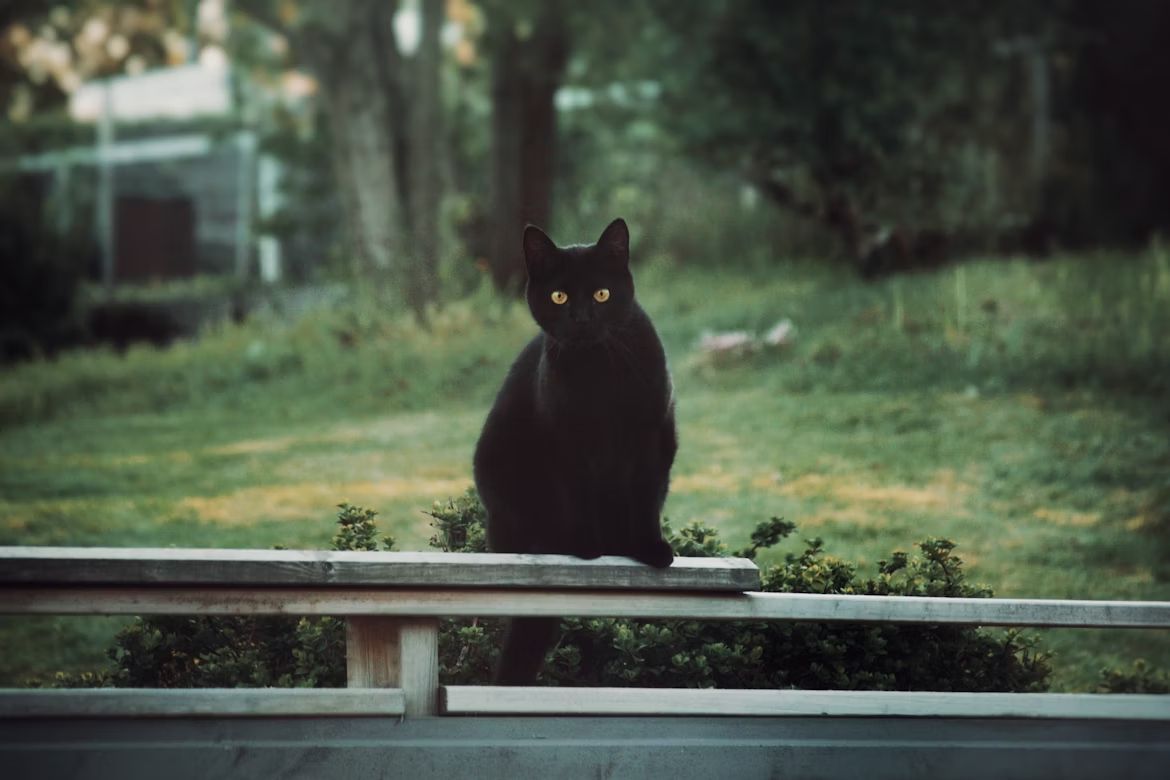 Image: Kristin O Karlsen
In medieval Europe, these sleek felines were associated with witches and dark magic, making them the least popular pet choice for the superstitious. Cross paths with one, and you were supposedly inviting misfortune into your life. Never mind that black cats are just regular cats with darker fur—superstition doesn’t care about logic.
Ironically, in some cultures, black cats are considered good luck, which must be very confusing for the cats themselves. Are they harbingers of doom or furry little fortune cookies? It all depends on which side of the ocean you're standing on.
Opening an Umbrella Indoors Invites Disaster
 Image: Ryoji Iwata
Popping open an umbrella inside the house is a big no-no in the superstition handbook. The origins of this belief are a bit murky, but one theory suggests it offended the sun god to use a shade-providing device indoors, where the sun doesn't shine anyway. Another explanation is more practical: early umbrellas had stiff springs and metal spokes that could genuinely hurt someone or knock over valuables when opened in tight spaces.
Knocking on Wood Keeps Bad Luck Away
 Image: K Adams
Say something good about yourself—"I haven't been sick all year"—and watch yourself immediately reach for the nearest wooden surface. The ritual supposedly prevents your boastful words from jinxing you and attracting bad luck's attention. Its origins trace back to ancient tree-worshipping cultures that believed spirits lived in wood and could offer protection if properly acknowledged.
The best part about this superstition is how flexible it is. Can't find real wood? Knock on your head (insert your own joke here). Some people tap twice, others three times—there's no official protocol, which is refreshing in the otherwise rigid world of superstitions.
Friday the 13th Is the Unluckiest Day
 Image: Nik
This superstition combines two separate fears: Friday was considered unlucky because it was the day of Jesus’s crucifixion, and the number 13 has been deemed unlucky for various reasons, including being one more than the "perfect" dozen. Put them together, and you’ve got a day so notorious it inspired an entire horror movie franchise.
The funny thing is, there’s no statistical evidence that more bad things happen on Friday the 13th than on any other day. Yet hotels often skip the 13th floor (jumping from 12 to 14), and some airlines avoid having a 13th row.
Spilling Salt Requires an Over-the-Shoulder Toss
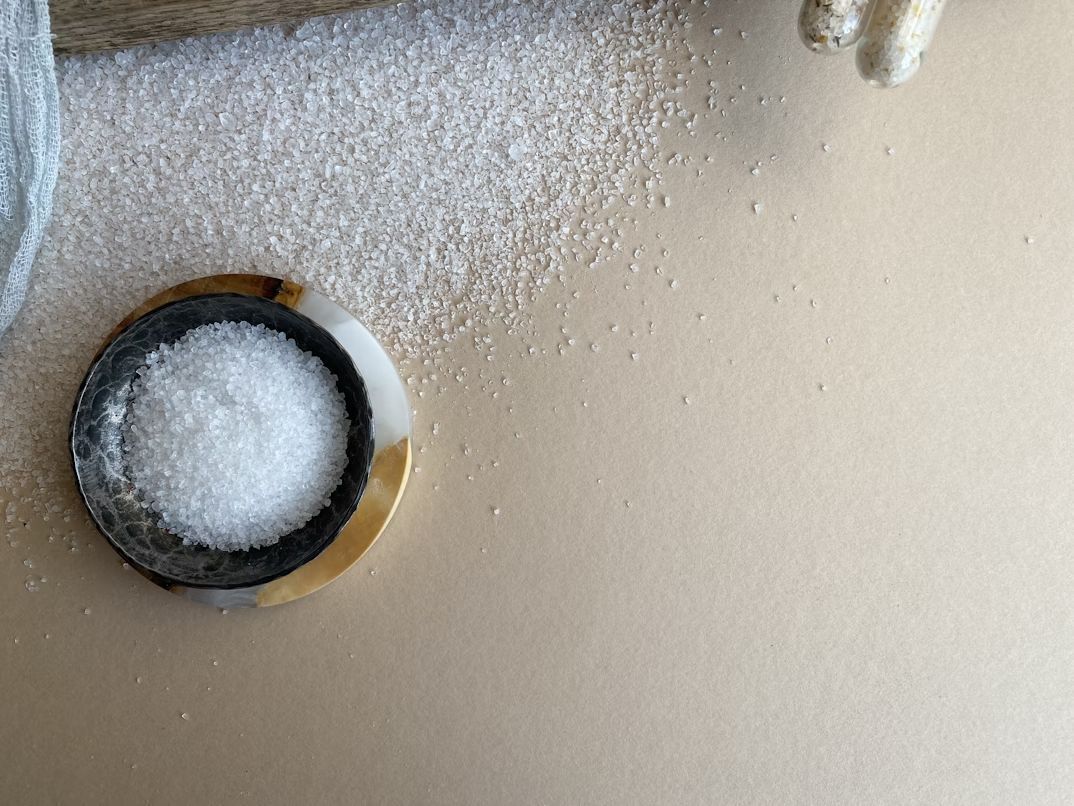 Image: ekaterina shishina
Knock over the salt shaker at dinner, and tradition demands that you immediately toss a pinch over your left shoulder. Why? Because the devil was supposedly lurking behind your left shoulder, waiting to cause mischief, and throwing salt in his eyes would temporarily blind him. Salt was once incredibly valuable—Roman soldiers were even paid in salt, giving us the word "salary"—so spilling it was genuinely wasteful and considered an invitation for bad luck.
Finding a Penny Brings Good Fortune (If It's Heads Up)
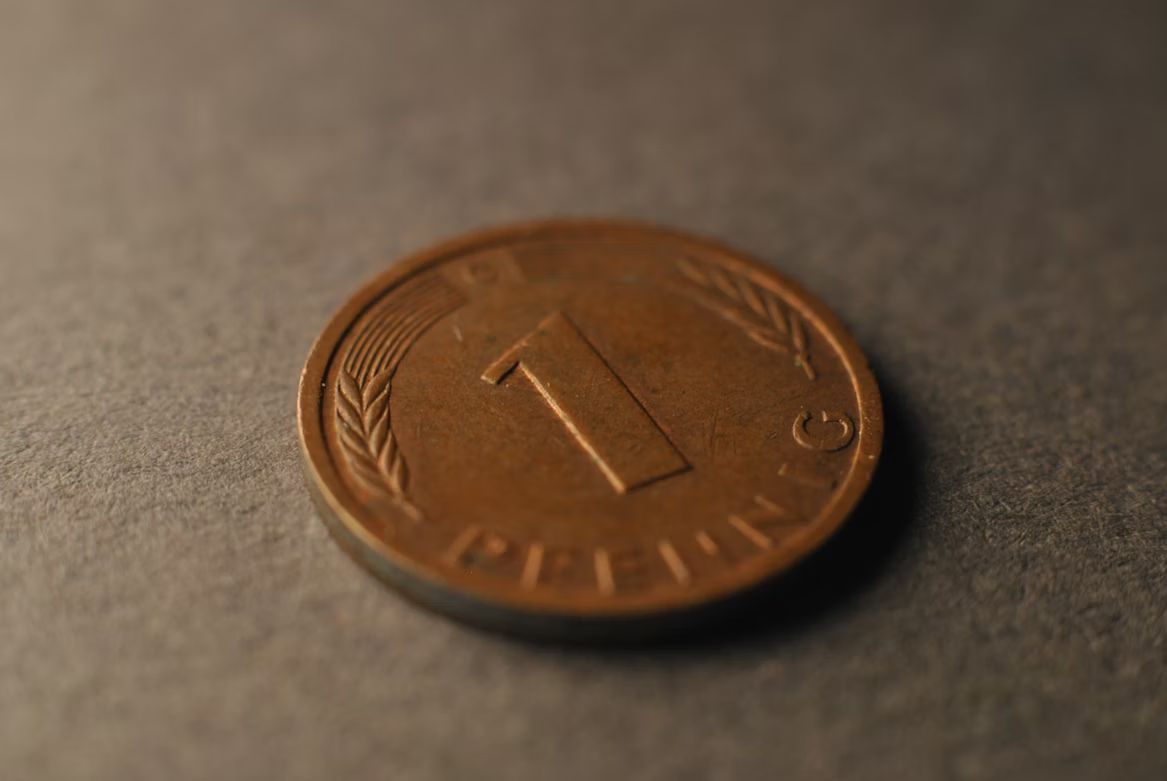 Image: Roman Manshin
"Find a penny, pick it up, and all day long you'll have good luck"—but only if it's heads up. If it's tails up, some versions say you should flip it over for the next person or leave it alone entirely. This is one of the more optimistic superstitions, suggesting the universe occasionally scatters small fortunes in our path. Given that a penny is worth one cent, the universe isn't exactly being generous, but it's the thought that counts.
Saying "Bless You" After a Sneeze Protects the Soul
 Image: Towfiqu barbhuiya
When someone sneezes, we automatically say "bless you" or "gesundheit" without really thinking about why. The tradition supposedly started because people believed your soul could escape through your nose during a sneeze, or that the sneeze temporarily stopped your heart, leaving you vulnerable to evil spirits. By blessing the person who sneezed, you were offering spiritual protection during this brief moment of weakness. It's surprisingly dramatic for such a common bodily function.
Beginner's Luck Is Real (and Slightly Annoying)
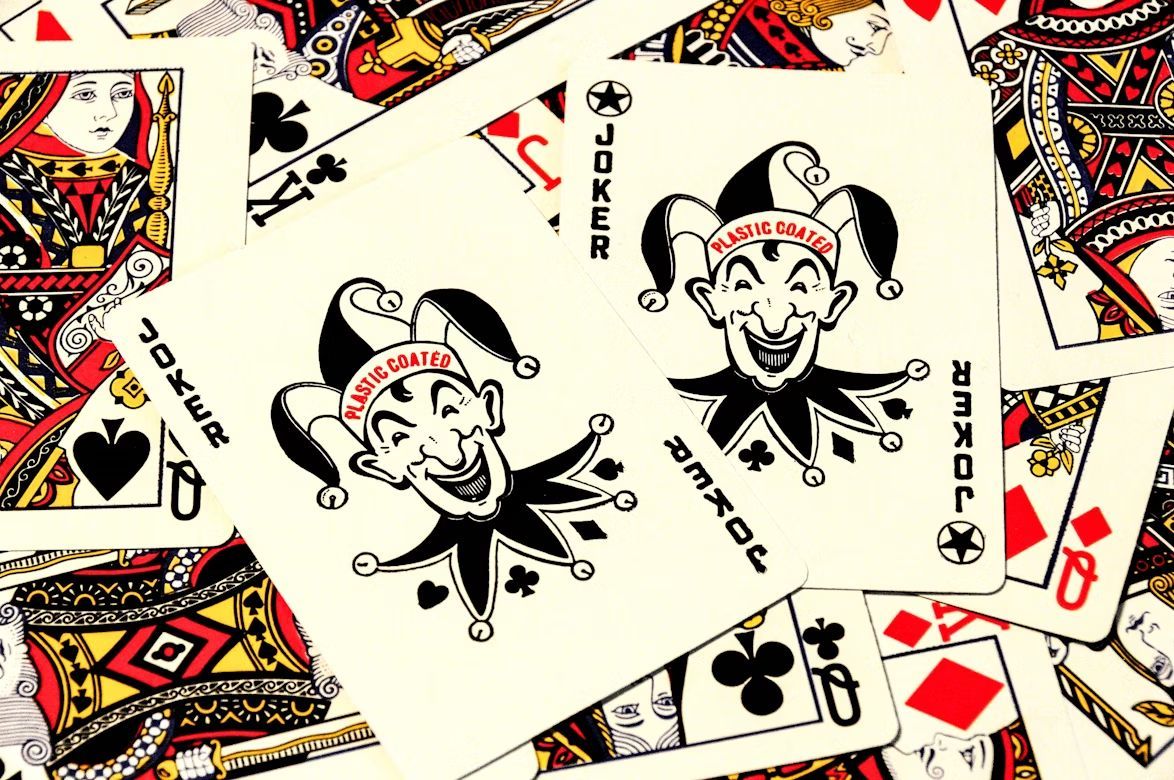 Image: Toni Reed
Ever notice how someone playing poker, bowling, or trying any new activity for the first time often experiences unexplainable success? That's beginner's luck, the superstition that newcomers are temporarily blessed with good fortune, perhaps because fate wants to encourage them to keep trying. It's a convenient explanation for why your friend, who's never bowled before, just rolled a strike while you, the experienced bowler, keep hitting the gutter.
Of course, there are practical explanations: beginners aren't overthinking their moves, aren't burdened by bad habits, and aren't feeling pressure to perform. But where's the fun in that? It's much more entertaining to blame supernatural forces for our defeats.


