A mouthful of facts

What does the tongue say about you? 12 clues hidden in our mouth!


Published on January 25, 2026


Image: Clem Onojeghuo

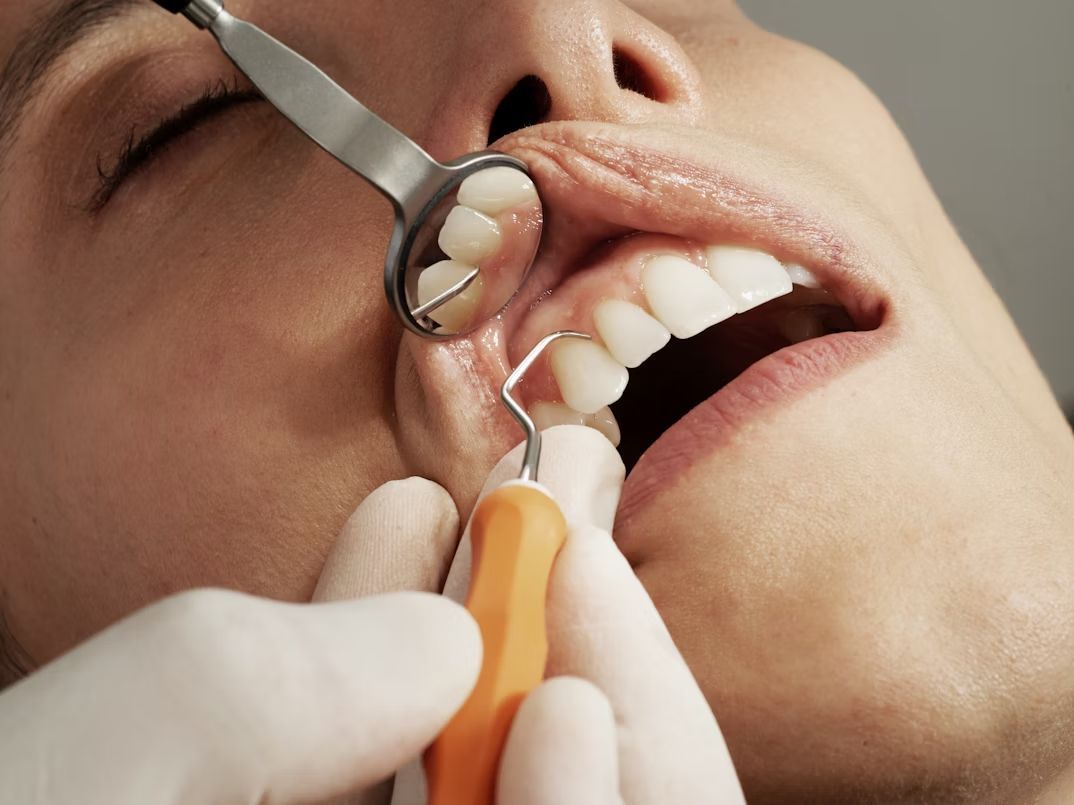
Our mouths do so much more than help us chat, chew, and chuckle. This hardworking part of the body is home to a whole host of weird, wonderful, and sometimes wacky facts. From surprising saliva stats to your teeth’s secret life, a lot is going on behind your smile. And the best part? You don’t need a medical degree to appreciate these bite-sized bits of trivia. Let’s sink our teeth into some fascinating mouth facts!

1

Saliva: the secret to flavor

Image: Nick Fewings

Taste buds are important, but without saliva, your taste buds wouldn't be able to detect much of anything. Saliva helps break down food particles and dissolve the chemicals that make up flavors, sending them to your taste receptors. That’s why food tastes bland when you're dehydrated. Hydration equals better flavor!

2

Your mouth is a microbial metropolis

Image: Joey Nicotra

Believe it or not, the inside of your mouth is teeming with life. Wanna hear the numbers? Around 8 billion bacteria live there! That’s roughly the population of the entire planet, all crammed into your smile.

Most of these microbes are harmless, and some are even helpful. But when they get out of balance, that’s when things like cavities and gum disease can set in. Brushing and flossing aren’t just cosmetic, they help keep the peace in this microscopic community.

3

Oral health and your heart go hand in hand
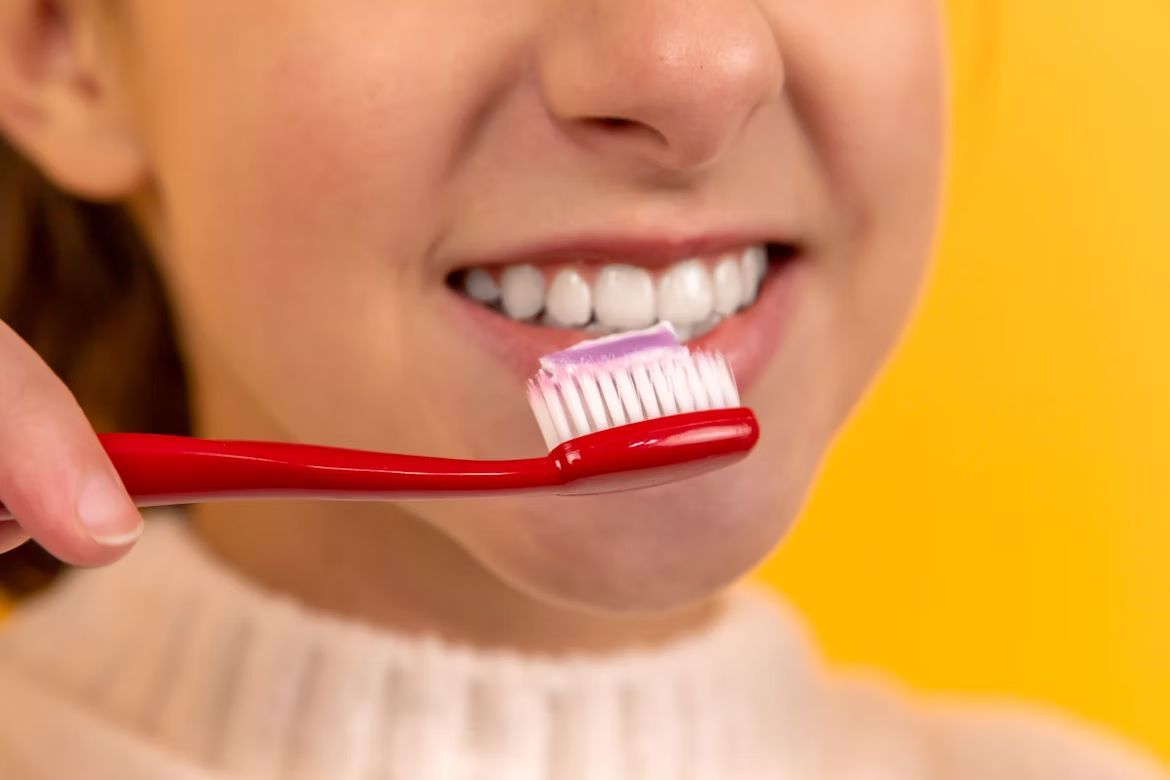
Image: Diana Polekhina

This might surprise you, but skipping floss can affect more than just your gums. Studies have shown a strong link between poor oral health and major diseases like heart disease, diabetes, and even osteoporosis.

Inflammation from gum disease may contribute to problems in other parts of your body. Your mouth is like a window into your overall health, and red flags here could signal trouble elsewhere. Keep the dental checkups going! Your whole body benefits when your mouth is in top shape.

4

Swimming with your mouth open? Think twice

Image: Brian Matangelo

Taking a dip in the pool is refreshing, but make sure you keep your mouth closed. Chlorine, used to disinfect pool water, can be tough on your teeth.

Frequent exposure may weaken enamel and lead to increased tooth sensitivity. That means swimmers, especially those doing laps daily, should be extra cautious. If you’re one of them, just know rinsing with clean water after a swim can help wash away any residue.

5

Plaque: your mouth’s unwanted guest

Image: Caroline LM

Plaque isn’t just a little fuzzy feeling on your teeth, it’s a mix of bacteria, food particles, and saliva. If left alone, it hardens into tartar, which only a dentist can remove.

Plaque is the main cause of gum disease and cavities. Brushing twice a day and flossing help kick it to the curb. Mouthwash can give an extra layer of protection, too.

6

Your tongue is truly one-of-a-kind

Image: Fernanda Greppe

Of all the muscles in your body, the tongue is the only one that doesn’t need skeletal support to do its job. It’s a muscular marvel that helps with speaking, swallowing, and tasting. Despite its flexibility, it’s incredibly strong for its size.

Plus, no two tongues are the same; each has a unique print, just like fingerprints. Bet you didn’t know your tongue was such a multitasker!

7

There’s more to your teeth than meets the eye
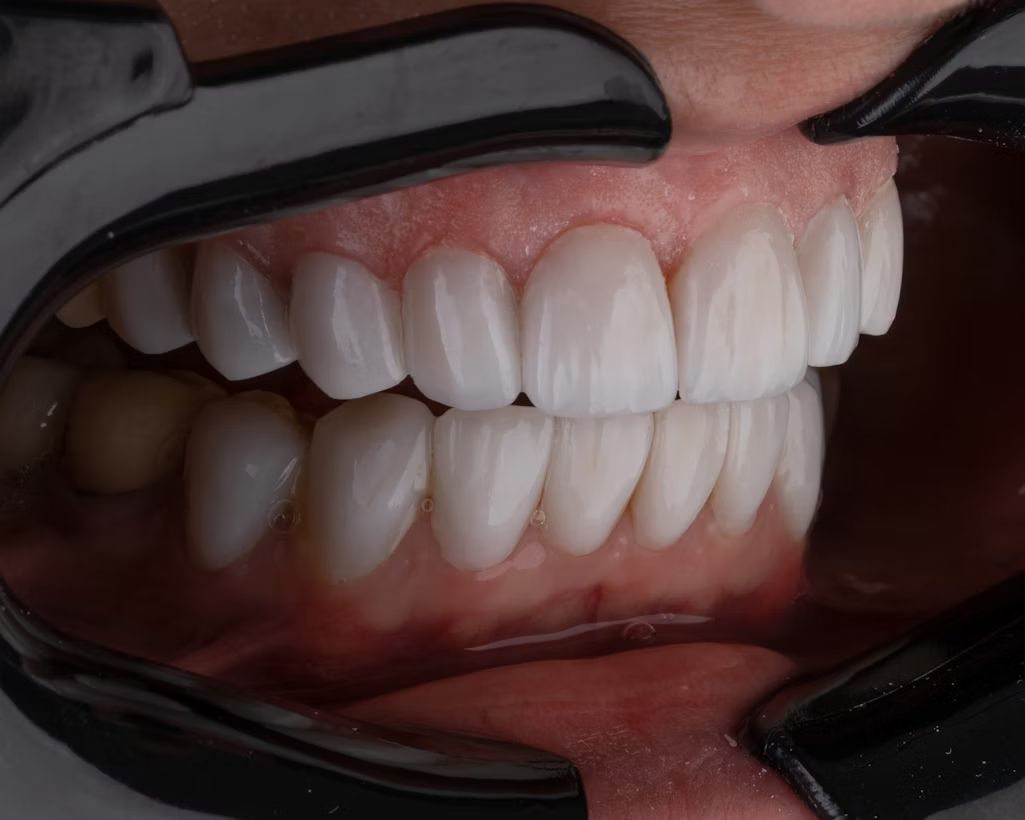
Image: Kamal Hoseinianzade

You might only see the top two-thirds of your teeth, but the rest is hiding below the gumline. That hidden portion includes the roots, which anchor your teeth in place. Healthy gums are essential for keeping this foundation strong.

Gum disease can cause that support to weaken, leading to tooth loss over time. So yes, we said it one too many times, but flossing is about way more than fresh breath. A deep clean leads to a deep-rooted smile.

8

Sip on this: Green tea is great for your gums

Image: Na visky

Green tea is full of powerful antioxidants and natural antibacterial agents. These can help reduce inflammation in your gums and keep harmful bacteria at bay. Studies suggest it may even lower your risk of periodontal disease.

Unlike sugary drinks, it doesn’t feed the bacteria that cause decay. And it’s a pretty soothing way to wind down after a meal. Swap one of your daily cups of joe for green tea, and your mouth will thank you.

9

Your taste buds are tiny but mighty

Image: kazuend

You’ve got about 10,000 taste buds scattered around your mouth, but most live on your tongue. They detect sweet, salty, sour, bitter, and umami flavors, working together like a culinary orchestra.

Now, here’s the fascinating fact: Taste buds regenerate every 10 to 14 days, so you’re always getting a fresh batch. However, aging, smoking, and illness can dull your sense of taste over time.

10

Teeth: your one-of-a-kind smile

Image: Lesly Juarez

Just like fingerprints, no two people have the exact same set of teeth. Their size, shape, alignment, and even bite pattern are all uniquely yours. That’s why dental records are so helpful in forensics.

Your teeth are part of your identity, and once you lose them, they don’t grow back. Protecting them is a lifelong investment!

11

Saliva: the pool-filler you didn’t ask for

Image: LexScope

Get ready for this one: The average person produces over 37,000 liters of saliva in a lifetime. That’s enough to fill two entire swimming pools!

Saliva plays a vital role in digestion, taste, and keeping your mouth clean. It helps neutralize acids and wash away food particles, protecting against decay. Without it, your mouth would be a desert. Yes, this fact was kind of gross, but equally helpful!

12

Brushing your life away—literally

Image: Nik

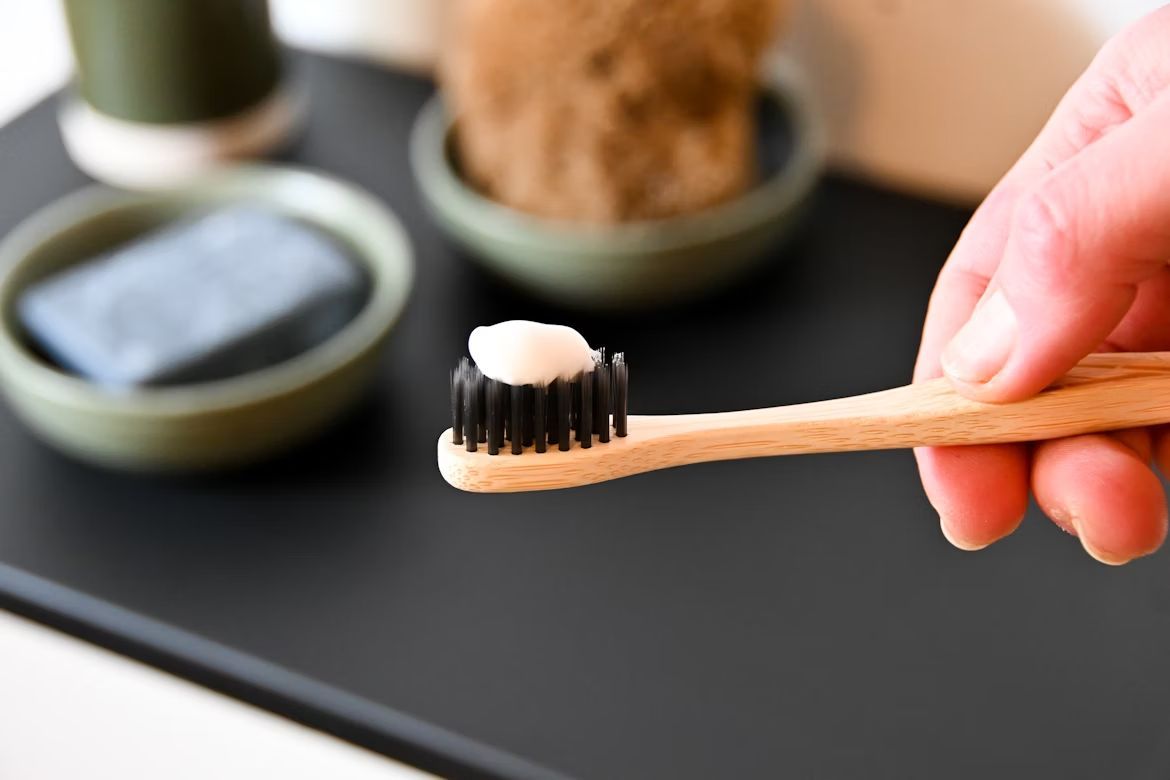
Over the course of a lifetime, the average person spends 38.5 days brushing their teeth. That’s more than a month with nothing but you, your toothbrush, and the mirror.

It may sound like a lot, but your smile’s worth every second, don’t you think? Regular brushing keeps plaque away, prevents bad breath, and saves you from future dental bills. Just keep brushing, you’re doing mouth maintenance like a pro!



The 12 longest-living animals on Earth (and how they cheat time)


Published on January 25, 2026


Image: David Clode

Nature doesn’t just create beauty, it crafts survival miracles. While most animals have short lives, a rare few have mastered the art of staying alive for centuries, even millennia. These aren’t just long-lived creatures; they’re nature’s ultimate time travelers. From the frozen depths of the oceans to the darkest corners underground, they’ve developed bizarre, brilliant strategies to cheat death. Get ready to meet 12 animals whose lifespans will absolutely blow your mind.

1

Antarctic Sponge (Anoxycalyx joubini)

Image: NOAA

Record age: up to 15,000 years

This unassuming sea sponge thrives in the freezing waters of Antarctica, where temperatures hover around 28.6 °F—so cold that biological processes hit the brakes. In such icy conditions, metabolism slows to a crawl, allowing these sponges to live for thousands of years.

Some have reached impressive sizes of over 3 feet tall and have been around since mammoths were still thundering across the tundra. They don’t move, they don’t stress, and they barely change, just quietly existing while centuries pass them by. Their secret to extreme longevity? Glacial patience, deep-sea stillness, and a lifestyle that redefines "low-maintenance".

2

Immortal Jellyfish (Turritopsis dohrnii)

Image: Dr. Karen J. Osborn, CC0, via Wikimedia Commons

Age: technically… infinite

This tiny jellyfish, no bigger than a fingernail—less than 0.2 inches—is like the ocean’s very own Benjamin Button. What makes it truly extraordinary is its ability to rewind its life story, flipping back to a youthful, juvenile stage whenever it wants. While it’s not completely invincible (predators and other threats are still very real), if left undisturbed, it can keep hitting the reset button on aging indefinitely, making it one of the most fascinating "time-benders" in nature.

3

Ocean Quahog Clam (Arctica islandica)

Image: Norbert Braun

Record age: 507 years

In 2006, a special clam was discovered buried deep in the seabeds of the North Atlantic. Scientists were able to determine that it had been there since at least 1499—that’s centuries before the United States was even a thought! This ancient marvel, nicknamed "Ming", was able to perfect a slow-and-steady approach to life. Growing at a snail’s pace and barely budging, Ming’s sedentary lifestyle turned out to be a brilliant strategy for beating the clock. Who knew doing almost nothing could be the ultimate secret to longevity?

4

Greenland Shark (Somniosus microcephalus)

Image: https://upload.wikimedia.org/wikipedia/commons/3/39/Greenland_shark_profile.jpg

Record age: estimated 392 years

These sharks aren’t your average ocean cruisers—they can stretch over 20 feet long and weigh up to 2,200 pounds. But what’s really mindblowing is how slowly they move, like they’re in a permanent state of deep relaxation. Living in the icy Arctic waters, these giants don’t hit adulthood until they’re about 150 years old, and some can glide through the depths for nearly 400 years. Imagine that! These ancient swimmers were already around before America declared independence... and they are still out there, silently roaming the seas!

5

Bowhead Whale (Balaena mysticetus)

Image: Vicki Beaver, Alaska Fisheries Science Center, NOAA FIsheries, Marine Mammal Permit#14245, Public domain, via Wikimedia Commons

Record age: over 211 years

This whale is a true ocean giant, stretching up to 60 feet long and weighing a staggering 200,000 pounds. But what makes it stand out isn’t just its size but its age. Some of these majestic creatures carry harpoons from the 1800s still lodged in their skin, like walking history books. Just picture living so long that you’re literally carrying outdated technology embedded in your body—talk about being a time traveler of the seas!

6

Red Sea Urchin (Mesocentrotus franciscanus)

Image: National Marine Sanctuaries, Public domain, via Wikimedia Commons

Record age: 200 years

Spanning the chilly Pacific coastline from California all the way up to Alaska, this spiky little ball—about 7 inches across—is full of surprises. It munches on algae and calls the deep, dark ocean its home, thriving at depths of up to 300 feet. Don’t let its size fool you: this prickly creature is a true elder of the cold seas, quietly outliving many ocean neighbors while keeping a low profile. A tough, slow-living veteran wrapped in spikes!

7

Koi Carp (Cyprinus rubrofuscus)

Image: Daniel Dan

Record age: 226 years

Meet Hanako, a legendary Japanese koi who swam through life for an astonishing 226 years. Scientists discovered how old she was by studying the rings on her scales, much like counting the growth rings of a tree. These colorful, ornamental fish aren’t just symbols of good fortune; they’re also secret long-lifers with the potential to celebrate over two centuries of birthdays, as long as they get the right care and a peaceful pond to call home.

8

Seychelles Giant Tortoise (Aldabrachelys gigantea)

Image: Ryan Grewell

Record age: 190 years

Jonathan is a male tortoise living on the remote island of Saint Helena in the South Atlantic Ocean. He was born back in 1832, and he’s still happily chomping lettuce and soaking up the sun today. Weighing in at more than 400 pounds and measuring around 3 feet long, Jonathan holds the title of the oldest known living land animal on the planet. If he could share tales, they’d span nearly two centuries of history. Imagine that!

9

Lake Sturgeon (Acipenser fulvescens)

Image: See page for author, Public domain, via Wikimedia Commons

Record age: 152 years

This ancient-looking fish, with its whisker-like barbels, looking like a tiny underwater submarine, prowls the lakes of North America. It can reach an impressive length of up to 7 feet and weigh around 200 pounds. These slow-living creatures don’t rush into adulthood—they start breeding only around age 20—and then take their time cruising through life at a leisurely pace. Believe it or not, one legendary catch in Wisconsin was estimated to be over 150 years old!

10

Kakapo Parrot (Strigops habroptilus)

Image: Andreas Sjövall

Record age: over 90 years

This chunky, night-loving parrot from New Zealand is a true oddball—it can’t fly, snores like a grumpy grandpa, and smells like fresh flowers. Despite its quirks, this bird boasts an impressively long lifespan. Sadly, it teeters on the edge of extinction. The oldest known kakapo, affectionately named Richard Henry, lived 90 years, earning him the title of the charmingly eccentric elder statesman of the avian world.

11

Naked Mole Rat (Heterocephalus glaber)

Image: Daderot, CC0, via Wikimedia Commons

Record age: 37 years

This tiny, kooky rodent—barely 3 inches long and just over an ounce in weight—could’ve been cast straight from a sci-fi apocalypse flick. Dwelling in vast underground colonies across Africa, it’s practically invincible to cancer, pain, and the usual effects of aging. Scientists are fascinated by this little marvel, even if it’s not winning beauty contests anytime soon. Its superpowers make it a star in longevity research!

12

American Lobster (Homarus americanus)

Image: OAR/National Undersea Research Program (NURP)., Public domain, via Wikimedia Commons

Record age: estimated 100+ years

Lobsters have a totally different rulebook than us when it comes to aging. They don’t really grow old; they just keep getting bigger and bigger. Some giant lobsters weigh over 40 pounds and stretch beyond 3 feet long. Their biggest threats? Not old age, but predators or the risky process of shedding their shells. In theory, they could live forever if left alone—but let’s be honest, not many get to enjoy a peaceful, lobster-sized retirement!

Looking for an extra scoop of literary fun?

Learn more with our Word of the day

dolorous

/ˈdoʊlərəs/