You probably didn't know these 10 fruits and veggies are human inventions


Published on March 6, 2026
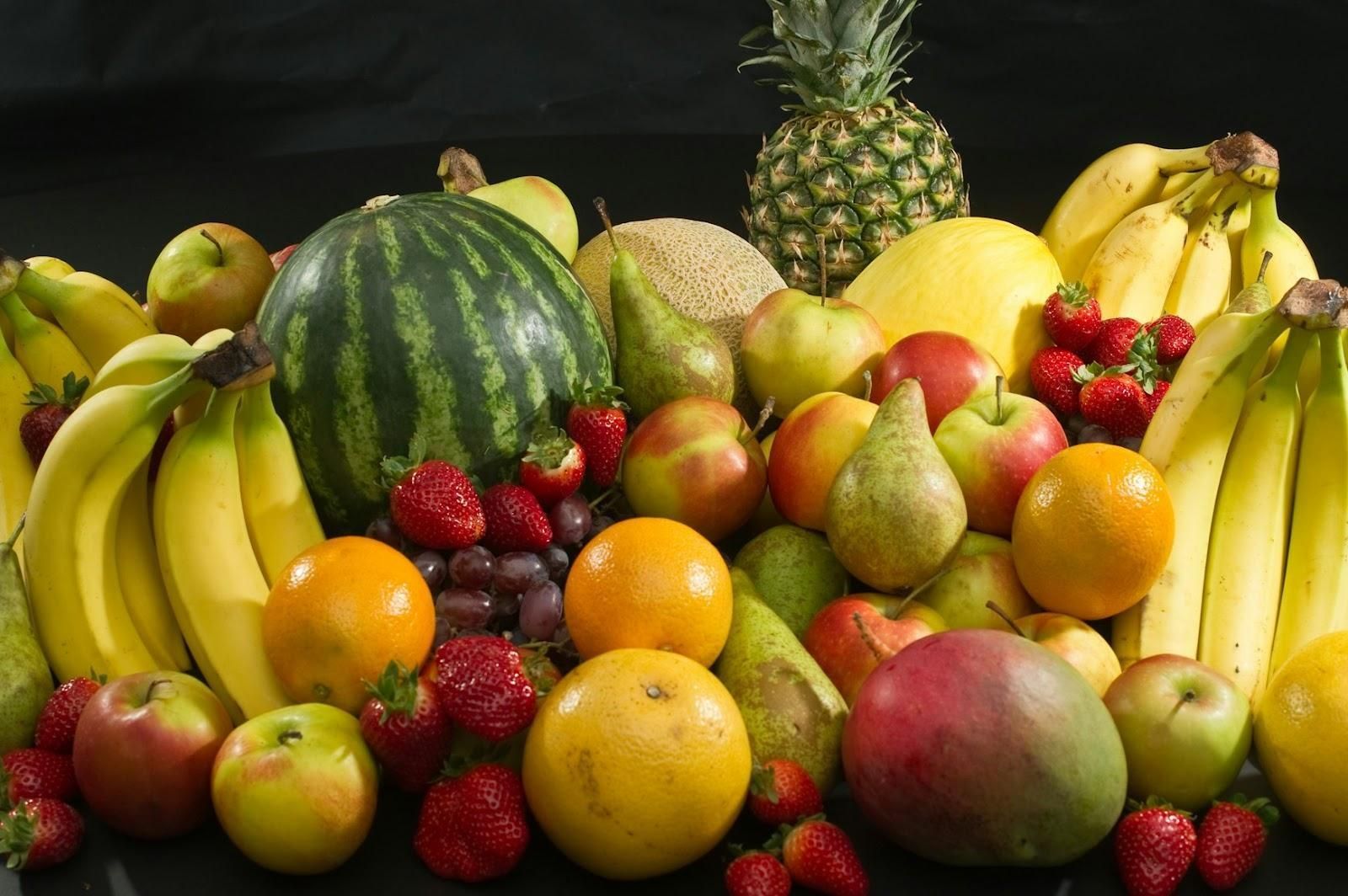

Image: Powell Rasull

Have you ever seen a wild tomato plant? Or, for example, have you ever found a watermelon lying around while hiking in nature? Probably not, and that's because many of the fruits and vegetables we eat every day are actually the result of human intervention. Long before microscopes or modern labs, early farmers patiently cultivated and domesticated wild plants, transforming them into the tasty, colorful, and juicy produce we are fortunate to enjoy today. If you would like to learn about the ancestors of your favorite fruits and vegetables, keep reading!

1

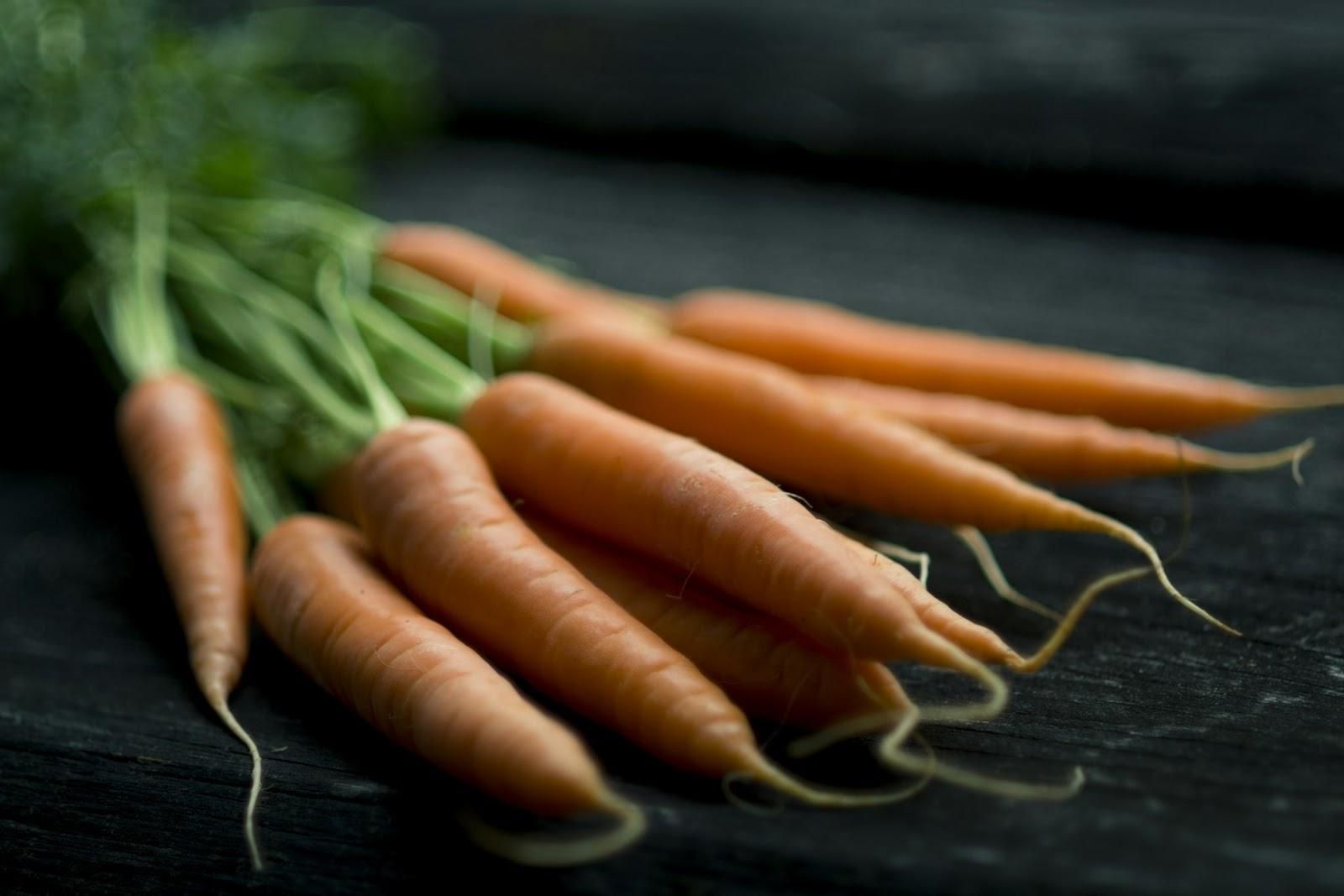
Carrot

Image: Jonathan Pielmayer

The carrot’s journey is less about sudden leaps and more about quiet persistence. Long ago, what grew underground was pale and stringy, closer to a wild weed than a vegetable. Farmers began to notice small differences—one root with a hint of sweetness, another with a faint wash of color—and held on to the seeds for the next season. After countless rounds of planting and patience, the root slowly changed shape and character. From those fragile beginnings came the crisp, orange carrots that now symbolize healthy eating around the world.

2

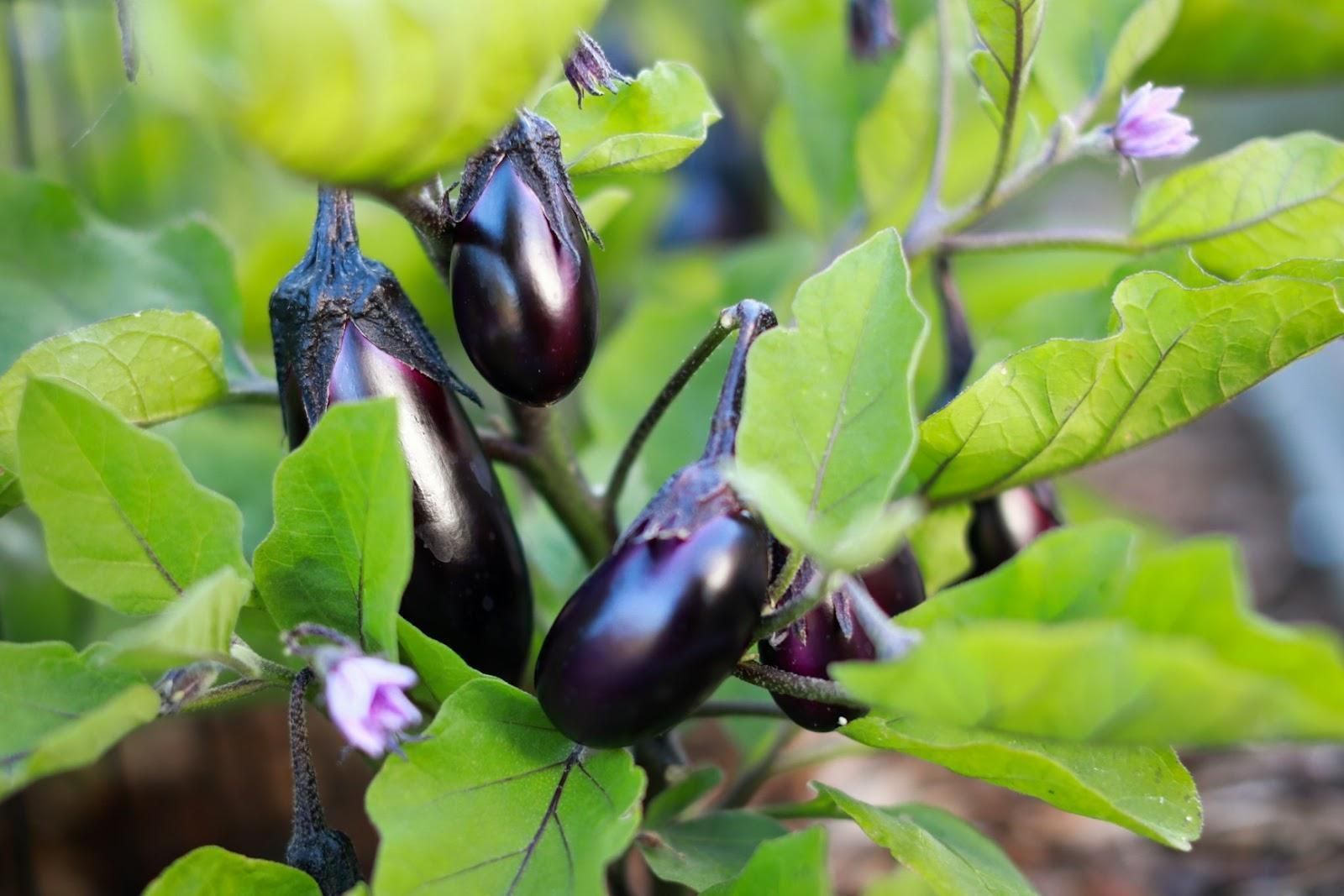
Eggplant

Image: Nina Luong

The name gives away its past. Early varieties of eggplant often looked like eggs—round, white, and sometimes speckled yellow. Others were squat and thorny, hardly inviting to harvest. As the plant traveled from India across Asia and into Europe, it evolved. Farmers in each region favored different traits, nudging its size, flavor, and color in new directions. Centuries later, the odd little fruits had been reinvented as the glossy purple globes that now fill market shelves, a far cry from their humble, egg-like beginnings.

3

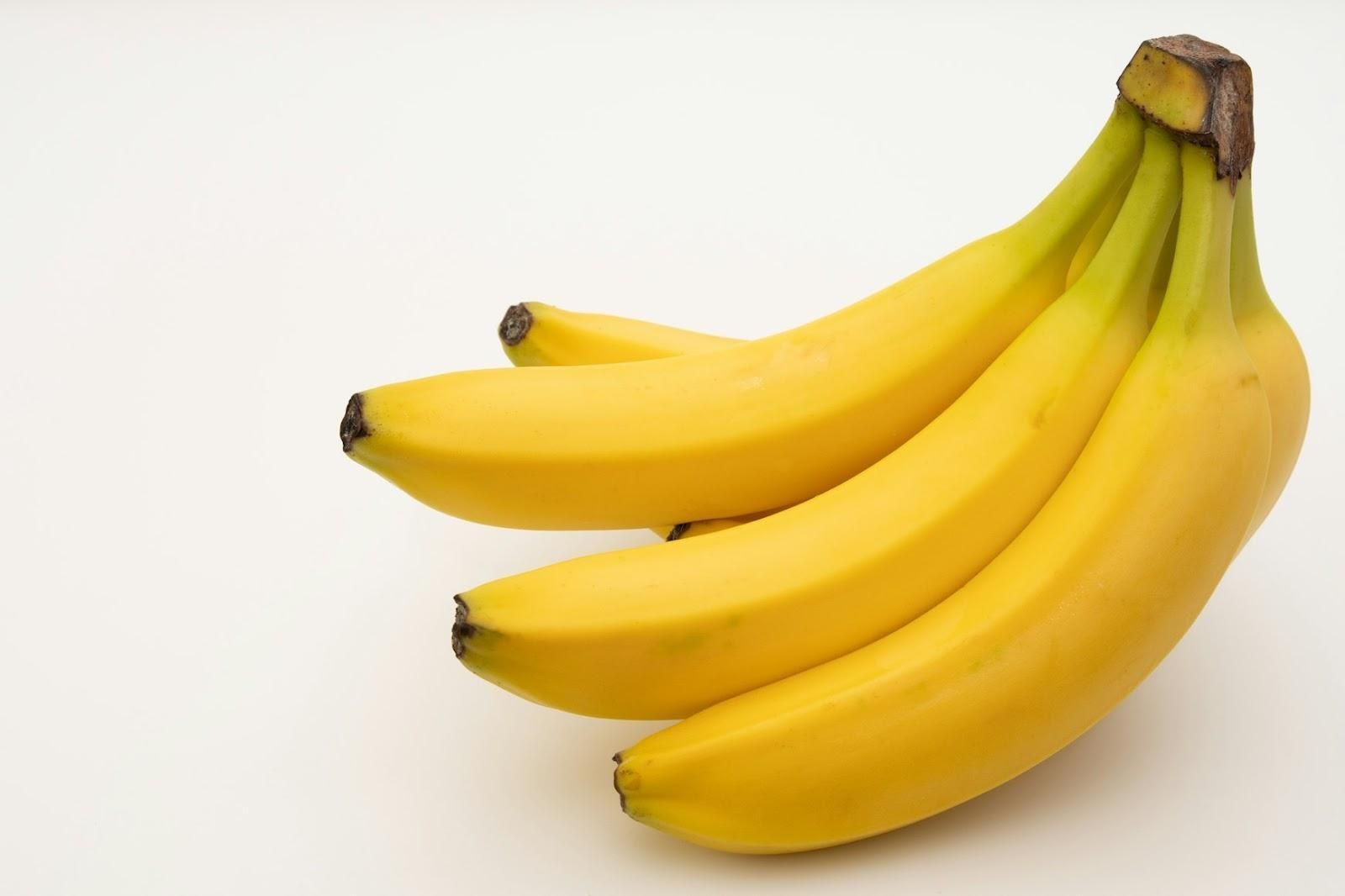
Banana

Image: Gabriel Mihalcea

Few crops show human intervention as clearly as the banana. Its wild ancestors were filled with large, stony seeds, making them far from snack-friendly. At some point, farmers stumbled upon rare hybrids that produced softer, sweeter fruit with fewer seeds. Instead of letting chance decide, they took control—propagating the plant by cuttings so its desirable traits could be preserved. That decision reshaped the banana forever. Today’s Cavendish, cloned endlessly from those early discoveries, feels less like an accident of nature and more like a fruit designed for our hands.

4

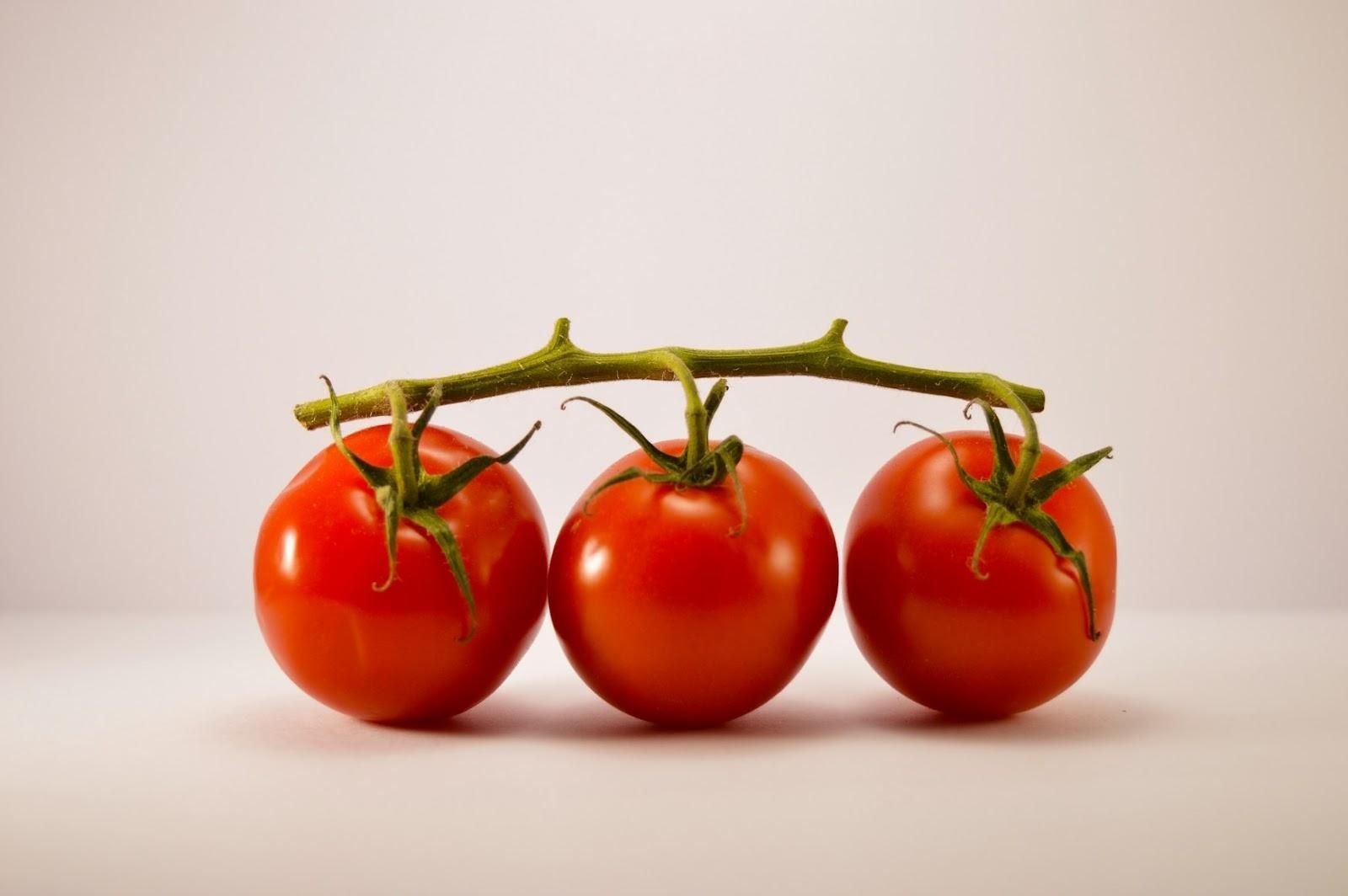
Tomato

Image: Alex Ghizila

Long before they became the stars of spaghetti sauce or the perfect partner for mozzarella, tomatoes were tiny things no larger than peas. In their wild state, they grew in South America as small, hard, sour fruits, usually yellow or green in color. Hardly resembling the juicy red fruits we pile onto burgers today. But farmers saw potential in those little berries. By saving and replanting the plumpest and tastiest ones, they gradually transformed the tomato into a whole family of varieties: from sweet little cherry tomatoes to the hefty beefsteaks that can fill an entire sandwich. Every slice we eat traces back to that humble, pea-sized ancestor.

5

Watermelon

Image: Daniel Dan

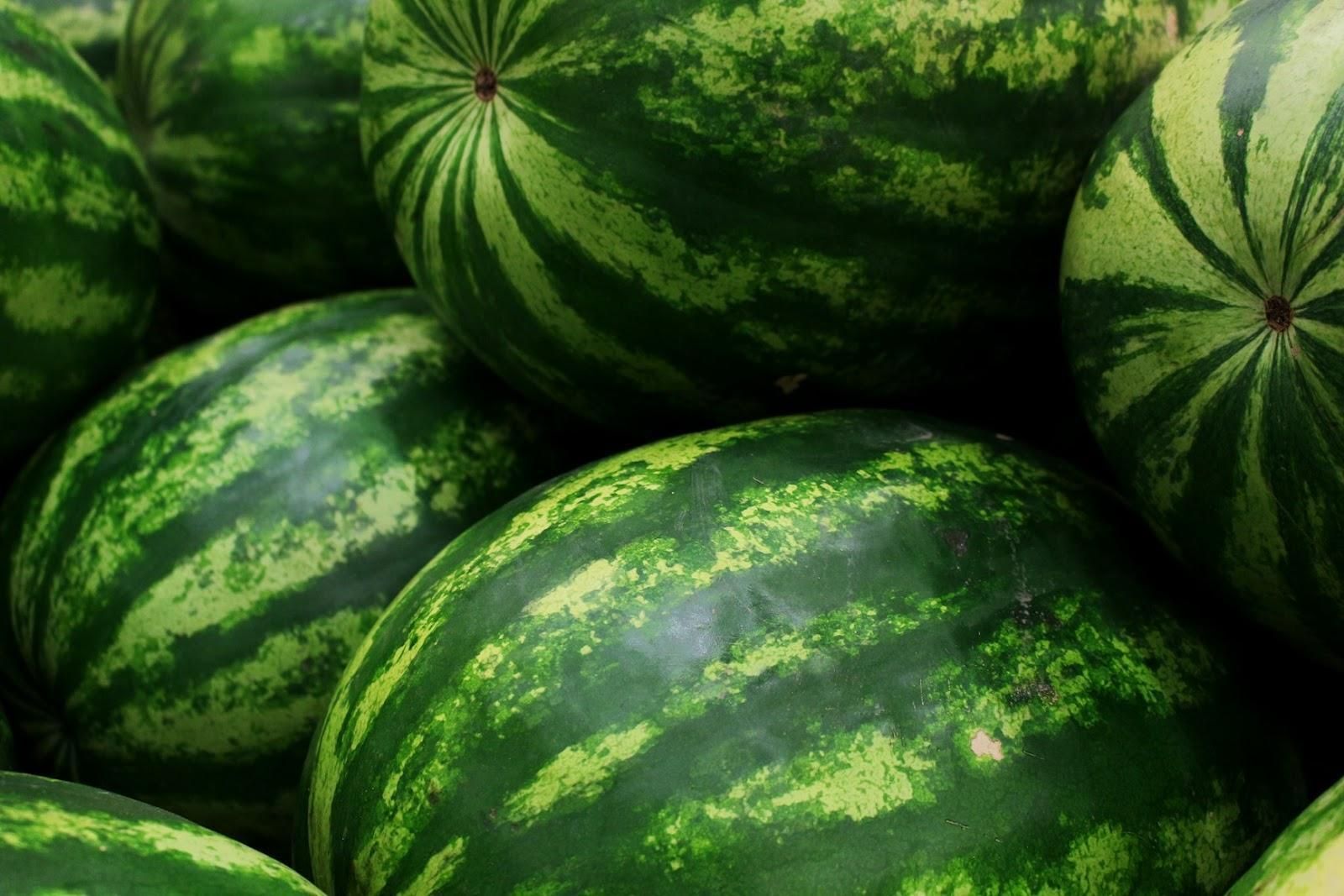
The first watermelons weren’t sweet at all. In the deserts of ancient Egypt, they were valued as natural canteens—hard, pale-green shells holding bitter but lifesaving water. For centuries, that was enough. Then farmers noticed that some fruits had a hint of sweetness. By saving those seeds, harvest after harvest, they slowly achieved a juicier, brighter flesh. Bitterness faded, red pulp emerged, and the survival fruit became a symbol of summer pleasure, shared in chilled slices at family tables and picnics.

6

Papaya

Image: Happy Surani

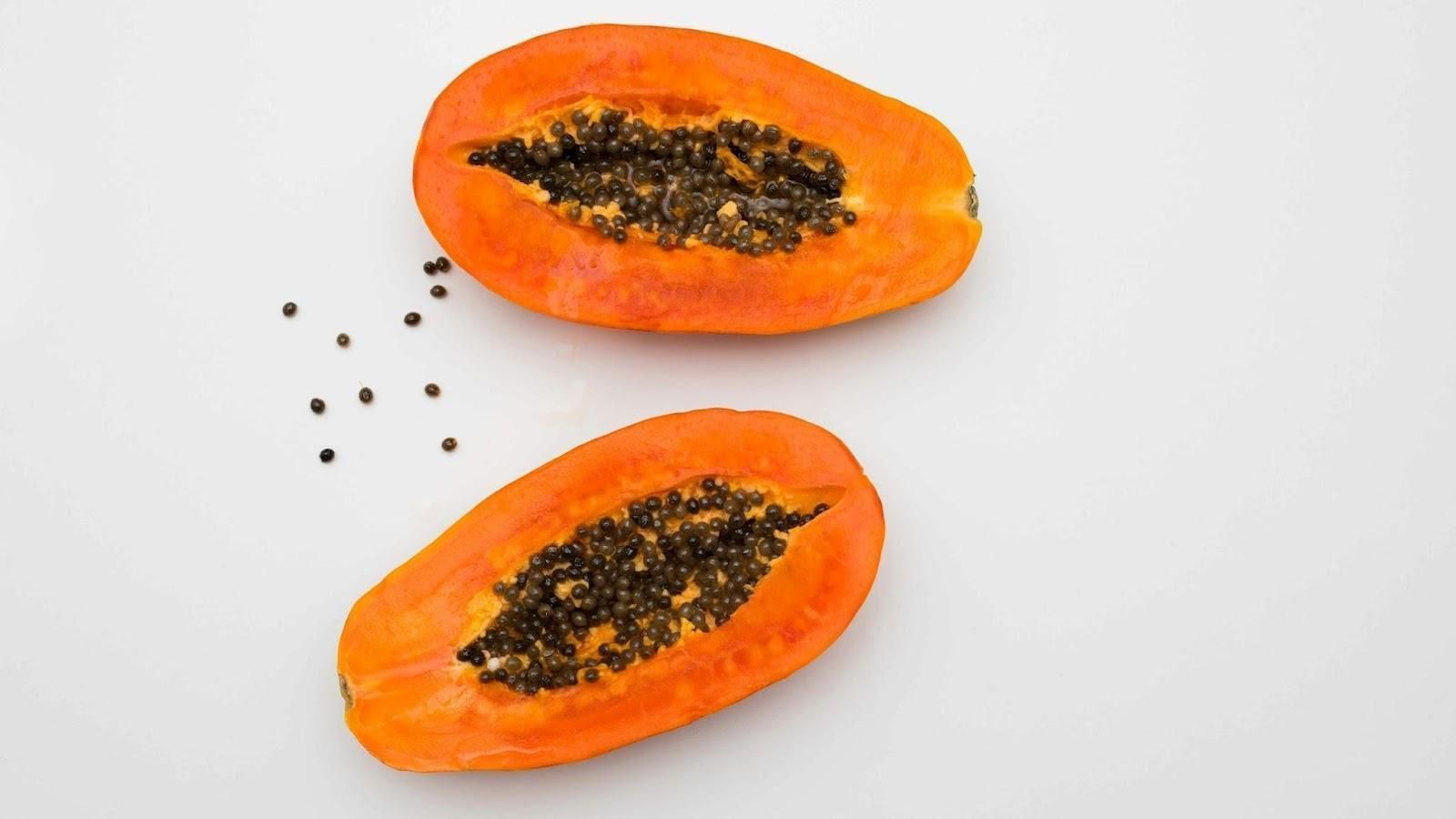
Papayas are great: big, hearty, sweet. But you might not believe what they were like centuries ago. Their story begins humbly, with berries no bigger than plums growing wild in the tropics. Around 4,000 years ago, the Maya civilization recognized their promise. Season after season, they saved seeds from plants that offered sweeter flesh and sturdier growth. Gently but surely, the fruit started to stretch beyond its original possibilities. What was once small and unremarkable became the luscious, generous, and golden-orange fruit we all love today.

7

Corn

Image: charlesdeluvio

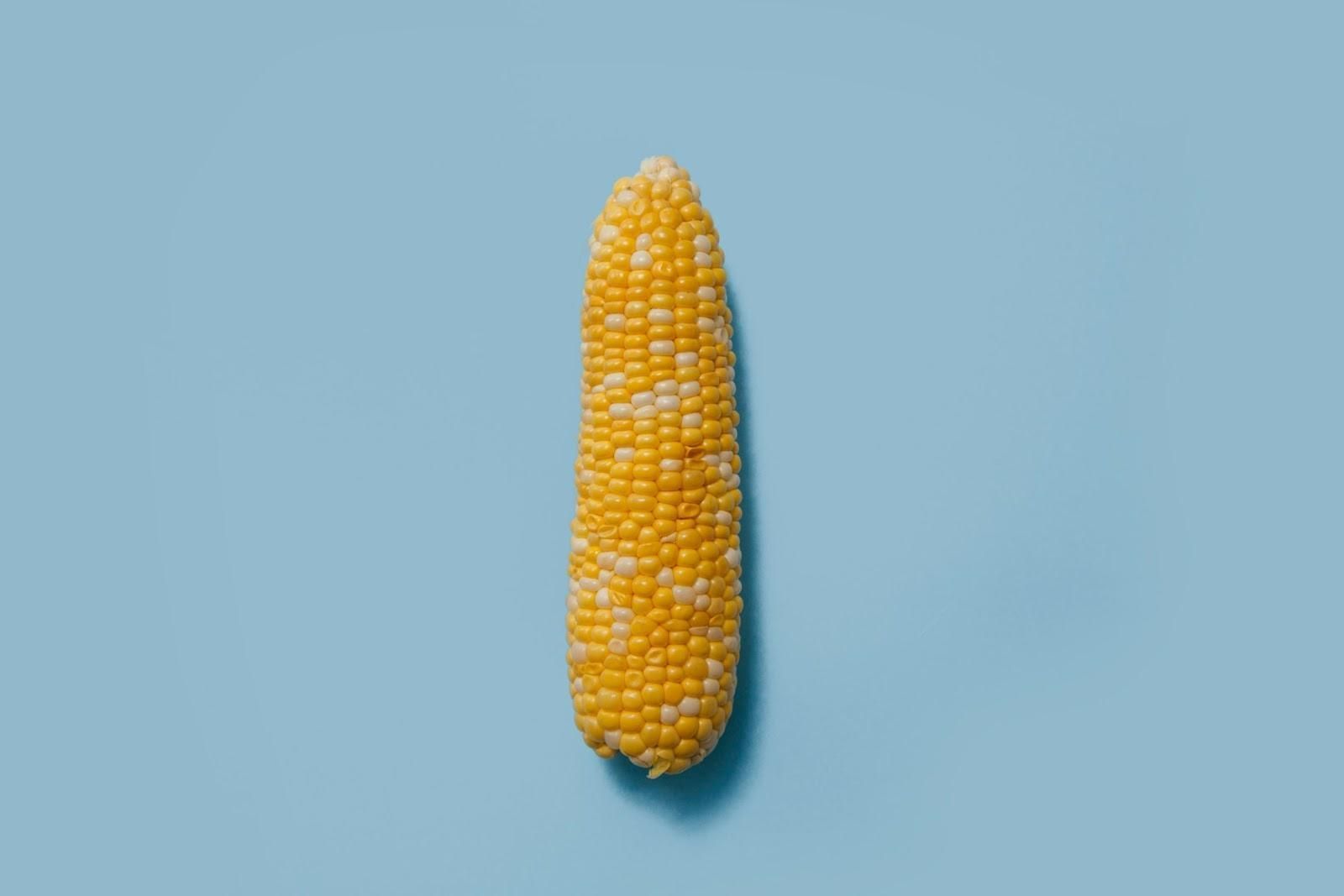
The story of corn begins not with golden fields but with teosinte, a scraggly grass with finger-sized ears and just a few rock-hard kernels. By no means a feast, more like survival food. Yet early farmers in Central America saw promise. They saved seeds from plants with plumper grains, season after season. Over time, the ears lengthened, kernels softened, and the wild grass transformed. What began as meager and tough became modern corn: sweet, versatile, and so abundant that it now sustains people, animals, and industries worldwide.

8

Peach

Image: LuAnn Hunt

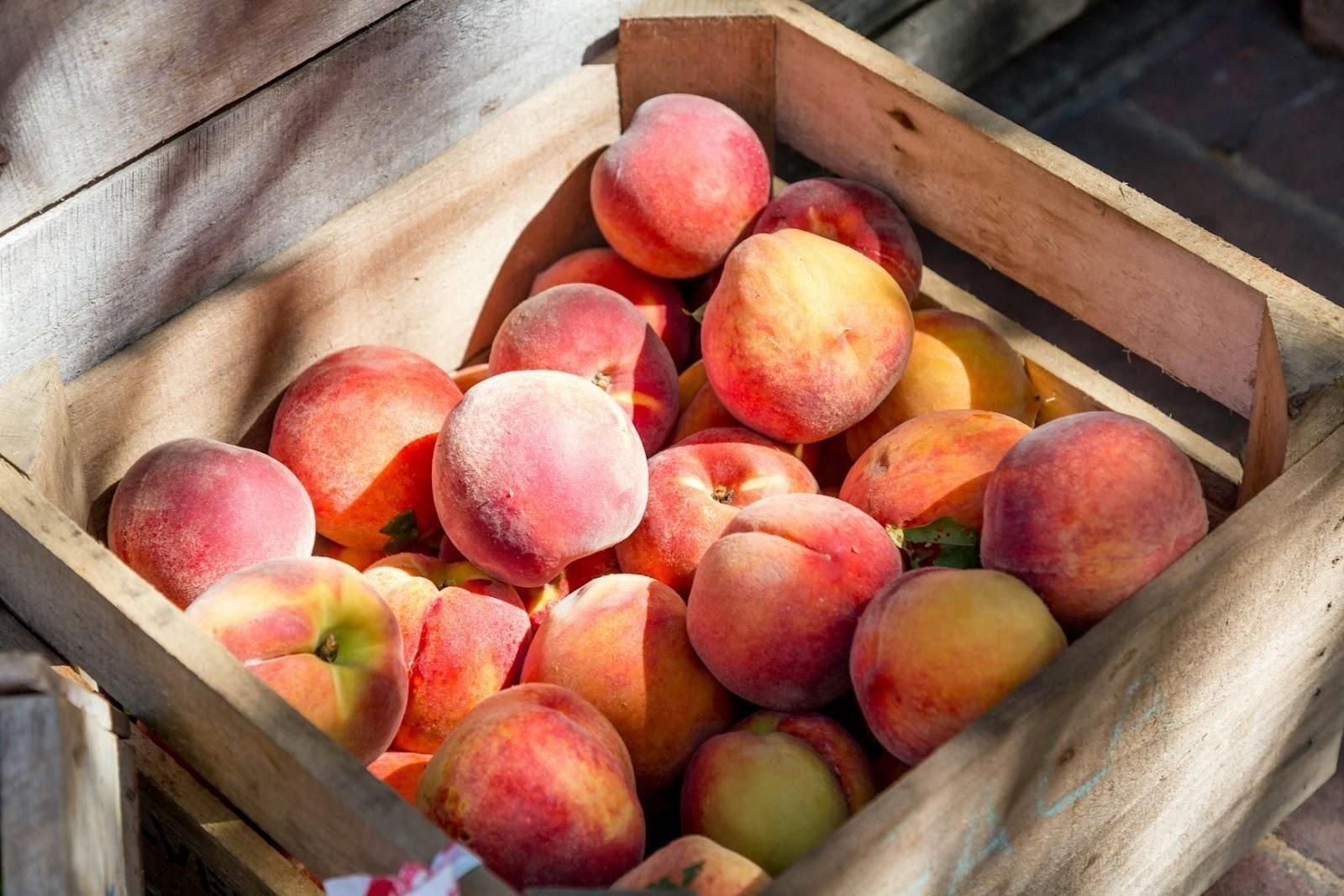
Peaches weren’t always the lush, blushing fruits we sink our teeth into today. In their earliest form, they were tiny—no bigger than cherries—with thick pits and only a whisper of edible flesh. But in ancient China, patient farmers looked past their modest size. They saved the trees that bore slightly sweeter, fuller fruit, slowly bending nature toward abundance. What emerged over centuries was a transformation so complete that peaches became almost unrecognizable: velvety skins, golden flesh, and juice that drips down your chin.

9

Avocado

Image: Thought Catalog

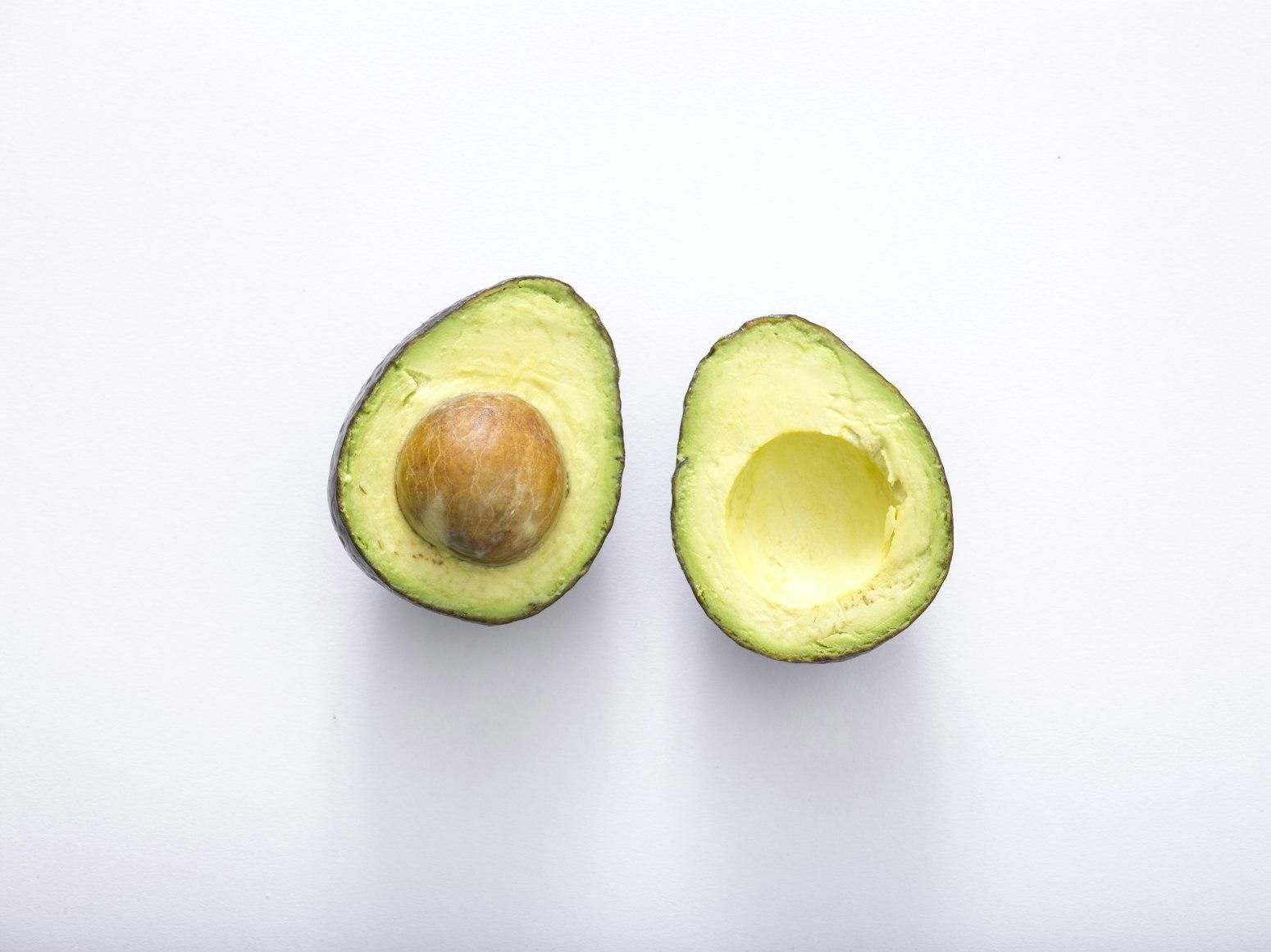
Avocados weren’t always bound to our kitchens and brunch plates. In fact, their very survival once depended on creatures that no longer walk the Earth. Millions of years ago, giant sloths and other prehistoric beasts gulped them down whole, massive seed and all, scattering future trees in their wake. When those colossal gardeners went extinct, the avocado seemed doomed. Yet humans noticed the fruit’s potential. By planting, tending, and selectively nurturing trees, they carried the species forward. Over time, those efforts smoothed out the avocado’s rough edges, turning a wild, fibrous oddity into the buttery green treasure we now mash, slice, and spread with delight.

10

Pumpkin

Image: Gabby Orcutt

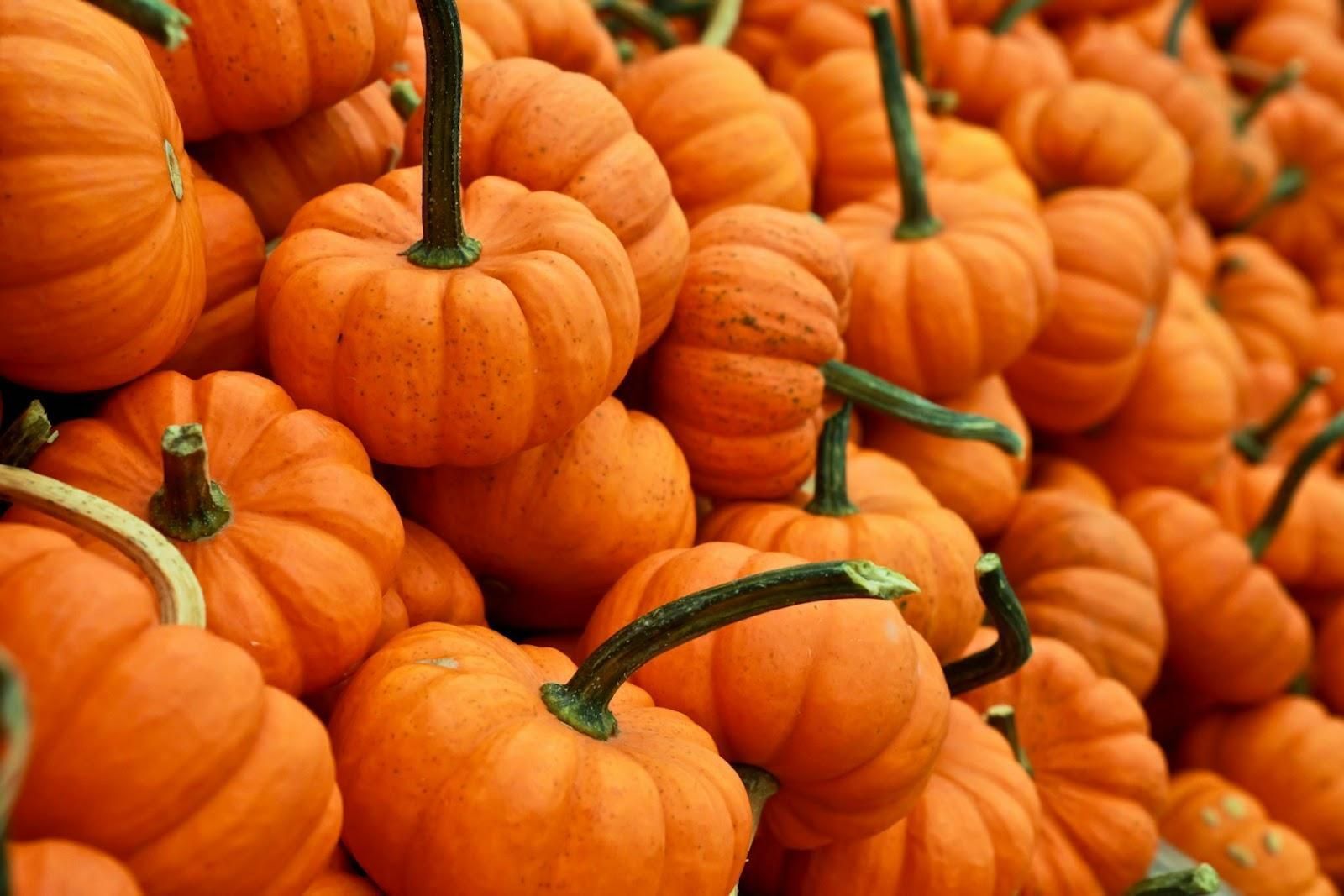
The first pumpkins were far from festive. Early farmers had to look beyond those small, bitter berries with thick skins to find something worth growing. Over generations of careful selection, they transformed green, largely inedible gourds into the versatile and tasty produce we enjoy today. And that’s not all! Pumpkins also became icons of harvest and tradition—carved, baked, and piled high as bright emblems of autumn.



The 12 longest-living animals on Earth (and how they cheat time)


Published on March 6, 2026


Image: David Clode

Nature doesn’t just create beauty, it crafts survival miracles. While most animals have short lives, a rare few have mastered the art of staying alive for centuries, even millennia. These aren’t just long-lived creatures; they’re nature’s ultimate time travelers. From the frozen depths of the oceans to the darkest corners underground, they’ve developed bizarre, brilliant strategies to cheat death. Get ready to meet 12 animals whose lifespans will absolutely blow your mind.

1

Antarctic Sponge (Anoxycalyx joubini)

Image: NOAA

Record age: up to 15,000 years

This unassuming sea sponge thrives in the freezing waters of Antarctica, where temperatures hover around 28.6 °F—so cold that biological processes hit the brakes. In such icy conditions, metabolism slows to a crawl, allowing these sponges to live for thousands of years.

Some have reached impressive sizes of over 3 feet tall and have been around since mammoths were still thundering across the tundra. They don’t move, they don’t stress, and they barely change, just quietly existing while centuries pass them by. Their secret to extreme longevity? Glacial patience, deep-sea stillness, and a lifestyle that redefines "low-maintenance".

2

Immortal Jellyfish (Turritopsis dohrnii)

Image: Dr. Karen J. Osborn, CC0, via Wikimedia Commons

Age: technically… infinite

This tiny jellyfish, no bigger than a fingernail—less than 0.2 inches—is like the ocean’s very own Benjamin Button. What makes it truly extraordinary is its ability to rewind its life story, flipping back to a youthful, juvenile stage whenever it wants. While it’s not completely invincible (predators and other threats are still very real), if left undisturbed, it can keep hitting the reset button on aging indefinitely, making it one of the most fascinating "time-benders" in nature.

3

Ocean Quahog Clam (Arctica islandica)

Image: Norbert Braun

Record age: 507 years

In 2006, a special clam was discovered buried deep in the seabeds of the North Atlantic. Scientists were able to determine that it had been there since at least 1499—that’s centuries before the United States was even a thought! This ancient marvel, nicknamed "Ming", was able to perfect a slow-and-steady approach to life. Growing at a snail’s pace and barely budging, Ming’s sedentary lifestyle turned out to be a brilliant strategy for beating the clock. Who knew doing almost nothing could be the ultimate secret to longevity?

4

Greenland Shark (Somniosus microcephalus)

Image: https://upload.wikimedia.org/wikipedia/commons/3/39/Greenland_shark_profile.jpg

Record age: estimated 392 years

These sharks aren’t your average ocean cruisers—they can stretch over 20 feet long and weigh up to 2,200 pounds. But what’s really mindblowing is how slowly they move, like they’re in a permanent state of deep relaxation. Living in the icy Arctic waters, these giants don’t hit adulthood until they’re about 150 years old, and some can glide through the depths for nearly 400 years. Imagine that! These ancient swimmers were already around before America declared independence... and they are still out there, silently roaming the seas!

5

Bowhead Whale (Balaena mysticetus)

Image: Vicki Beaver, Alaska Fisheries Science Center, NOAA FIsheries, Marine Mammal Permit#14245, Public domain, via Wikimedia Commons

Record age: over 211 years

This whale is a true ocean giant, stretching up to 60 feet long and weighing a staggering 200,000 pounds. But what makes it stand out isn’t just its size but its age. Some of these majestic creatures carry harpoons from the 1800s still lodged in their skin, like walking history books. Just picture living so long that you’re literally carrying outdated technology embedded in your body—talk about being a time traveler of the seas!

6

Red Sea Urchin (Mesocentrotus franciscanus)

Image: National Marine Sanctuaries, Public domain, via Wikimedia Commons

Record age: 200 years

Spanning the chilly Pacific coastline from California all the way up to Alaska, this spiky little ball—about 7 inches across—is full of surprises. It munches on algae and calls the deep, dark ocean its home, thriving at depths of up to 300 feet. Don’t let its size fool you: this prickly creature is a true elder of the cold seas, quietly outliving many ocean neighbors while keeping a low profile. A tough, slow-living veteran wrapped in spikes!

7

Koi Carp (Cyprinus rubrofuscus)

Image: Daniel Dan

Record age: 226 years

Meet Hanako, a legendary Japanese koi who swam through life for an astonishing 226 years. Scientists discovered how old she was by studying the rings on her scales, much like counting the growth rings of a tree. These colorful, ornamental fish aren’t just symbols of good fortune; they’re also secret long-lifers with the potential to celebrate over two centuries of birthdays, as long as they get the right care and a peaceful pond to call home.

8

Seychelles Giant Tortoise (Aldabrachelys gigantea)

Image: Ryan Grewell

Record age: 190 years

Jonathan is a male tortoise living on the remote island of Saint Helena in the South Atlantic Ocean. He was born back in 1832, and he’s still happily chomping lettuce and soaking up the sun today. Weighing in at more than 400 pounds and measuring around 3 feet long, Jonathan holds the title of the oldest known living land animal on the planet. If he could share tales, they’d span nearly two centuries of history. Imagine that!

9

Lake Sturgeon (Acipenser fulvescens)

Image: See page for author, Public domain, via Wikimedia Commons

Record age: 152 years

This ancient-looking fish, with its whisker-like barbels, looking like a tiny underwater submarine, prowls the lakes of North America. It can reach an impressive length of up to 7 feet and weigh around 200 pounds. These slow-living creatures don’t rush into adulthood—they start breeding only around age 20—and then take their time cruising through life at a leisurely pace. Believe it or not, one legendary catch in Wisconsin was estimated to be over 150 years old!

10

Kakapo Parrot (Strigops habroptilus)

Image: Andreas Sjövall

Record age: over 90 years

This chunky, night-loving parrot from New Zealand is a true oddball—it can’t fly, snores like a grumpy grandpa, and smells like fresh flowers. Despite its quirks, this bird boasts an impressively long lifespan. Sadly, it teeters on the edge of extinction. The oldest known kakapo, affectionately named Richard Henry, lived 90 years, earning him the title of the charmingly eccentric elder statesman of the avian world.

11

Naked Mole Rat (Heterocephalus glaber)

Image: Daderot, CC0, via Wikimedia Commons

Record age: 37 years

This tiny, kooky rodent—barely 3 inches long and just over an ounce in weight—could’ve been cast straight from a sci-fi apocalypse flick. Dwelling in vast underground colonies across Africa, it’s practically invincible to cancer, pain, and the usual effects of aging. Scientists are fascinated by this little marvel, even if it’s not winning beauty contests anytime soon. Its superpowers make it a star in longevity research!

12

American Lobster (Homarus americanus)

Image: OAR/National Undersea Research Program (NURP)., Public domain, via Wikimedia Commons

Record age: estimated 100+ years

Lobsters have a totally different rulebook than us when it comes to aging. They don’t really grow old; they just keep getting bigger and bigger. Some giant lobsters weigh over 40 pounds and stretch beyond 3 feet long. Their biggest threats? Not old age, but predators or the risky process of shedding their shells. In theory, they could live forever if left alone—but let’s be honest, not many get to enjoy a peaceful, lobster-sized retirement!

Looking for an extra scoop of literary fun?

Learn more with our Word of the day

bask

/bæsk/