Awkward words ahead

Did you fartlek today? 12 words that sound funny but are serious


Published on June 30, 2026

Image: Piotr Łaskawski

We all know it: some words just sound ridiculous, but they mean business. If you have ever come across a term like "gobbledygook" or "kerfuffle" and wondered if someone made it up, you're not alone. Let us take a look at 12 of these magnificent words that seem unreal, but are not.

1

Firkin

Image: Ellienore Bradley

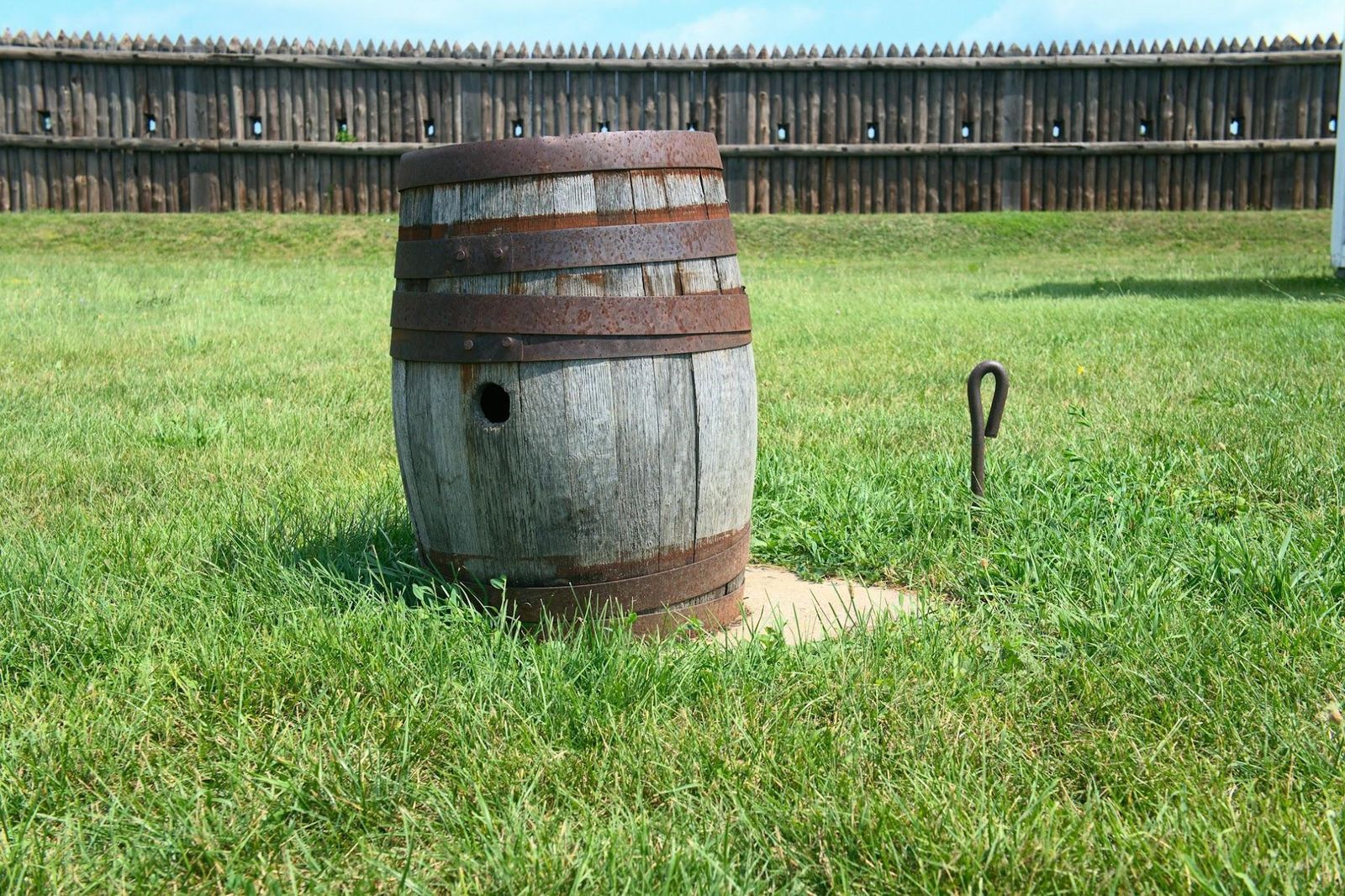
It does remind us of a dirty word, but it’s not. A firkin is, in fact, an ancient English word that refers to a small tub or a vessel of sorts.

Traditionally, it held ale or butter, sized at about a quarter of a barrel, making it handy for transport. Breweries still sometimes use firkins today for cask-conditioned beers, keeping the word alive in pub culture.

2

Godwottery

Image: baona

Many terms that today sound funny or even rude are, in fact, outdated words and idioms that fell out of use. Godwottery is one of these, and it can be used to describe overly decorated or elaborate speeches.

The word comes from the name of English poet George Gascoigne’s fictional gardener, "Godwot," linked to the overly ornate style of gardening. By extension, it entered English in the 19th century to label pretentious language.

3

Spondulicks

Image: Giorgio Trovato

What sounds like a teenager's expression of approval is, in fact, an 18th-century word for cash. It often appeared in casual speech and newspapers to mean ready funds.

Though it has fallen out of everyday use, it still pops up in literature or nostalgic writing to add a colorful touch to talk about money.

4

Fartlek

Image: Alex McCarthy

Fartlek may sound like a joke, but it’s a serious workout technique. It comes from Swedish and means "speed play."

This type of endurance training involves alternating between jogging and sprinting. Despite the silly name, it’s used by athletes to improve speed and stamina.

5

Popple

Image: Barth Bailey

Popple means choppy or rough seas, and, in an onomatopoeic sense, it sounds just like what it describes.

Its origin lies in Middle English, linked to the verb popelen, meaning to bubble or boil. And, though it is less common in modern English, it does survive in regional usage and poetry, evoking the lively surface of wind-stirred water.

6

Impignorate

Image: Tierra Mallorca

Impignorate is a fancy old word that means to pawn or mortgage an item. It’s rarely used today, but it once described the act of offering something valuable as a loan guarantee.

The term comes from the Latin impignorare, formed from in- plus pignus, meaning pledge. First recorded in the 16th century, it was used in legal and financial contexts.

7

Buttress

Image: Chris Boyer

Any word that starts with "butt" is prone to appear on this list. In this case, a buttress is a support structure that helps keep walls or buildings stable.

You’ll often spot them on Gothic-style churches, castles, and cathedrals, adding both strength and style.

8

Biblioklept

Image: Thought Catalog

While it sounds like a tricky tongue twister, and it definitely could be one, "biblioklept" is in fact the word for someone who steals books.

The word comes from the Greek roots biblio- meaning "book" and kleptes meaning "thief." It appeared in English in the 19th century, reflecting a period when Greek and Latin roots were often combined to coin precise or scholarly terms.

9

Spleenwort

Image: Mykyta Martynenko

If the term spleenwort sounds more like a medical problem than a plant to you, you are not alone. Does it refer to something or someone worthy of spleen?

In fact, the word spleenwort is the name of a small evergreen fern found in rocky areas and forests.

10

Penuche

Image: Phil Hearing

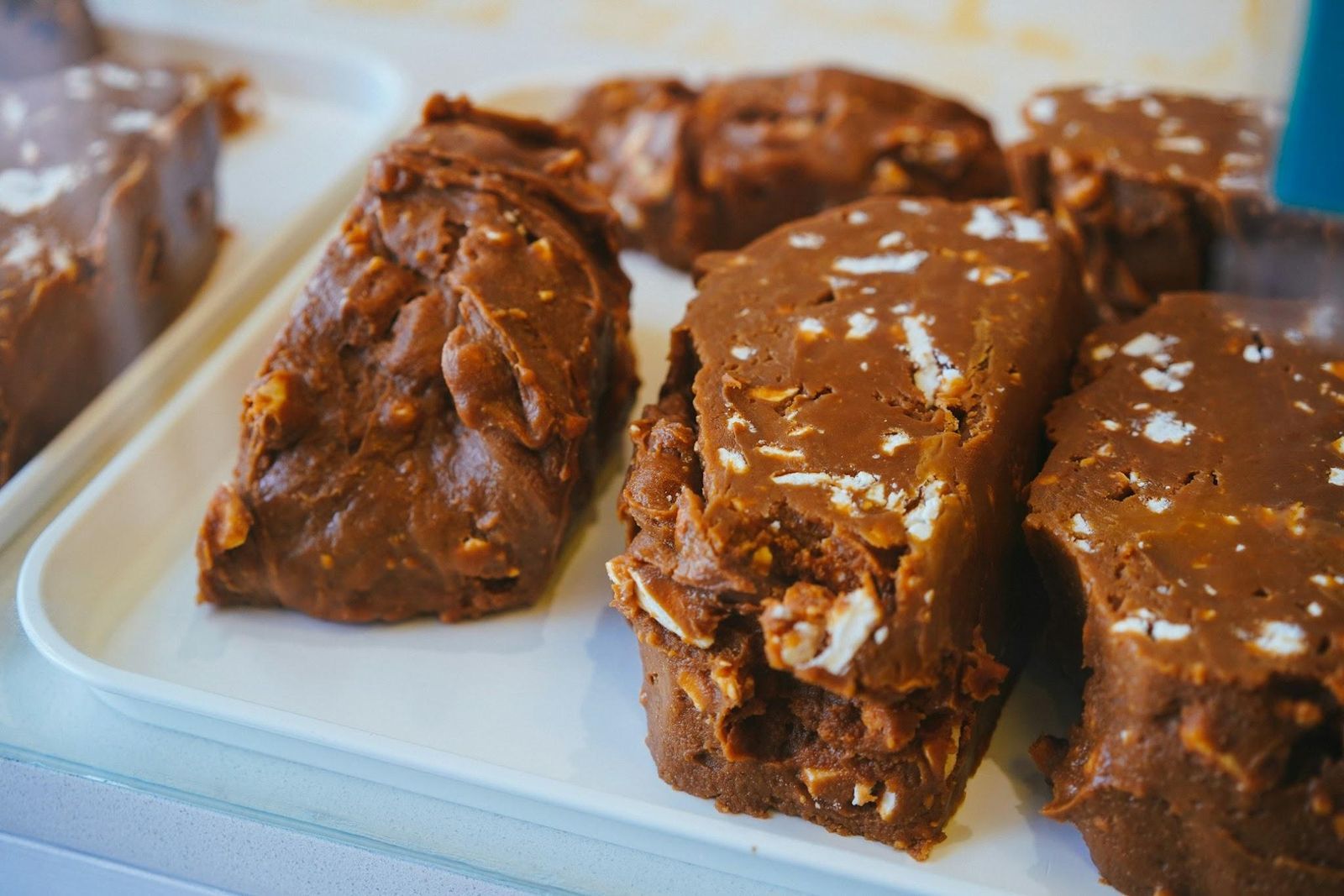
Never heard of penuche? If you’re not a baker, that’s pretty normal. A penuche is a type of fudge made with brown sugar, buttercream, and usually some nuts.

It’s a traditional sweet found in New England and parts of the American South, where it remains a nostalgic treat. It sounds more sophisticated than it is!

11

Slumgullion

Image: DUSAN ZIDAR

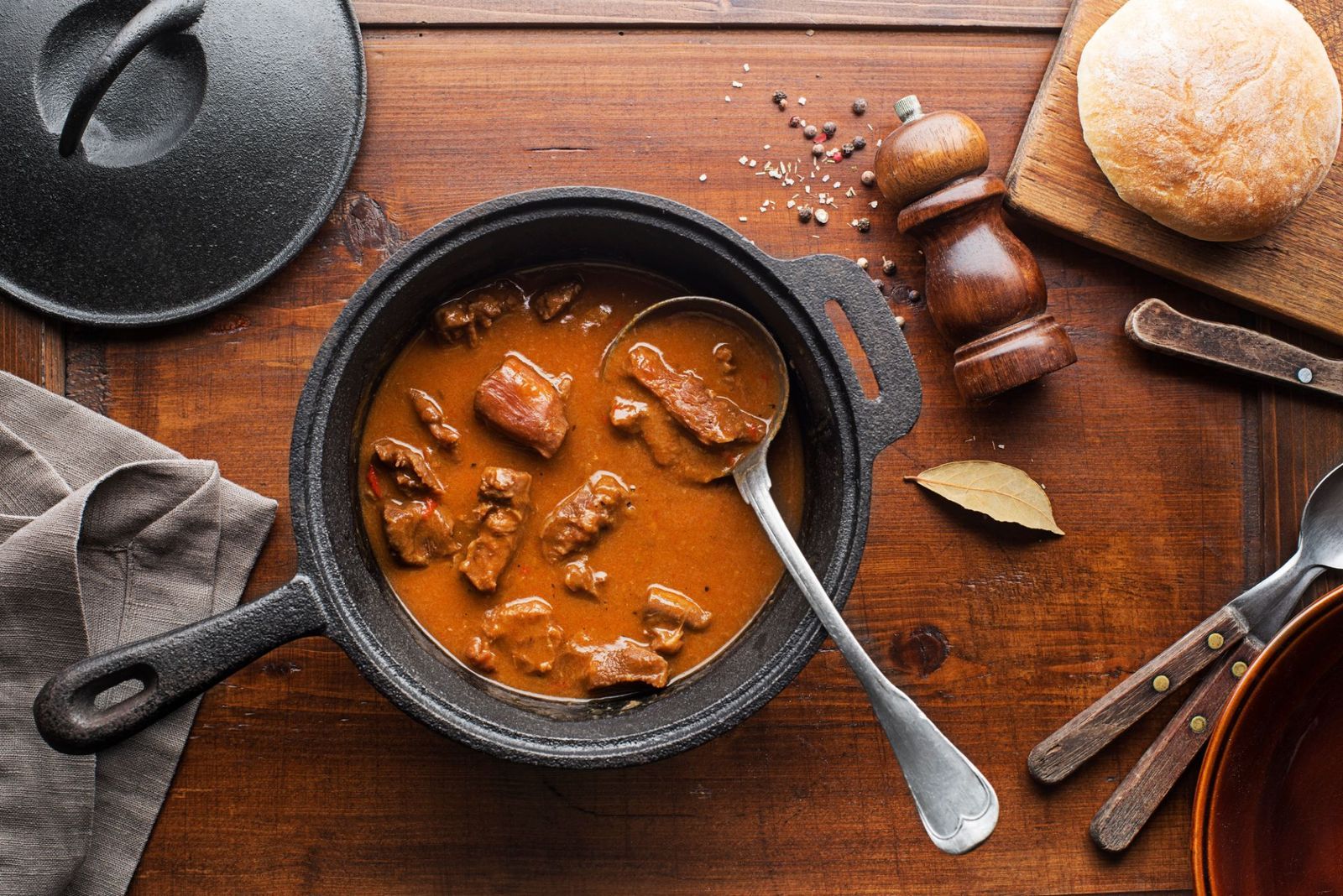
Again, it’s not an old-fashioned insult. Slumgullion is a strange-sounding word for a simple, cheap meat stew. It’s one of those food terms that doesn’t exactly make your mouth water, despite its hearty roots.

It was common among miners, loggers, and working folks who needed filling meals with whatever was on hand. It might not look or sound great, but it definitely gets the job done!

12

Shalloon

Image: Artsy Vibes

A shalloon might sound like the word saloon, pronounced by someone with a speech impediment. But it’s not. Shalloon is a lightweight, twilled wool fabric once used in clothing and linings. Unless you're into textiles or fashion history, you’ve probably never needed the word.

The word comes from Châlons-sur-Marne in France, where the fabric was originally produced. The English form "shalloon" emerged in the 1600s, reflecting the common practice of naming textiles after their place of origin.
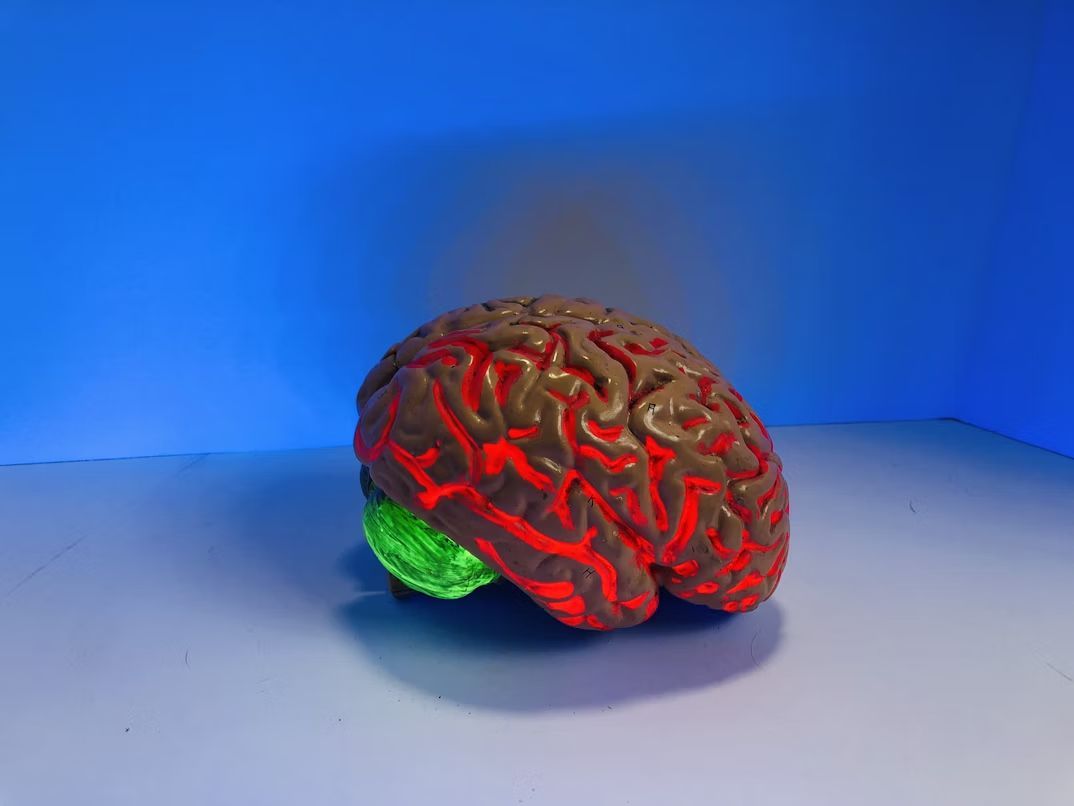

The truth about your brain

You won’t believe what happens in your brain while you sleep


Published on June 30, 2026


Image: Milad Fakurian

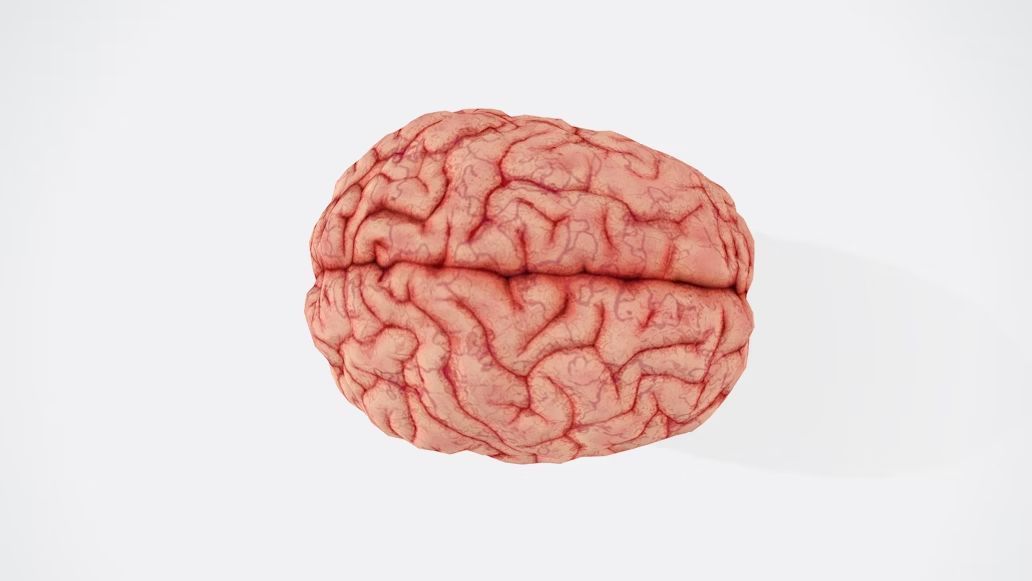
Your brain is one of the most powerful and mysterious organs in your body. It controls everything from your thoughts to your emotions and even processes information at lightning speed. But how much do you really know about it? Some long-believed myths about the brain have been debunked, while other surprising facts reveal just how incredible this organ truly is. Get ready to be amazed by these fascinating brain facts!

1

Myth: We only use 10% of our brain

Image: Natasha Connell

You’ve probably heard this one before, but it’s completely false! While it’s true that not all parts of the brain fire at the same time, imaging studies show that most regions are active throughout the day, even when we sleep.

Your brain is constantly working, controlling bodily functions and emotions, and processing information. So next time someone says you’re only using 10% of your brain, you can confidently tell them that’s just a myth!

2

The brain itself can’t feel pain

Image: Aarón Blanco Tejedor

Here’s a weird fact: While your brain processes pain signals from the rest of your body, it has no pain receptors of its own. This is why surgeons can perform brain surgery on conscious patients without causing them pain.

However, the membranes and tissues surrounding the brain do have pain receptors, which is why headaches and brain injuries can be so excruciating.

3

Headaches are actually chemical reactions

Image: Usman Yousaf

How come we have headaches if the brain has no pain receptors? Well, that’s because headaches are triggered by chemical activity in the brain, changes in nerves and blood vessels, and even fluctuating serotonin levels.

In some cases, hormones like estrogen can also play a role, which explains why migraines are more common in women.

4

Dreams: Your brain’s midnight movie theater

Image: Go to Johannes Plenio's profile Johannes Plenio

Dreams are proof that your brain never rests! (Warning: this fact can make you feel exhausted.) While you sleep, your limbic system, that is, the part of the brain that deals with emotions, becomes especially active, which is why dreams often feel so intense.

On average, humans experience four to seven dreams per night, even if we don’t always remember them. And what about that scary nightmare about falling? Well, you can thank your amygdala, the brain’s fear center, for that one.

5

Your short-term memory lasts less than 30 seconds

Image: Brett Jordan

Have you ever walked into a room and instantly forgotten what you were after? That’s because short-term memory only lasts about 20-30 seconds! That’s not enough!

Your brain holds a limited amount of information in its active state before deciding whether to store it or discard it. Ironically, we can’t really choose what makes the cut, but we do hope these facts stay with you!

6

Brain freeze is your body’s warning signal

Image: BUDDHI Kumar SHRESTHA

That sharp, icy pain when you eat something too cold? It’s your brain’s way of telling you to slow down! Officially called sphenopalatine ganglioneuralgia, a brain freeze happens when cold food or drinks rapidly chill the blood vessels in your throat, causing them to constrict and then rapidly expand. This sends pain signals to your brain, warning you of the sudden temperature shift. It’s annoying, but it’s actually your body trying to protect itself!

7

Your brain thinks a lot!

Image: Josh Riemer

You didn’t need us to tell you, but let’s look at the details: The average person has between 12,000 and 60,000 thoughts per day. What’s even more interesting? 95% of those thoughts are the same ones you had yesterday. Is that not surprising enough? Hear this out: 80% of them tend to be negative. That’s because our brains are wired for survival, constantly analyzing risks and potential dangers.

8

Your brain uses 20% of your body’s oxygen and blood

Image: Terry Vlisidis

Even though it only makes up about 2% of your body weight, your brain employs a major quantity of energy! It consumes 20% of your oxygen and blood supply, making it one of the most demanding organs in your body.

If your brain goes without oxygen for just five minutes, brain cells start dying, leading to irreversible damage. This is why deep breathing and cardiovascular exercise are great for brain health!

9

Seeing stars? That’s your brain processing vision!

Image: Alexander Andrews

Do you know that feeling when you hit the back of your head and see stars? That’s because your occipital lobe, which controls vision, is located at the back of your brain. If you get hit there, your brain momentarily misfires, causing flashes of light.

Interestingly, your brain processes vision on the opposite side; while your right brain controls your left eye, your left brain controls your right eye. It’s one of the many ways the brain operates in a complex way.

10

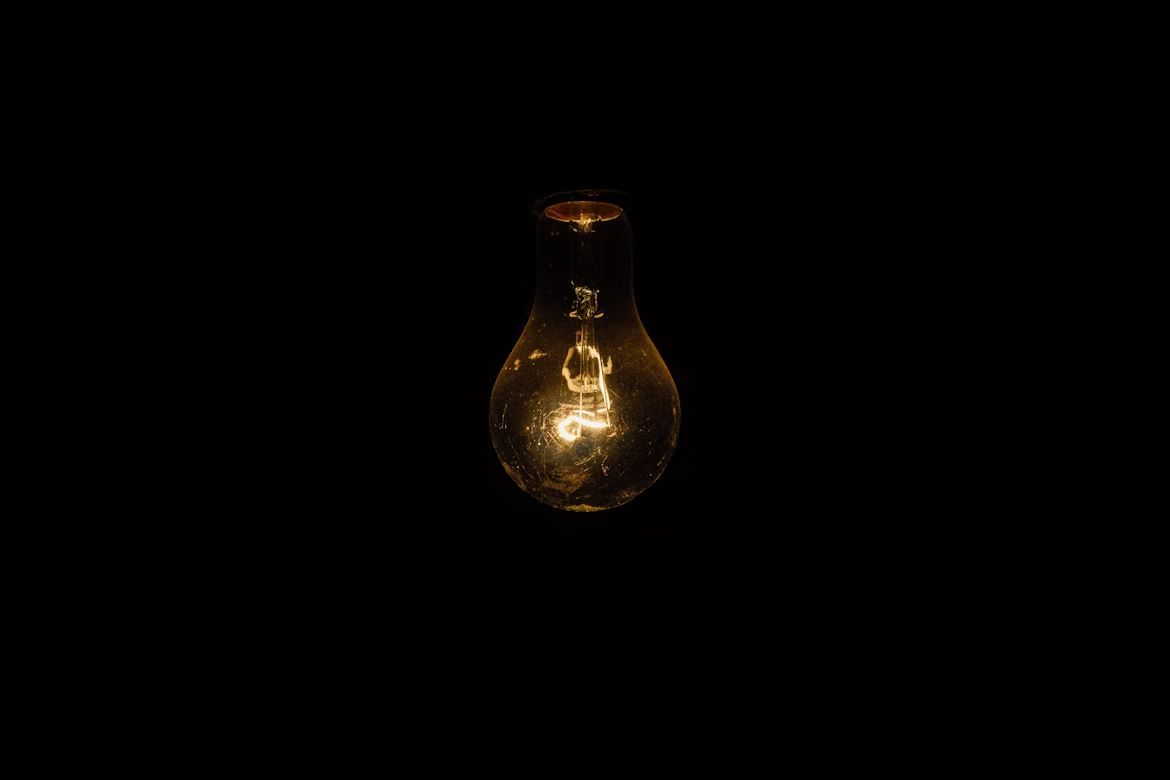
Your brain can power a light bulb!

Image: Rodion Kutsaiev

Believe it or not, your brain generates between 12 and 25 watts of electricity when you’re awake. If you can’t really grasp how powerful that is, check this out: It’s enough to power a small light bulb! Your brain’s electrical activity is what allows neurons to send signals at speeds of up to 260 miles per hour.

11

Your brain is mostly fat

Image: Robina Weermeijer

Your brain may be the fattiest organ in your body, consisting of at least 60% fat! This is why consuming healthy fats, like omega-3s and omega-6s present in fish, for example, is essential for brain health.

Healthy fats stabilize brain cell walls, reduce inflammation, and support cognitive function. So go ahead and enjoy that avocado toast, it’s food for your brain!

12

Your brain shrinks as you age

Image: Robina Weermeijer

It’s not just your memory that fades over time; the brain itself physically shrinks as one gets older. It continues developing until your late 40s, but after that, it slowly decreases in size.

Now, size doesn’t equal intelligence, so a smaller brain doesn’t necessarily mean a less capable one. Staying mentally active, exercising, and eating brain-boosting foods can help keep it in top shape!

13

Cholesterol plays a big role in memory

Image: Lisa Yount

We often think of cholesterol as bad, but your brain actually depends on it! In fact, 25% of your body’s cholesterol is stored in your brain, where it helps with learning and memory. However, unlike other organs, the brain can’t absorb cholesterol from the blood, it has to produce its own. So, while too much cholesterol in the body can be harmful, the right amount is vital for brain function. At least you can use that as an excuse to get that burger!

Looking for an extra scoop of literary fun?

Learn more with our Word of the day

tender

/ˈtɛndər/