Linguistic innovation

Shakespeare said it first: 10 words coined by the Bard


Published on August 9, 2026
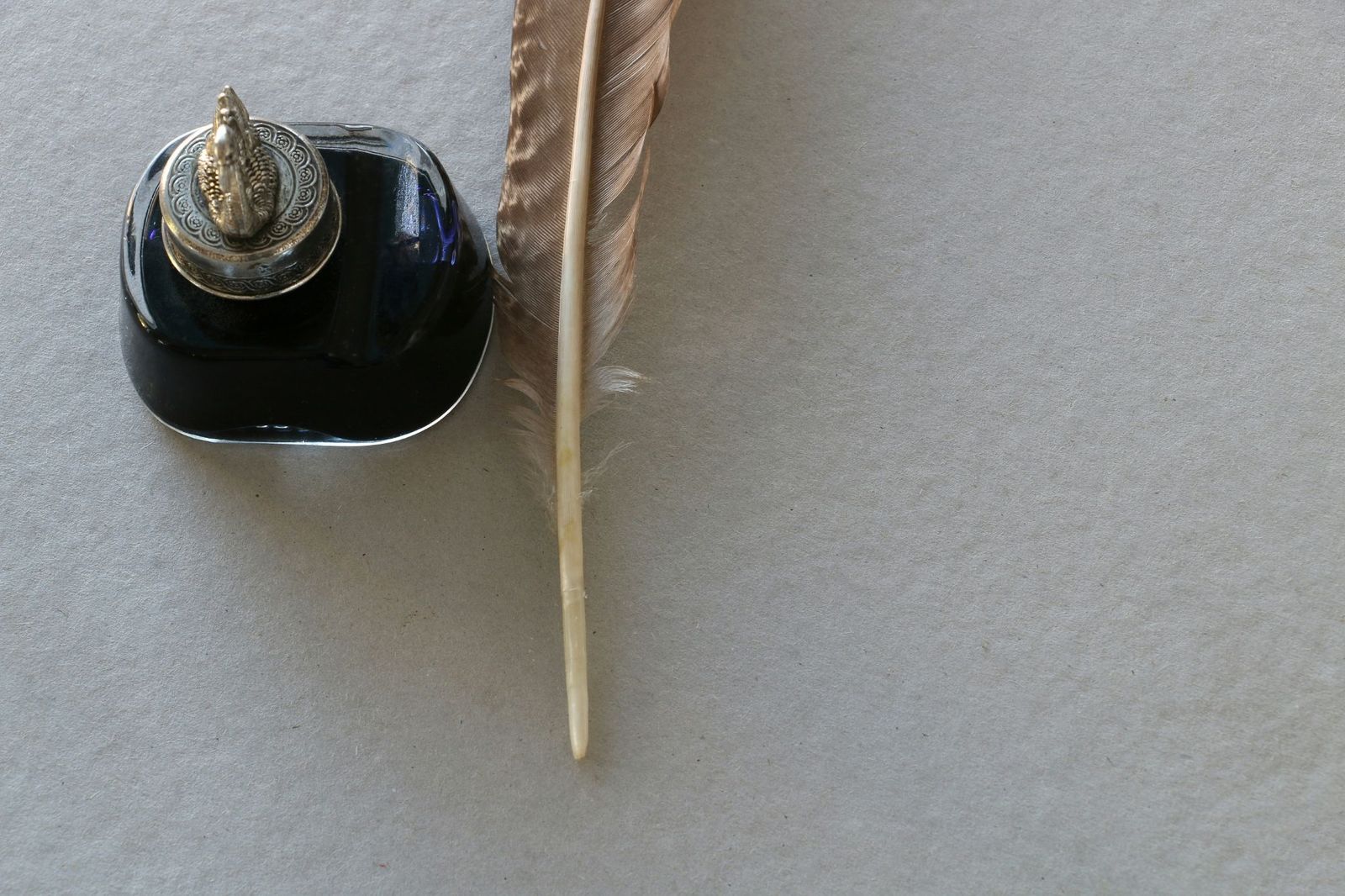

Image: Pierre Bamin

Rumor has it that William Shakespeare coined over 1,700 new English words or, at least, he was the first to put them in writing. If you have ever heard this fact, it might make you think of sophisticated-sounding terms like sanctimonious, equivocal, or radiance, all invented by the Bard. But many of the words we use in everyday life have Shakespearean origins, no matter how mundane they might seem. Let’s explore Shakespeare’s mark on our daily vocabulary.

1

Bedroom

Image: Cassidy Dickens

First recorded in: A Midsummer Night's Dream

When Shakespeare first used the word ‘bedroom’ (around the 1580s), the common way of referring to a space intended for sleeping was ‘chamber’ or ‘bedchamber’. Why did the bard choose a different word then? He was not referring to what we now understand as a bedroom. In Act 2, Scene 2 of A Midsummer Night's Dream, when Lysander asks Hermia for "bed-room", he is asking to lie next to her in the bed. The change from ‘space in the bed’ to ‘a room intended for sleeping’ occurred a few decades later, and the current use of 'bedroom' was set around the 1610s.

2

Swagger

Image: Alex Sheldon

First recorded in: A Midsummer Night's Dream

We commonly use this word to describe the behavior or attitude of someone very confident and bold, and its first recorded use was not that different, though it bore a negative connotation. In Act 3, Scene 1 of A Midsummer Night's Dream, Puck uses the word "swaggering" to mockingly describe the rustic manners of the actors rehearsing a play. A few years later, Shakespeare used "swaggerer" in Act 2, Scene 4 of Henry IV, Part 2, to describe the noisy, boastful, and brawling Pistol. Nowadays, ‘swagger’ is most of the time used with a positive connotation.

3

Lonely

Image: Lukas Rychvalsky

First recorded in: Coriolanus

If Shakespeare ever heard Kelly Clarkson singing "doesn't mean I'm lonely when I'm alone," he would think the verse redundant, because he coined the word ‘lonely’ to mean ‘alone’. In Coriolanus (Act 4, Scene 1), the titular character says "I go alone, like to a lonely dragon, that his fen makes fear'd and talk'd of more than seen". While Coriolanus used the word to compare himself with a solitary or isolated creature, ‘lonely’ evolved to mean ‘sad for lack of company’ in the early 19th century.

4

Assassination

Image: Maxim Hopman

First recorded in: Macbeth

While linguists believe that ‘assassine’ was already in use in the 1570s, ‘assassination’ was first recorded in print around 1605 in Shakespeare’s Macbeth. A word of Arabic origin (from hassassin, ‘hashish-user’) that pejoratively described a group of mercenary killers, it had entered English through the Italian assassino. In Macbeth (Act 1, scene 7), the main character, while contemplating killing the king, refers to the potential murder as an ‘assassination’.

5

Fashionable

Image: Clarissa Watson

First recorded in: Troilus and Cressida

While in modern times we understand fashionable as ‘following the latest trends’, Shakespeare’s use was slightly different. In Act 3, scene 3 of Troilus and Cressida, the character Ulysses describes time as "a fashionable host", using the term to mean ‘popular’. While its meaning has changed slightly since then, the association with something popular remains.

6

Eyeball

Image: Marina Vitale

First recorded in: Venus and Adonis

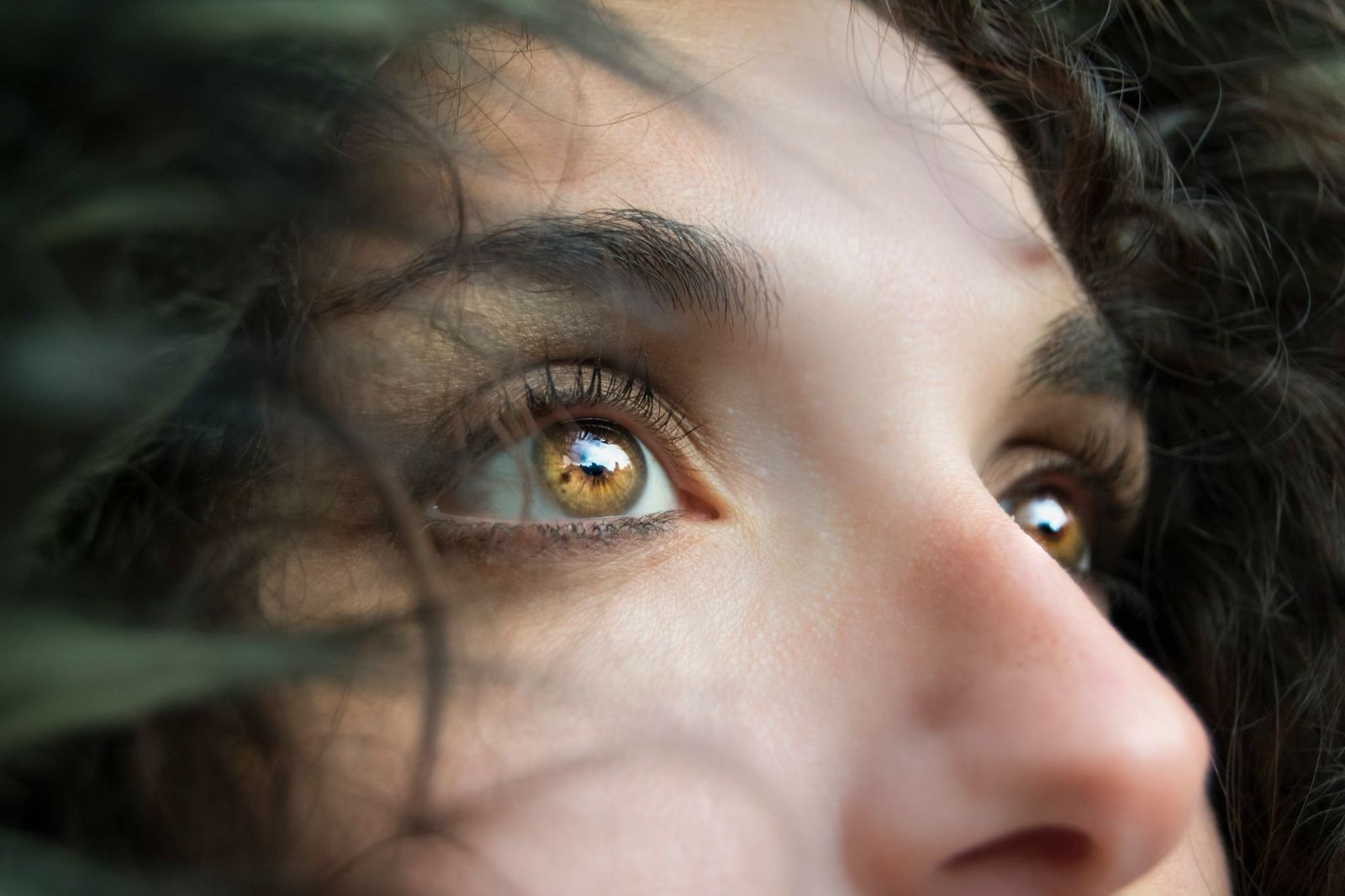
Was Shakespeare the first to record this word? Yes and no. In 1575, a scholar named William Patten had recorded the term ‘eye ball’, but Shakespeare was the first to use it as a single word in the 1593 poem Venus and Adonis, "Look in mine eyeballs, there thy beauty lies". How did people refer to the eyeball before that? They simply called it the ‘eye’.

7

Generous

Image: Annie Spratt

First recorded in: Julius Caesar

Historians are certain about this one: the word ‘generous’ was not coined by Shakespeare, but he was responsible for making it popular and cementing its meaning as ‘freely giving’. From the Latin generosus (‘of noble birth’, ‘honorable’), the term had entered English through French with that original meaning. Shakespeare had used it as ‘honorable’ or ‘high ranking’ in Love's Labour's Lost (c. 1594), but he later used it in 1599's Julius Caesar (Act 2, scene 3) to describe the unselfishness and altruism of Caesar, who had made provisions for every Roman citizen in his will.

8

Undress

Image: Teddy Bae

First recorded in: The Taming of the Shrew

Before Shakespeare’s time, English people certainly undressed, but they used words like unclothe, strip, or the Old English unscrydan to describe the action. The French dresser (´to arrange’, ‘put in order’) entered English in the 14th century, and shifted from general to personal order in the following century, eventually being used solely for clothes. Shakespeare’s The Taming of the Shrew (c. 1590) contains the first written record of the opposite verb, ‘to undress’, in its prologue: "Madam, undress you, and come now to bed."

9

Varied

Image: Yoav Farhi

First recorded in: Titus Andronicus

Although ‘vary’ (from the Latin variare, ‘to change or make different’) was already in use during the 1500s, Shakespeare is widely considered the first to record its adjectival form with the meaning ‘something that contains many different things’. In 1591’s Titus Andronicus (Act 3, scene 1), the character Marcus compares the voice of his now-mute niece Lavinia with a bird that sang "sweet varied notes".

10

Critic

Image: Vitaly Gariev

First recorded in: Love’s Labour’s Lost

The Greek kritikos, meaning ‘able to judge’, was already used in English before Shakespeare’s time, but it referred to skilled judges or literary correctors. In Act 3, scene 1, of Love’s Labour’s Lost, Berowne, initially cynical about love but having fallen for Rosalind, describes his former self as "A critic, nay, a nightwatch constable", making this the first recorded use of the word to mean someone who points out flaws or looks upon others with contempt.

The truth about your brain

You won’t believe what happens in your brain while you sleep


Published on August 9, 2026


Image: Milad Fakurian

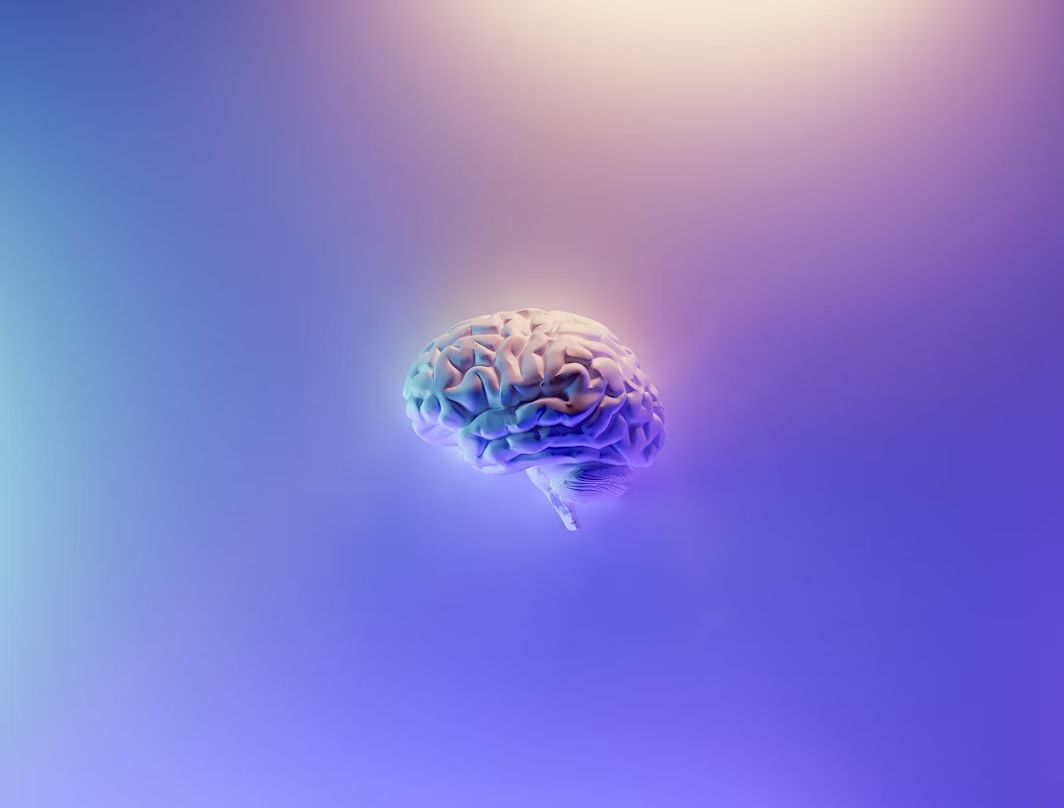
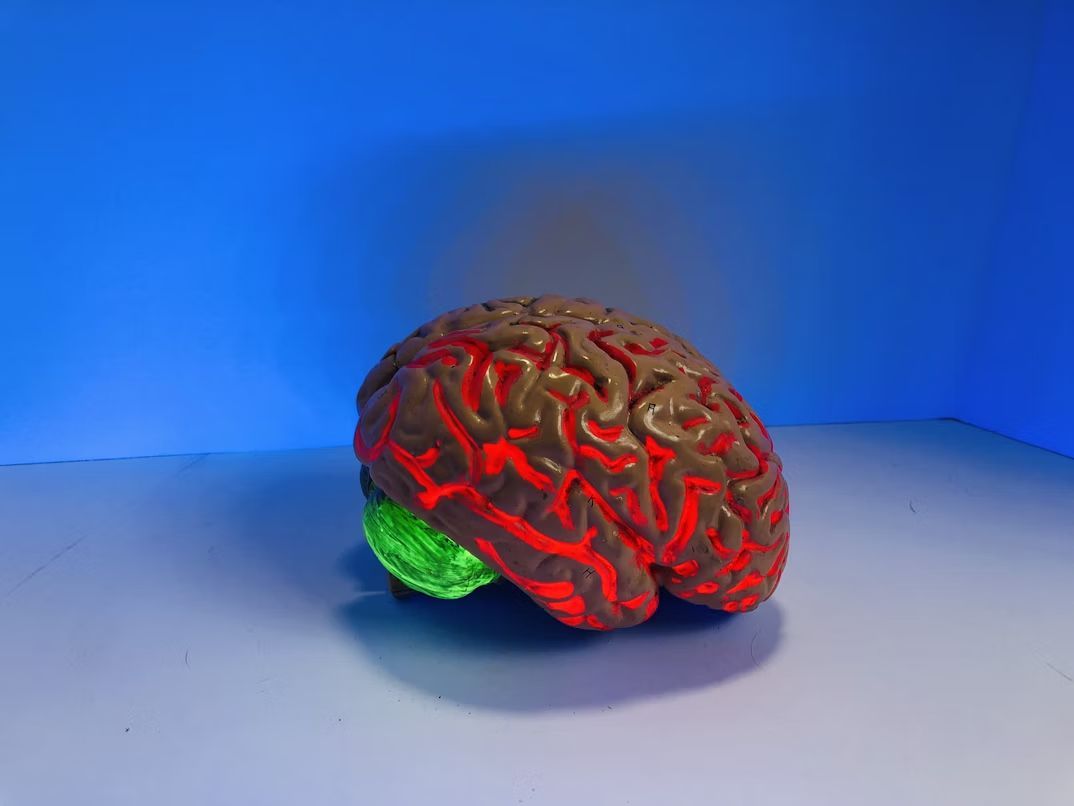
Your brain is one of the most powerful and mysterious organs in your body. It controls everything from your thoughts to your emotions and even processes information at lightning speed. But how much do you really know about it? Some long-believed myths about the brain have been debunked, while other surprising facts reveal just how incredible this organ truly is. Get ready to be amazed by these fascinating brain facts!

1

Myth: We only use 10% of our brain

Image: Natasha Connell

You’ve probably heard this one before, but it’s completely false! While it’s true that not all parts of the brain fire at the same time, imaging studies show that most regions are active throughout the day, even when we sleep.

Your brain is constantly working, controlling bodily functions and emotions, and processing information. So next time someone says you’re only using 10% of your brain, you can confidently tell them that’s just a myth!

2

The brain itself can’t feel pain

Image: Aarón Blanco Tejedor

Here’s a weird fact: While your brain processes pain signals from the rest of your body, it has no pain receptors of its own. This is why surgeons can perform brain surgery on conscious patients without causing them pain.

However, the membranes and tissues surrounding the brain do have pain receptors, which is why headaches and brain injuries can be so excruciating.

3

Headaches are actually chemical reactions

Image: Usman Yousaf

How come we have headaches if the brain has no pain receptors? Well, that’s because headaches are triggered by chemical activity in the brain, changes in nerves and blood vessels, and even fluctuating serotonin levels.

In some cases, hormones like estrogen can also play a role, which explains why migraines are more common in women.

4

Dreams: Your brain’s midnight movie theater

Image: Go to Johannes Plenio's profile Johannes Plenio

Dreams are proof that your brain never rests! (Warning: this fact can make you feel exhausted.) While you sleep, your limbic system, that is, the part of the brain that deals with emotions, becomes especially active, which is why dreams often feel so intense.

On average, humans experience four to seven dreams per night, even if we don’t always remember them. And what about that scary nightmare about falling? Well, you can thank your amygdala, the brain’s fear center, for that one.

5

Your short-term memory lasts less than 30 seconds

Image: Brett Jordan

Have you ever walked into a room and instantly forgotten what you were after? That’s because short-term memory only lasts about 20-30 seconds! That’s not enough!

Your brain holds a limited amount of information in its active state before deciding whether to store it or discard it. Ironically, we can’t really choose what makes the cut, but we do hope these facts stay with you!

6

Brain freeze is your body’s warning signal

Image: BUDDHI Kumar SHRESTHA

That sharp, icy pain when you eat something too cold? It’s your brain’s way of telling you to slow down! Officially called sphenopalatine ganglioneuralgia, a brain freeze happens when cold food or drinks rapidly chill the blood vessels in your throat, causing them to constrict and then rapidly expand. This sends pain signals to your brain, warning you of the sudden temperature shift. It’s annoying, but it’s actually your body trying to protect itself!

7

Your brain thinks a lot!

Image: Josh Riemer

You didn’t need us to tell you, but let’s look at the details: The average person has between 12,000 and 60,000 thoughts per day. What’s even more interesting? 95% of those thoughts are the same ones you had yesterday. Is that not surprising enough? Hear this out: 80% of them tend to be negative. That’s because our brains are wired for survival, constantly analyzing risks and potential dangers.

8

Your brain uses 20% of your body’s oxygen and blood

Image: Terry Vlisidis

Even though it only makes up about 2% of your body weight, your brain employs a major quantity of energy! It consumes 20% of your oxygen and blood supply, making it one of the most demanding organs in your body.

If your brain goes without oxygen for just five minutes, brain cells start dying, leading to irreversible damage. This is why deep breathing and cardiovascular exercise are great for brain health!

9

Seeing stars? That’s your brain processing vision!

Image: Alexander Andrews

Do you know that feeling when you hit the back of your head and see stars? That’s because your occipital lobe, which controls vision, is located at the back of your brain. If you get hit there, your brain momentarily misfires, causing flashes of light.

Interestingly, your brain processes vision on the opposite side; while your right brain controls your left eye, your left brain controls your right eye. It’s one of the many ways the brain operates in a complex way.

10

Your brain can power a light bulb!

Image: Rodion Kutsaiev

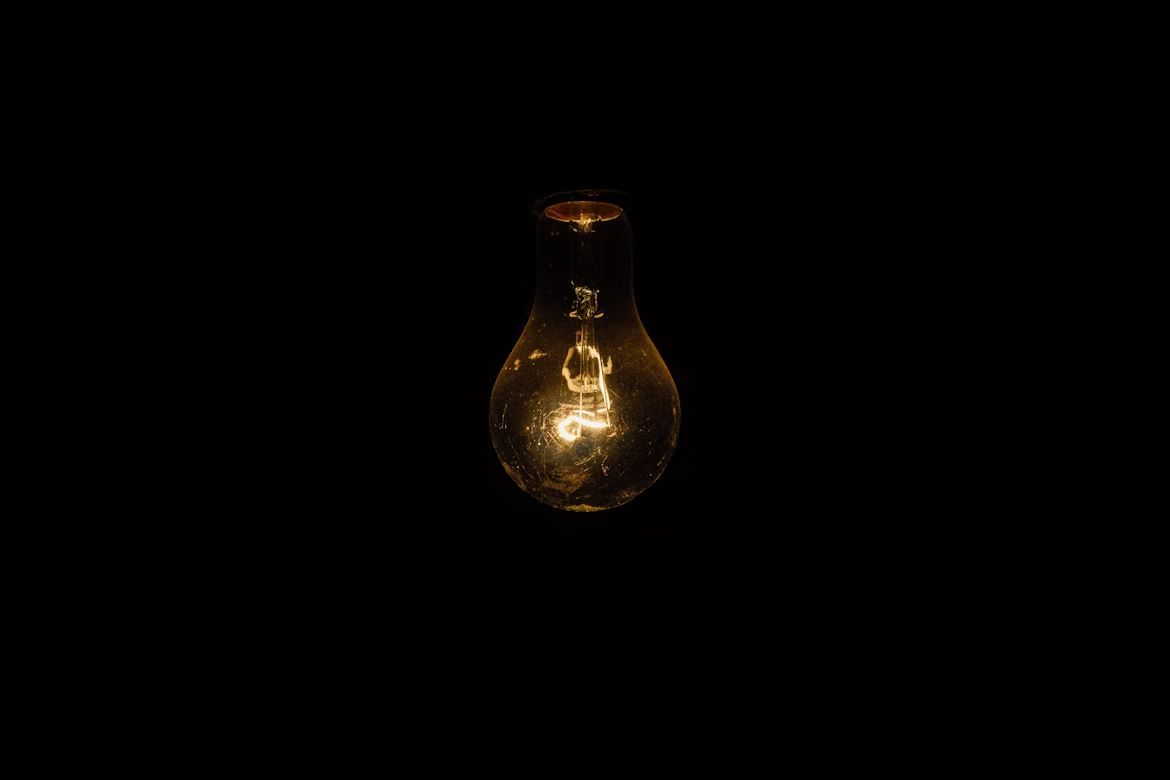
Believe it or not, your brain generates between 12 and 25 watts of electricity when you’re awake. If you can’t really grasp how powerful that is, check this out: It’s enough to power a small light bulb! Your brain’s electrical activity is what allows neurons to send signals at speeds of up to 260 miles per hour.

11

Your brain is mostly fat

Image: Robina Weermeijer

Your brain may be the fattiest organ in your body, consisting of at least 60% fat! This is why consuming healthy fats, like omega-3s and omega-6s present in fish, for example, is essential for brain health.

Healthy fats stabilize brain cell walls, reduce inflammation, and support cognitive function. So go ahead and enjoy that avocado toast, it’s food for your brain!

12

Your brain shrinks as you age

Image: Robina Weermeijer

It’s not just your memory that fades over time; the brain itself physically shrinks as one gets older. It continues developing until your late 40s, but after that, it slowly decreases in size.

Now, size doesn’t equal intelligence, so a smaller brain doesn’t necessarily mean a less capable one. Staying mentally active, exercising, and eating brain-boosting foods can help keep it in top shape!

13

Cholesterol plays a big role in memory

Image: Lisa Yount

We often think of cholesterol as bad, but your brain actually depends on it! In fact, 25% of your body’s cholesterol is stored in your brain, where it helps with learning and memory. However, unlike other organs, the brain can’t absorb cholesterol from the blood, it has to produce its own. So, while too much cholesterol in the body can be harmful, the right amount is vital for brain function. At least you can use that as an excuse to get that burger!

Looking for an extra scoop of literary fun?

Learn more with our Word of the day

shroud

/ʃraʊd/