What’s your nickname?

You will not think the same about these 12 nicknames after reading this


Published on April 8, 2026
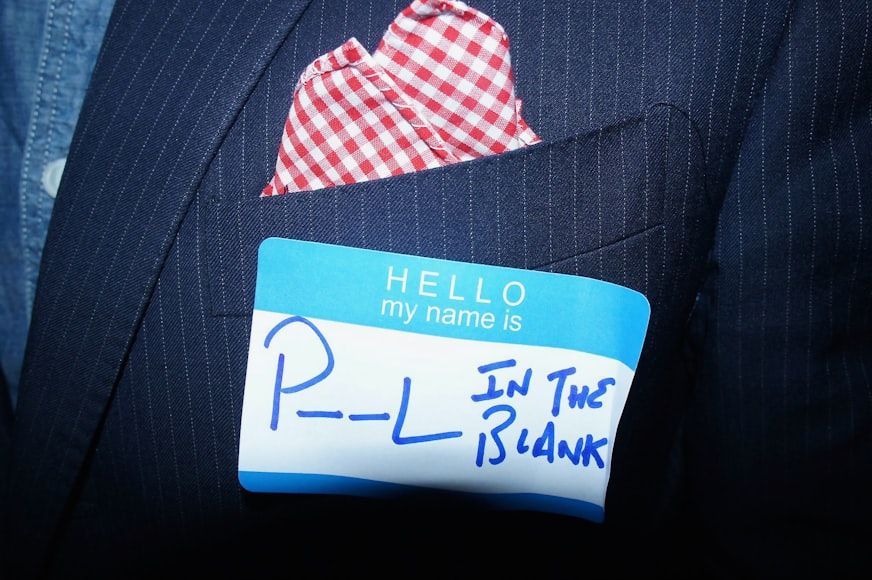

Image: Philippe Yuan

All words come from somewhere; many began as nicknames given to people who, for better or worse, inspired the terms bestowed upon them. A lot of the expressions we throw around, like "bookworm" or "couch potato," actually started as playful or teasing nicknames. Over time, these labels stuck and became part of everyday language. Read on to learn about the nicknames that originated these 12 common terms.

1

Geek

Image: Alex Kotliarskyi

While it originated as a circus slang term for a performer who carried out bizarre or grotesque acts, "geek" later became a nickname for socially awkward but brilliant people.

Today, the term has been reclaimed and is often worn with pride, generally referring to someone passionate about intellectual or pop-culture interests such as technology, gaming, or science fiction.

2

Brainiac

Image: Andrew George

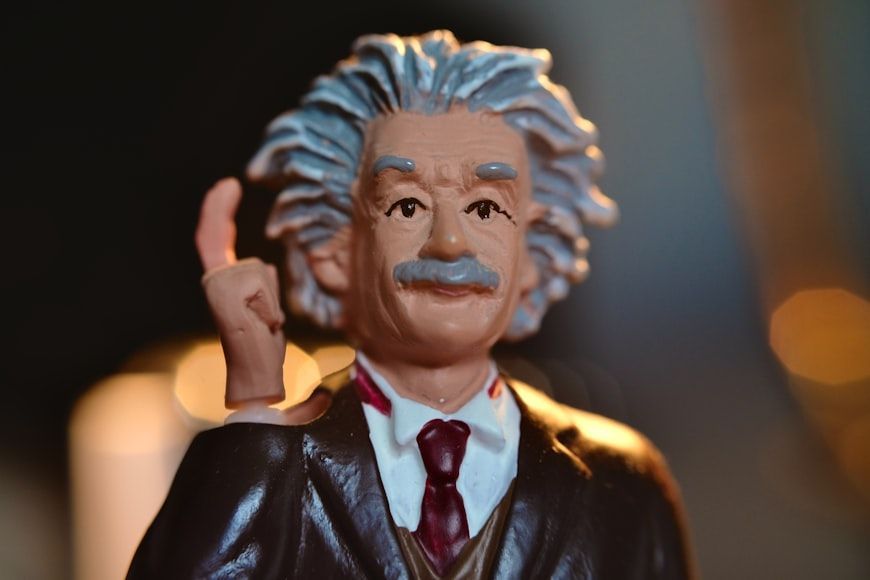
"Brainiac" began as the name of a villain in Superman comics during the 1950s. The character was portrayed as a hyper-intelligent alien. Over time, the name shifted from a fictional identity to a general nickname for someone extremely smart.

Today, calling someone a "brainiac" suggests they are brilliant or academically gifted, especially in science or technology.

3

Plain Jane

Image: engin akyurt

The term "Plain Jane" was a nickname for a woman with an unremarkable appearance or personality, with "Jane" serving as a stand-in for the average woman.

Today, "Plain Jane" refers to someone perceived as ordinary or not flashy, usually in terms of looks or style.

4

Chatty Cathy

Image: Anya Osintsova

This idiom comes from a popular 1960s talking doll named Chatty Cathy, known for its pull-string phrases. The toy’s nonstop chatter led to the nickname being applied to overly talkative people, especially young girls.

Now, "Chatty Cathy" is a common term for anyone who talks too much or dominates conversations.

5

Nervous Nellie

Image: Claudio Schwarz

"Nervous Nellie" became popular in the early 20th century and was notably used by President Franklin D. Roosevelt to describe overly cautious people.

Today, it refers to someone anxious, jumpy, or constantly worried. Though usually playful, it can suggest that someone is overly fearful or lacking in confidence.

6

Peeping Tom

Image: Israel Pereira

"Peeping Tom" comes from the legend of Lady Godiva, whose naked ride was witnessed by a man later named Tom. His act of looking made him an early archetype of the voyeur.

Today, "Peeping Tom" refers to someone who spies on others, especially in a creepy or inappropriate way.

7

Goody two-shoes

Image: Artem R.

Dating back to a 1765 children’s story about a poor girl who gets a second shoe and becomes morally upright, "goody two-shoes" evolved into a nickname for someone who is exaggeratedly virtuous.

Today, goody two-shoes describes a person who strictly follows rules and often tries to appear morally superior.

8

Crybaby

Image: Zachary Kadolph

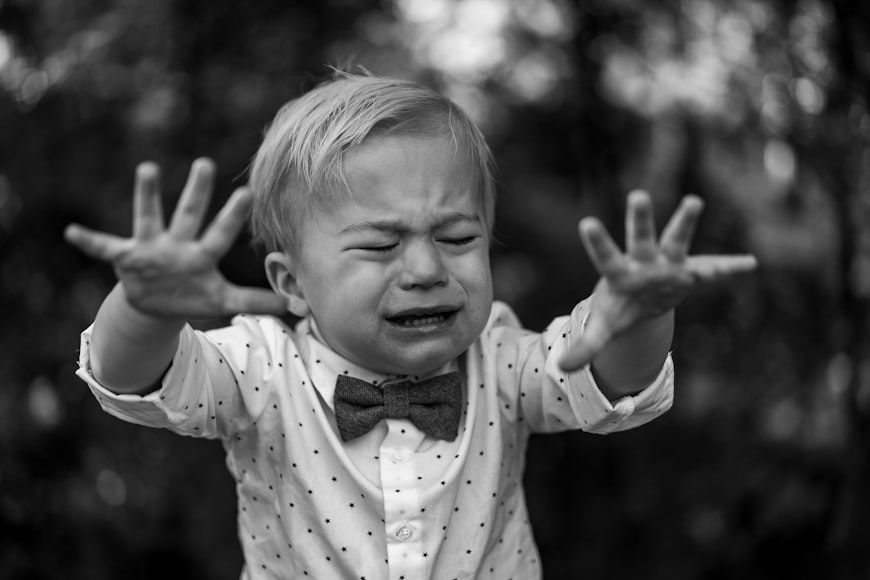
This term was originally a mocking nickname for children who cried easily, and it became a standard expression in playground slang. The simplicity of the term helped it spread quickly.

Now, "crybaby" is used to describe anyone, child or adult, who complains or gets upset too easily.

9

Bookworm

Image: gazali marimbo

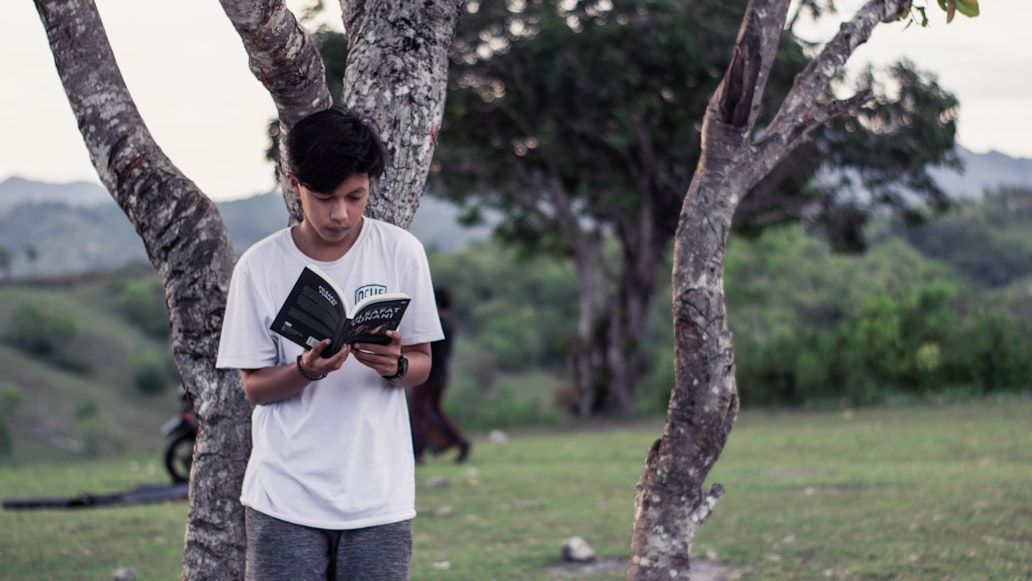
Another well-known nickname, "bookworm," originally referred to someone who read excessively, likening them to a literal worm burrowing through books.

Today, it’s also a common term for an avid reader. While it may still be slightly nerdy in tone, many people use "bookworm" proudly to show a love for reading.

10

Couch potato

Image: Adrian Swancar

Coined in the 1970s as a humorous insult, "couch potato" originally referred to someone who spent long hours sitting on a couch watching television.

Now, it’s a familiar term for anyone who leads a sedentary lifestyle, especially in front of screens.

11

Scaredy-cat

Image: Pacto Visual

This term emerged in the early 1900s, playing on the image of a frightened cat jumping at sudden noises. It became a popular teasing nickname for people easily scared.

Today, "scaredy-cat" is still widely used, especially among children, to call someone out for being timid or afraid.

12

Tattletale

Image: krakenimages

The term "tattletale" originated as playground slang for someone who told on others to authority figures.

Now, it refers to anyone, typically a child, who reports others' misdeeds, especially minor ones.


BELIEVE IT OR NOT

Stranger Than Fiction: 10 Unbelievable Events That Actually Happened


Published on April 8, 2026


Image: Diana van Ormondt

They say truth is stranger than fiction, and some of these historical events are living proof of this old adage.

Brace yourself for a rollercoaster ride through history, where the strange and unexpected take center stage in the theater of reality. From absurd battles to mysterious weather phenomena, these 10 astonishing tales will leave you thinking long and hard about the complexities of human history.

1

The Great Emu War

Image: Sharon Co Images

Wars are typically waged between nations, but in 1932, Australia faced an unusual adversary: emus. After large numbers of these flightless birds invaded crucial farmland within Western Australia’s Wheatbelt, the government decided to intervene by sending soldiers armed with machine guns to reduce the emu population in the area. However, most attempts were ineffective at most, killing very few birds and costing thousands of dollars in supplies and ammunition.

As soon as the first shot was fired, the seemingly tame emu dispersed way beyond the range of the machine guns, and apparently switched to guerrilla tactics of sorts, avoiding all further military ambushes and frontal attacks while still feasting on the farmer’s crops. The government’s futile attempts were ridiculed and physical barrier methods to manage wildlife were preferred from then on. Sadly, they give no medals for having endured the Great Emu War.

2

The Dancing Plague

Image: Hannah Skelly

In 1518, the town of Strasbourg, France, was gripped by a strange and inexplicable phenomenon - people suddenly began dancing uncontrollably in the streets. The dancing madness persisted for weeks, with some of the affected succumbing to exhaustion or even death. The authorities at the time did not know how to react, and some people even joined the dancers voluntarily, as they feared it was a punishment from Saint Vitus (and presumably wanted to stay on the safe side).

After many efforts to fight the strange epidemic, the dancing eventually subsided and people in the town could resume their normal lives. While theories range from mass hysteria to hallucinogenic substances and neurological disorders like Sydenham's chorea, the event remains a historical enigma that challenges our understanding of the human mind and collective behavior.

3

The Tunguska Explosion

Image: Nima Sarram

In 1908, a massive explosion flattened over 80 million trees in the remote Tunguska region of Siberia. The cause? A mysterious airburst, likely caused by the explosion of a meteoroid or comet in Earth's atmosphere. It is now estimated that the event had an explosive energy of 3 to 5 megatons, equivalent to over a thousand Hiroshima bombs. The resulting shockwave broke windows, and knocked people down hundreds of miles away, reaching an equivalent of an earthquake of 5.0 on the Richter scale in some areas.

A bright glow was observed in night skies in Asia and Europe for days after the event due to high-altitude ice particles that formed as a result of the explosion. For all its magnitude, the explosion left no visible crater and minimal debris beside the devastated forest. The Tunguska Event serves as a stark reminder of the potential cosmic threats that lurk in the darkness of space.

4

The Battle of Karánsebes

Image: British Library

Miscommunication can often lead to chaos, but rarely on the scale witnessed in the Battle of Karánsebes in 1788. The Austrian army, at the time facing the Ottoman Empire, descended into total anarchy when two different scouting parties mistook one another for the enemy, fired on each other, and raised the alarm.

Making matters worse, the Austrian army was made of men of different nationalities who more often than not could not understand each other. All attempts to end confusion and the ensuing friendly fire on the part of the Austrian emperor himself were in vain, and after a while - deeply demoralized - he was forced to give the order of retreat. When the Ottoman army arrived two days later, they found an empty battlefield and were able to take the city of Karánsebes without any resistance.

5

Napoleon defeated by bunnies

Image: Aswathy N

In 1807, eight years before Waterloo, Napoleon Bonaparte had a humiliating defeat at the hands of a strange opponent - a horde of rabbits. During the celebrations that followed the Treaties of Tilsit - which effectively ended the war between the French and Imperial Russia - Napoleon’s chief of staff Alexandre Berthier had the idea of organizing a rabbit hunt to entertain its guests.

So far, nothing out of the ordinary for the time, but when the rabbits were simultaneously freed along the edges of a grassy field, instead of scattering as expected, all these fluffy beasts began running toward their amused hunters. But the fits of laughter didn’t last long, as the now-hunted hunters realized that there was nothing they could do to stop the relentless animals as they swarmed their positions and had no other choice than to flee. Some accounts state that Berthier had gathered around 3000 rabbits, so not even mighty Napoleon was a match for this unexpected army.

Apparently, the chief of staff's mistake was buying tame rabbits from local farmers, accustomed to being fed by humans, instead of trapping wild hares for the hunt. If we learned anything from the Great Emu War, the lesson is clear: never underestimate animals!

6

The year without a summer

Image: Mitsuo Komoriya

In the aftermath of the eruption of Mount Tambora in Indonesia - the largest in at least 1,300 years - 1816 became known as the "Year Without a Summer." The volcanic ash floating in the atmosphere led to climate abnormalities worldwide, resulting in crop failures and widespread famine in the most affected areas.

In Europe and North America temperatures plummeted, and most crops suffered irreparable damage due to the persistent frost. In the United States, a "dry fog" was observed in the eastern regions, dimming sunlight so much that sunspots were visible to the naked eye. Also, the high level of volcanic particles present in the atmosphere caused strange optical effects in the following years, such as strong red hues during sunsets, which can be observed in many paintings produced at the time.

7

Caligula’s War on Neptune

Image: Tiana Attride

It seems that wars against unusual adversaries are a fashionable trend in human history because the Roman Emperor Caligula declared war in the year 40 AD on no one other than the god Neptune himself, king of the raging seas.

Known for his eccentricity, Caligula allegedly ordered his legionnaires to "attack" the sea with swords and spears, after which he declared victory against the powerful god and told the men to gather seashells as trophies of war. One can only imagine that the soldiers had a fun -albeit puzzling- day.

8

Pepsi’s naval power

Image: Tim Mossholder

In the late 1980s, Pepsi briefly possessed the sixth-largest navy in the world. In exchange for commercializing Pepsi products in the Soviet Union, the company received 17 submarines, a cruiser, a frigate, and a destroyer.

However, the fleet was composed of obsolete and unseaworthy vessels that were destined to be turned into scrap almost immediately. The payment was made in the only resources the USSR could gather easily at the time, and it provided a way to establish profitable international relations - and open up to the world.

9

Followed by the Civil War

Image: Garry T

The American Civil War started and concluded with a curious connection to Wilmer McLean, an American wholesale grocer from Virginia. The conflict's first major battle, the First Battle of Bull Run, took place in McLean's farm in 1861. A cannonball fell directly through the kitchen fireplace of the McLean’s house, which was being used as headquarters for the Confederate Army, destroying the dinner that was being prepared by the stationed officers - something that was noted not without humor by the Brigadier General P. G. T. Beauregard.

The McLean family moved to Appomattox, Virginia trying to escape the war, but just four years later, General Robert E. Lee surrendered to General Ulysses S. Grant in McLean's parlor, marking the conclusion of the Civil War. Unintentionally, McLean was a prime witness of one of America’s most defining conflicts. Later, he said of this: "The war began in my front yard and ended in my front parlor."

10

Genghis Khan fought against global warming

Image: Snowscat

Genghis Khan's vast empire and brutal military campaigns had an unexpected impact on the Earth's climate. A recent study suggests that the Mongol invasions in the 13th century led to a significant reduction in global carbon dioxide levels, as large areas of cultivated land returned to forests.

This had the unintentional effect of scrubbing as much as 700 million tonnes of carbon from the atmosphere, roughly equivalent to the global annual consumption of gasoline today. This drastic ecological shift highlights the effect that land use, and particularly deforestation can have on our planet at a large scale.

Looking for an extra scoop of literary fun?

Learn more with our Word of the day

otiose

/ˈoʊdiˌoʊz/