Don’t go around poking bears

Did you know that these animal facts are not true?


Published on May 9, 2026


Image: Ray Hennessy

Certain animal facts are just a given: Everyone knows that bats are blind, bulls hate the color red, and that touching a toad will give you warts. But are these things really true, or are they just wives' tales that have been passed down through generations? Let’s have a look at some of these myths and see if they have some truth in them, or if they are just a folkloric invention.

1

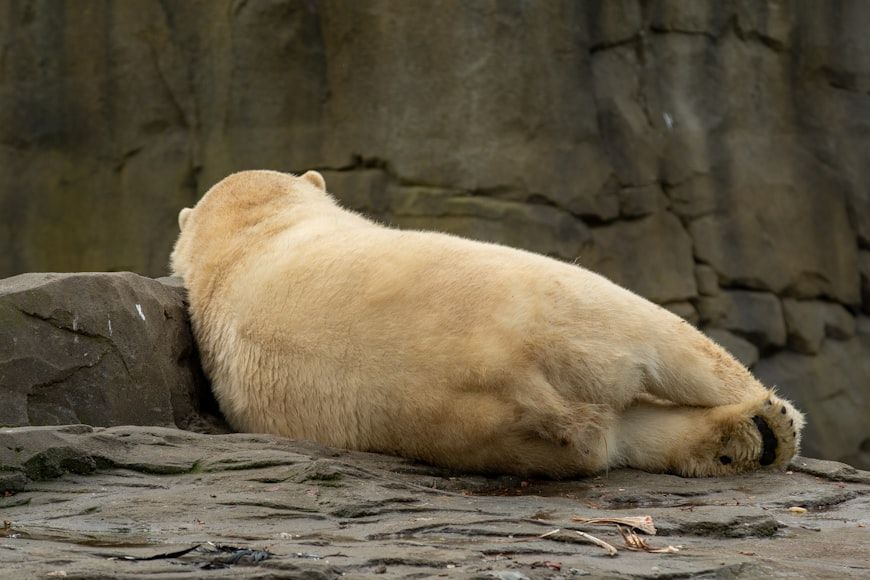
Bears hibernate all Winter

Image: Peter Neumann

The first misconception here is the meaning of ‘hibernation’ —a state where an animal drastically lowers its body temperature, appearing lifeless, and sleeps through the cold season. While most bears are less active through the Winter, they don’t hibernate. They enter a state called ‘torpor’, where they reduce their temperature and drop their heart rate, but they are lethargic, not sleeping. They will react to external stimuli, meaning you can still come across these furry fellows during a winter hike.

2

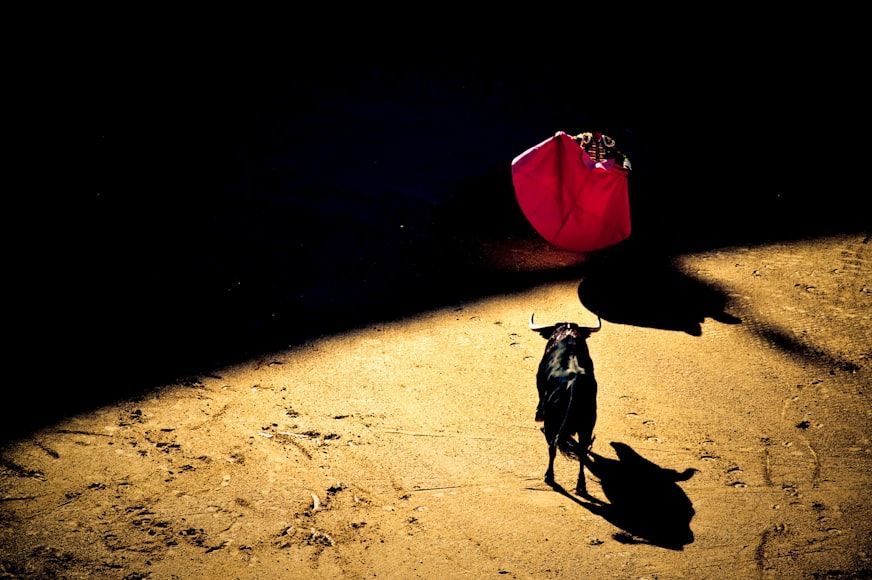
Bulls react to the color red

Image: Giovanni Calia

In popular tradition, the color red is associated with anger, but this has nothing to do with bulls, as they are partially colorblind and, as such, unable to see red. This common misconception stems from bullfighting, where the matador uses a brightly colored—usually red—muleta (a cloth hanging from a stick) to provoke the bull. What angers the bull is the whipping of the muleta, not its color. Why do they use a red cloth? To disguise blood spatters.

3

The cleanliness of your head matters to lice

Image: Tamara Bellis

"If you don’t wash your hair, you will catch lice.": You must have heard this old wives’ tale. Another popular belief claims that lice actually prefer clean heads, as they can move more freely in a clean scalp. As a matter of fact, lice don't care about your personal hygiene, nor about your hair type; they just want a warm scalp and blood to feed on. Your chances of catching pediculosis are tied to close contact with an infested person, nothing else.

4

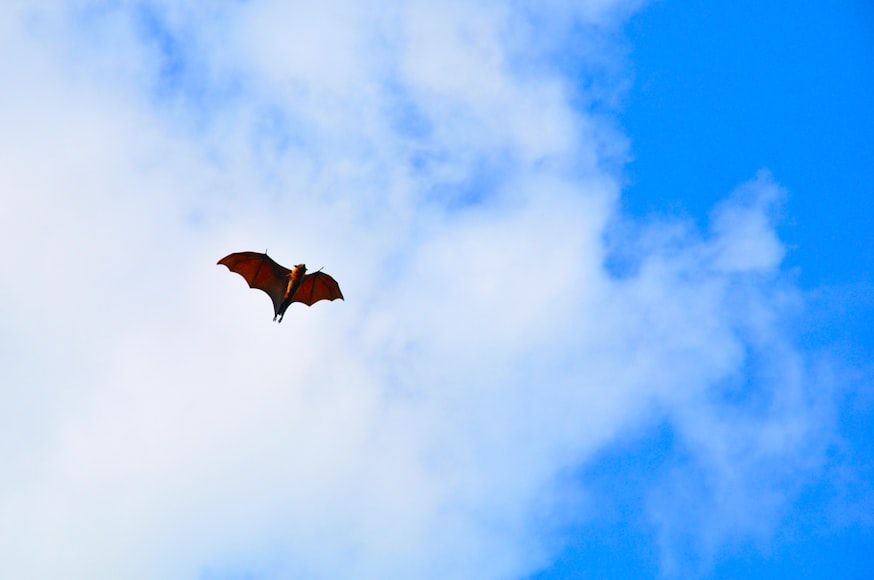
Bats are blind

Image: Georgy Trofimov

Another myth, most likely popularized by the anti-bat lobby. A bat’s vision can vary according to their species, but no bat is 100% blind, though some do better in low-light conditions. Some of them actually have excellent eyesight! The myth of the blind bat comes from their use of echolocation for hunting in the dark, and their sometimes erratic movements when following insects.

5

Dogs are colorblind

Image: Victor G

This one is a partial truth: dogs can’t see the same color spectrum as humans, but this doesn’t mean their world is black and white. While the human eye has three color-detecting cone cells, dogs have only two, which would make them ‘partially colorblind’. They are unable to distinguish shades of red, green, and orange, which they perceive as yellowish-brown or grayish, but they see other colors, such as blue and yellow.

6

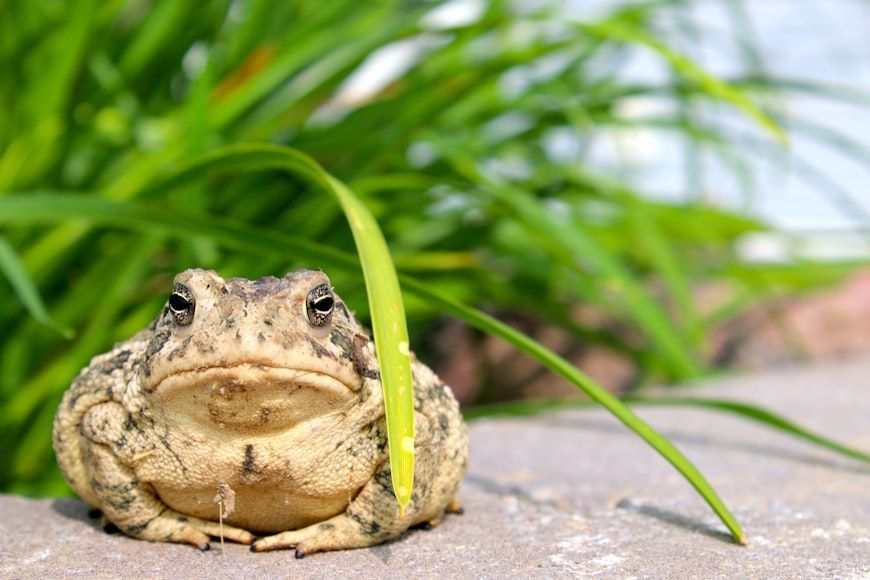
Toads can give you warts

Image: Laura Seaman

Toads might not have the loveliest appearance, but they have nothing to do with any wart you might have. Warts in humans are caused by the human papillomavirus (HPV), which is transmitted from person to person. What looks like warts on a toad’s skin are actually glands, used to secrete a toxin that deters predators. This toxin might irritate human skin, so remember to wash your hands if you touch a toad.

7

Penguins mate for life

Image: Torsten Dederichs

Penguins have the reputation of being one of the most faithful animals in the world, even when their partner dies. While some penguin species have a high fidelity rate compared to other animals, none of them mate for life. Some penguin species are known to form long-term bonds with their mates, while others are serial monogamists, but they can actually change partners if they have an unsuccessful mating season.

8

Ostriches bury their heads in the ground
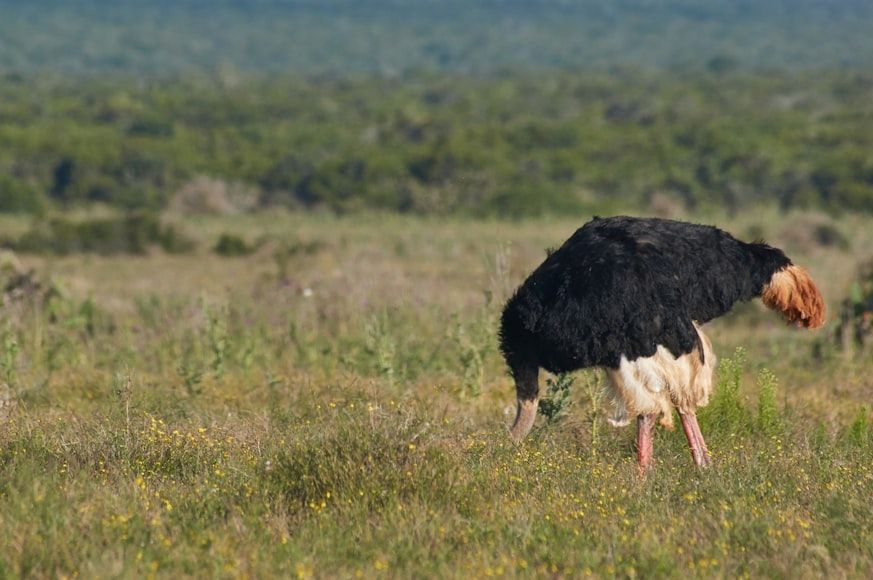
Image: Wolfgang Hasselmann

Ostriches and their alleged head-burying behavior have become a symbol of ignoring one’s problems, but this is based on a myth. This confusion, which some said dates back to Ancient Rome, stems from the ostrich’s shallow nests. When they turn the eggs with their beak, it might look like they are burying their heads in the ground from a distance. When an ostrich feels threatened, they either run away or completely flatten their body to the ground.

9

Baby birds are rejected by their mother if touched
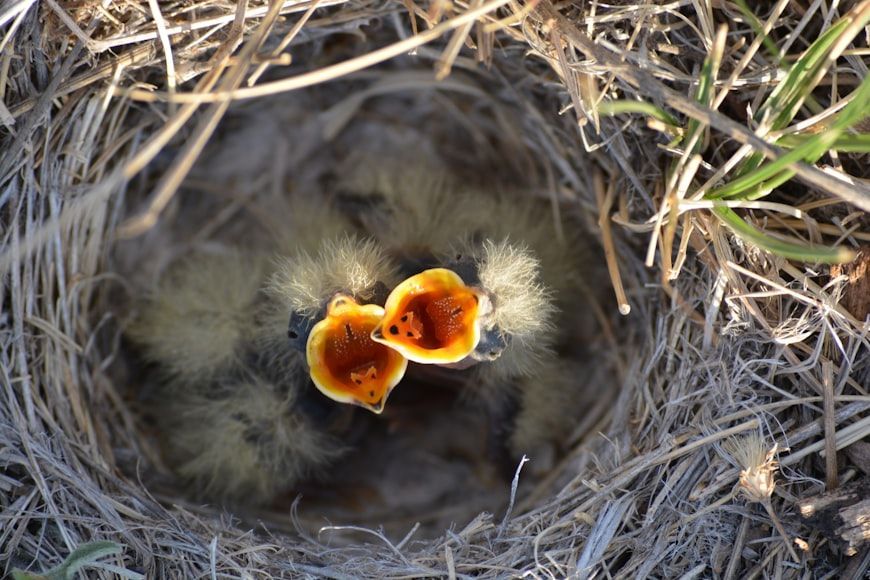
Image: TJ Arnold

Most birds have a weaker sense of smell compared with other animals, so they rely on their vision and hearing to recognize their young. In addition to this, they tend to have strong parental instincts, so human touch and scent are not enough to make them reject their offspring. But, as a rule of thumb, it is always advisable to leave baby birds alone, unless they are injured or in immediate danger.

10

Camels store water in their hump

Image: Wolfgang Hasselmann

Camels are able to go for weeks without water, and sometimes even months. This has led to the belief that they store water somewhere in their bodies, mainly in their hump, but this is mainly a myth. What they do store in the hump is fat, which works as an energy reserve when food is scarce, and that can, in certain situations, be metabolized into water. Storing fat in their hump instead of in the rest of their bodies also allows them to keep cool in warmer climates.
Secrets in plain view

The untold stories behind 15 of the world’s most famous artworks


Published on May 9, 2026


Image: Ståle Grut

Art is often more than just visually stunning; it can carry deep, hidden meanings and symbols that offer a richer experience when understood. From elements that tell part of the artwork’s story to deliberate messages and strange secrets, here are 15 famous artworks with hidden layers you might not have noticed before.

1

The Mona Lisa by Leonardo da Vinci

Image: Eric TERRADE

Though the Mona Lisa is perhaps the most famous painting in the world, the identity of the woman in the portrait has long been a subject of debate. Most scholars believe she is Lisa Gherardini, a Florentine woman married to a wealthy merchant, Francesco del Giocondo. However, numerous alternative ideas have emerged, including theories that the subject is an idealized figure or even a concealed self-portrait of Da Vinci.

2

The Thinker by Auguste Rodin

Image: Avery Evans

Rodin’s famous sculpture, The Thinker, was originally conceived as part of a larger work but became iconic in its own right. Despite its fame, many curious facts about the sculpture are often overlooked. For example, its original name was actually The Poet, which supports the theory that the statue was meant to depict Dante.

3

The Birth of Venus by Sandro Botticelli

Image: rook76

Botticelli’s The Birth of Venus blends classical mythology with Renaissance ideals of beauty. Venus, standing on a shell, symbolizes divine beauty and spiritual rebirth. Curiously, some believe it was modeled after the long-lost Venus Anadyomene, a painting by the ancient Greek artist Apelles, known only through Roman author Pliny the Elder’s description.

4

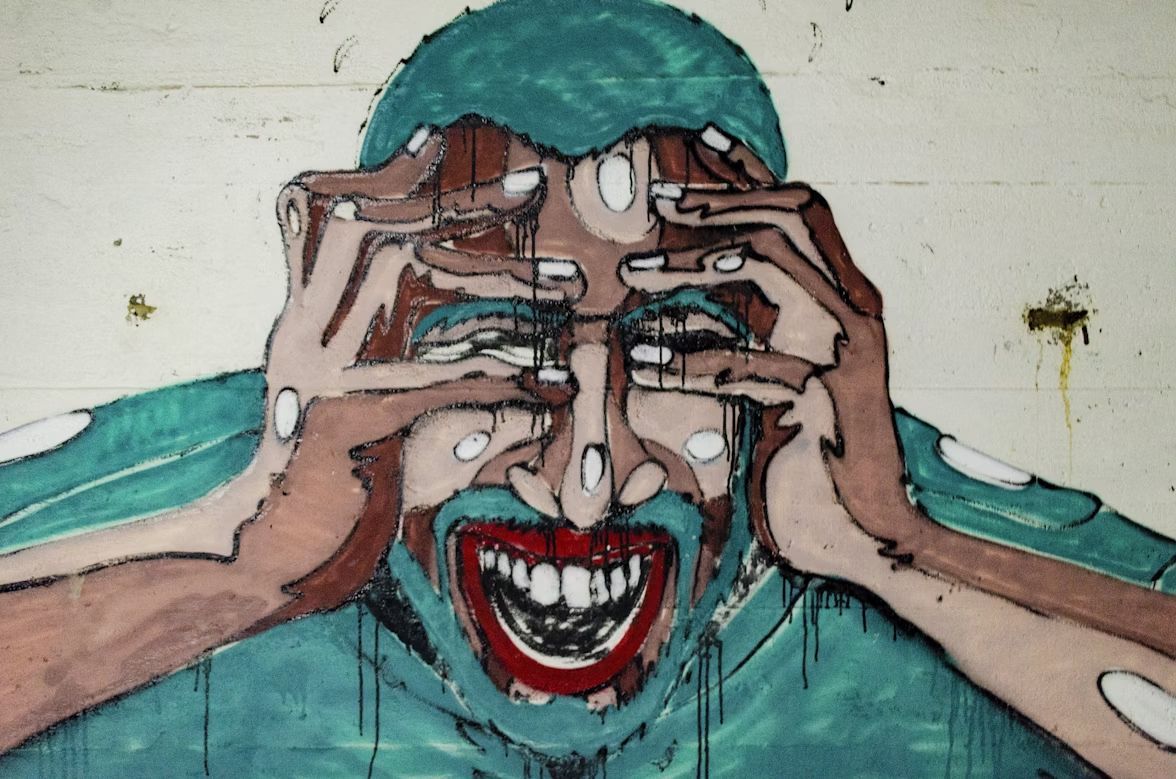
The Scream by Edvard Munch

Image: JWCohen

Munch’s The Scream captures a moment of extreme emotional distress. The swirling sky, vivid in color, reflects the inner turmoil of the subject. While Munch claimed the inspiration came from a panic attack he experienced while walking, some argue that the red skies may have been inspired by the eruption of Krakatoa in 1883, which caused vivid sunsets around the world.

5

The School of Athens by Raphael

Image: Olya Solod

In Raphael’s The School of Athens, ancient philosophers are depicted in conversation, but the placement of the figures is deliberate. Plato and Aristotle are centrally placed, with Plato pointing upwards, symbolizing his belief in ideal forms, while Aristotle’s gesture points horizontally, emphasizing his empirical approach.

6

The Statue of Liberty

Image: Laurenz Heymann

The Statue of Liberty is not just a symbol of freedom; its design includes several symbolic elements. The broken chain at her feet represents the abolition of slavery, while the torch symbolizes enlightenment. But most curiously, Lady Liberty's face is said to have been modeled after the artist Frederic-Auguste Bartholdi's mother.

7

The Last Supper by Leonardo da Vinci

Image: maxbrux

Da Vinci’s Last Supper holds numerous symbols, most notably the geometric composition. The table itself forms a triangle, symbolizing the Holy Trinity, while Christ’s position in the center divides the composition into a perfect balance of divine and human. Even the placement of Judas, isolated from the others on the opposite side of Christ, visually hints at his betrayal.

8

American Gothic by Grant Wood

Image: ChicagoPhotographer

Grant Wood’s iconic American Gothic has often been interpreted as a commentary on rural American values, but there are more layers to the painting. In fact, it was inspired by a real house built in the style of "Carpenter Gothic," which Wood found rather pretentious for such a humble home. The characters, however, aren’t the real inhabitants of the house but Wood’s dentist and his sister.

9

Venus de Milo by Alexandros of Antioch

Image: Daniele D'Andreti

The Venus de Milo represents idealized beauty in ancient Greek sculpture, but its missing arms add to its mystery. The lost limbs have sparked theories about its original pose, enhancing the statue's allure. Interestingly, some suggest the figure may not depict Aphrodite/Venus at all, but Amphitrite, the sea goddess worshiped on the island of Milos.

10

The Night Watch by Rembrandt

Image: Václav Pluhař

A master of visual storytelling, Rembrandt was well known for including hidden messages and symbolism. In his masterpiece The Night Watch, some believe the artist makes a subtle cameo. In the middle of the painting, behind a man in green and a guard with a metal helm, you can spot a faint figure, widely thought to be Rembrandt himself.

11

The Vitruvian Man by Leonardo da Vinci

Image: Marek Studzinski

Leonardo’s Vitruvian Man is not just a study of human anatomy; it symbolizes the Renaissance belief in the harmony between art and science. But beyond the perfect proportions, keen observers have noted that the man depicted appears to suffer from an inguinal hernia—an ailment that could have been fatal at the time. Given that artists often used cadavers as models, it's likely that Leonardo based the figure on a real, deceased individual.

12

The Kiss by Gustav Klimt

Image: Mariangela Cruz

Klimt’s The Kiss is renowned for its use of gold leaf, evoking the sacred beauty of religious art found in churches. Some art historians even speculate that the lovers in the painting are not just symbolic figures, but a representation of Klimt himself and his long-time partner, fashion designer Emilie Flöge.

13

Liberty Leading the People by Eugène Delacroix

Image: s880

Delacroix’s Liberty Leading the People uses the allegorical figure of Liberty to symbolize the spirit of revolution during France's July Revolution of 1830. However, the woman in the painting has a name—_Marianne_—a powerful symbol of the French Republic ever since the first French Revolution of 1789.

14

Self-Portrait with Bandaged Ear by Vincent van Gogh

Image: Jean Carlo Emer

Van Gogh's Self-Portrait with Bandaged Ear captures a deeply personal moment following the infamous incident in which he—allegedly—severed his own ear. However, some art historians now believe that the wound was in fact the product of an altercation with friend and fellow artist Paul Gauguin. A deft fencer, Gauguin might have acted in self-defense during a violent bout of psychosis of his friend.

15

David by Michelangelo

Image: Mateus Campos Felipe

Michelangelo’s David symbolizes strength and humanism, embodying both intellectual and physical power. While its proportions follow classical ideals, David’s unusually large head and oversized right hand stand out. Additionally, his heart-shaped pupils are a curious detail, possibly symbolizing his love for Florence or a playful nod to the letter "D," often depicted as a heart in Renaissance art.

Looking for an extra scoop of literary fun?

Learn more with our Word of the day

stoked

/stoʊkt/