What is your Ikigai? 10 foreign words that celebrate life's pleasures


Published on August 4, 2026


Image: 9dream studio

In English, we often rely on the single, broad term "happiness" to describe everything from winning the lottery to eating a piece of pie. Yet, around the world, different cultures have come up with precise words to capture the different flavors of joy. From the quiet peace of dawn in Scandinavia to the musical ecstasy of the Middle East, here are 10 foreign words that describe unique types of happiness.

1

Hygge (Danish)

Image: Olena Rudo

Pronounced hoo-ga, this Danish word has captured global attention over the past decade. Hygge is a psychological state of warm, cozy contentment.

It’s the feeling of sitting around a wooden dining table illuminated by soft candlelight, sharing a cup of coffee with close friends. Hygge encourages us to forget about life’s superficial distractions and savor the present moment with warmth, safety, and human connection.

2

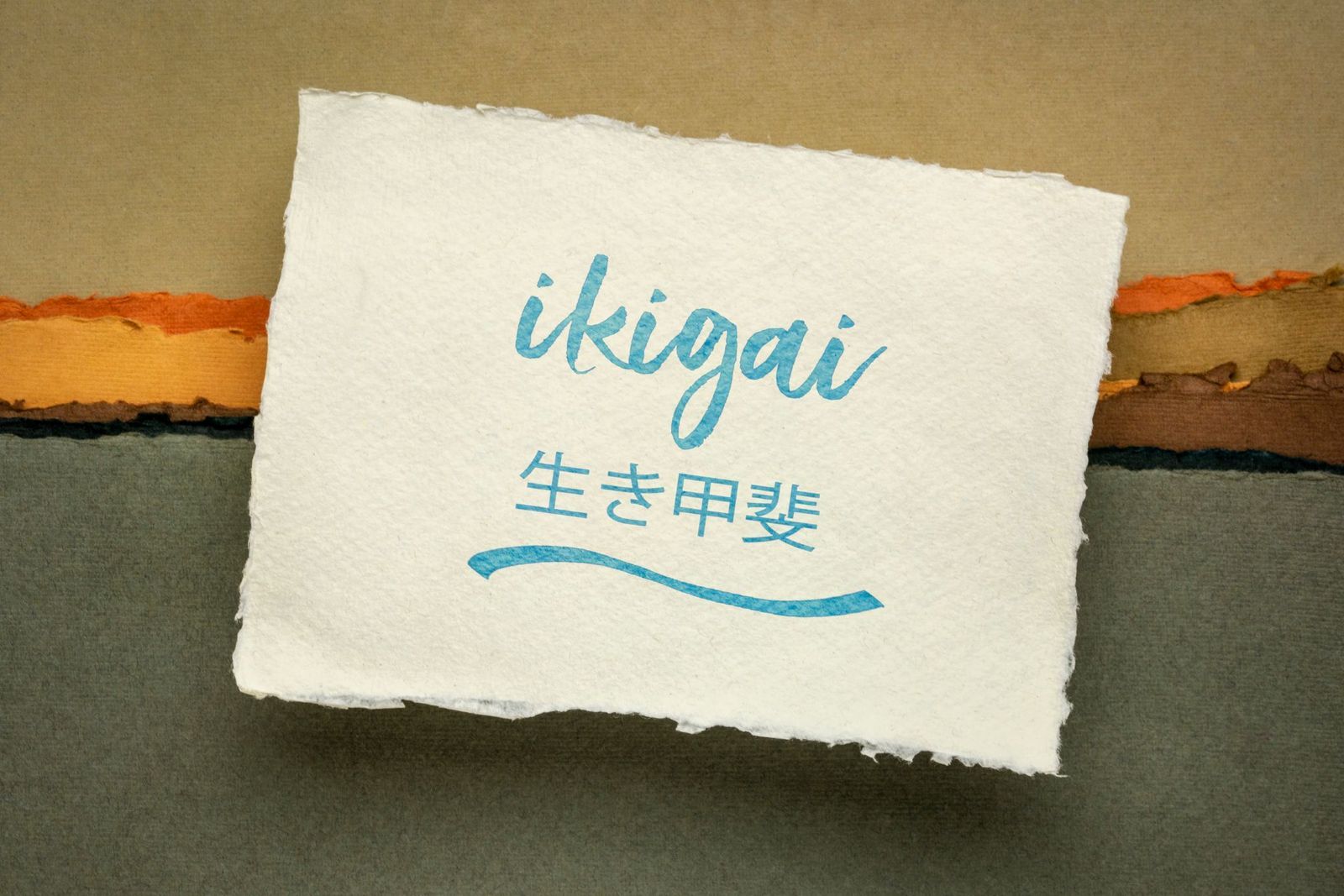
Ikigai (Japanese)

Image: marekuliasz

Originating from Okinawa, an island known for its high concentration of centenarians, ikigai (pronounced ee-kee-guy) translates to "a reason for being". It represents the sweet spot where your passions, talents, values, and practical skills overlap.

Unlike grand notions of success, ikigai is often quiet and deeply personal. It’s the joy that motivates you to get up in the morning, whether that reason is tending to your garden, perfecting a craft, or caring for your family. It’s happiness not as a distant goal, but as a daily practice.

3

Gökotta (Swedish)

Image: javi_indy

It’s no surprise that the Scandinavian culture has a specific word for outdoor bliss. Gökotta (pronounced yoh-koh-tah) literally translates to "cuckoo-dawn". It describes the deliberate act of waking up early in the morning, often at the break of dawn in spring, specifically to go outside into nature.

Gökotta reminds us that peace and renewal are often waiting for us in the quietest hours of the morning, as long as we are willing to wake up early enough to catch them.

4

Schadenfreude (German)

Image: Gorgev

Who said happiness can’t be a little mischievous? Schadenfreude (pronounced shah-den-froy-duh) combines the German words for "damage" (Schaden) and "joy" (Freude). It describes the secret, malicious pleasure a person feels when watching someone else suffer a minor, non-tragic mishap.

Whether it’s smirking when a politician stumbles on stage or watching an arrogant rival lose a game, schadenfreude captures a raw side of human psychology that almost everyone has experienced but rarely admits to.

5

Firgun (Hebrew)

Image: PeopleImages

On the opposite side of schadenfreude is the Hebrew concept of firgun (pronounced feer-goon). This informal term, which entered modern Hebrew in the mid-20th century, describes genuine, unselfish joy felt for another person’s accomplishments or good fortune.

To practice firgun means celebrating someone else’s promotion, engagement, or success without envy or resentment. It’s an empathetic form of happiness that strengthens community ties.

6

Arbejdsglæde (Danish)

Image: voronaman

While many societies view labor as a tedious chore, the Nordic countries have a different view. The Danish word arbejdsglæde (pronounced ah-beyds-gleh-theh) combines arbejde (work) and glæde (joy).

This term describes the satisfaction derived from a job well done. It stems from the feeling of enjoying your colleagues and having a healthy work-life balance. Also, knowing that your daily efforts contribute meaning to the world.

7

Tarab (Arabic)

Image: MAYA LAB

In Arab musical tradition, tarab (pronounced tah-rab) refers to a transcendent state of emotional ecstasy induced by listening to moving music.

It describes the moment when a performer’s vocals or instrumental mastery captivates the audience, filling the room with an overwhelming wave of emotion. In other words, tarab highlights music as a vehicle for profound joy.

8

Ayodele (Yoruba)

Image: Anatoliy Cherkas

In the Yoruba language of West Africa, Ayodele (pronounced ah-yoh-deh-leh) is both a traditional given name and a statement meaning "joy has come home".

The term conveys the happiness felt when a baby is born. This new child is more than an addition to the family; it’s an entity that carries warmth, light, and a renewed purpose.

9

Waldeinsamkeit (German)

Image: DimaBerlin

Rooted in German Romanticism, Waldeinsamkeit (pronounced valt-ayn-zahm-kayt) joins Wald (forest) and Einsamkeit (solitude). It describes the feeling of bliss experienced when wandering alone through the woods.

It’s all about a restorative connection with the natural world. Stepping away from the buzz of city life to walk beneath a canopy of green leaves allows the mind to slow down, reset, and experience a quiet, elemental happiness.

10

Joie de vivre (French)

Image: frantic00

Perhaps this is the most famous expression of happiness. The French phrase joie de vivre (pronounced zhwah duh veev-ruh) translates literally to "the joy of living".

It represents an infectious love for existence itself. Someone who has joie de vivre finds delight in a fresh baguette, a good conversation, or a casual afternoon walk. It’s a philosophy that treats living as an art form worthy of celebration.
Paints from the past

10 historical pigments with shocking and bizarre origins


Published on August 4, 2026


Image: Killari Hotaru

We often assume that the past was a dull, washed-out world. But history has always been bursting with vibrant color, even if humanity had to take extreme measures to capture it. From crushing millions of tiny bugs to robbing ancient tombs and playing with dangerous substances, artists and chemists spent centuries inventing brilliant hues. Here are 10 pigments with surprising, strange, and sometimes terrifying origins.

1

Carmine

Image: spline_x

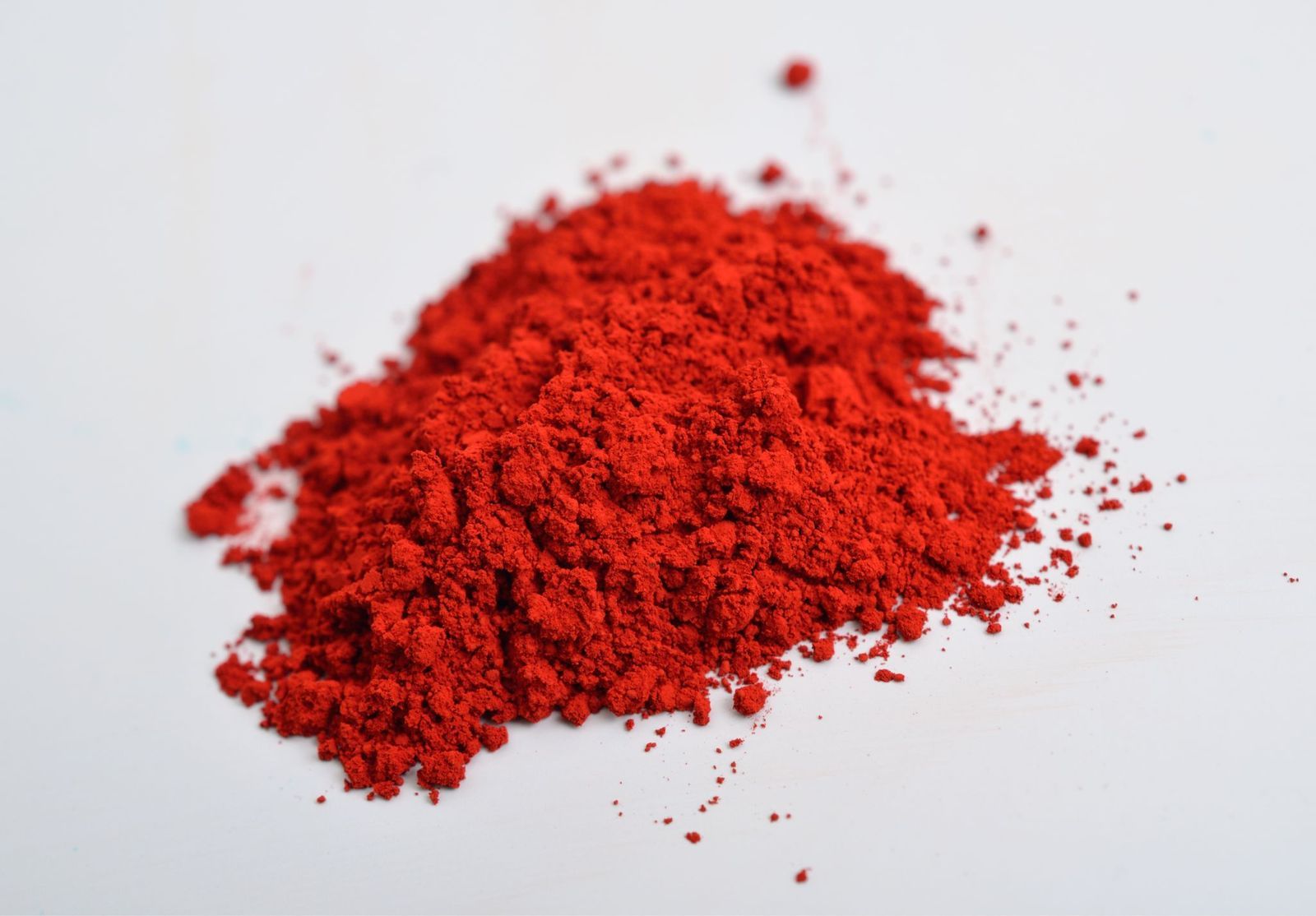
The word carmine refers to a family of deep reds. Its origins trace back to tiny scale insects, Dactylopius coccus (cochineal scale), that feed on cactus berries. When European explorers reached Mexico in the 16th century, they discovered native populations producing reds far more vibrant than anything in Europe.

Harvesters collected the female insects, killed them, and dried them in the sun to extract carminic acid. It took roughly 70,000 insects to make a single pound of pigment. Today, synthetics have replaced it in textiles, but carmine is still used under names like "natural red 4" to color candles and cosmetics.

2

Egyptian Blue

Image: Rawpixel.com

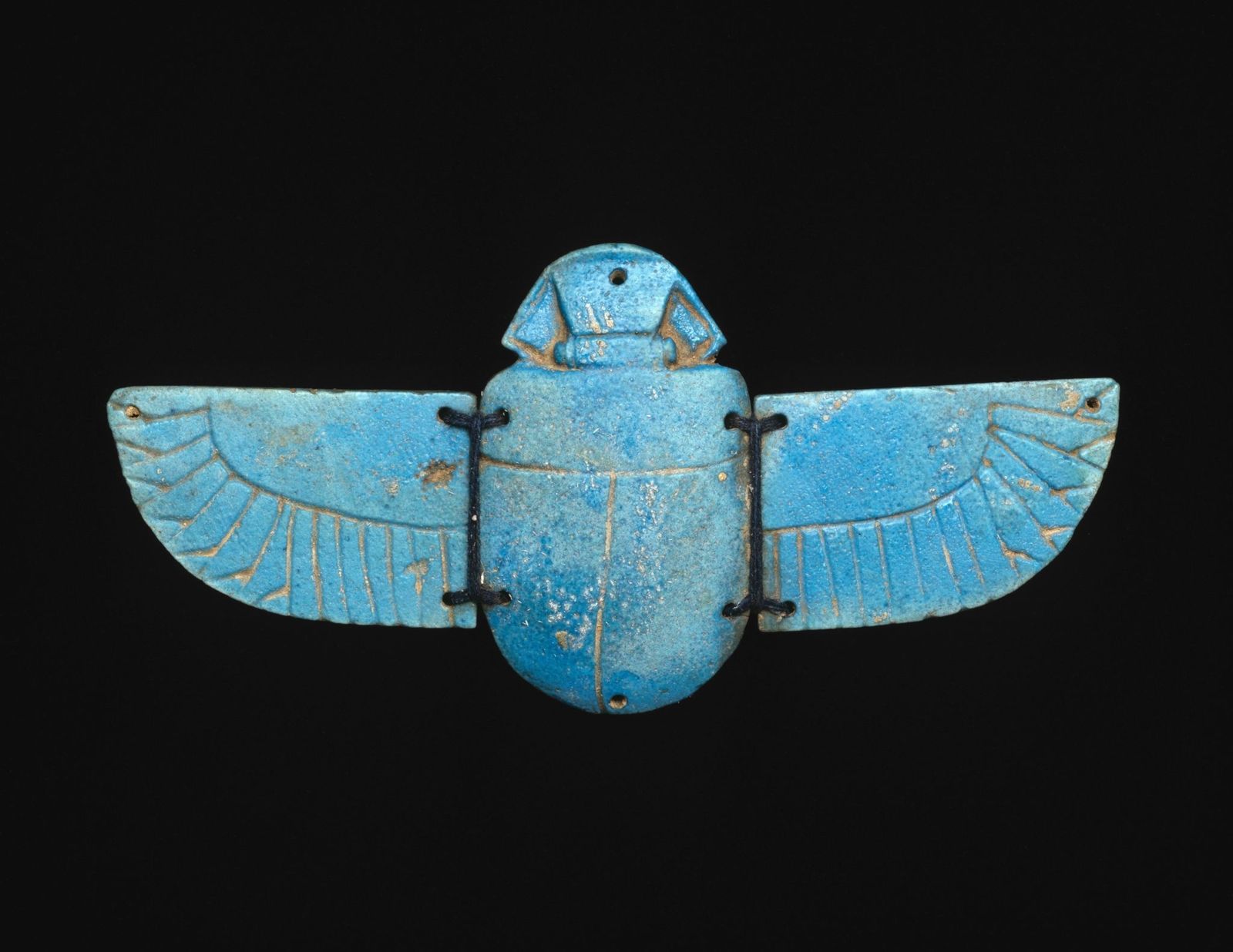
Dating back to the 3rd millennium BCE, Egyptian blue is the first known synthetic pigment in human history. Ancient craftsmen created this vibrant azure by heating quartz, copper, alkali, and lime to extreme temperatures.

This recipe was lost for over a thousand years before it was reverse-engineered in the 19th century. Interestingly, under modern infrared light, Egyptian blue glows with intense fluorescence, helping researchers scan archeological sites.

3

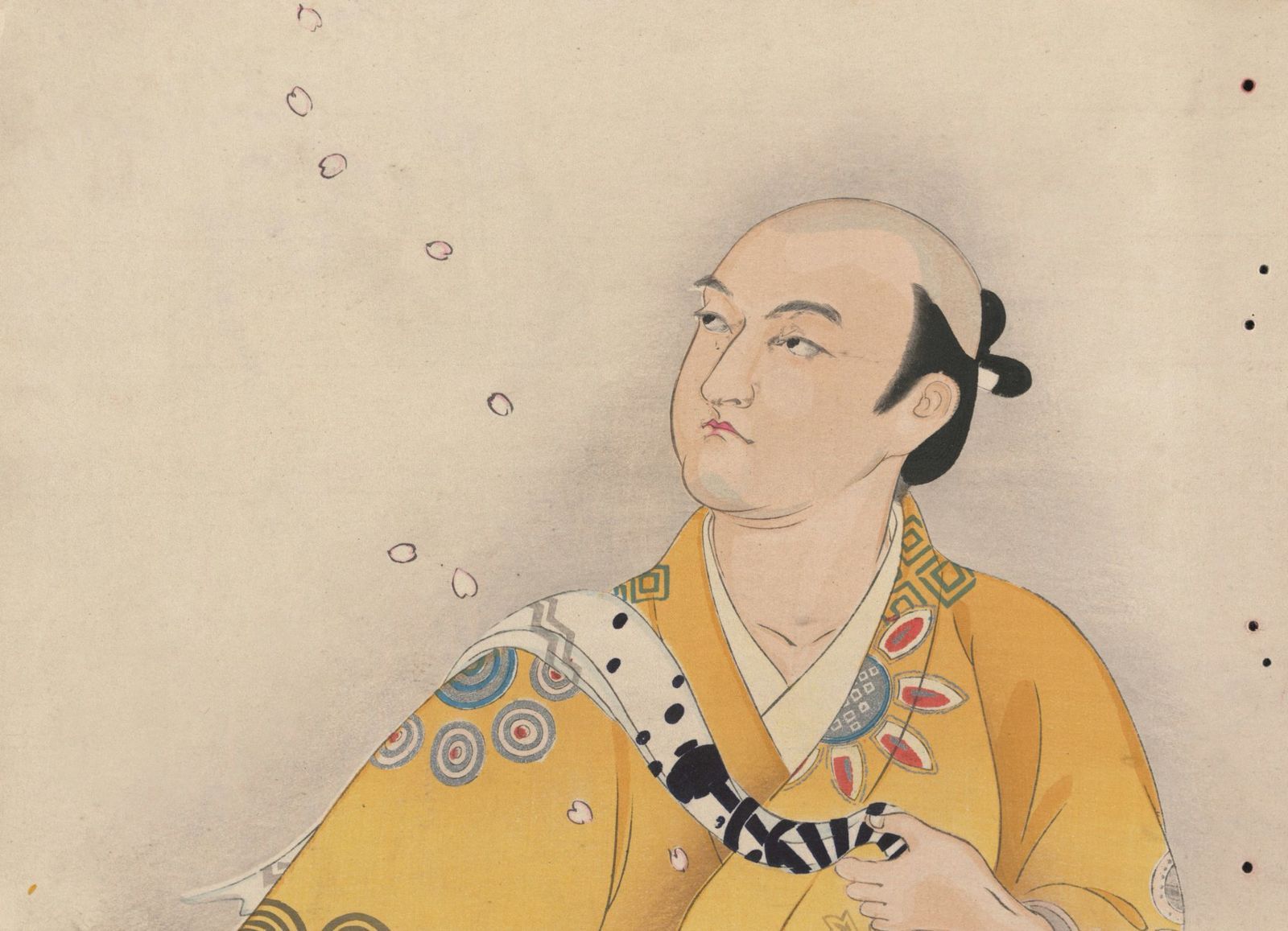
Imperial Yellow

Image: National Library of Australia

In ancient China, color was regulated by law to determine social status. Starting with the Zhou dynasty, yellow became linked with the throne.

By the Tang dynasty, laws strictly forbade anyone outside the imperial family from wearing garments dyed in reddish-yellow shades. Also, creating this prestigious color wasn’t easy. It was an arduous process that required harvesting massive amounts of Chinese foxglove tubers, grinding them into a paste, and finally staining fabrics.

4

Mauveine

Image: annokhotska

Many great breakthroughs are born from accidents, and mauveine is no exception. In 1856, an 18-year-old English chemist named William Henry Perkin was trying to synthesize a cure for malaria using aniline.

His experiment failed, leaving behind a sticky black residue with bright purple remnants. Perkin recognized the beauty of his accident and launched the world’s first mass-produced synthetic dye, sparking a global industry that changed fashion and art forever.

5

Mummy Brown

Image: Alex Jauk

Over the years, people have made plenty of weird choices in the name of beauty, but mummy brown is probably the creepiest. Popular among 18th- and 19th-century European painters for its rich, translucent shading, this yellowish-brown pigment was literally made by looting Egyptian tombs and grinding down mummified human remains and animals.

When artists discovered what their paint was actually made of, they were horrified. The practice finally ended in 1964 when the supply of preserved bodies ran dry.

6

Orpiment

Image: Minakryn Ruslan

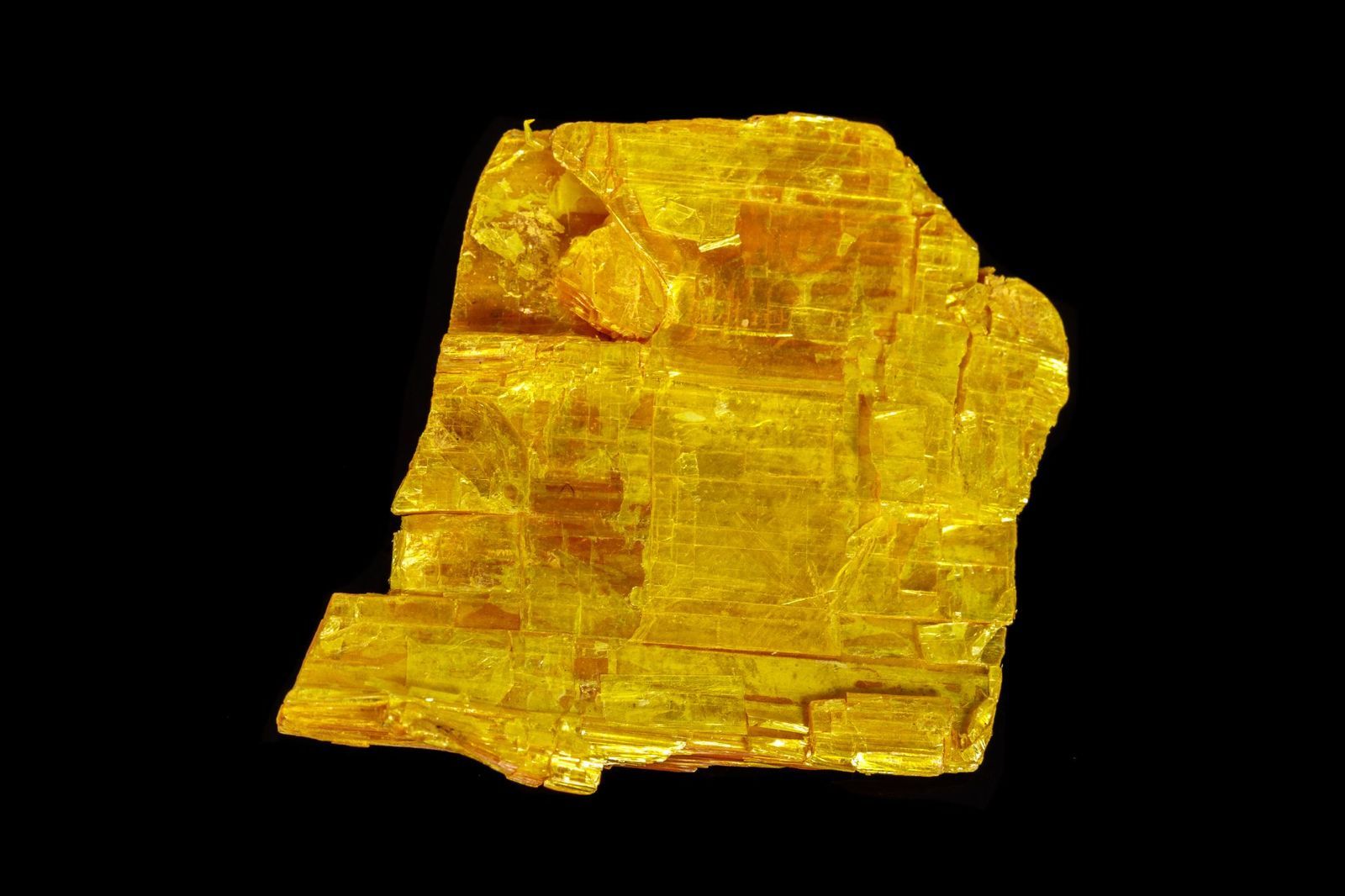
Alchemists and artists have always been fascinated by hues that resemble gold, but orpiment came with lethal consequences. This naturally occurring mineral features a fiery orange-yellow brilliance, yet it contains toxic arsenic sulfide.

Alchemists working in hot, unventilated labs would hang over furnaces heating orpiment to manufacture this golden pigment, poisoning themselves in the process. Despite the danger, master painters relied on its vibrant punch until safer cadmium and chromium alternatives arrived.

7

Pompeiian Red

Image: Ahmet Yüksek ✪

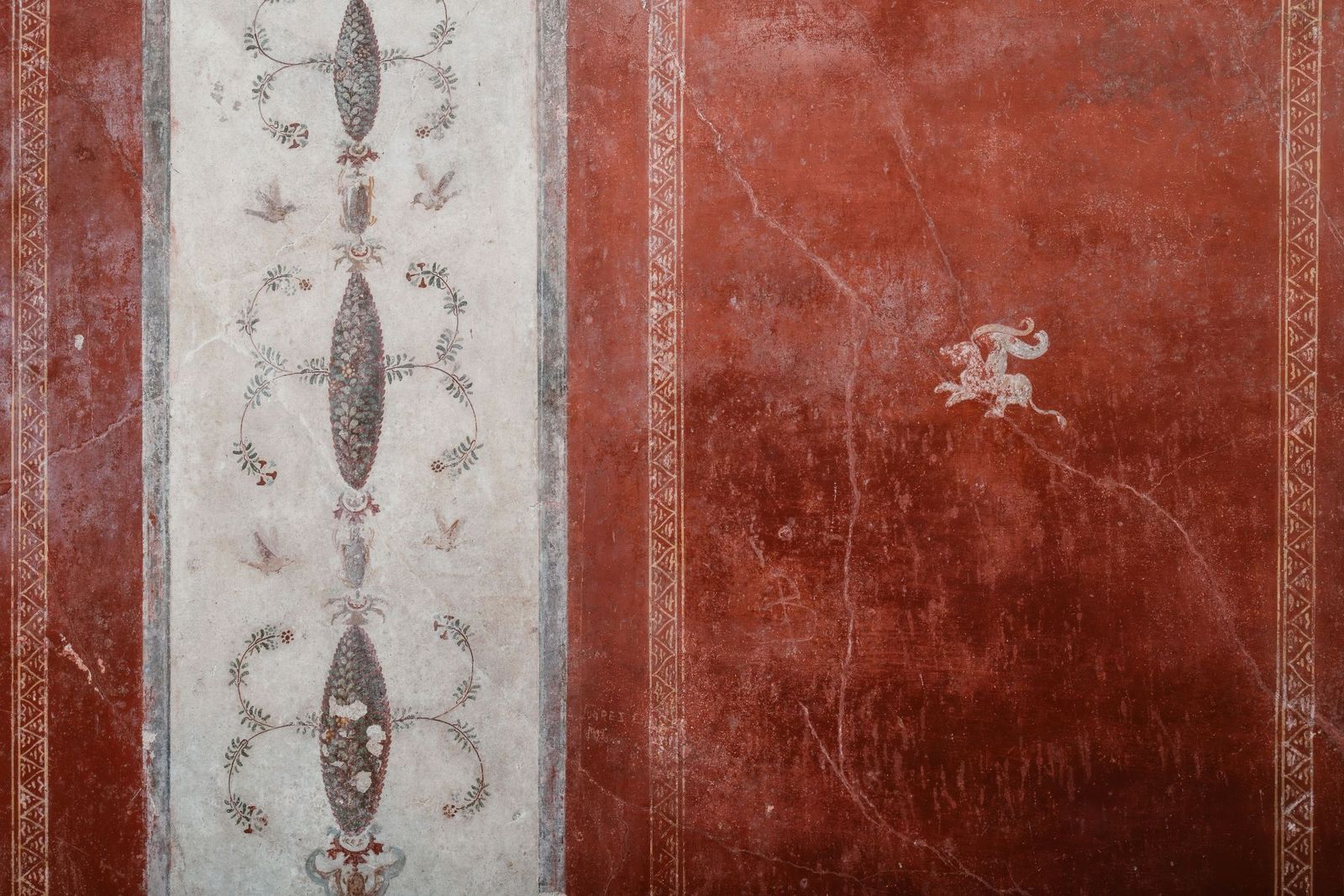
When archaeologists uncovered the ancient Roman city of Pompeii, they found stunning villas adorned with deep red frescoes. For generations, experts believed the color came from local iron-rich clay.

However, modern scientific analysis suggests that those red walls may have originally been yellow ochre. When Mount Vesuvius erupted in 79 CE, the intense volcanic heat cooked the mineral, transforming the yellow walls into the unique red we see today.

8

Prussian Blue

Image: Art Institute of Chicago

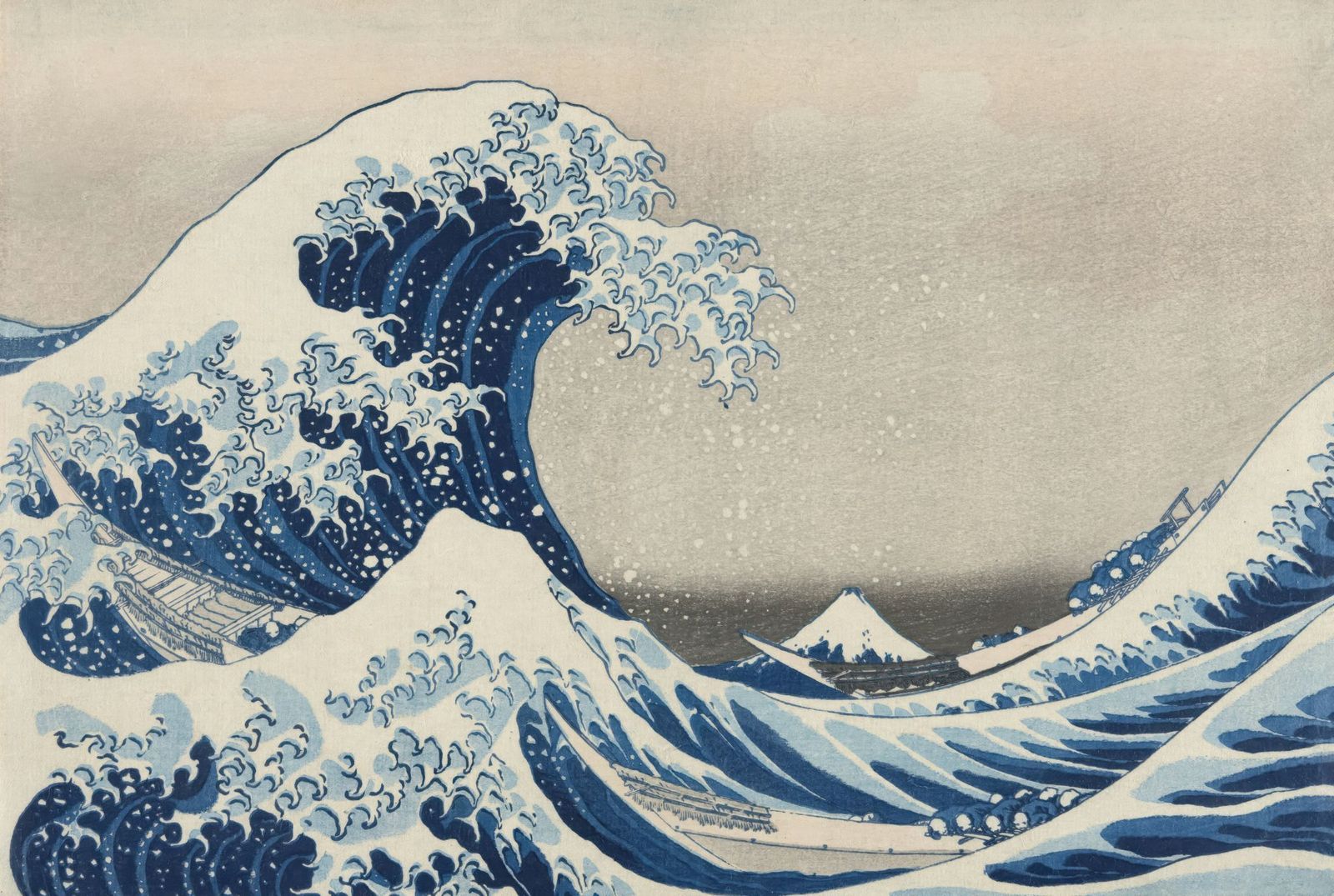
Prussian blue was born in 1706 through a lab mishap. Johann Jacob Diesbach, a German paint maker, was trying to create red carmine, but a contaminated batch of ingredients caused an unexpected chemical reaction, producing a deep blue instead.

This accidental pigment later replaced expensive ultramarine for painters, and it also became the basis for the chemical process behind architectural blueprints.

Fun fact: Purified forms of Prussian blue are still used today as a medical antidote for heavy metal poisoning.

9

Scheele’s Green

Image: Cooper Hewitt, Smithsonian Design Museum, Public domain, via Wikimedia Commons

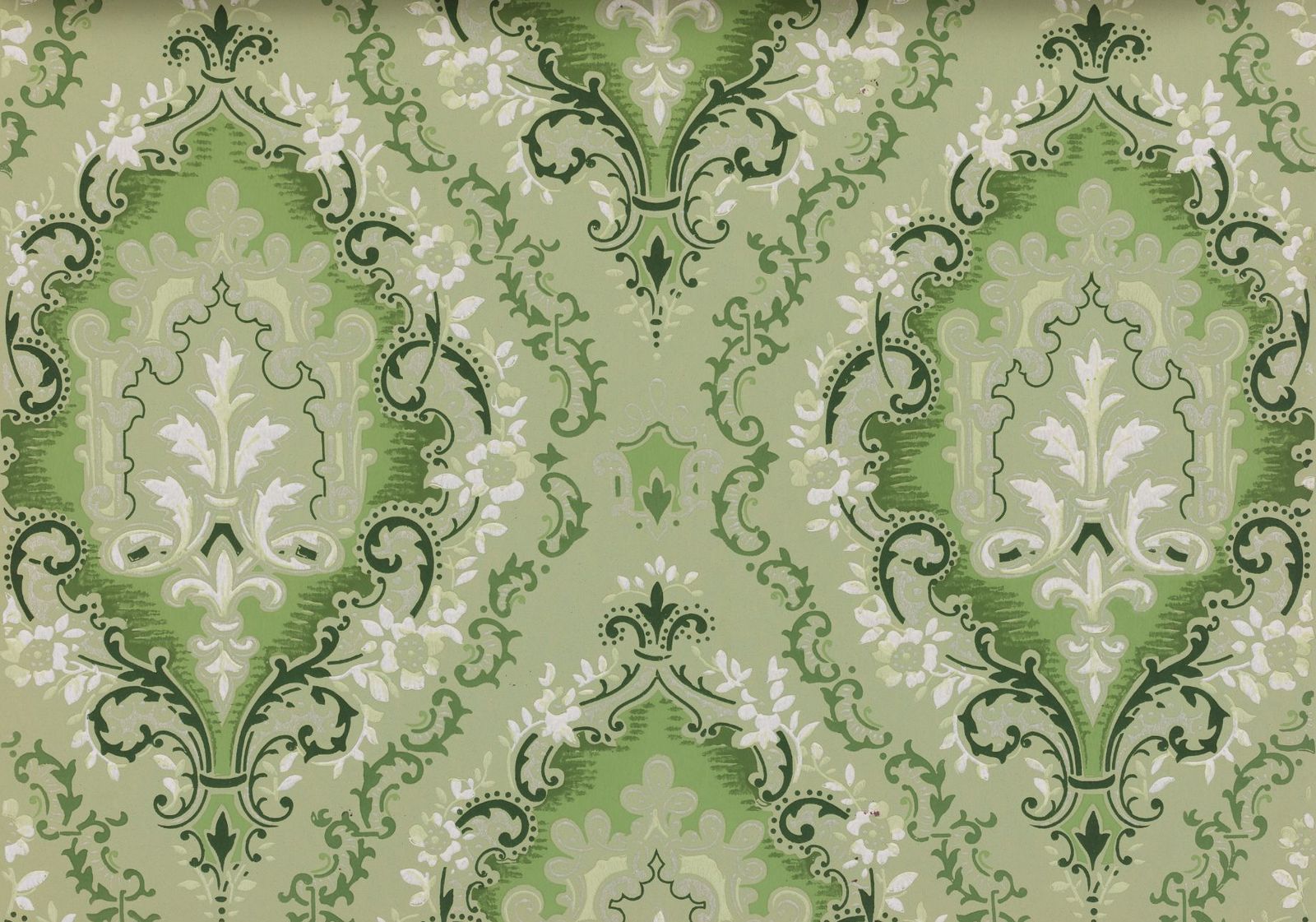
Invented in 1775 by Swedish-German chemist Carl Wilhelm Scheele, this brilliant green is obtained by mixing copper, oxygen, and arsenic. Scheele’s green became a Victorian obsession, used in everything from children’s toys and dresses to patterned wallpaper.

Tragically, factory workers suffered horrific chronic arsenic poisoning making it. Even worse, when wallpaper made with Scheele’s green got damp, mould could release poisonous arsenic gas into the air (a phenomenon believed to have contributed to Napoleon Bonaparte’s mysterious illness and death in exile).

10

Tyrian Purple

Image: Viva Luna Studios

In the ancient world, purple was the ultimate symbol of wealth and power, often costing its weight in silver. Tyrian purple was especially prized because it resisted fading, but producing it required hard labor and cost marine life.

Derived from the mucus secretions of Murex sea snails, it took roughly 10,000 crushed snails to produce just a single gram of dye. The process left a foul stench along the Mediterranean coasts, so it was a color exclusively worn by emperors until modern technology finally figured out how to synthesize the exact same molecule using engineered bacteria.

Looking for an extra scoop of literary fun?

Learn more with our Word of the day

quail

/kweɪl/