Word drift

Clergymen used to warn against using the word "darn": Here's the story


Published on May 29, 2026


Image: krakenimages

Words you once heard in a certain context may no longer mean the same thing today. Many terms we use comfortably in casual conversation were once considered shocking profanities or deeply offensive, and the journey from taboo to tame is often more surprising than you'd expect. We've all muttered "darn it" after spilling coffee on a clean shirt, or exclaimed "oh my gosh!" when a friend shared an unexpected piece of news, without giving it a second thought. Find out what really happened to these 10 words that used to be understood very differently.

1

Gosh

Image: Jon Tyson

It slips out easily in moments of surprise, like if someone told you you won the lottery, or mild frustration, like when the neighbor’s kid is making a racket when you’re trying to take a nap. But back in the 18th century, it was once considered a sneaky form of blasphemy.

"Gosh" emerged as a way to avoid saying "God," which many considered taking the Lord's name in vain. Ironically, the very attempt to be polite was itself seen as deceitful and irreverent.

2

Darn

Image: Sander Sammy

We say it when we stub a toe or realize we forgot something at the grocery store. But "darn," a minced oath for "damn," was once viewed with suspicion precisely because of its apparent innocence, considered a sly, morally dishonest attempt to skirt around profanity while still invoking its spirit. Clergymen and etiquette guides alike warned against it as far back as the 19th century.

The edge wore off as the word passed from generation to generation, until all that remained was something almost endearing.

3

Crap

You might say it when you realize you've locked your keys in the car or knocked your phone off the counter. Hard to believe, then, that as recently as the early 20th century, this word was once a coarse and genuinely taboo scatological term.

Over time, as informal speech became more accepted in public life, it gradually shed its shock value, until it landed where it is today: mild enough to appear in mainstream advertising.

4

Brass

Image: Lucas Alexander

Today, "brass" mostly calls to mind a shiny metal or a jazz band. But, in 16th and 17th-century England, it was used as slang for a person's backside or private parts.

As the slang faded from common use, the word returned to its more literal, respectable meanings.

5

Fiddlesticks

Image: Marek Studzinski

It sounds almost charming today; something a grandparent might say when they can't find their glasses. In the 17th and 18th centuries, however, it was used deliberately to replace much stronger expletives, carrying a weight that the whimsical word no longer suggests.

6

Damn

Image: Roger Cosby

You hear it in movies, in song lyrics, in everyday frustration. But for much of Western history, well into the 19th century, "damn" was grave religious profanity, implying a wish for someone's eternal punishment.

Its sting faded as religious language lost its grip on everyday speech throughout the 20th century.

7

Harlot

Image: Taha

Today, the word sounds almost theatrical, something out of a period drama. From the Middle Ages through the 19th century, it was a sharp and damaging insult used against women considered to be of loose morals.

Over time, as the social and moral frameworks that gave the word its power shifted, it retreated into archaism.

8

Gad

Image: Rusty Watson

You might come across it in a Victorian novel and barely notice it. At the time, throughout the 18th and 19th centuries, it was a loaded minced oath for "God," and using it in polite society was considered outright blasphemy.

As religious strictures relaxed in the 20th century, the word lost its charge entirely.

9

Shrew

Image: Hyun-tae Kim, CC BY 4.0, via Wikimedia Commons

These days, it's just a small, mouse-like mammal. But from the Middle Ages all the way through the 19th century, "shrew" was a vicious, misogynistic insult hurled at women considered argumentative or difficult.

Increased awareness of gendered language throughout the 20th century helped strip the word of its insulting edge, though Shakespeare's use of it still raises eyebrows.

10

Hell

Image: James Lee

We use it to express emphasis, disbelief, or frustration without a second thought. Once, however, – particularly through the 18th and 19th centuries – "hell" was reserved almost exclusively for warnings of divine judgment, and invoking it casually was seen as deeply irreverent.

As religious language became less central to everyday life in the 20th century, the word's fearful charge slowly dissolved.

Success stories

You won't believe it: These 10 brands made millions from just one product


Published on May 29, 2026


Image: Liviu C.

You don't need a bunch of different ideas to achieve success, and history proves it! Many iconic brands built their entire empires around just one product. From classic Velcro to modern-day Crocs, join us as we explore 10 companies that turned a single idea into a global success story.

1

Crocs

Image: ALEXANDRA TORRO

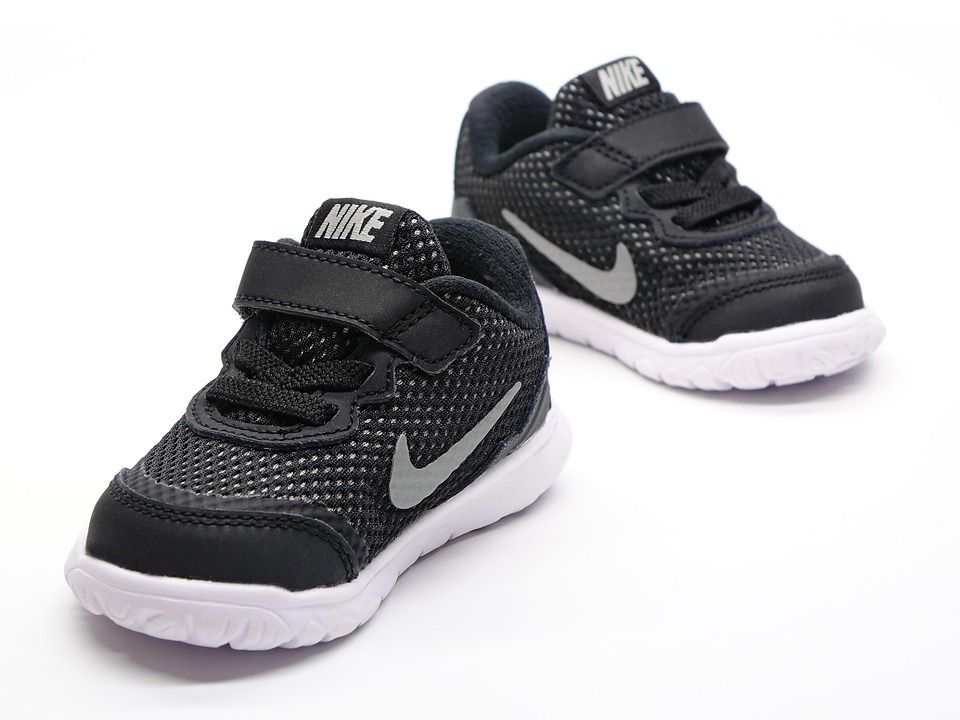
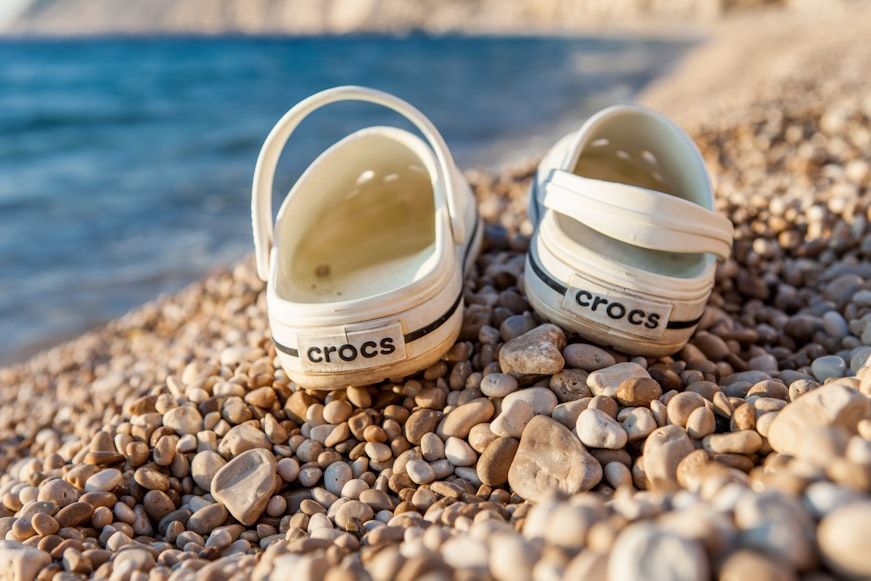
Some say they are "ugly," but Crocs definitely revolutionized casual footwear. In 2002, three friends discovered Croslite, a lightweight, flexible, spongy, yet durable material. They quickly realized its slip-resistant qualities made it perfect for boating shoes. When they first launched Crocs, they sold out their entire stock, and over the years, the brand grew into a global footwear leader.

2

LEGO

Image: Xavi Cabrera

Many of us were lucky enough to play with interlocking plastic blocks as kids. And maybe even as adults, why not? When we think of plastic blocks, LEGO instantly comes to mind. This Danish brand, founded in 1934, turned this seemingly simple product into a global icon of play.

3

Tupperware

Image: Syed Hussaini

Earl Tupper built an empire on an innovative idea: multi-purpose plastic containers with airtight seals. In the 1940s, Tupper developed the first versions, and by the end of the decade, the product was already a huge success. And it remains popular to this day, so much so that the product is often called simply by the brand name.

4

Velcro

Image: cegoh cegoh

Although it may seem simple, the hook-and-loop fastener we know today revolutionized the design of many products, especially clothing and shoes. Swiss engineer George de Mestral had the brilliant idea in 1941 after returning from a hiking trip, when he noticed burrs clinging to his clothes and his dog's fur. He studied the phenomenon, developed the fastening system, and then patented it in 1955 under the name Velcro.

5

Play-Doh

Image: Franco Antonio Giovanella

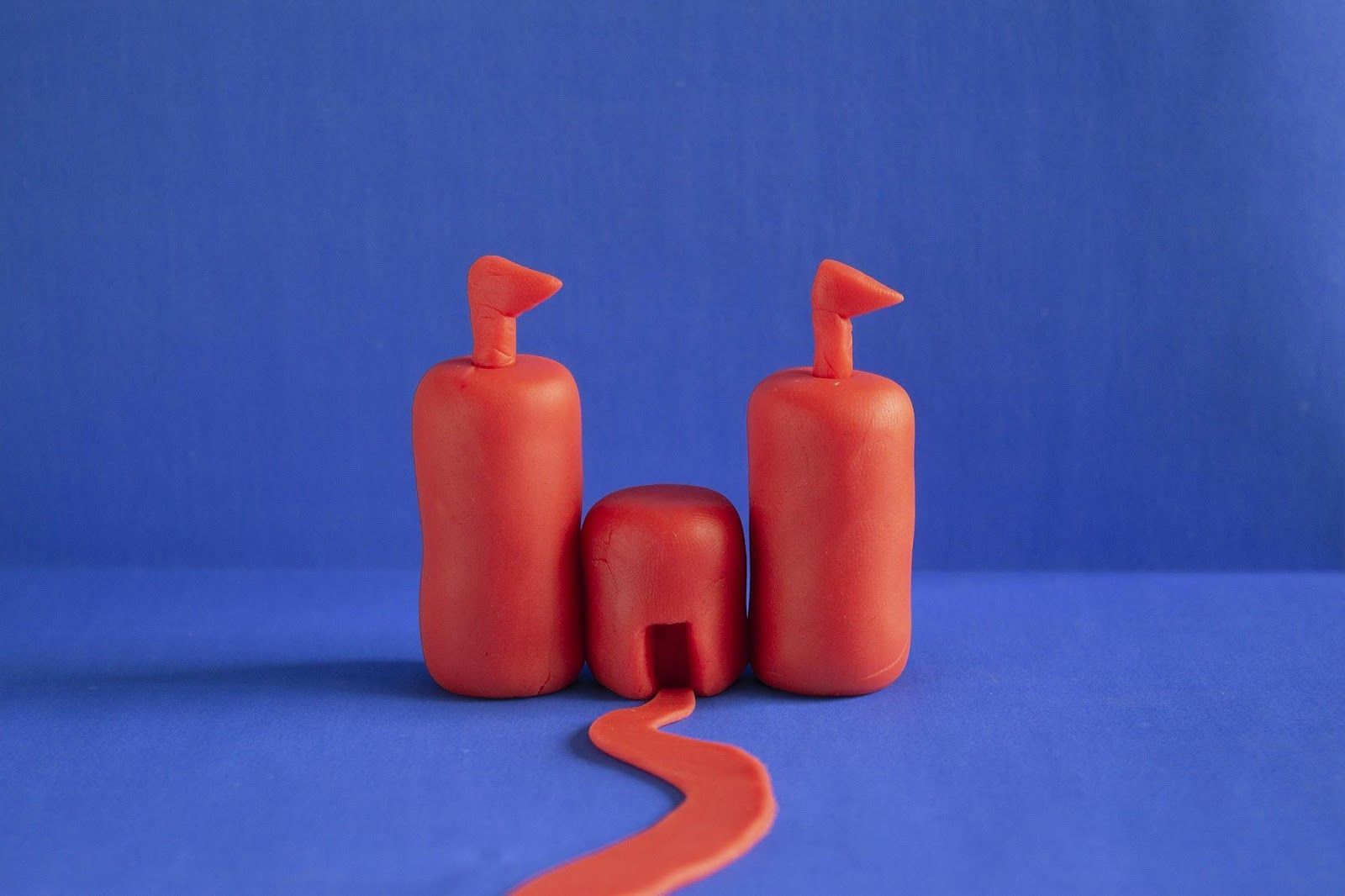
Like Velcro, Play-Doh's flagship product was created by accident. The modeling clay children around the world love actually began in the mid-1950s as a sticky substance to clean wallpaper, invented by Noel McIntyre, a salesman for a soap company. But fate had other plans, and this single product became the foundation for a giant company dedicated to children's toys.

6

Post-it Notes

Image: Paper Textures

7

One of the most beloved tools for students, office workers, researchers, teachers, and many others around the world is the Post-it note. This clever invention came from scientists Spencer Silver and Art Fry. Silver discovered a reusable adhesive in 1968, and in 1974, Fry found the perfect use for it: sticky notes. That single idea built a brand that remains a market leader to this day.

8

Zippo

Image: aaron boris

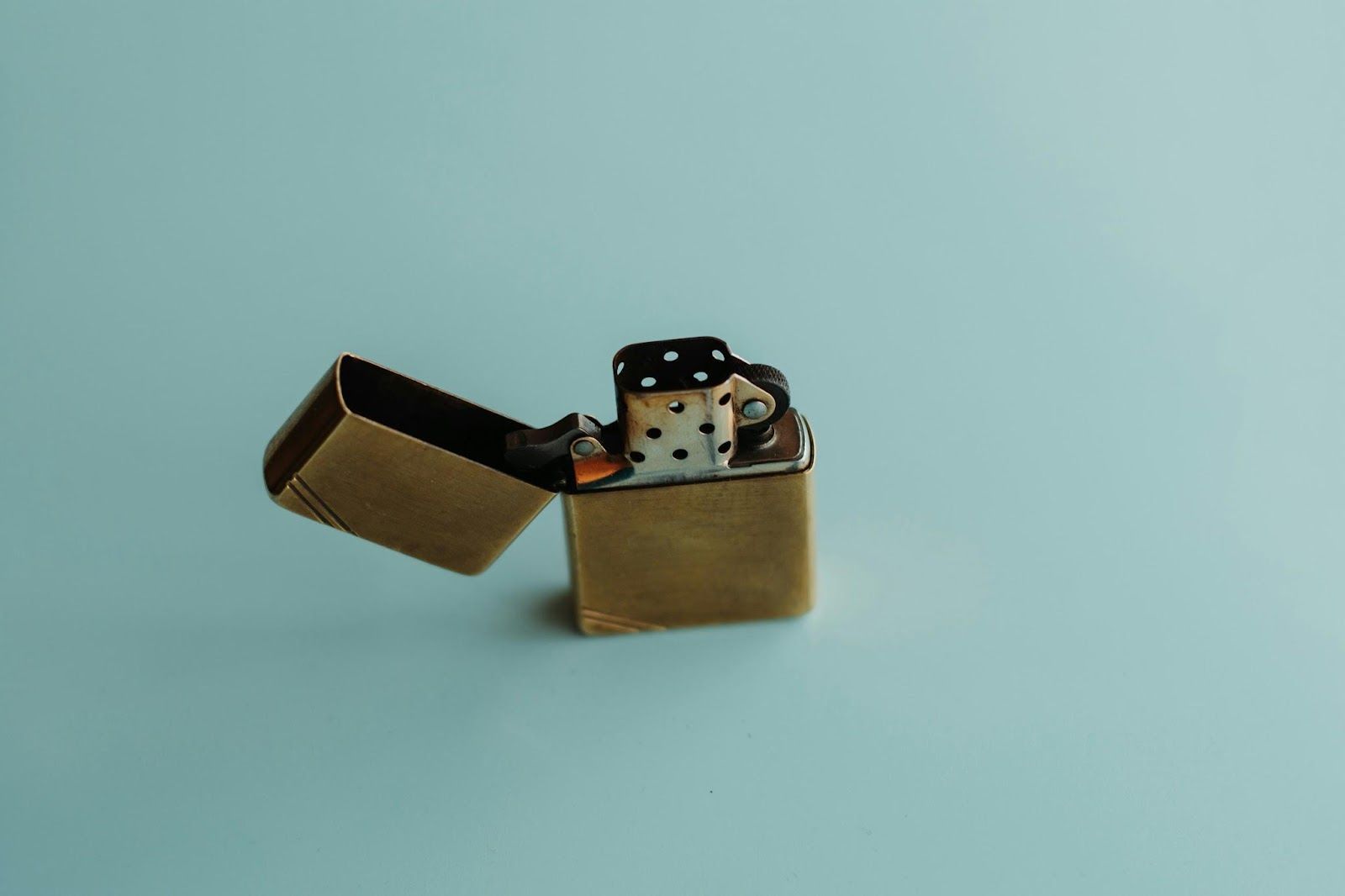
Zippo became world famous thanks to a single product: its lighters, which many consider the best on the market. They were invented in 1932 by George G. Blaisdell in Pennsylvania, after he was inspired by an Austrian lighter he owned. While it worked well, it was awkward to handle, so Blaisdell improved the design, making it more durable, windproof, and easy to use. His finishing touch was the addition of the now-iconic flip-top lid.

9

Spanx

Image: Mary Skrynnikova

Although spandex fabric is now part of everyday life, it didn't exist until 1958, when it was invented by a chemist. While it has been popular in various garments over the years, the brand that truly harnessed its potential was Spanx. Founded in 2000 by then-27-year-old saleswoman Sara Blakely, Spanx focused on shapewear and built a billion-dollar company from that single product.

10

WD-40

Image: Ансплэш Степана

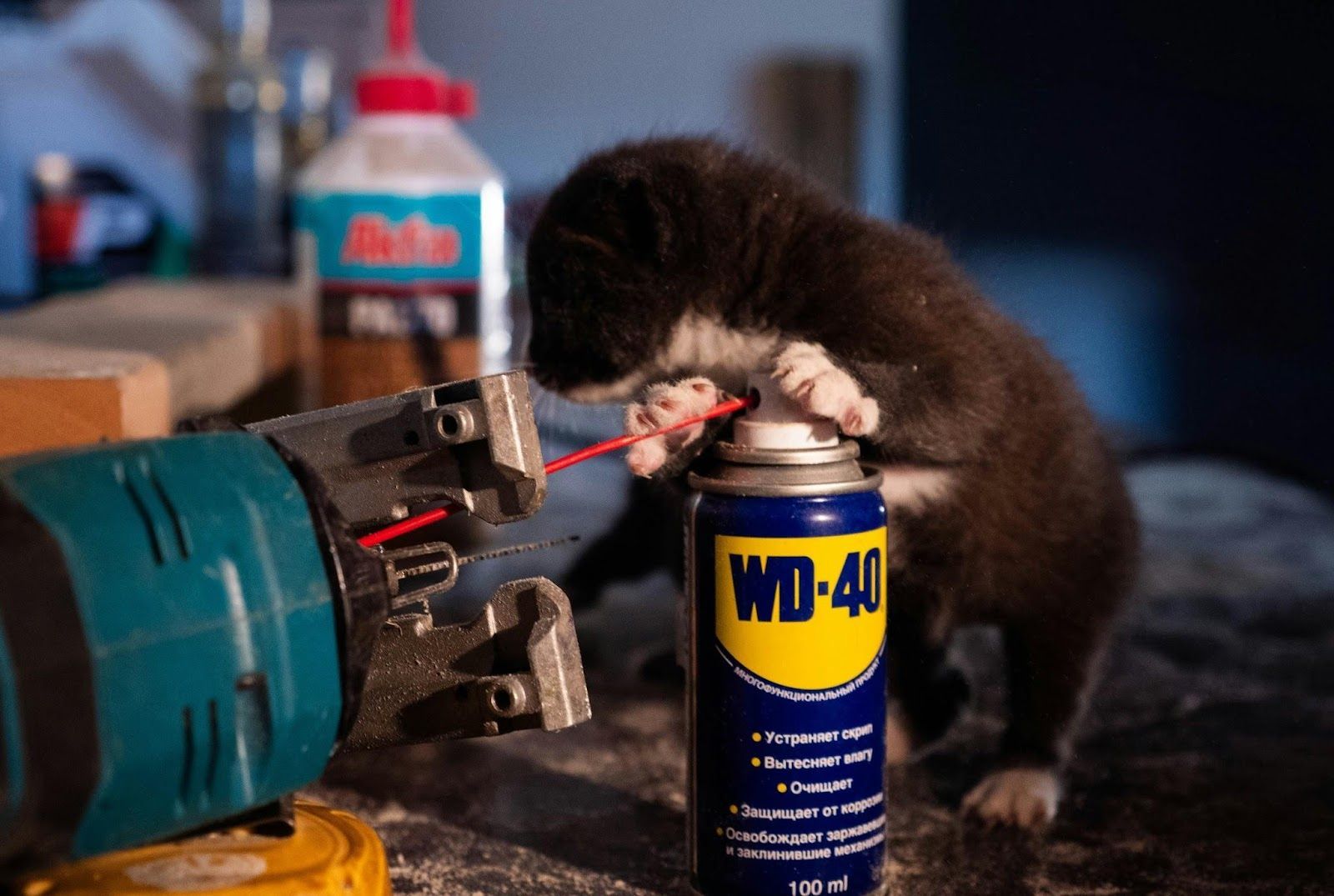
The world would be a much noisier and more frustrating place without WD-40. It was invented in 1953 by scientist Norm Larsen, who was trying to develop a water displacement formula to prevent rust on aerospace parts. After 40 tries, Larsen got it right, hence the name WD-40. What started as a tool for NASA and the military eventually became a household staple!

11

Red Bull

Image: Jesper Brouwers

In the 1980s, Red Bull popularized and practically created an entirely new product category: the energy drink. Developed by Austrian entrepreneur Dietrich Mateschitz, Red Bull was inspired by an Asian beverage known for its energizing properties, and it went on to become a huge brand and a global sensation.

Looking for an extra scoop of literary fun?

Learn more with our Word of the day

impolitic

/ɪmˈpɑləˌtɪk/