The ultimate leadership system
Why is a Major General below a Lieutenant General? 10 military ranks
Published on August 7, 2026

The structure of the United States military relies on a hierarchy designed to maintain operational discipline and distribute leadership across every level of command. Examining 10 main U.S. Military ranks in sequential order reveals the language behind the names.
Private
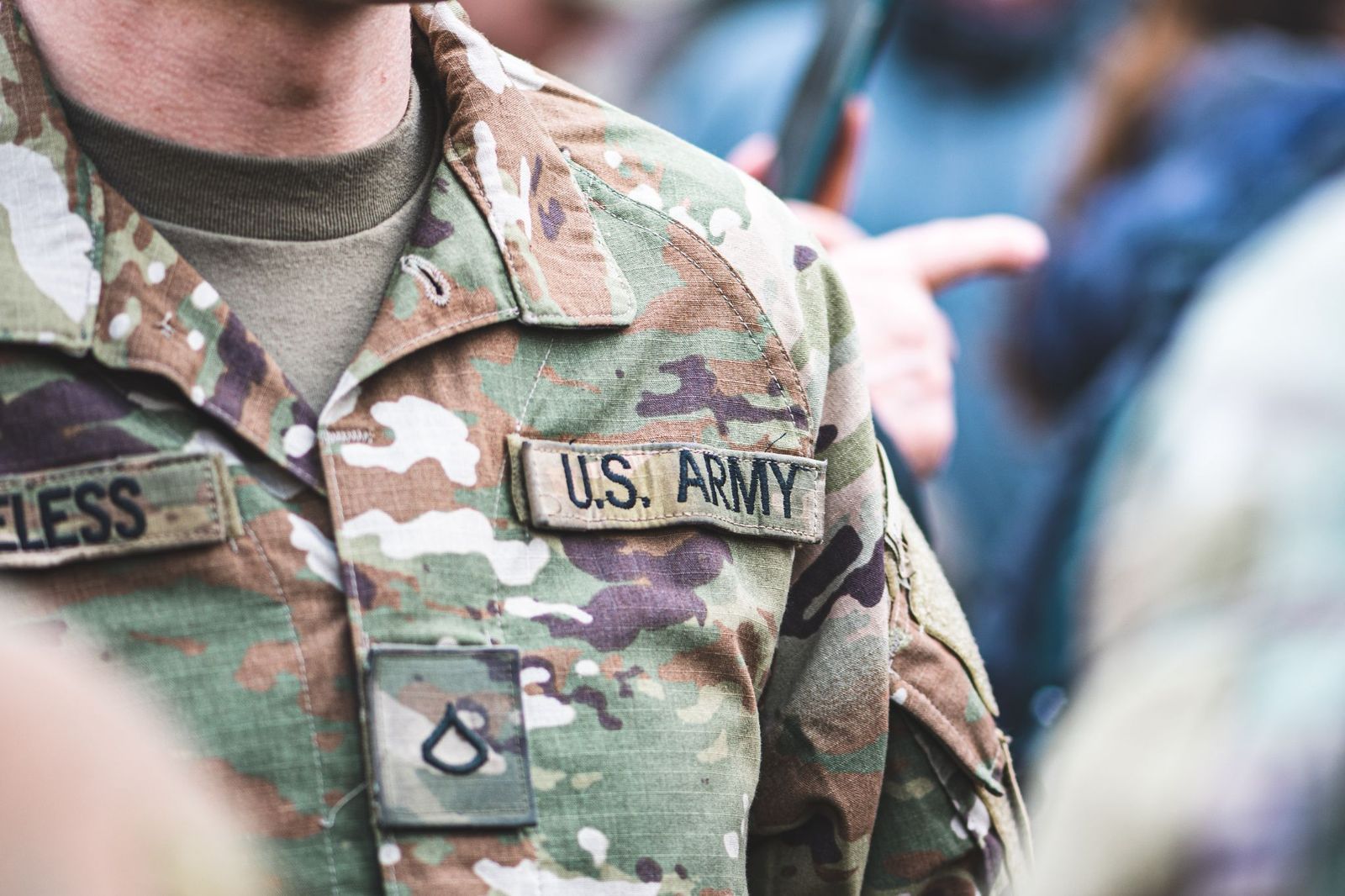
The rank of Private represents the entry-level enlisted tier in the U.S. Army and U.S. Marine Corps. At this level, service members focus on basic training, mastering tactical skills, and executing orders issued by superior officers.
Etymologically, "private" is short for "private soldier", designating an individual without public office or independent military command. Historical records note that some of the earliest documented uses of the term in the American military context appear in the personal correspondence of George Washington.
Corporal

A Corporal is responsible for leading small tactical units, such as fireteams or squads. Corporals oversee the daily discipline, appearance, and fundamental skills training of junior soldiers.
The word derives from the French corporal, which stems from the Latin caput (meaning "head"). Over time, the term was influenced by the Latin corpus ("body") and the French military term corps, blending roots for "head" and "body" into the modern word corporal.
Sergeant
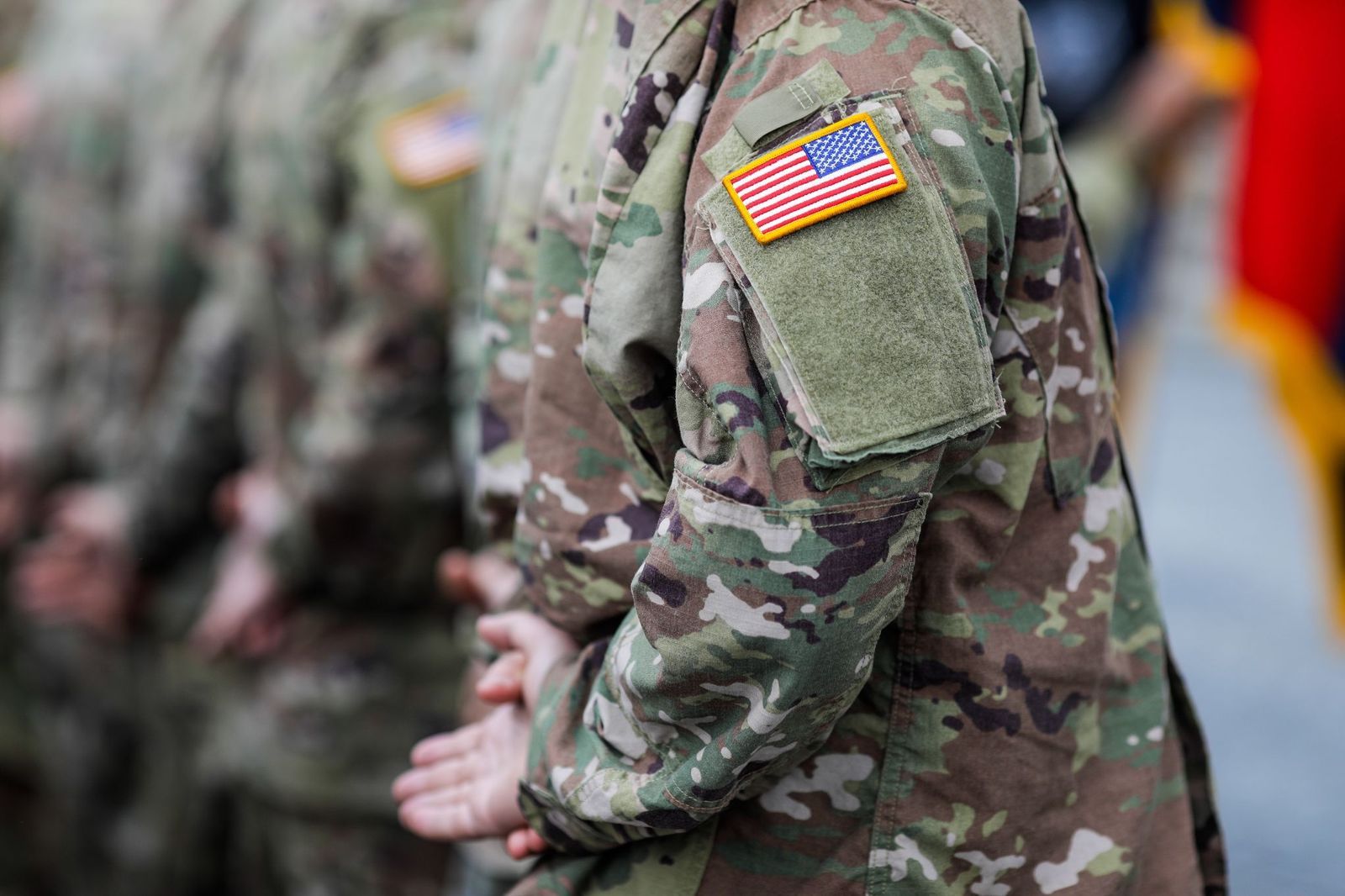
A Sergeant is a key frontline leader who typically commands a squad or section and directly supervises daily operations. Sergeants hold direct responsibility for troop welfare, equipment maintenance, and tactical execution.
The word shares its Latin root (serviens, meaning "servant") with the word servant. In medieval times, a "sergeant at arms" served as an armed retainer to a feudal lord. As military structures modernized, the sergeant evolved into the link between commissioned officers and enlisted troops.
Lieutenant
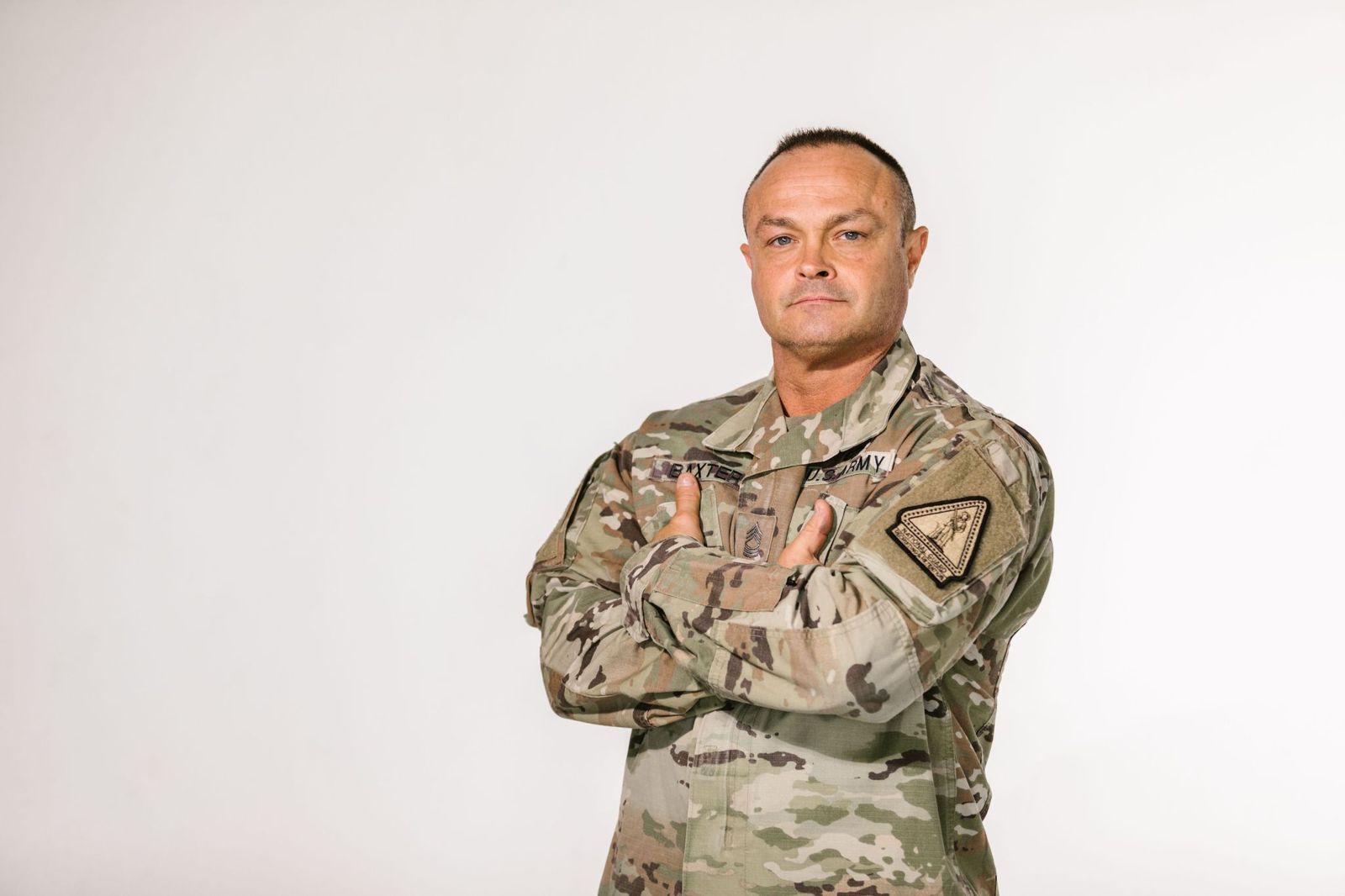
The rank of Lieutenant serves as the entry point for commissioned leadership. Lieutenants typically command platoons consisting of 16 to 40 service members alongside an experienced platoon sergeant.
The term comes directly from the French lieu tenant, which literally translates to "place holding". A lieutenant is a placeholder or deputy tasked with standing in for or assisting a superior commander.
Captain
A Captain typically commands a company, battery, or troop consisting of 60 to 200 service members. Captains represent one of the oldest military designations in the English language, used as a general term for a military leader since the 1400s. Derived from French and rooted in the Latin caput ("head"), a captain is the "head" of an organized military unit.
Major
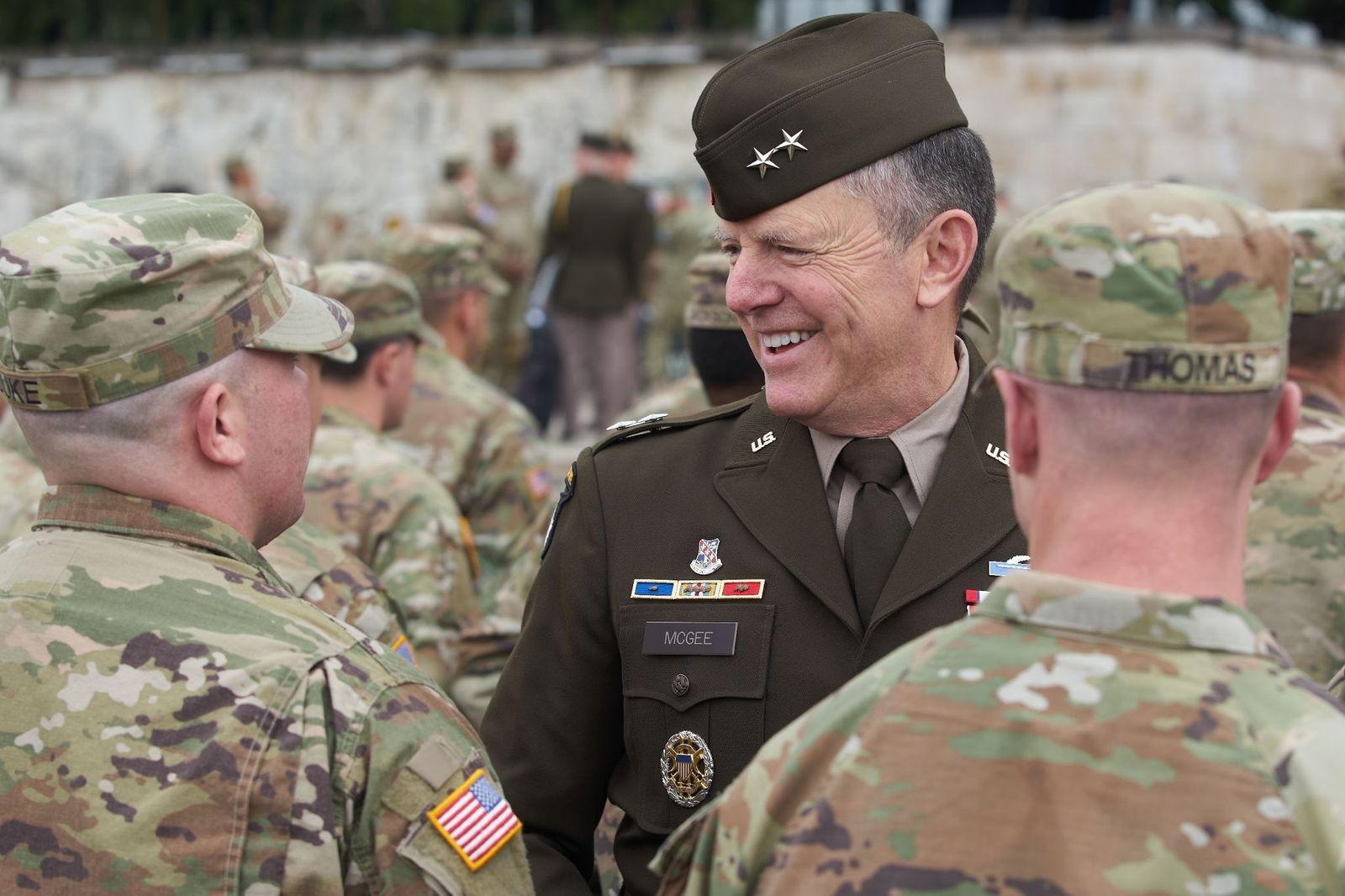
A Major serves as a field-grade officer, often functioning as a battalion executive officer or primary staff supervisor. Interestingly, the rank of major is a historical abbreviation of sergeant major. During the 16th and 17th centuries, a sergeant major was a commissioned field officer ranking above a captain. As the boundary between non-commissioned officers and commissioned officers solidified in the 1700s, the "sergeant" prefix was dropped, leaving "Major" as a distinct officer rank.
Colonel

A Colonel commands brigade-sized formations (1,500 to 3,200 soldiers) or fills critical senior staff positions. The title originates from the Italian colonnello, meaning the leader of a column (colonna) of troops. The unusual English pronunciation ("kernel") occurred because English borrowed the word from French, which had adopted the Italian word but altered its pronunciation, while English retained the French spelling.
Brigadier General
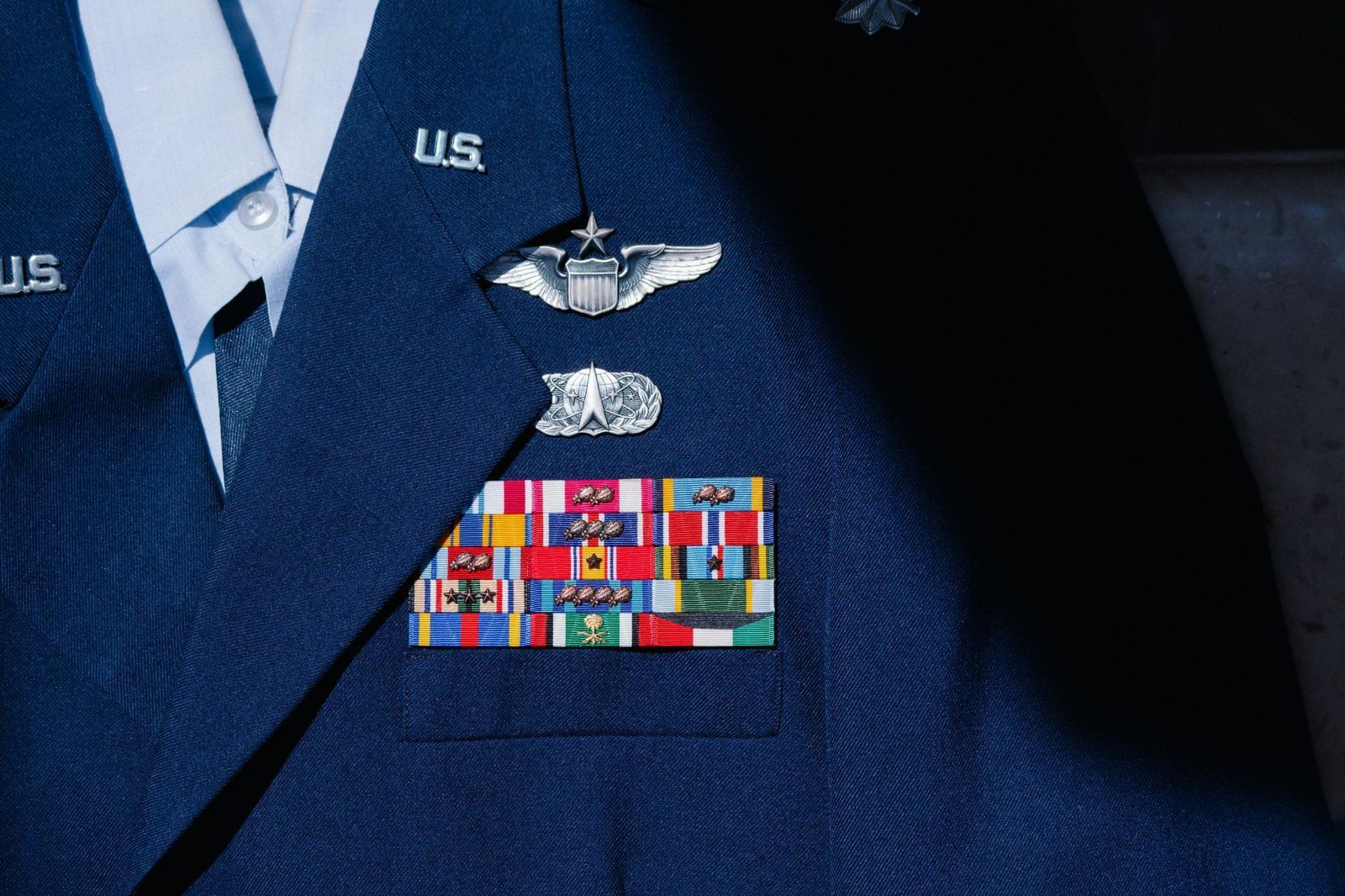
A Brigadier General is a one-star general officer who commands a brigade or serves as a deputy commander for a division. The title derives directly from brigade, denoting an operational military unit composed of multiple regiments or battalions.
Major General

A Major General is a two-star general who typically commands a force of 10,000 to 15,000 personnel. This rank has a historical quirk: despite a Major ranking above a Lieutenant, a Major General ranks below a Lieutenant General. This is because the rank was originally called sergeant major general before the 1700s. Because a "sergeant major general" was subordinate to a "lieutenant general", the order remained intact even after "sergeant" was removed from the title.
General
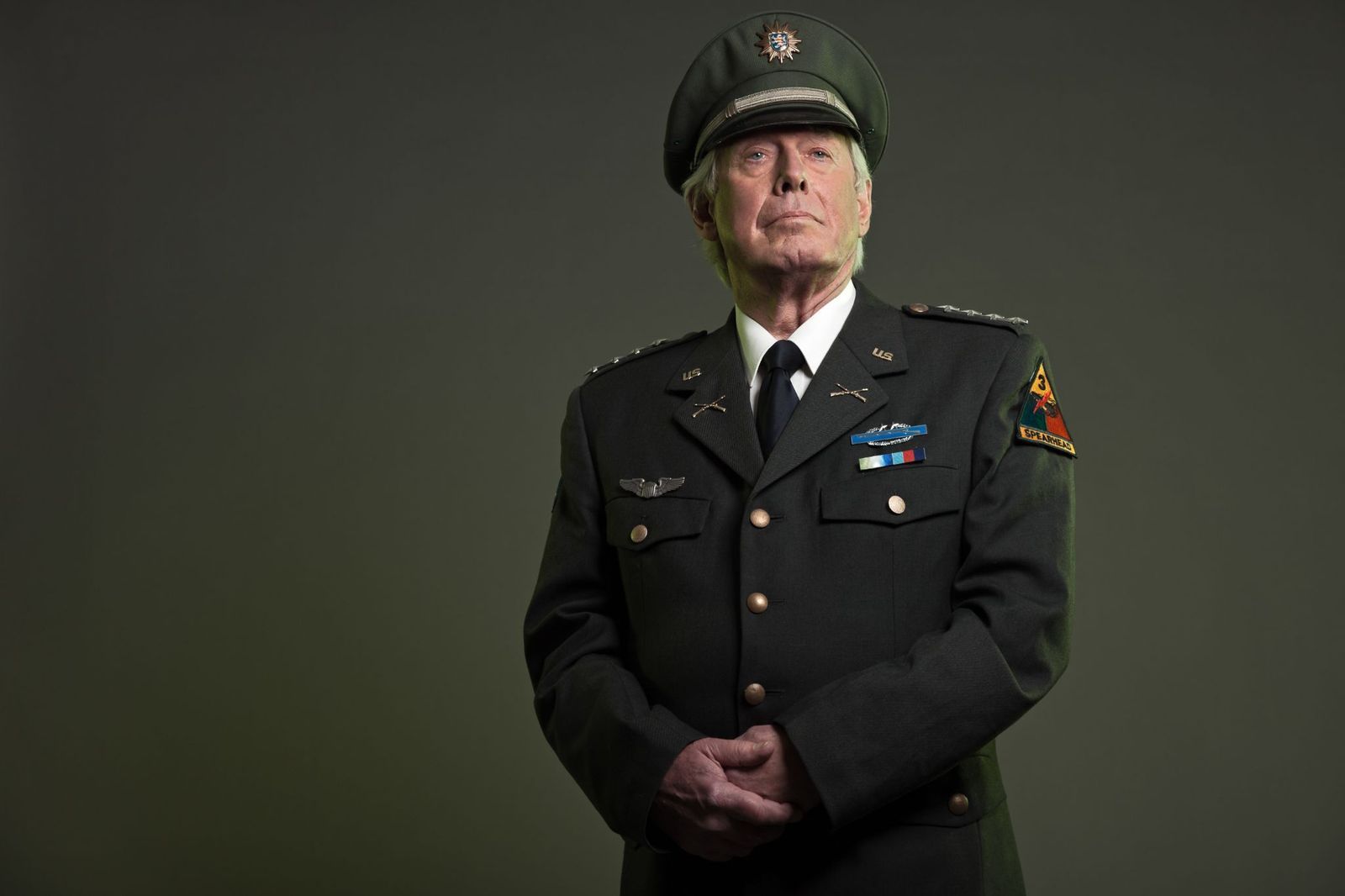
A General is a four-star officer holding the highest operational rank in peacetime. Four-star generals command unified combatant commands, geographic theaters, or serve as service branch chiefs of staff. Rooted in the Latin generalis (meaning "pertaining to all" or "universal"), the title signifies overarching authority across all branches and arms of command.