Evolution of a language

How American English became its own language: 10 historical twists


Published on November 13, 2026
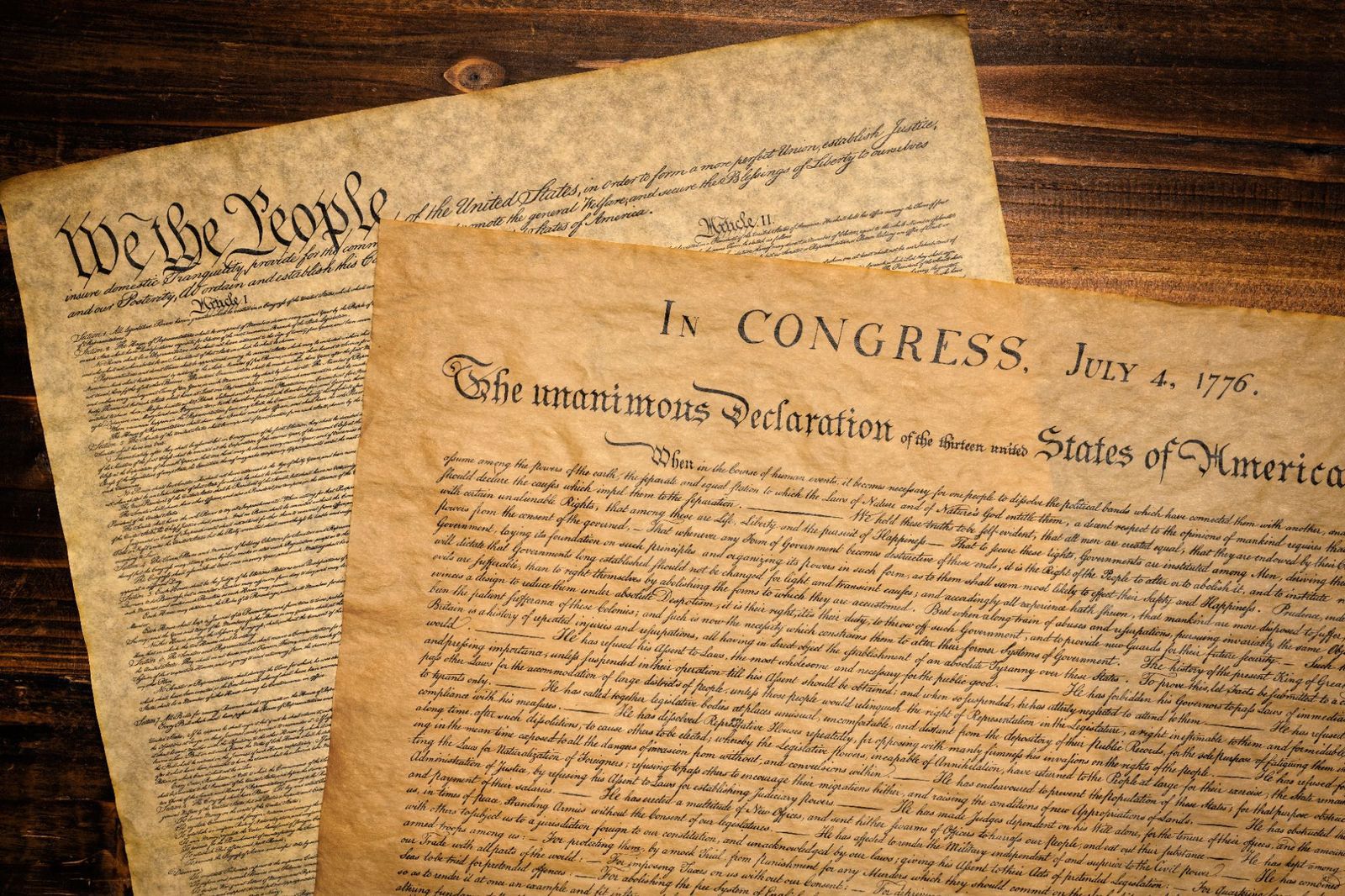

Image: Mike Flippo

If George Washington walked into an average office tomorrow, how many words do you think he’d struggle to understand? Would he be confused by a modern American accent? Ever since the first settlers arrived in North America, British and American English started growing apart. Now, the language that was forged in the US carries traces of its history. In this article, we’ll explore 10 of those modifications.

1

Kept archaisms that the UK forgot

Image: David Hertle

Linguists have a name for what happened to American English after the colonies split from Britain: colonial lag, coined by scholar Albert Marckwardt in 1958. It means that the speech of populations who move away from the mother country doesn't always keep pace with the changes happening back home.

While British English evolved, the colonies, more isolated, often kept speaking the way everyone did the day they left. A good example of this is "fall," from the 1500s phrase "fall of the leaf," which was standard English until London traded it for the French import "autumn" in the late 1600s. Another is "gotten," which appears throughout Shakespeare, but was no longer used by the 1700s.

2

The pronunciation of the Rs

Image: Undrey

The British "R" that vanishes in words like "car" and "father" is a rather new invention. In the 1600s, every English speaker pronounced every R, until fashionable London society started dropping them in the late 1700s as a mark of refinement. Some American port cities with strong ties to England, like Boston and New York, picked up the trend too, which is exactly why some coastal accents still drop the R today.

But settlers moving inland and westward never got the update, so most of American English kept pronouncing every R, the way England once did.

3

The evolution of ways of saying "you"

Image: Page Light Studios

Old English had a perfectly good word for the second person plural: It was gē (pronounced like yay), which then evolved to "ye." Then, sometime in the Middle Ages, "you" swallowed both the singular and the plural, and English speakers have been improvising clarifying terms ever since.

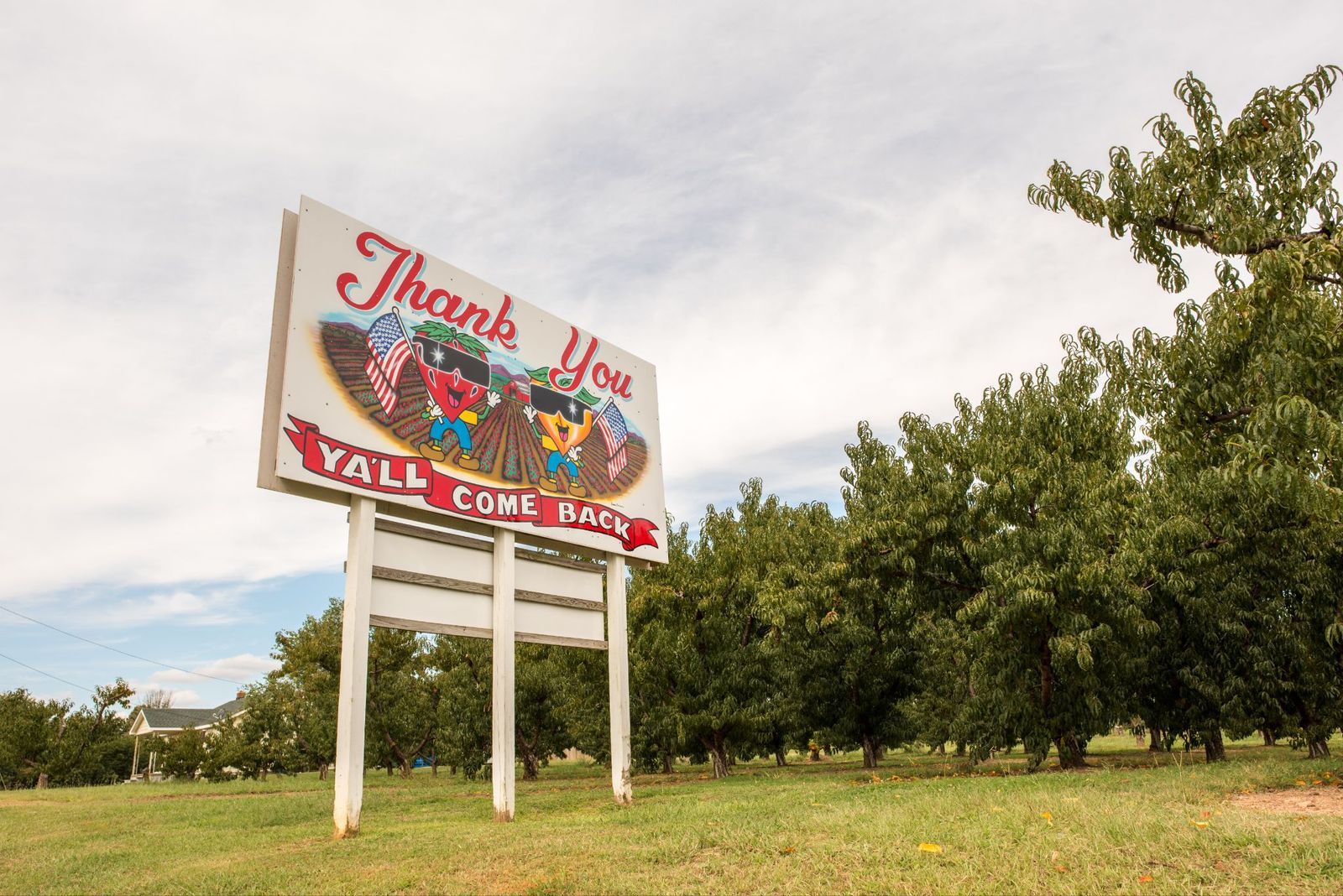
The American South answered with "y'all," likely shaped by Scots-Irish settlers who said, "ye aw." Pittsburgh shortened Scottish "you ones" into the now-iconic "yinz." New York and Philadelphia went with "youse." And across much of the rest of the country, "you guys" became the default, first recorded in the 1890s and now widespread.

4

Incorporation of Native American words
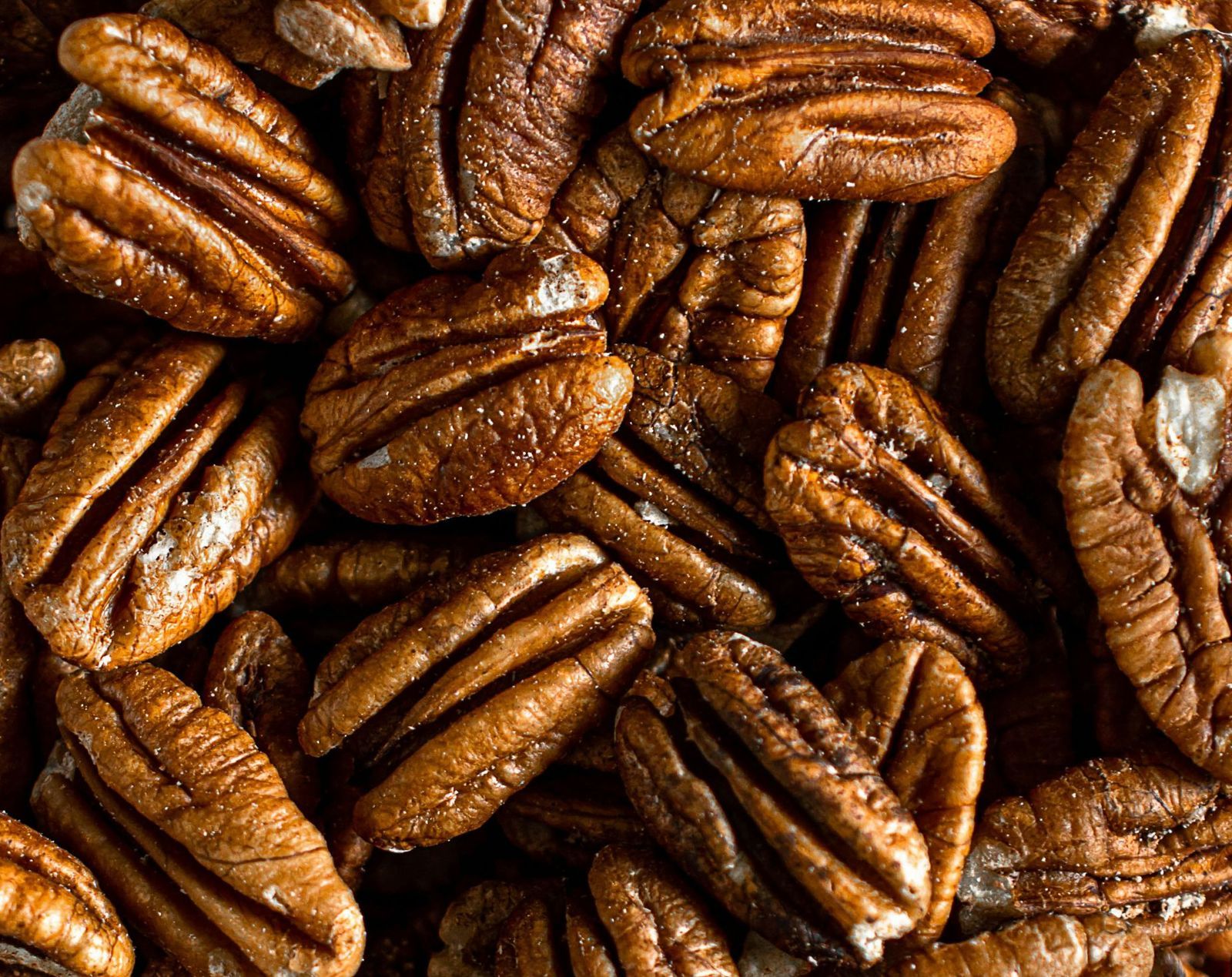
Image: Sara Cervera

When English colonists met animals and plants they'd never seen before, they borrowed the words already in use for them. How else would you call a specific nut that is so hard to crack that you need to use a stone? They went for the term "pecan," derived from the Miami-Illinois Algonquian pakani.

"Skunk" comes from Massachusett Algonquian, the result of combining roots for "urinate" and "fox." "Opossum" derives from Virginia Algonquian for "white dog," and "squash" comes from Narragansett, where it meant "eaten raw or uncooked."

5

Incorporation of terms from immigrating languages

Image: Clem Onojeghuo

If you ask for a "biscuit" in England, you’ll get something quite different from a chocolate chip cookie. That's because "cookie" isn't English; it's Dutch, from koekje, "little cake," and was carried into New York by Dutch settlers and first recorded in 1808.

This pattern repeats with all of the languages that came into the country, carried by early settlers and immigrants. German immigrants gave America "kindergarten," "pretzel," and "delicatessen." Another example is Spanish-speaking vaqueros of the Southwest, who gave the language "ranch," "corral," and "rodeo." Absorbing these terms started gradually distancing American English from its British counterpart.

6

Words that acquired a different meaning in America

Image: Fuka jaz

Another phenomenon that distanced the two versions of the language was that of old words earning new meanings in America, while Britain retained their old use or forgot them. Take "corn" for example: in Old English it just meant "grain," any grain, which is why the British still call wheat "corn" today, and Americans reserved it for maize.

"Diaper," for centuries, only named a diamond-woven fabric pattern, until Americans repurposed it for infant cloths by 1837, a meaning Britain never adopted, preferring "nappy" instead. "Faucet," which referred to a small part of an old tap mechanism, came to name the whole fixture in the US.

7

Inverted endings: How the -re became -er

Image: Giusi Borrasi

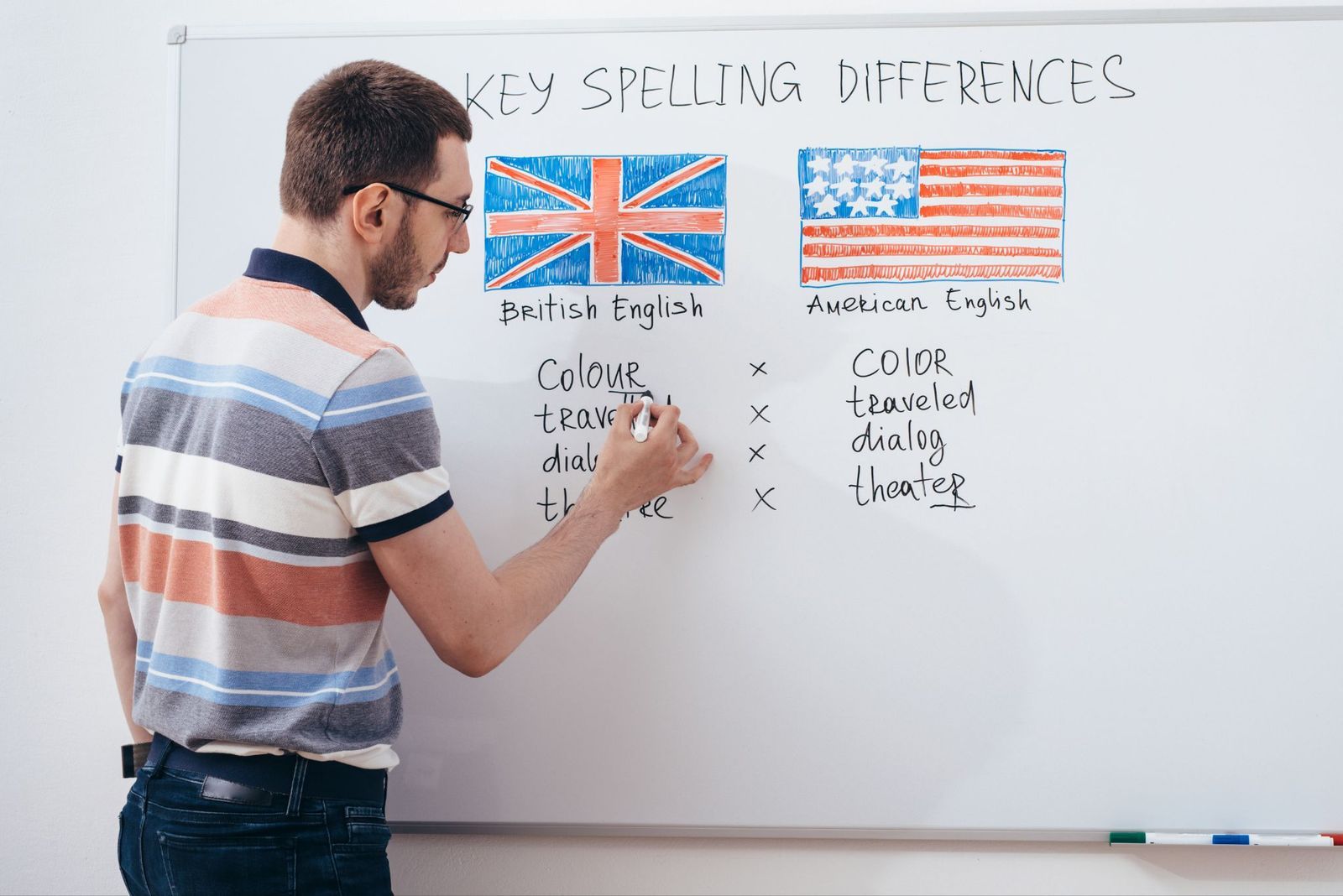
There’s another rule: any word ending in the French-derived "-re" got flipped to "-er" to match how Americans actually said it. So, theatre became theater, centre became center, and the same happened to caliber, fiber, liter, and somber.

Britain, having borrowed these spellings from French centuries earlier, saw no reason to abandon tradition just because the pronunciation no longer matched the letters.

8

Words developed from technology

Image: Nic Wood

When technology evolves, either a brand new word is invented, or an old one is repurposed. On either side of the Atlantic, regional dialects came up with different terms for the same inventions.

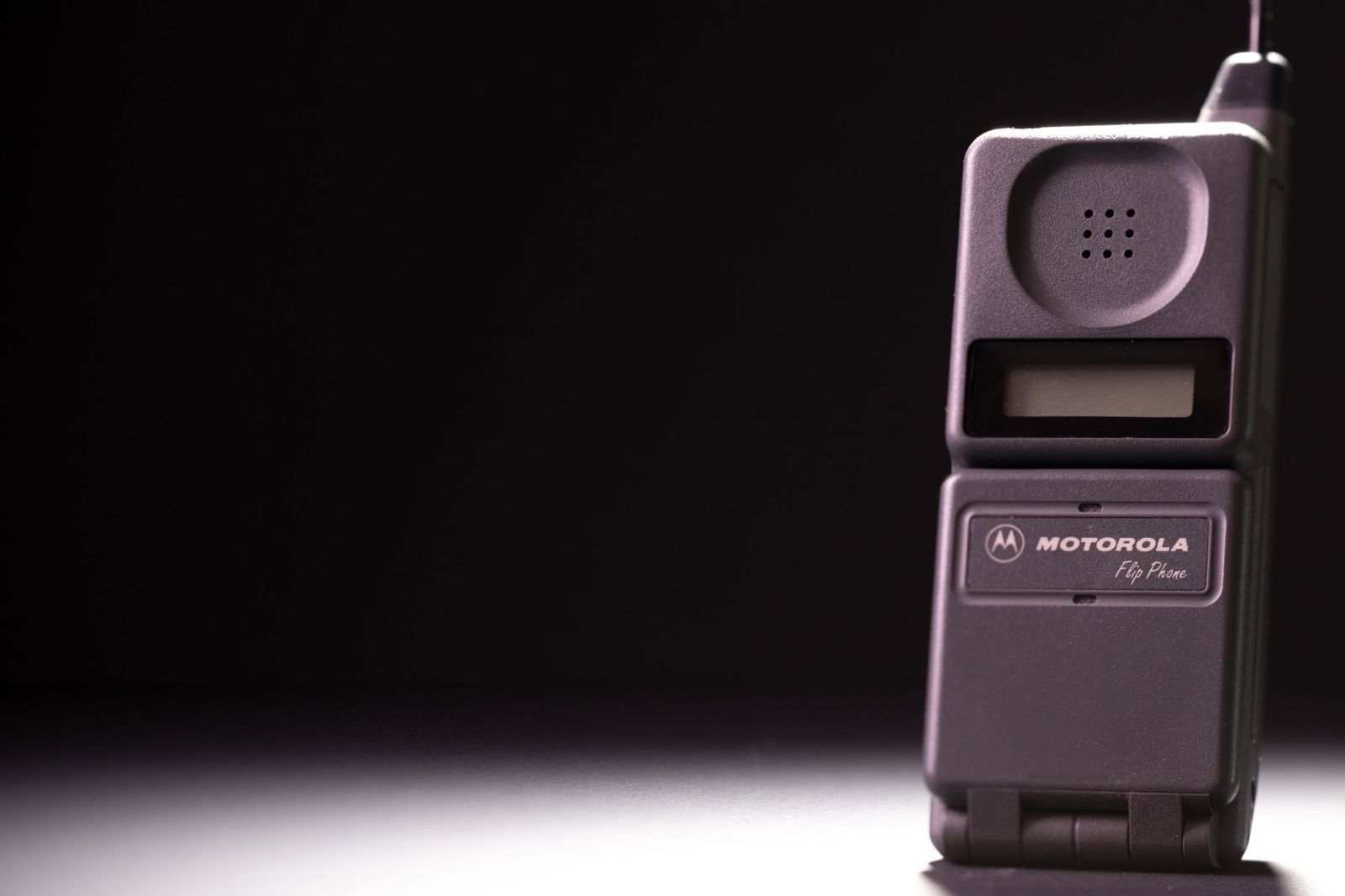
It’s why Americans chose to refer to cellular phones as "cells," while the British named them "mobiles." Battery-powered electric lights became "flashlights" in the US and "torch" in the UK. Another example is the transportation called "streetcar" in the US and "tram" in the UK.

9

Noah Webster's dictionaries and standardized media
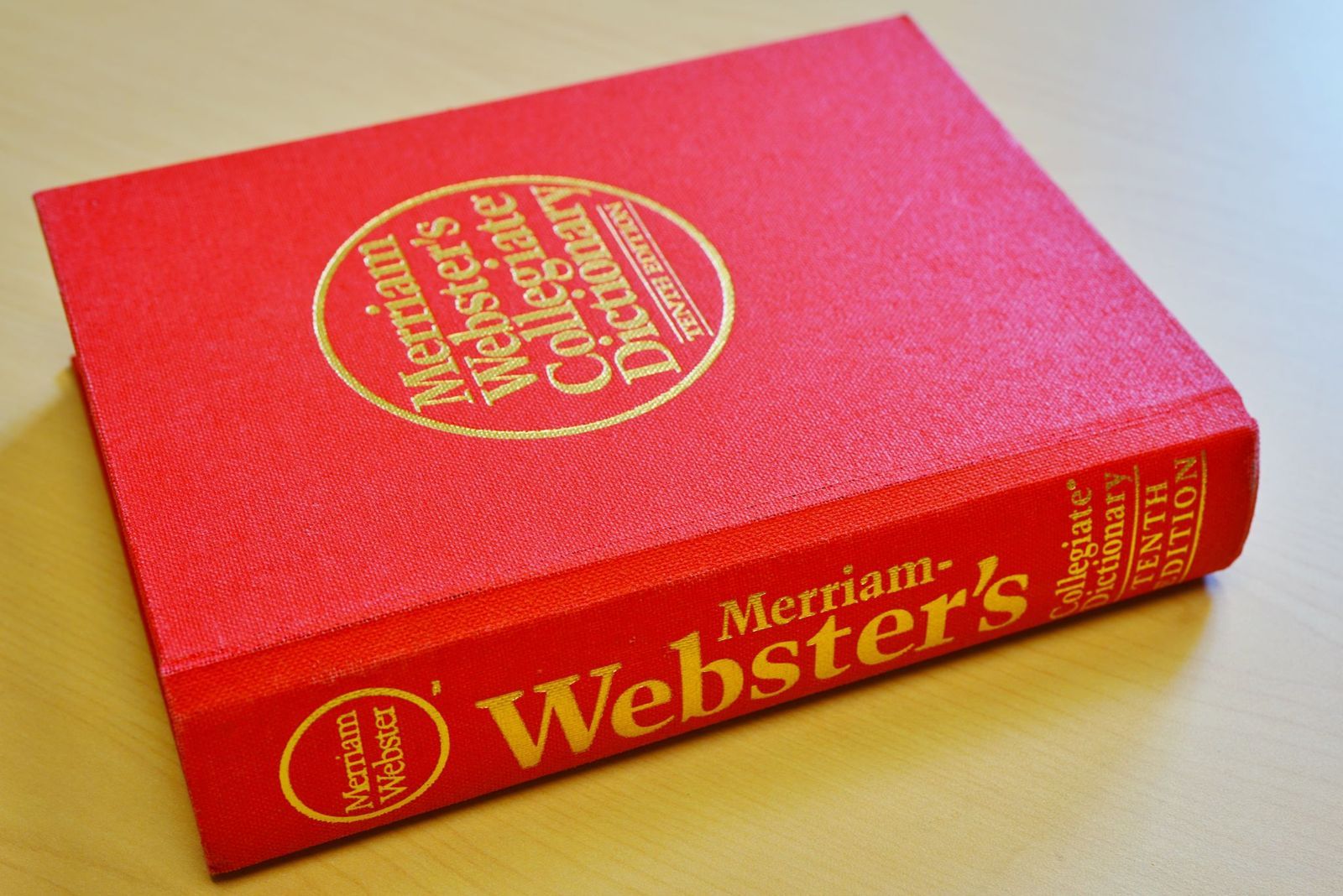
Image: EQRoy

Noah Webster was a Connecticut schoolteacher who in 1783 published what became known as the "Blue-Backed Speller," a schoolbook that eventually sold an estimated 60 to 100 million copies, making it one of the best-selling books in American history.

Webster believed a shared, simplified spelling would help unite a young, fractured nation, so in his 1828 masterwork, An American Dictionary of the English Language, twenty-two years in the making, he deliberately Americanized hundreds of words: "colour" to "color," "defence" to "defense," "plough" to "plow."

10

Radio and TV helped homogenize the "American accent"

Image: OVKNHR

What is "General American"? In 1925, linguist George Philip Krapp coined this term, and by 1930 a colleague was insisting some 90 million Americans spoke it natively. But it wasn’t wholly true.

Early radio and film actually relied on something else entirely: the "Mid-Atlantic accent," a deliberately cultivated Anglo-American blend taught at Juilliard and heard in nearly every prestige film through World War II. That artificial accent collapsed after the war, and broadcasters pivoted toward a flatter, Midwestern-inflected sound, epitomized by Walter Cronkite, that masked regional origin entirely.
Some names stick around

From Table Tap Joe to Ziggy Stardust: Who are the best song characters?


Published on November 13, 2026


Image: Christina Radevich

Sometimes, a character is the perfect alter-ego to write a song about oneself without self-referencing so much. Other times, a character is just a character. Over the years, musicians have come up with lonely dreamers, fearless heroes, mysterious strangers, and even supernatural villains who have become just as famous as the songs themselves. Some were inspired by real people, others sprang entirely from imagination, but all of them left a lasting mark on music history. Which of these 12 do you remember?

1

Table Top Joe — Tom Waits — "Table Top Joe"

Image: lev radin

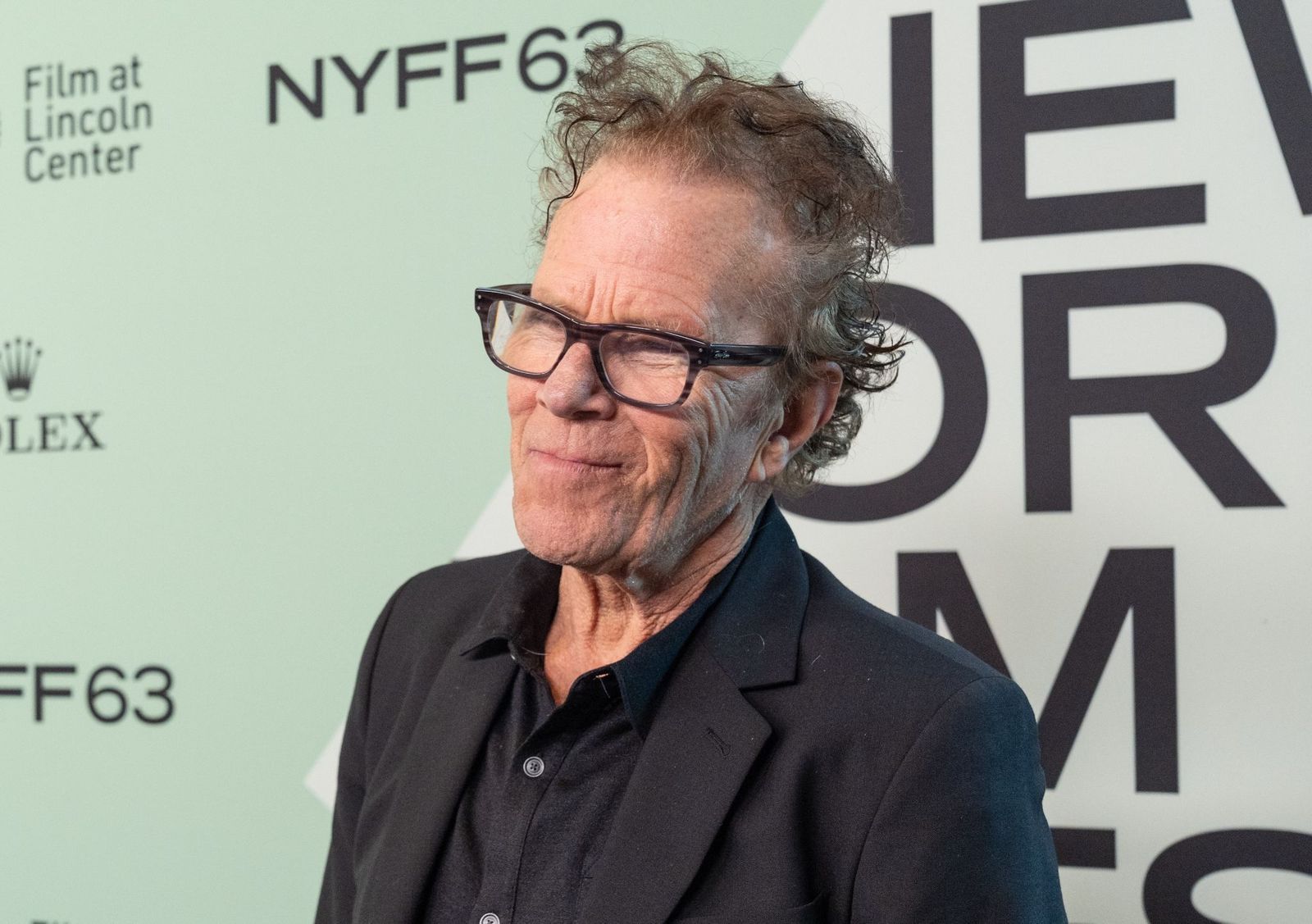
Tom Waits has always had a soft spot for society's oddballs, and few are even stranger than Table Top Joe. Introduced on the 2002 album Alice, Joe is born with only a head and hands, yet grows into a brilliant piano player whose extraordinary talent earns him fame despite the odds stacked against him.

The song unfolds like a forgotten American folk tale, complete with references to Coney Island's legendary Dreamland amusement park and composer Igor Stravinsky. Although many listeners assume the story is based on an old carnival legend, Table Top Joe is entirely Tom Waits' own creation.

2

Ziggy Stardust — David Bowie — "Ziggy Stardust"

Image: PHLD Luca

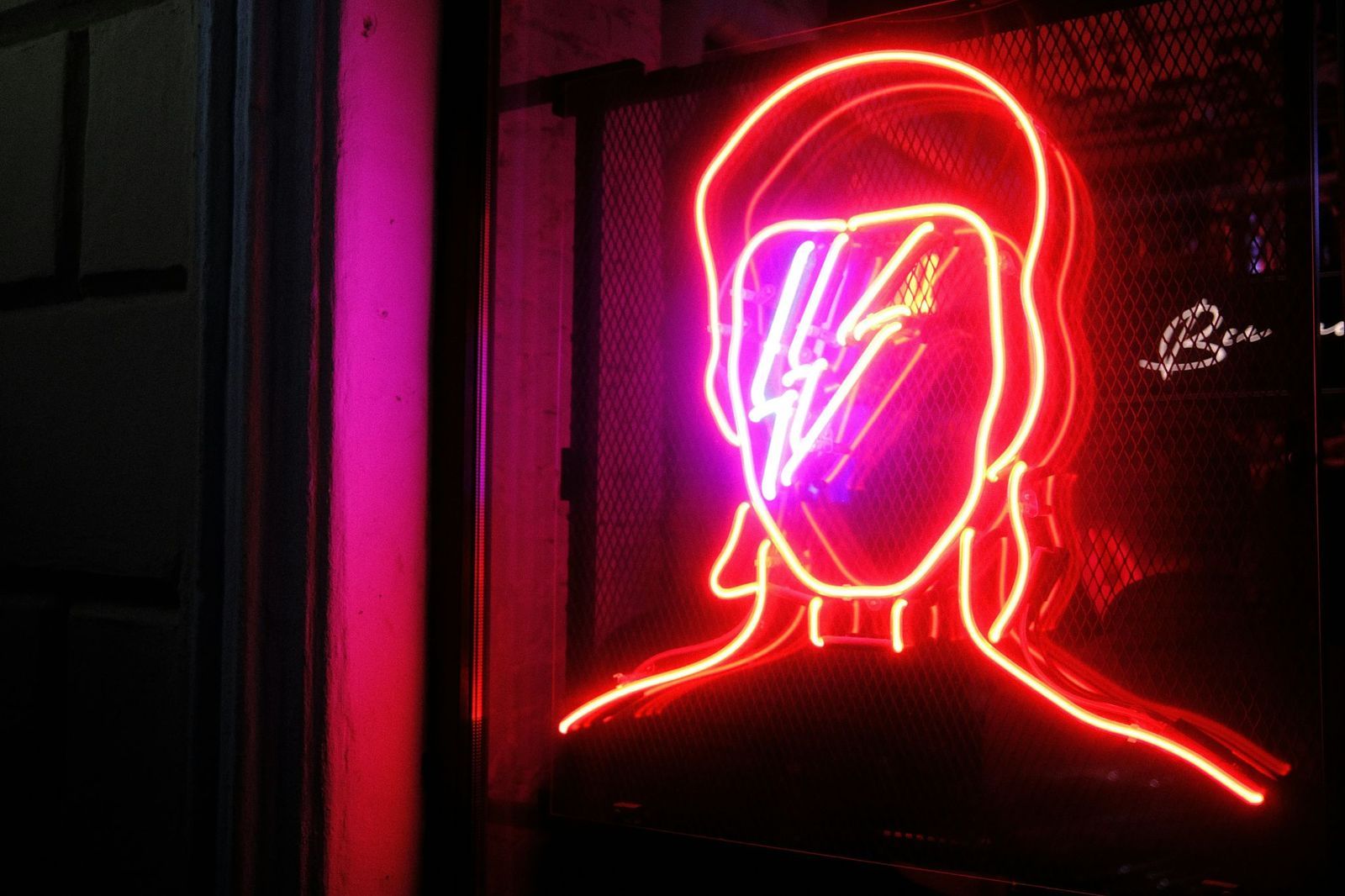
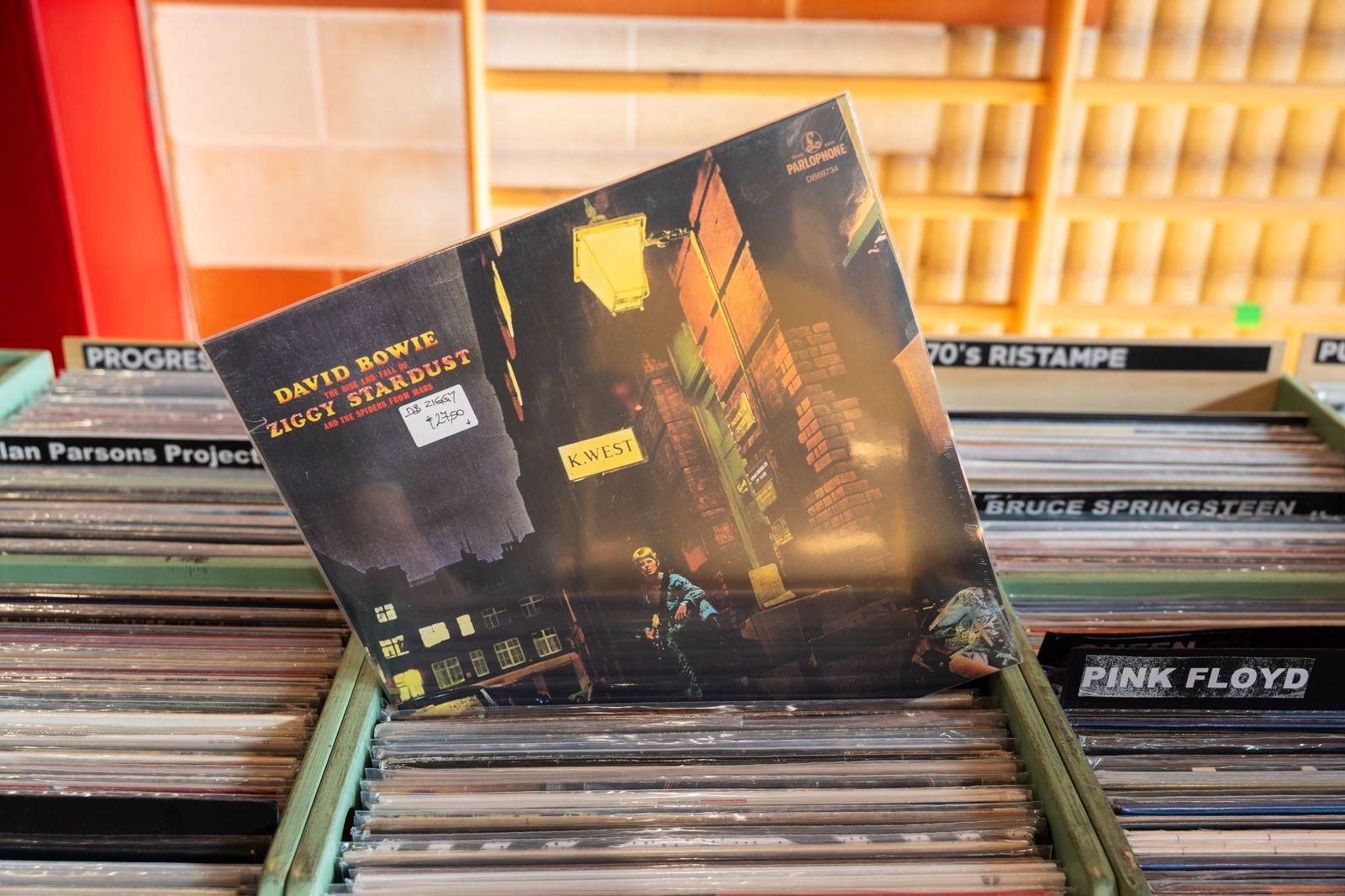
Few fictional musicians have ever become as famous as Ziggy Stardust. Introduced in 1972, Ziggy is an alien rock star sent to Earth shortly before humanity's end, only to be consumed by the very fame that makes him a savior to millions.

David Bowie blurred the line between fiction and reality by performing as Ziggy onstage for more than a year. When he unexpectedly announced Ziggy's retirement during a concert at London's Hammersmith Odeon in 1973, many fans believed the character, and perhaps Bowie himself, had truly reached the end of the story.

3

Tommy — The Who — "Tommy"

Image: defotoberg

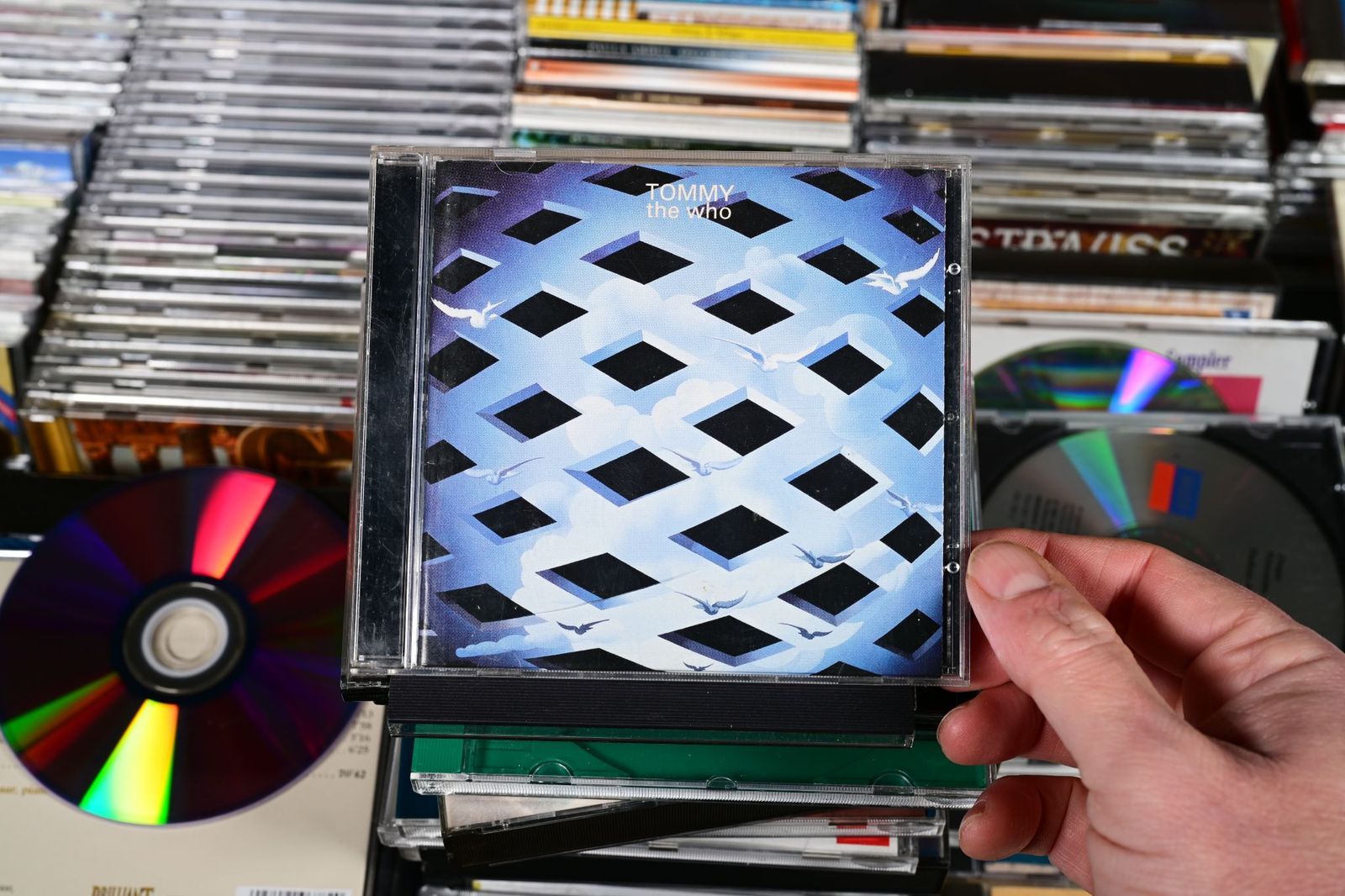
Tommy Walker isn't just the hero of a song, he's the central figure of one of rock music's first great operas. After witnessing a traumatic event as a child, Tommy becomes deaf, mute, and blind, yet somehow develops astonishing pinball skills that transform him into an unlikely celebrity.

Pete Townshend built an entire musical world around Tommy, exploring themes of trauma, faith, and redemption. First released in 1969, Tommy later became a hit film, a Broadway production, and one of the most influential concept albums ever recorded.

4

Johnny B. Goode — Chuck Berry — "Johnny B. Goode"

Image: Erman Gunes

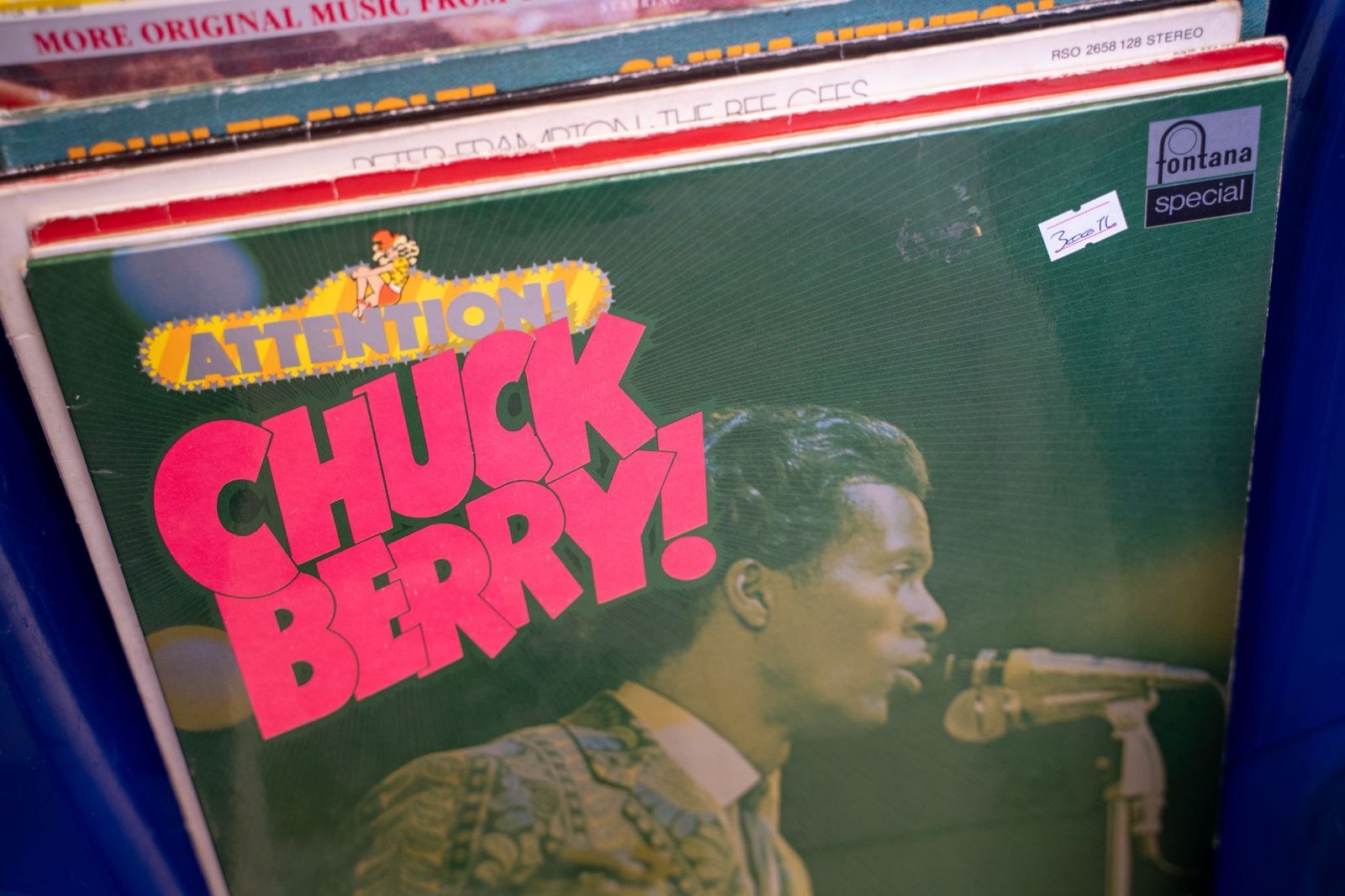
Johnny B. Goode is every aspiring musician's dream. Growing up in rural Louisiana with little more than a guitar and natural talent, he plays so brilliantly that listeners predict "his name will be in lights."

Chuck Berry based the character partly on himself and partly on pianist Johnnie Johnson. Originally described as a "colored boy," Johnny became a "country boy" in the final lyrics, making the song more likely to receive airplay during the segregation era. Nearly two decades later, Johnny's anthem would even travel into space aboard NASA's Voyager Golden Record.

5

Eleanor Rigby — The Beatles — "Eleanor Rigby"

Image: chrisdorney

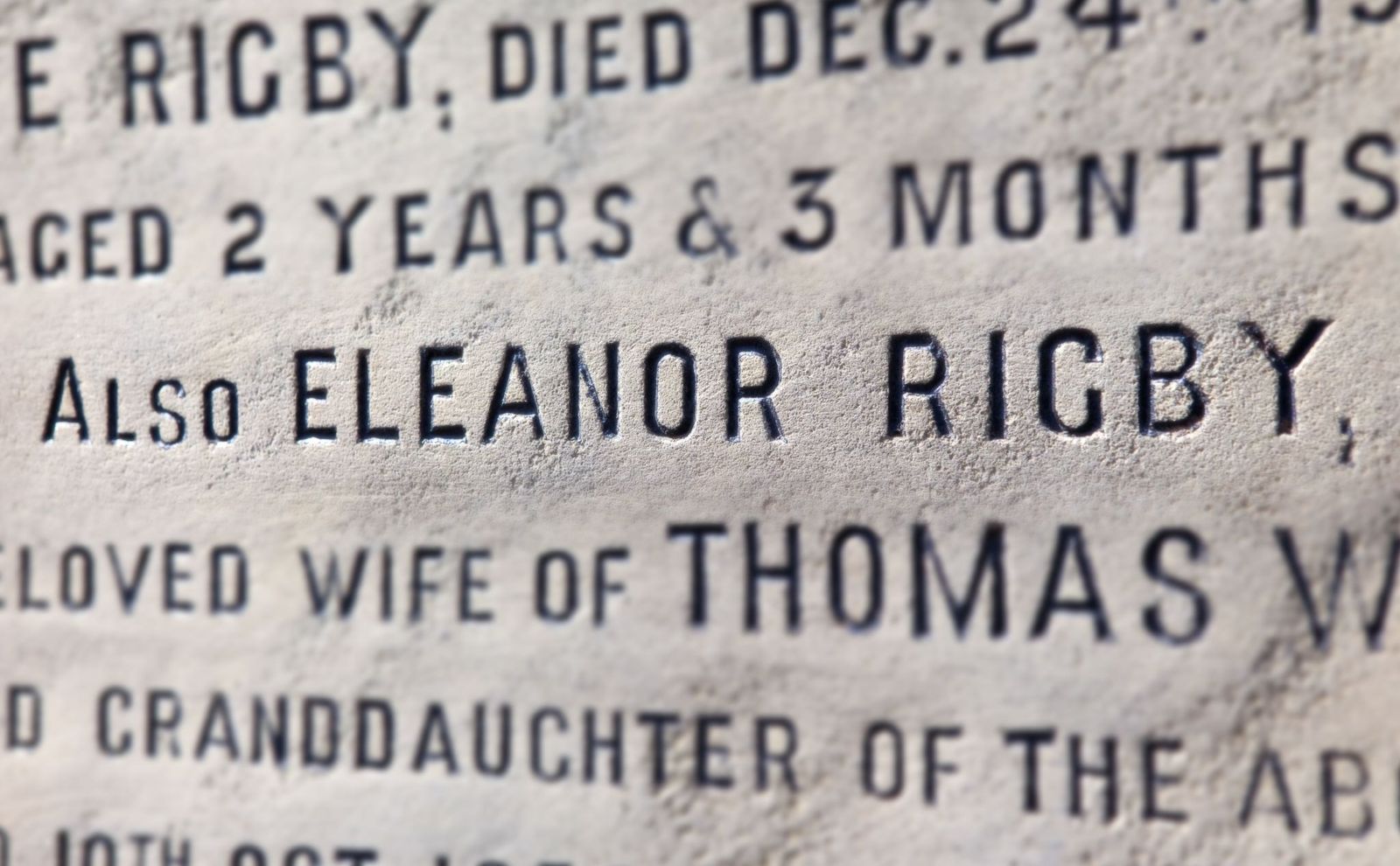
Few fictional characters have captured loneliness as powerfully as Eleanor Rigby. She quietly moves through life unnoticed, while Father McKenzie delivers sermons that no one hears, creating one of popular music's saddest portraits of isolation.

Paul McCartney later explained that Eleanor's name came from actress Eleanor Bron and the Liverpool shop Rigby & Evens. The discovery of an actual Eleanor Rigby gravestone in Liverpool only deepened the song's mystique, though McCartney maintained the coincidence was unintentional.

6

Billie Jean — Michael Jackson — "Billie Jean"

Image: McSleepy

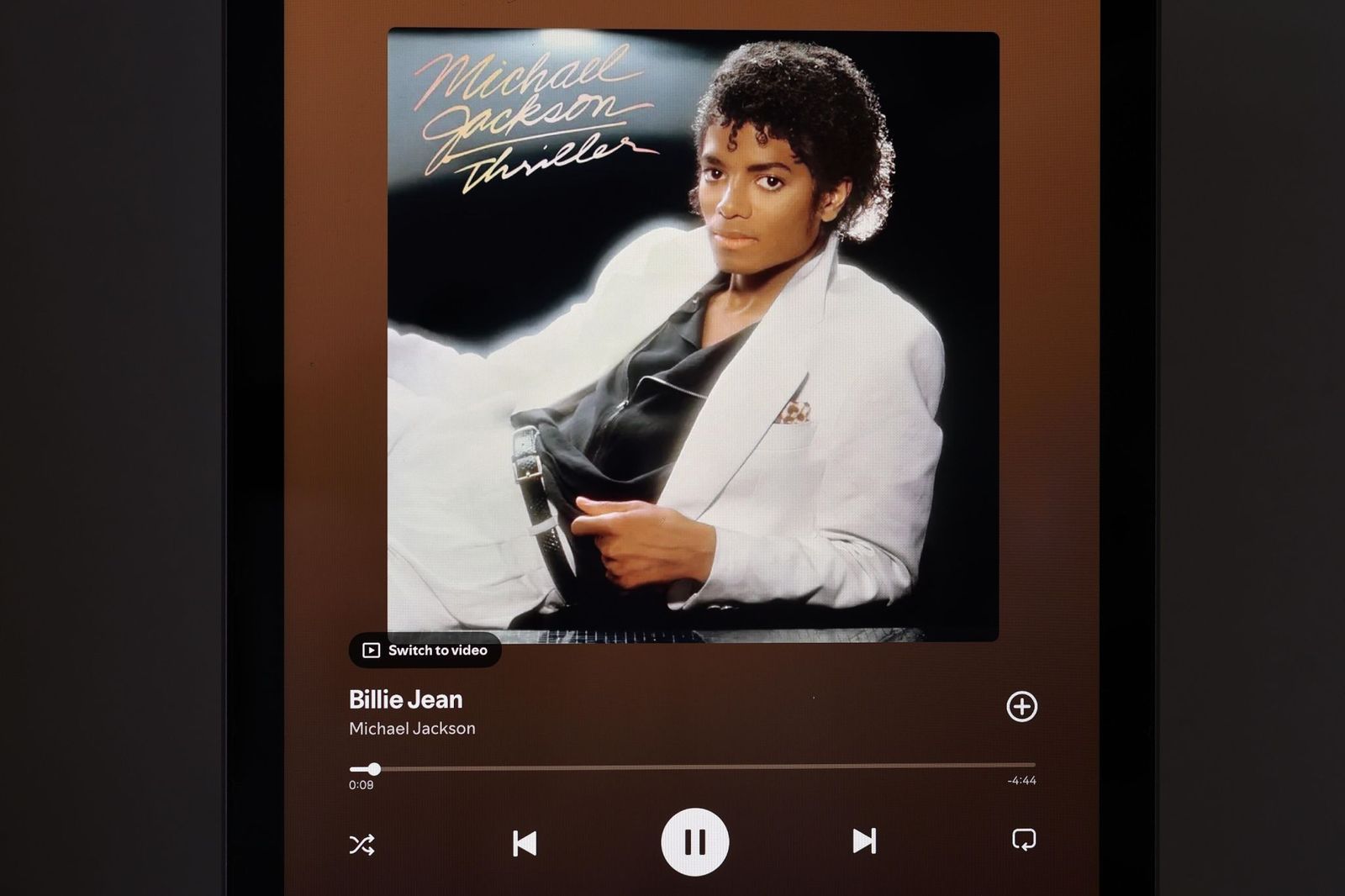
Billie Jean may be one of pop music's most famous women, yet Michael Jackson insisted she wasn't a real person. Instead, she represented several women who falsely claimed that he had fathered their children during the height of the Jackson 5's fame.

Released in 1983 as part of Thriller, the song became a global phenomenon. It also provided the stage for Jackson's legendary moonwalk during Motown 25.

7

Stagger Lee — Lloyd Price — "Stagger Lee"

Image: L Paul Mann

Unlike many legendary song characters, Stagger Lee actually existed. His real name was Lee Shelton, a St. Louis criminal who murdered Billy Lyons during an argument over a hat on Christmas Eve in 1895.

The shocking crime quickly entered American folklore through countless folk songs before Lloyd Price transformed it into a chart-topping hit in 1958. More than a century later, Stagger Lee remains one of the most enduring antiheroes in American music.

8

Tom Dooley — The Kingston Trio — "Tom Dooley"

Image: BOOCYS

Tom Dooley was inspired by Thomas Dula, a Confederate veteran executed in North Carolina in 1868 after being convicted of murdering Laura Foster. His surname was locally pronounced "Dooley," giving the ballad its familiar title.

The Kingston Trio revived the old Appalachian folk song in 1958, turning it into an international hit and helping launch America's folk music revival.

9

Lola — The Kinks — "Lola"

Image: McSleepy

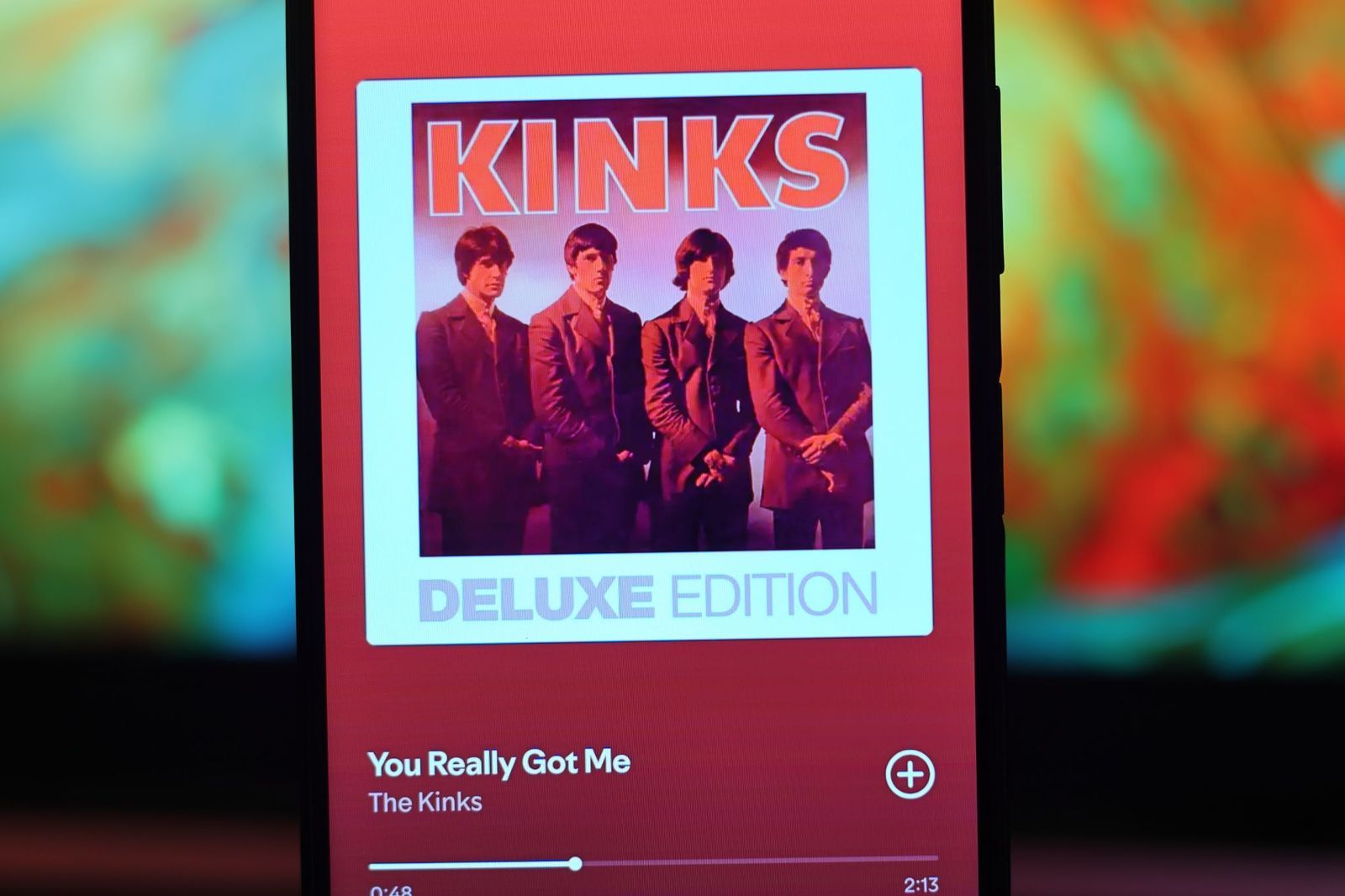
When the narrator of "Lola" meets an intriguing stranger in a Soho nightclub, expectations quickly give way to surprise. Ray Davies crafted one of rock's earliest mainstream stories exploring gender ambiguity, decades before the topic entered popular conversation.

The recording rarely reached British radio. Because BBC rules prohibited commercial product names, Davies had to interrupt a U.S. tour and fly back to London simply to replace the lyric "Coca-Cola" with the now-famous "cherry cola."

10

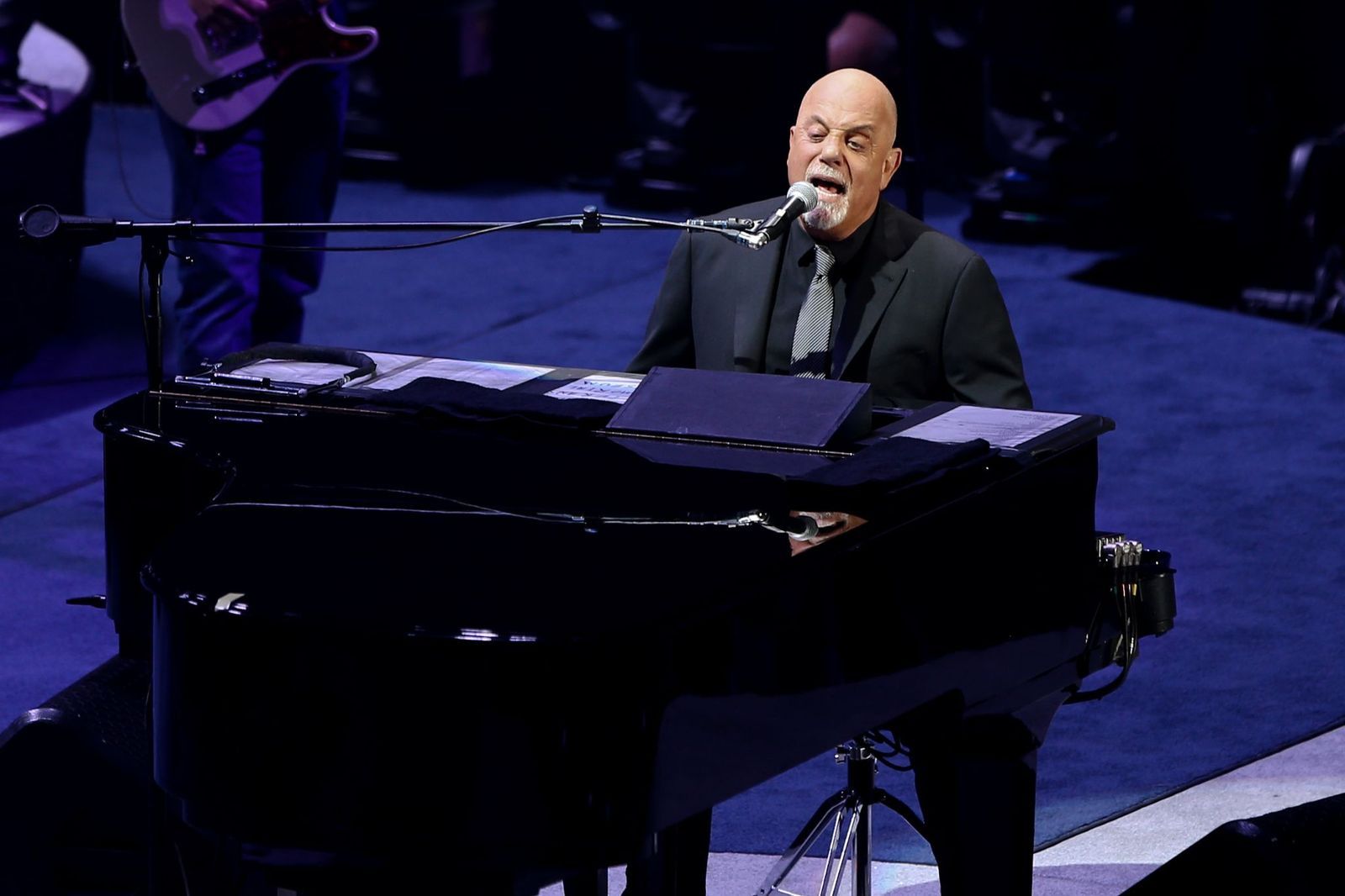
Piano Man — Billy Joel — "Piano Man"

Image: Debby Wong

Unlike most famous song characters, the Piano Man is really Billy Joel himself. Before becoming a superstar, Joel spent six months in 1972 and 1973 performing under the pseudonym Bill Martin at the Executive Room, a piano bar in Los Angeles, after becoming trapped in a bad recording contract. The song transforms those experiences into a bittersweet portrait of ordinary people searching for escape at the end of another week.

Joel has said that virtually every character in the song was based on a real person, from bartender John to "Paul, the real estate novelist" and Davy, who really was in the Navy. Yet the Piano Man himself became the story's most enduring character: a quiet observer who offers music as a brief refuge for dreamers, lonely souls, and regulars alike. More than fifty years after its 1973 release, "Piano Man" remains Billy Joel's signature song, and its title has effectively become his lifelong nickname.

11

Amos Moses — Jerry Reed — "Amos Moses"

Image: AS project

Standing nearly seven feet tall and missing an arm, Amos Moses roams the Louisiana swamps hunting alligators. Jerry Reed filled the song with colorful Southern expressions and exaggerated storytelling that make Amos feel like an authentic folk legend.

Although fictional, Amos embodies the larger-than-life heroes found throughout American tall tales. His adventures turned the song into one of Reed's biggest crossover hits and secured Amos a permanent place among country music's greatest characters.

12

Big Bad John — Jimmy Dean — "Big Bad John"

Image: mirigifford

Big Bad John hardly says a word, but he doesn't have to. The towering coal miner earns everyone's respect through quiet strength before sacrificing his own life to save fellow workers when a mine collapses.

Jimmy Dean's 1961 ballad became a smash hit, winning a Grammy and inspiring several sequel songs. More than sixty years later, Big Bad John still stands as one of country music's defining working-class heroes.

Looking for an extra scoop of literary fun?

Learn more with our Word of the day

undertake

/ˌəndərˈteɪk/