Fun facts you’ll want to share

They know what you want: What you ignore about the most popular apps


Published on May 8, 2026


Image: Jonny Gios

We carry these apps with us in our pockets everywhere we go. Yet how little we know about them… Did you know TikTok can learn how to make you laugh in less than an hour? Or that Google’s first server was literally built with toys? Or the percentage of songs on Spotify that have never been heard by anyone –ever? Here’s a list of fun facts that you’ll want to share with your friends.

1

Google

Image: Richard Heinen

This story sounds made up, but you can Google it yourself. In its very early days, Google’s founders stored the company’s first server in a box made of… Lego bricks! It held ten 4 GB hard drives.

As you can imagine, that colorful, practical, creative image cemented the same aesthetic that Google is nowadays so well-known for.

2

Instagram

Image: cottonbro studio

Gone are the days when we judged people harshly for posting pictures of the food they ate.

The strange habit of showing the world your meal via Instagram is a die-hard, worldwide trend. And the most Instagrammed food globally is #Pizza (with 75.6 million posts), followed by #Sushi (39.2 million).

3

Netflix

Image: Mathieu Improvisato

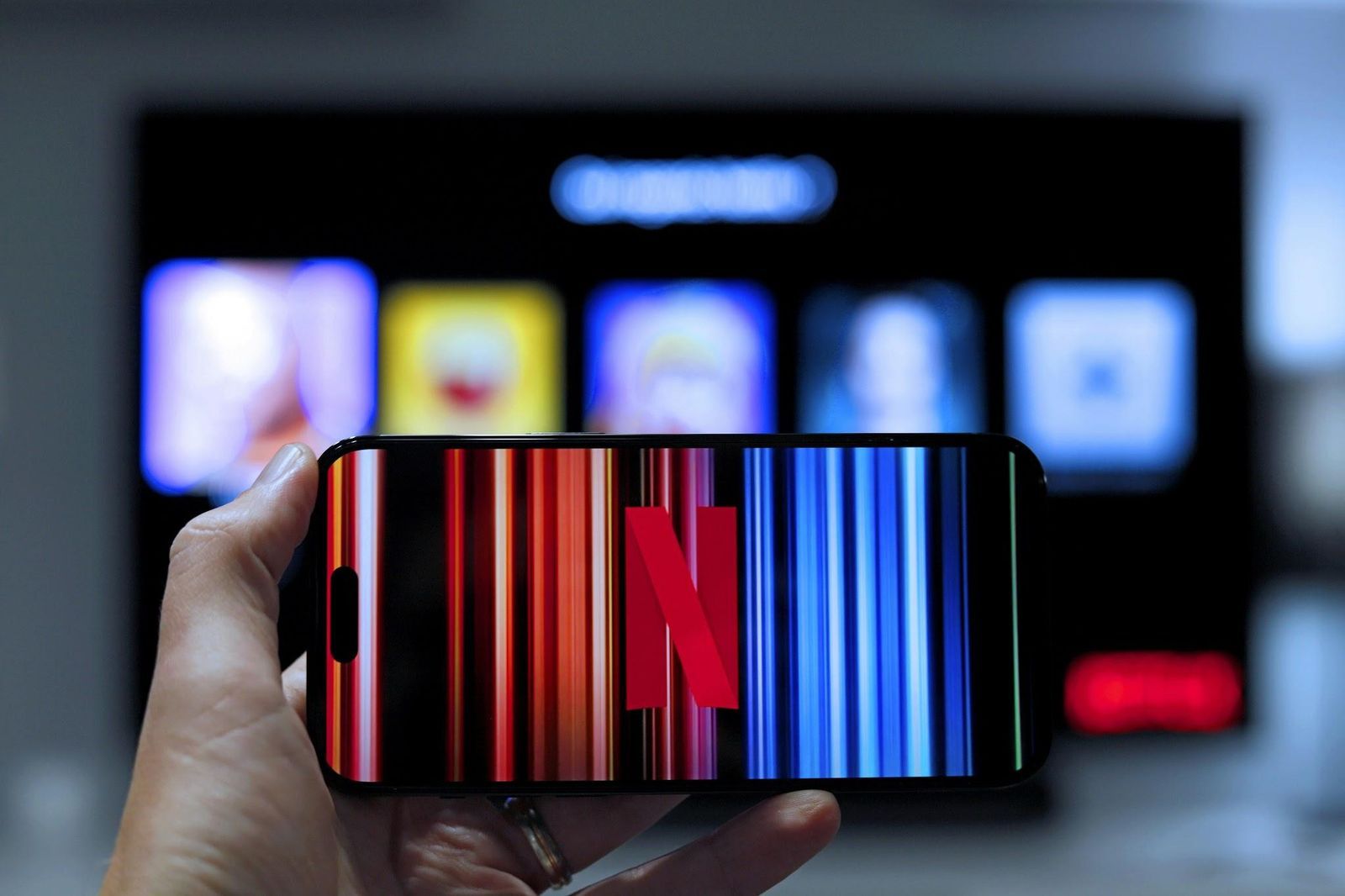
Has this ever happened to you? You log into Netflix and find a romantic poster for a brand new series. But when your friend goes in through his account, the same series has a poster that makes it look like a horror show.

This is intentional: Netflix famously runs tests on almost everything, including the artwork you see for a show. They know what you’d prefer to watch!

4

Twitter ("X")

Image: Terrillo Walls

Yes, many people use Twitter (a.k.a. "X"). But only about 10% of those active users are responsible for around 92% of all tweets.

In other words, most people lurk and use the site to get their instant news or a few laughs. Very few accounts produce the content!
5

Facebook

Image: Ben Sweet

The first logo of Facebook (around 20 years ago, when it was still "thefacebook.com") used a portrait; specifically, it was a white-and-blue profile of the young face of actor Al Pacino. You can still look up that old logo.

6

Spotify

Image: Reet Talreja

Massive and popular as Spotify is, a big part of it is completely unexplored. That’s because roughly 25% of the songs on Spotify have never been played.

Are you thinking about the poor artists whose songs have 0 plays? Well, consider this: A 2024 report showed that around 99,000 new tracks were uploaded every day!

7

Amazon

Image: ANIRUDH

If you type Relentless.com into a browser today, it still redirects to Amazon. That’s because "Relentless" was one of the early names considered.

"Cadabra" (as in abracadabra) was another early option, but it was changed because the founder’s lawyer noted it sounded too much like "cadaver."

8

YouTube

Image: NordWood Themes

It would be impossible for a human to watch even a third of YouTube’s content in a lifetime. The site has 5.1 billion videos, and the number keeps growing: More than 360 hours of new content are uploaded every minute.

9

WhatsApp

Image: Brett Jordan

WhatsApp is one of the world’s leading messaging apps, and it is currently owned by Facebook. But it was created by two former Yahoo employees who were repeatedly rejected from jobs at Facebook… and then Facebook ended up buying their app for 19 billion dollars.

10

TikTok

Image: Zulfugar Karimov

TikTok’s algorithm is so precise that studies show it can figure out your preferences in about 40 minutes of use, just from what you linger on. That is scary-precise technology.

Also, TikTok has been the most downloaded app in the world since 2020, surpassing even Facebook and Instagram.

11

Wikipedia

Image: Oberon Copeland

Wikipedia supports one of the largest knowledge bases on Earth. Yet it runs on a budget far smaller than people assume, roughly comparable to a mid-size NGO.

It’s edited by a surprisingly tiny active community. A small percentage of editors maintain a huge portion of the platform.

12

Reddit

Image: Brett Jordan

Would you trust information found in "r/AskReddit"? As it turns out, it is officially one of the site’s most influential subreddits and has shaped countless journalism pieces, TikToks, and YouTube videos. So, basically, it has transformed organically into a quiet content engine behind the internet.


Secrets in plain view

The untold stories behind 15 of the world’s most famous artworks


Published on May 8, 2026


Image: Ståle Grut

Art is often more than just visually stunning; it can carry deep, hidden meanings and symbols that offer a richer experience when understood. From elements that tell part of the artwork’s story to deliberate messages and strange secrets, here are 15 famous artworks with hidden layers you might not have noticed before.

1

The Mona Lisa by Leonardo da Vinci

Image: Eric TERRADE

Though the Mona Lisa is perhaps the most famous painting in the world, the identity of the woman in the portrait has long been a subject of debate. Most scholars believe she is Lisa Gherardini, a Florentine woman married to a wealthy merchant, Francesco del Giocondo. However, numerous alternative ideas have emerged, including theories that the subject is an idealized figure or even a concealed self-portrait of Da Vinci.

2

The Thinker by Auguste Rodin

Image: Avery Evans

Rodin’s famous sculpture, The Thinker, was originally conceived as part of a larger work but became iconic in its own right. Despite its fame, many curious facts about the sculpture are often overlooked. For example, its original name was actually The Poet, which supports the theory that the statue was meant to depict Dante.

3

The Birth of Venus by Sandro Botticelli

Image: rook76

Botticelli’s The Birth of Venus blends classical mythology with Renaissance ideals of beauty. Venus, standing on a shell, symbolizes divine beauty and spiritual rebirth. Curiously, some believe it was modeled after the long-lost Venus Anadyomene, a painting by the ancient Greek artist Apelles, known only through Roman author Pliny the Elder’s description.

4

The Scream by Edvard Munch

Image: JWCohen

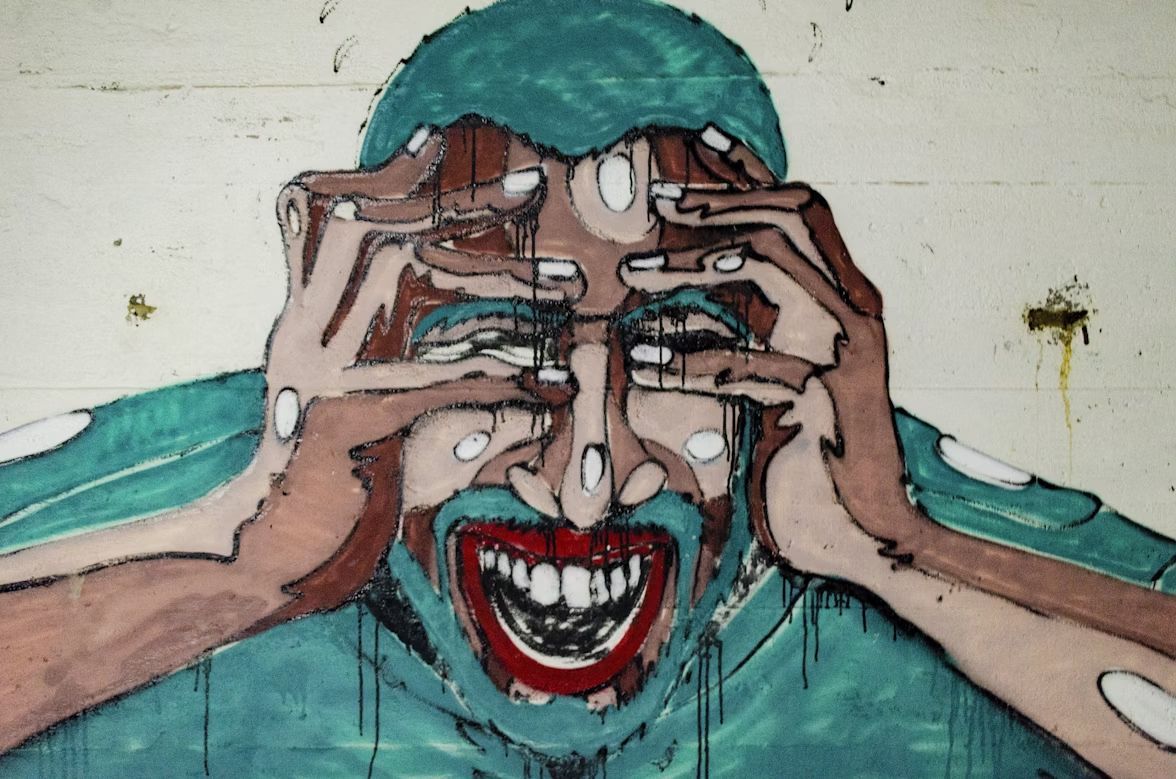
Munch’s The Scream captures a moment of extreme emotional distress. The swirling sky, vivid in color, reflects the inner turmoil of the subject. While Munch claimed the inspiration came from a panic attack he experienced while walking, some argue that the red skies may have been inspired by the eruption of Krakatoa in 1883, which caused vivid sunsets around the world.

5

The School of Athens by Raphael

Image: Olya Solod

In Raphael’s The School of Athens, ancient philosophers are depicted in conversation, but the placement of the figures is deliberate. Plato and Aristotle are centrally placed, with Plato pointing upwards, symbolizing his belief in ideal forms, while Aristotle’s gesture points horizontally, emphasizing his empirical approach.

6

The Statue of Liberty

Image: Laurenz Heymann

The Statue of Liberty is not just a symbol of freedom; its design includes several symbolic elements. The broken chain at her feet represents the abolition of slavery, while the torch symbolizes enlightenment. But most curiously, Lady Liberty's face is said to have been modeled after the artist Frederic-Auguste Bartholdi's mother.

7

The Last Supper by Leonardo da Vinci

Image: maxbrux

Da Vinci’s Last Supper holds numerous symbols, most notably the geometric composition. The table itself forms a triangle, symbolizing the Holy Trinity, while Christ’s position in the center divides the composition into a perfect balance of divine and human. Even the placement of Judas, isolated from the others on the opposite side of Christ, visually hints at his betrayal.

8

American Gothic by Grant Wood

Image: ChicagoPhotographer

Grant Wood’s iconic American Gothic has often been interpreted as a commentary on rural American values, but there are more layers to the painting. In fact, it was inspired by a real house built in the style of "Carpenter Gothic," which Wood found rather pretentious for such a humble home. The characters, however, aren’t the real inhabitants of the house but Wood’s dentist and his sister.

9

Venus de Milo by Alexandros of Antioch

Image: Daniele D'Andreti

The Venus de Milo represents idealized beauty in ancient Greek sculpture, but its missing arms add to its mystery. The lost limbs have sparked theories about its original pose, enhancing the statue's allure. Interestingly, some suggest the figure may not depict Aphrodite/Venus at all, but Amphitrite, the sea goddess worshiped on the island of Milos.

10

The Night Watch by Rembrandt

Image: Václav Pluhař

A master of visual storytelling, Rembrandt was well known for including hidden messages and symbolism. In his masterpiece The Night Watch, some believe the artist makes a subtle cameo. In the middle of the painting, behind a man in green and a guard with a metal helm, you can spot a faint figure, widely thought to be Rembrandt himself.

11

The Vitruvian Man by Leonardo da Vinci

Image: Marek Studzinski

Leonardo’s Vitruvian Man is not just a study of human anatomy; it symbolizes the Renaissance belief in the harmony between art and science. But beyond the perfect proportions, keen observers have noted that the man depicted appears to suffer from an inguinal hernia—an ailment that could have been fatal at the time. Given that artists often used cadavers as models, it's likely that Leonardo based the figure on a real, deceased individual.

12

The Kiss by Gustav Klimt

Image: Mariangela Cruz

Klimt’s The Kiss is renowned for its use of gold leaf, evoking the sacred beauty of religious art found in churches. Some art historians even speculate that the lovers in the painting are not just symbolic figures, but a representation of Klimt himself and his long-time partner, fashion designer Emilie Flöge.

13

Liberty Leading the People by Eugène Delacroix

Image: s880

Delacroix’s Liberty Leading the People uses the allegorical figure of Liberty to symbolize the spirit of revolution during France's July Revolution of 1830. However, the woman in the painting has a name—_Marianne_—a powerful symbol of the French Republic ever since the first French Revolution of 1789.

14

Self-Portrait with Bandaged Ear by Vincent van Gogh

Image: Jean Carlo Emer

Van Gogh's Self-Portrait with Bandaged Ear captures a deeply personal moment following the infamous incident in which he—allegedly—severed his own ear. However, some art historians now believe that the wound was in fact the product of an altercation with friend and fellow artist Paul Gauguin. A deft fencer, Gauguin might have acted in self-defense during a violent bout of psychosis of his friend.

15

David by Michelangelo

Image: Mateus Campos Felipe

Michelangelo’s David symbolizes strength and humanism, embodying both intellectual and physical power. While its proportions follow classical ideals, David’s unusually large head and oversized right hand stand out. Additionally, his heart-shaped pupils are a curious detail, possibly symbolizing his love for Florence or a playful nod to the letter "D," often depicted as a heart in Renaissance art.

Looking for an extra scoop of literary fun?

Learn more with our Word of the day

bigot

/ˈbɪɡət/