Where exactly are you from?

Did you know that there are 16 Boston cities? Cities with a namesake


Published on May 2, 2026

Image: Michael Discenza

Some would say that naming a city is as important as naming a child, or even more, considering that cities tend to have a longer lifespan. Like with a child, the name is a declaration of intentions, of what is expected or wished for them.

But sometimes children are named after someone else, like a loved one, a relative, or a favorite celebrity. Does this happen to cities as well? In this article, we will explore some cities around the world that have a namesake.

1

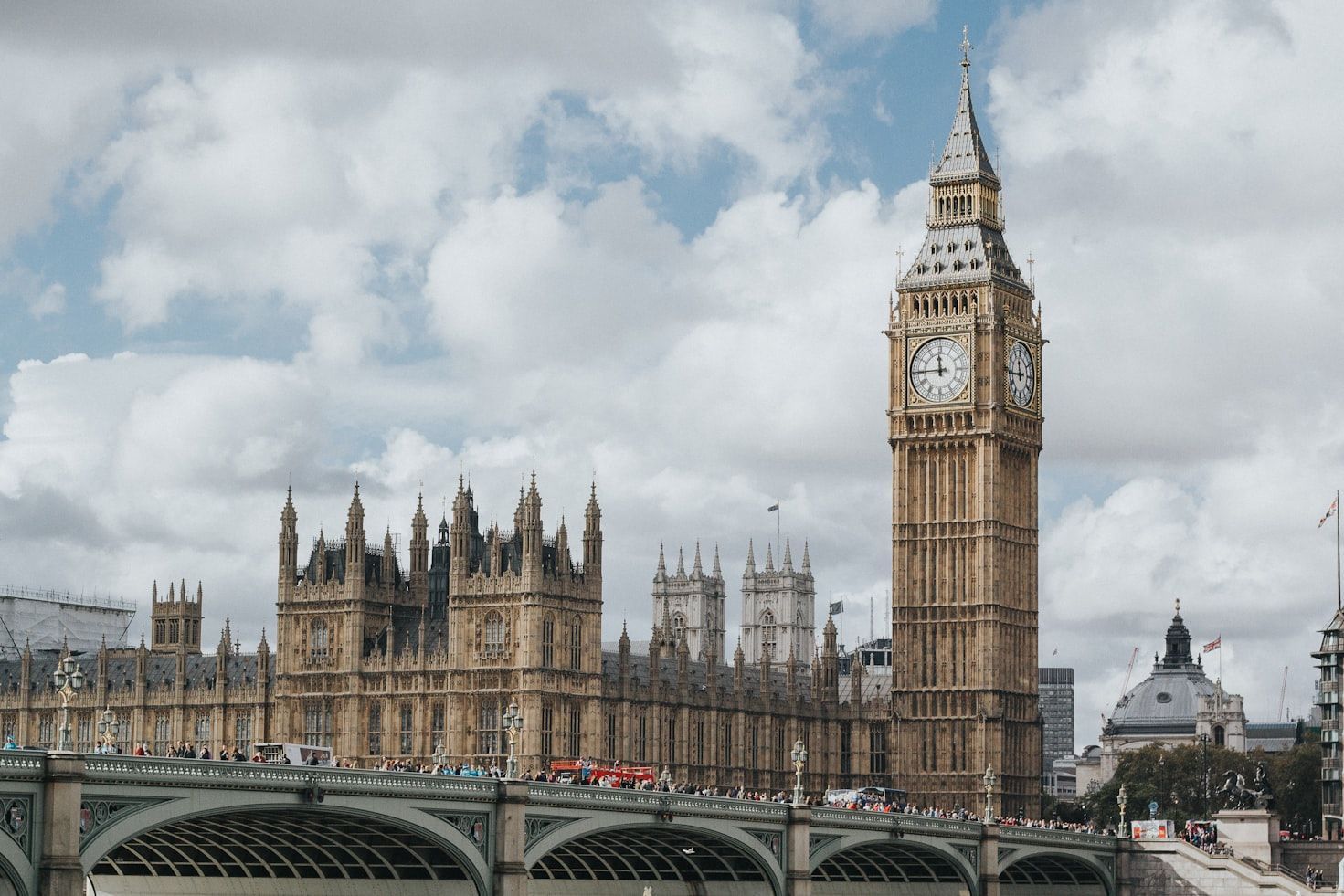
Londres, Argentina

Image: Marcin Nowak

In Spanish, Londres is the name given to the city of London, England, and also to a town in the Argentinian province of Catamarca. This town, the second oldest in the country, owes its name to the marriage of Mary Tudor with Philip of Spain in 1553. The founders of the city, at that time part of the Spanish empire, decided to honor the royal marriage by naming it Londres de la Nueva Inglaterra (London of the New England), though nowadays the name has been shortened to just Londres.

2

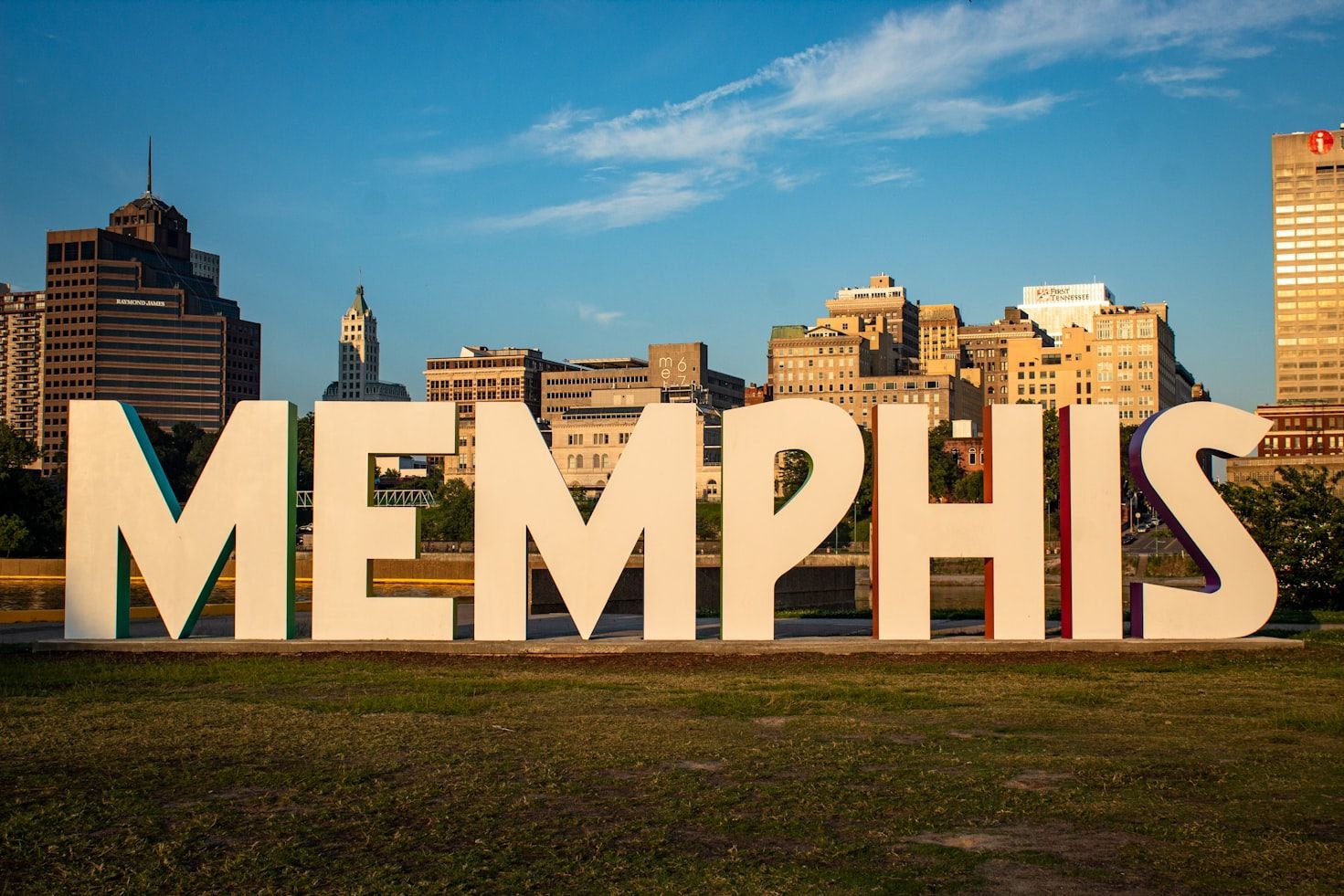
Memphis, Tennessee

Image: Joshua J. Cotten

Located over the Mississippi River, the city of Memphis has been the setting of important historical and political events. But, where did it get its name from? In 1818, the U.S. gained the territory of Western Tennessee after signing the Treaty of Tuscaloosa. The founders of the city, among them future president John Adams, recognized the importance of the river and decided to name the place after another famous city on a river, the Egyptian Memphis.

3

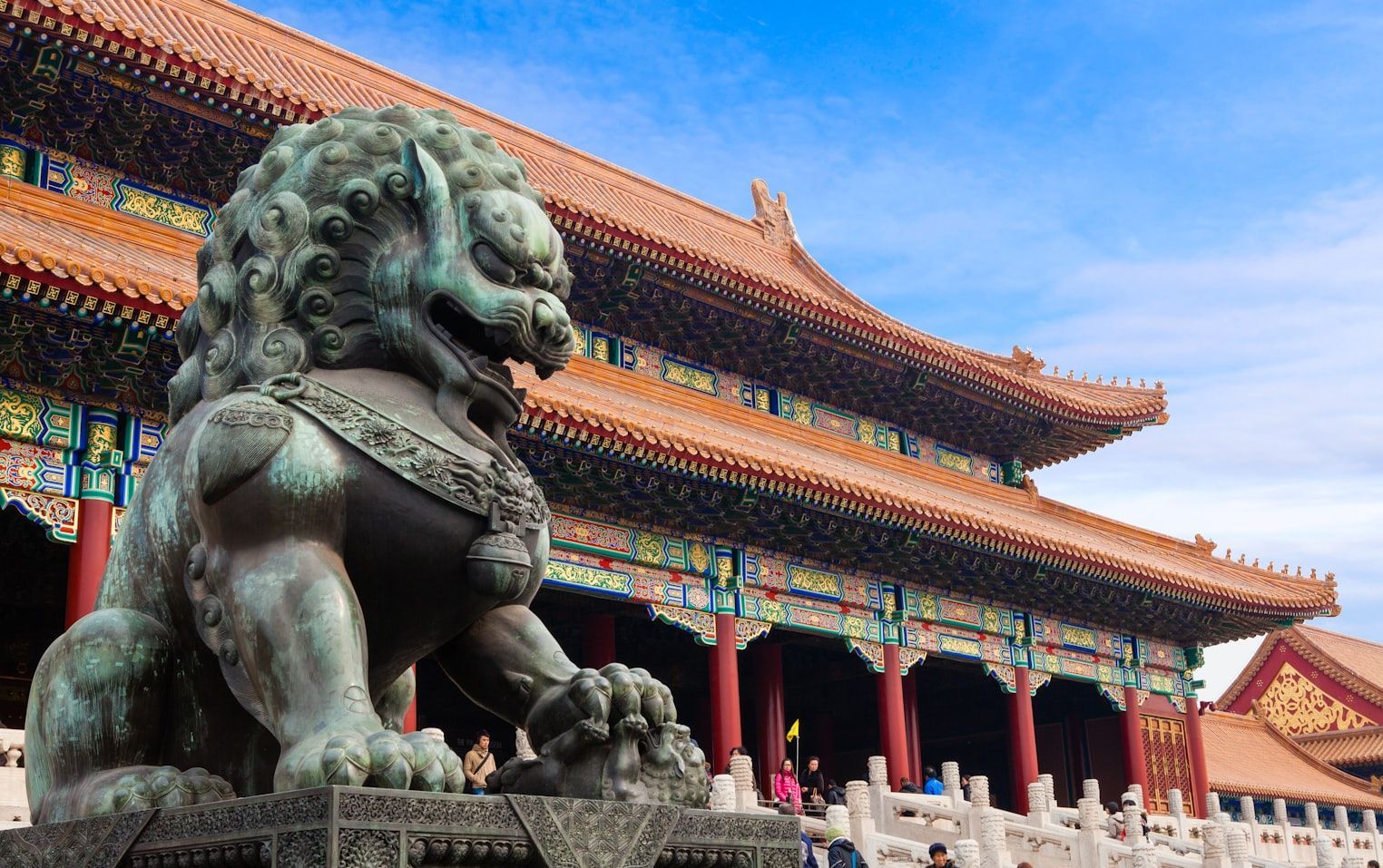
Pekin, Illinois

Image: Rafik Wahba

Back in the day, many people believed that China and the U.S. were on opposite sides of the world. One of these people, Mrs. Ann Eliza Cromwell, was tasked with naming the new town her husband had helped to found near the Illinois River. Convinced they were on the antipodes of Peking (what we now call Beijing), she chose the name Pekin.

4

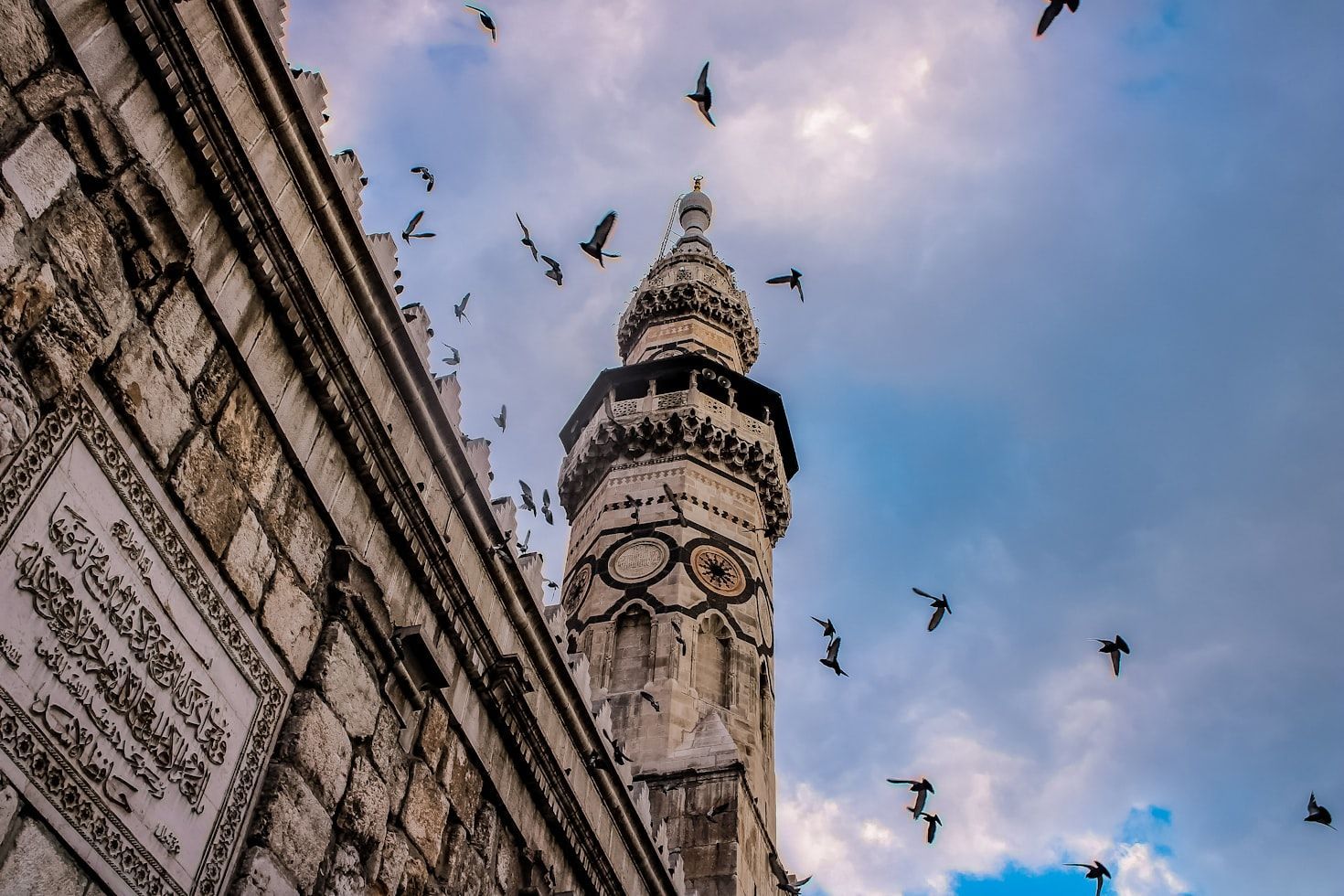
Damascus, Maryland

Image: abd sarakbi

The origin of this name is interesting because we don’t really know the reason behind it. During the 1820s, a man called Edward Hughes bought land in the state of Maryland and divided it for sale. He received Congressional approval for a postal route in a document where the flourishing town was named as The Pleasant Plains of Damascus. While he named it after the Syrian city of Damascus, we don’t know if he had any connections to it or if it was just a biblical reference.

5

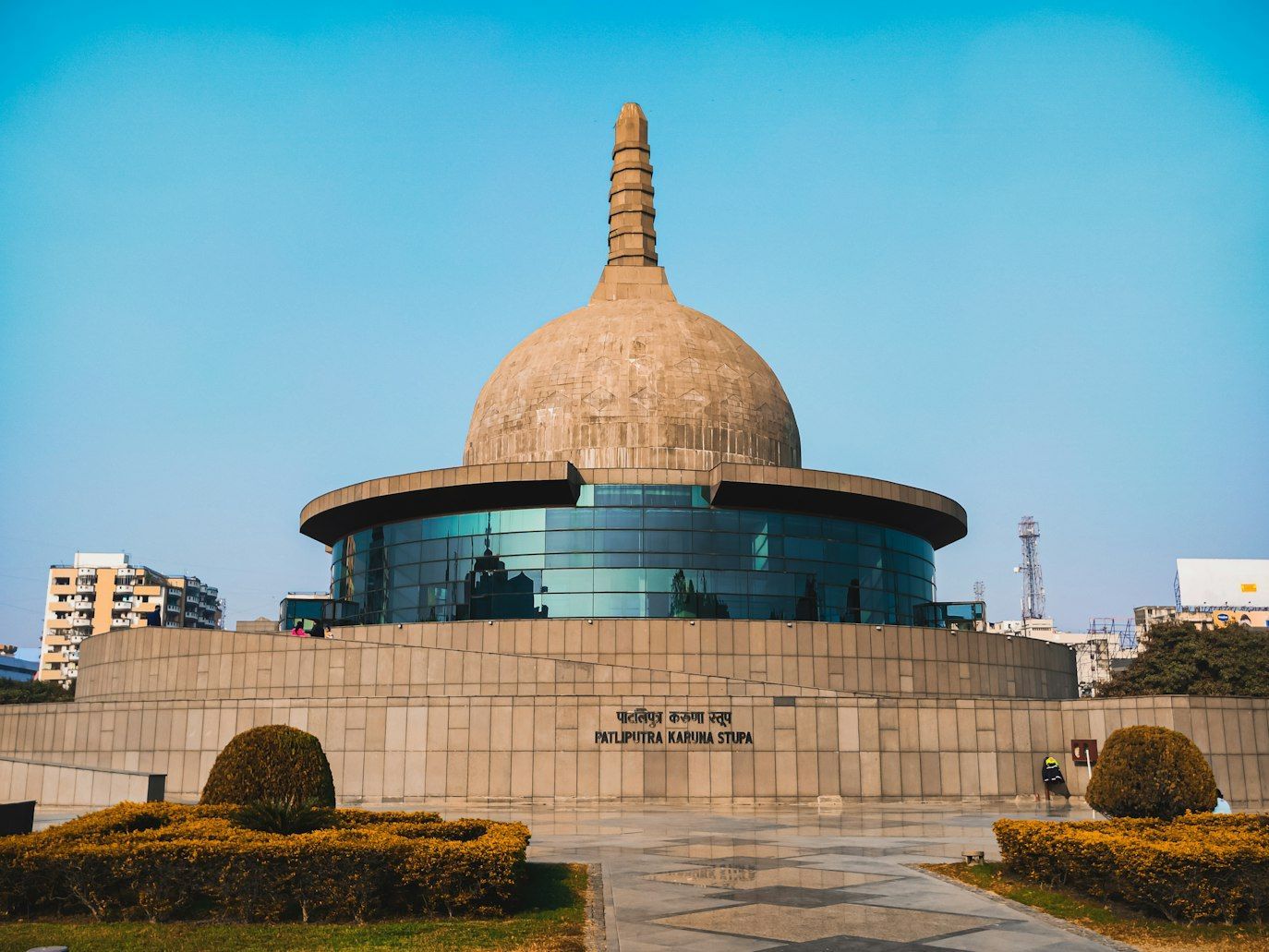
Patna, Scotland

Image: Ravi Prakash

In the early 19th century, Scottish landowner William Fullarton wanted to give coal workers on his estate somewhere to live, and he founded a village for this purpose. The son of an East India Company officer, Fullarton was born in India, in the city of Patna, Bihar, and decided to name the new mining town after his birthplace.

6

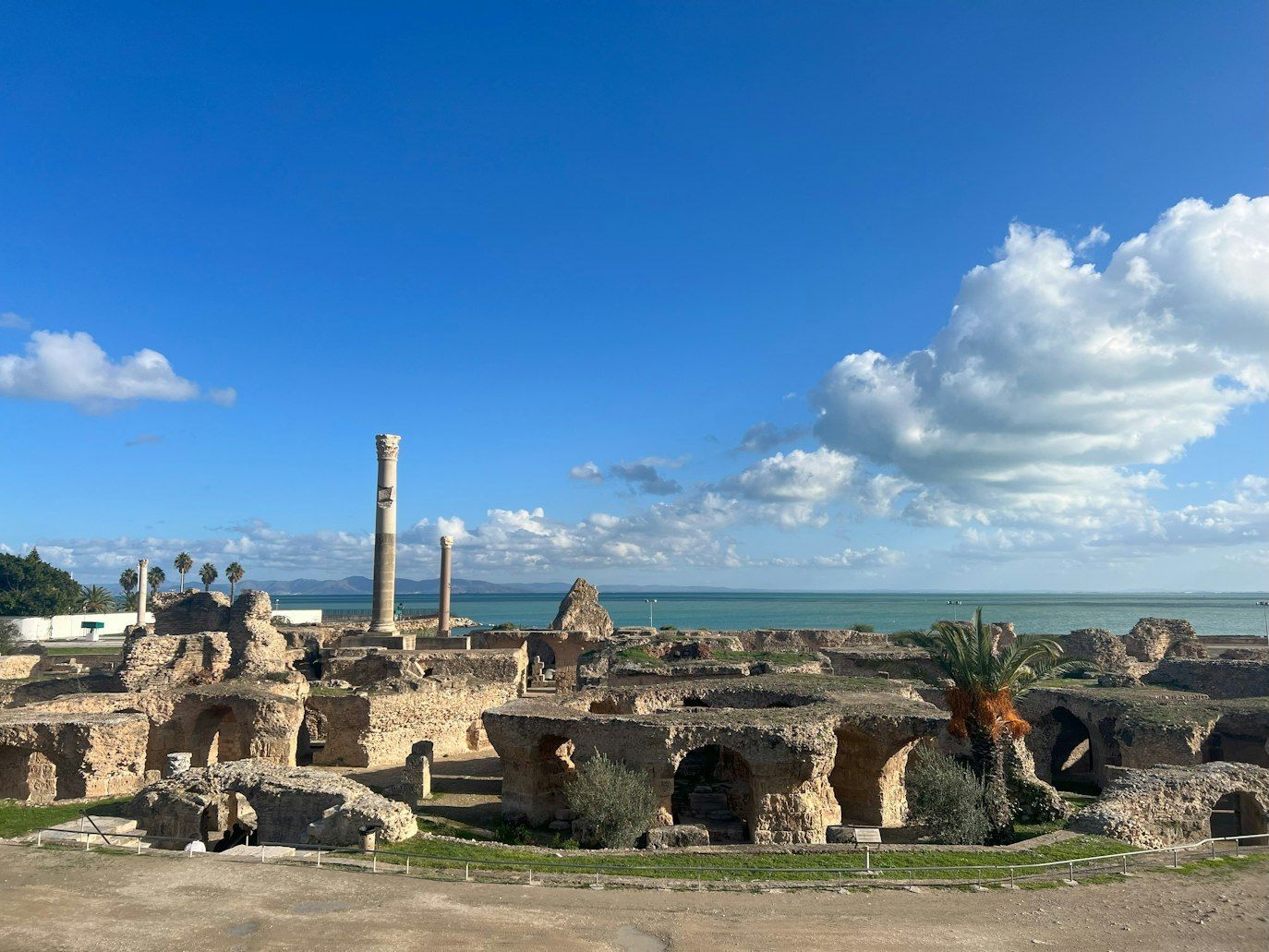
Cartagena, Spain

Image: Martin Casagrand

Many people hear ‘Cartagena’ and think about the Colombian city, named after its Spanish namesake. But Spanish Cartagena is also named after a city. This Mediterranean town was founded by Carthaginian general Hasdrubal with the name of Carthago (after the North African city of the same name). Conquered by the Roman Empire, it was renamed Carthago Nova, or ‘New Carthage’, and, after the Visigoth and Arab rule, its name evolved to Cartagena.

7

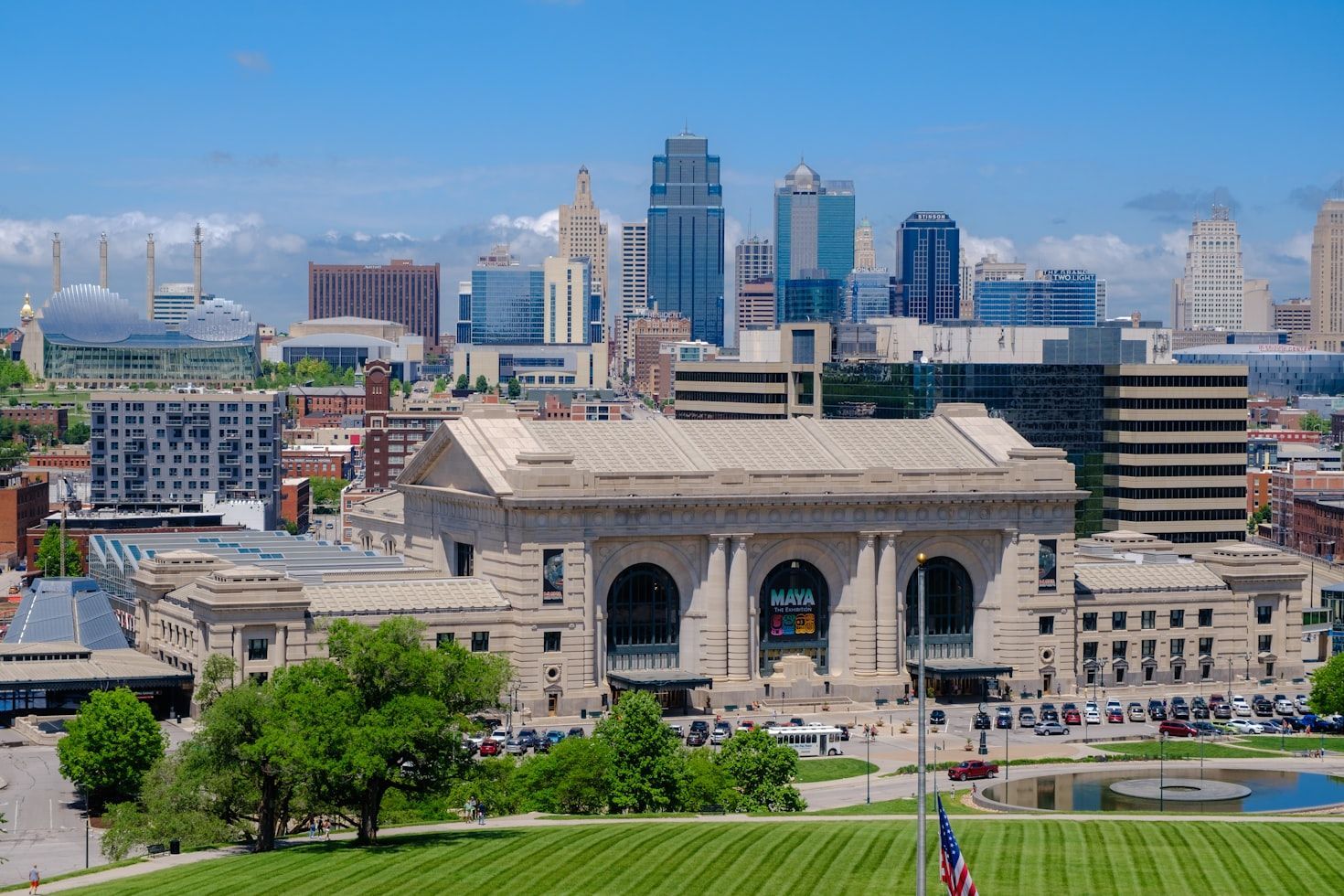
Kansas City, Kansas

Image: Farhodjon Chinberdiev

One would think that a city named Kansas in a state named Kansas would be the first of its name. But the Kansas of Kansas is named after Kansas City, Missouri. Founded in the 1830s, the Missourian Kansas quickly grew thanks to commerce and industry. Over the state line, the people of Kansas state decided to also have a Kansas City, to benefit from the economic growth associated with the name. Now you know: if you have a feeling that you are not in Kansas anymore, you might just be in Missouri.

8

Guadalajara, Mexico

Image: Miguel Alonso

Capital of the state of Jalisco, Guadalajara is one of the most important cities in Mexico. Its name is of Arab origin, and it means ‘valley of the stones’. Established by Spanish conquistadors in the 16th century, it was named by Cristobal de Oñate after his birthplace, Guadalajara City in Spain, a place once under Arab rule.

9

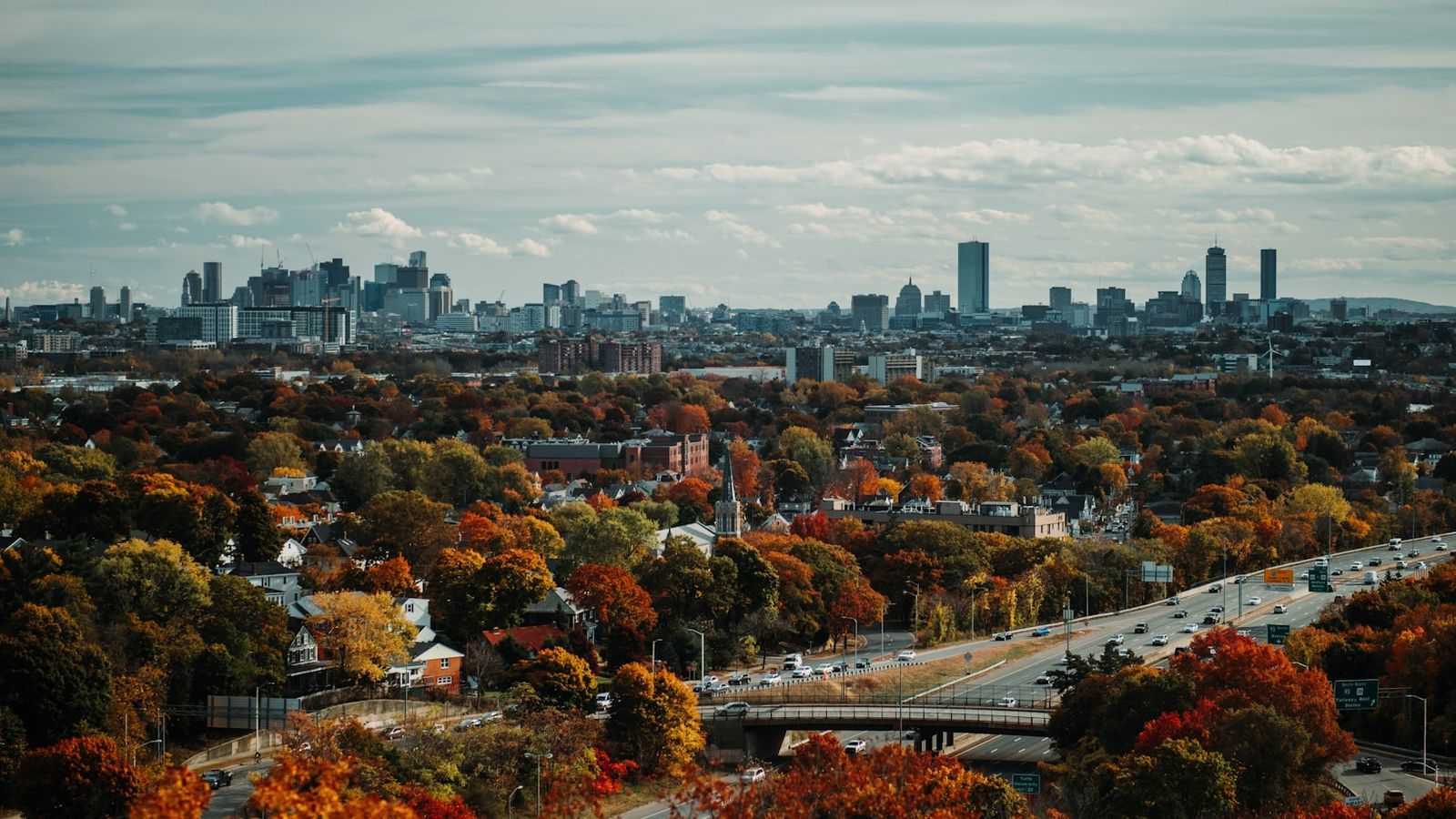
Boston, Massachusetts

Image: Mark Olsen

There are at least 16 places in the U.S. named Boston, but only one of them is named after a foreign city. The capital of the state of Massachusetts was established in the 17th Century by Puritan settlers, who took the name from an English port in Lincolnshire. The new Boston was the scene of several key episodes in the American Revolutionary War, and all other Bostons in the U.S. are named after it.

10

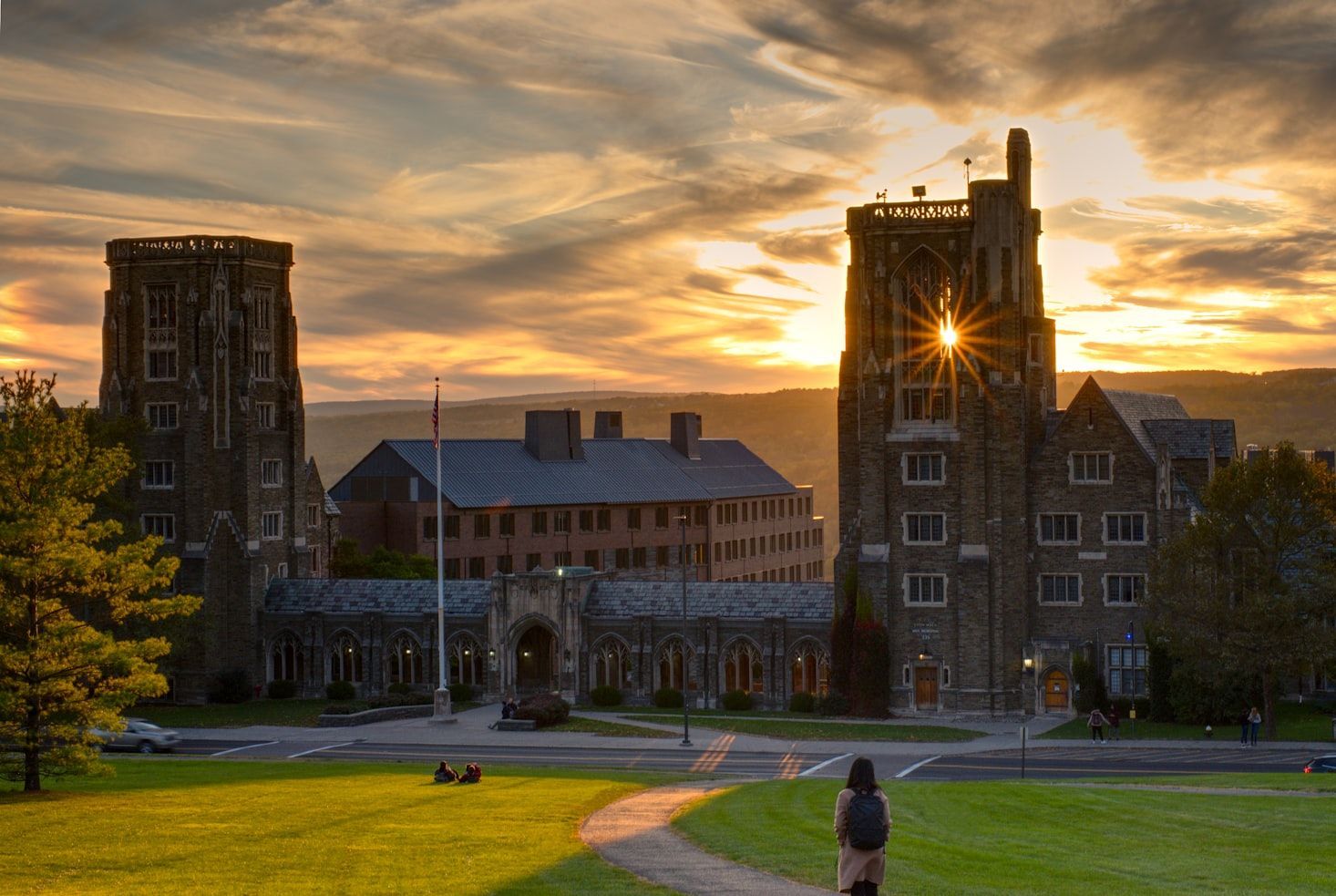
Ithaca, New York

Image: Christopher Chan

Ithaca is a college town, home to Cornell University. It was founded after the Revolutionary War, on territory gained from the Iroquois, who had helped the British Army during the conflict. The American government granted plots of land as payment to soldiers in the Continental Army, one of them being Moses De Whitt. First settled in the Town of Ulysses, he later relocated to what is now Ithaca and named it after the Greek island that was Ulysses’ home.
The truth about your brain

You won’t believe what happens in your brain while you sleep


Published on May 2, 2026


Image: Milad Fakurian

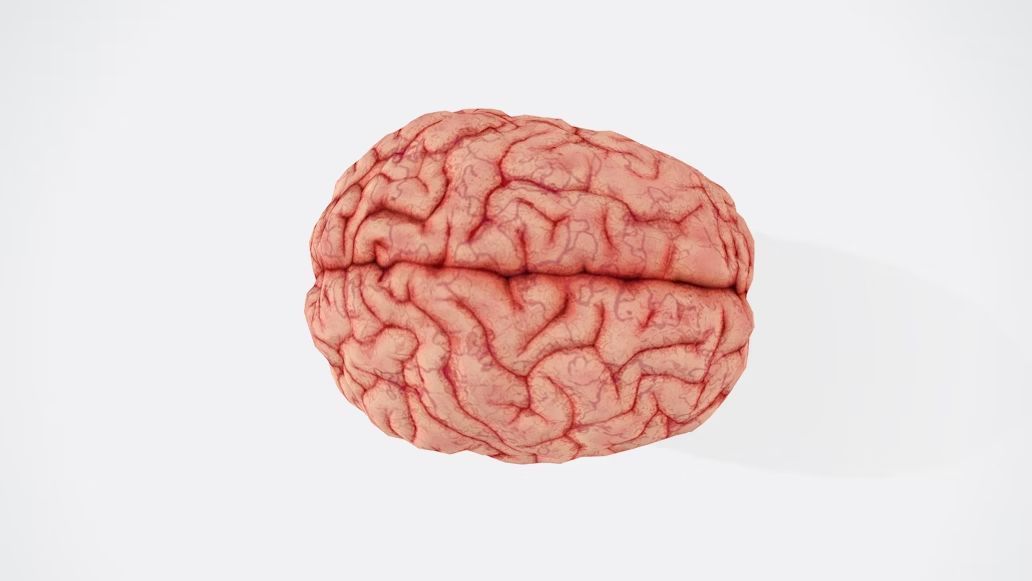
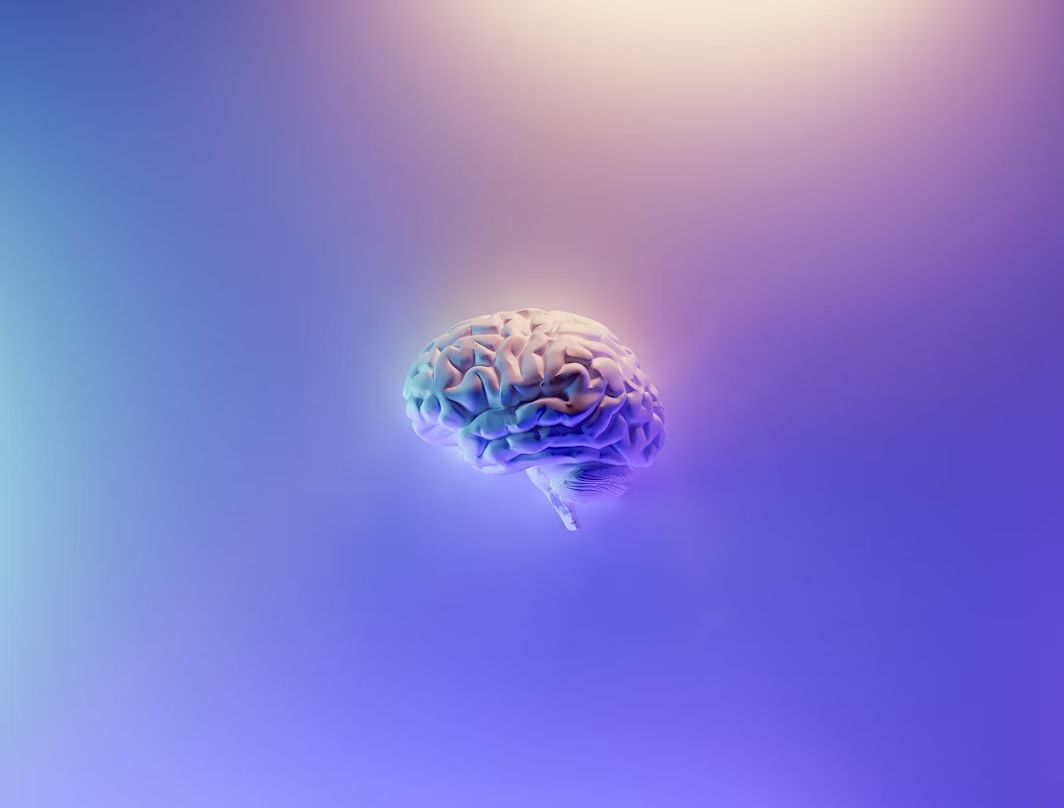
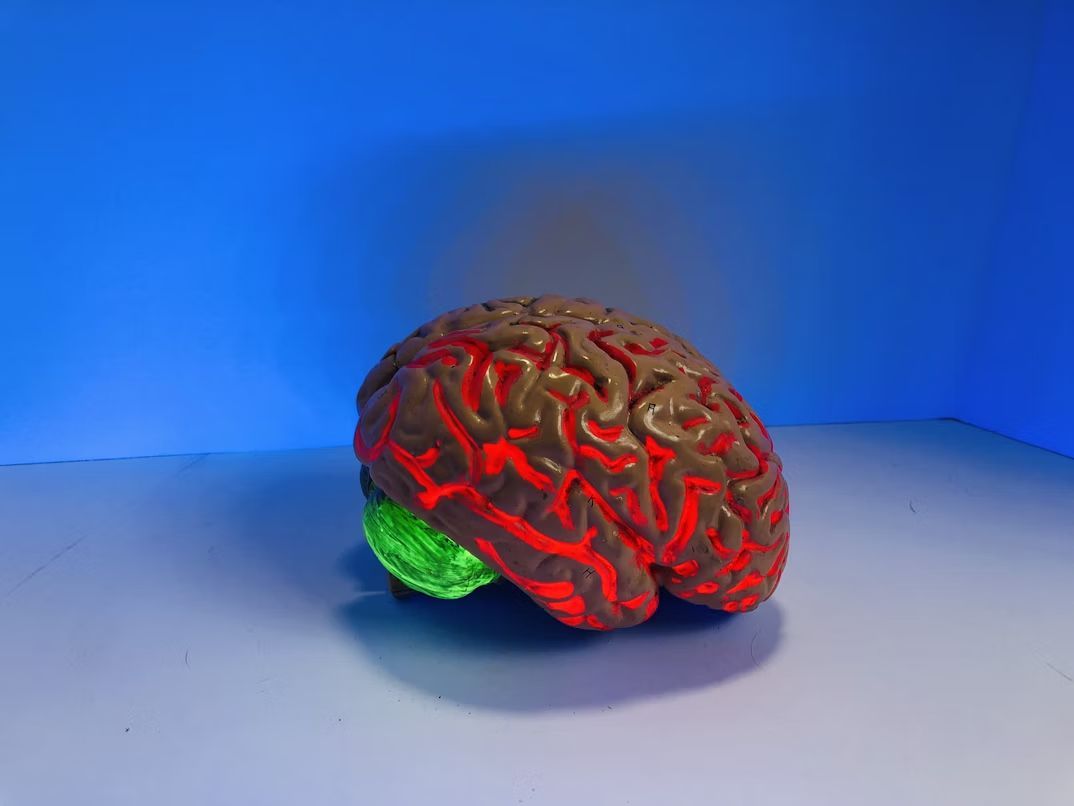
Your brain is one of the most powerful and mysterious organs in your body. It controls everything from your thoughts to your emotions and even processes information at lightning speed. But how much do you really know about it? Some long-believed myths about the brain have been debunked, while other surprising facts reveal just how incredible this organ truly is. Get ready to be amazed by these fascinating brain facts!

1

Myth: We only use 10% of our brain

Image: Natasha Connell

You’ve probably heard this one before, but it’s completely false! While it’s true that not all parts of the brain fire at the same time, imaging studies show that most regions are active throughout the day, even when we sleep.

Your brain is constantly working, controlling bodily functions and emotions, and processing information. So next time someone says you’re only using 10% of your brain, you can confidently tell them that’s just a myth!

2

The brain itself can’t feel pain

Image: Aarón Blanco Tejedor

Here’s a weird fact: While your brain processes pain signals from the rest of your body, it has no pain receptors of its own. This is why surgeons can perform brain surgery on conscious patients without causing them pain.

However, the membranes and tissues surrounding the brain do have pain receptors, which is why headaches and brain injuries can be so excruciating.

3

Headaches are actually chemical reactions

Image: Usman Yousaf

How come we have headaches if the brain has no pain receptors? Well, that’s because headaches are triggered by chemical activity in the brain, changes in nerves and blood vessels, and even fluctuating serotonin levels.

In some cases, hormones like estrogen can also play a role, which explains why migraines are more common in women.

4

Dreams: Your brain’s midnight movie theater

Image: Go to Johannes Plenio's profile Johannes Plenio

Dreams are proof that your brain never rests! (Warning: this fact can make you feel exhausted.) While you sleep, your limbic system, that is, the part of the brain that deals with emotions, becomes especially active, which is why dreams often feel so intense.

On average, humans experience four to seven dreams per night, even if we don’t always remember them. And what about that scary nightmare about falling? Well, you can thank your amygdala, the brain’s fear center, for that one.

5

Your short-term memory lasts less than 30 seconds

Image: Brett Jordan

Have you ever walked into a room and instantly forgotten what you were after? That’s because short-term memory only lasts about 20-30 seconds! That’s not enough!

Your brain holds a limited amount of information in its active state before deciding whether to store it or discard it. Ironically, we can’t really choose what makes the cut, but we do hope these facts stay with you!

6

Brain freeze is your body’s warning signal

Image: BUDDHI Kumar SHRESTHA

That sharp, icy pain when you eat something too cold? It’s your brain’s way of telling you to slow down! Officially called sphenopalatine ganglioneuralgia, a brain freeze happens when cold food or drinks rapidly chill the blood vessels in your throat, causing them to constrict and then rapidly expand. This sends pain signals to your brain, warning you of the sudden temperature shift. It’s annoying, but it’s actually your body trying to protect itself!

7

Your brain thinks a lot!

Image: Josh Riemer

You didn’t need us to tell you, but let’s look at the details: The average person has between 12,000 and 60,000 thoughts per day. What’s even more interesting? 95% of those thoughts are the same ones you had yesterday. Is that not surprising enough? Hear this out: 80% of them tend to be negative. That’s because our brains are wired for survival, constantly analyzing risks and potential dangers.

8

Your brain uses 20% of your body’s oxygen and blood

Image: Terry Vlisidis

Even though it only makes up about 2% of your body weight, your brain employs a major quantity of energy! It consumes 20% of your oxygen and blood supply, making it one of the most demanding organs in your body.

If your brain goes without oxygen for just five minutes, brain cells start dying, leading to irreversible damage. This is why deep breathing and cardiovascular exercise are great for brain health!

9

Seeing stars? That’s your brain processing vision!

Image: Alexander Andrews

Do you know that feeling when you hit the back of your head and see stars? That’s because your occipital lobe, which controls vision, is located at the back of your brain. If you get hit there, your brain momentarily misfires, causing flashes of light.

Interestingly, your brain processes vision on the opposite side; while your right brain controls your left eye, your left brain controls your right eye. It’s one of the many ways the brain operates in a complex way.

10

Your brain can power a light bulb!

Image: Rodion Kutsaiev

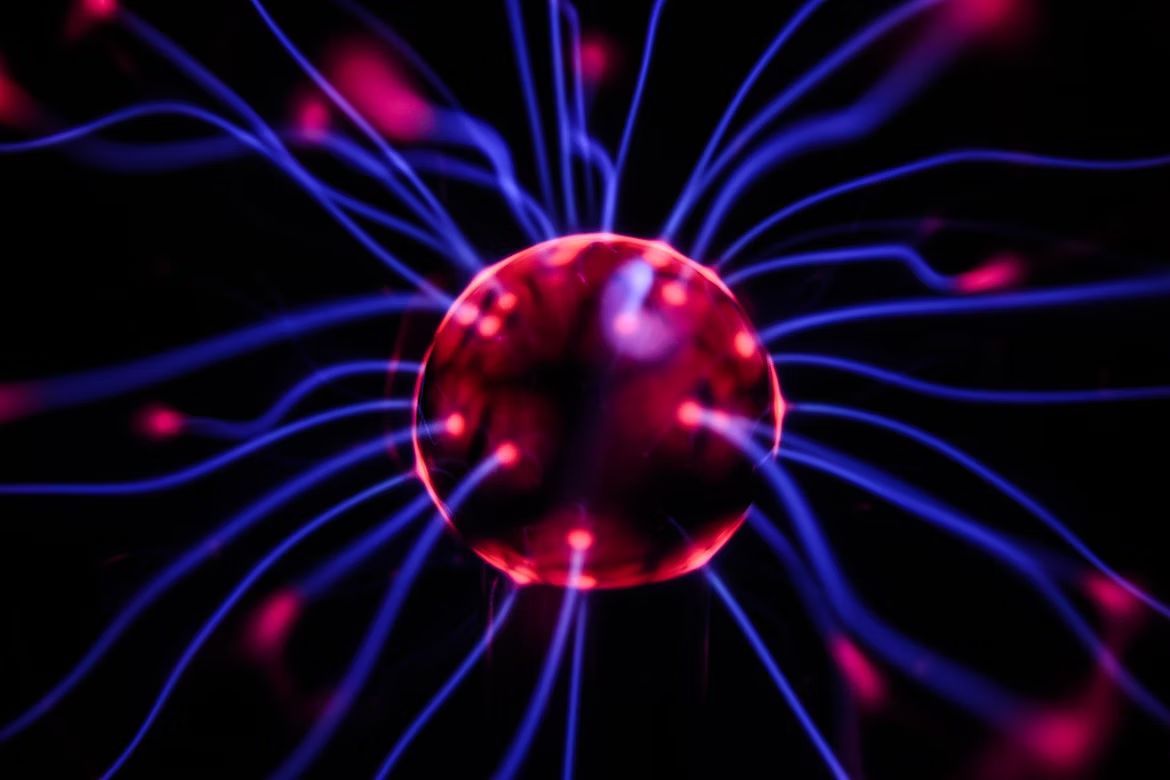
Believe it or not, your brain generates between 12 and 25 watts of electricity when you’re awake. If you can’t really grasp how powerful that is, check this out: It’s enough to power a small light bulb! Your brain’s electrical activity is what allows neurons to send signals at speeds of up to 260 miles per hour.

11

Your brain is mostly fat

Image: Robina Weermeijer

Your brain may be the fattiest organ in your body, consisting of at least 60% fat! This is why consuming healthy fats, like omega-3s and omega-6s present in fish, for example, is essential for brain health.

Healthy fats stabilize brain cell walls, reduce inflammation, and support cognitive function. So go ahead and enjoy that avocado toast, it’s food for your brain!

12

Your brain shrinks as you age

Image: Robina Weermeijer

It’s not just your memory that fades over time; the brain itself physically shrinks as one gets older. It continues developing until your late 40s, but after that, it slowly decreases in size.

Now, size doesn’t equal intelligence, so a smaller brain doesn’t necessarily mean a less capable one. Staying mentally active, exercising, and eating brain-boosting foods can help keep it in top shape!

13

Cholesterol plays a big role in memory

Image: Lisa Yount

We often think of cholesterol as bad, but your brain actually depends on it! In fact, 25% of your body’s cholesterol is stored in your brain, where it helps with learning and memory. However, unlike other organs, the brain can’t absorb cholesterol from the blood, it has to produce its own. So, while too much cholesterol in the body can be harmful, the right amount is vital for brain function. At least you can use that as an excuse to get that burger!

Looking for an extra scoop of literary fun?

Learn more with our Word of the day

loot

/lut/